

























The present, past, and future of Paloma Wool The Spanish brand has managed to evolve like few others
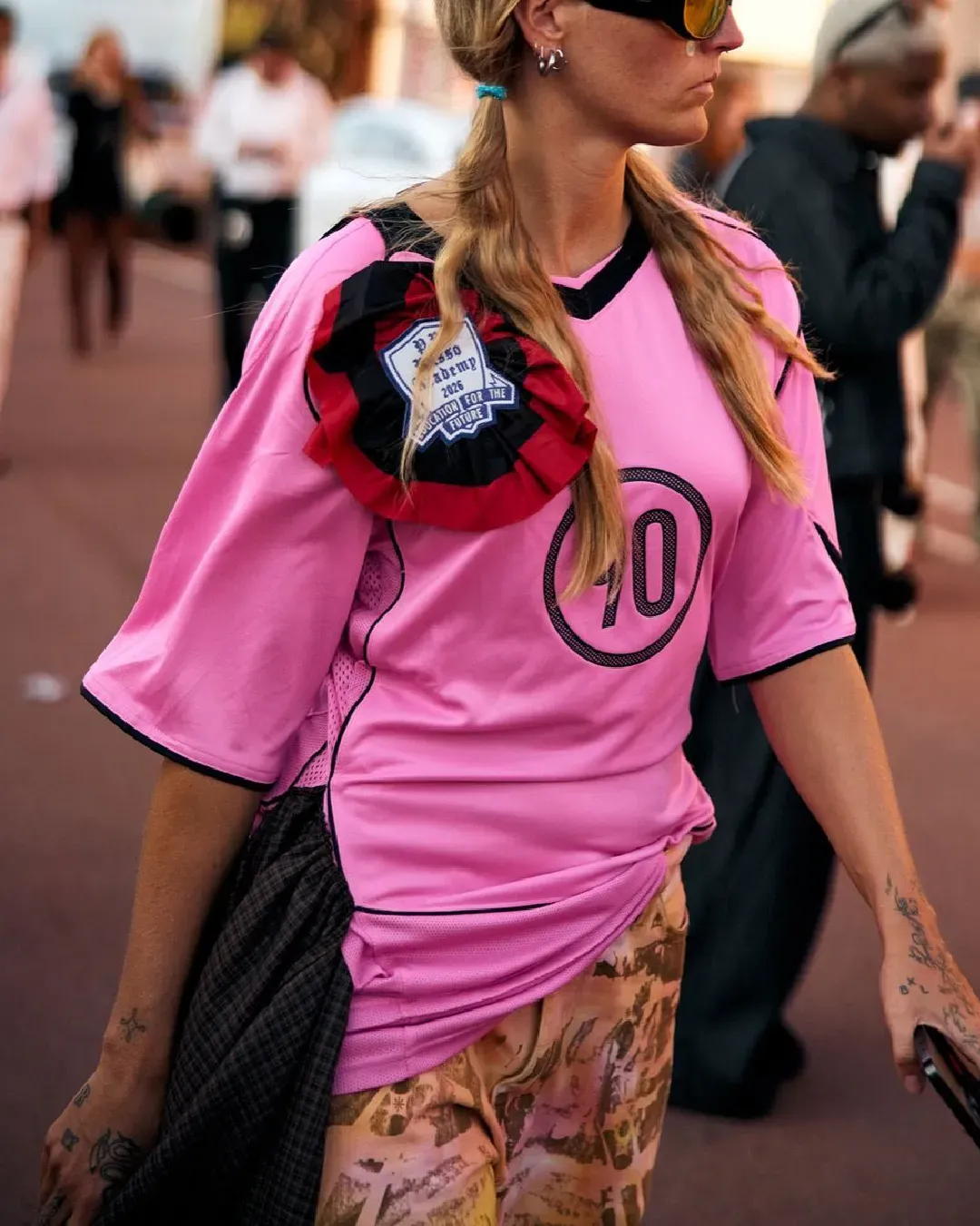
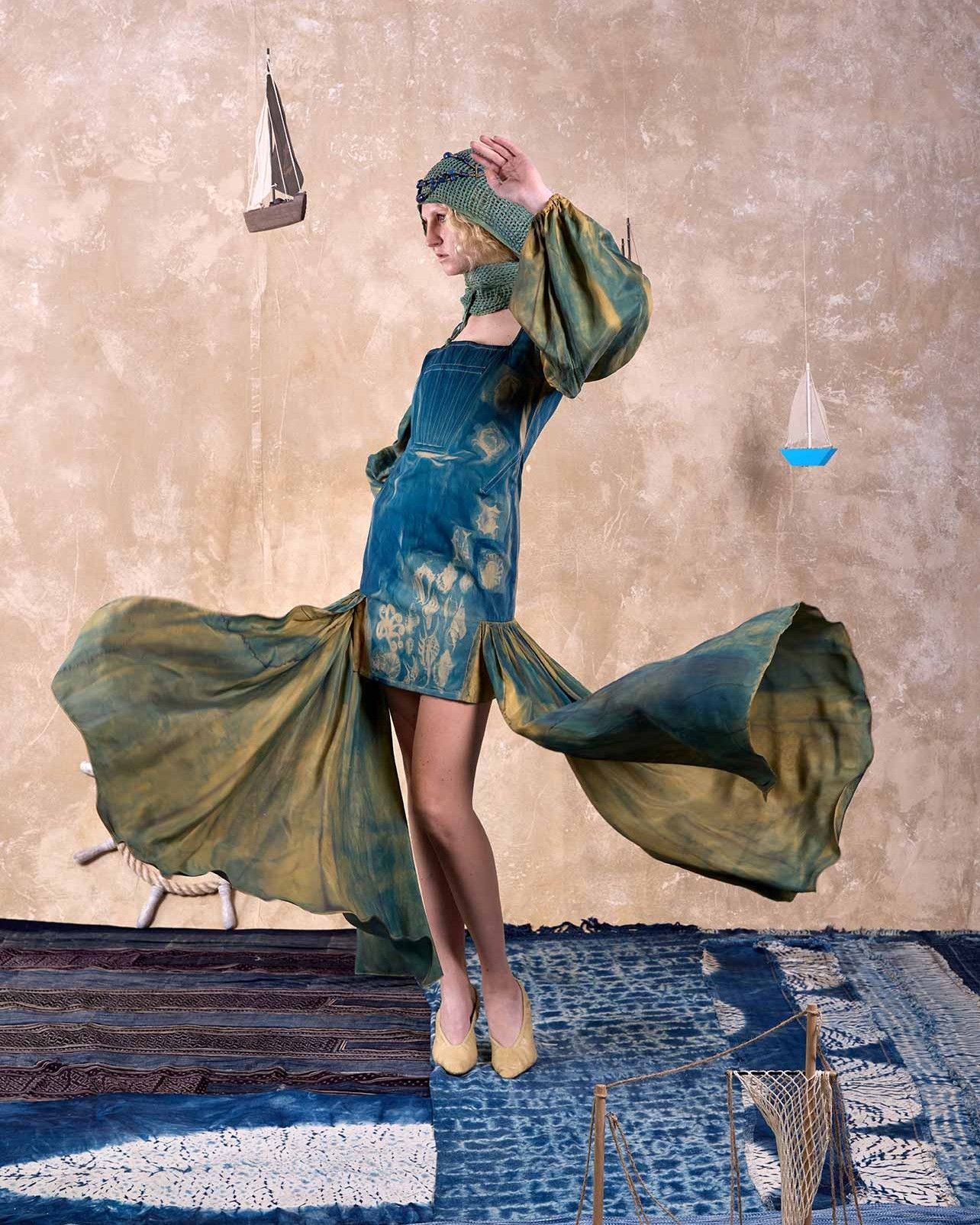
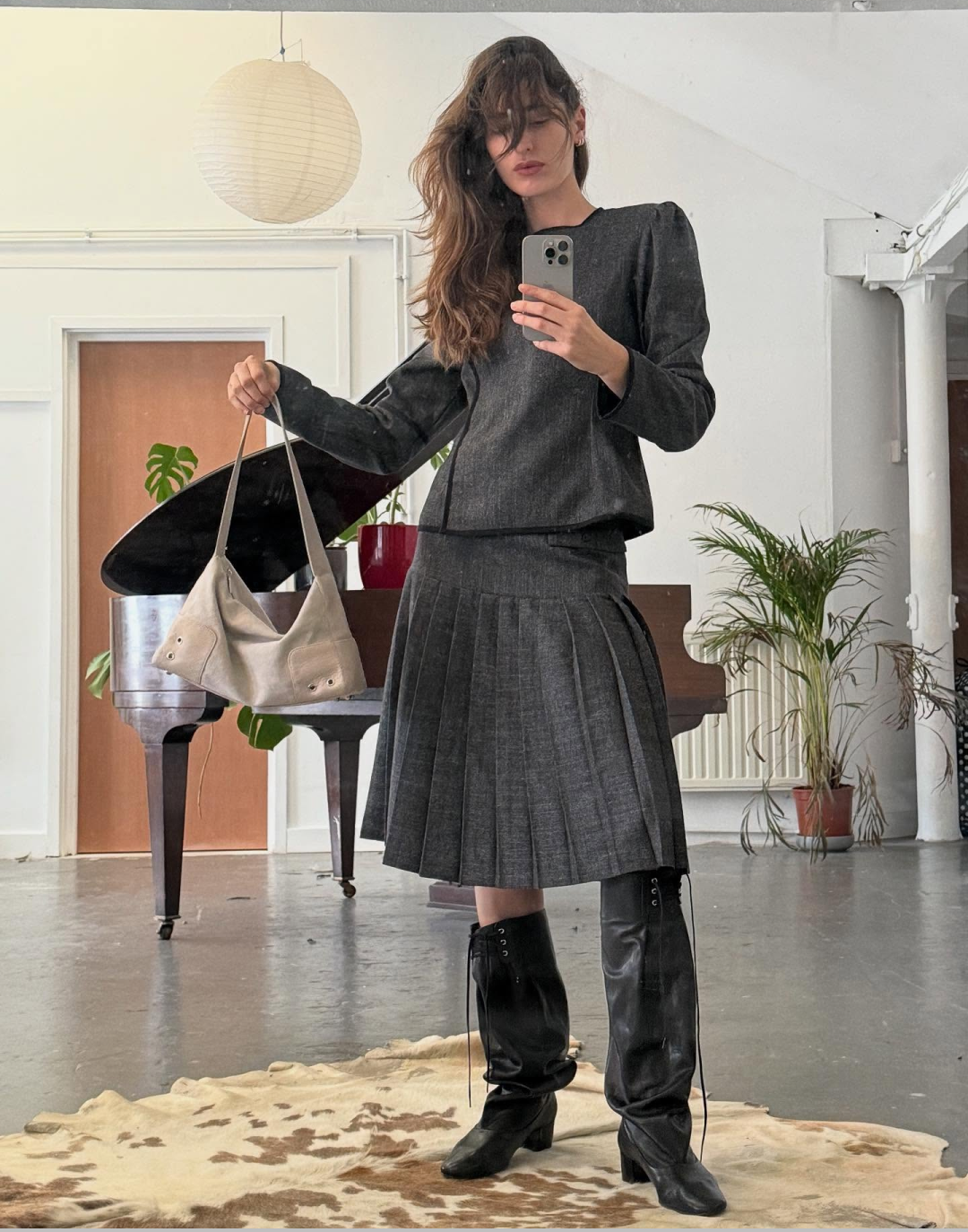
In recent years, Paloma Wool has progressively stopped behaving like a brand that needs to prove something to the social media audience. Not because it has disowned its past, but because it has stopped depending on it. Scrolling backward on its Instagram page, we see today's gray and sober colors become increasingly colorful as the years go back. Just scroll far enough and the brand seems like a different one: summery, colorful, psychedelic, but also more frivolous, sexy, and playful.
An entire aesthetic born during the brand's boom in the pandemic, when people talked about “dopamine dressing” and on social media it was necessary to fight, post after post, the grayness of pajamas and tracksuits worn by half the world. That of Paloma Wool, which quickly became more adult and more austere, is a subtle but crucial shift that concerns more and more brands born and grown in a digital ecosystem where aesthetics was, first and foremost, a form of visibility. Until ten or five years ago, to emerge, it was enough to be immediately visually recognizable. Today, however, that recognizability is no longer enough. And that's why, quietly, Paloma Wool has completely changed. Which raises the question: how did Paloma Wool manage to renew itself while remaining true to itself?
How was Paloma Wool born?
paloma wool designer's neice uma in her designs pic.twitter.com/zCmT9dwypr
— roo (@cafewindows) August 25, 2024
Founded in Barcelona in 2014, Paloma Wool had to wait for the pandemic to be discovered online by the general public. Behind the project is Paloma Lanna, who founded the brand at just 23 years old and has always followed its creative direction. Having grown up in a family context linked to fashion, Lanna imagined Paloma Wool from the beginning as a reality in constant dialogue with art, photography, and the visual arts. An approach that was fundamental in building the brand's identity and found particularly strong expression thanks to the contribution of Tana Latorre, co-founder and visual artist, who helped define the tone and communicative aesthetic of the brand.
But if initially Paloma Wool was perceived mainly as a “feed brand,” beautiful on social media, perhaps with some viral product ready to be showcased by an influencer; in recent years the project has begun to shift elsewhere, progressively transforming into a more structured reality, with womenswear and menswear, accessories, footwear, and an increasingly relevant physical presence. As recently reported by the New York Times, Paloma Wool has often been defined as «avant-basic», a label that nicely sums up a certain ambiguity of brands born on social media.
How Paloma Wool became Paloma Wool
@paloma_wool I like children universe vol 2
original sound - unhoelied
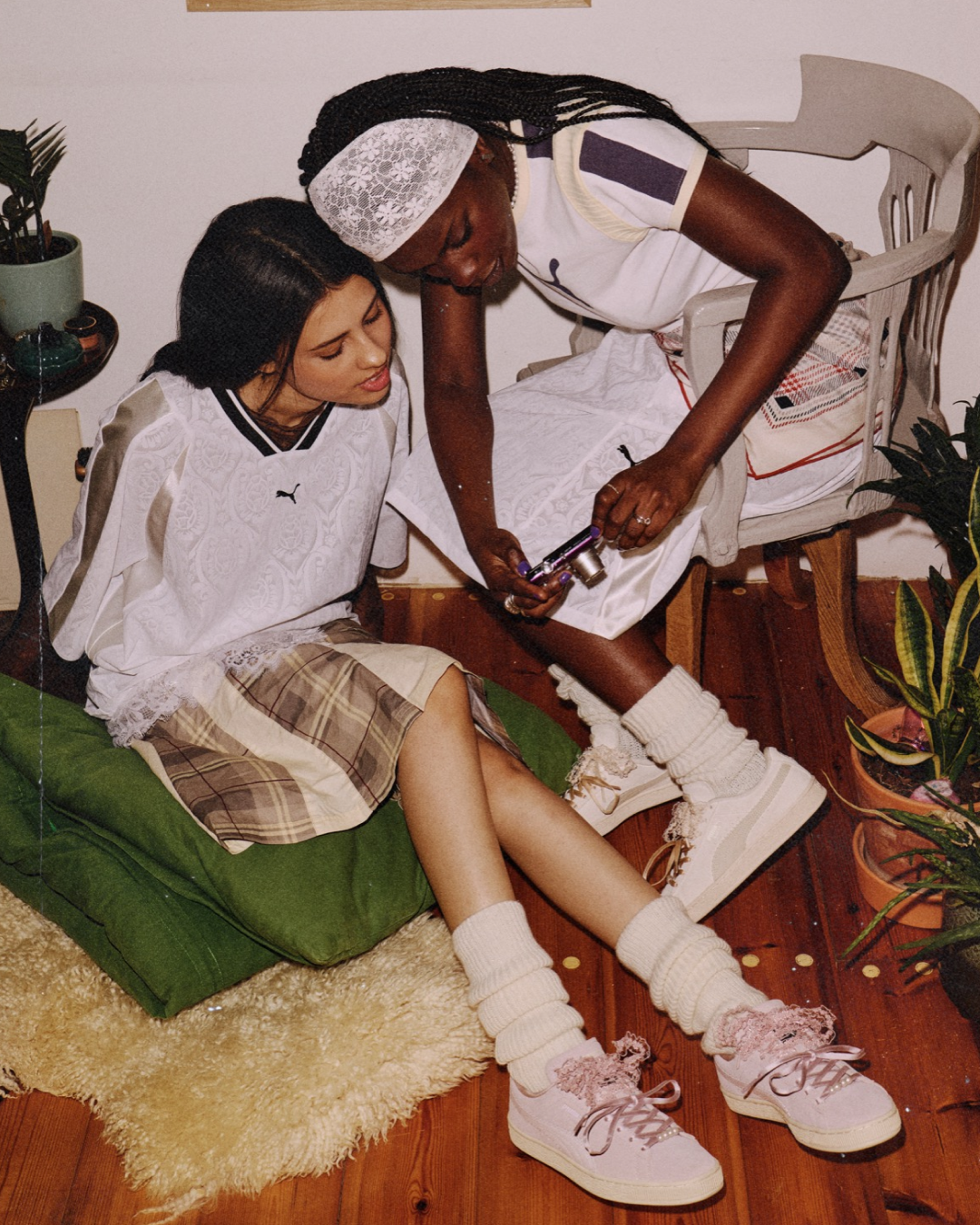
The real turning point, however, came between 2020 and 2021, when Paloma Wool experienced rapid growth thanks to easily recognizable pieces characterized by unusual silhouettes, retro references, playful patterns, spirals, and strongly graphic motifs, such as those seen in the SS21 collection. According to the New York Times, these elements worked particularly well because of their immediate visual impact, making several pieces go viral on social media and cementing the brand’s image as one of the most distinctive of its generation.
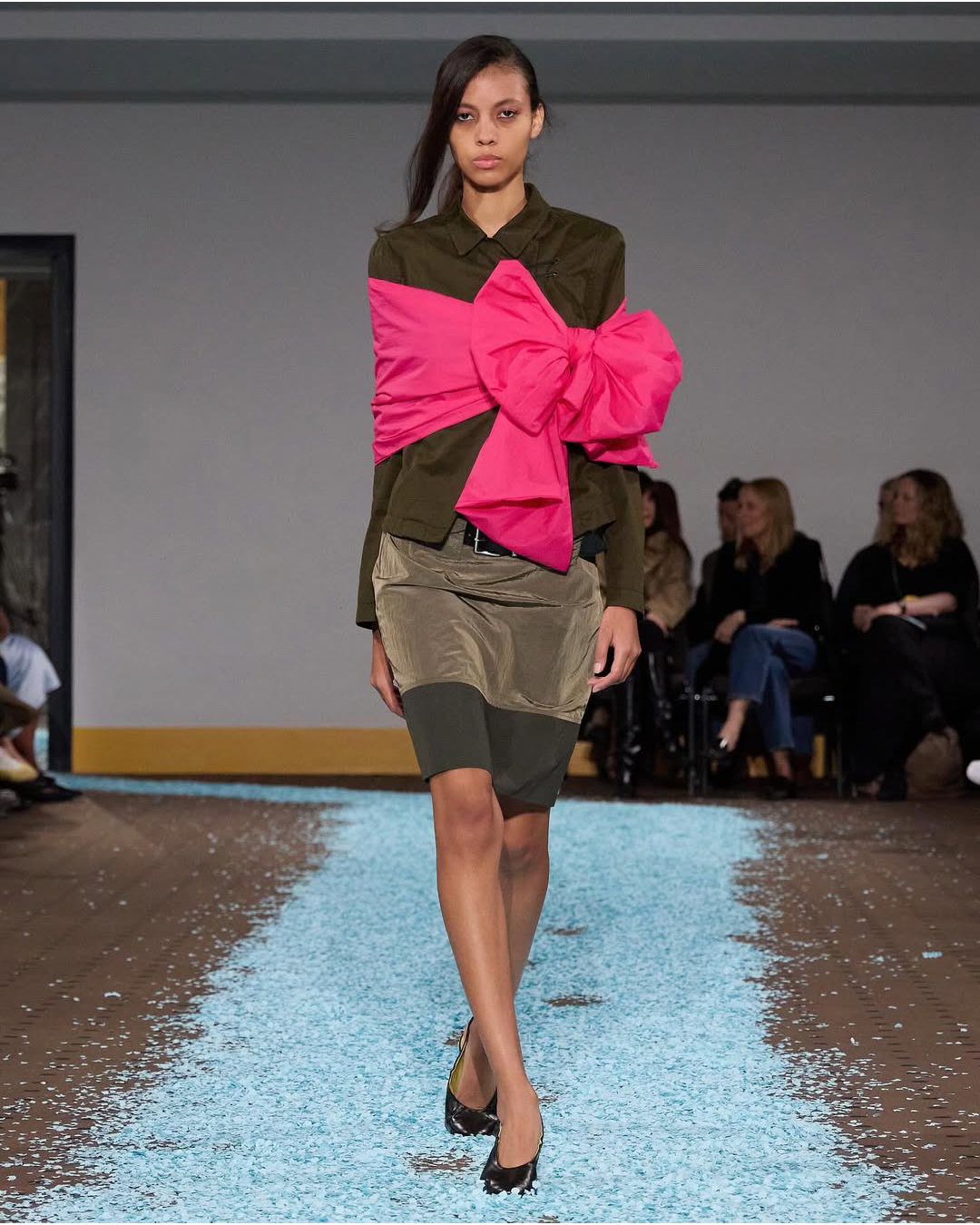
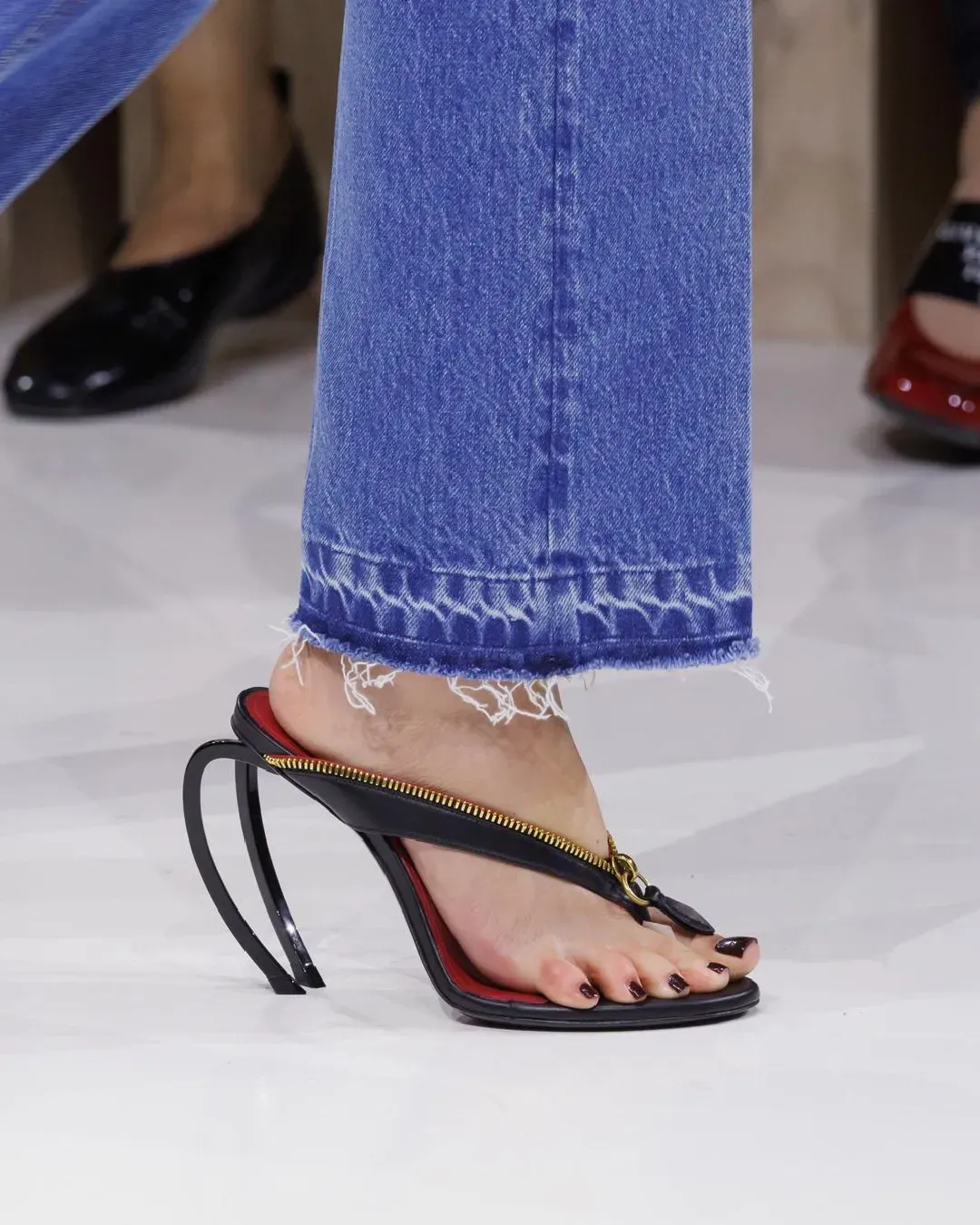
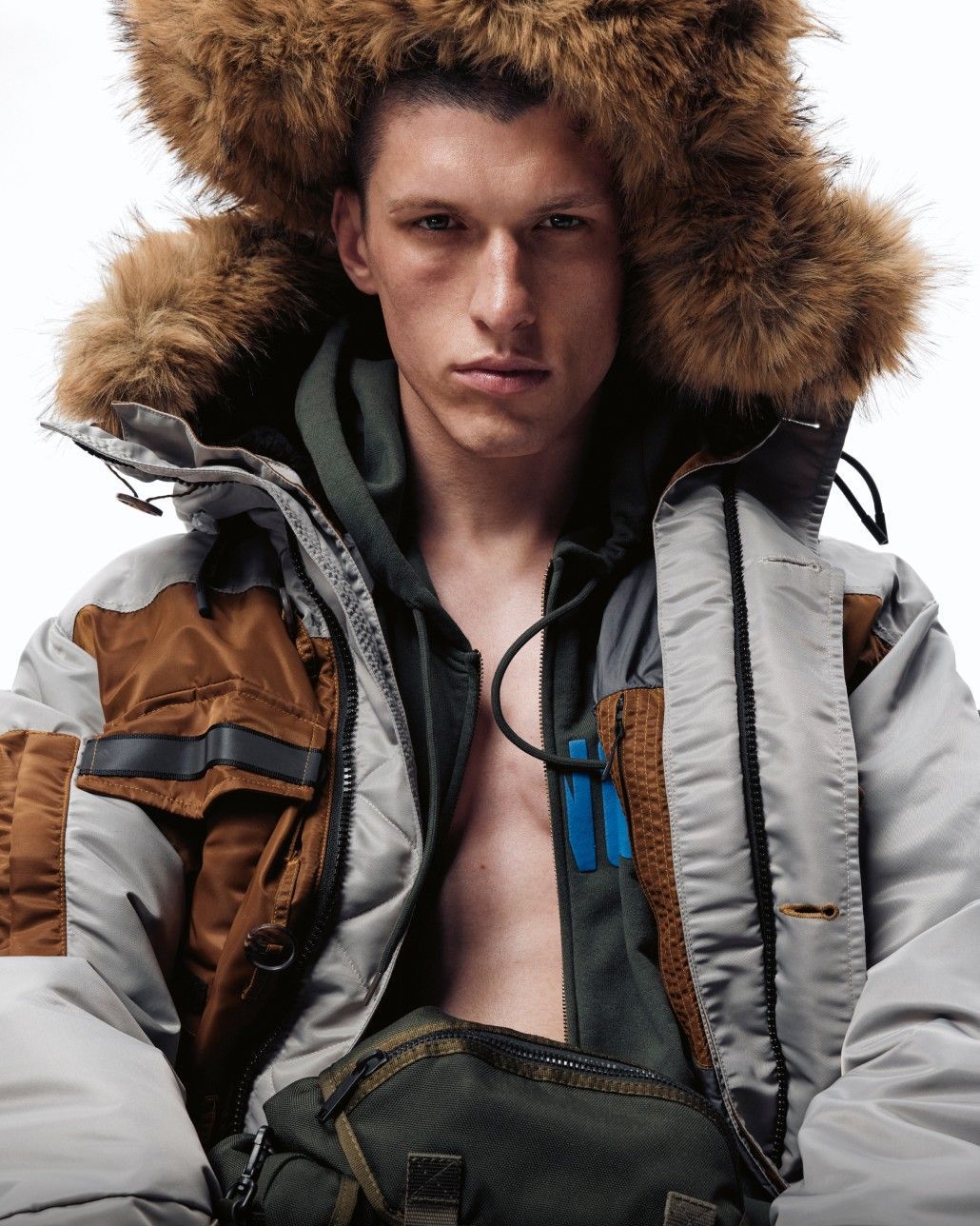
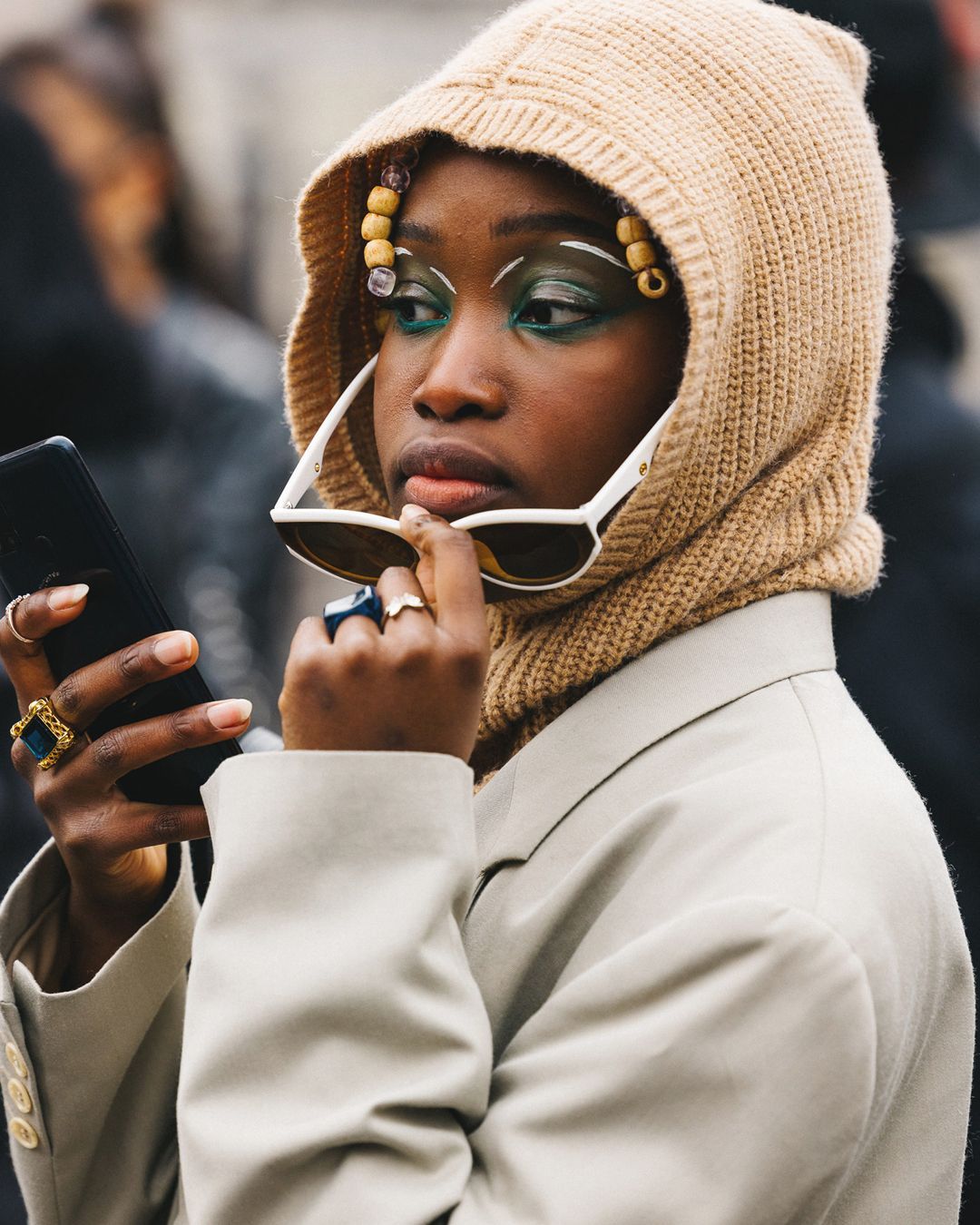
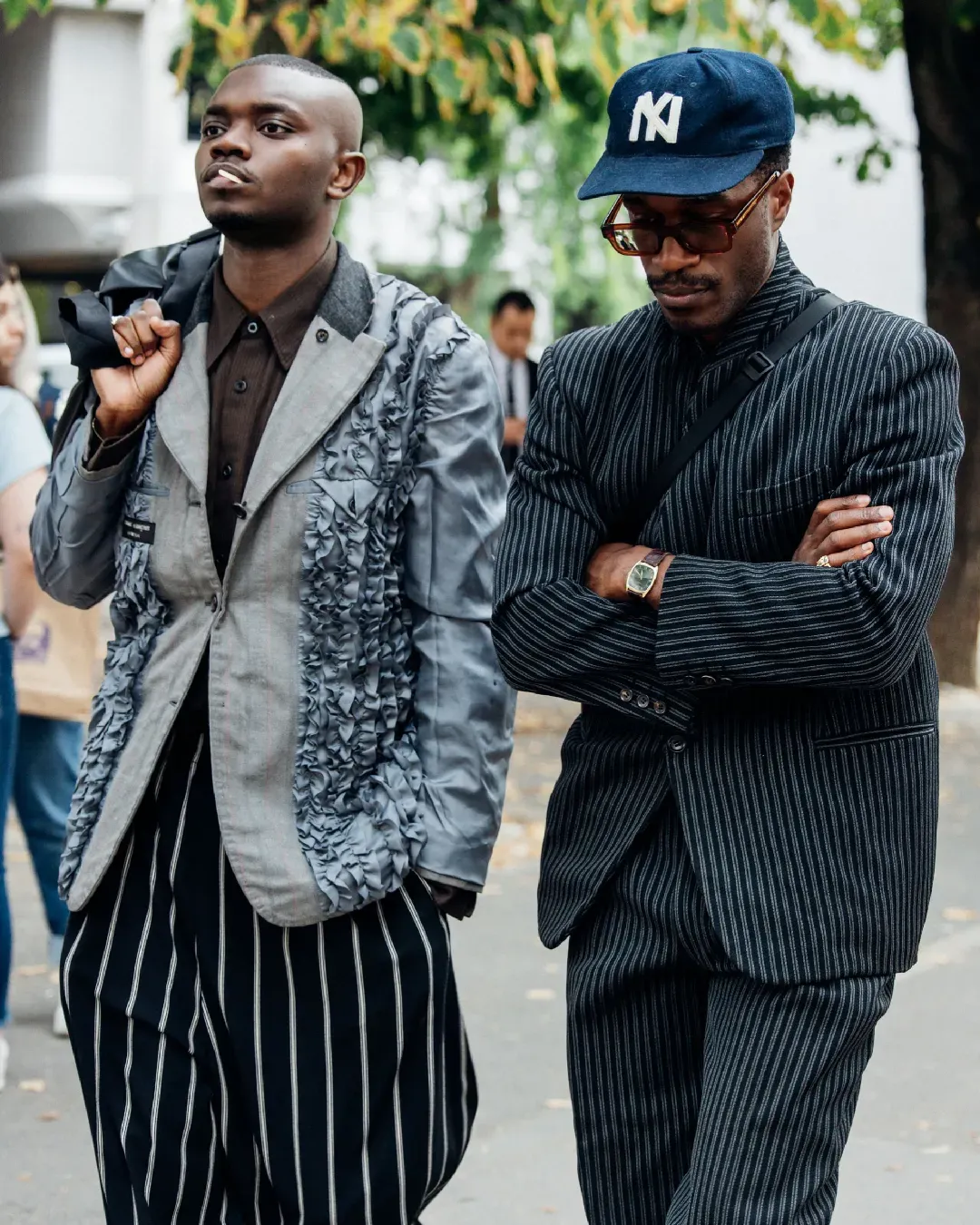
That same recognizability, however, soon began to represent a limitation. In recent years, Paloma Wool has almost completely changed its language, gradually moving away from a more pop and “artsy” aesthetic toward more restrained, rigorous, and sophisticated proposals. The visual subtraction of recent years should not be read merely as an aesthetic choice, but as a stance toward the very system that had made the brand popular.
This is a dynamic that concerns many emerging brands that built their success during the early decades of the 2000s, born “already grown” from a communication standpoint, perfectly fluent in the language of social media, yet now required to prove something different: no longer just the ability to be seen, but the ability to last.
Paloma Wool today
@anika.wor literally my dreambag *no ad #palomawool #fyp #unboxingvideo #palomawoolunboxing #fashion Bossa Nova jazz that seems to fit in a cafe(1433079) - TAKANORI ONDA
As Pablo Feu, the brand’s CEO, told the Financial Times, this shift was not without risk. “It was a risky bet from a commercial point of view: we were already selling well before, but we decided to push Paloma Wool into a more demanding segment, one that required higher quality standards”. A decision that, at least economically, has paid off: in 2024 the company closed the year with €17 million in revenue, with the United States and the United Kingdom as its main markets.
But beyond the numbers, what makes Paloma Wool’s evolution interesting is the way it reflects a broader phase within the fashion system. Today, many brands born and raised on Instagram face the same crossroads: continue to perform visually to remain relevant online, or accept a loss of immediacy in order to build something more lasting. In Paloma Wool’s case, this transition has also coincided with a diversification of its offering, including in the brand’s physical dimension. After years of pop-ups around the world, in 2025 Paloma Wool opened three different flagships in New York, Barcelona, and London. Spaces conceived not just as retail points, but as extensions of the creative project, developed in collaboration with the design studio Querida, already known for its work with artists such as Rosalía, Solange, and Bad Bunny.
What remains of the colorful brands of the pandemic?
@trashie Microtrends SUCK!#kendalljenner #trends #houseofsunny #microtrends #fastfashion #dupes original sound - Trashie
However, when Paloma Lanna told the NYT that she no longer recognized herself in the brand’s most eccentric pieces, she actively chose to question not just a creative phase, but the entire mechanism that for years rewarded a very specific aesthetic tied to Instagram brands of the early 2020s. Just think of House of Sunny, Peachy Den, and Gimaguas, all brands that worked extremely well as long as they were part of a very precise aesthetic and perfectly in step with the moment. But what happens when fashion moves beyond the trend?
The problem, in fact, is not becoming less “iconic”, but understanding what remains when the icon stops working, when the feed is no longer enough to sustain a project and visual recognizability no longer coincides with cultural relevance. In an emerging fashion landscape that is increasingly crowded and increasingly similar to itself, growing often means stopping the pursuit of being the next viral brand and accepting a loss of immediacy, of hype, even of instant desirability, in order to engage with something more complex and less reassuring.