


























Was SSense's bankruptcy really so predictable? The case of Canadian e-commerce is a lesson for all independent brands.
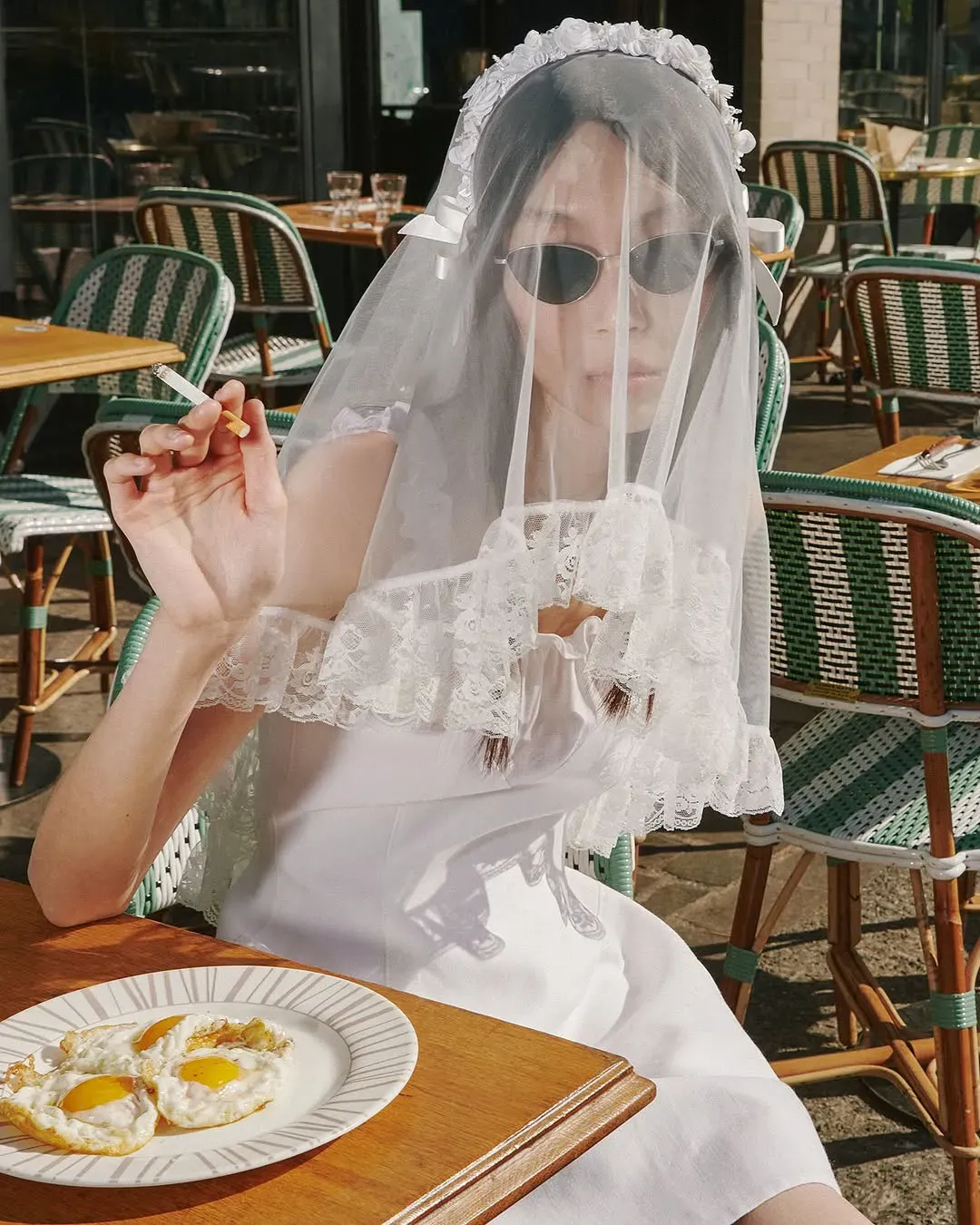
Despite the fame accumulated on social media, the first signs of decline for the Canadian ecommerce SSENSE arrived in 2023, twenty years after its founding. That year, the company founded in Montreal by brothers Firas Bassel and Rami Atallah shared the same fate as other online retailers, carrying out drastic staff cuts. But while Matchesfashion and Yoox-Net-a-Porter were nearing collapse - with the first shutting down in December 2023 and the second being acquired by MyTheresa - SSENSE managed to stay afloat thanks to qualities that made it unique: support for emerging and independent designers and a unique marketing strategy, ironic and capable of capturing Gen Z’s attention. Today, however, memes were not enough to change the fate of the ecommerce, which has just announced its bankruptcy.
According to company representatives, filing for bankruptcy is an attempt to protect itself from investors, who had been pressing for the sale of the company through the Companies Creditors Arrangement Act. In a letter shared by SSENSE with its employees, co-founder and CEO Rami Atallah blamed Trump’s trade policies, with 25% tariffs on goods imported from Canada delivering the final blow to ecommerce sales, along with the end of the tax exemption on shipments valued under $800.
@a.jarrodjenkins It’s wild to me that @SSENSE is still known for its deals. I’ve long since moved on, and let me tell you, there’s a much better way #fashiontiktok #ssense #ssensesale #bargainshopping #fashionhacks #margiela #balmain cc @SVRN @yoox original sound - Jarrod Jenkins
SSENSE's appeal to younger generations - enchanted by its unique and interactive social media aesthetic as well as its prices, often lower than competitors (with 30% sales becoming the brand’s norm) - turned out to be its Achilles’ heel. On one hand, SSENSE's artistic direction and collaboration with independent brands made it an excellent destination for anyone wanting to shop online and discover new emerging labels; on the other, it trapped the ecommerce in a saturated and unprofitable market, given Gen Z’s limited purchasing power.
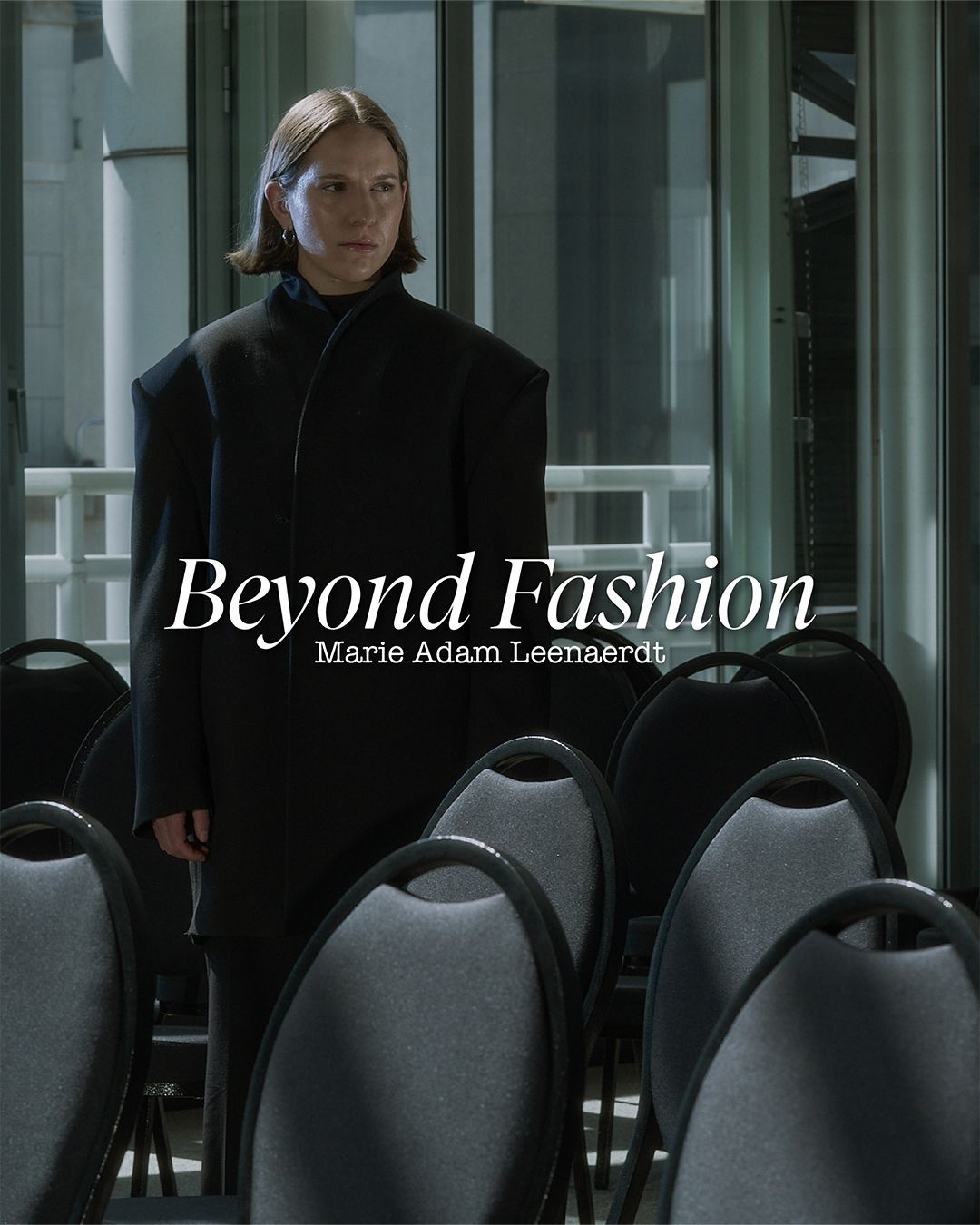
Memes and original campaigns aside - still iconic remains the spelling bee editorial of brands published in March 2024 - it cannot be said that SSENSE didn’t try its hardest. In October 2023, the year when the company reported revenue losses of 20%, it launched SSENSE XX, an adjacent line to the ecommerce created for limited-edition collaborations with brands such as ERL, Martine Rose, Diesel, Rick Owens, Salomon, New Balance, and JW Anderson.
@kaileemckenzie_ the fashion industry needs a total overhaul #ssense #luisaviaroma #bankruptcy #fashionindustry #cuttingroomfloor #businessoffashion original sound - Kailee McKenzie
Now that SSENSE has declared bankruptcy, the company’s problems fall on all the independent brands that relied on it for visibility and sales. «It’s been a really rough summer to work in fashion in America», commented on TikTok content creator, designer, and Staatsballet founder Kailee McKenzie. «When these retailers file for bankruptcy, often they haven’t been paying the brands whose inventory they are selling for months at a time. They’re basically selling stolen inventory». In this moment of great uncertainty for the entire fashion industry, in which not even the most popular global retailers manage to stay afloat - dragging down with them the independent brands they were supposedly “supporting” - creatives and founders stress the importance of supporting independent brands directly. «Also, just be careful with your money - adds McKenzie - these retailers are doing massive sales right now, and there’s a good chance they’re not even gonna deliver your order».
After the collapse of Farfetch, the closure of Matchesfashion, the sale of Yoox-Net-a-Porter, and the downfall of America’s largest department stores (Barney’s declared bankruptcy in 2020, Macy’s announced this year it will close 66 stores, while Saks is under investor pressure to sell, like SSENSE), it becomes clear that today fashion needs to find new systems. To survive, multi-brand retailers need much more than lots of followers and enticing discounts, while independent brands must learn to fend for themselves. In the post-hype era, having a niche community is fashion’s real trump card: to reach it, transparency and clarity are essential. Memes, by now, don’t last long.