





























Where does the ringer tee come from? From the '70s to the times of Indie Sleaze
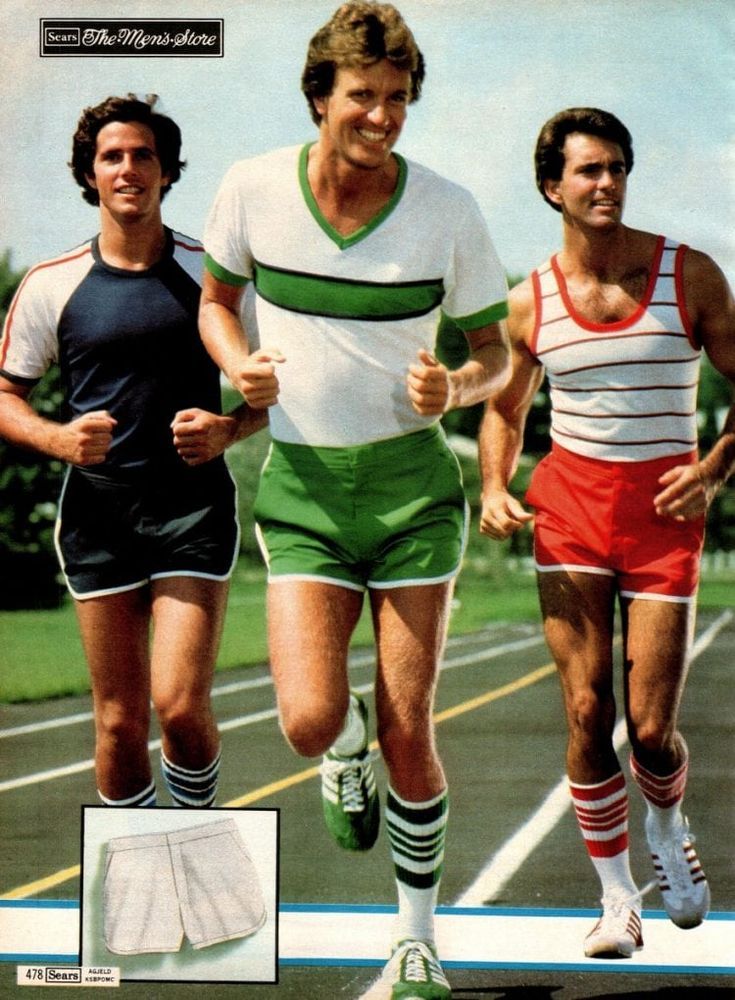
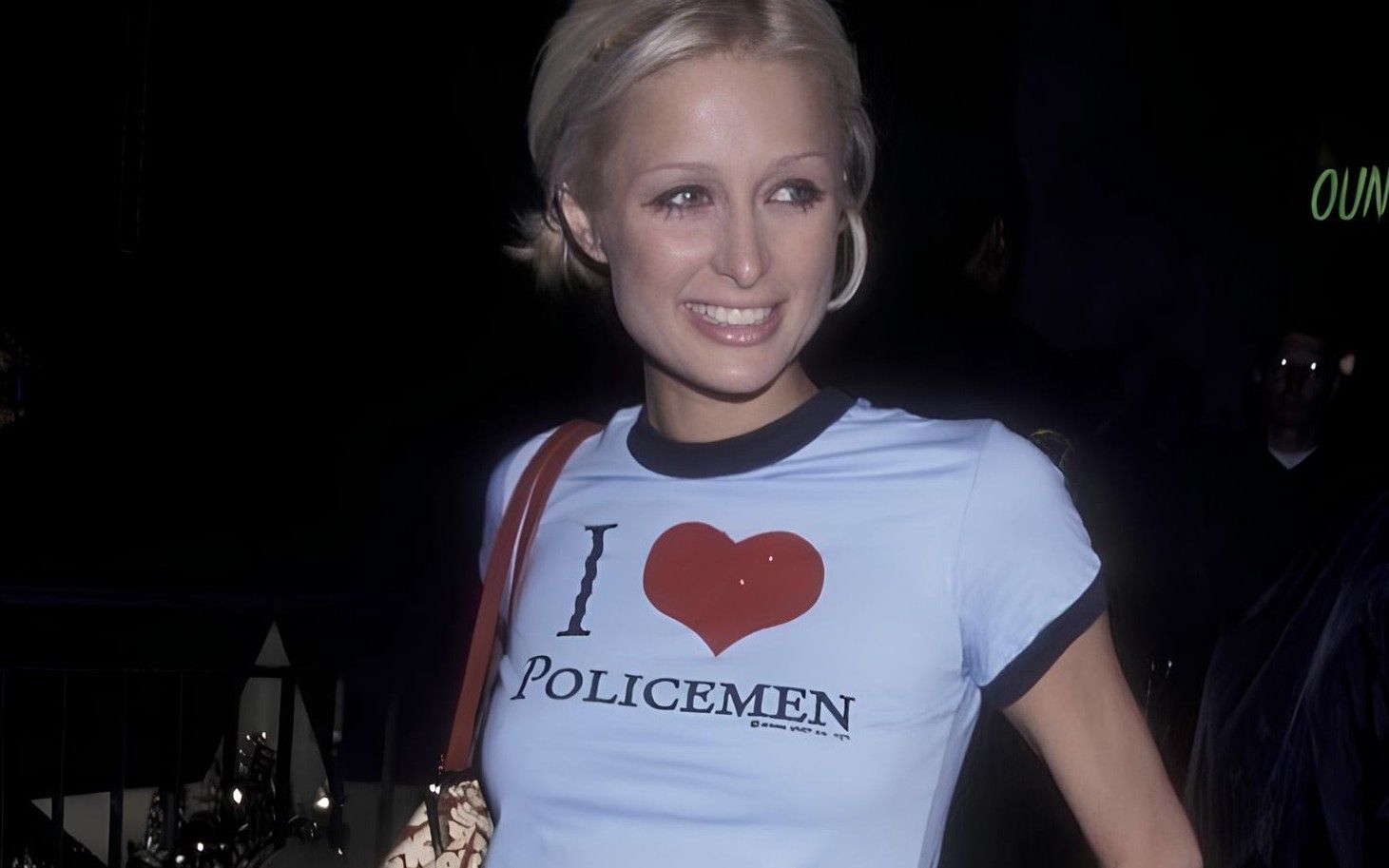
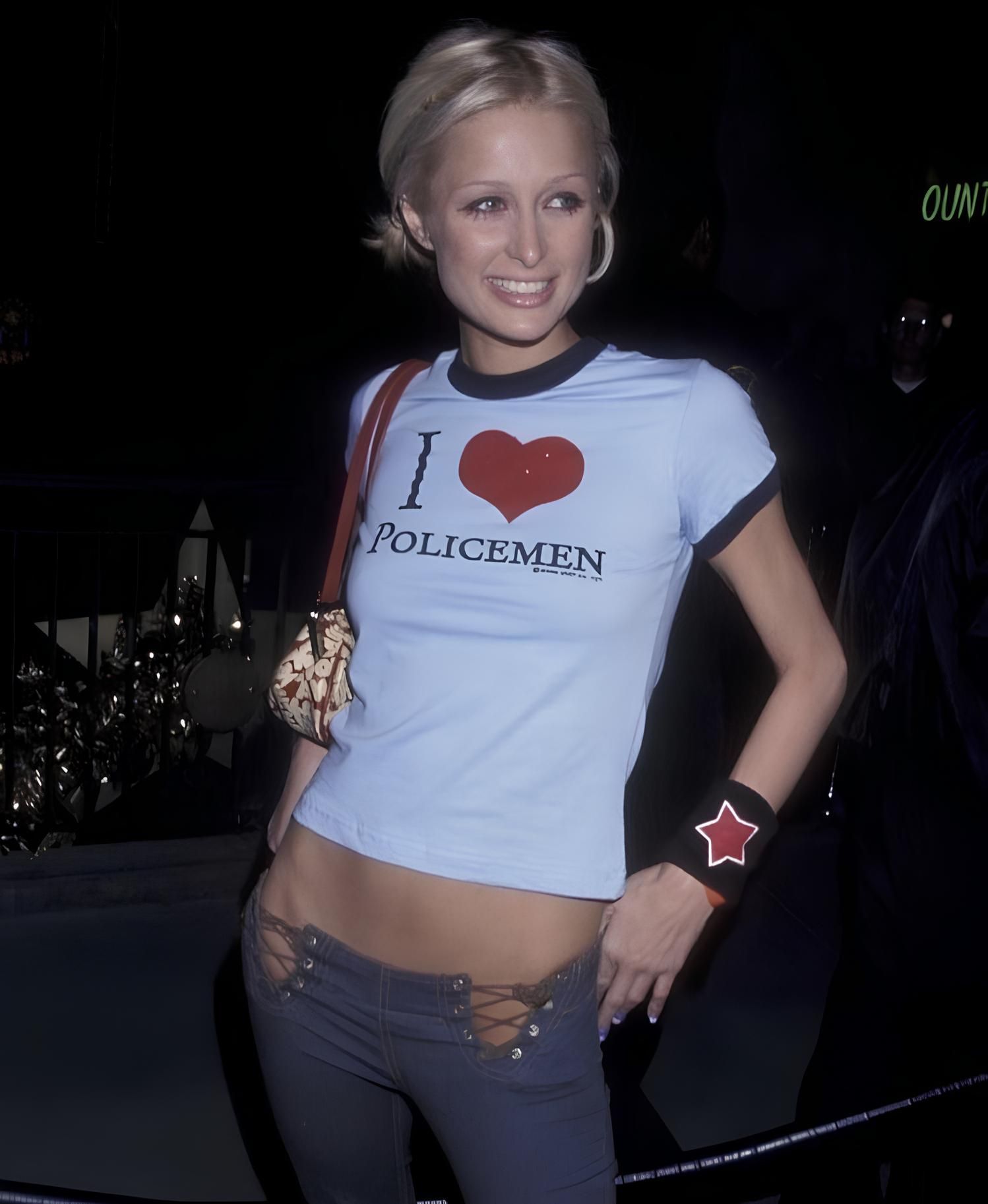

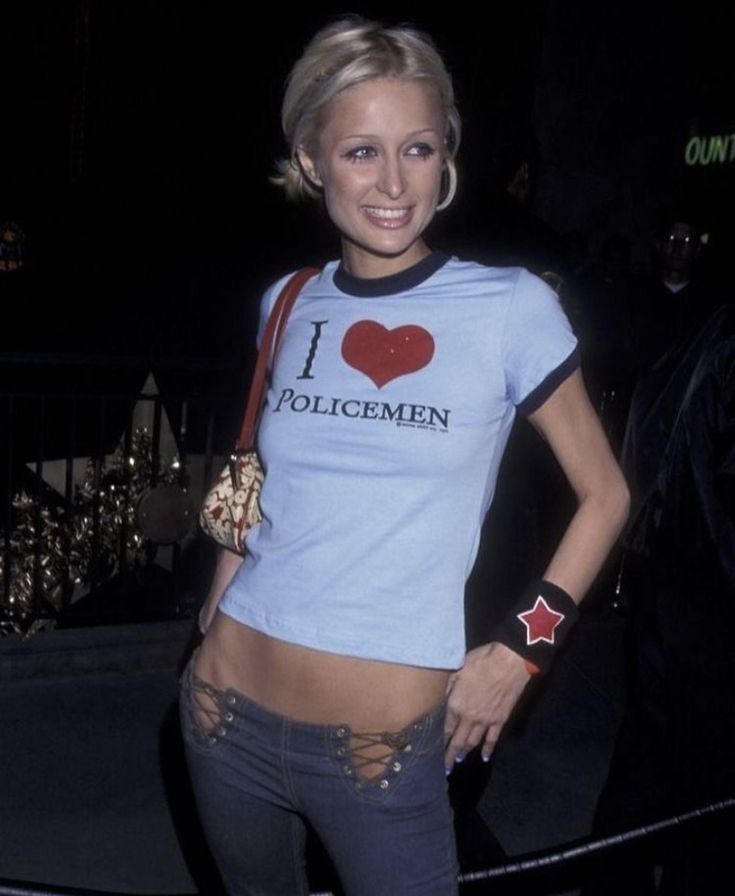
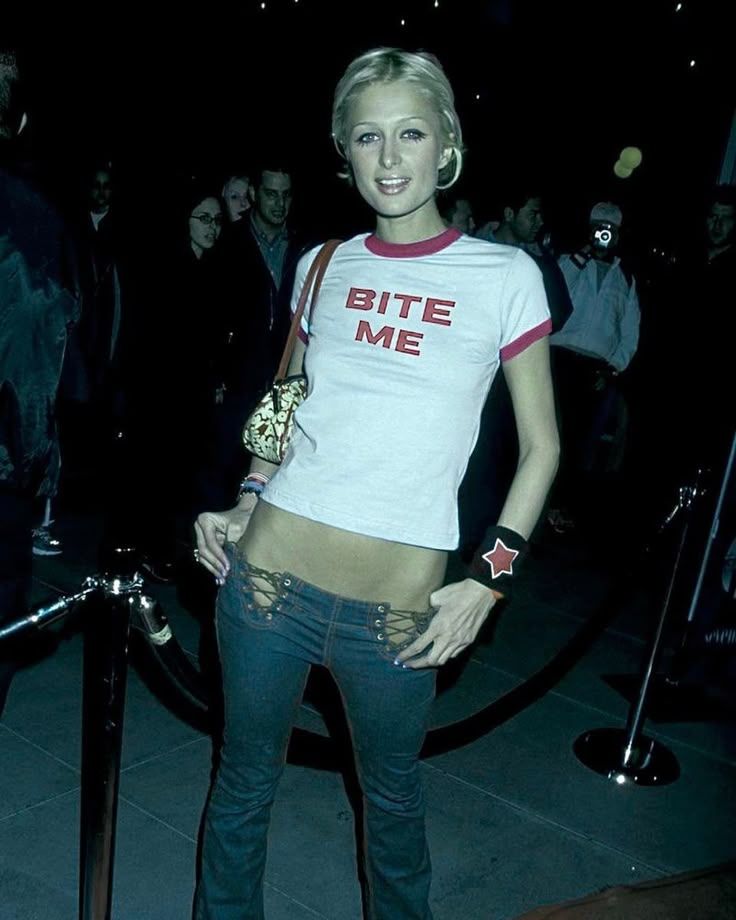
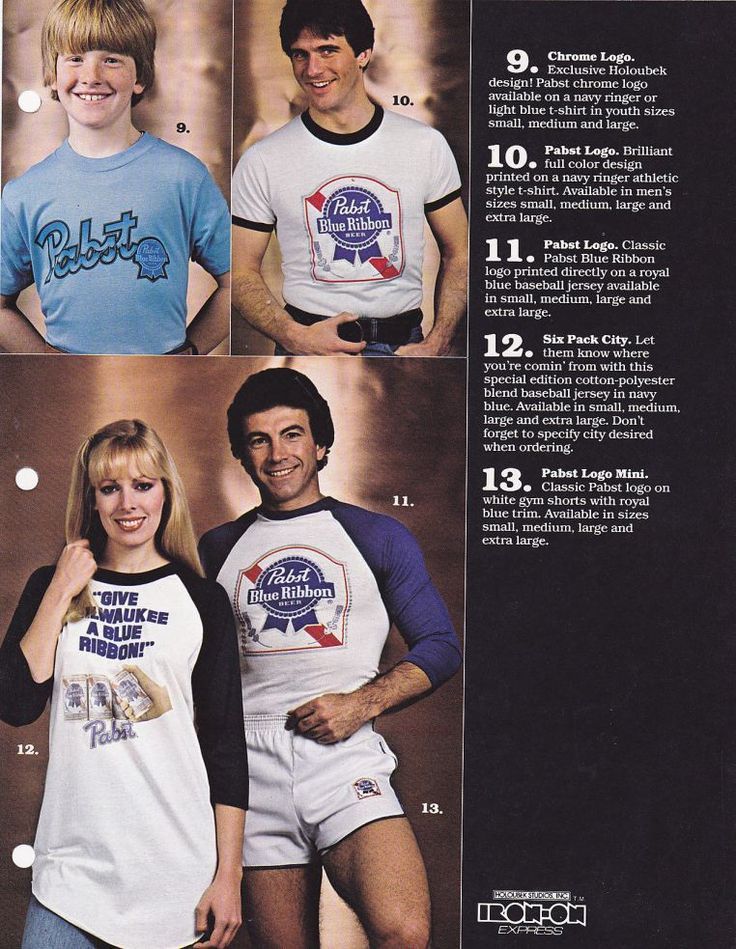
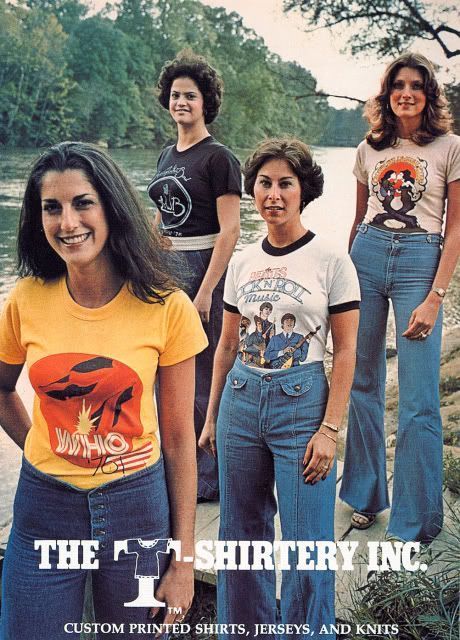
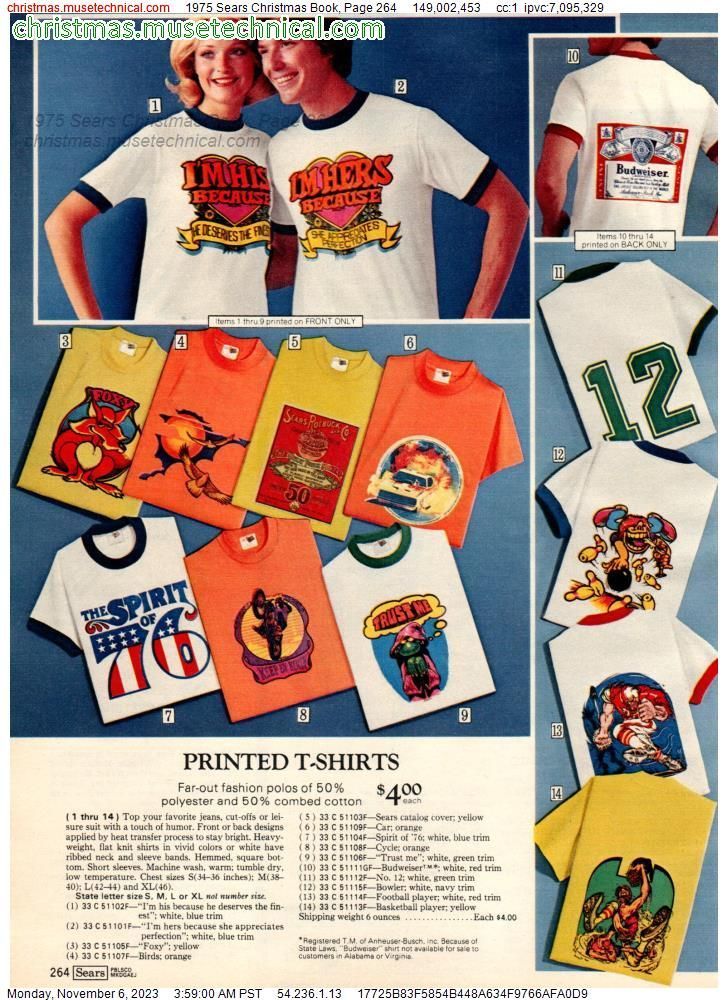
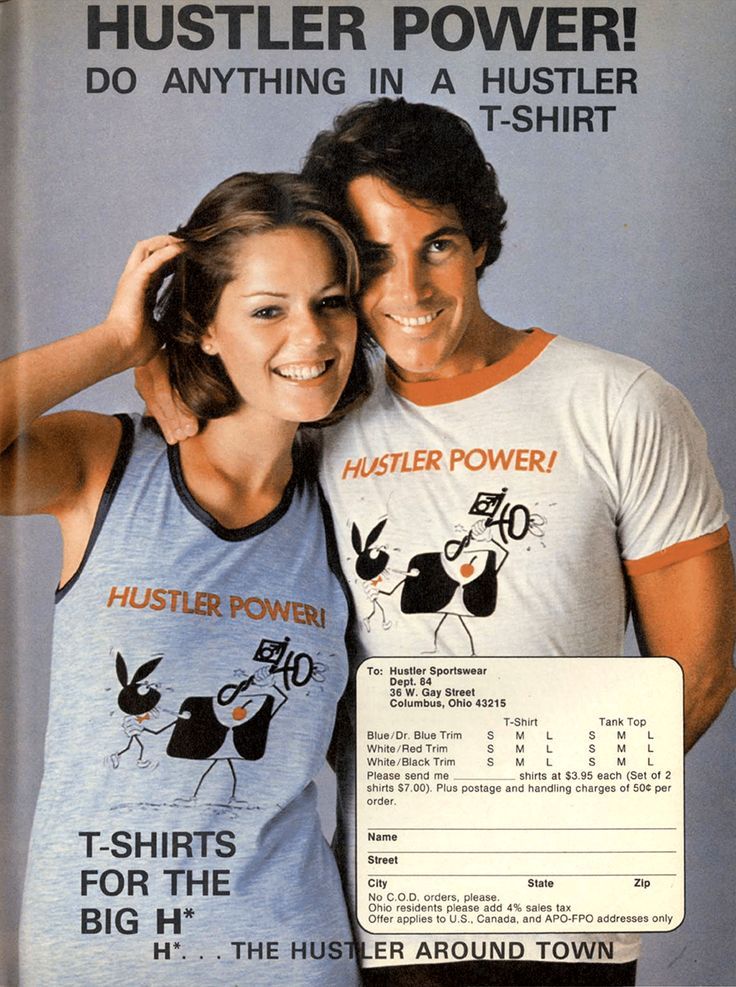
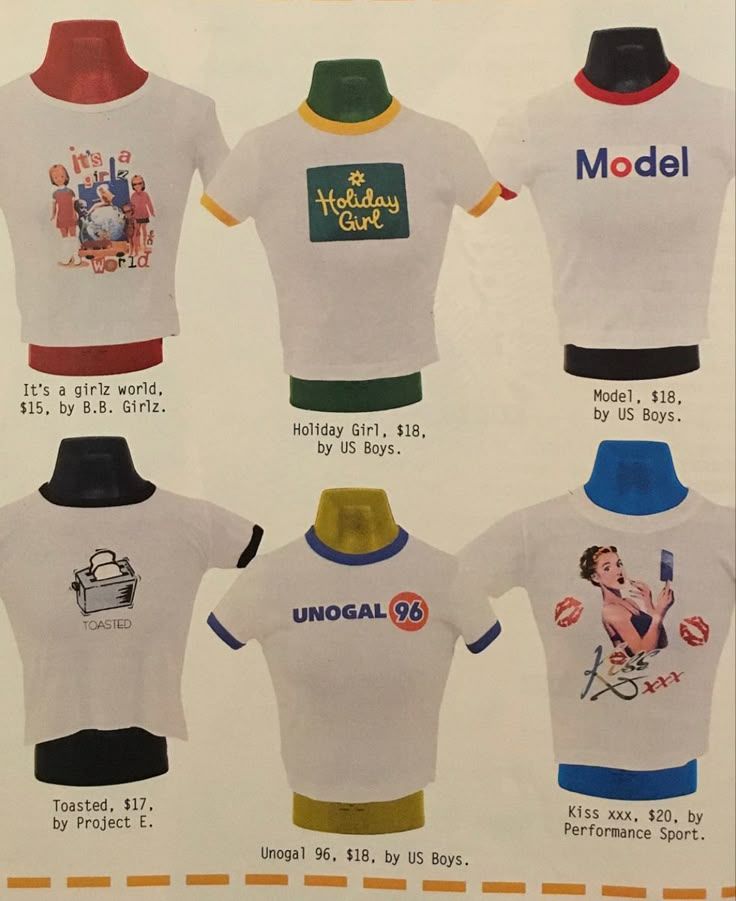
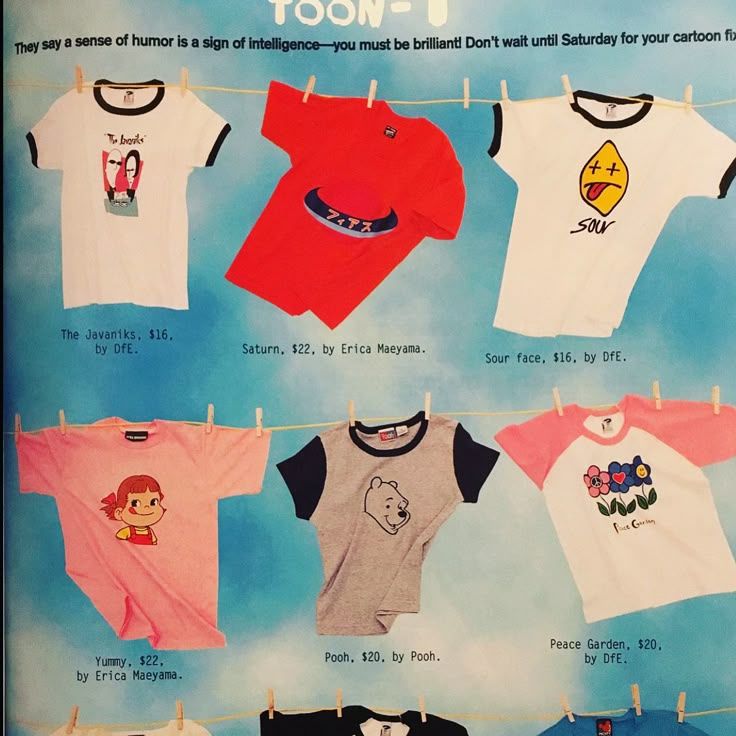
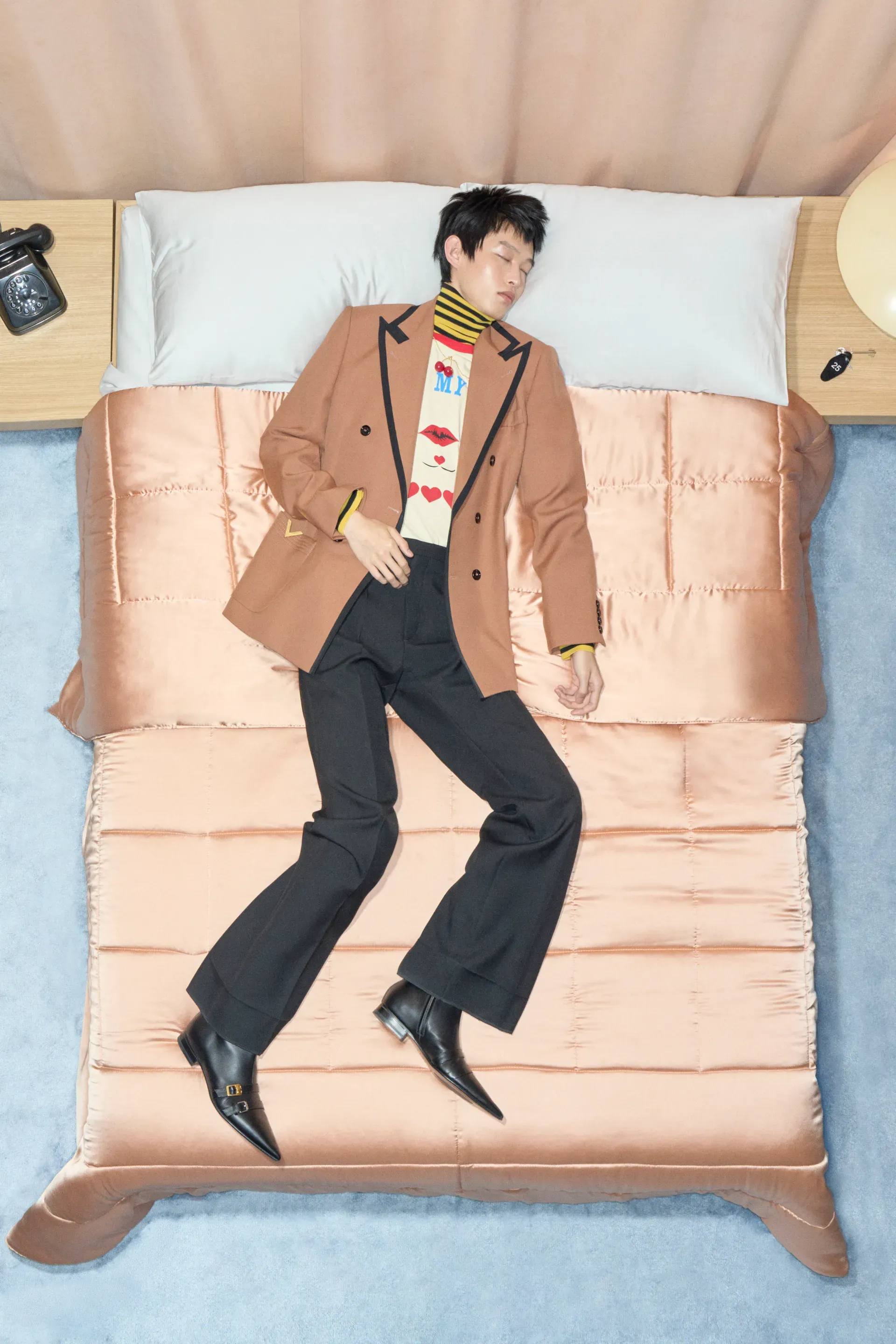
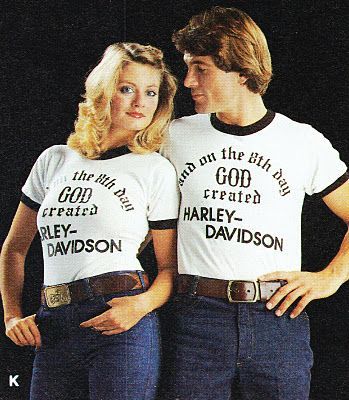
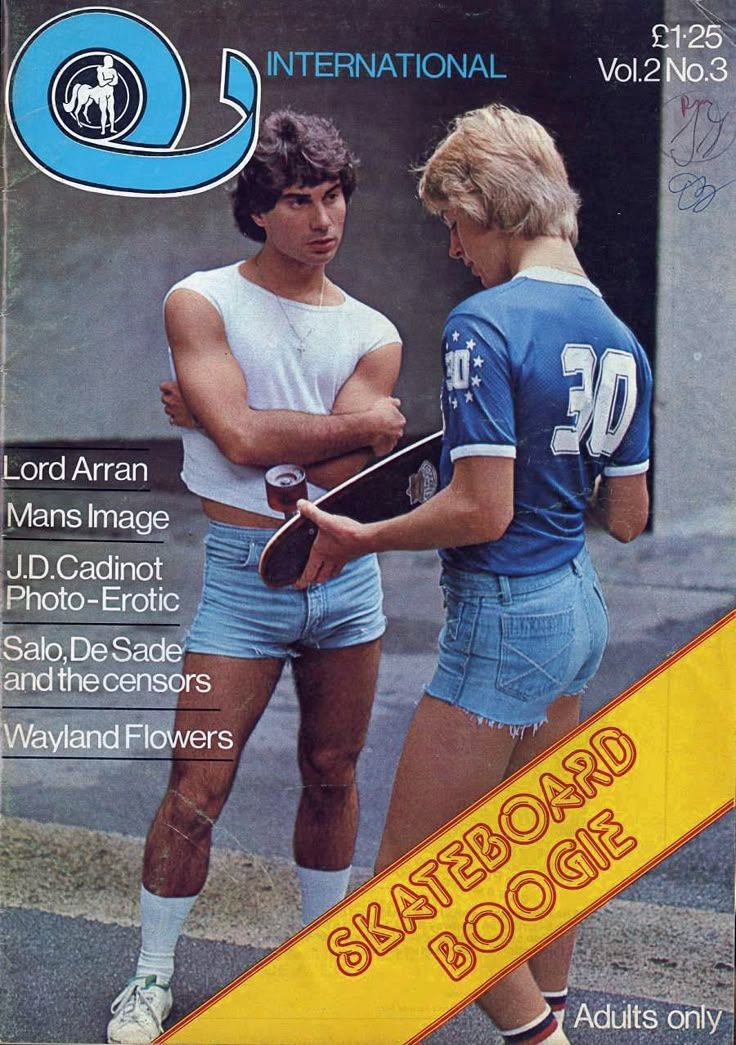
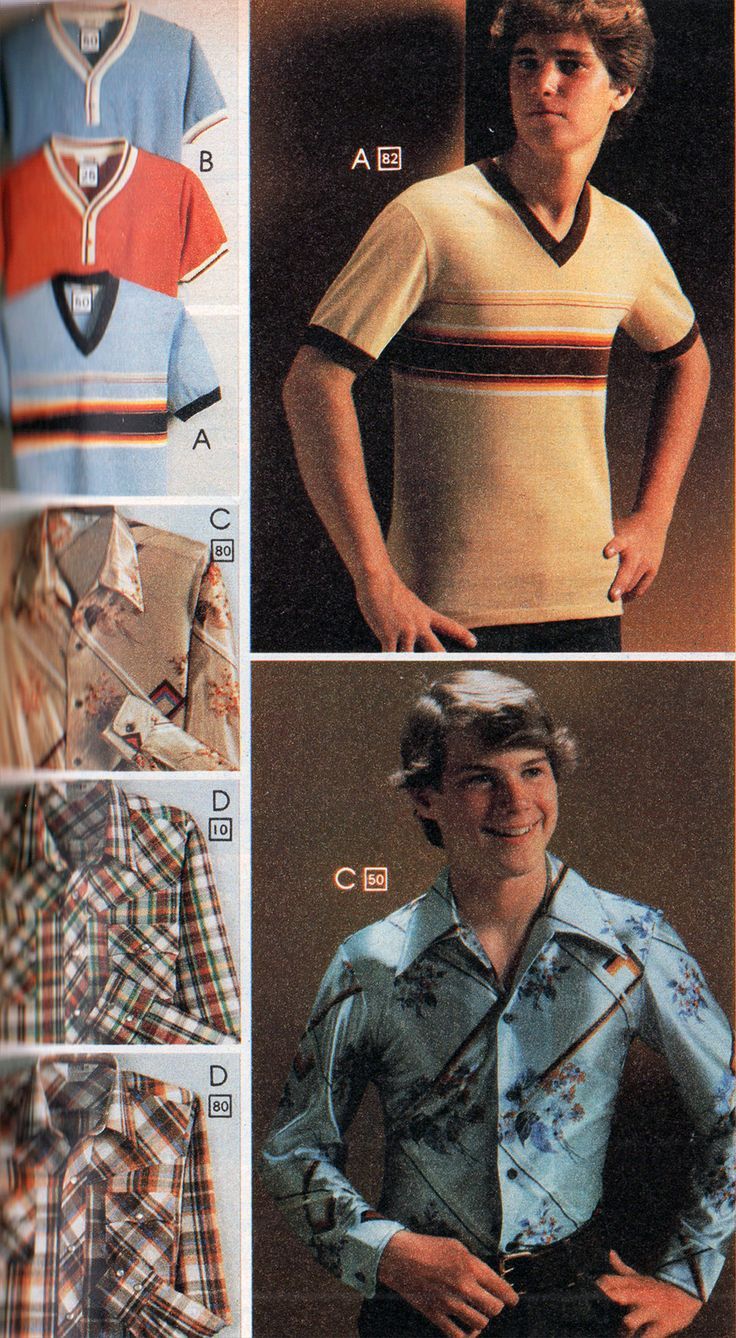
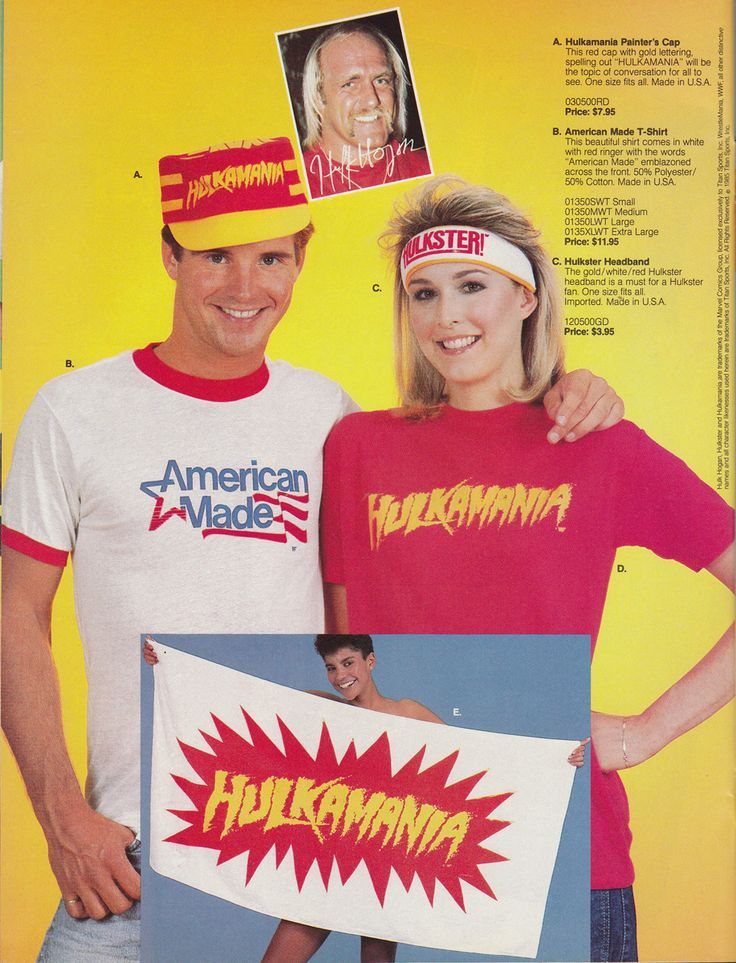
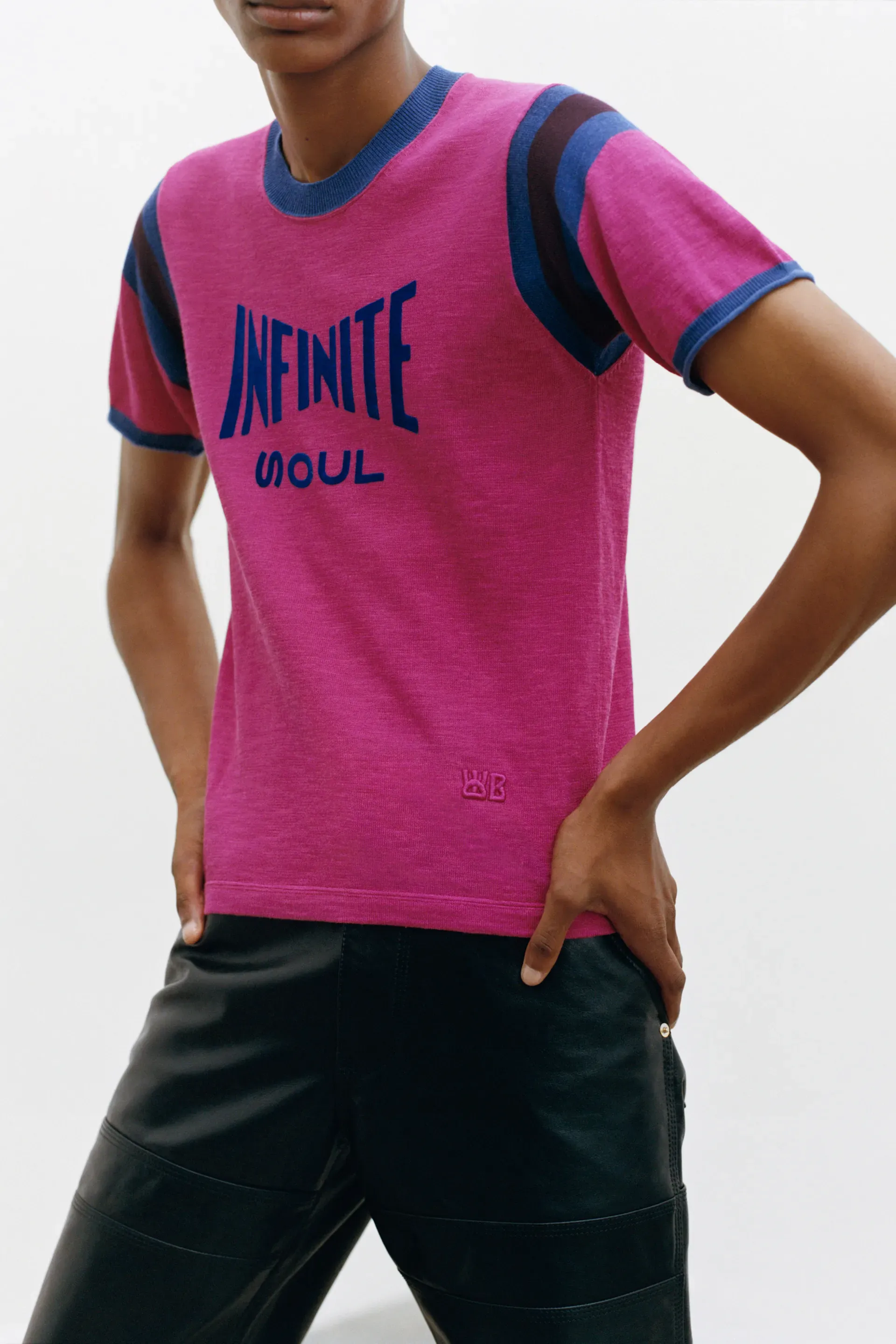
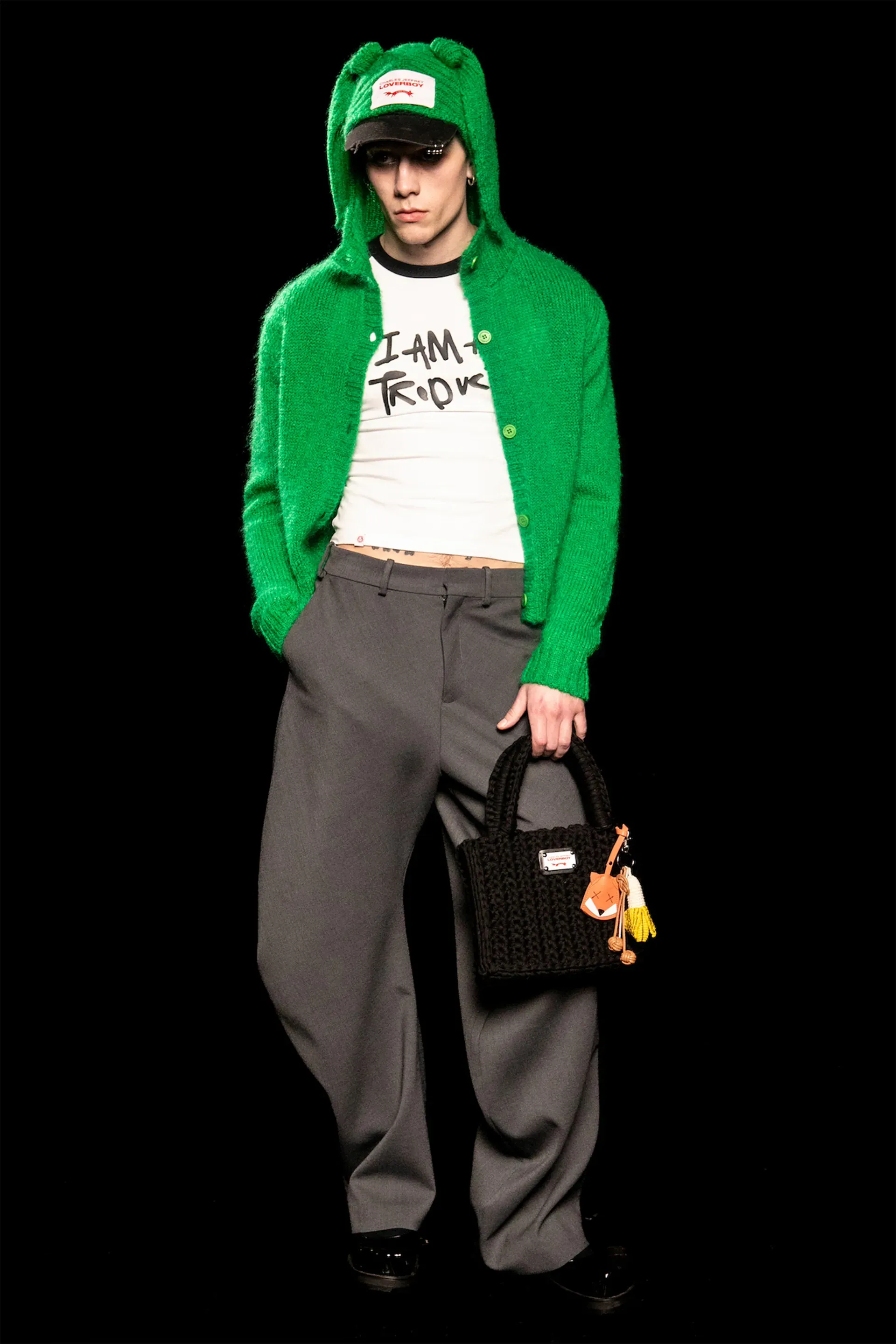
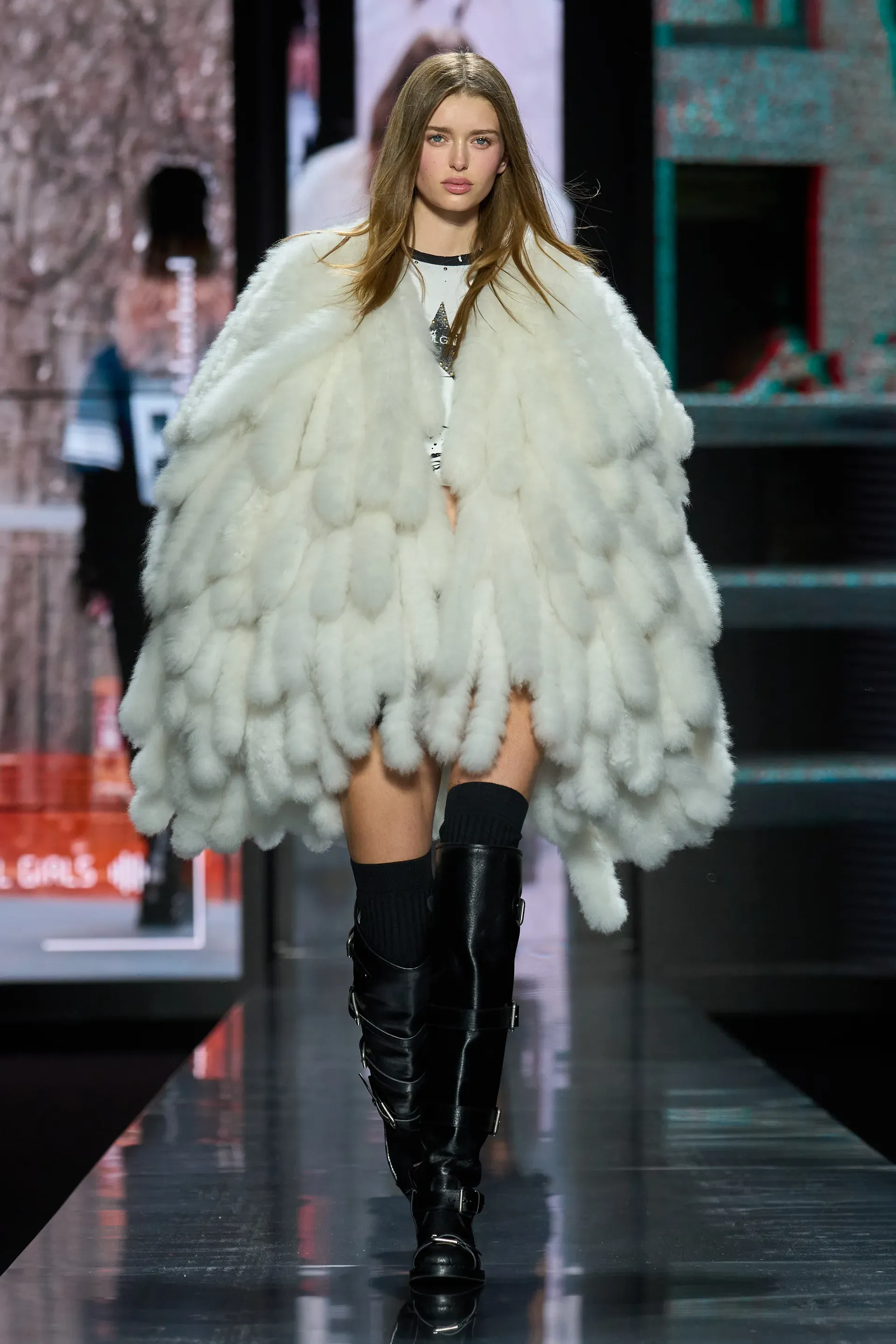
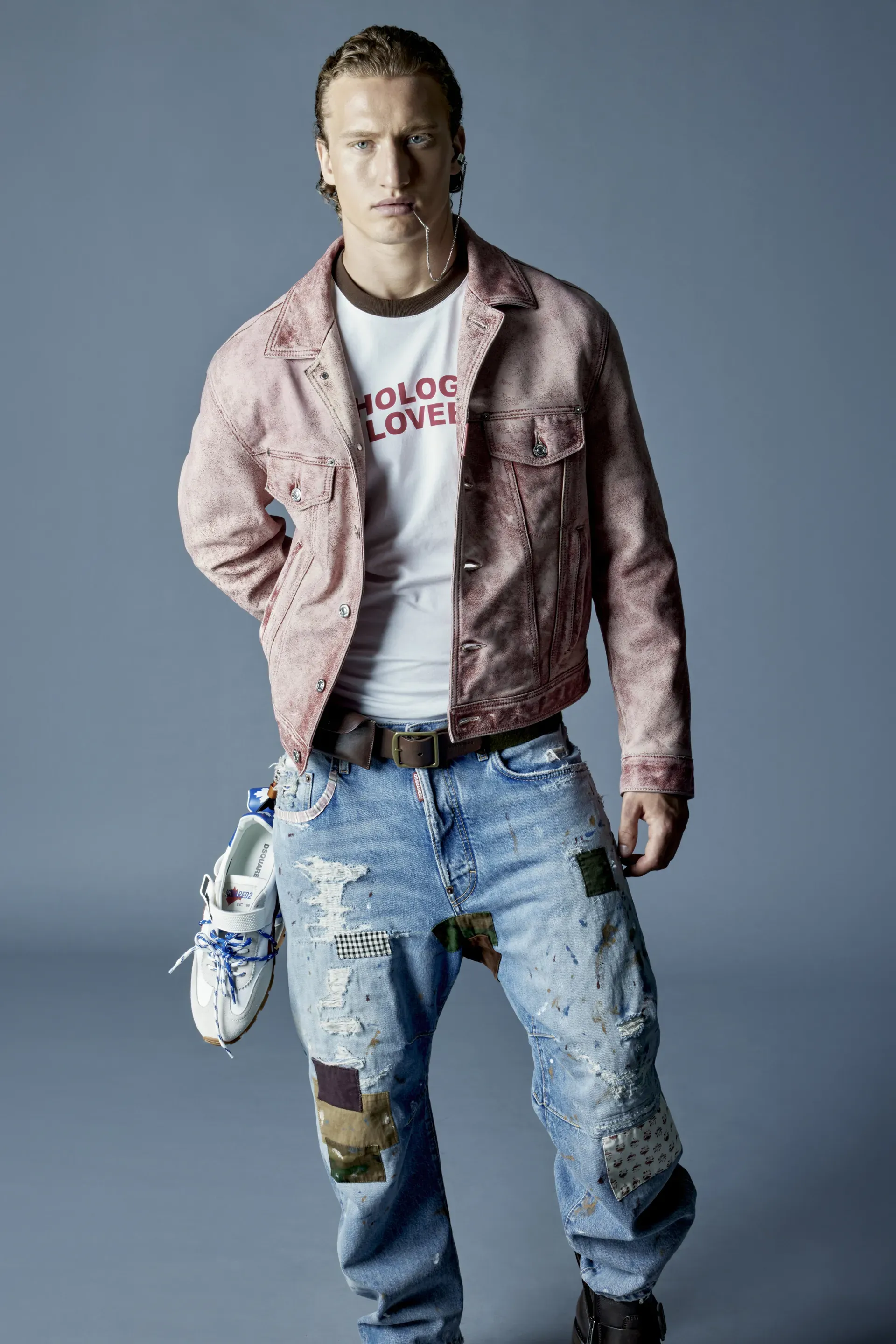
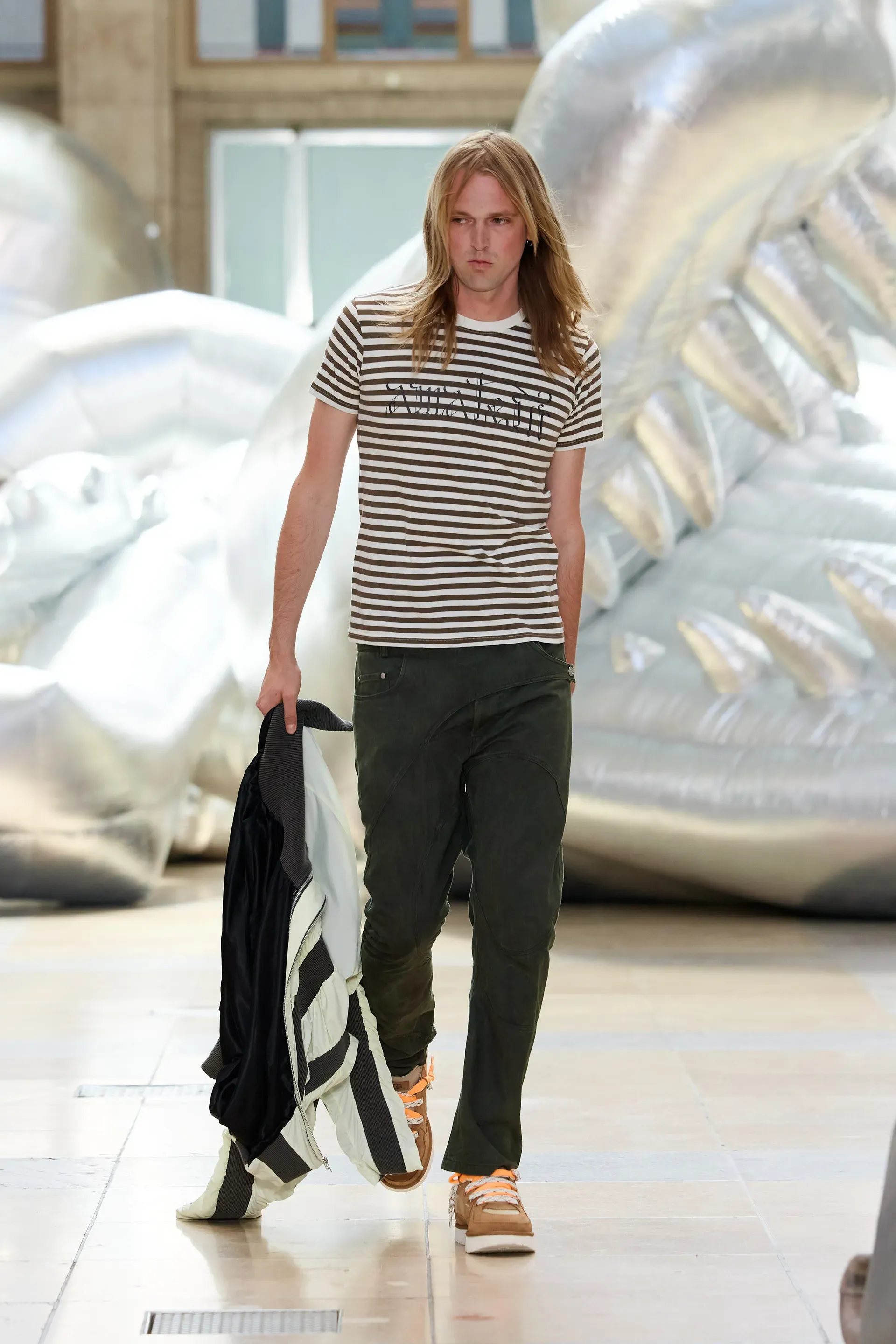
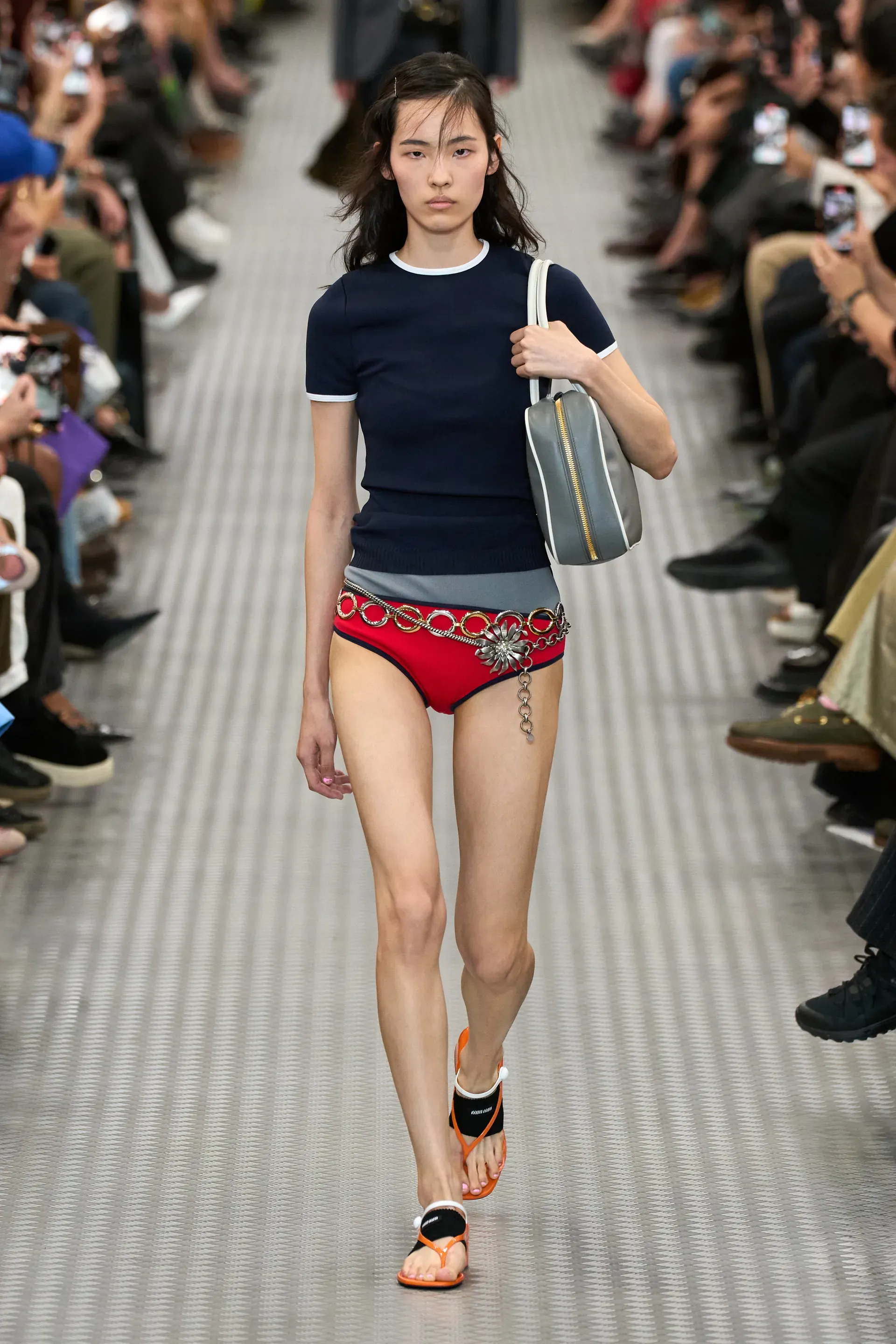
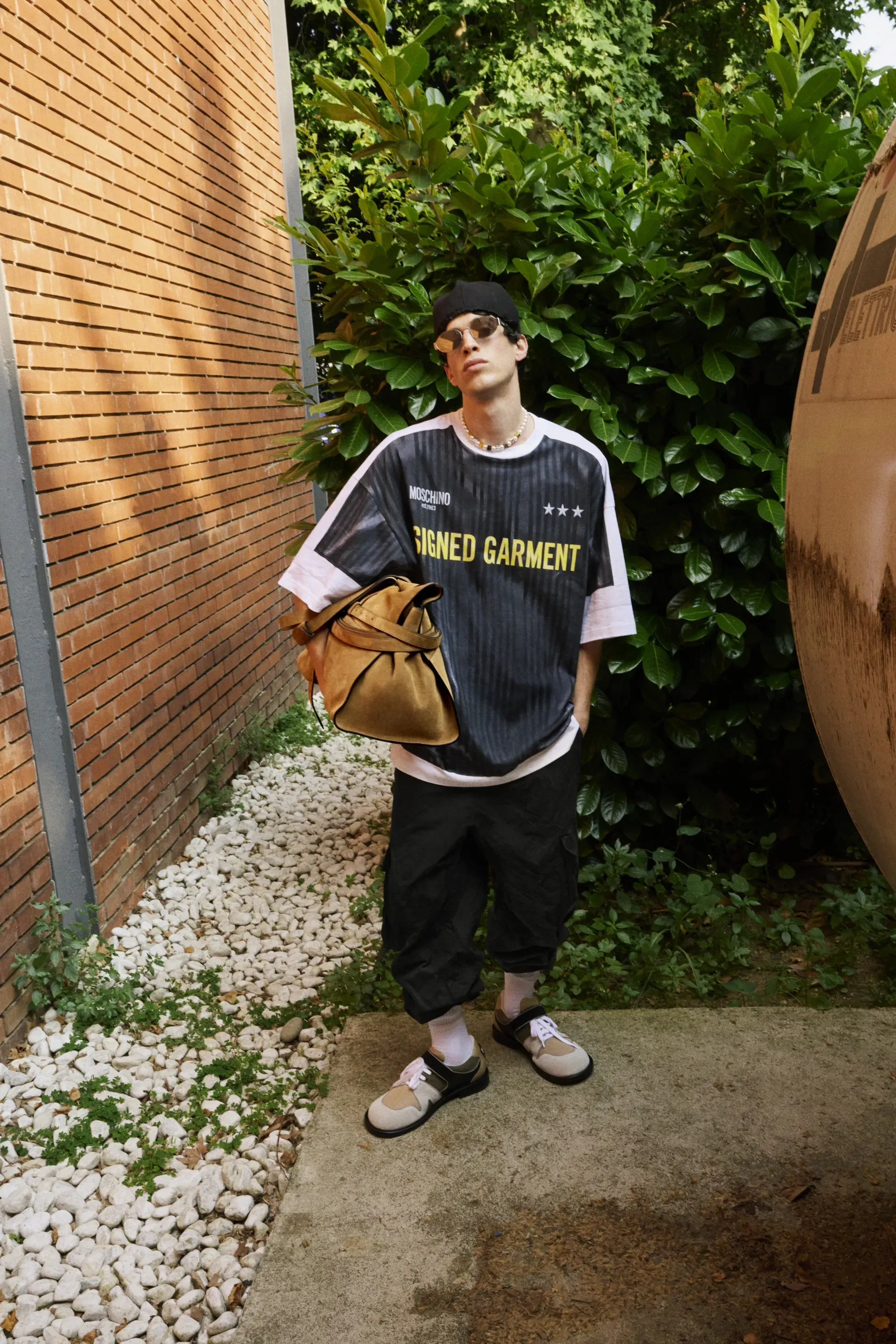
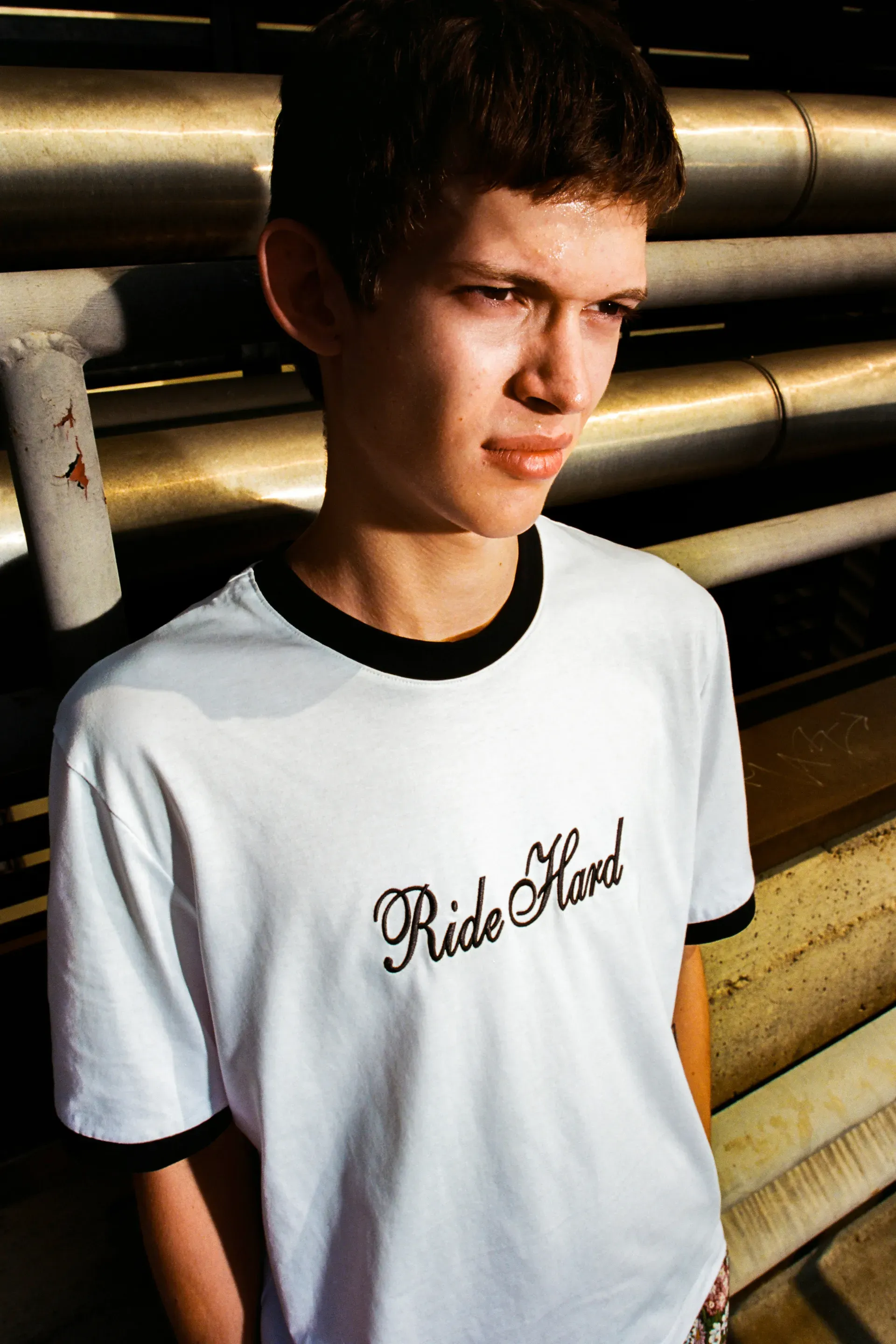
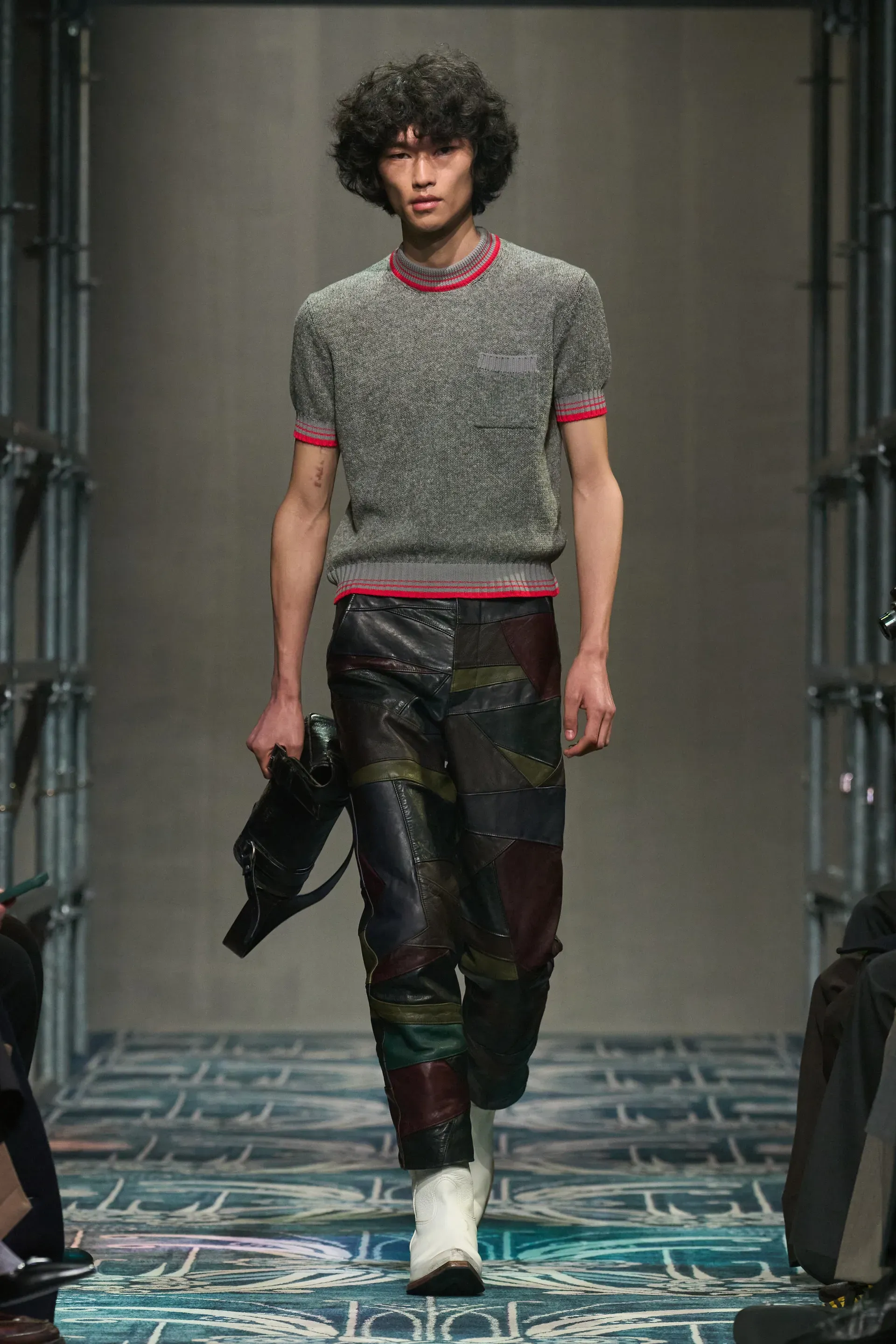
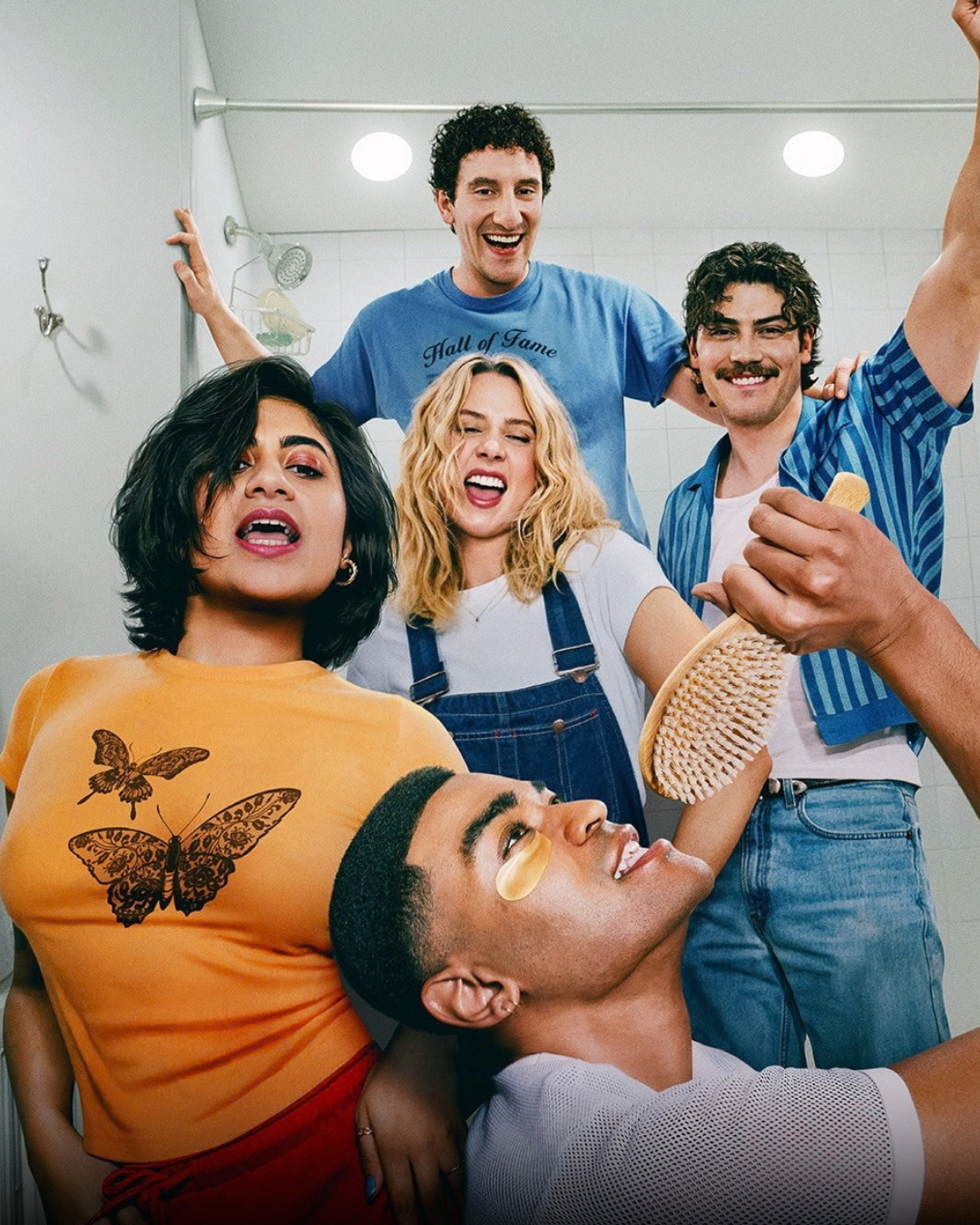
The ringer tee is a peculiar garment as it directly evokes a certain world and a certain era, namely America in the 1960s and 1970s. While it easily accommodates new logos or prints, it resists any attempt at modernization. To be clear, a ringer tee is a T-shirt in which the collar and sleeve hems are in a contrasting color to the actual shirt. A very popular variation is the raglan tee or baseball tee, where the collar and sleeves are in contrast, while still within the same realm of the ringer tee we find the tank top with contrasting hems. The strong specificity of the ringer tee makes it on one hand a very popular classic, present in almost every collection of high street brands ranging from mass retailers like Zara, Gap, or Bershka to the new streetwear classics from Spain that have spread in recent years such as Scuffers, Nude Project, or TwoJeys; and on the other hand a garment that occasionally returns in luxury fashion (the best examples would be the T-shirts by Celine, Valentino, or Courregés), especially when referencing the 1970s. But where does the ringer tee come from?
The origins of the ringer tee
The history of the ringer tee is rooted in an era of cultural and social ferment that turned it into a garment capable of capturing the spirit of the times, evolving through decades of change. The history of the T-shirt intertwines rebellion, nostalgia, and American identity, shaped over the years by youth movements, rock music, and stylistic revolutions. Its origins date back to the 1950s and 1960s, when it first appeared as part of the sportswear of American colleges, intended for athletic teams, summer camps, and local competitions, where the colored bands, resembling rings around the edges, served both to provide greater durability and to display the colors of certain teams or colleges through the combination of two hues, much like today’s soccer or basketball teams. At that time, the ringer tee was essentially an evolution of the basic T-shirt, but its original role as sports uniform helped it transition into a decorated model that spread beyond the playing fields, becoming a staple for youth and rock-n-rollers when youth countercultures began raiding army surplus stores. In the same decade, experiments like tie-dye and screen printing turned it into a classic of youth fashion.
The real boom came in the 1970s, when the ringer tee became a true symbol of the times, spreading widely. It was during this period (remember that the revolution of the 1960s really took off at the decade’s end) that the ringer tee began to feature prints and slogans, becoming a symbolic garment of political demonstrations. Celebrities such as John Lennon, along with virtually every athlete of the era, were among the first to embrace the trend, helping spread it through their media visibility. Today, cult films or series such as Dazed and Confused and Stranger Things (think of the Hellfire Club T-shirt) set in that era but produced decades later, have immortalized the ringer tee, portraying it as a symbol of carefree summers and an anti-conformist spirit while reinforcing its bond with American pop culture. In the 1980s, the ringer tee kept its presence in the world of sportswear and remained essential for runners and fitness enthusiasts, but its appeal expanded further, becoming an icon of casual clothing. After a temporary decline in the 1990s, when it survived in niches like the skater and indie rock scenes, it returned in the early 2000s with the boom of indie sleaze and thanks to brands like Urban Outfitters and American Apparel.
What does the ringer tee represent today?
It is striking that the ringer tee seems to come back into fashion every time history turns turbulent. Alexander McQueen wore one to close his SS01 show, Voss, while celebrities of the time such as Paris Hilton or Britney Spears wore models with ironic or biting slogans. Speaking with Vogue last year, Emma McClendon, assistant professor of fashion studies at St. John’s University, said that the ringer tee represented nostalgia and an attempt to reconnect with its original American identity, explaining that its comeback in difficult times, such as the 2000s marked by post-9/11 uncertainties, was not accidental. According to her, almost every cyclical trend can be linked to political, social, and economic contexts, and the ringer tee often resurfaces alongside normcore during uncertain times, offering a sense of familiarity amid chaos. A key point given its popularity in today’s turbulent times, which are also seeing the revival of central elements of U.S. identity such as western music and prep style. It is nonetheless curious that the more classically commercial fashion, which nowadays seeks elevation rather than rebellion, has partially left it behind—except in cases such as those of brands like Dsquared2, Wales Bonner, or Miu Miu, when the aim is to reference a more openly retro aesthetic. Yet perhaps there is little doubt about McClendon’s equation: the sight of a ringer tee takes us all back to better times—and the times we are living in are undoubtedly dark.