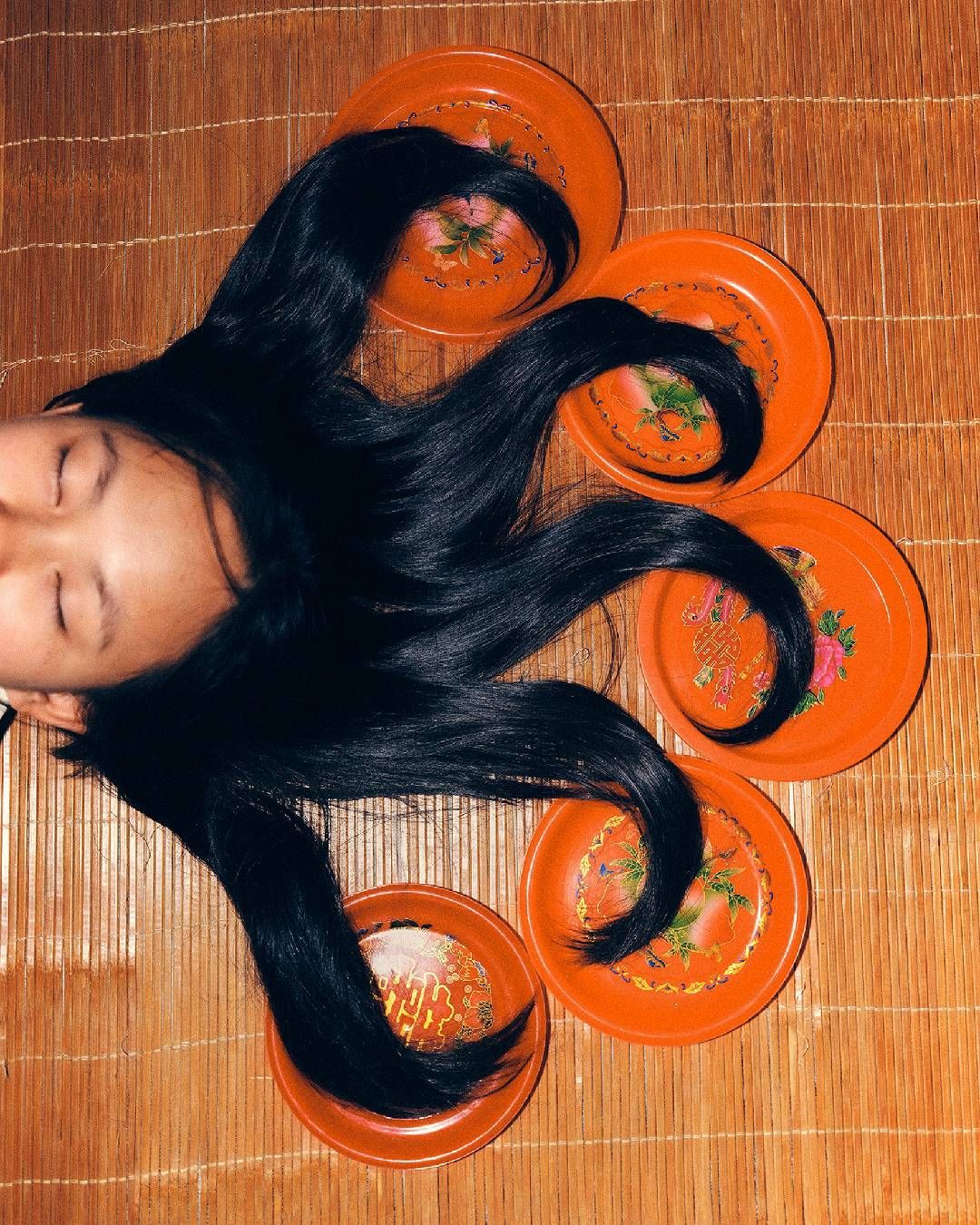












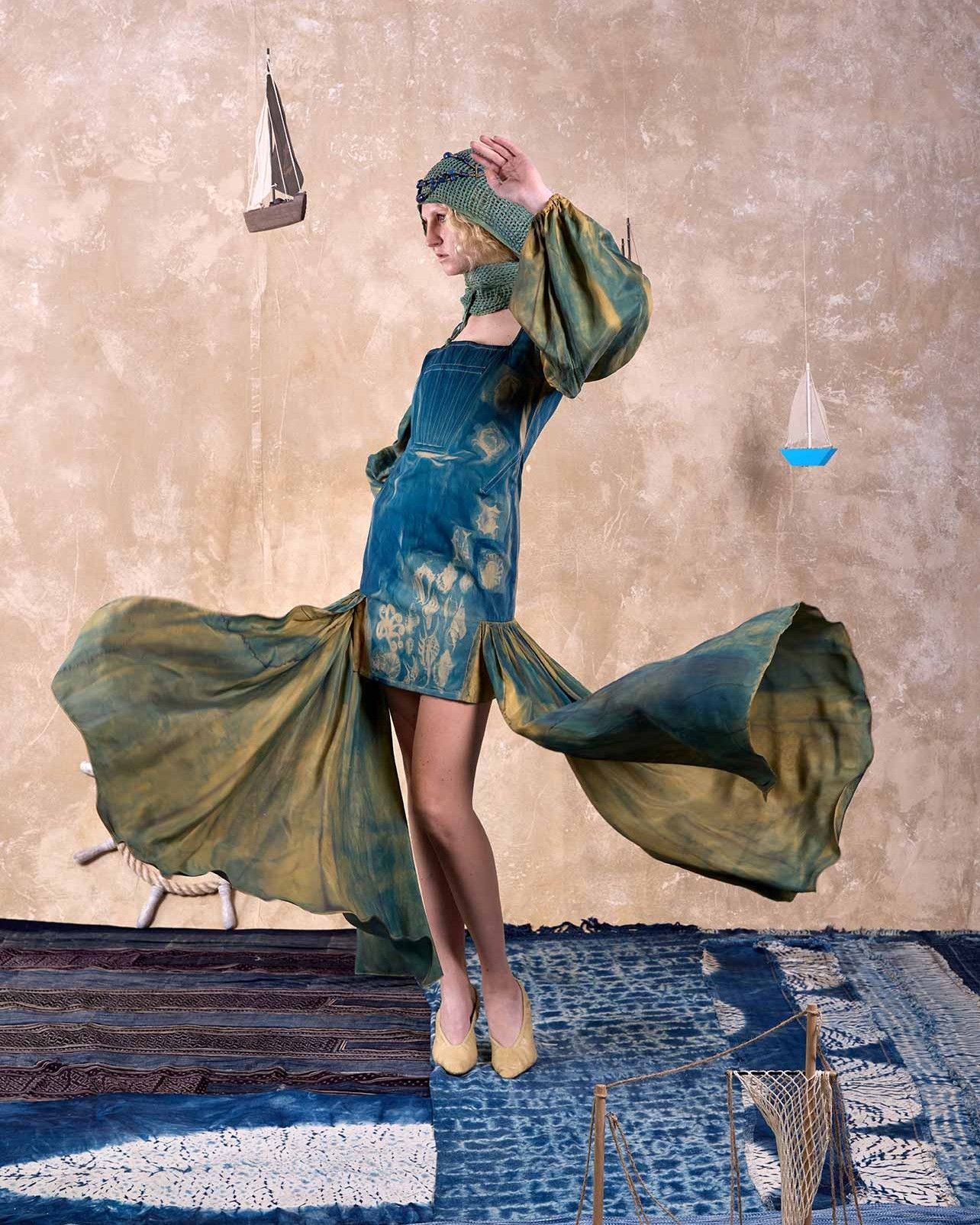









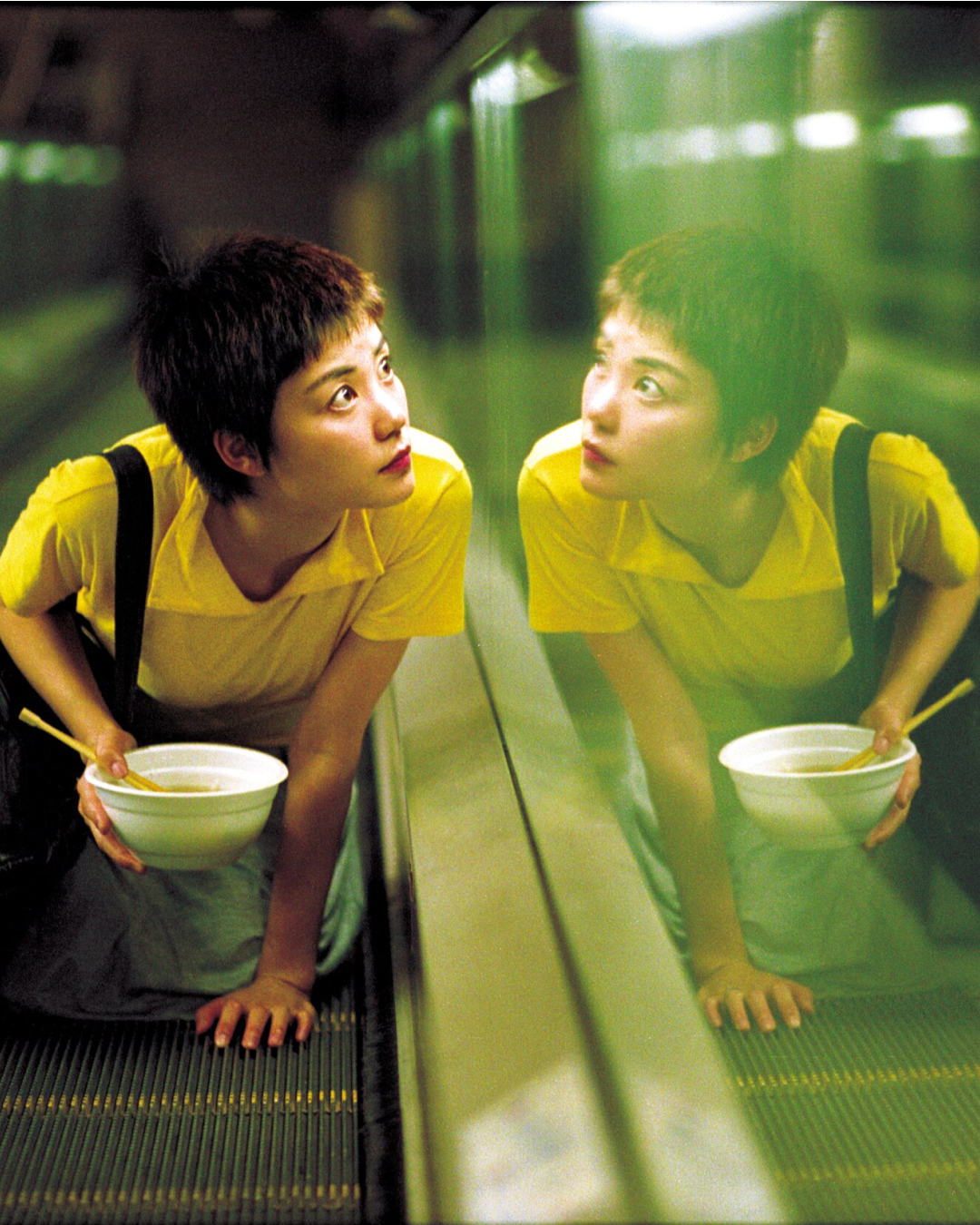
TikTok found out about Faye Wong It's about time, too, one would say
If you can still listen to California Dreamin’ without drifting into visions (and I’m talking about the original version by the American folk rock group The Mamas & the Papas), I envy you. At the same time, I can’t help but pity you, because it probably means you don’t know who Faye Wong is. The two things are mutually exclusive—you’ll see why as you read. Unless, of course, you’re already lost in «Faye Wong-Tok», the darker side of the platform dedicated to glorifying the Cantonese music icon. In that case, we’re on the same wavelength. It was 1994 when Chungking Express (the celebrated film by director Wong Kar-Wai, known in the West as Hong Kong Express) premiered in theaters, propelling the Hong Kong director onto the international stage. Shot in just six weeks during a break from another project (Ashes of Time, released the same year), the film is split into two distinct, loosely connected stories, both centered on policemen dealing with love. In the second one—the story of officer 663 and the young Faye (played by the aforementioned Faye Wong)—the near-obsessive repetition of the track California Dreamin’ takes over. In the film, Faye spends most of her scenes inside the tiny takeaway joint where she works in Tsim Sha Tsui, dancing to the Cranberries or the Mamas & the Papas as she stacks sandwiches, spies on the cop, and dreams of another life. Played no fewer than eight times, the song becomes the film’s third protagonist, the language through which Faye expresses her longing for change and her dream of escaping to California. It’s in those scenes that Faye Wong’s iconic status for Western audiences was sealed—even Quentin Tarantino has admitted that it’s impossible to hear California Dreamin’ without picturing her dancing in that cramped little shop.
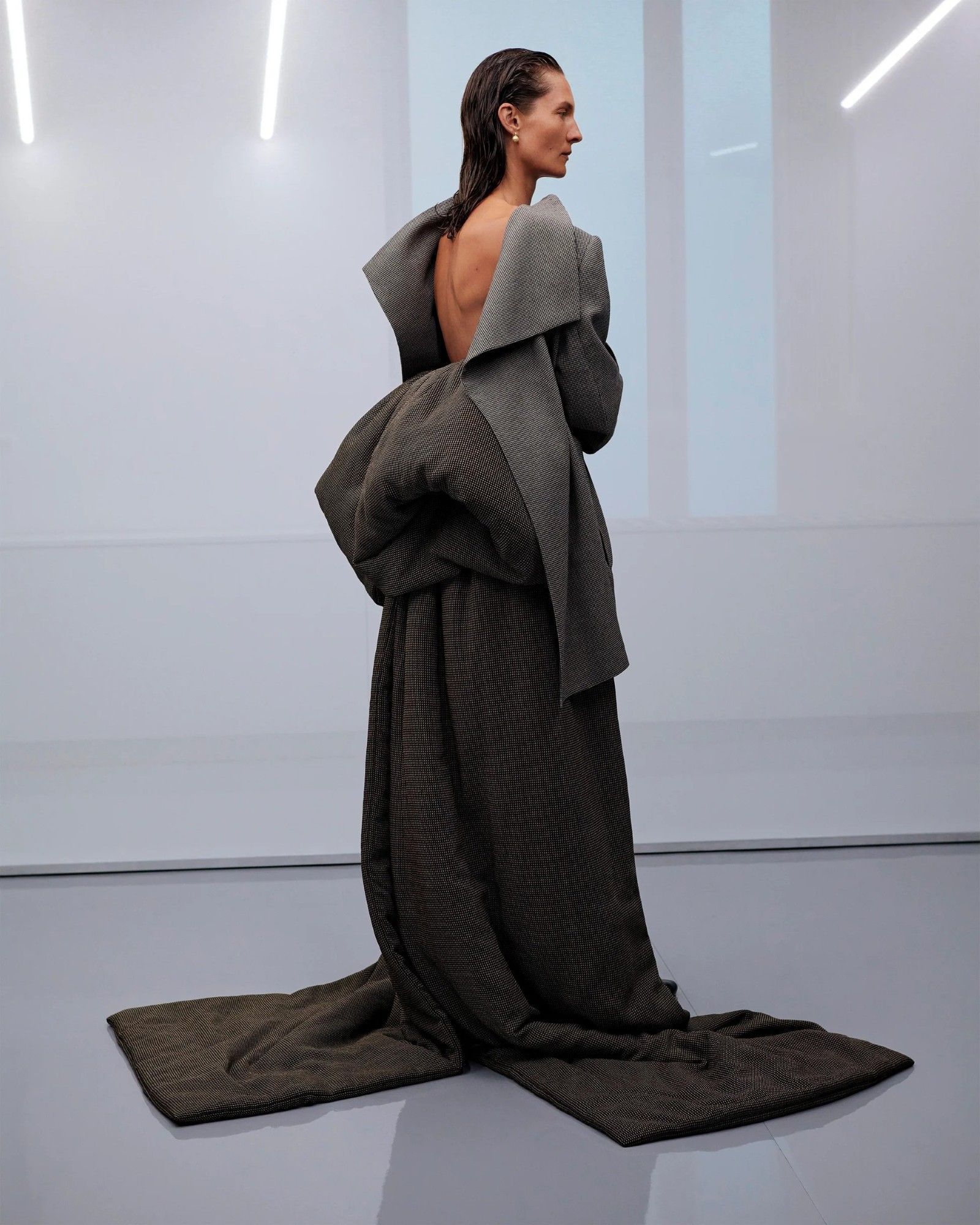
It didn’t take long for younger generations to realize that few people are cooler than Faye Wong. For some, she’s a movie diva; for others, she “just” collaborated with the Scottish band Cocteau Twins; for today’s TikTok users, she is pure style personified. Born in Beijing in 1969, she is the undisputed queen of cantopop (Cantonese pop) and dream pop, an alternative rock genre blending ethereal atmospheres with hypnotic melodies. Unlike contemporaries such as Sandy Lam, Karen Mok, or Coco Lee, Faye Wong stood out for her visionary, poetic, and enigmatic musical and stylistic approach, more reminiscent of Björk than of a traditional Asian pop star. Over three decades, her career has been defined by a bold experimental streak and a constant swing between avant-garde and European fashion, wearing Yohji Yamamoto, Rick Owens, and Maison Margiela long before tabi shoes became Tinder-bait. Her dramatic stage looks amplified the dreamlike aura of her performances. Long before the Harry Styles–Harry Lambert duo, there were Faye Wong and Titi Kwan, the designer-stylist who introduced her to then-emerging, niche names like Dries Van Noten, Ann Demeulemeester, and Helmut Lang, making her style synonymous with defiance and audacity. She recognized the artistic value of Vivienne Westwood’s corsets back in 1992, long before they became auction pieces. Or before a new wave of fans rediscovered NANA, the cult manga by Ai Yazawa. In 1998, during a concert, she wore Jeremy Scott’s iconic soleless shoes, earning the title of the only person in the world to wear them off the runway.
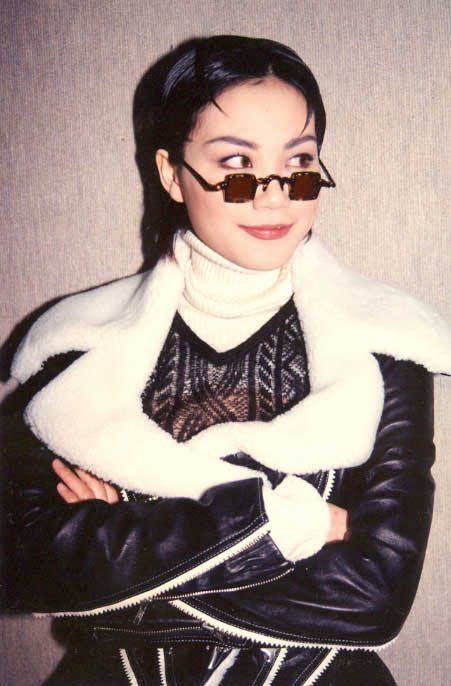
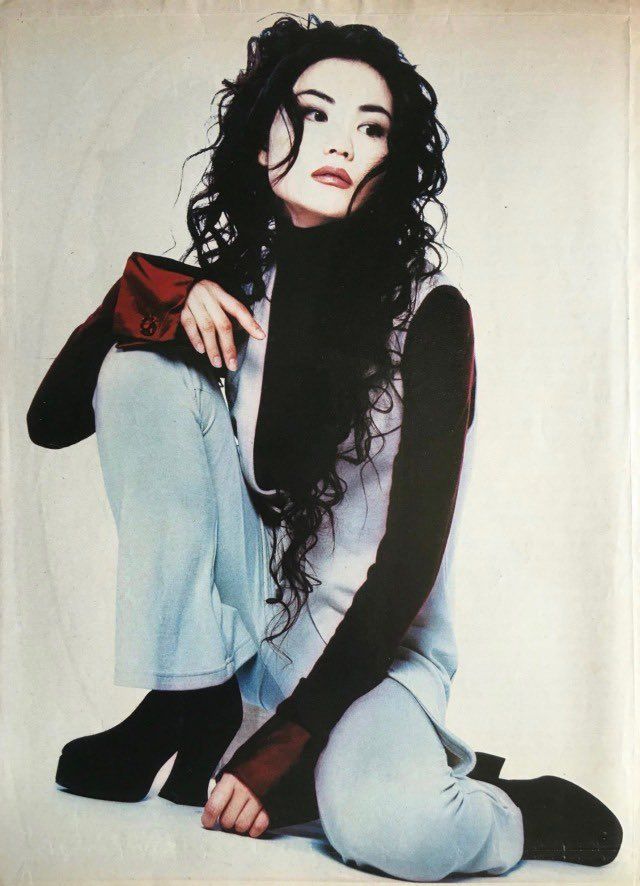
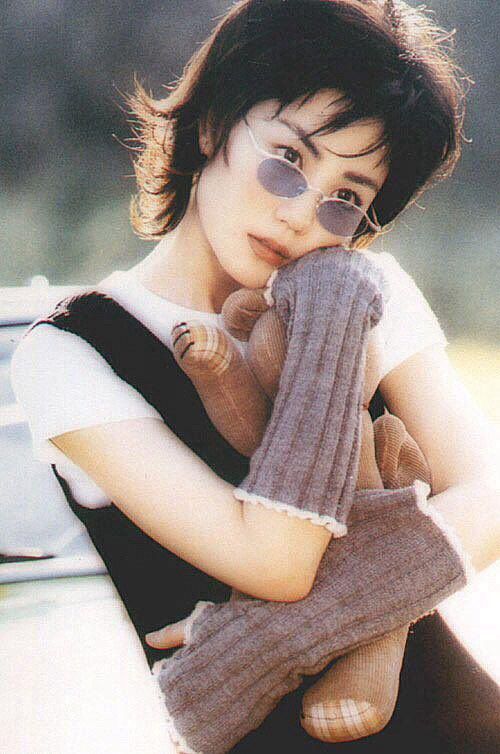
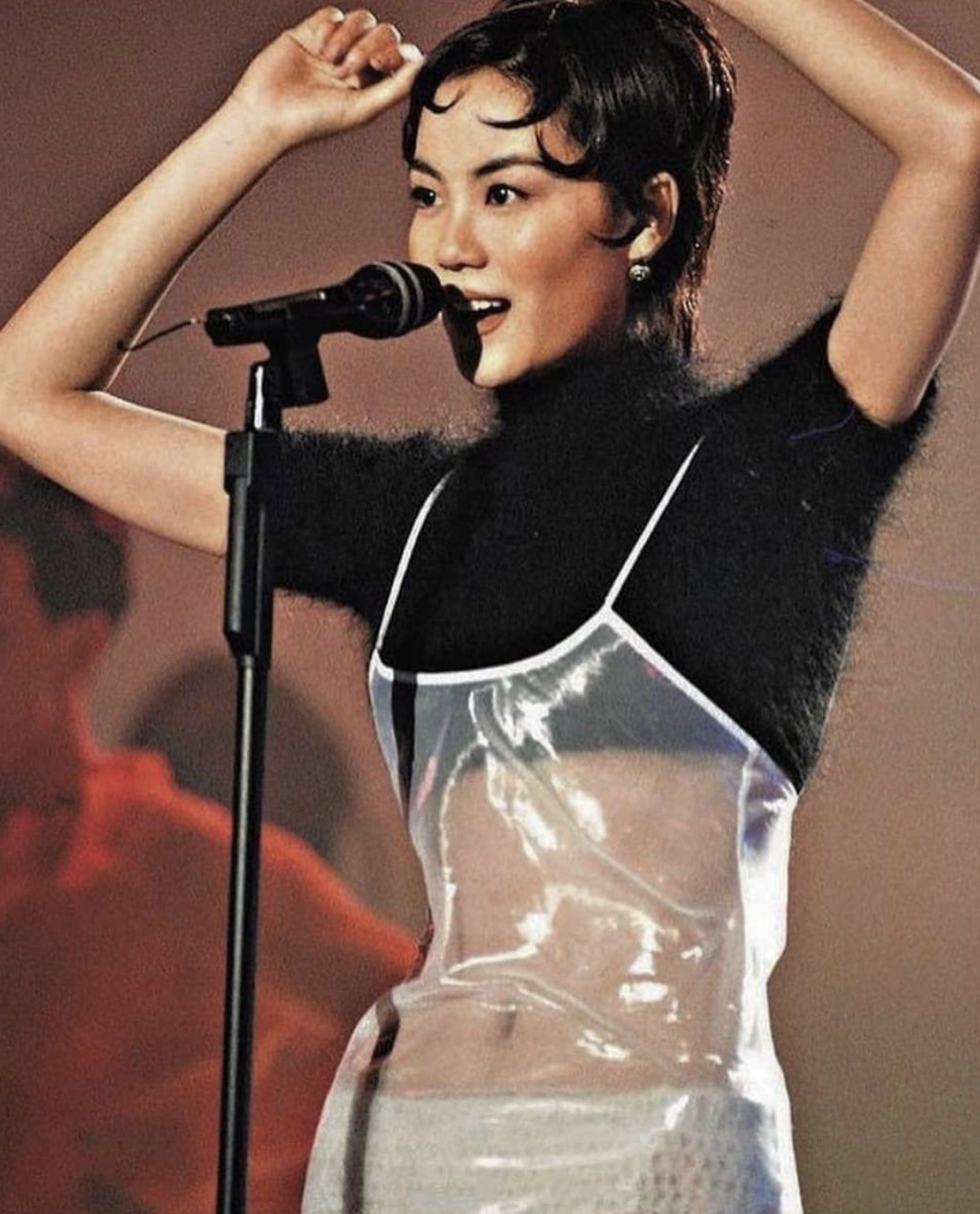
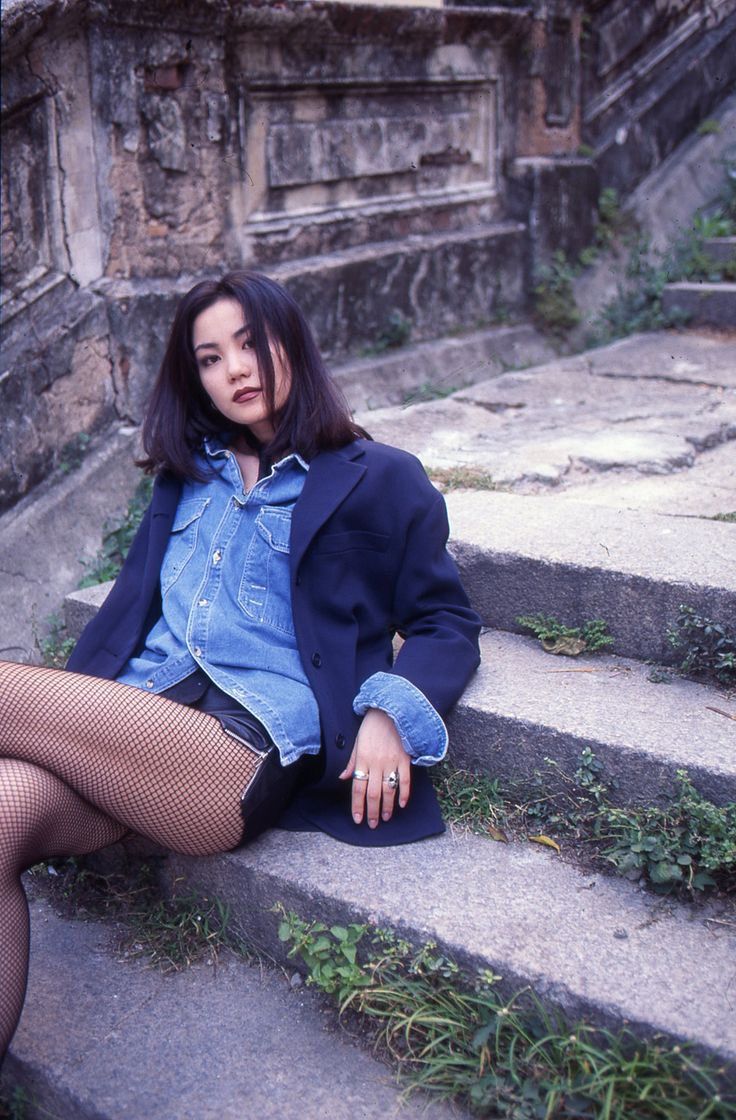
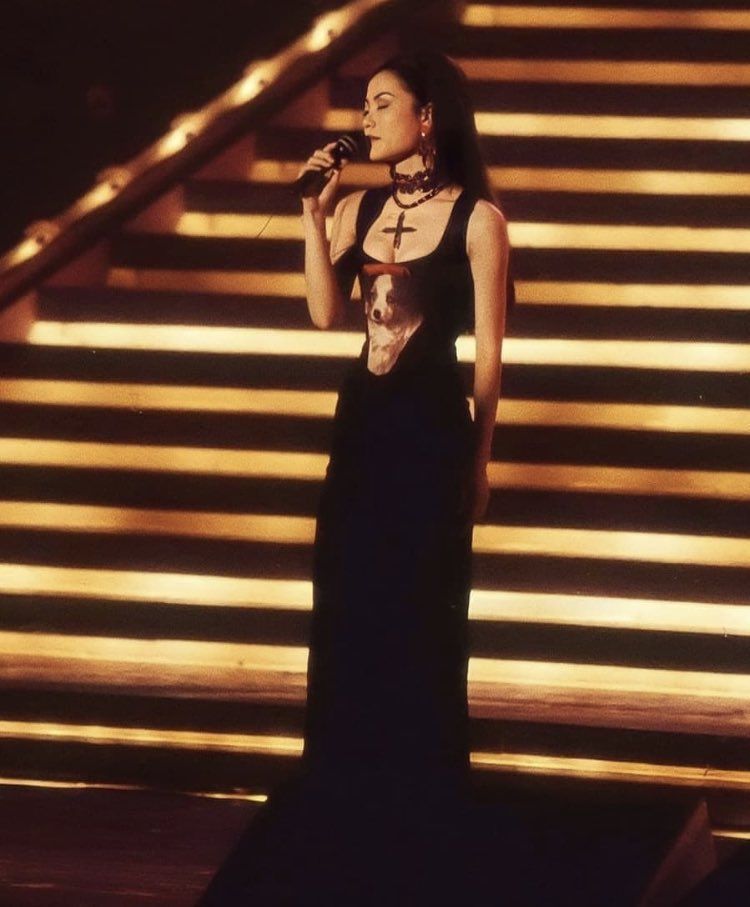
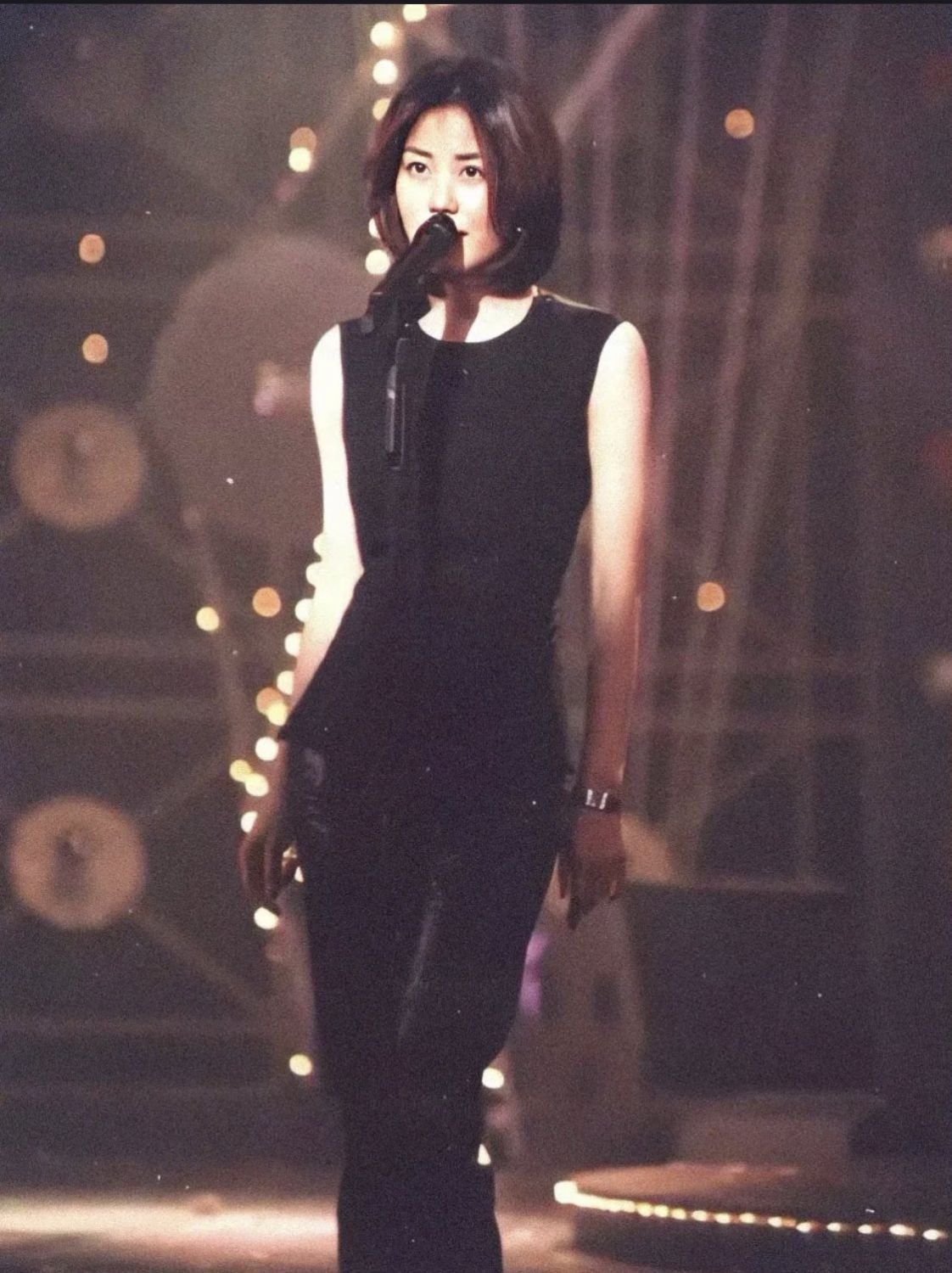
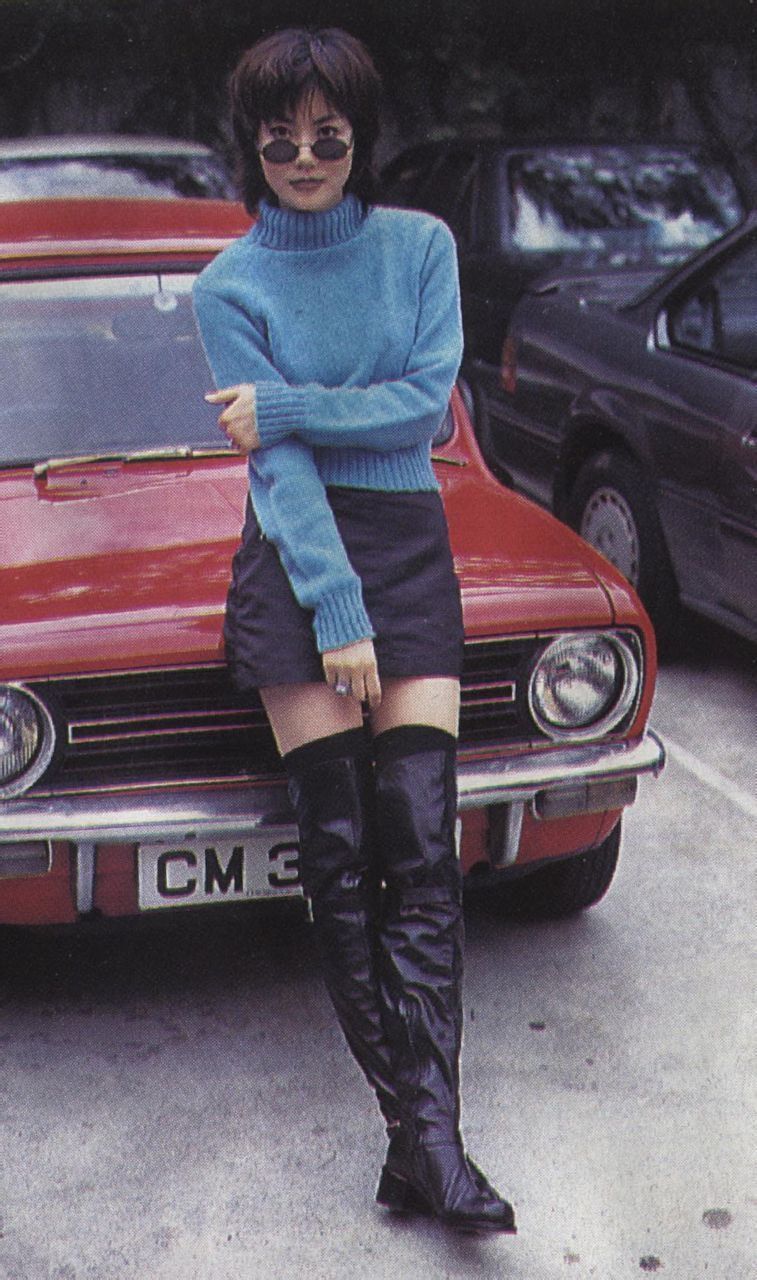
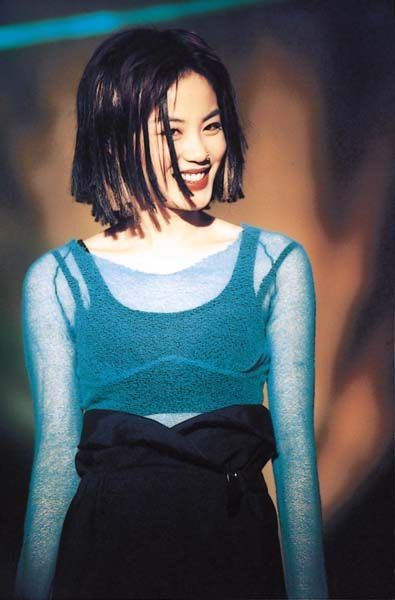
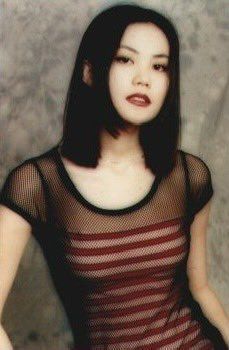
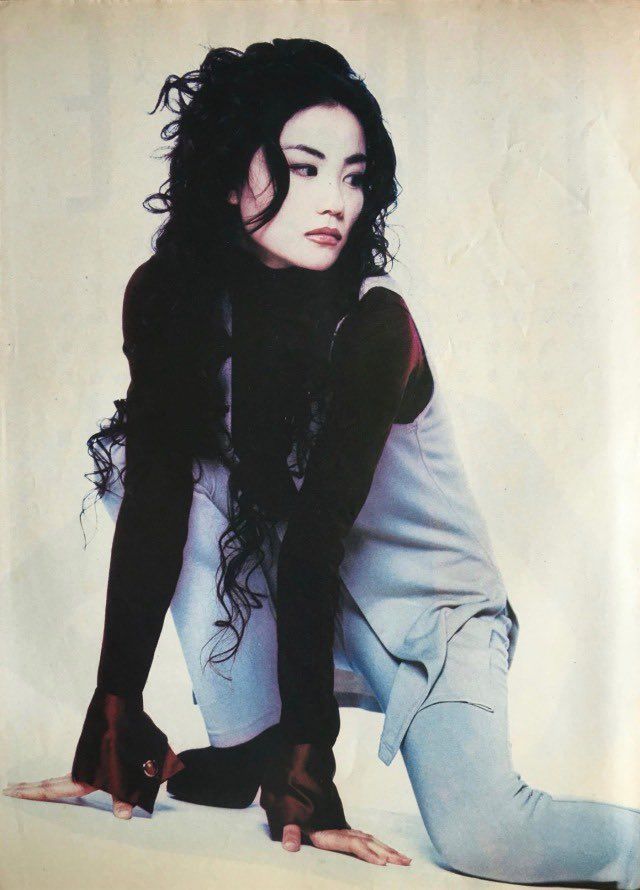
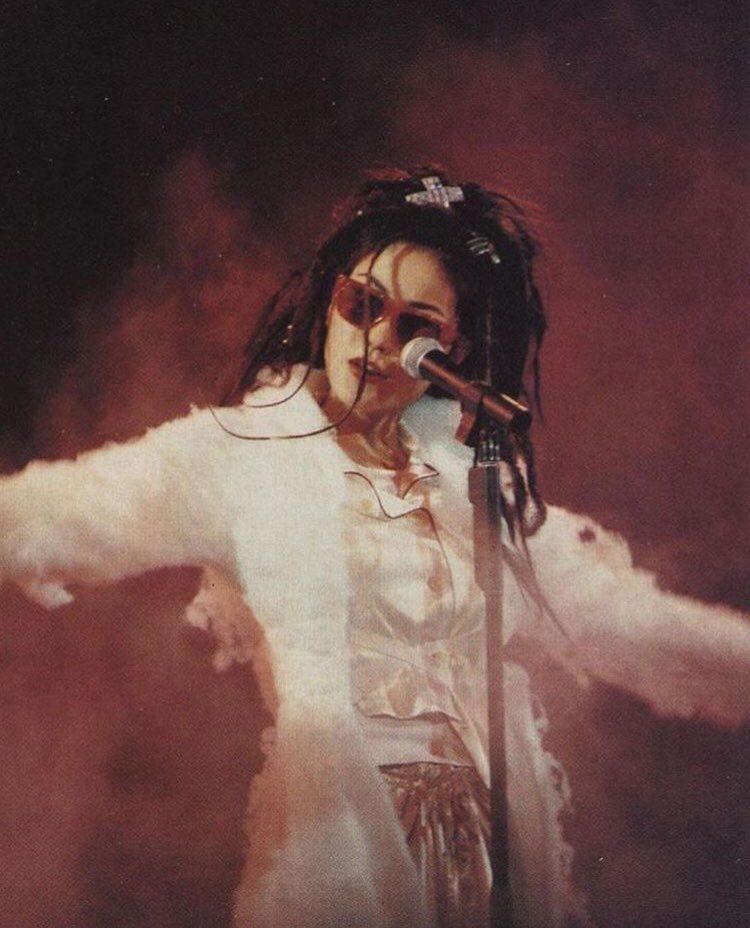
But to grasp her revolutionary impact, we need to take a step back. We’re in the late ’80s and early ’90s, a watershed moment for both China (caught between economic rise and political rigidity) and Hong Kong (still a British colony until 1997). Early in her career, after moving to Hong Kong, Faye Wong’s style was molded by the record label CinePoly, which strategically capitalized on her image and sound, turning her into the embodiment of both Hong Kong’s cosmopolitan modernity and traditional Chinese femininity. In those early years, her look mirrored the conventional image of female Cantonese pop stars. But after a 1991 trip to New York, she rebuilt her musical identity—covering the Cranberries and Björk, drawing from American blues and soul—and reshaped her public persona. She became bolder, more assertive, openly rejecting the hyper-commercial norms of Hong Kong’s music industry. As noted in the essay «The anomalies of being Faye (Wong). Gender politics in Chinese popular music», published in the International Journal of Cultural Studies, this sudden shift didn’t damage her career—in fact, it strengthened it. Her androgynous, grunge-inspired image, her graceful rejection of convention, made her the people’s heroine, a feminist icon, and a role model for young women searching for alternatives to traditional Chinese gender roles. Fashion simply amplified a rebellion that was, above all, intimate and personal: a refusal of compromise, of denying her identity and her music, an open challenge to an economic and commercial system. And it’s precisely on TikTok that Wong’s looks are being recreated and her persona celebrated as a “90s it girl”—perhaps out of nostalgia, perhaps in search of rebellious muses to endure today’s grim present.
What to read next

Ploom* reinvents soft clubbing with T-Club
DJ sets, non-alcoholic drinks inspired by the new LYO* range, and exclusive gadgets

Burro Studio has turned eleven but still hates rules
For the anniversary, it created a special pizza together with Fradiavolo Milano

Kris Jenner Steps Behind the Camera for Ferragamo's New Holiday 2026 Campaign
With The Joy of Loving, the Maison celebrates love and family bonds through an exceptional cast