.gif 2000w)























The second lives of fashion workers Finding things to do, beyond clothing
Perhaps it comes to everyone, after a moment of greatest fulfillment, the instant in which it becomes clear that one part of life is closing and another is opening. The awareness of creative directors and cultural producers almost always reaches a point where their relationship with commerce changes: it never fully ends, but it takes a different direction, apparently slower or more organic. Since the early decades of the 20th century, in the fashion system, the transformation of careers has been a recurring phenomenon. If we think of all the artists/artisans who worked in fashion houses, one thinks of Meret Oppenheim, who began working for Elsa Schiaparelli as an accessory designer and then developed a practice that redefined the boundaries between fashion, design, and art (her works are now exhibited at MoMA). It’s interesting to observe how fashion creatives have intrinsic second lives: because, even if not all fashion is art, probably all its creators should be considered partly artists, sharing processes and obligations of conceptual concentration. These transitions are not exceptions: fashion has always been a ground for crossings between practices and radical reinventions.
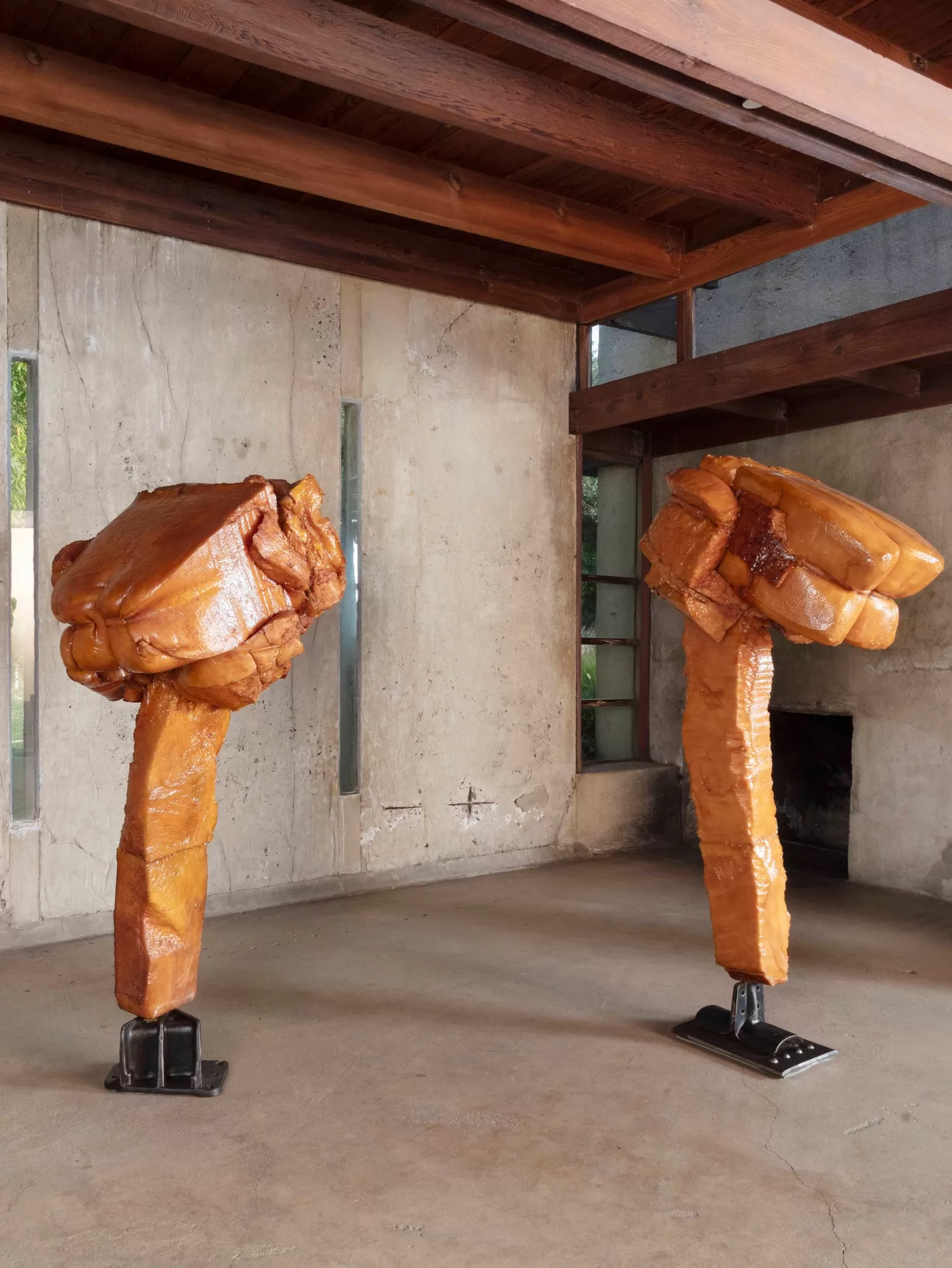
Today, many cases confirm this trend: from creative directors of their own brand to total artists, engaged in new personal production. This is the case of Helmut Lang, who left fashion to dedicate himself completely to visual art, with sculptures and installations that avoid the industrial system and the frantic pace of collections. Or Tom Ford, who finally decided to focus only on cinema, after intense films like A Single Man and Nocturnal Animals. And also Dries Van Noten and his turn as a Venetian patron, Ann Demeulemeester with her interest in interiors, up to the likely slow future shift of Miuccia Prada.
Here are five creative directors who have chosen to work on something else.
Tom Ford
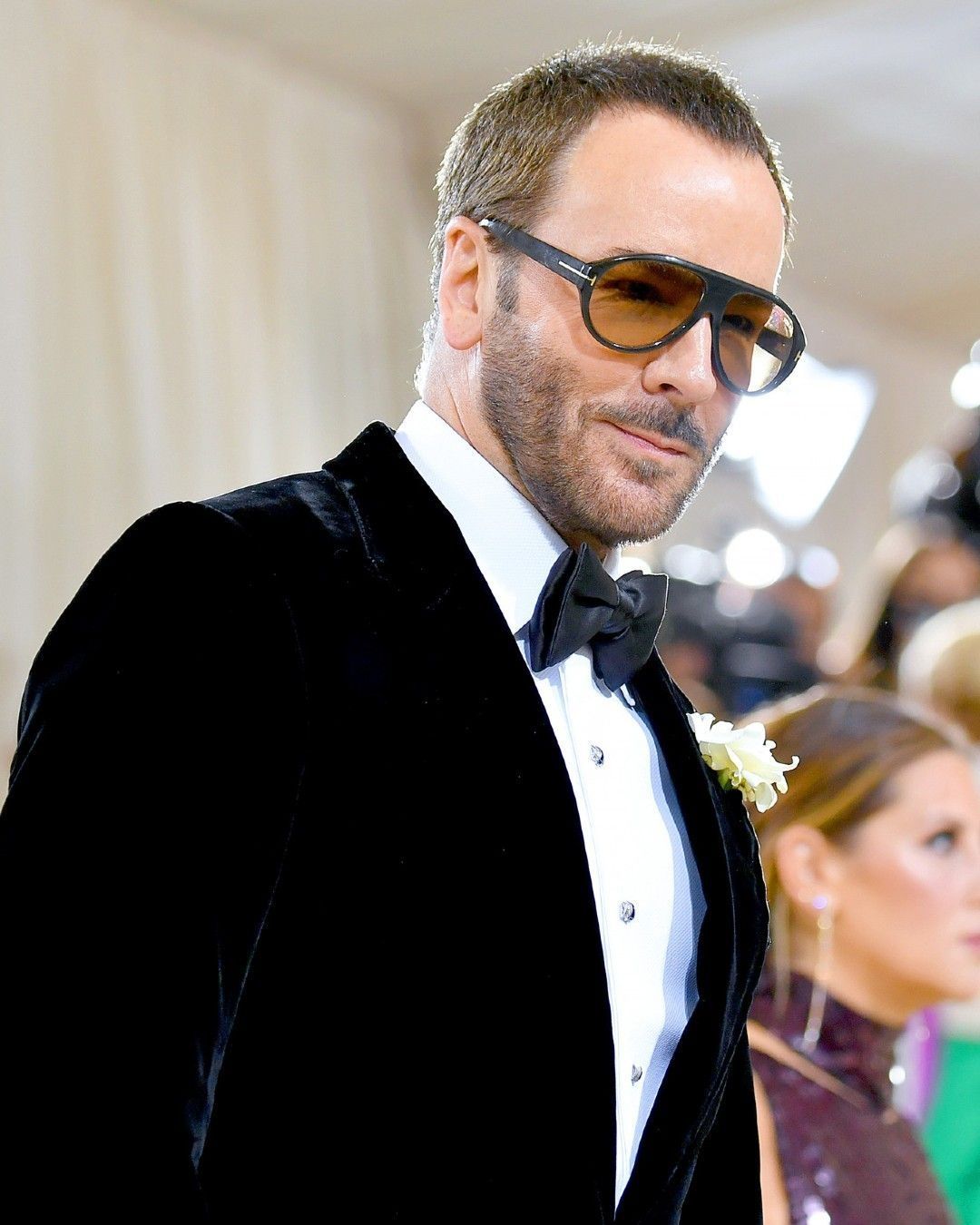
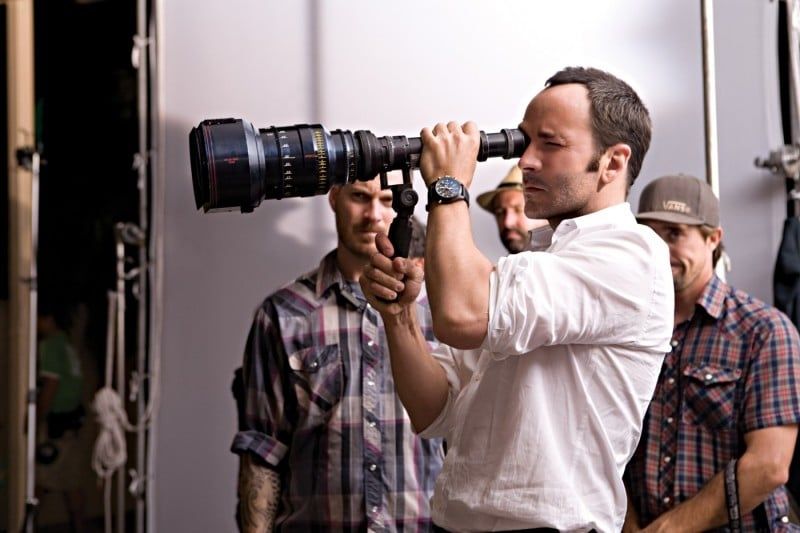
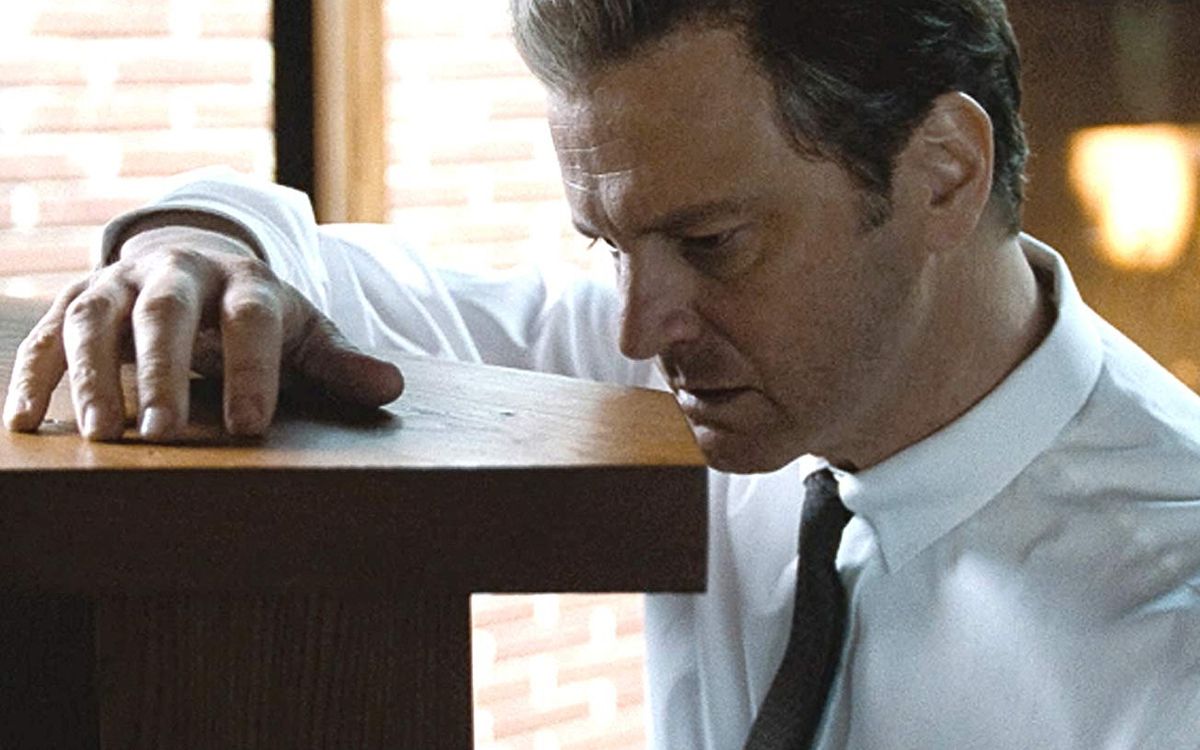
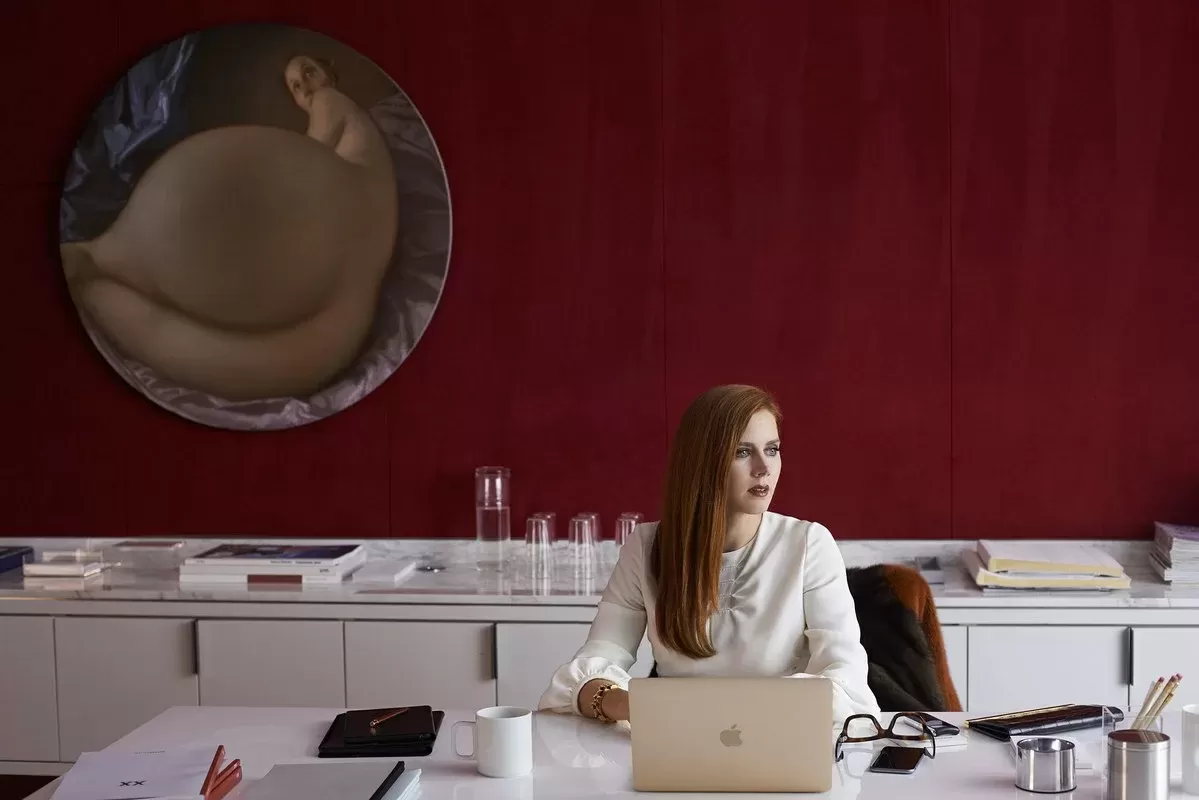
The genius of contemporary fashion who resurrected Gucci in the 1990s went down in history for projecting the brand and the rest of the industry into the new century of branding and image, but he has always shown incredible skill and familiarity with film. In 2023 he sold his eponymous brand TOM FORD to Estée Lauder for $2.8 billion, after an exhausting 30-year career and a profound family loss. He thus decides to devote himself to life and cinema, his truest loves. In fact, Ford had already been working on A Single Man since 2008, a film with Colin Firth and Julianne Moore that was warmly received at the Venice Film Festival. But it was 2016 that consecrated him with Nocturnal Animals: the film won the Grand Jury Prize in Venice, received an Oscar nomination (Michael Shannon), won a BAFTA for production design, and garnered nominations at the Golden Globes and Satellite Awards. His past in Texas and his sensitivity and life experience emerge in each of his works.
Ann Demeulemeester
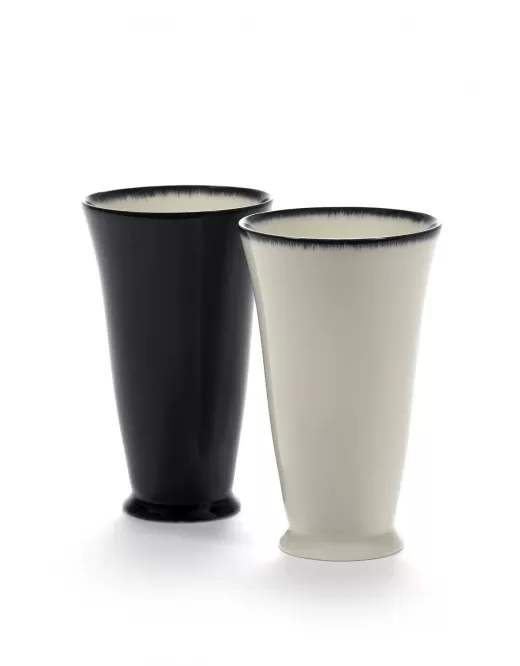
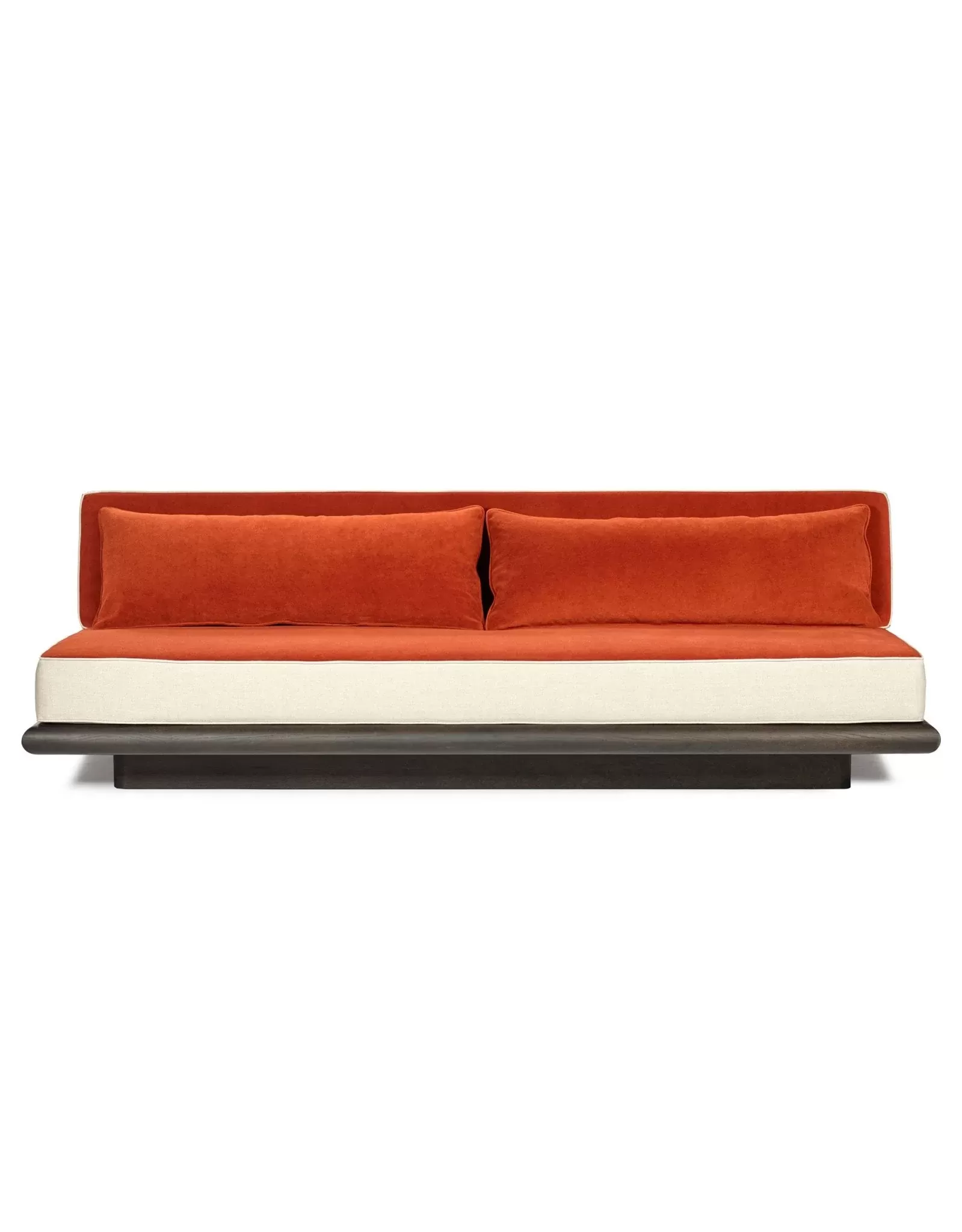
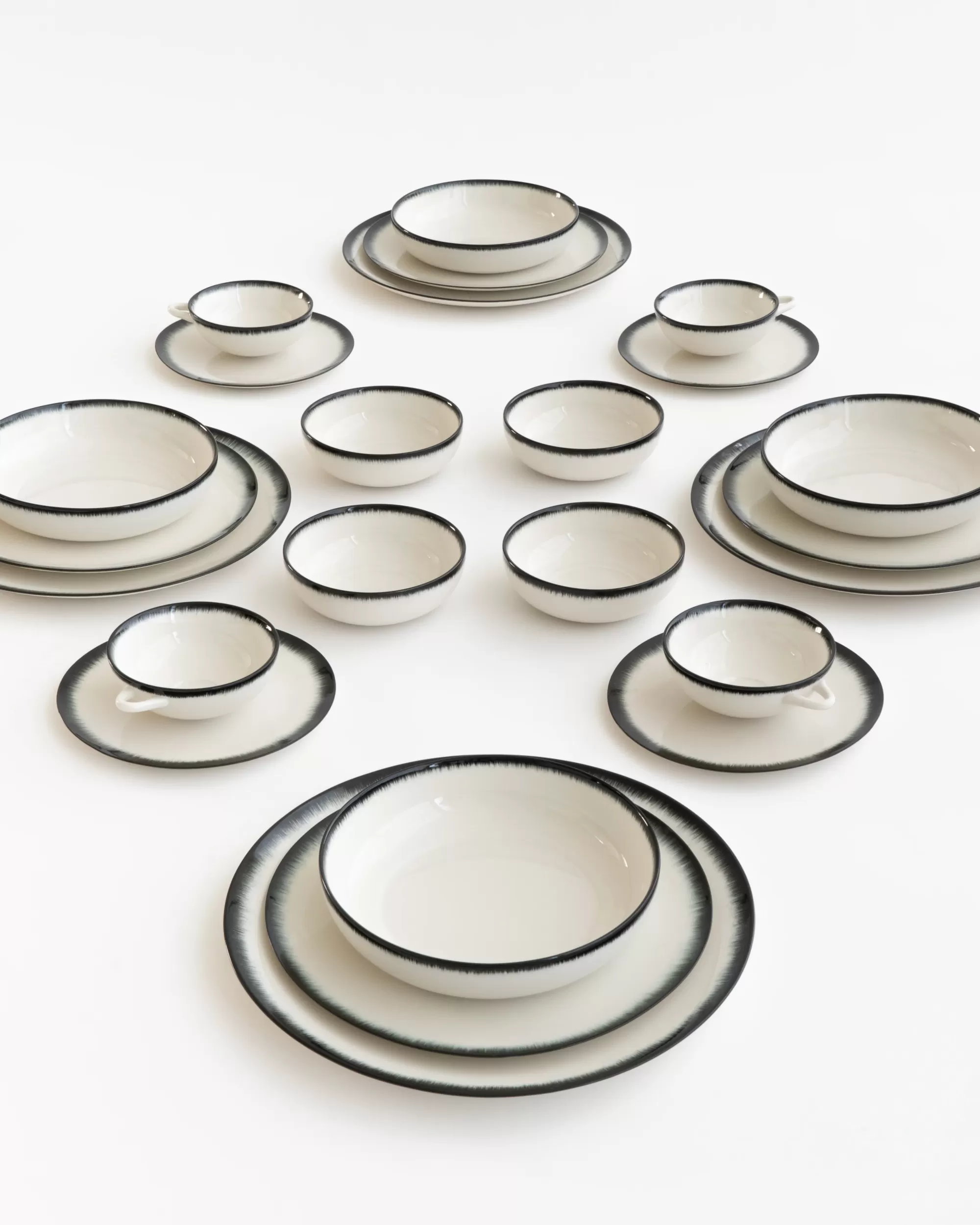
After stepping away from fashion in 2014, Ann Demeulemeester found a completely new form of aesthetic expression in the space of the dining table. In 2019, she launched a collaboration with the Belgian brand Serax, creating the collections Dé and Ra, hand-painted porcelain tableware, cutlery and glasses where minimalism and craftsmanship evoke the poetics of her fashion. In 2022, the partnership expanded to furniture, lamps, and home decor. This work was born precisely on the boundary between food and design and transforms the table into an intimately ritual and sensorial scenography. The project, strictly monochromatic and sculptural, confirms her radical sensitivity.
Helmut Lang
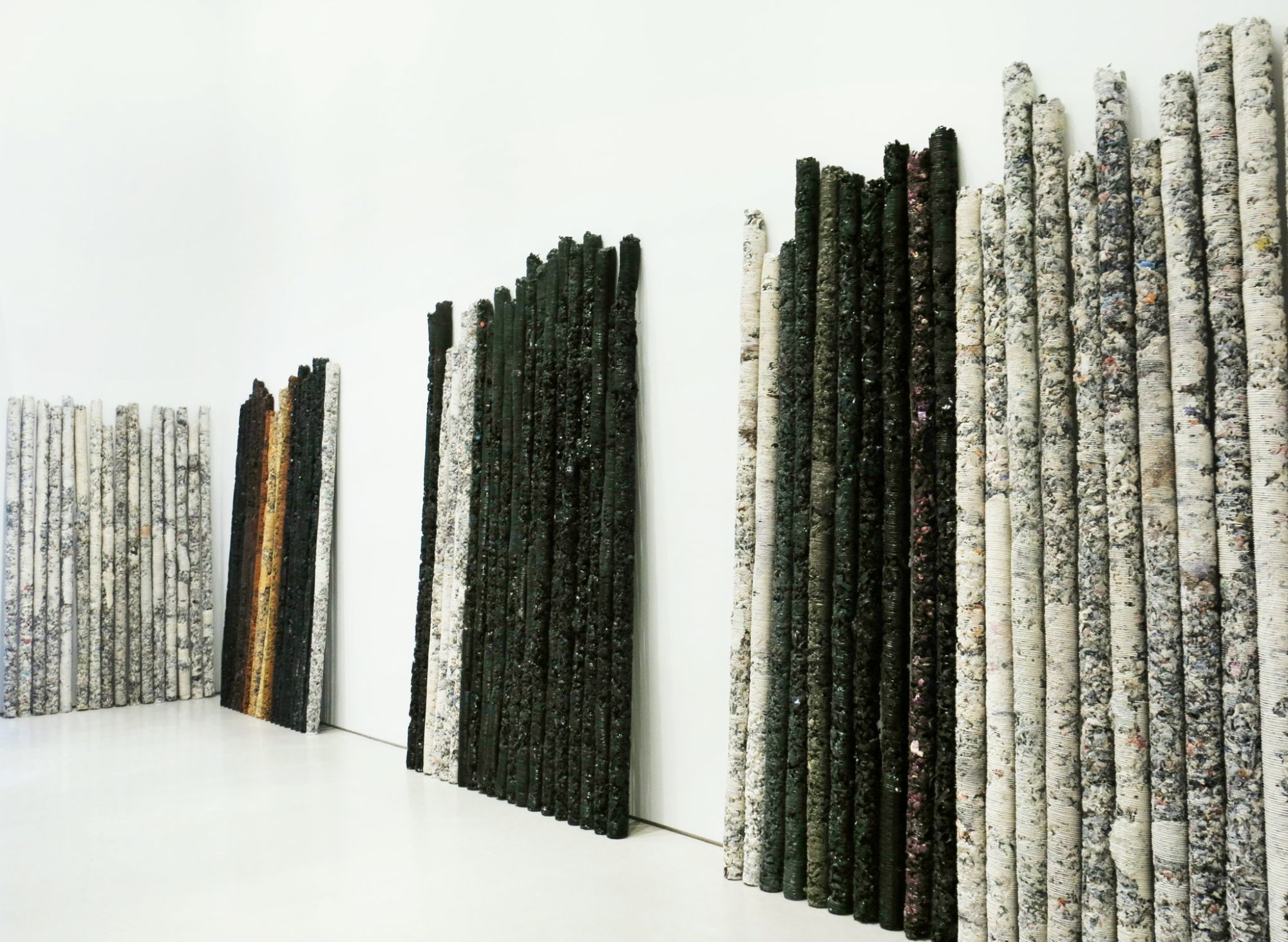
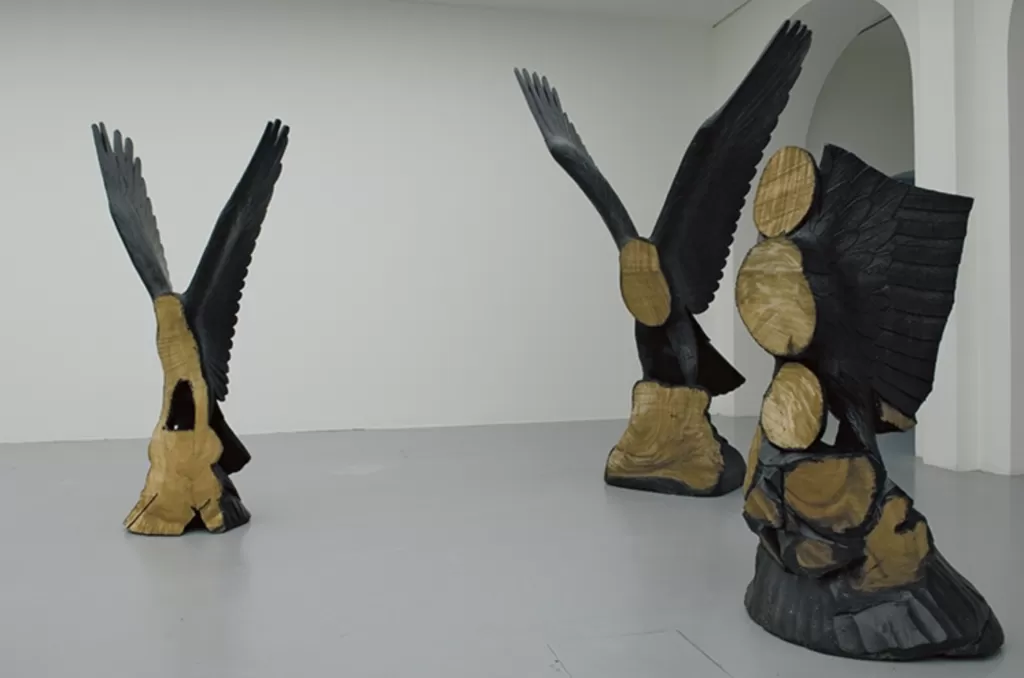
Helmut Lang is the first name that comes to mind when thinking of minimal radicalism in 1990s fashion, that axis that united everyone from the old continent to the streets of New York. Since 2005, he has been devoted to his artistic practice, which moves between installations and sculptures. His relationship with art—serious art—is very close and goes hand-in-hand with his personal and professional life: one of his best friends, as soon as he moved to New York in 1997, was Louise Bourgeois, who wore Helmut Lang pieces for the rest of her life, including the iconic white shearling coat immortalized in numerous portraits. The bond between Lang and art is visceral; just think of his long collaboration with Jenny Holzer for the New York store and advertising campaigns, and their sensory work exhibited together at the 1996 Florence Biennale curated by Germano Celant. His manipulations, which he experimented with almost in parallel to his design work, are material, powerful, and evoke Burri and the worn object. In recent years, his work has been exhibited at international institutions such as the Sandretto Re Rebaudengo Foundation in Turin in 2020, and in solo shows at the Sperone Westwater gallery in New York, which permanently represents him.
Dries Van Noten
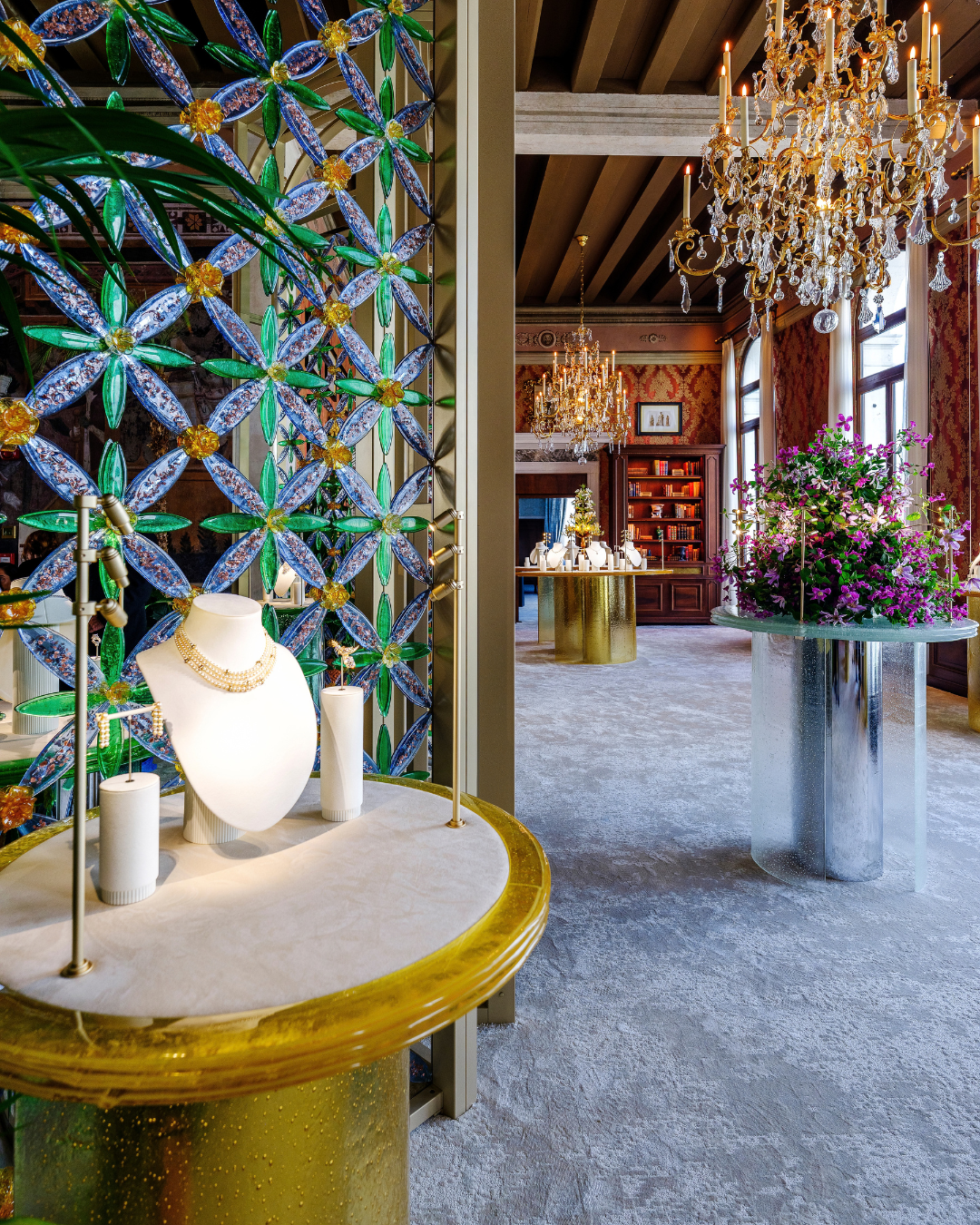
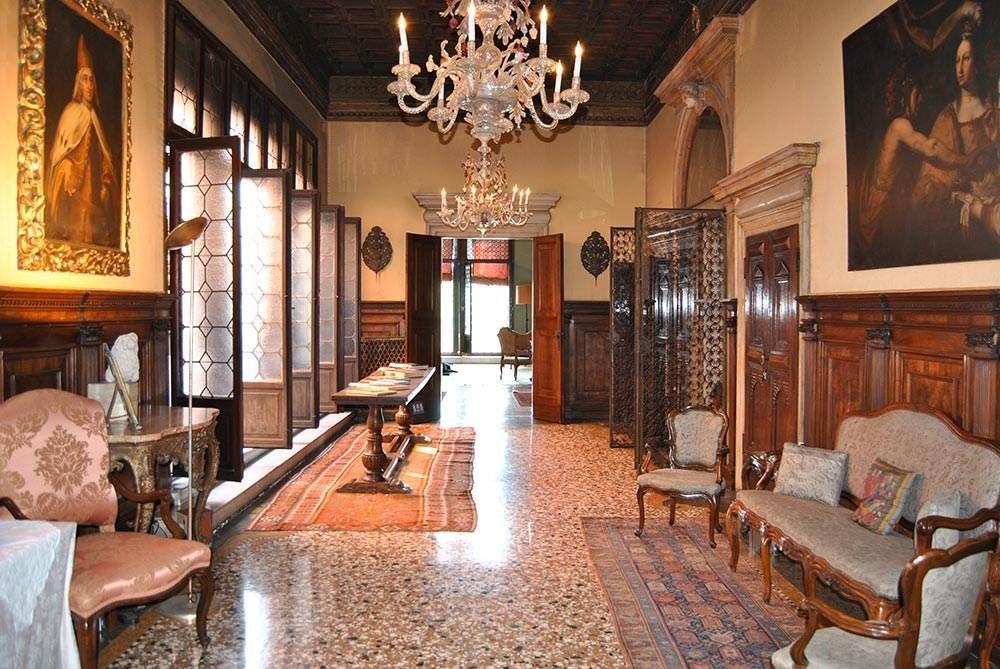
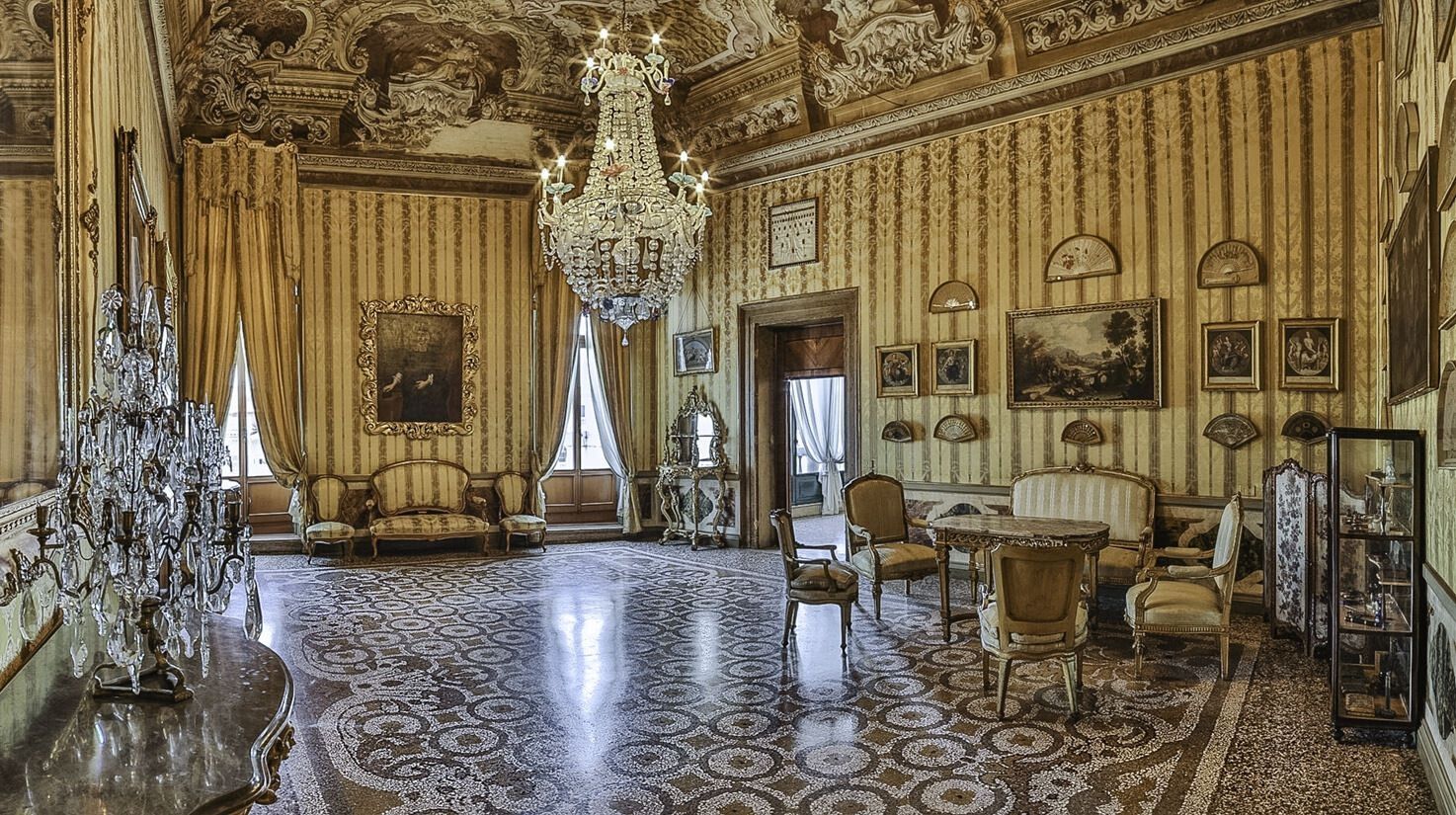
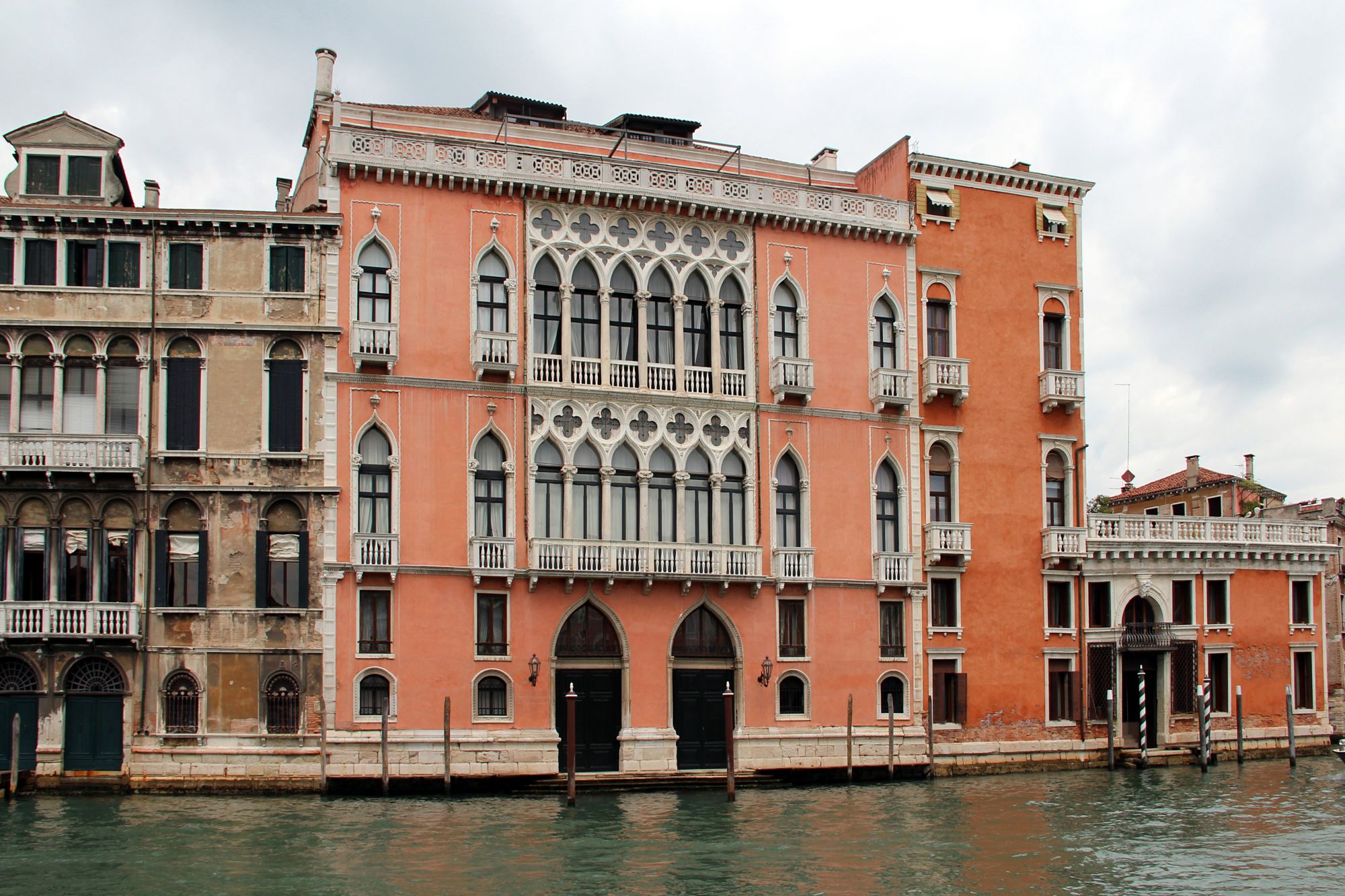
Dries Van Noten also belongs to the Antwerp Six, and like Ann Demeulemeester, he has recently stepped down as creative director of his namesake brand. He had already planned this step in 2018 to allow investors to enter and radically change the business model behind the label. On one hand, he continues to work on beauty and perfumes, on the other, as he said in a recent interview with Repubblica with Angelo Flaccavento, “I always find my balance near water”. His new project? In Venice. Van Noten already has a home in the city which he has frequented for years, but the next big step was the purchase, in May 2025, of Palazzo Pisani Moretta, a historic Gothic-Baroque building from the 15th century overlooking the Grand Canal that will soon become a public cultural hub, dedicated to craftsmanship, art, and the dialogue between past and present, with workshops, artist residencies, exhibitions, and labs on Venetian techniques. Details on the renovation schedule and public opening are expected in September, but the direction is very clear.
Miuccia Prada
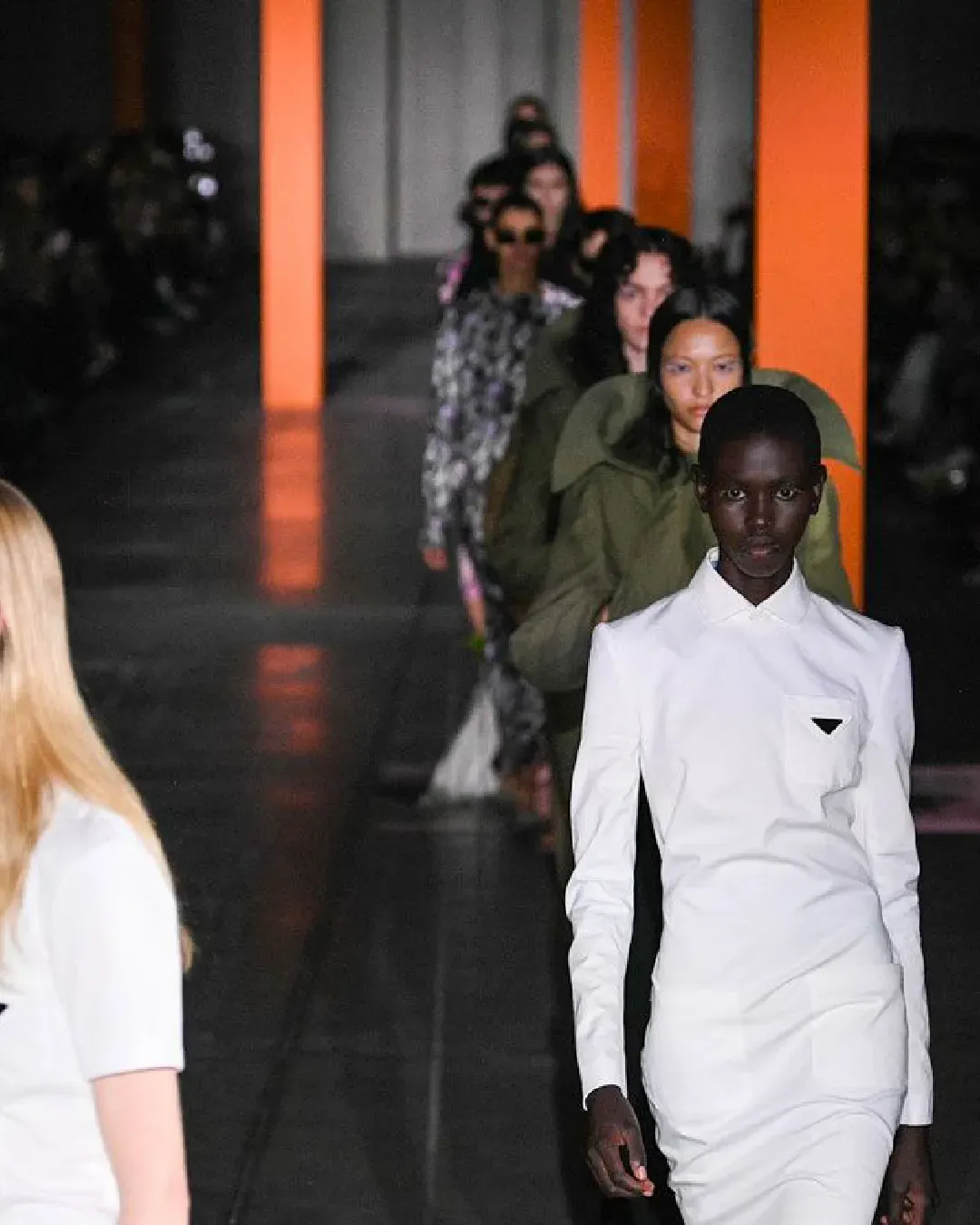
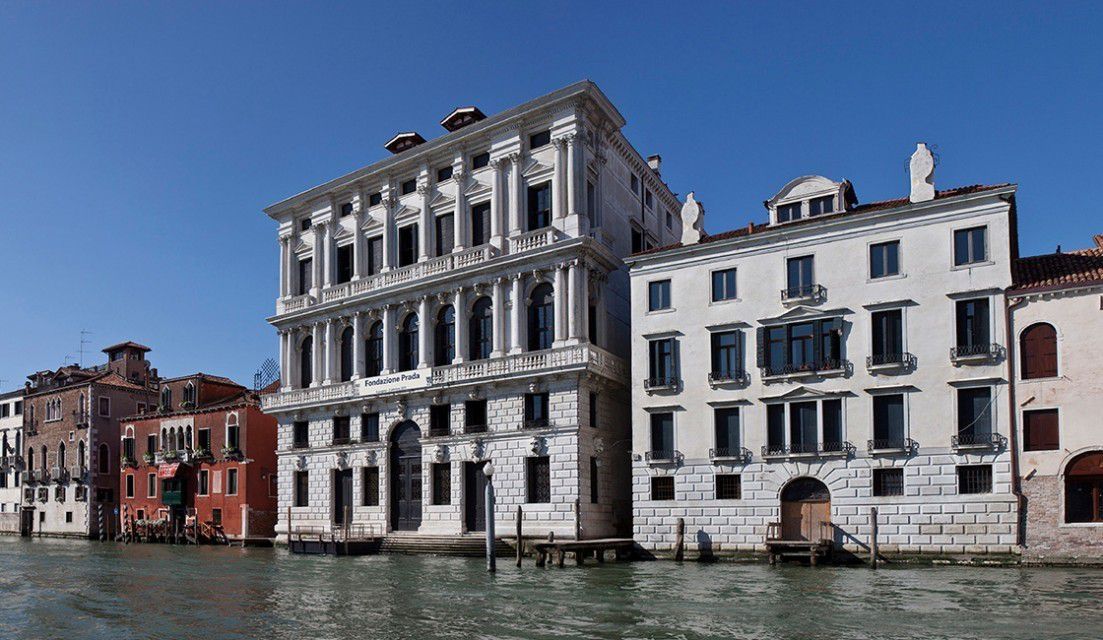
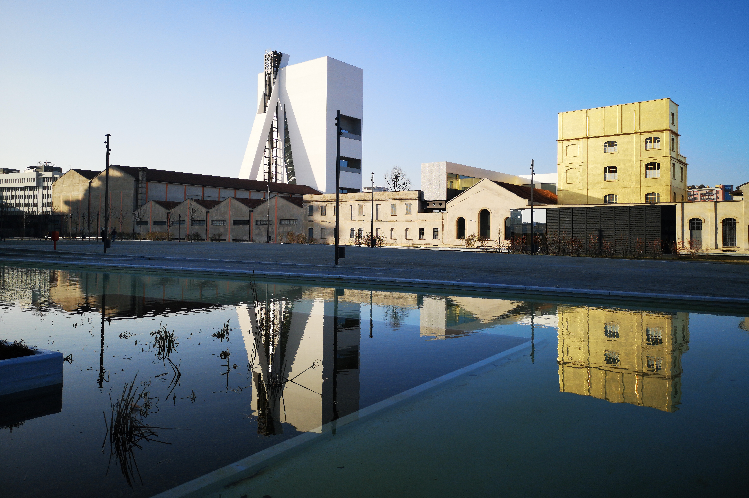
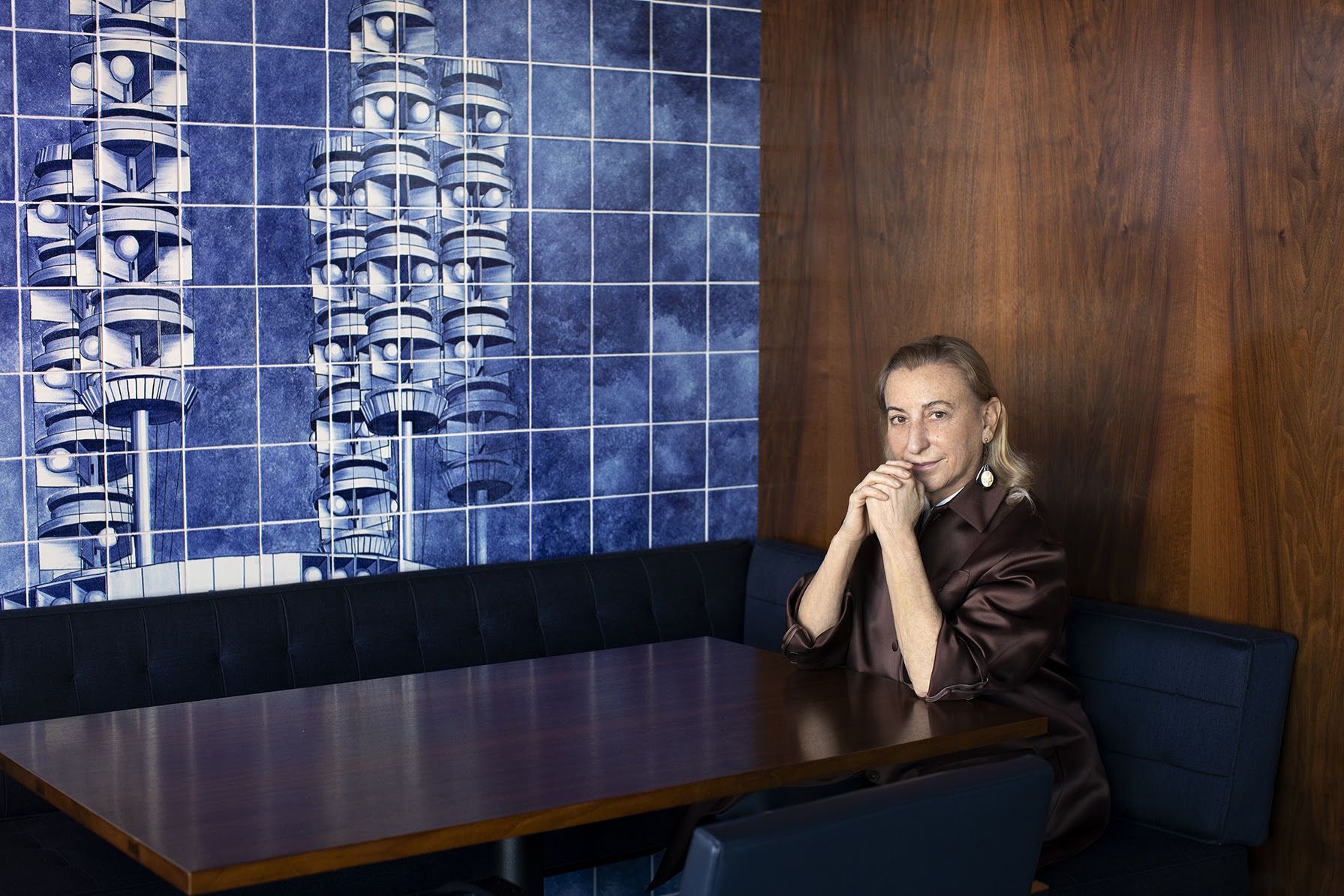
Although still co-creative director of Prada and creative director of Miu Miu, founder Miuccia Prada hints that a plan for the future of such a large and powerful group may already have quietly been in motion for some time. The two moves that have fueled this perception are well known: on one hand, the co-direction of Prada with Raf Simons, on the other, a piece of news that in part changes nothing, but means a lot. In September 2023, the designer formalized her role as director of Fondazione Prada, an initiative launched in 1993 and always central to her life. The foundation has allowed her to show the world her sensitivity, deep knowledge, and love for contemporary art, but above all, the desire to share them with the public in the cities that host its locations, Milan and Venice. A useful move to strengthen the cultural identity of the Prada Group, but also—perhaps—an exit strategy for the Milanese designer.