






















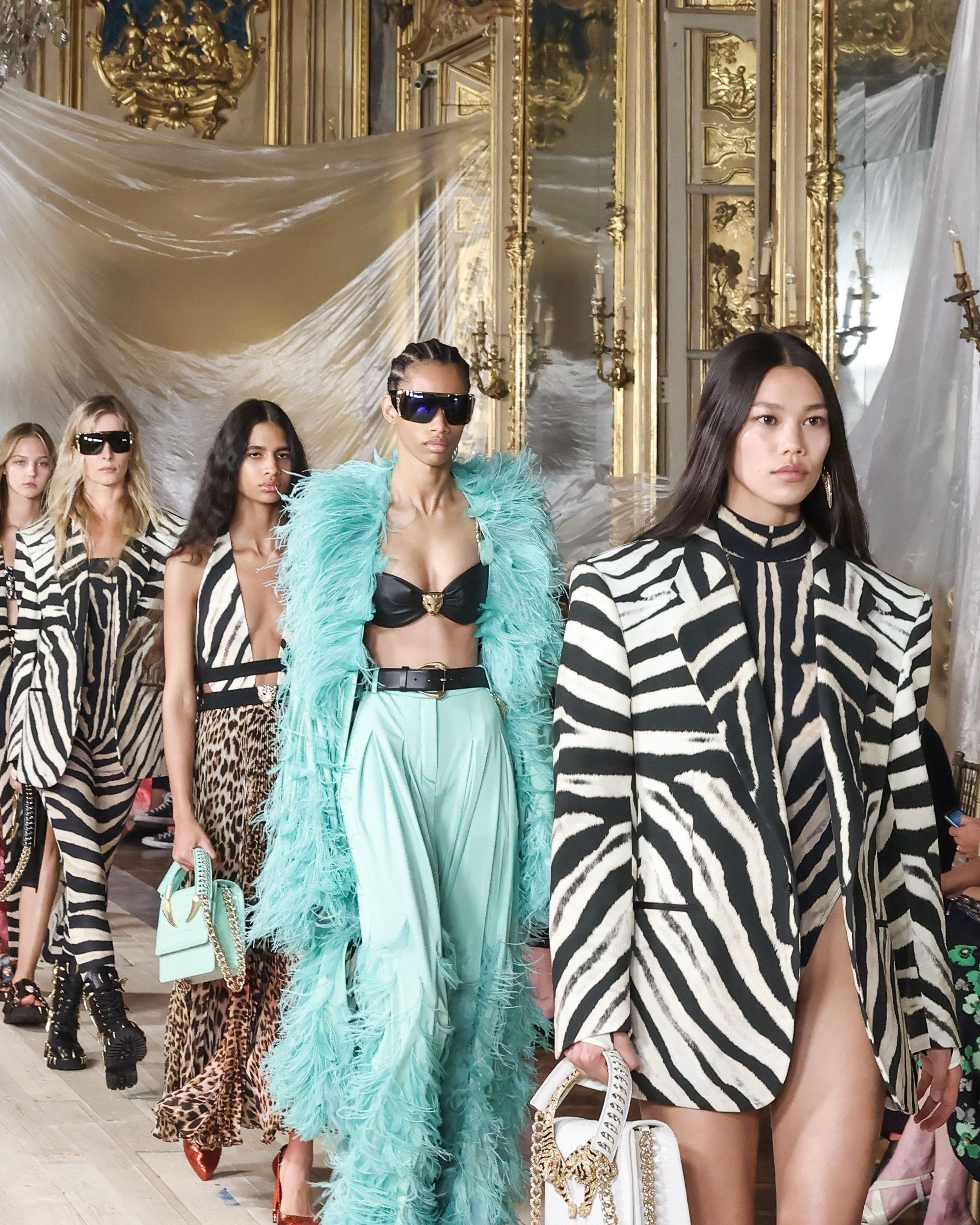
What is happening at Roberto Cavalli? A new report reveals brand's future may be in doubt
UPDATE 3.11.2025: The deal between Roberto Cavalli and Tomorrow, a London-based distribution service, has been confirmed. The news that the British company will handle the global distribution of the brand’s main line starting from FW26 confirms what had been anticipated regarding the precarious situation faced by Cavalli over the past year. Tomorrow’s main goal will be to represent the Italian brand – owned by Damac, founded by Arab entrepreneur Hussain Sajwani – on an international level and strengthen its market positioning, according to an official company statement. Therefore, it is not a sale of the brand, as rumored this summer, but rather a collaboration aimed at promoting Cavalli’s growth. Considering the central role Tomorrow will play in the brand’s overall strategy, it is possible that the creative direction, led by Fausto Puglisi, may slightly shift, with more collaborations similar to Cavalli x Skims, which reinterpreted the brand’s most iconic prints through the pop lens of Kim Kardashian’s label.
With each passing day, the future of Roberto Cavalli becomes increasingly uncertain. According to a report by MF Fashion in an investigation by Andrea Giacobino, the current owner of the brand, Dubai billionaire Hussain Sajwani, is reportedly considering selling the fashion division, while keeping under the control of his Damac Properties group the real estate projects linked to the brand's name, such as the scenic Cavalli Tower in Dubai. If confirmed, this move would not only mark a significant strategic shift in the management of a brand that in recent years has struggled to perform in line with its initial ambitions, but could also be seen as a sign that fashion today is more useful for selling luxury suites and apartments than clothes and bags. Sajwani, who acquired Roberto Cavalli in 2019 through a complex financial structure involving several investment companies, had promised to restore the brand to its former glory after it entered a debt restructuring process. Five years later, however, the economic results paint a much less promising picture. The consolidated 2024 financial report closed with a loss of 23.3 million euros, up from 20.3 million the previous year, despite a slight increase in net revenues from 75.2 to 79.3 million euros.
What is most concerning is the drop in the value of production, which fell from 101.7 to 93.2 million, while operating costs decreased only marginally, remaining at 116.4 million. The ordinary financial statement also shows a difficult situation: losses exceeding 23 million were covered by dipping into reserves, now reduced to 33.4 million, insufficient to cover a total deficit nearing 53 million. The decline also affected the licensing division, which saw a 55% plunge in revenues, down to 5.5 million. Everything suggests that owner Sajwani may soon hand over the brand to an external entity or even sell it altogether to focus on the more profitable Damac real estate business, which according to Moody’s holds an off-plan portfolio worth 16 billion euros. At the helm of the brand remains Sergio Azzolari, appointed CEO in 2023 after stints at Dsquared2, Tod’s, Luxottica, and Missoni, while the creative direction has been entrusted since 2020 to Fausto Puglisi, whose collections have been relatively well-received by the press. Nonetheless, financial results have not followed. According to the report, some analysts estimate that Roberto Cavalli could be worth between 300 and 400 million euros today, optimistically speaking. Of course, with nothing confirmed, the names of potential buyers remain speculative.
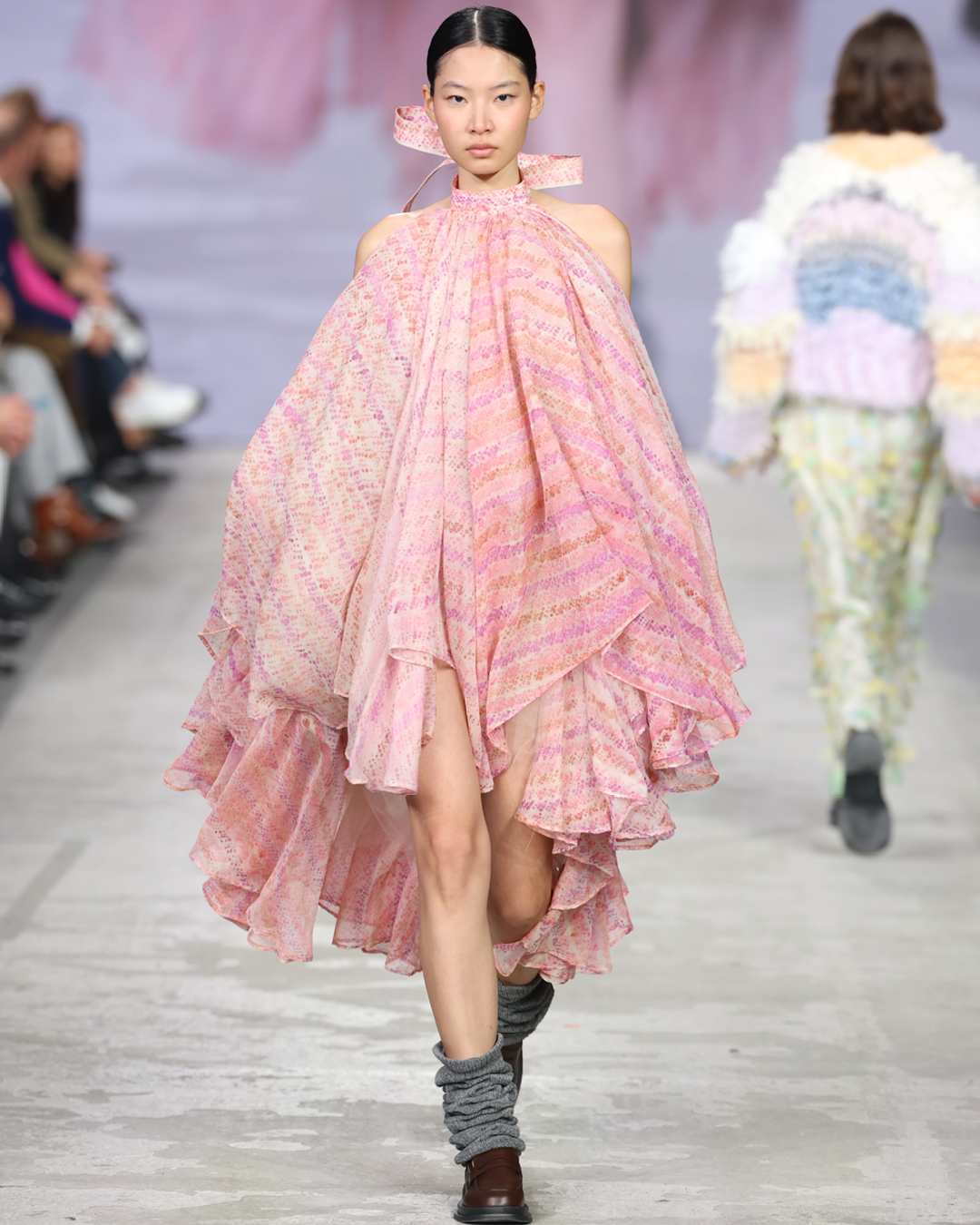
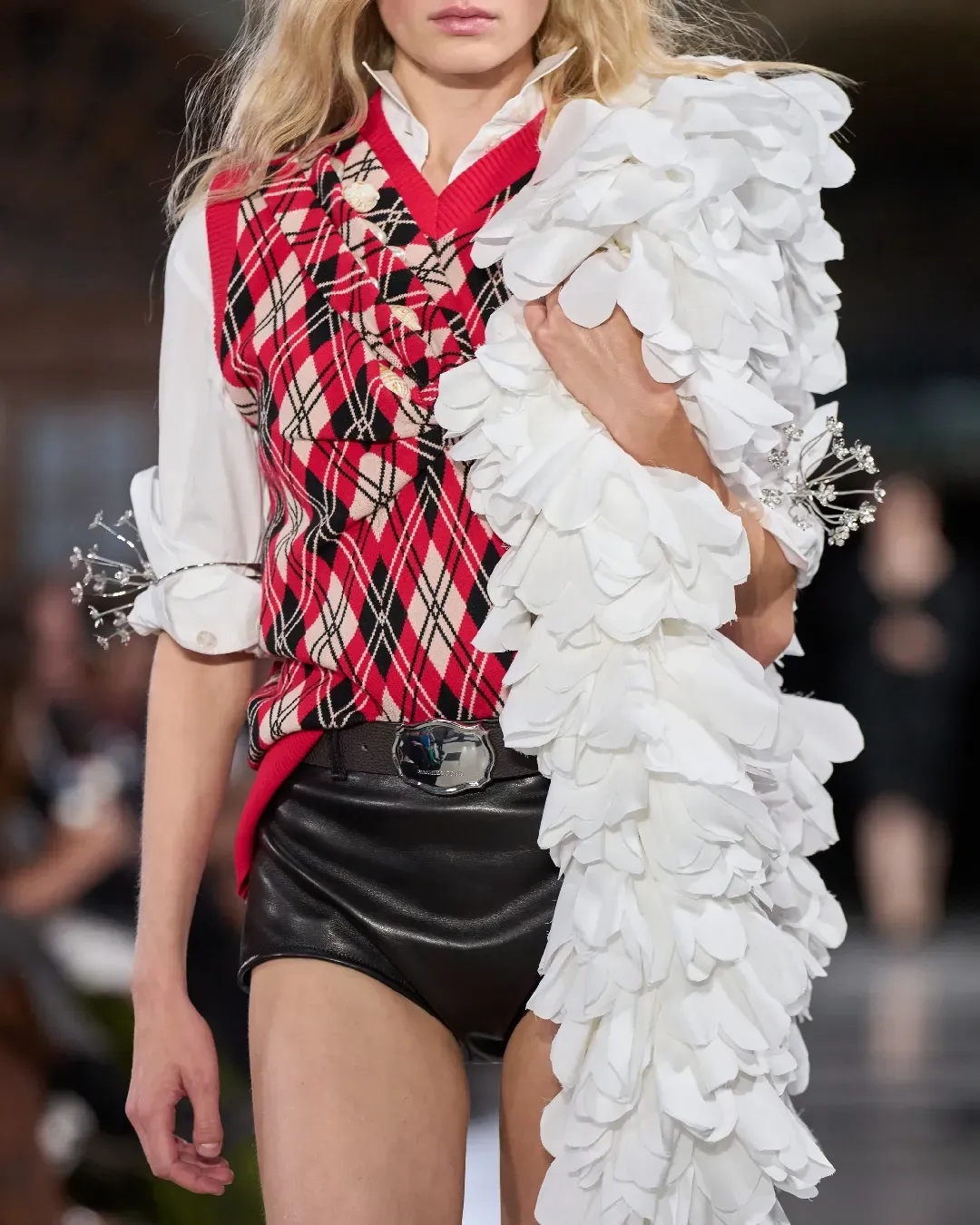
In reality, on paper, there is no true reason why Cavalli’s creative relaunch has not found success so far. As with other brands that have attempted a relaunch in recent years without truly resurfacing, the issue likely doesn’t lie with those working within the brand but rather the environment in which they operate. It is honestly difficult to think of an industry more saturated than fashion right now, where historic, niche, or emerging brands have created an ecosystem in which even nostalgia no longer drives sales the way it once did. The success of certain brands seems confined to the era in which they were culturally relevant: this may explain why, despite the brand’s declining sales, vintage Roberto Cavalli pieces remain among the most sought-after online, and the brand has even featured reinterpretations in its recent collections as seen here. In the 2010s, the explosive growth of the fashion sector—especially with the rise of the New Guards Group—led many investors and foreign groups to believe that Made in Italy fashion was like a grand banquet where all you had to do was show up to feast—resulting in several revivals of once-glorious brands that had faded from the spotlight and relaunches which, despite massive budgets, left many labels only slightly ahead of where they started. What will their fate be? The market will decide—although popular wisdom has long reminded us that there is little sense in spurring a horse that has already collapsed to the ground.
What to read next

When Rei Kawakubo designed a furniture line
An experimental collection created by the designer in the 1980s for Comme des Garçons
In "The Stranger" the family is fertile ground for horror and fear
Paolo Strippoli's new film puts the mother-daughter relationship back at the center