
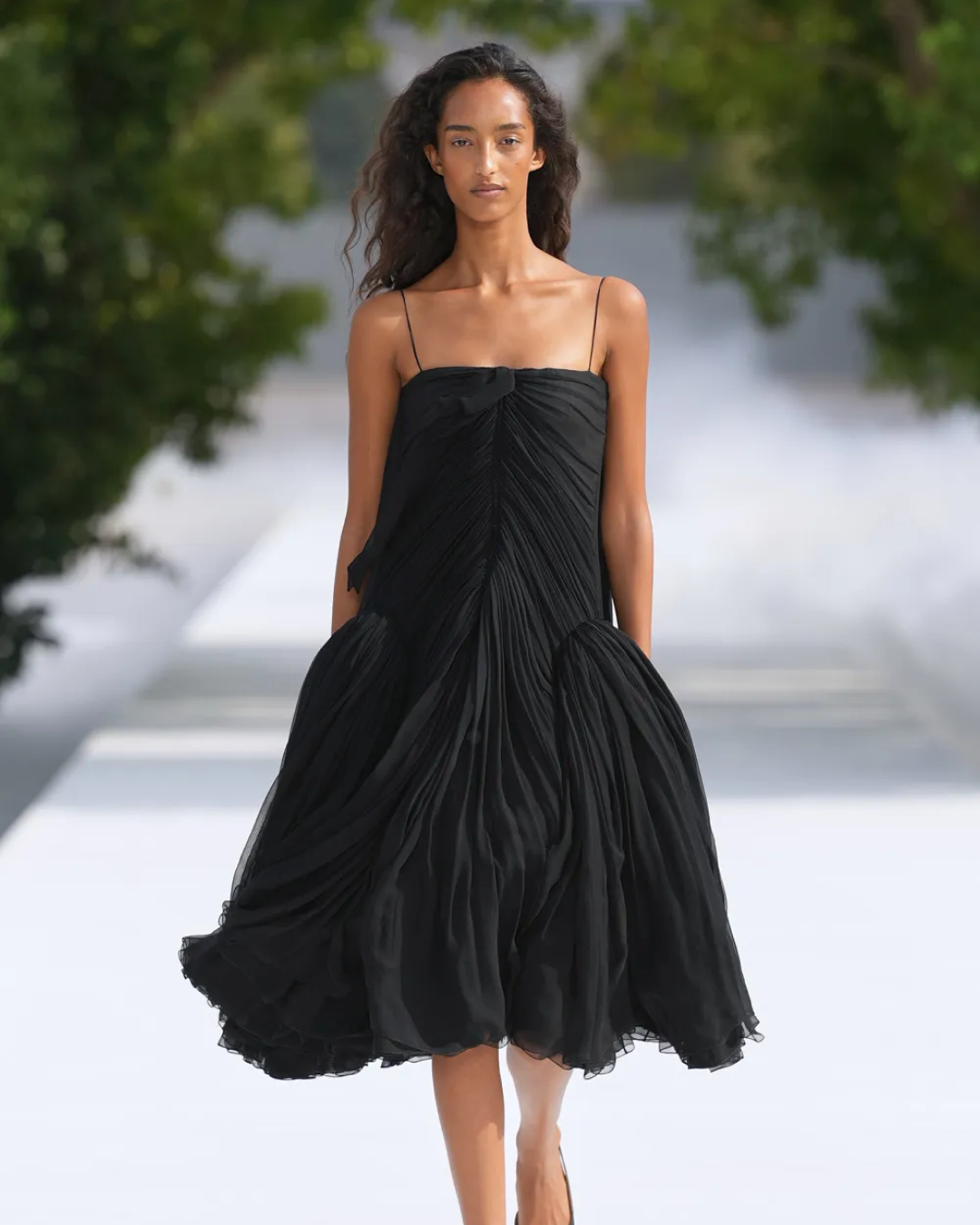
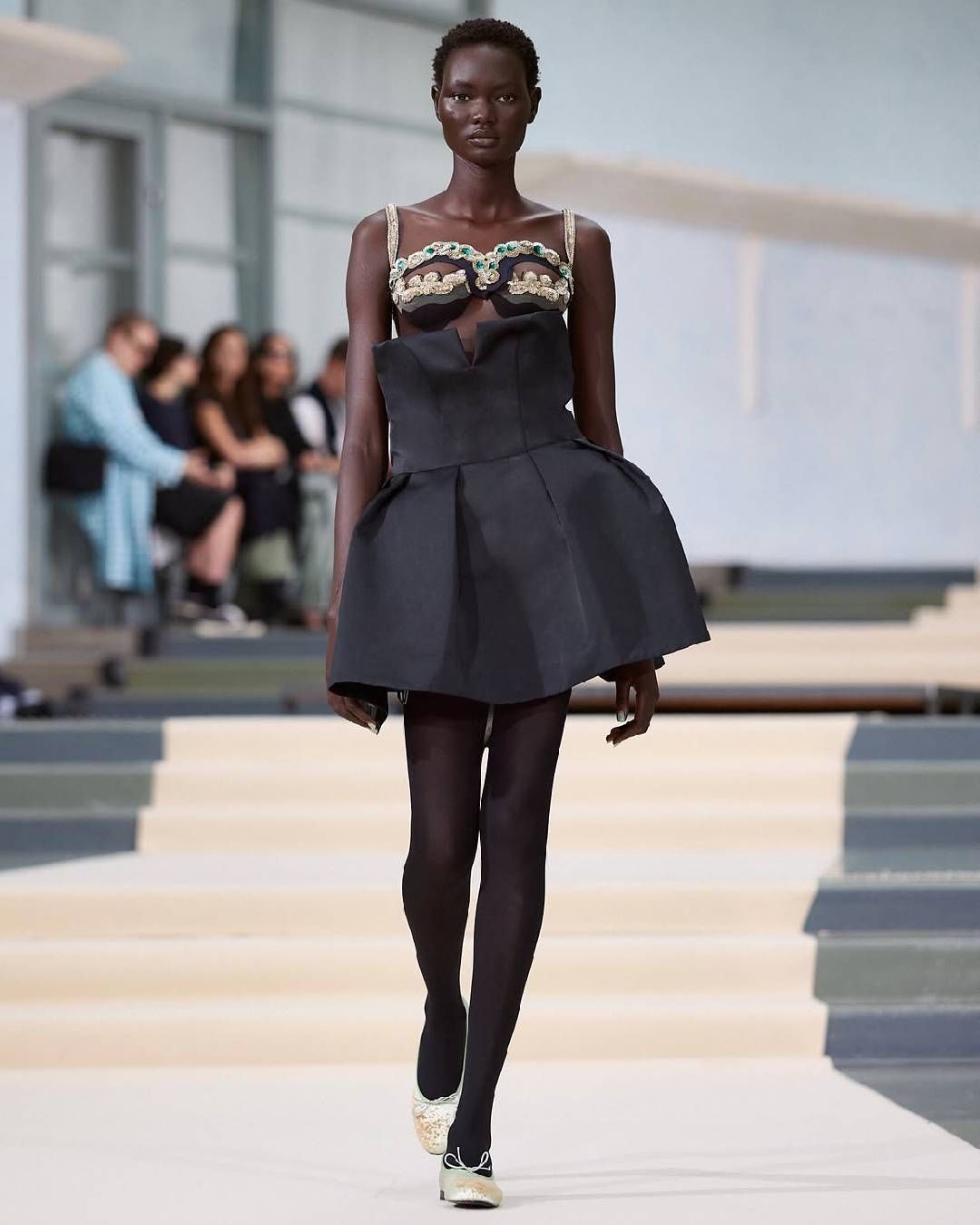
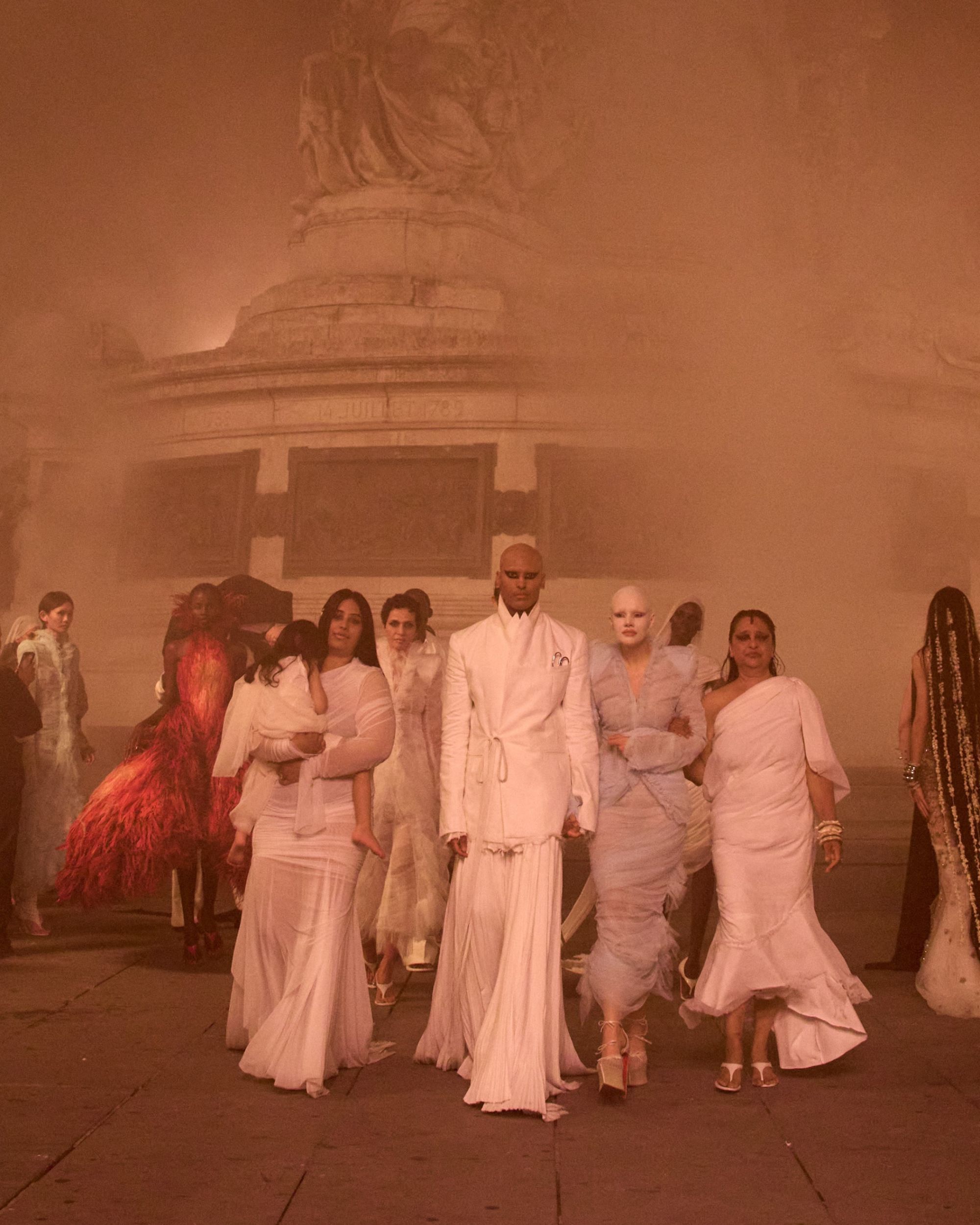





























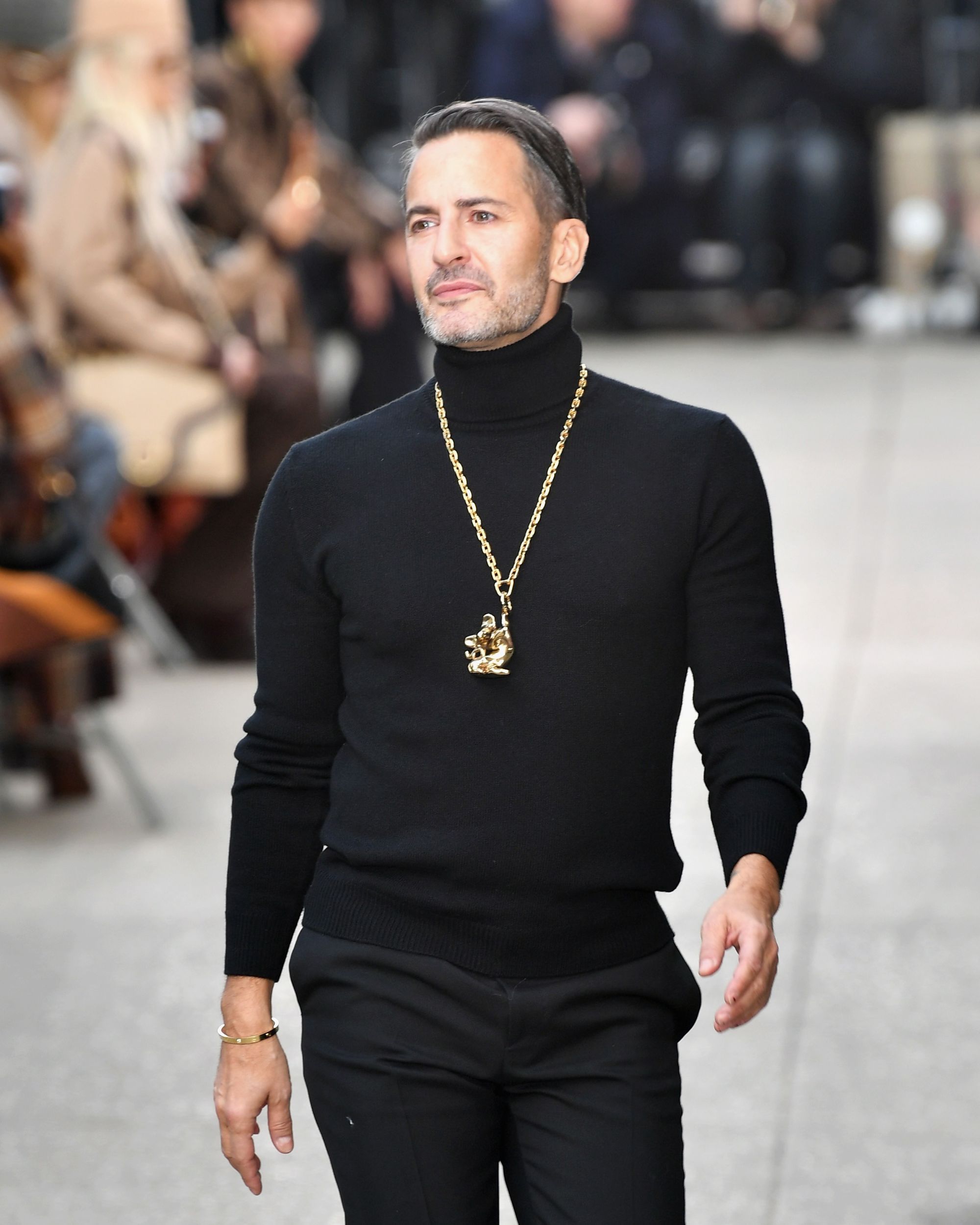
Does LVMH want to sell Marc Jacobs? According to some rumors, the mega-group is considering a sale
It's easy for a mega-group to acquire a brand, but it's harder to decide to sell it. However, that's apparently what's happening at LVMH, which, according to some rumors reported by Lauren Sherman on Puck, is discreetly considering the sale of Marc Jacobs, a brand that LVMH has struggled to fully integrate. According to sources close to the deal, the buyer is Authentic Brands Group (ABG) owned by Jamie Salter, with a valuation close to a billion dollars – in line with annual revenues exceeding 500 million. The bidding process reportedly saw competitors like WHP Global, but ABG is already looking for an executive to manage the brand, with possible announcements imminent. For ABG, which generates 38 billion in global retail sales through licenses (from Brooks Brothers to Billabong), the operation could be revolutionary, especially thanks to the fragrance business partnership with Coty.
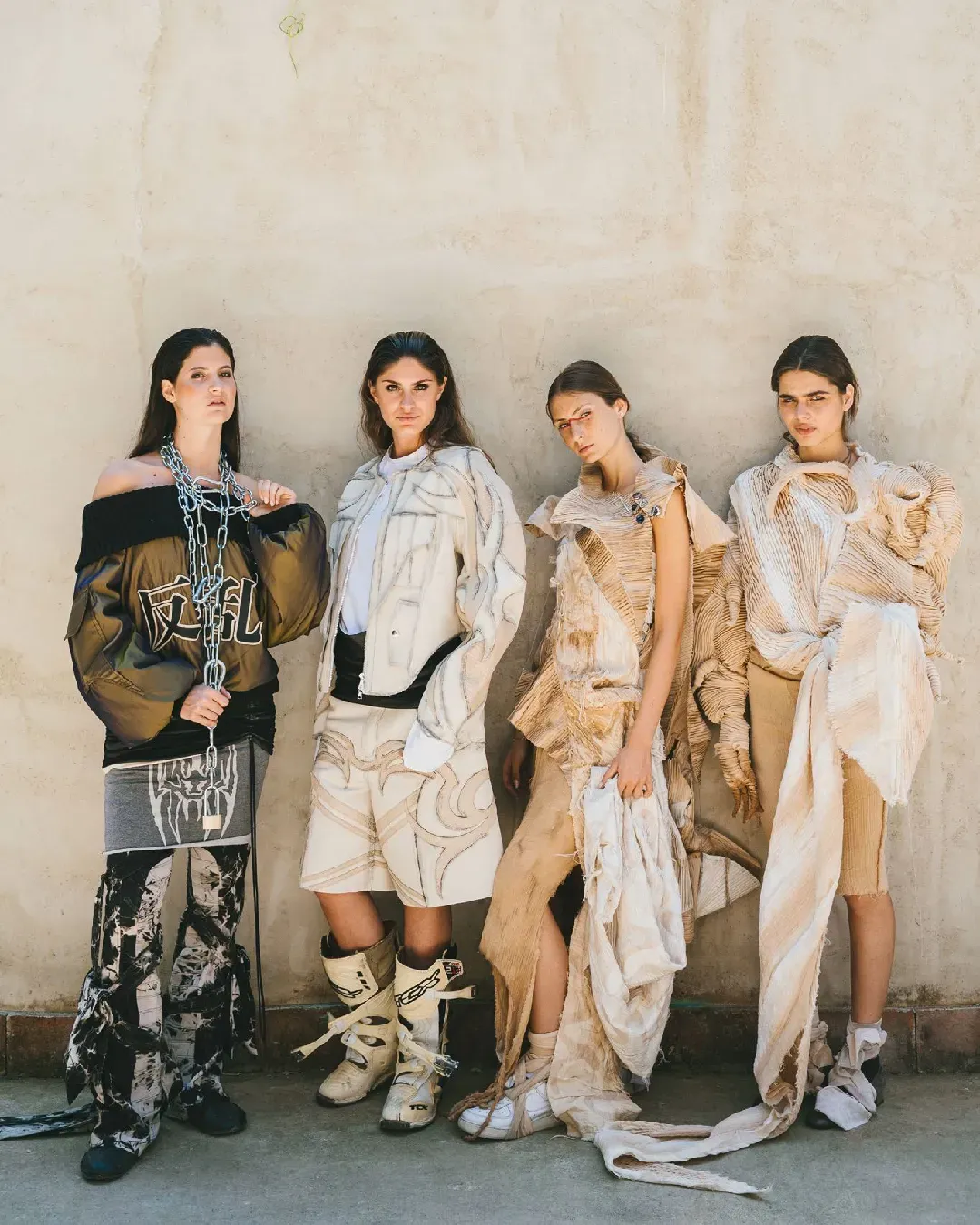
After the recent acquisition of a majority stake in Guess, Jamie Salter, founder of ABG, is shifting focus towards outright acquisitions, rather than limiting himself to simple licenses. This orientation implies the need for strategic partnerships with expert manufacturers, such as G-III Apparel, current owner of Donna Karan and former producer of Calvin Klein, to manage the brand's daily production and distribution. The transition of Marc Jacobs to a licensing model, typical of ABG, could be very positive as it would free Jacobs from the internal bureaucracies of the LVMH giant, allowing him to pursue innovative and independent collaborations outside its ecosystem and enabling him to bring lines like Heaven by Marc Jacobs to shopping malls around the world.
The idea gains further sense considering that LVMH is lightening its brand portfolio to focus on high-margin core assets while ABG wants to stop being an eternal licensee and work with its own brand to create its own licensing ecosystem. Obviously, the outcome of this transition will ultimately depend on practical execution and targeted investments, including key aspects like runway shows and seasonal campaigns, essential for preserving and amplifying the brand's intrinsic creative value in an increasingly competitive market. But why sell Marc Jacobs?
Why Would LVMH Want to Sell Marc Jacobs?
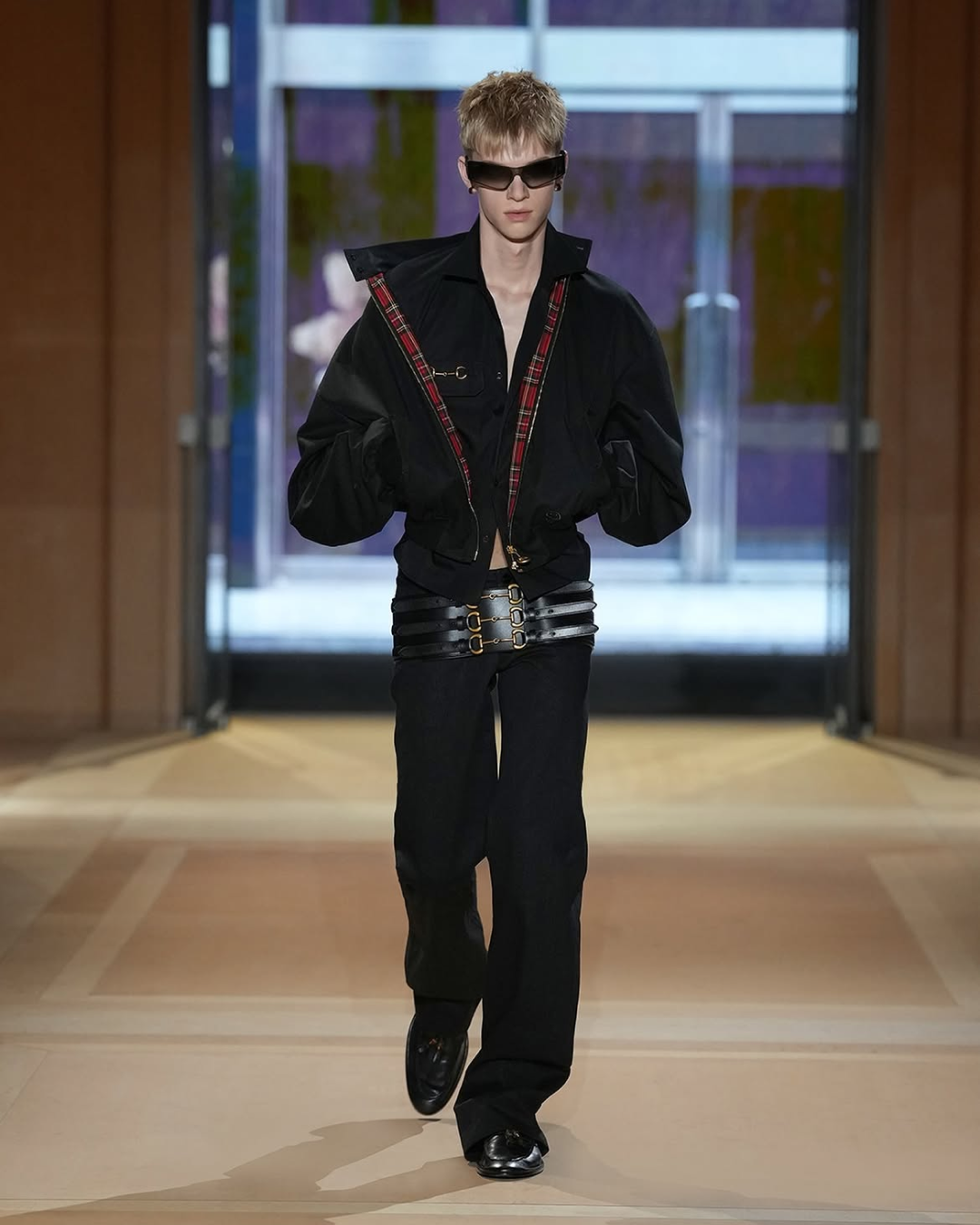
After the restructuring carried out by LVMH, the Marc Jacobs brand has become quite profitable with 600 million euros in sales recorded in 2023 according to unofficial sources. A good success also due to the virality that the founder and creative director has achieved on social media, his unconventional but always spectacular runway shows, and the launch of Heaven by Marc Jacobs, the second line designed by Ava Nirui, which has brought the brand a degree of cultural relevance and a cult following it hadn't had since the early 2000s. In general, however, Jacobs is one of the most celebrated and historic standard-bearers of LVMH, having also been one of the most successful creative directors at Louis Vuitton, and his 40th anniversary, celebrated with a viral show and a photoshoot featuring Pharrell, suggests that relations between the group's management and the designer are good.
@marcjacobs Pharrell and Marc reunite at LV headquarters to reflect on their 20-year relationship as friends and collaborators. Watch the full conversation at @System original sound - marcjacobs
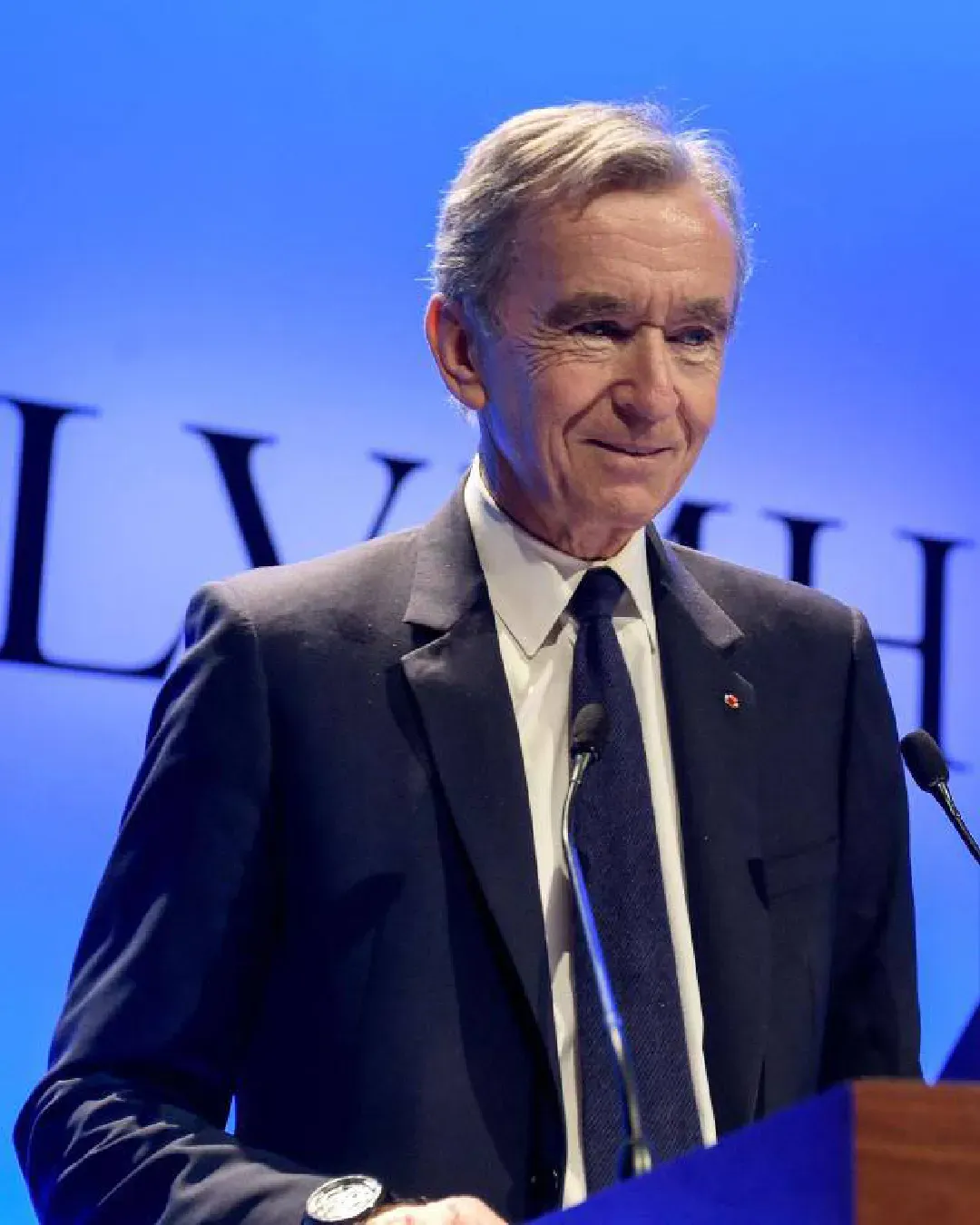
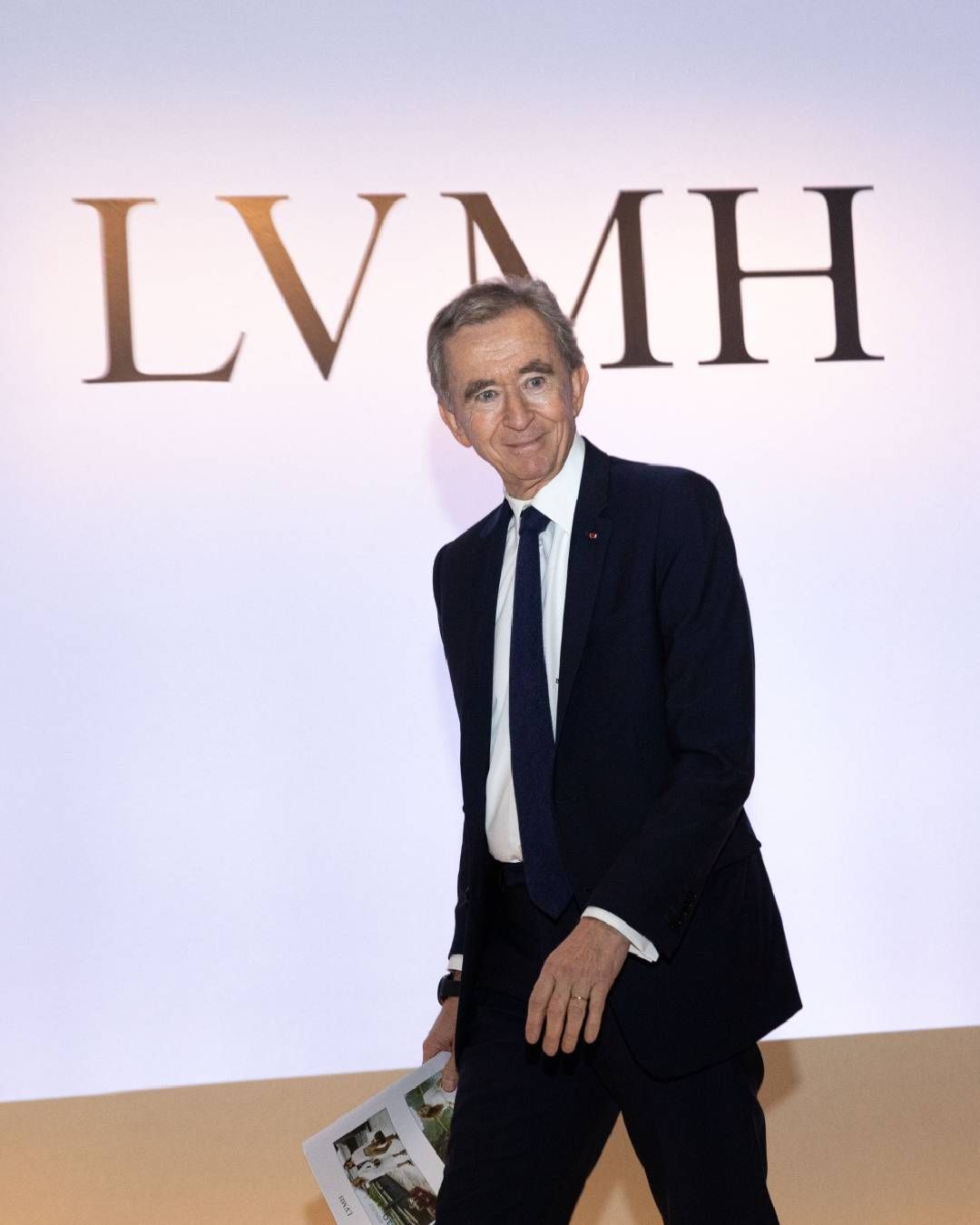
The issue, perhaps, is that the brand isn't profitable enough to be indispensable. It's not quite enough, after all, to feature in the group's quarterly reports, a sign that its presence doesn't count for much. And Arnault has already sold Stella McCartney back to its owner, beginning to "thin the herd" of his 75 brands to make his massive corporate structure more agile. Especially considering the crisis the entire sector is facing, deciding to become a company solely dedicated to European ultra-luxury and engaging with smaller brands through collateral stakes or L Catterton investments could represent one of the group's future strategies – which, however, would mark a shift in the fashion company's business practices that could set a precedent.