
































"L’Inconnue" by Arthur Harari Is an Unacceptable Film The film starring Léa Seydoux is in competition at the Cannes Film Festival
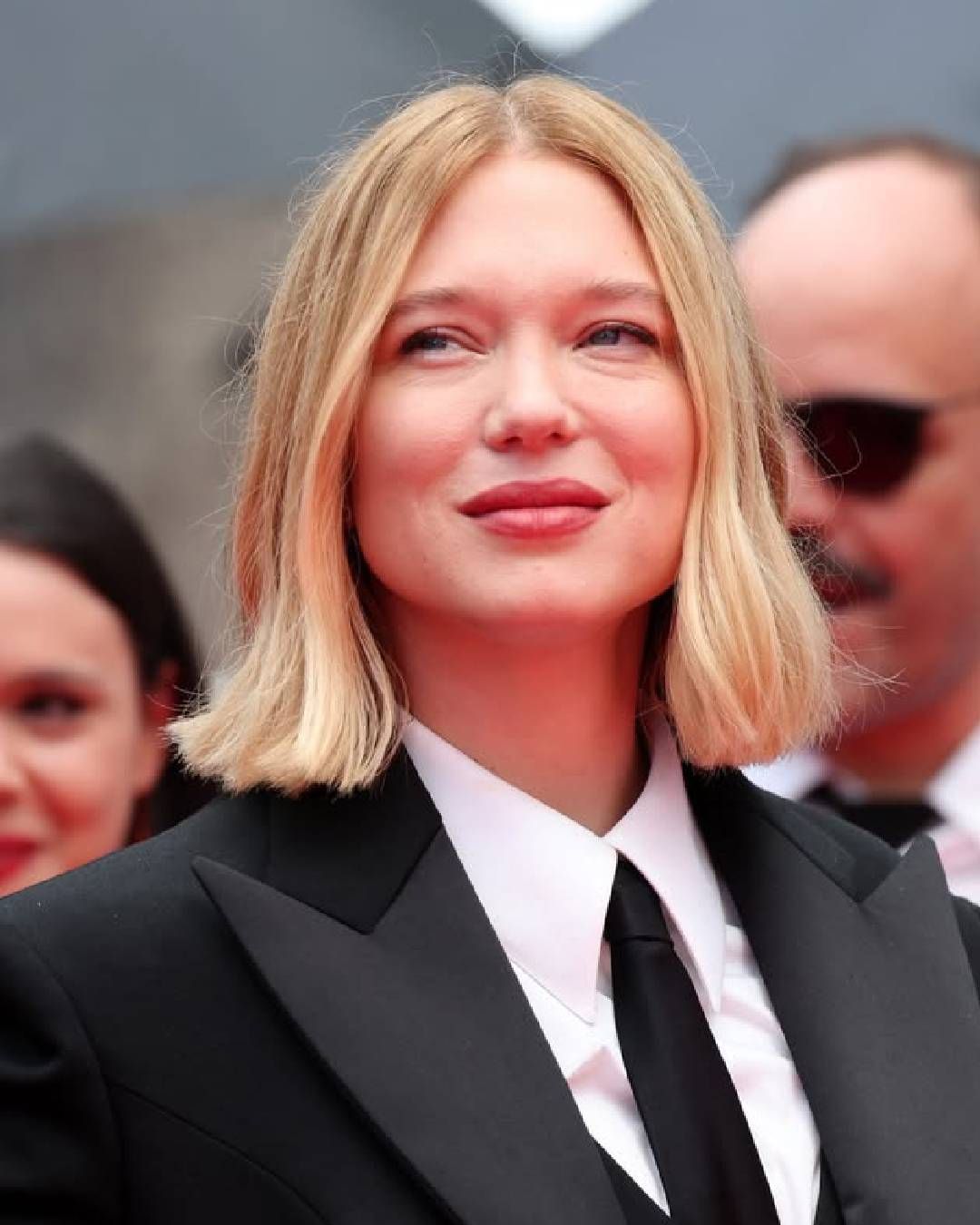
Arthur Harari’s L’Inconnue (The Unknown Woman), presented in competition at the Cannes Film Festival, is unforgivable. It is unforgivable by virtue of its director and screenwriter, and the Oscar he won in 2024 for Anatomy of a Fall (alongside director and partner Justine Triet)—a work that won the Palme d’Or the previous year and captivated audiences and critics alike with the sharpness of its writing, which analyzed a suspicious death involving the now skyrocketing German actress Sandra Hüller. Indeed, if one is capable of writing with such precision, as previously demonstrated, one wonders how it is possible to make such a misstep with this work starring Léa Seydoux, her second title in competition this year following Marie Kreutzer's previously screened Gentle Monster.
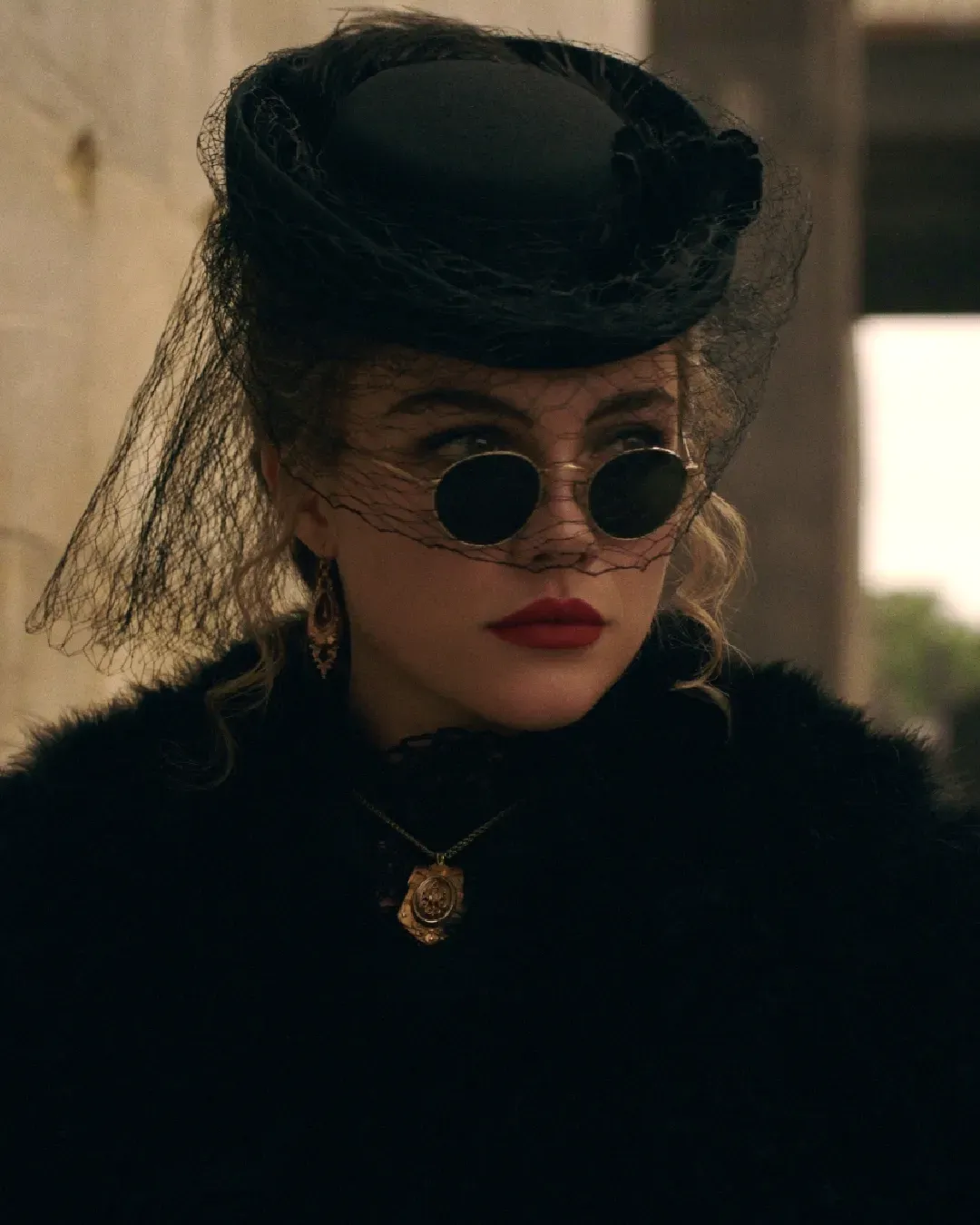
Once again, the work revolves around a mystery, though of a supernatural nature. After having a sexual encounter with an unknown woman, David (an unrecognizable Niels Schneider) ends up inhabiting her body. A transformation that, as we see throughout the film, repeats itself until all traces of the original person from whom it all began are lost. A sort of It Follows without the subtext of sexually transmitted diseases, and more focused on where the soul can go. Perhaps even on what the soul itself is—too bad L’Inconnue has no answer.
Although the body-swapping mechanism is interesting and a brief first part handles the man's predicament with fascination, the film soon melts away like ice in the sun. It loses its way, just as the man is lost in the body of a woman who can do nothing but wander around hoping to find a solution. A wealth of resources from such a powerful theme is completely wasted, preferring inconsistency over the endless possibilities of writing, which petrifies the characters and, consequently, the story.
In L’Inconnue, there is no reflection on what it feels like to be in a body, whether it is one’s own or someone else’s. There is no investigation into acceptance, dysphoria, or feeling comfortable or uncomfortable moving through the world. Nor is there any curiosity that might arise in someone who suddenly finds themselves transported into a gender that is not their own. There is one scene where David, in Léa Seydoux’s body, observes himself closely: the face, the breasts, the genitals, the moles, the teeth. But for a film that exceeds two hours and expresses nothing else besides this, it is far too little. In fact, it is nothing.
It relies on temporal stretching in the hope that something will eventually emerge from the narrative, and it is depressing to discover that, in conclusion, there is nothing L’Inconnue actually says. Neither about the discomfort of its protagonist, nor about the man he was, is, and hoped to become—where the only changes brought into play are in the "before and after" photographs of places, as David's work is a continuation of his father's. Nor is there anything about adaptation, search, or any human and inner drive that the man (in the woman’s body) is clearly going through.
An exhausting protagonist who, much like a friend of his states in the film, is better off given up on. If the character undergoes an arc of transformation (and we don't mean a physical one), it is entirely in the minds of its screenwriters. Alongside Harari, these include his brother Lucas—with whom the director wrote the graphic novel from which it all started, Le cas David Zimmerman—and collaborator Vincent Poymiro. An unacceptable work, where the psychology of the characters is so hidden that it ultimately vanishes.
What to read next
Andrew Scott gives the best performance of his career in "Elsinore"
Simon Stone's film tells the true story of actor Ian Charleson and his production of "Hamlet"
"Il rumore delle cose" by Paolo Genovese opens the 2026 Rome Film Festival
The film, adapted from Genovese's novel of the same name, is nonetheless the usual Italian drama

What does the return of “Girls” mean today?
Lena Dunham has announced a reboot of the cult series, here's why we're excited