


























Worst Kept Secret
Digital Cover N°24
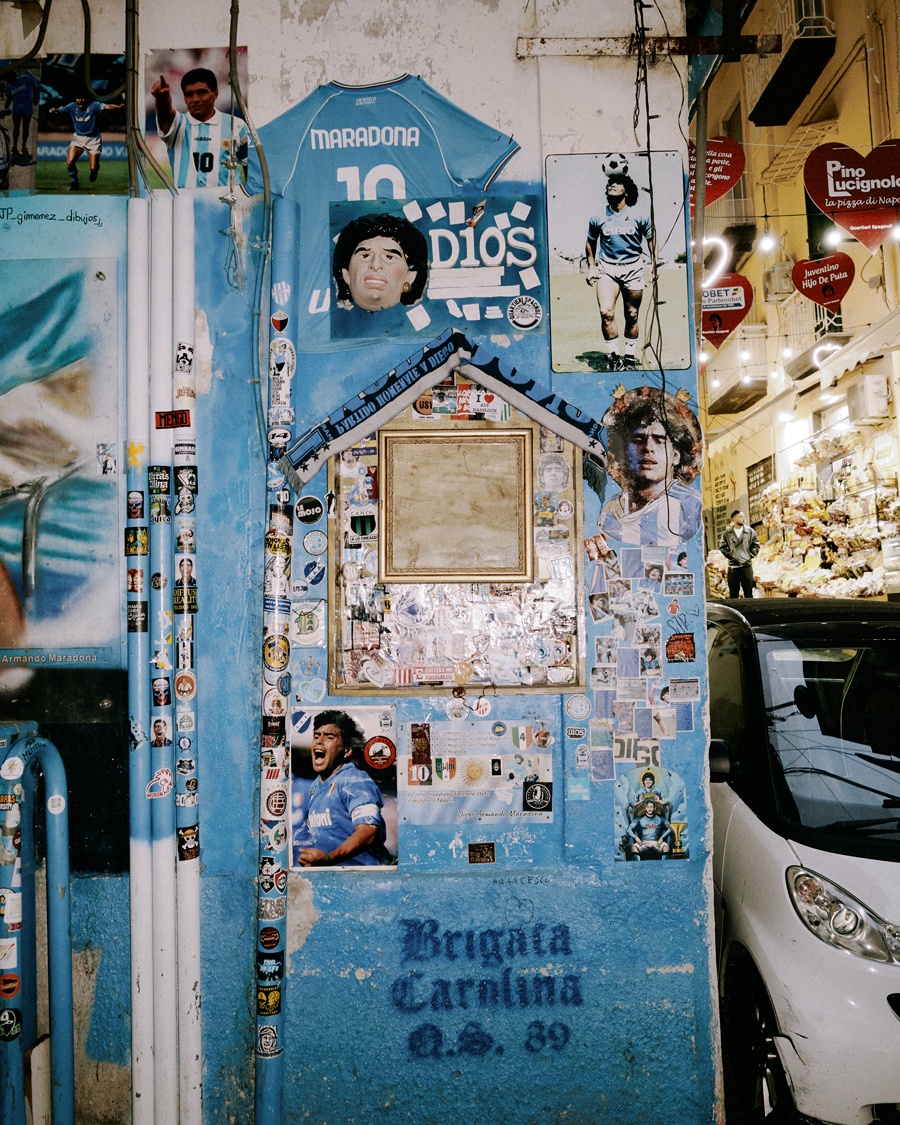
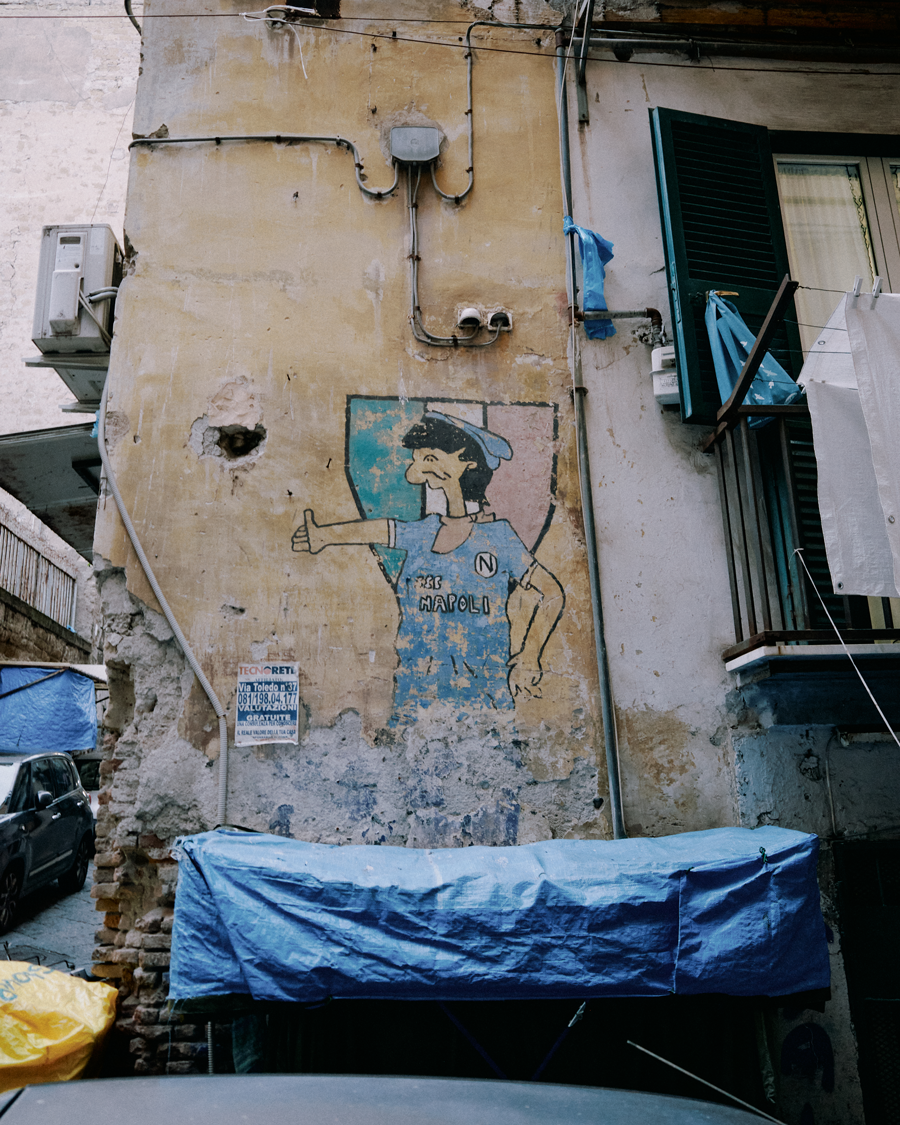
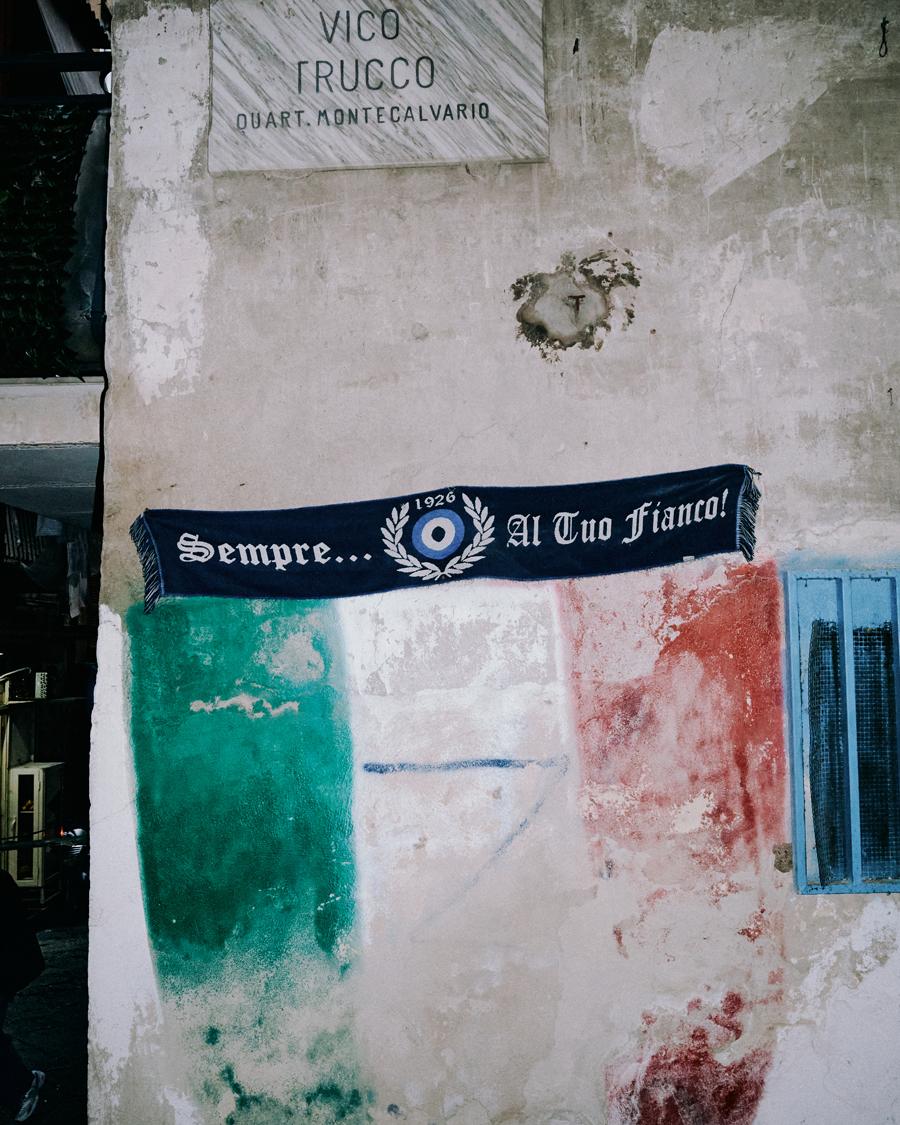
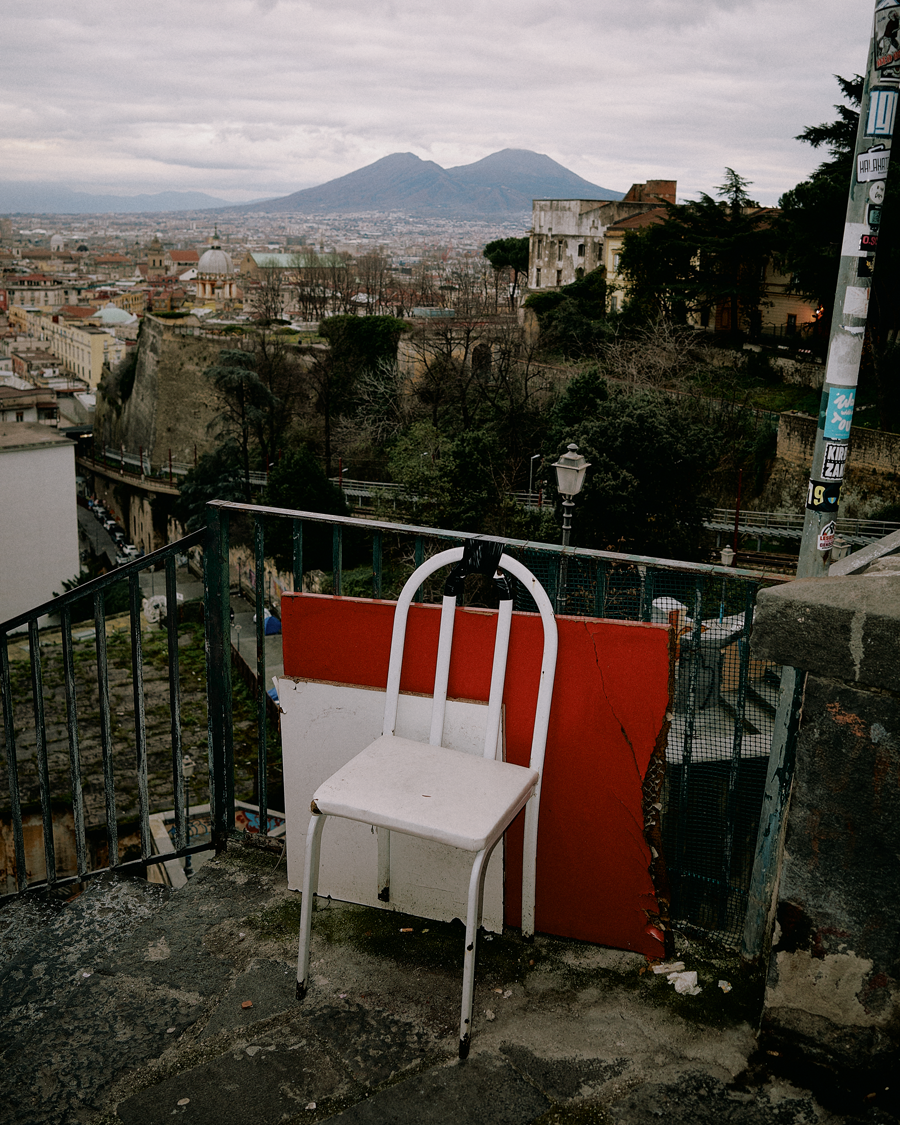
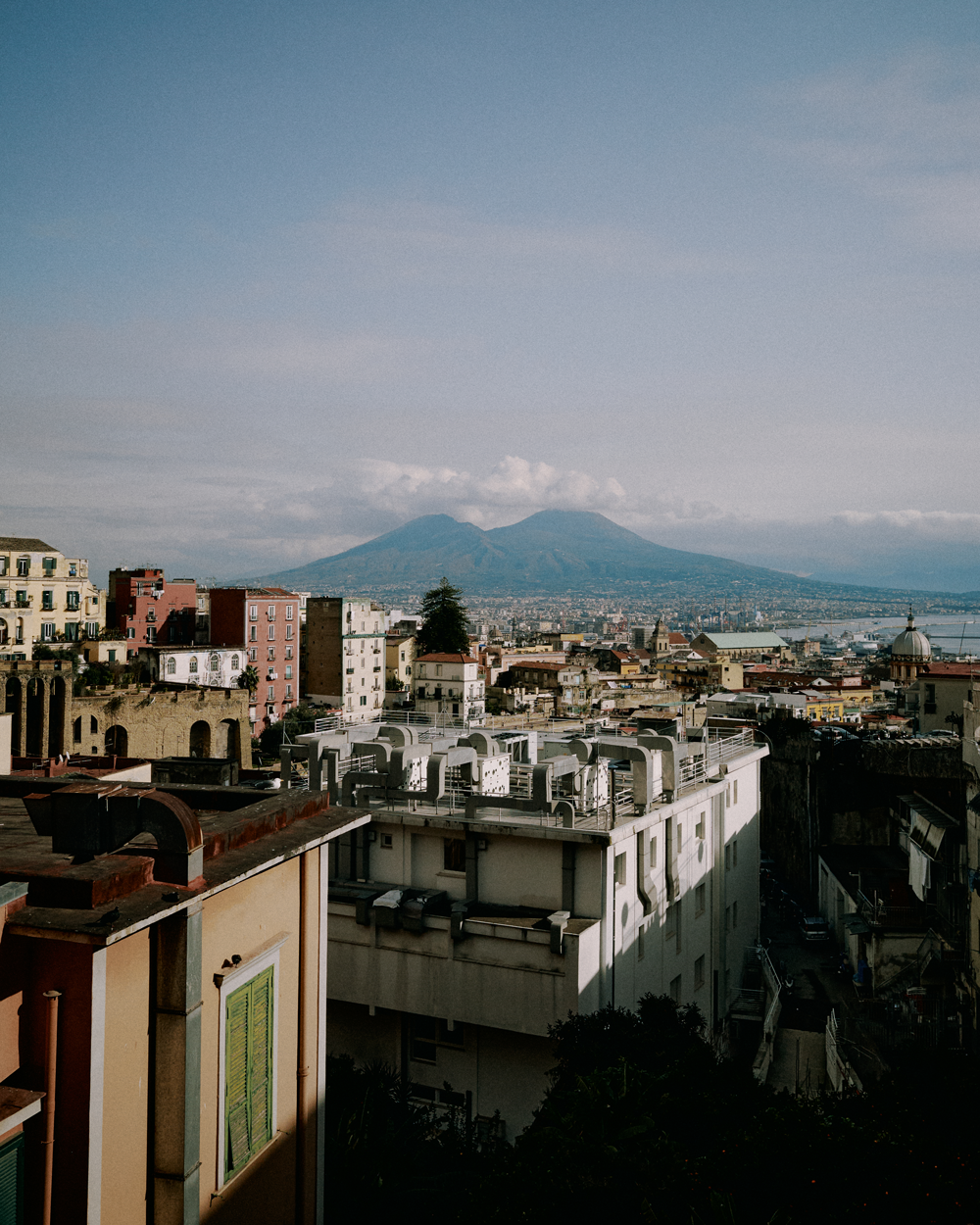
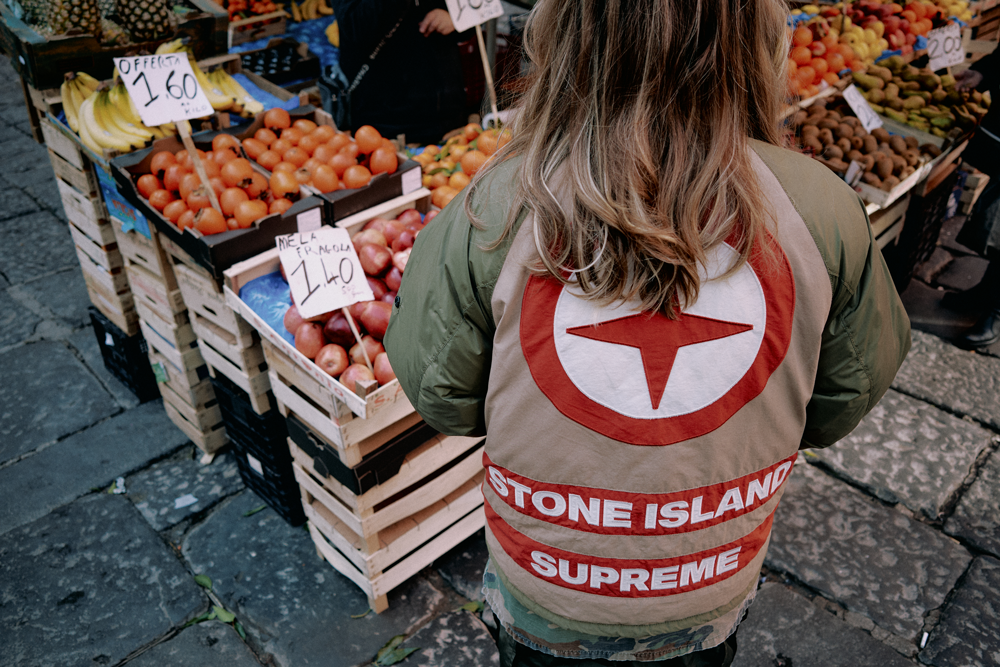
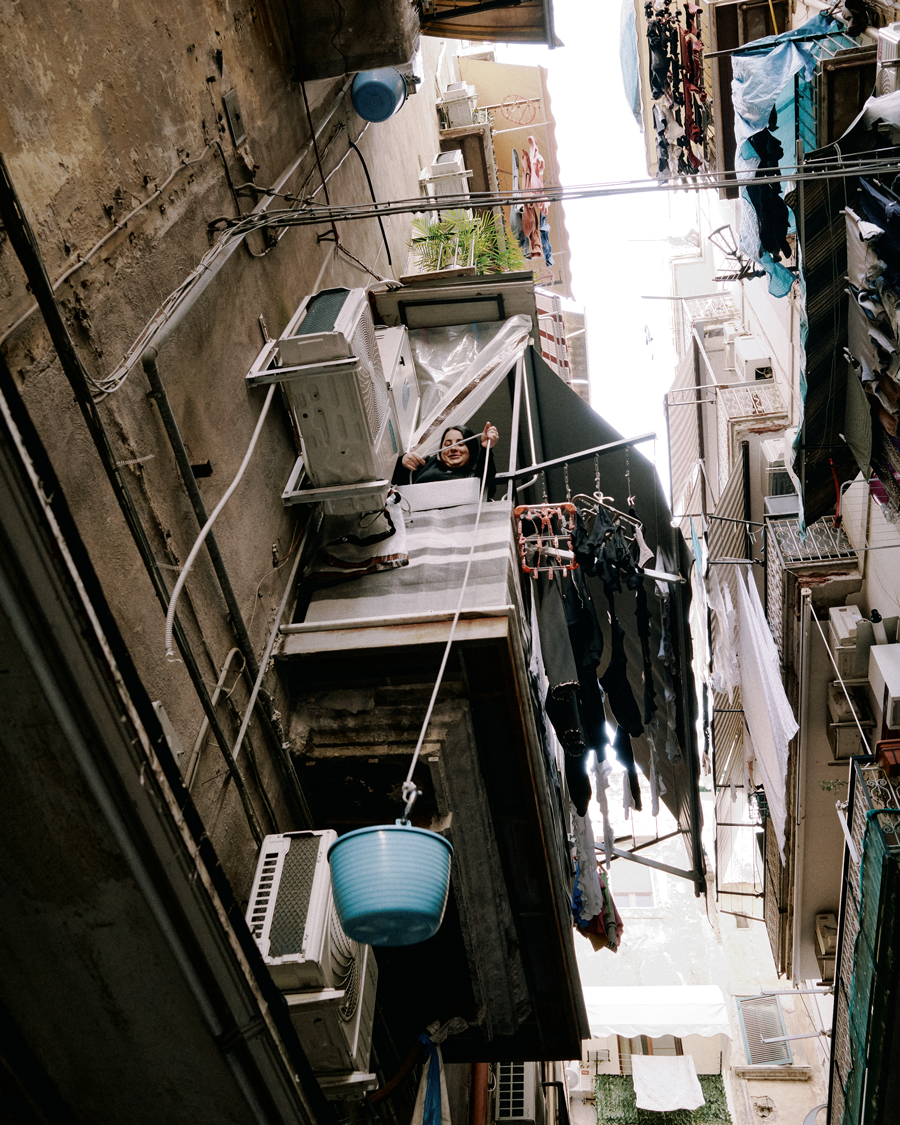
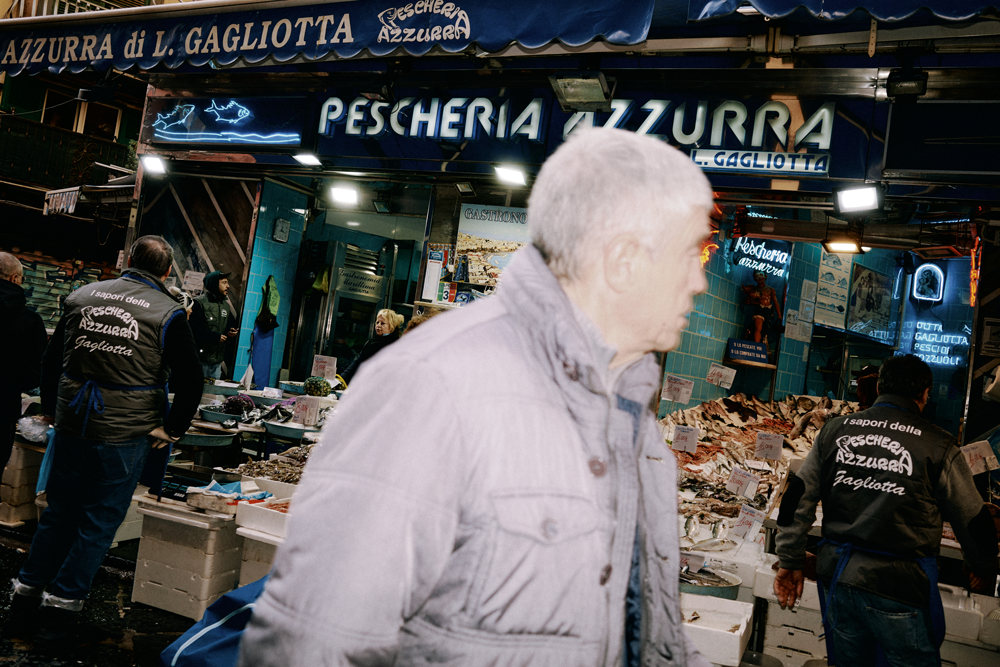
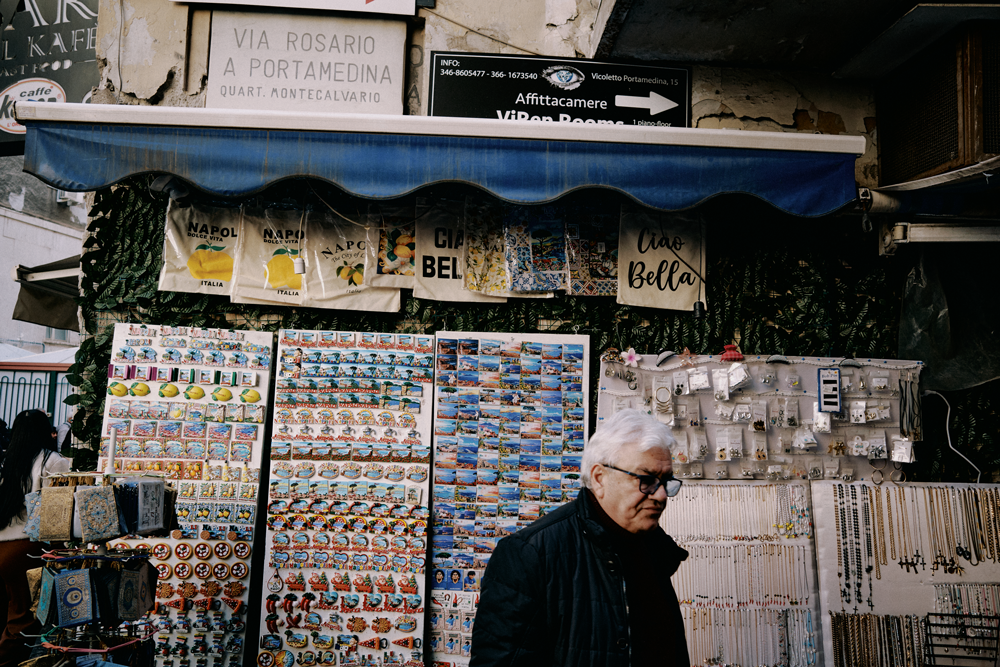
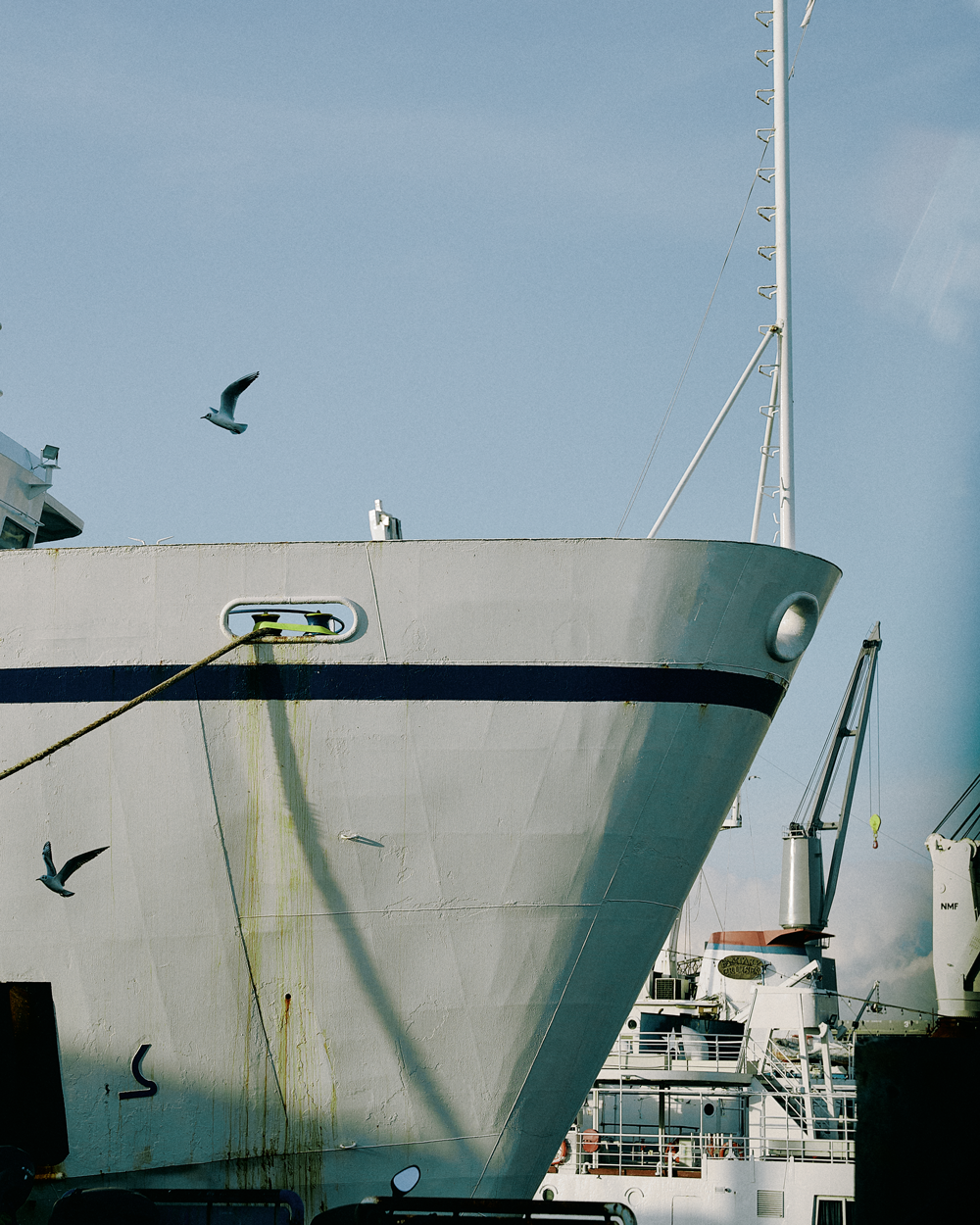
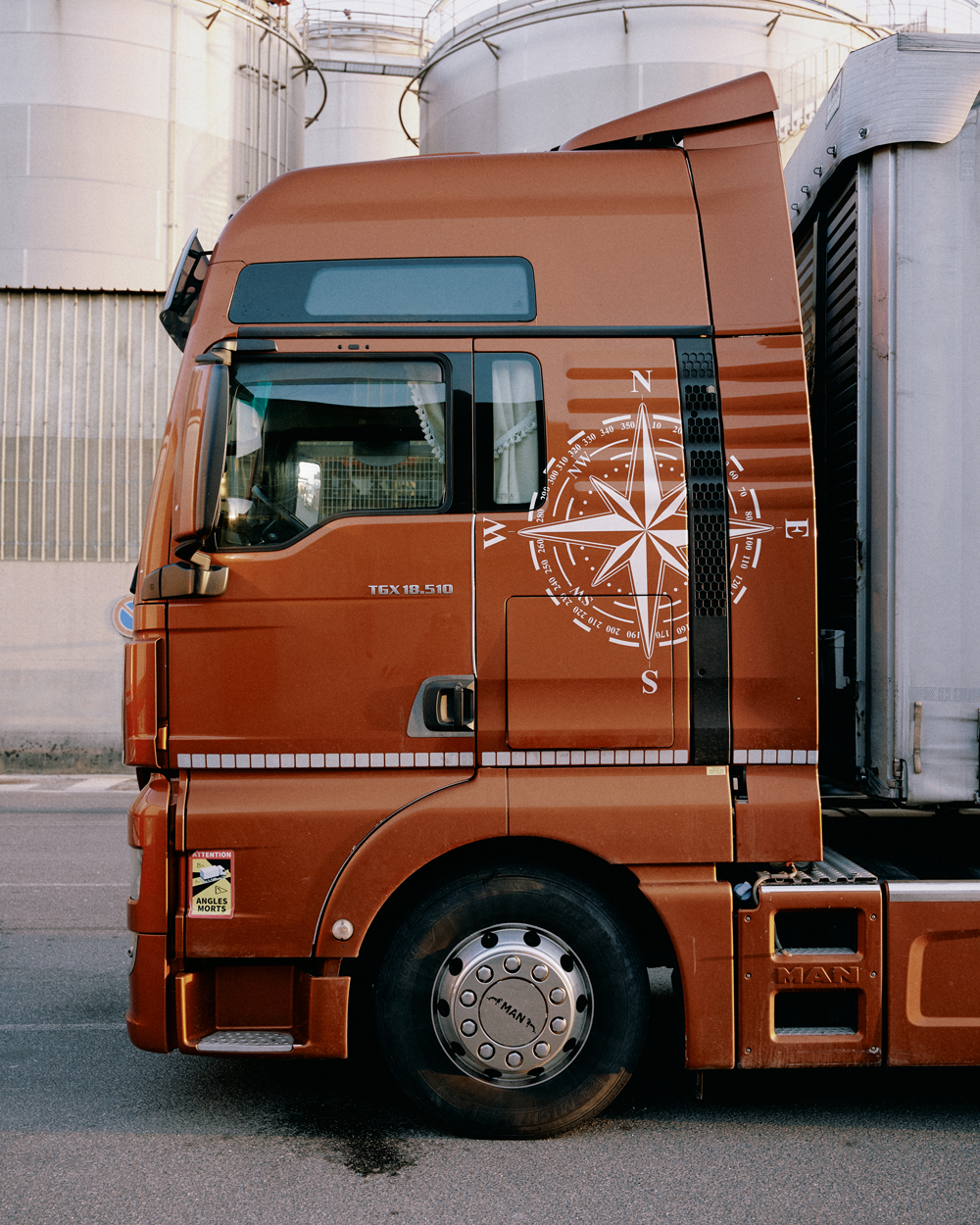
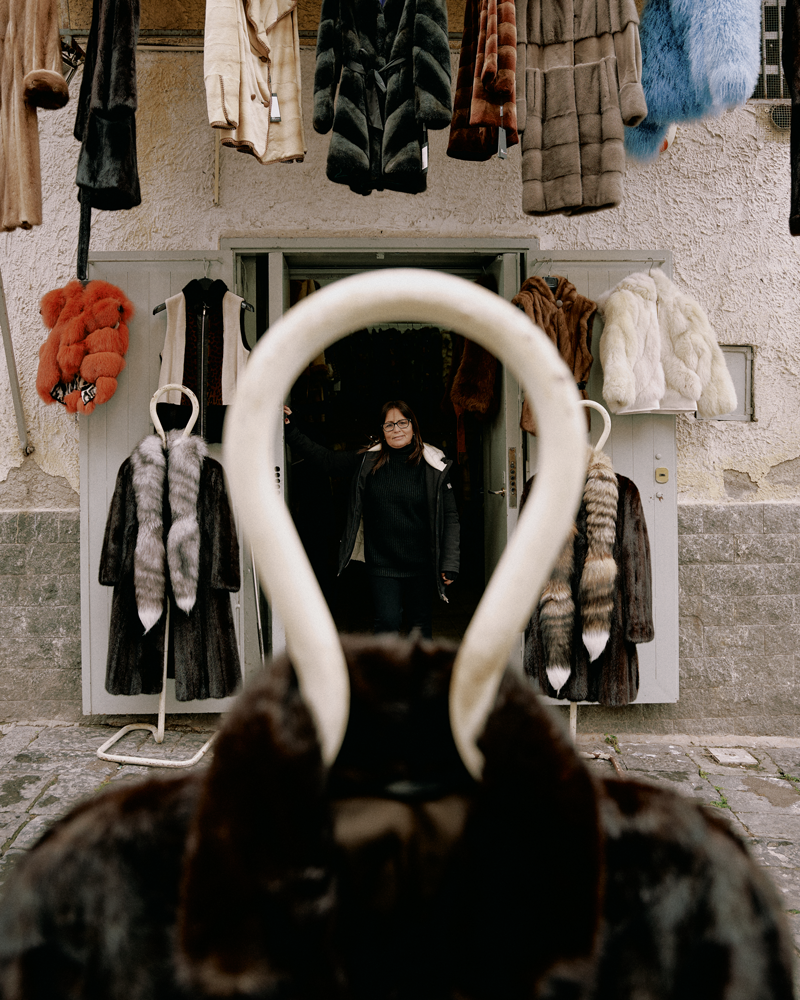
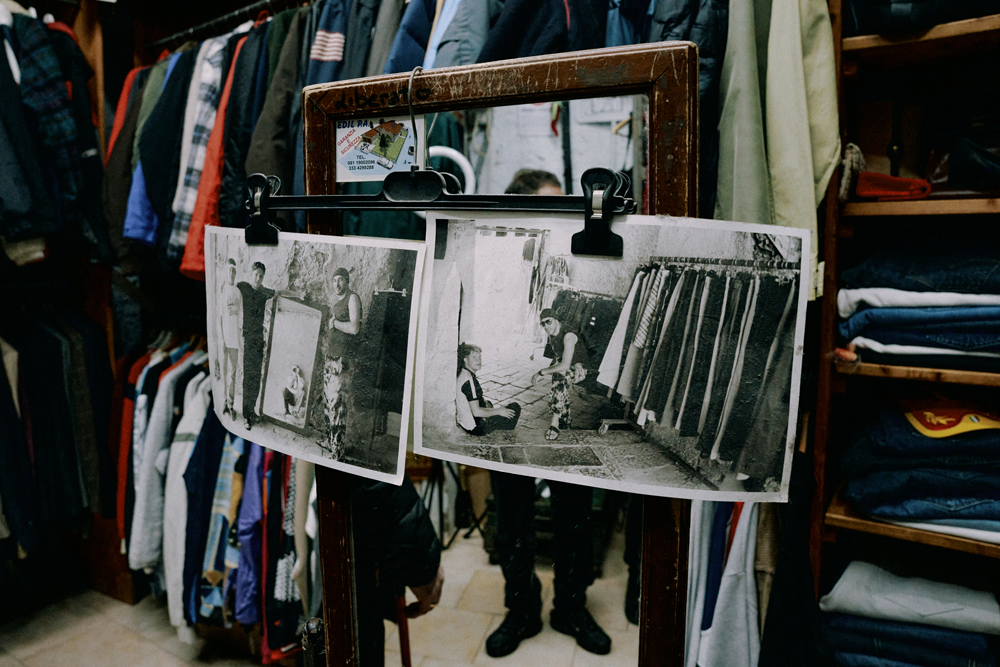
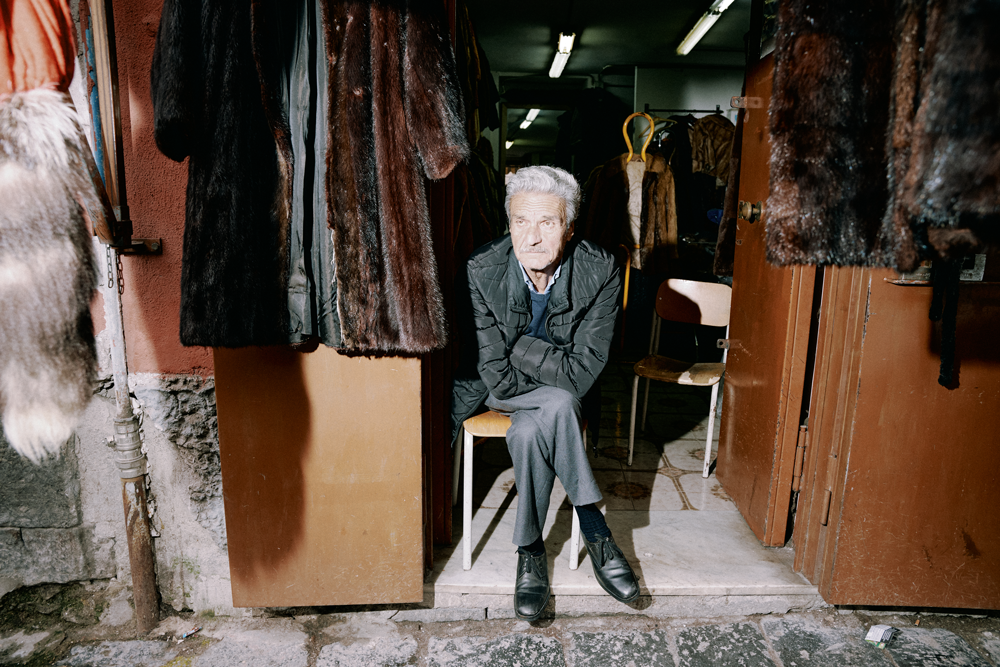
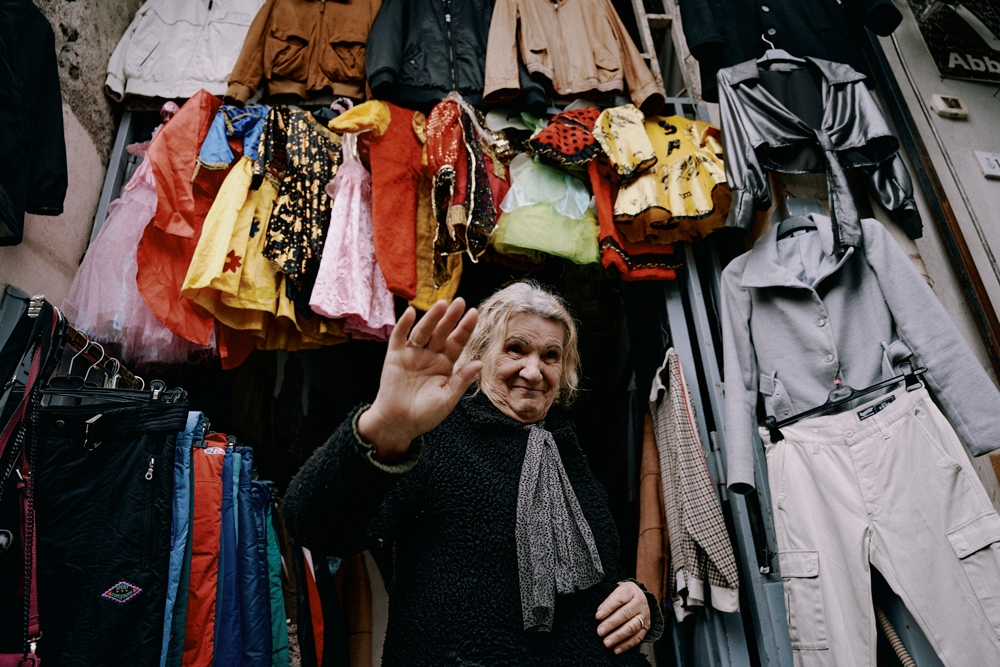
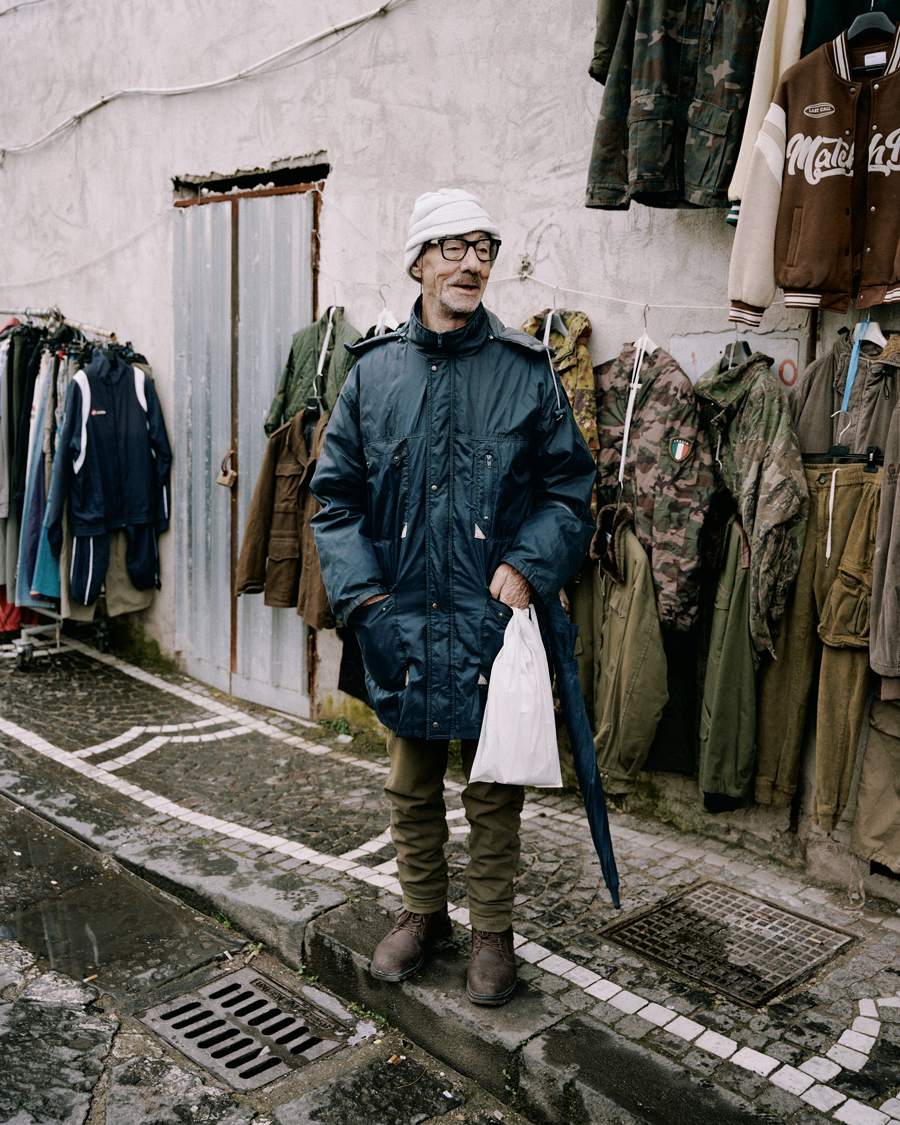
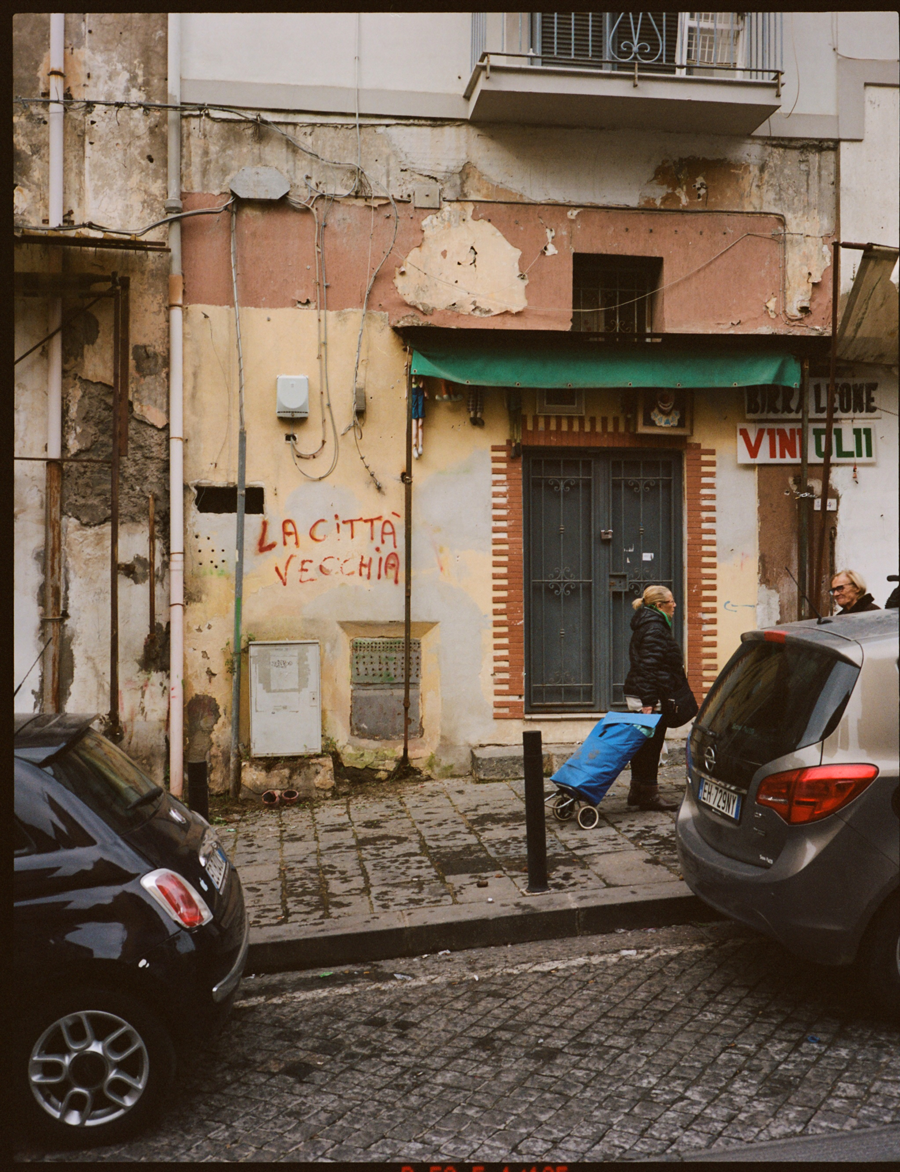
«Amò, wanna come to Resina on Saturday? Let’s take the Circumvesuviana and be back home before the last period.» Invitations like this were routine for teenagers from Naples and the surrounding towns during their high school years, especially when skipping class just to wander through the market felt completely justified, or as they say in Neapolitan slang, when you decided to “fare filone”. It is difficult to explain what the Resina Market represented for entire generations of young Neapolitans at a time when second-hand clothing was nowhere near as accessible as it is today. A wall of denim rising against the blue sky, the loud voices echoing through Via Pugliano, collectors of every age spending hours searching for the right piece and the right price: this is what turned the market into the vintage mecca of Southern Italy.
The history of the “pezze” of Ercolano is far more complex than it might seem. To understand its significance, one has to go back almost a century, to the height of World War II, when American troops landed in Southern Italy and settled between Naples and the Vesuvian area, opening military warehouses in Resina, today’s Ercolano, to store uniforms, technical fabrics and supplies. That was the moment when the foundations were laid for what would eventually become the market of Via Pugliano: a steady flow of garments, durable textiles and military surplus began circulating through the narrow streets and, within just a few years, would even surpass Shanghai’s militarywear market.
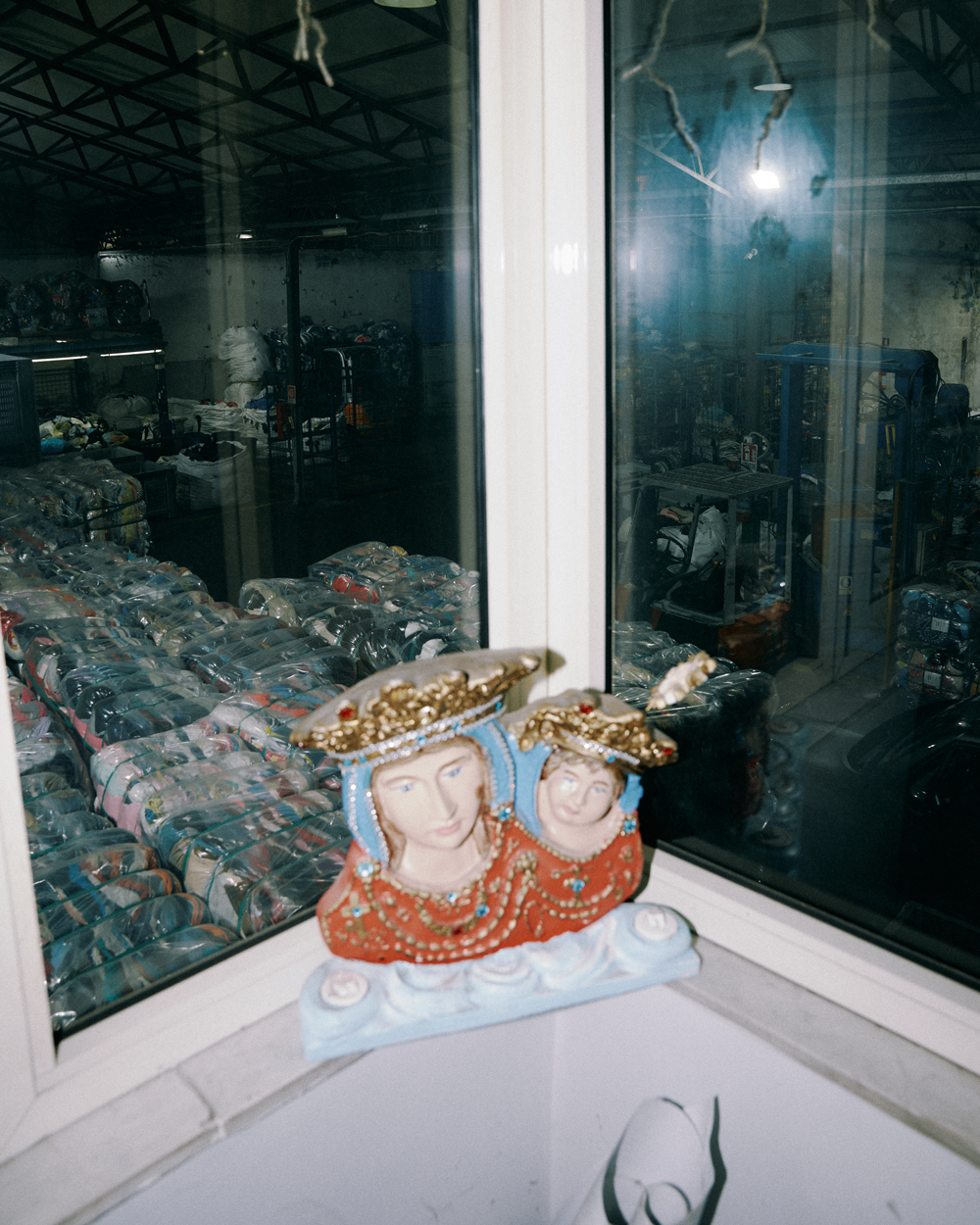
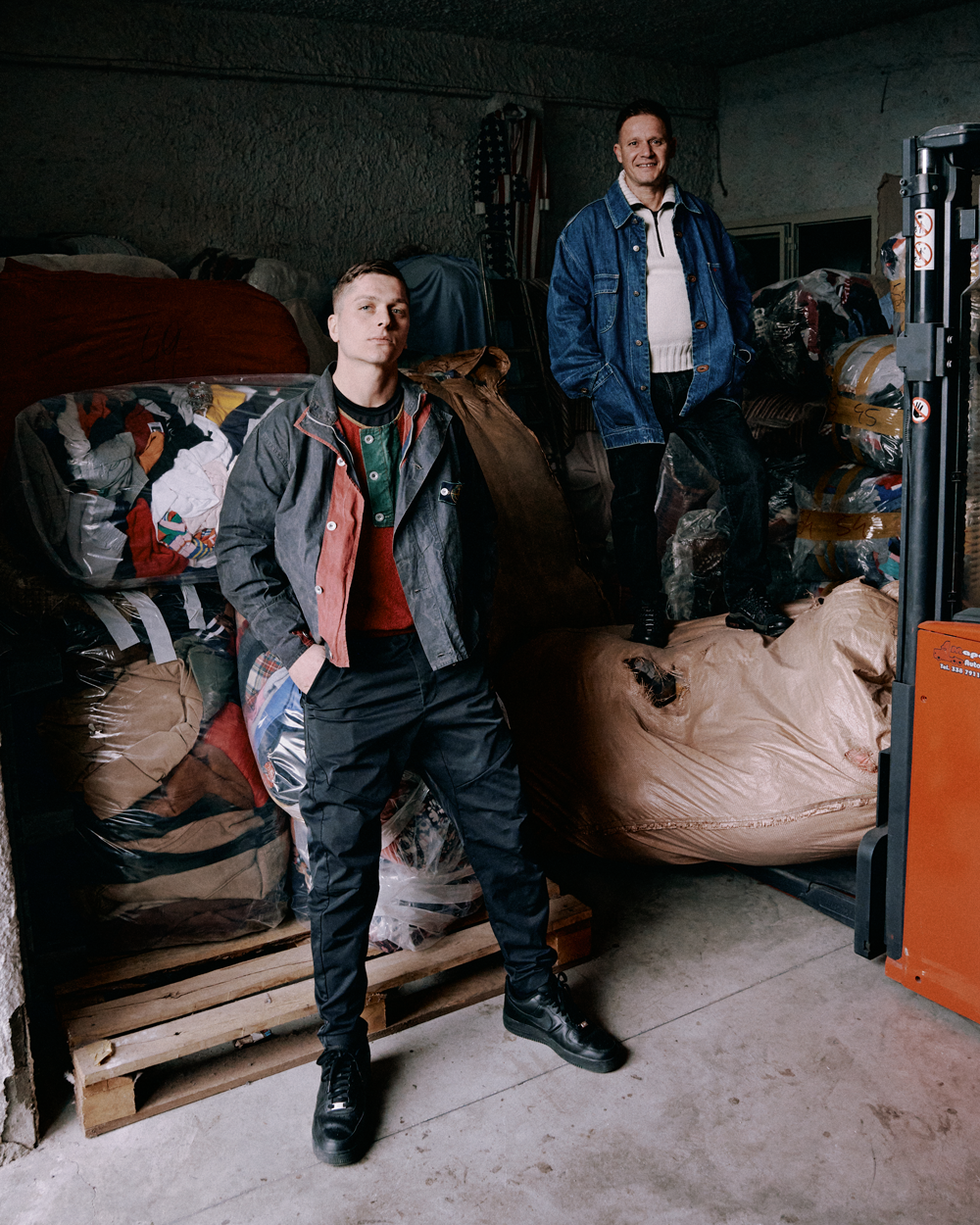
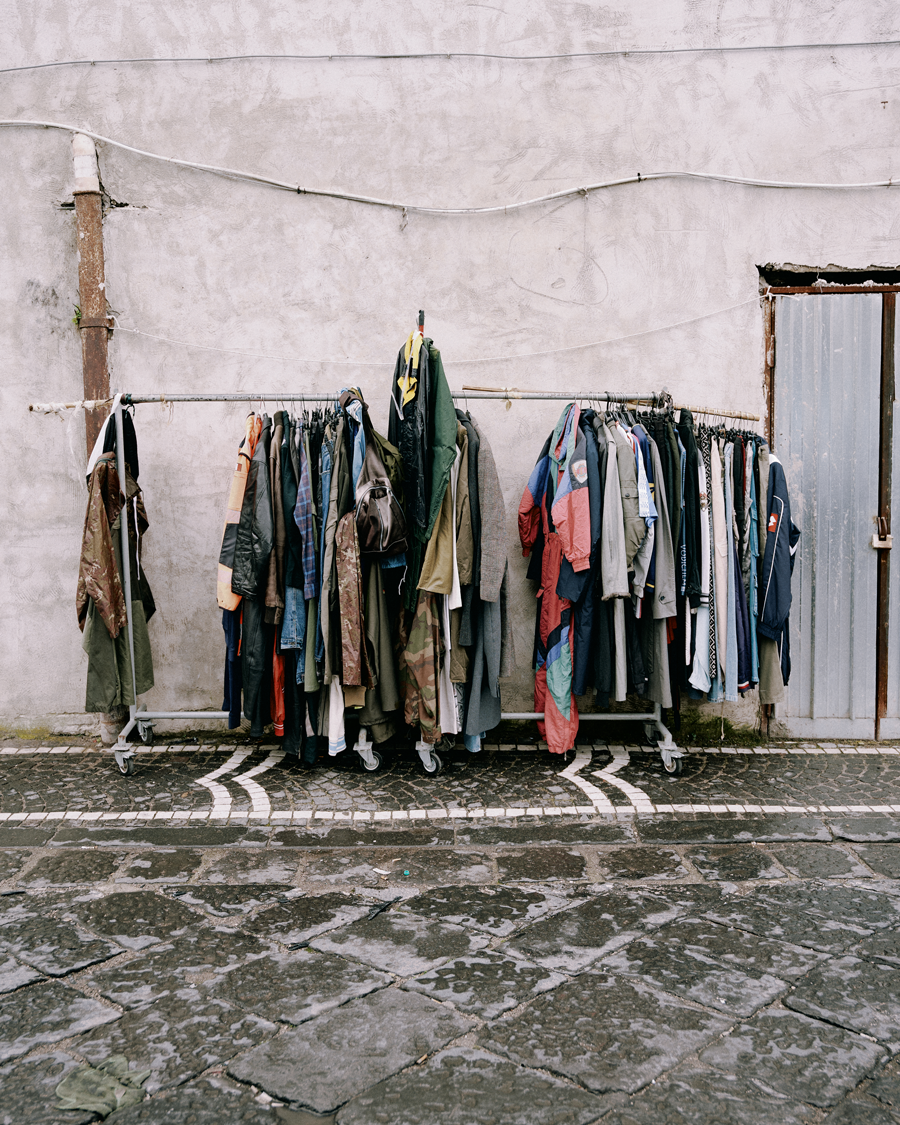
This is how the so-called “American market” came into being, a place rooted in wartime legacy. Stories still circulate about how, back then, fragments of U.S. Air Force parachutes could be found among the stalls. When the war ended, part of those goods remained in the area and contributed to the growth of the market in the form of “pezze”, compressed bales of used clothing tied with metal wires and sold by weight, arriving not only from the United States but from across Europe as well. Not all bales carried the same value. The American ones were by far the most coveted because they usually contained more authentic pieces, original workwear, college jackets and heavier, more structured denim built to last.
During the 1970s and 1980s, while the Italian fashion industry was beginning to organize itself more systematically and Milan was steadily consolidating its role as the country’s fashion capital, a parallel ecosystem was taking shape in Ercolano. A living archive passed from hand to hand among those digging through the bales, one that over time would help shape a material culture decades ahead of today’s obsession with vintage clothing and technical fabrics.
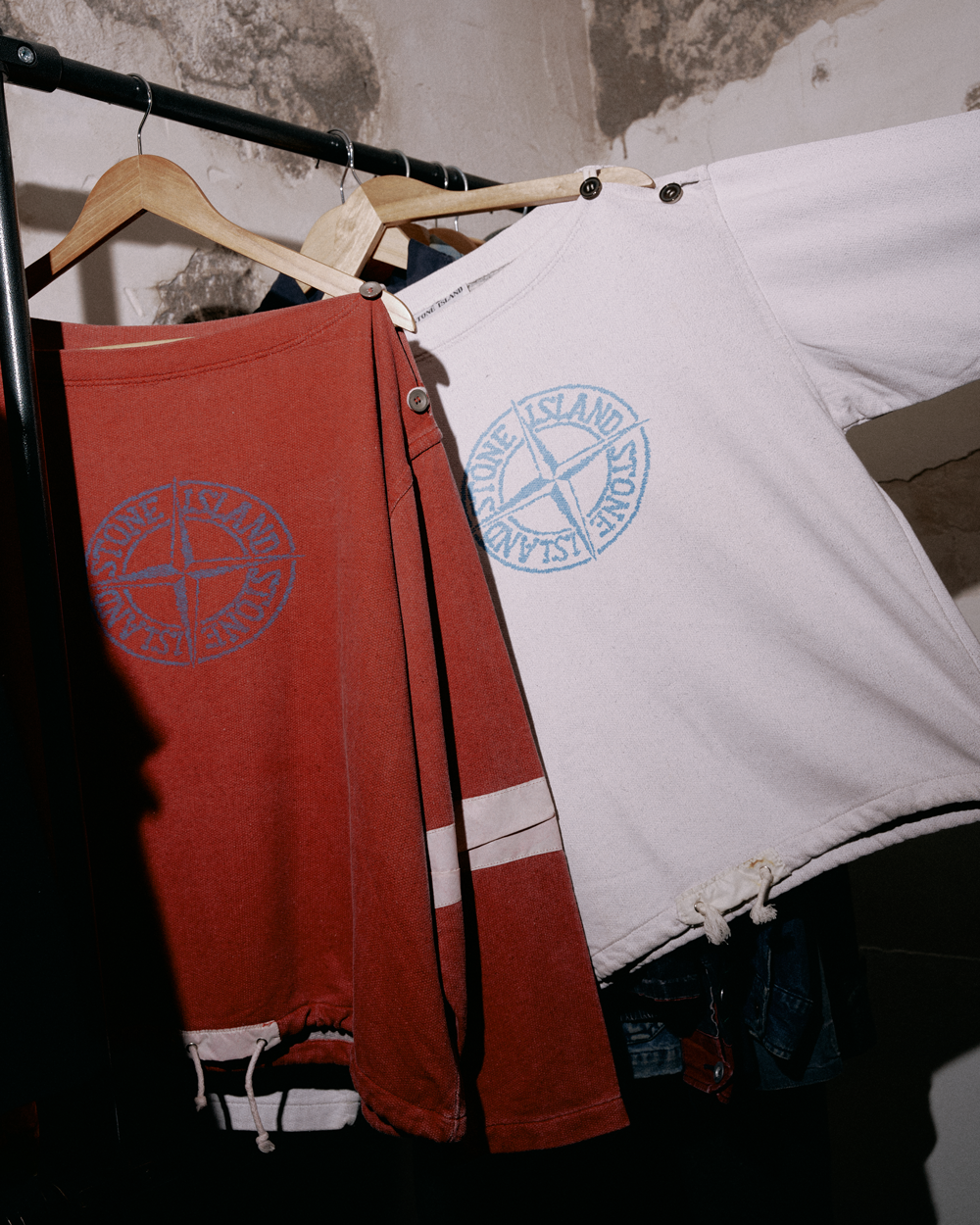
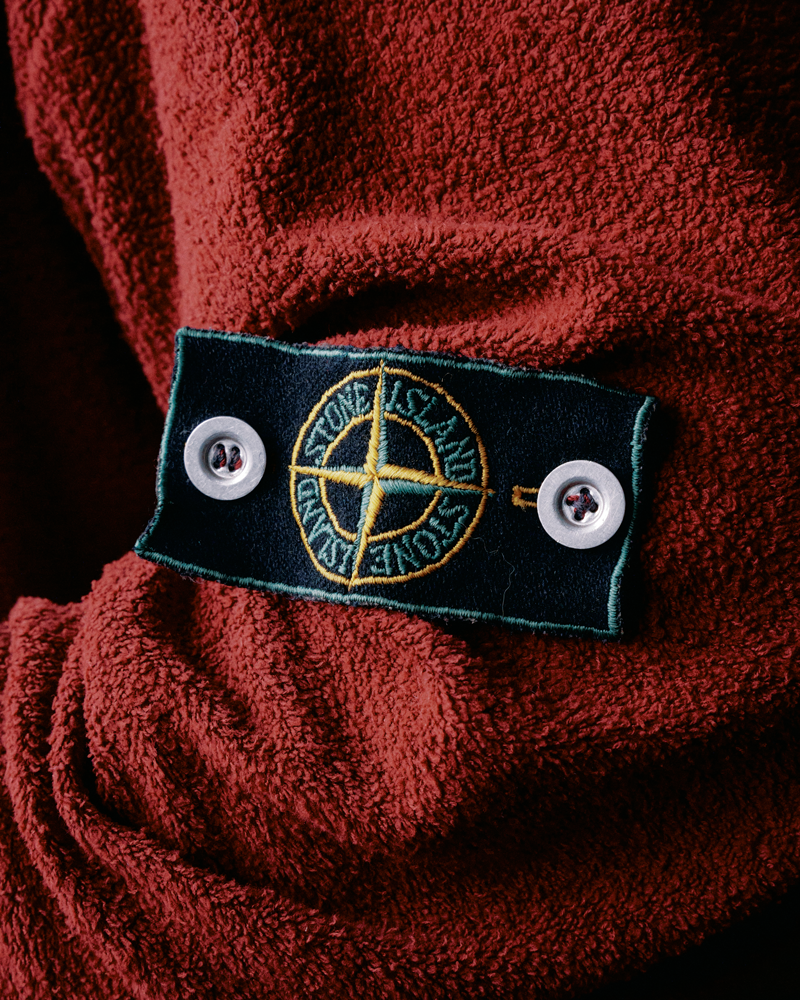
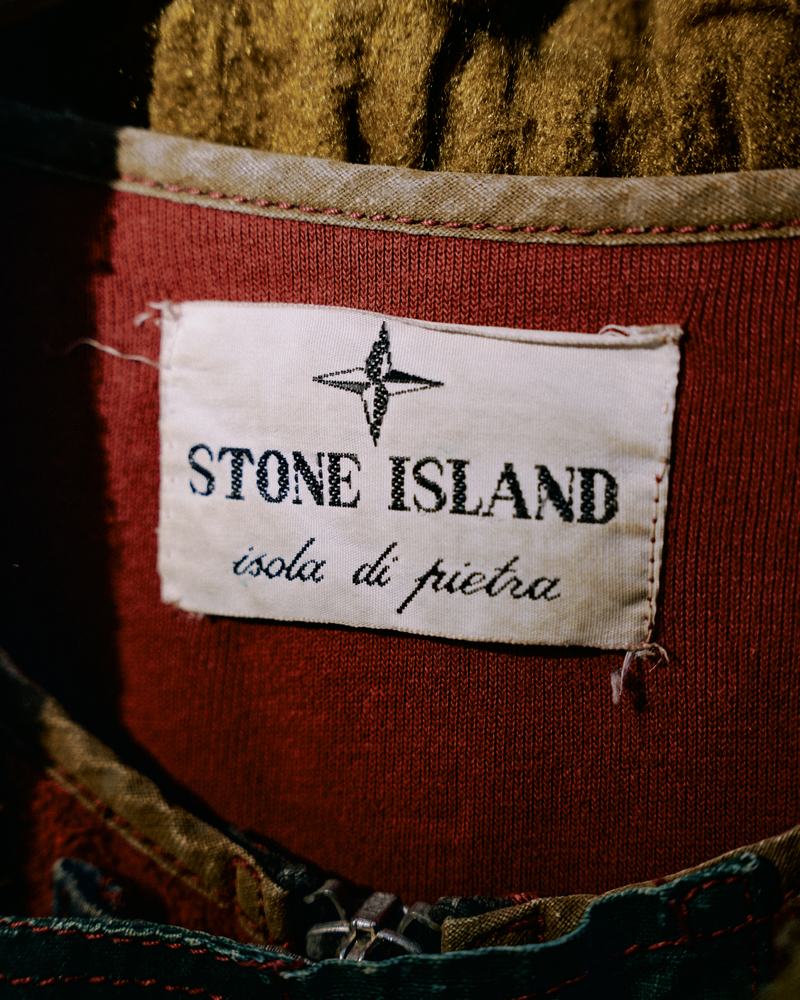
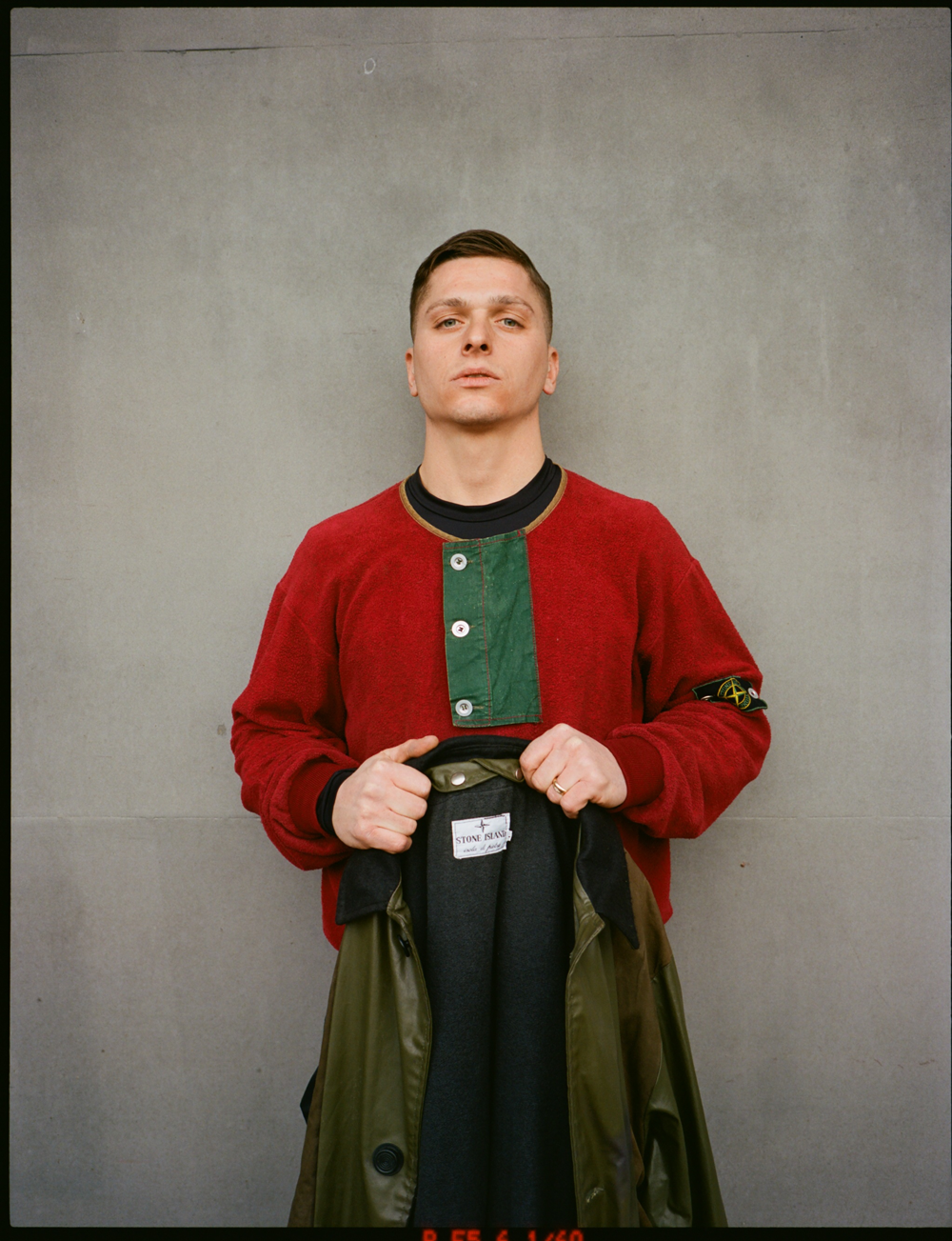
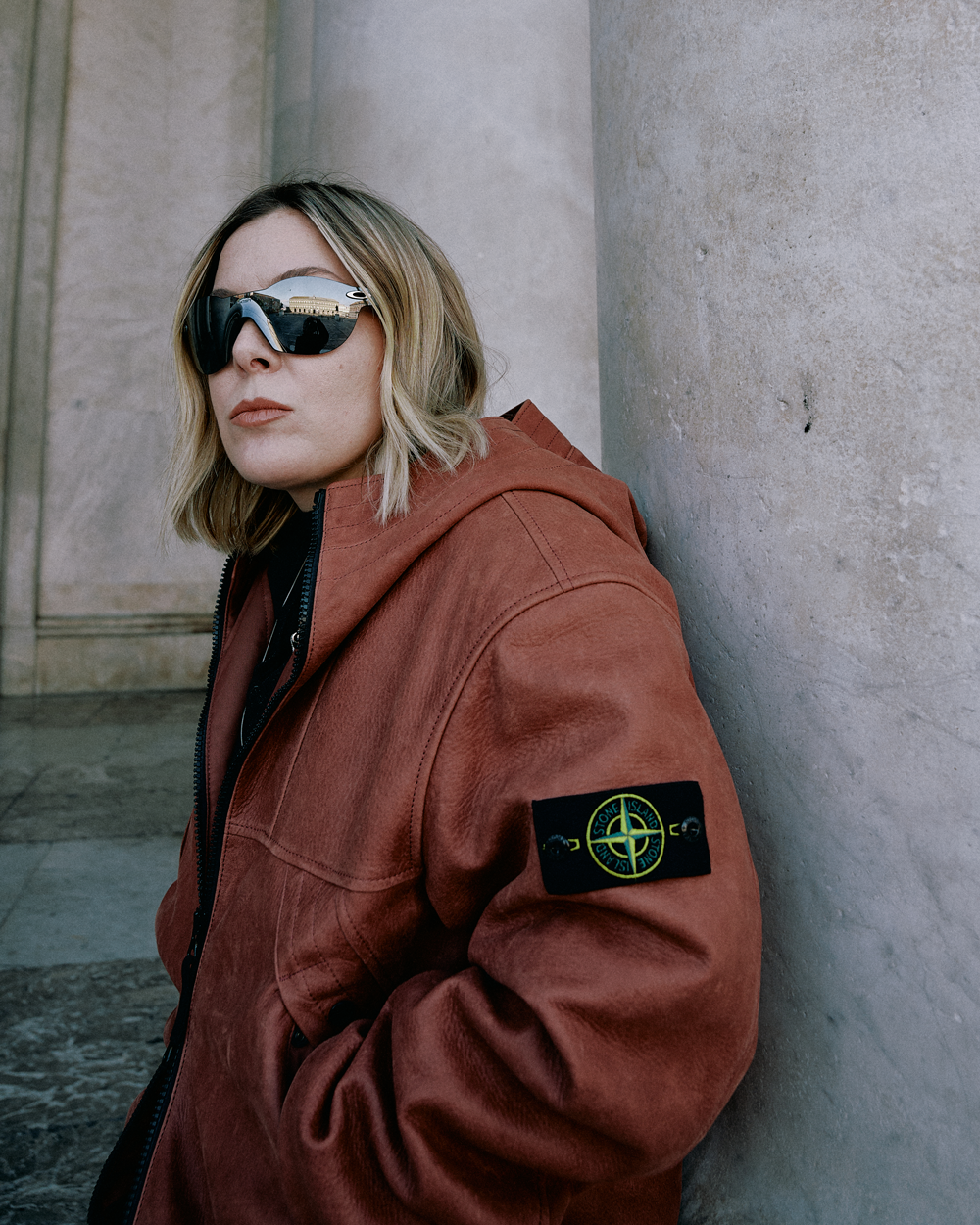
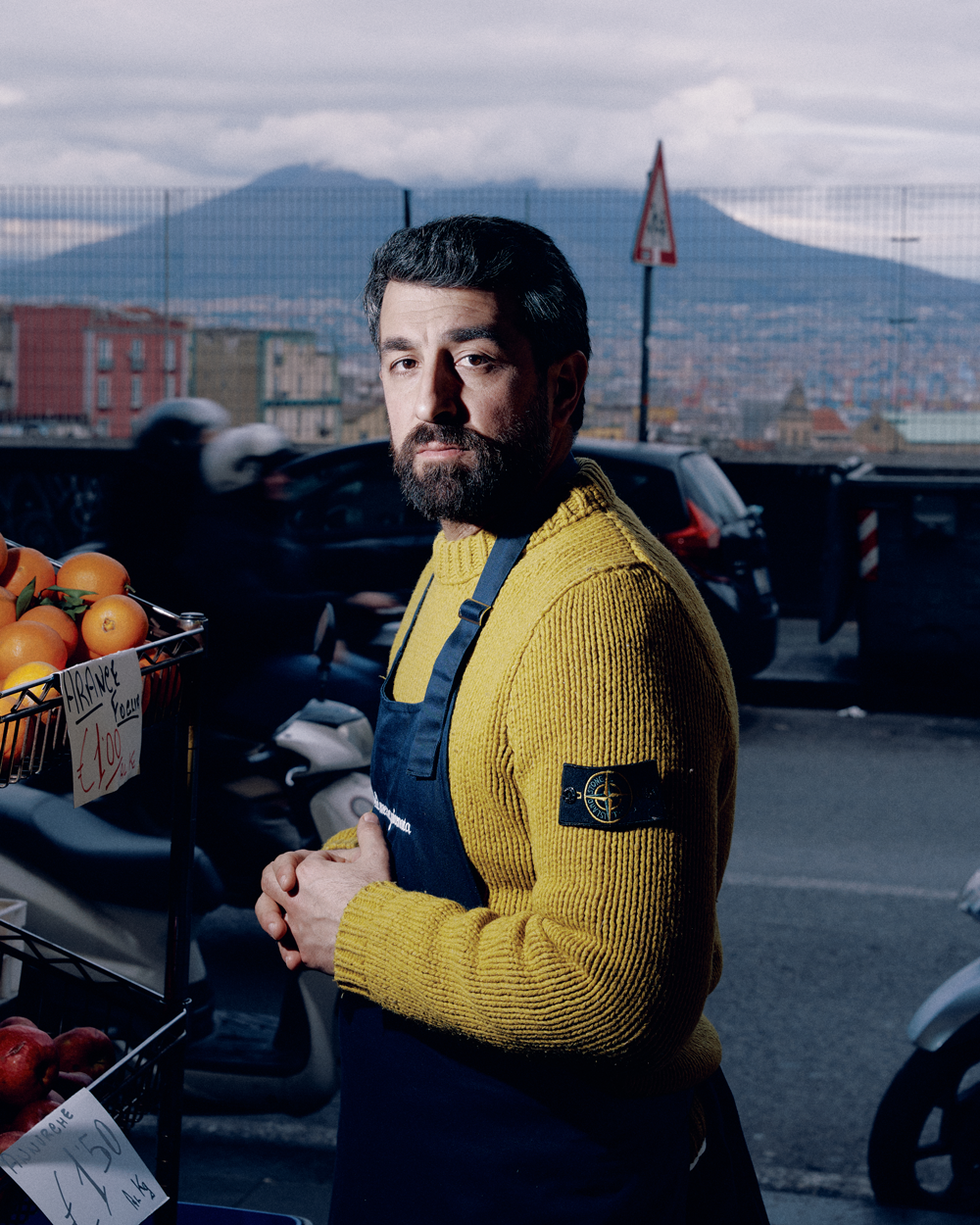
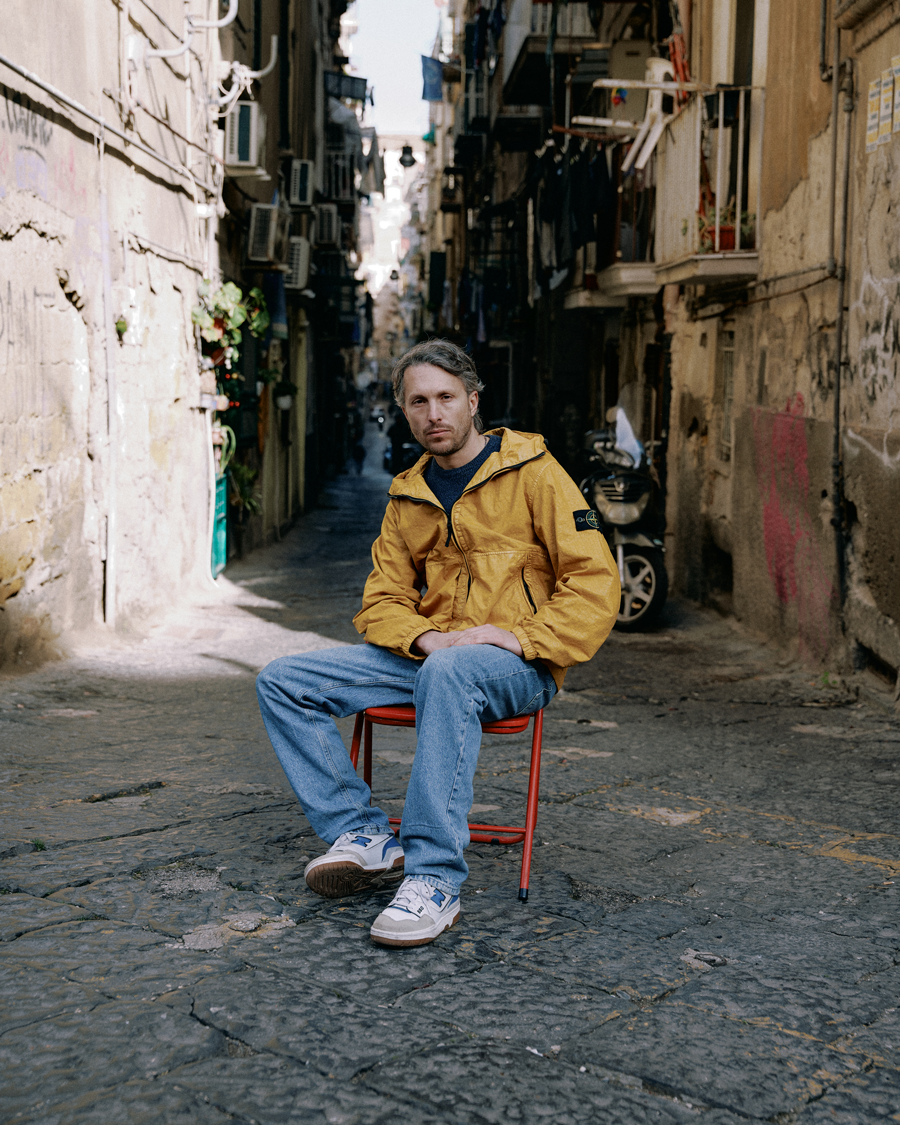
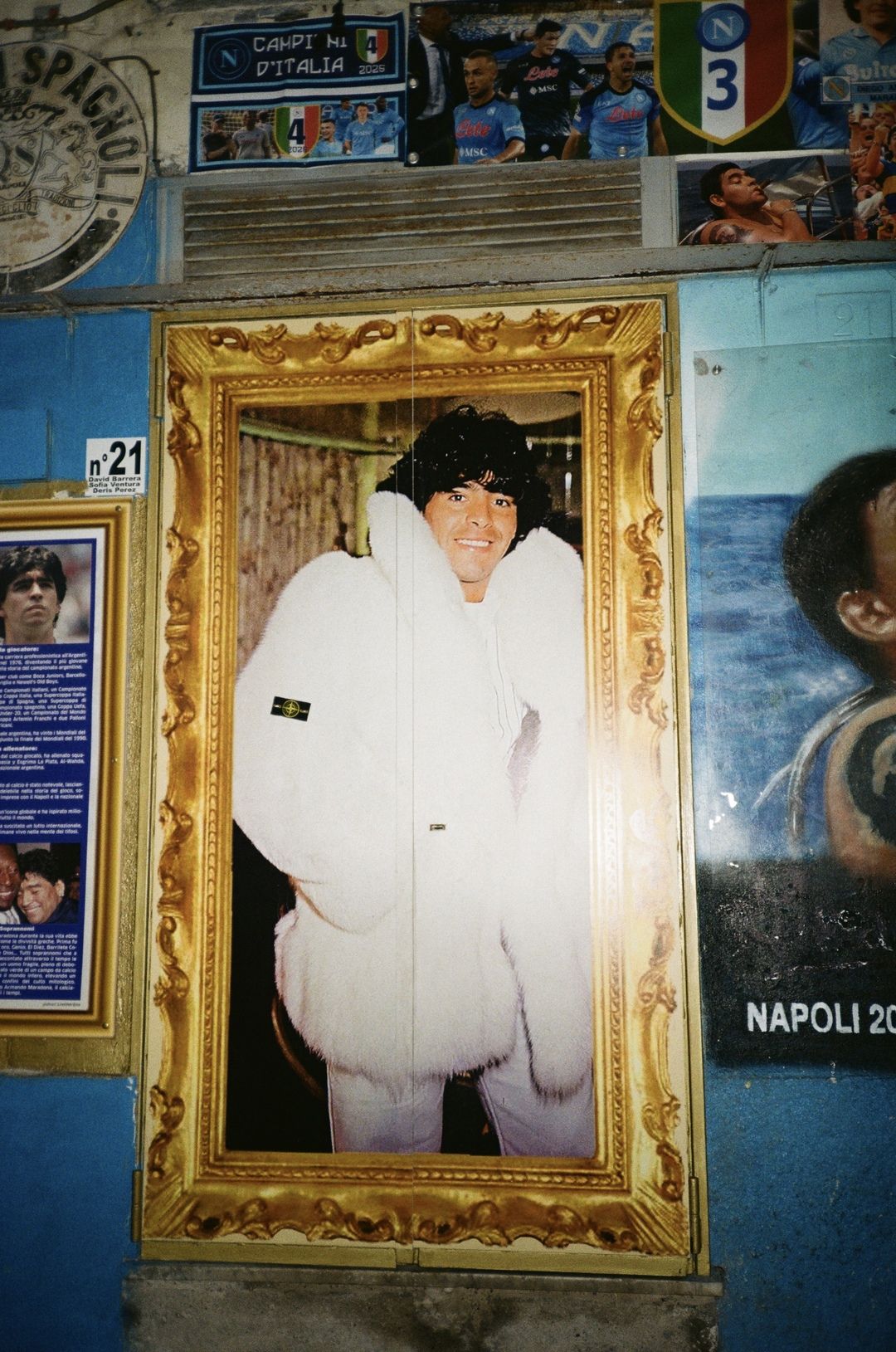
This is how the streets of the Vesuvian town gradually became a gateway to culture, connecting global garments with Neapolitan style. In the years that followed, brands like Stone Island encountered a new cultural landscape. With the arrival of the new millennium, Stone Island became one of the earliest precursors of sportswear, and even though there was not a single official store for the brand anywhere in Campania, the compass badge quickly became a status symbol for thousands of Neapolitans regardless of their cultural background.
The history of the “pezze” of Ercolano is far more complex than it might seem. To understand its significance, one has to go back almost a century, to the height of World War II, when American troops landed in Southern Italy and settled between Naples and the Vesuvian area, opening military warehouses in Resina, today’s Ercolano, to store uniforms, technical fabrics and supplies. That was the moment when the foundations were laid for what would eventually become the market of Via Pugliano: a steady flow of garments, durable textiles and military surplus began circulating through the narrow streets and, within just a few years, would even surpass Shanghai’s militarywear market.
This is how the so-called “American market” came into being, a place rooted in wartime legacy. Stories still circulate about how, back then, fragments of U.S. Air Force parachutes could be found among the stalls. When the war ended, part of those goods remained in the area and contributed to the growth of the market in the form of “pezze”, compressed bales of used clothing tied with metal wires and sold by weight, arriving not only from the United States but from across Europe as well. Not all bales carried the same value. The American ones were by far the most coveted because they usually contained more authentic pieces, original workwear, college jackets and heavier, more structured denim built to last.
During the 1970s and 1980s, while the Italian fashion industry was beginning to organize itself more systematically and Milan was steadily consolidating its role as the country’s fashion capital, a parallel ecosystem was taking shape in Ercolano. A living archive passed from hand to hand among those digging through the bales, one that over time would help shape a material culture decades ahead of today’s obsession with vintage clothing and technical fabrics.
This is how the streets of the Vesuvian town gradually became a gateway to culture, connecting global garments with Neapolitan style. In the years that followed, brands like Stone Island encountered a new cultural landscape. With the arrival of the new millennium, Stone Island became one of the earliest precursors of sportswear, and even though there was not a single official store for the brand anywhere in Campania, the compass badge quickly became a status symbol for thousands of Neapolitans regardless of their cultural background.
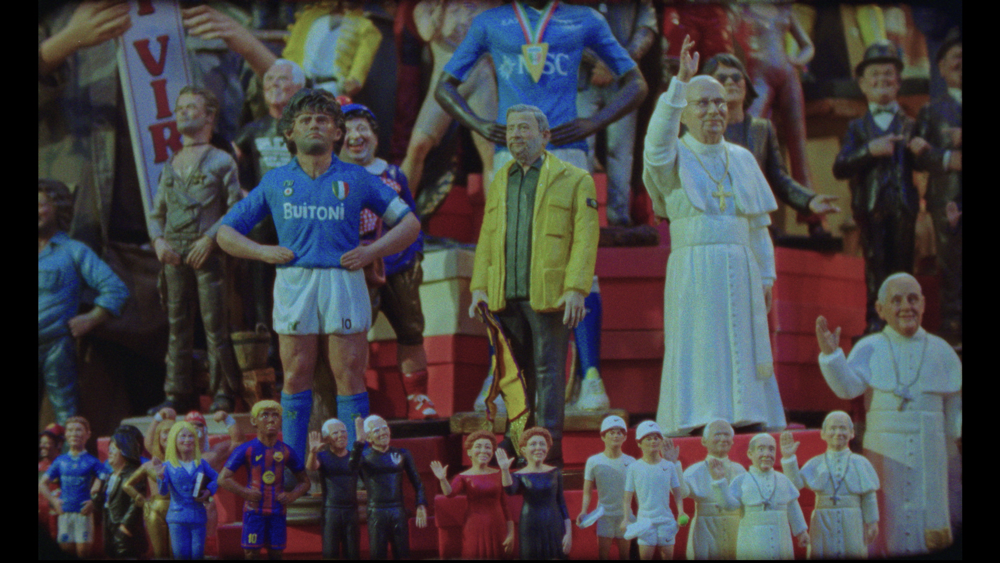
With the announcement of the opening of Stone Island’s first flagship store in Naples, the brand has chosen to dedicate its new documentary, «A’ SORPRES», to its connection with the Neapolitan city. The short film, directed by British filmmaker Glenn Kitson, retraces the meaning of the Resina Market across different generations through the voices of some of the city’s most recognizable figures, starting with the narrator of the project, writer Roberto Saviano.
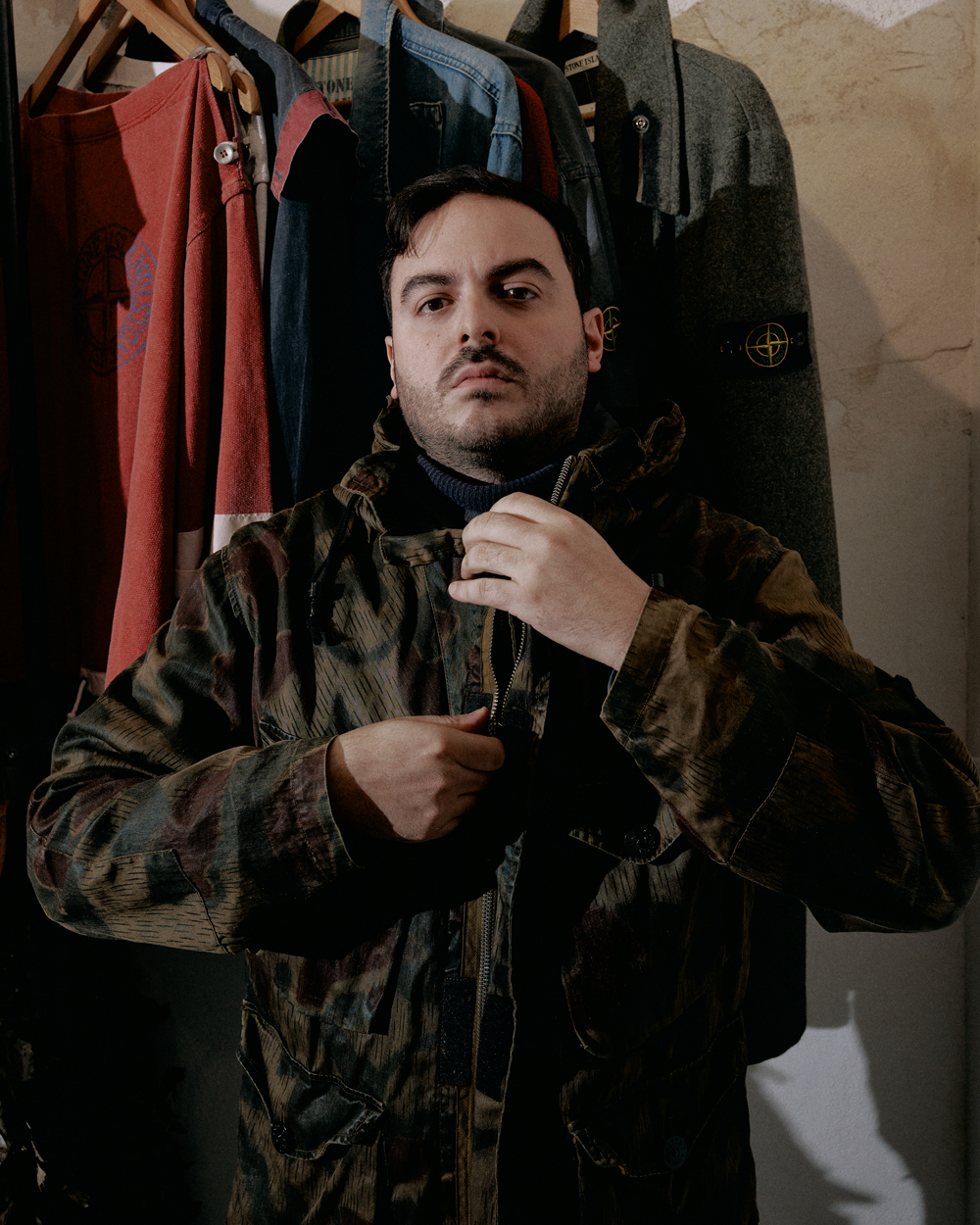
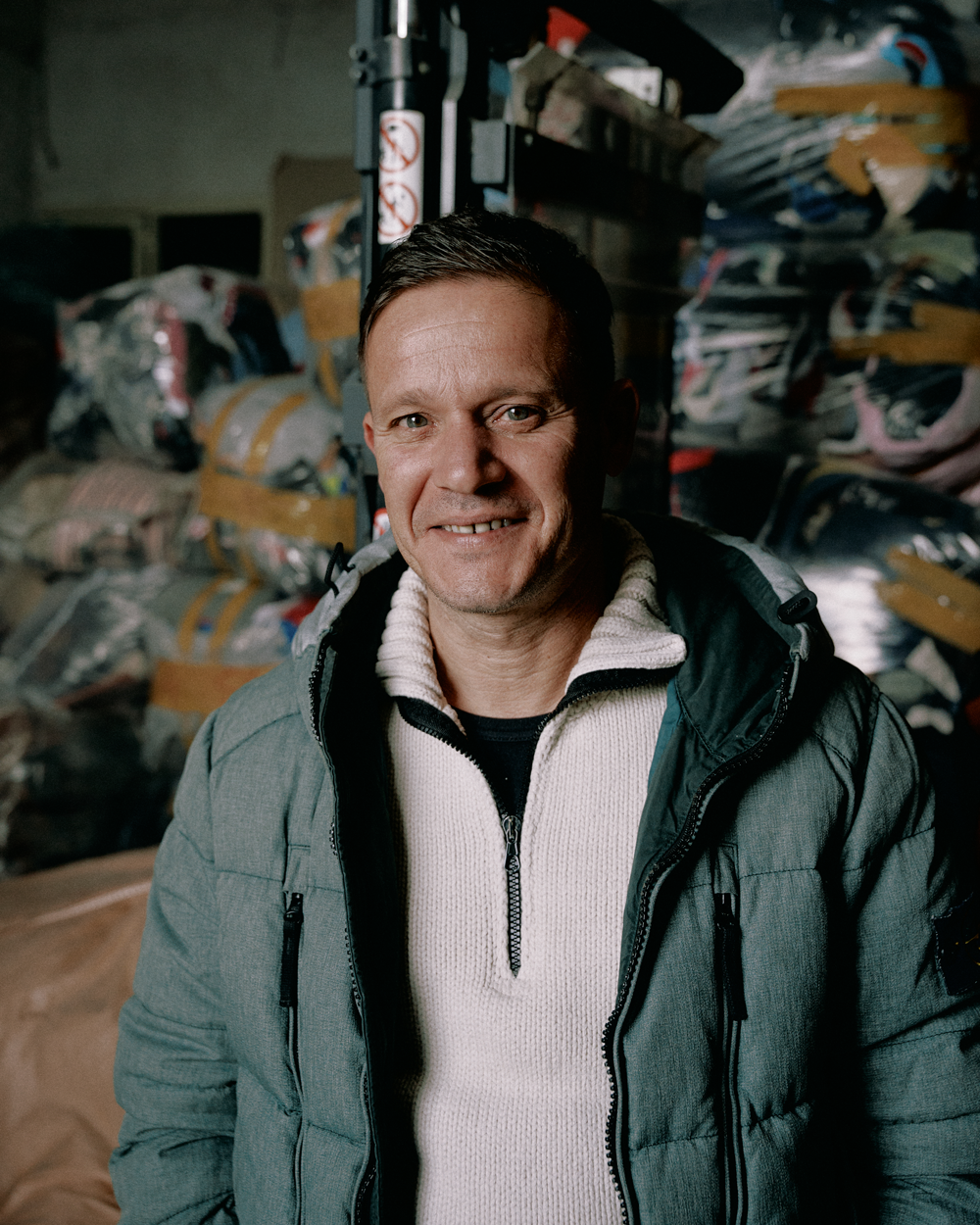
Narrated by Saviano’s voice, the film brings together different perspectives that reveal the complexity of a phenomenon that cannot be confined to a single scene but instead moves across generations, languages and subcultures within the city. Among those featured is Alfredo Formisano, owner of Alfredo Formisano Vintage Shop, one of the most recognizable stores in Resina, who over the years has built a personal archive driven by research and obsessive attention to detail. Alongside him is Nello Oliviero, Formisano’s collaborator, who despite belonging to a younger generation has assembled in just a few years a personal Stone Island archive spanning more than three decades of the brand’s history. Through them, the documentary shows how the culture born among the “pezze” has never stood still but continues to regenerate in the hands of those who come after.
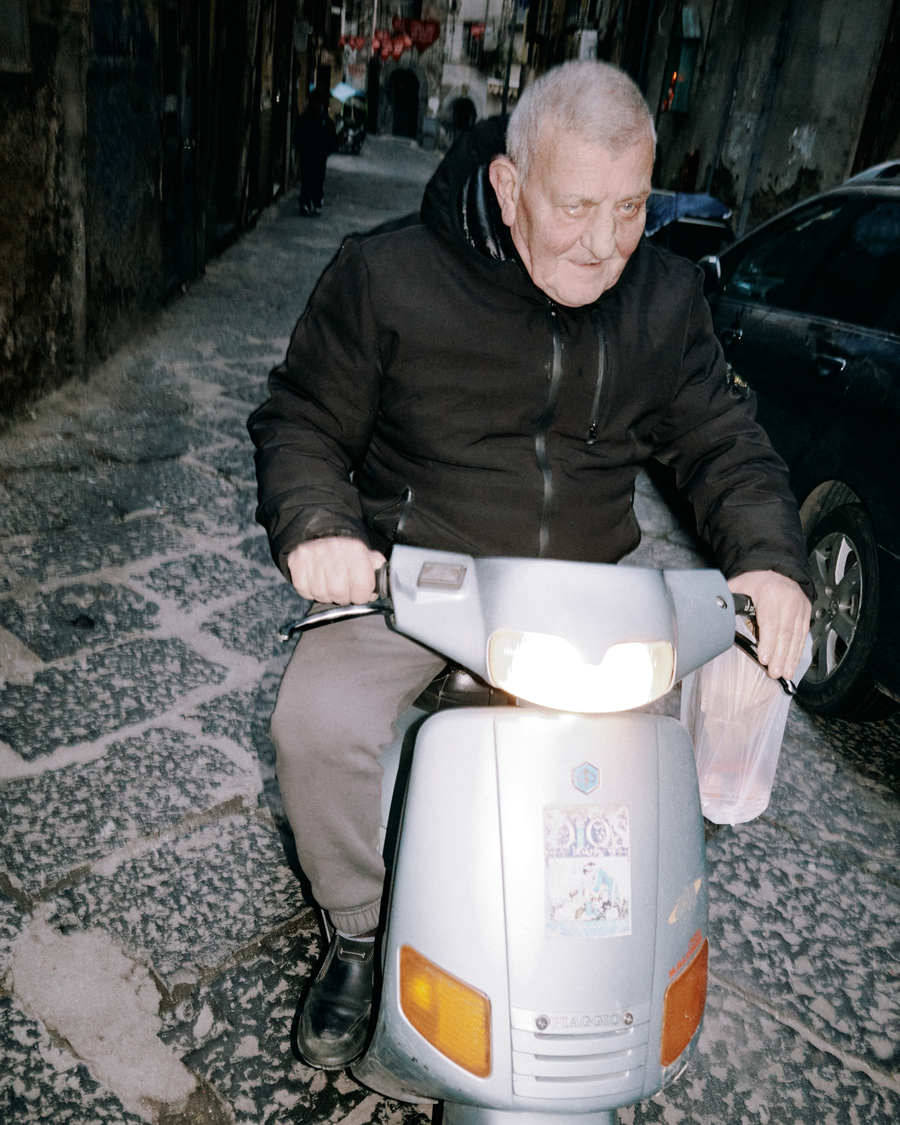
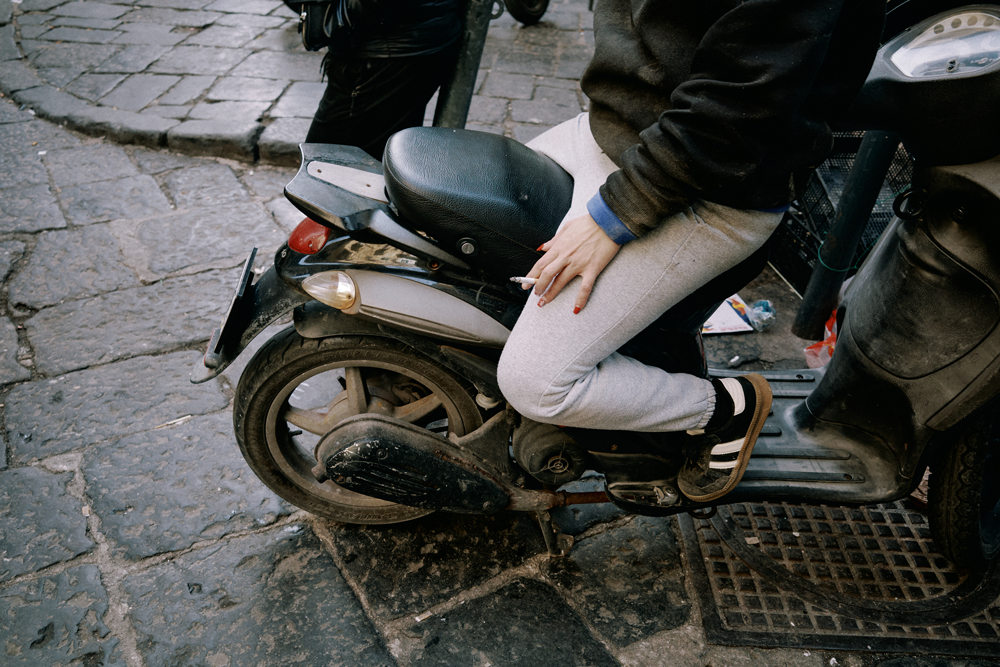
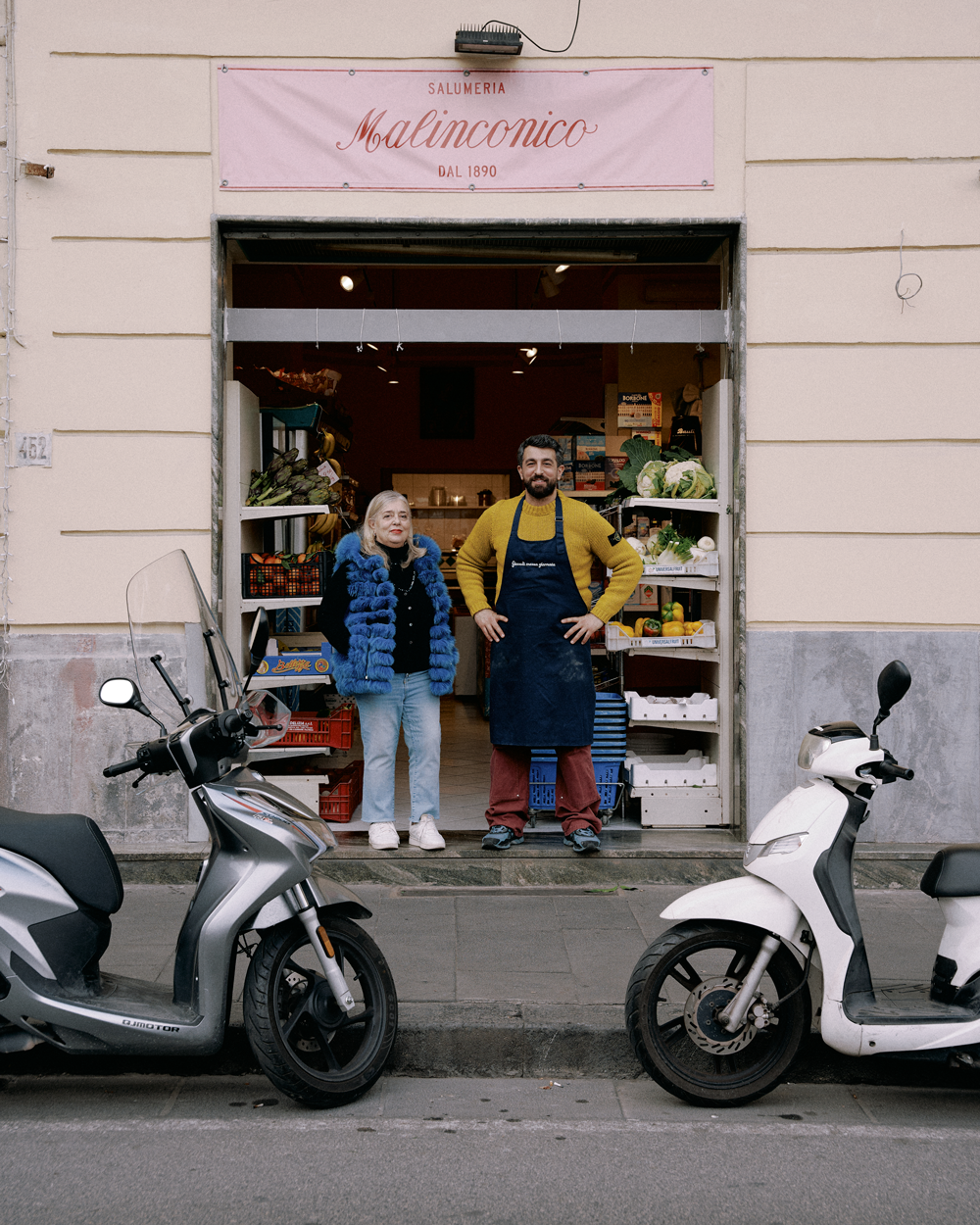
The narrative then opens toward the city’s contemporary cultural landscape. Antonella Mignogna, stylist for LIBERATO, reflects on how Stone Island’s technical and military-inspired aesthetic deeply influenced the visual identity of the project, helping shape the recognizable silhouette that for years has allowed the Neapolitan singer to conceal his identity behind a precise visual language made of hoods, technical jackets and layered garments. The connection between Resina and Stone Island did not arise from simple fascination with the brand but from a nearly natural fusion between place and product. In Naples, after all, clothing has never been just about fashion. It is an extension of how the city itself is lived, as Alessio Malinconico, owner of Salumeria Malinconico, explains: «In Naples, life happens on a scooter. Wearing a Stone Island jacket, a Stone Island hat, it makes you feel protected from everything». In a city like Naples, where public space is always also a space of social exchange, clothing becomes a shared language, a measure of respect and a way of declaring belonging to an aesthetic that predates the runway, born among the bales of a market that for decades taught people to recognize the value of materials long before they recognized the value of brands. It is precisely “among the bales” that the true meaning of this story takes shape. Not only the idea of a lucky discovery, but the formation of a collective sensibility, an aesthetic born from the ground up that sees technical fabrics, workwear and the jacket protecting you from the wind on a scooter as an extension of one’s way of inhabiting the world.
Narrated by Saviano’s voice, the film brings together different perspectives that reveal the complexity of a phenomenon that cannot be confined to a single scene but instead moves across generations, languages and subcultures within the city. Among those featured is Alfredo Formisano, owner of Alfredo Formisano Vintage Shop, one of the most recognizable stores in Resina, who over the years has built a personal archive driven by research and obsessive attention to detail. Alongside him is Nello Oliviero, Formisano’s collaborator, who despite belonging to a younger generation has assembled in just a few years a personal Stone Island archive spanning more than three decades of the brand’s history. Through them, the documentary shows how the culture born among the “pezze” has never stood still but continues to regenerate in the hands of those who come after.
The narrative then opens toward the city’s contemporary cultural landscape. Antonella Mignogna, stylist for LIBERATO, reflects on how Stone Island’s technical and military-inspired aesthetic deeply influenced the visual identity of the project, helping shape the recognizable silhouette that for years has allowed the Neapolitan singer to conceal his identity behind a precise visual language made of hoods, technical jackets and layered garments. The connection between Resina and Stone Island did not arise from simple fascination with the brand but from a nearly natural fusion between place and product. In Naples, after all, clothing has never been just about fashion. It is an extension of how the city itself is lived, as Alessio Malinconico, owner of Salumeria Malinconico, explains: «In Naples, life happens on a scooter. Wearing a Stone Island jacket, a Stone Island hat, it makes you feel protected from everything». In a city like Naples, where public space is always also a space of social exchange, clothing becomes a shared language, a measure of respect and a way of declaring belonging to an aesthetic that predates the runway, born among the bales of a market that for decades taught people to recognize the value of materials long before they recognized the value of brands. It is precisely “among the bales” that the true meaning of this story takes shape. Not only the idea of a lucky discovery, but the formation of a collective sensibility, an aesthetic born from the ground up that sees technical fabrics, workwear and the jacket protecting you from the wind on a scooter as an extension of one’s way of inhabiting the world.
CAST
Alessio Malinconico - Salumeria Malinconico
Alfredo Formisano - Alfredo Formisano Vintage Shop
Antonella Mignogna - Stylist
Enrico Fierro - Partner Periodica Records - Futuribile Records
Gennaro Boccia - Pezze Vintage
Nello Oliviero - Alfredo Formisano Vintage Shop
Roberto Saviano - Writer
Vincenzo Schioppa - Creative Director and Co - Founder nss
CREDITS
Produced & Curated by nss
Music by LIBERATO
Director - Glenn Kitson
Creative Director - Vincenzo Schioppa
DOP - Francesco Bartoli Avveduti
Editorial Coordinator - Francesco Abazia
Project Manager - Alberto Savoia
Head of Production - Elisa Ambrosetti
Producer - Cecilia Corsetti
Set Coordinator - Mattia Cantore D’Amore
Photographer - Vittorio Cioffi
1st Camera Assistant - Cristian D’Alessio
2nd Camera Operator - Ludovica Dri
Focus Puller - Gino Vitolo
Bolex Camera Operator - Giorgio Melgrati
VFX Effects Designer - Dorcia Studios
Editor - Giorgio Gremigni
Colorist - Andrea Sabatelli
Sound Designer - Matteo Parolini
1st Sound Recorder - Adriano Poliedro
2nd Sound Recorder - Florian Vourlat
Production assistants - Alfonso Fondacaro, Alessio Saulino, Adriano Tammaro
Production assistant trainee - Siria Iuliano
TEXT
Manuela Irena D'Orso
Alessio Malinconico - Salumeria Malinconico
Alfredo Formisano - Alfredo Formisano Vintage Shop
Antonella Mignogna - Stylist
Enrico Fierro - Partner Periodica Records - Futuribile Records
Gennaro Boccia - Pezze Vintage
Nello Oliviero - Alfredo Formisano Vintage Shop
Roberto Saviano - Writer
Vincenzo Schioppa - Creative Director and Co - Founder nss
CREDITS
Produced & Curated by nss
Music by LIBERATO
Director - Glenn Kitson
Creative Director - Vincenzo Schioppa
DOP - Francesco Bartoli Avveduti
Editorial Coordinator - Francesco Abazia
Project Manager - Alberto Savoia
Head of Production - Elisa Ambrosetti
Producer - Cecilia Corsetti
Set Coordinator - Mattia Cantore D’Amore
Photographer - Vittorio Cioffi
1st Camera Assistant - Cristian D’Alessio
2nd Camera Operator - Ludovica Dri
Focus Puller - Gino Vitolo
Bolex Camera Operator - Giorgio Melgrati
VFX Effects Designer - Dorcia Studios
Editor - Giorgio Gremigni
Colorist - Andrea Sabatelli
Sound Designer - Matteo Parolini
1st Sound Recorder - Adriano Poliedro
2nd Sound Recorder - Florian Vourlat
Production assistants - Alfonso Fondacaro, Alessio Saulino, Adriano Tammaro
Production assistant trainee - Siria Iuliano
TEXT
Manuela Irena D'Orso