





























"Josef Albers:Meditations" is the exhibition that invites us to see art differently An exhibition journey through architecture light and color
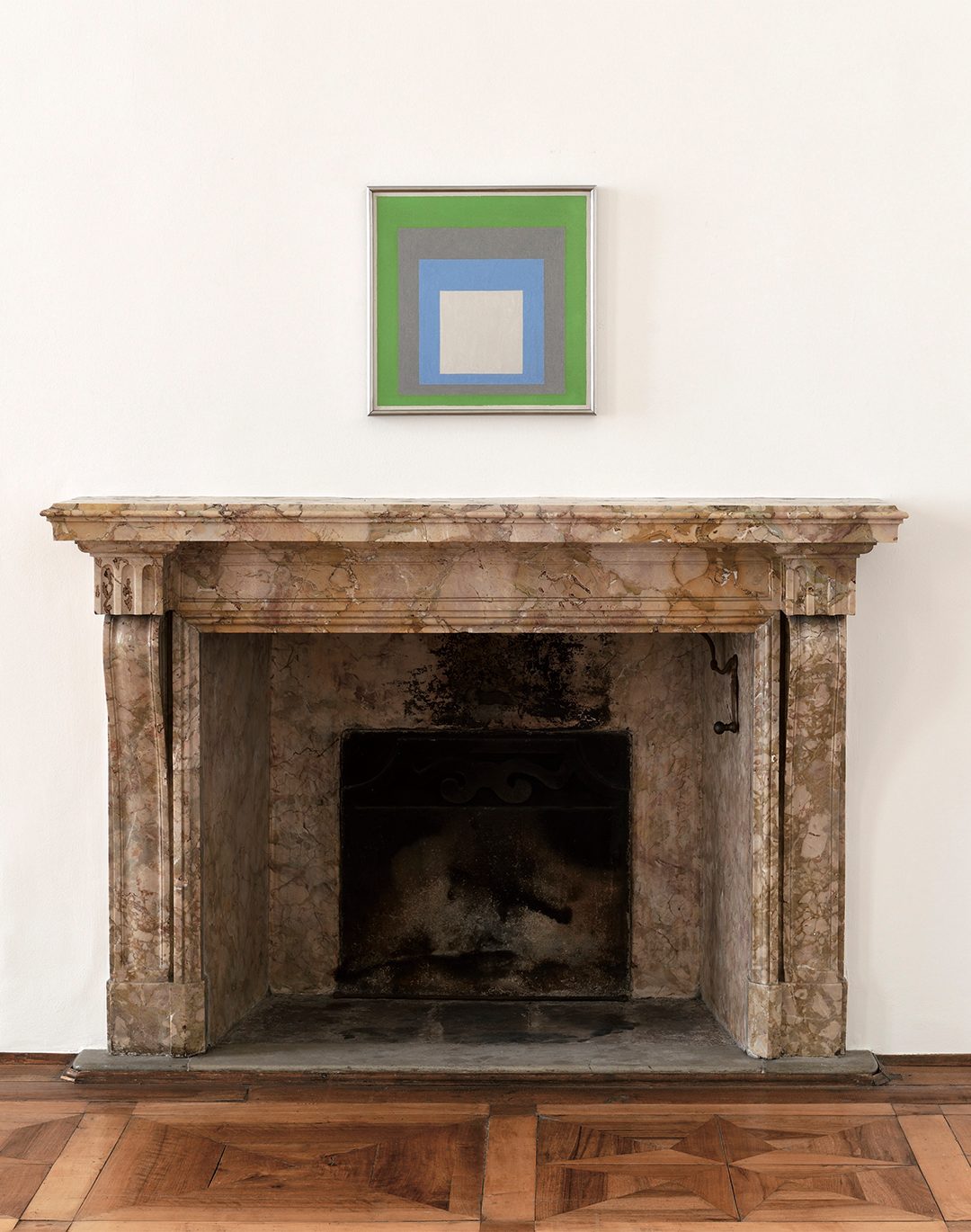
FAI – Fondo per l’Ambiente Italiano ETS and the Josef & Anni Albers Foundation present at Villa and Panza Collection, from April 9, 2026 to January 10, 2027, the exhibition Josef Albers: Meditations. Curated by Nicholas Fox Weber at the invitation of Gabriella Belli, the exhibition places twenty-nine works by Josef Albers in dialogue with the villa’s spaces, activating a subtle relationship between architecture, light and color. Although Albers was not directly collected by Giuseppe Panza di Biumo, his research now appears as one of the most lucid investigations into perception and light that define the identity of the Panza Collection.
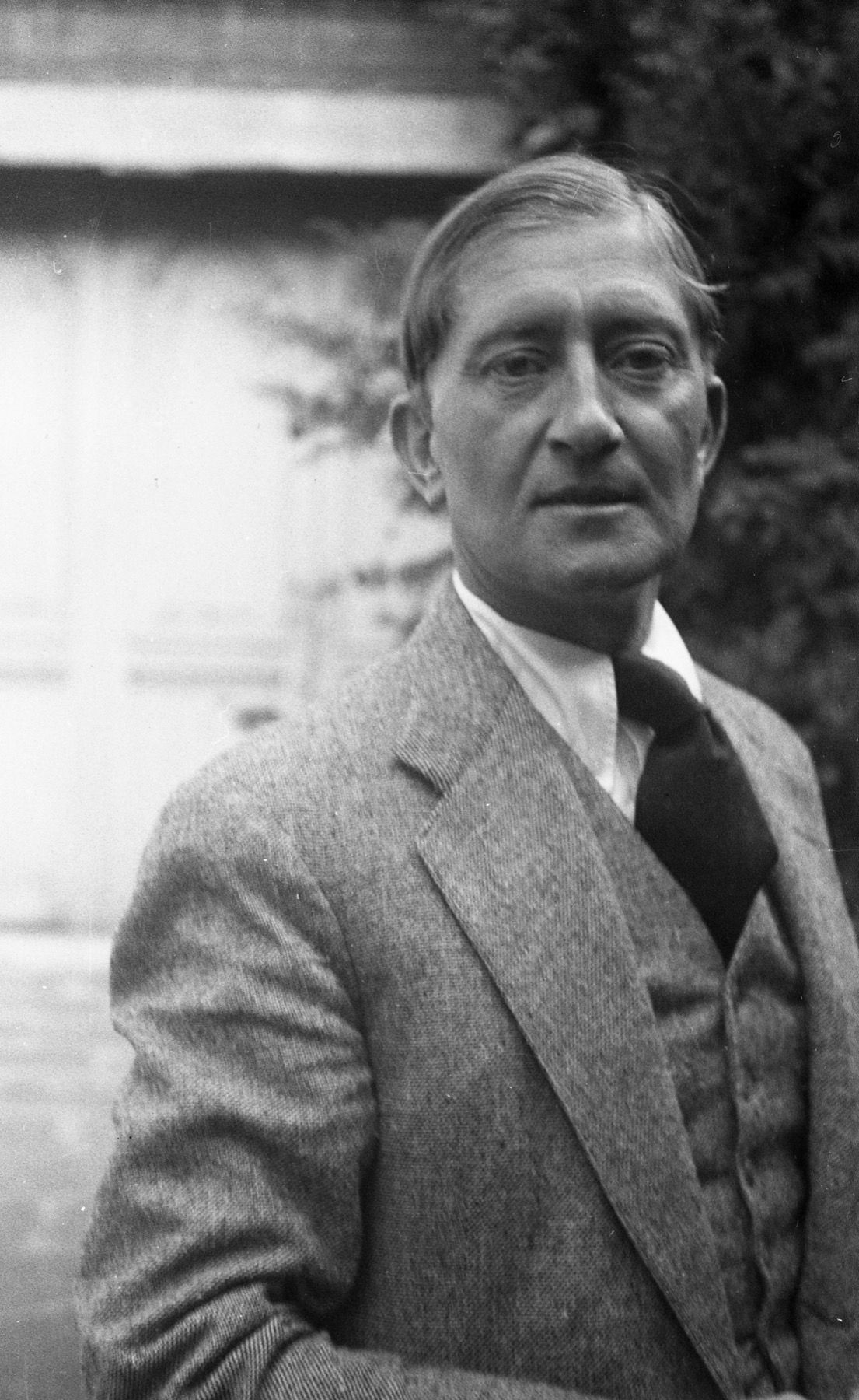
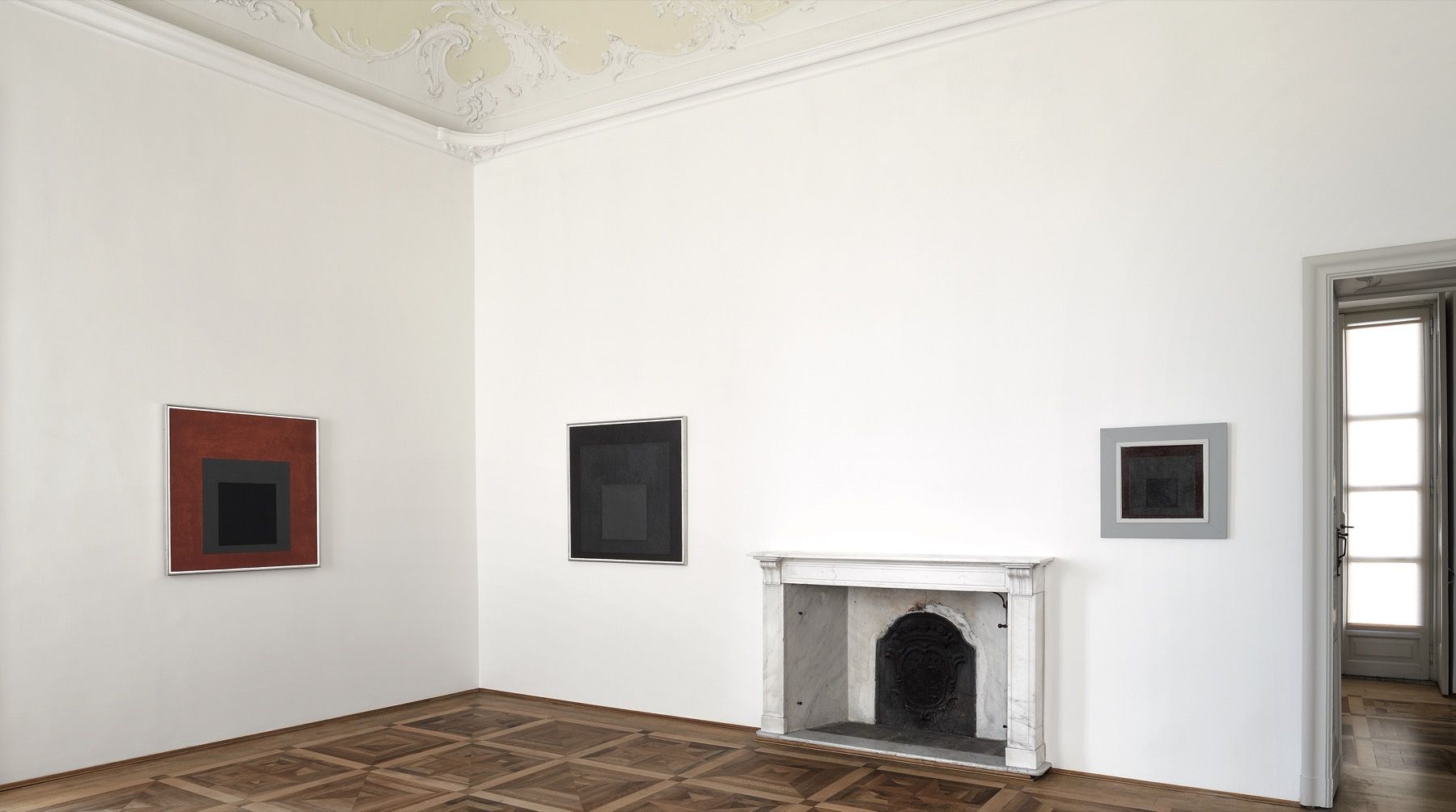
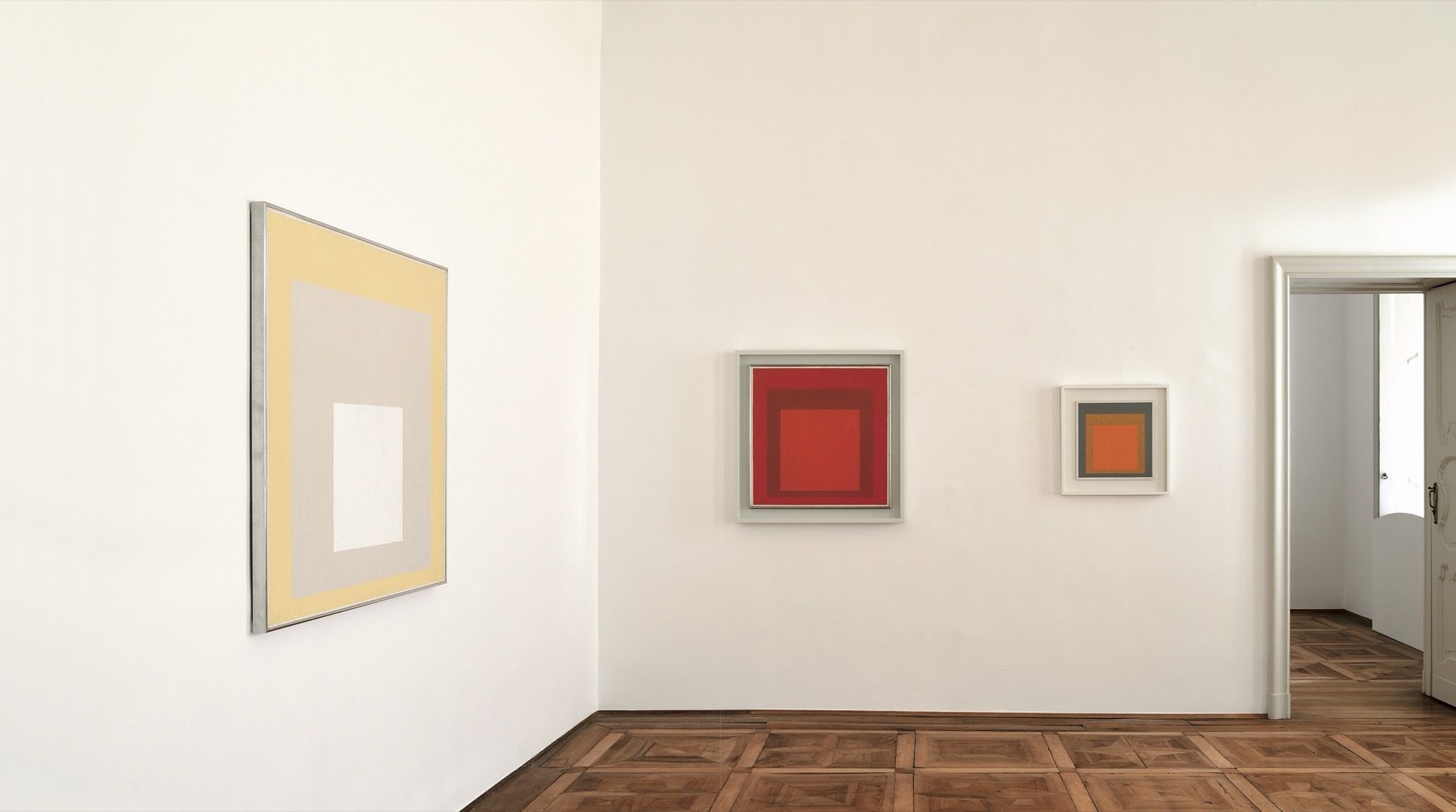
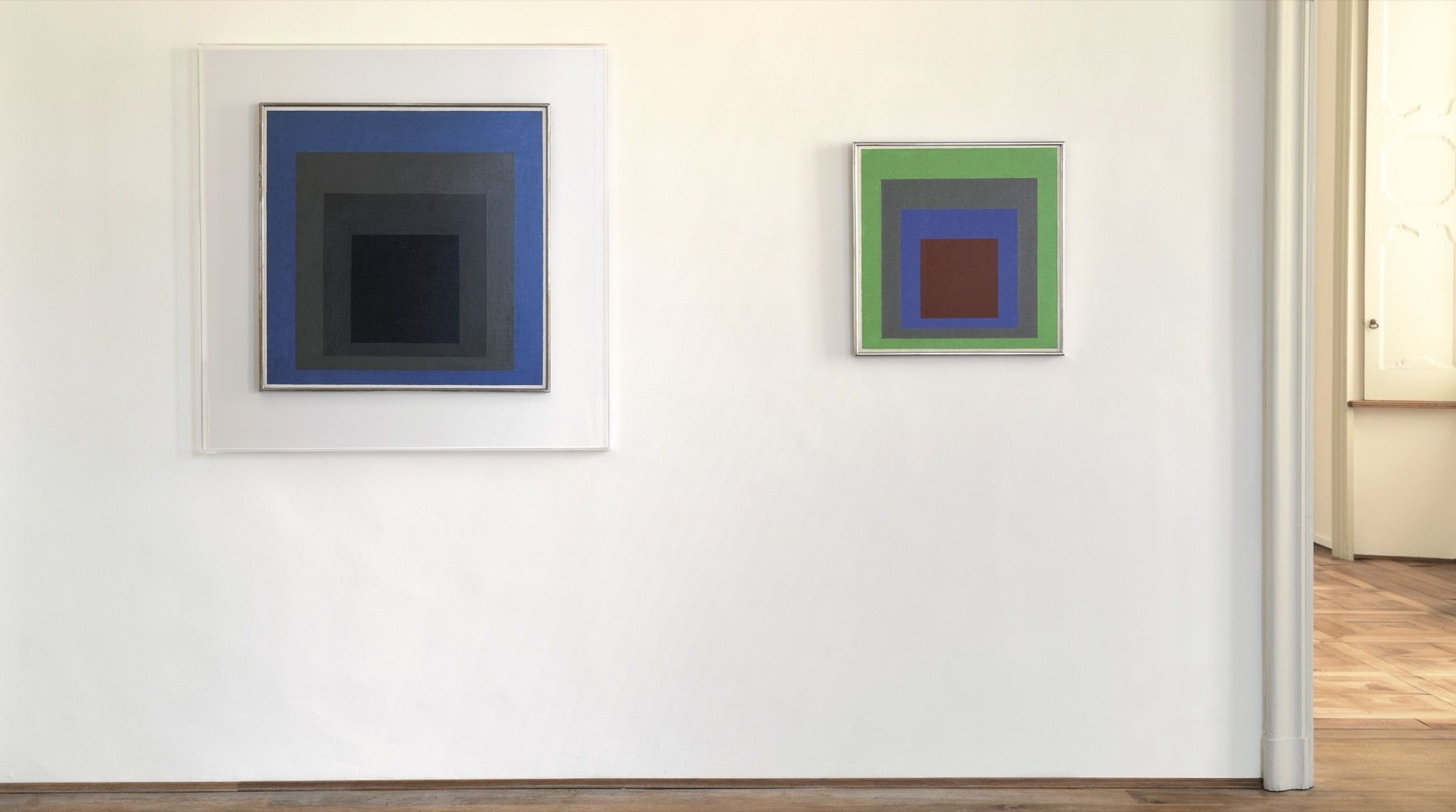
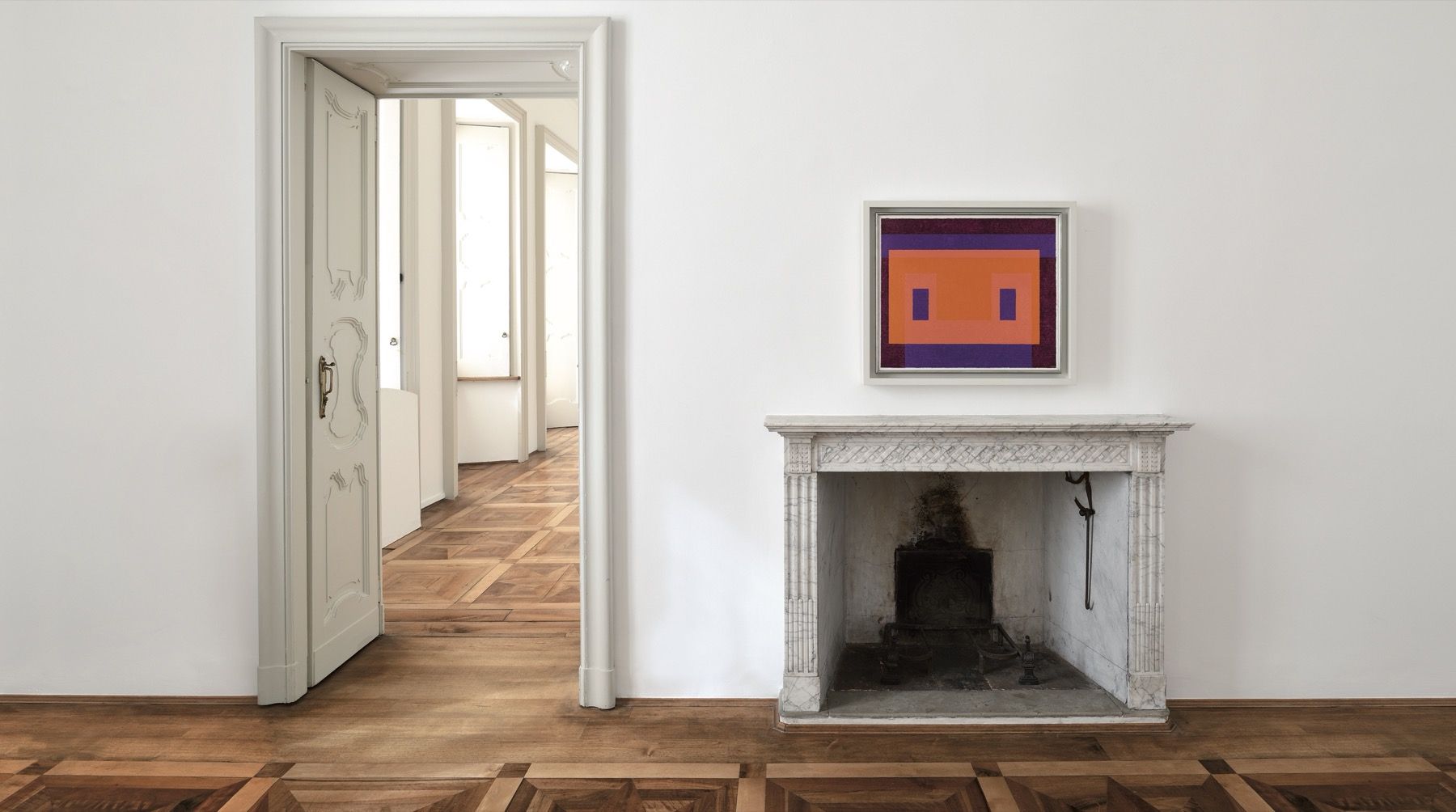
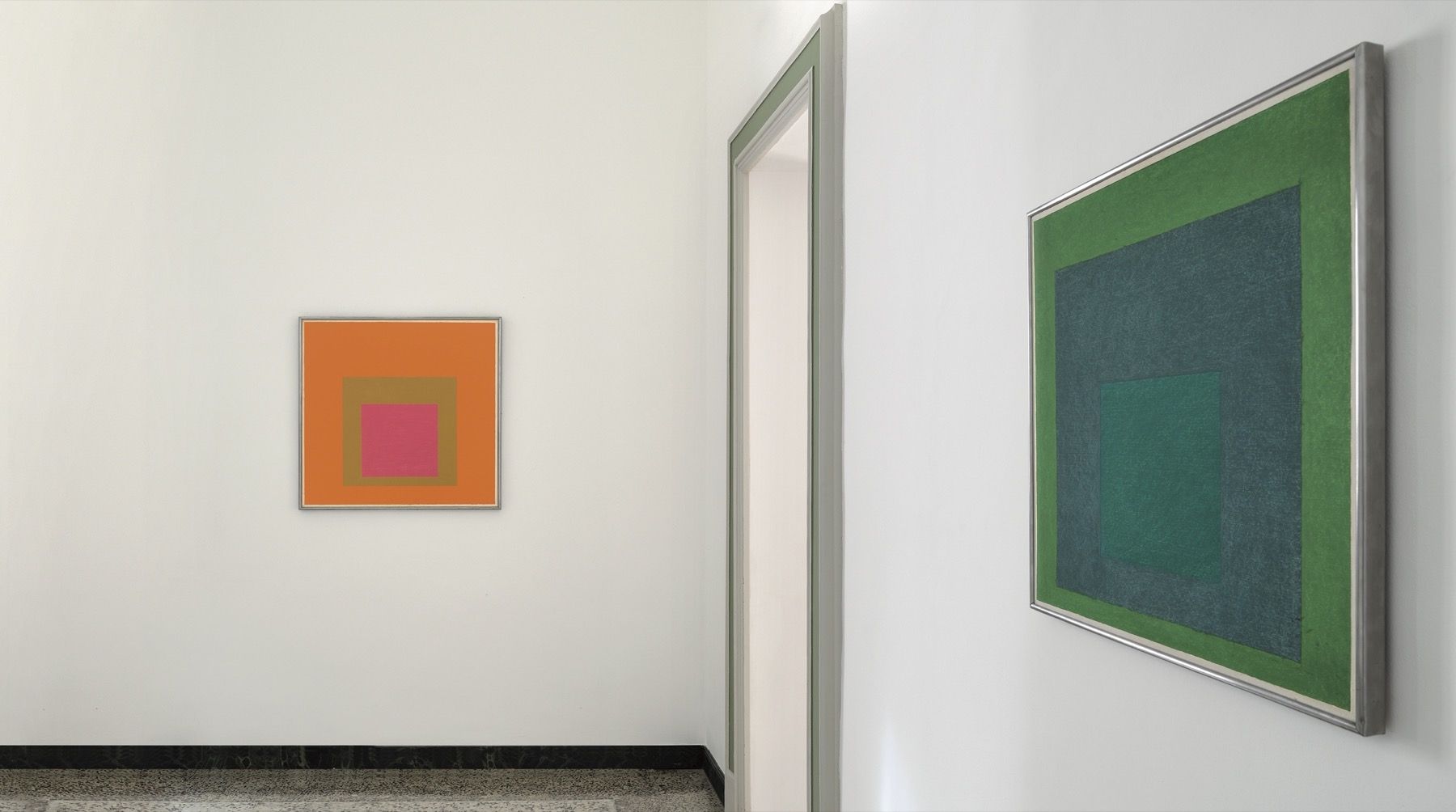
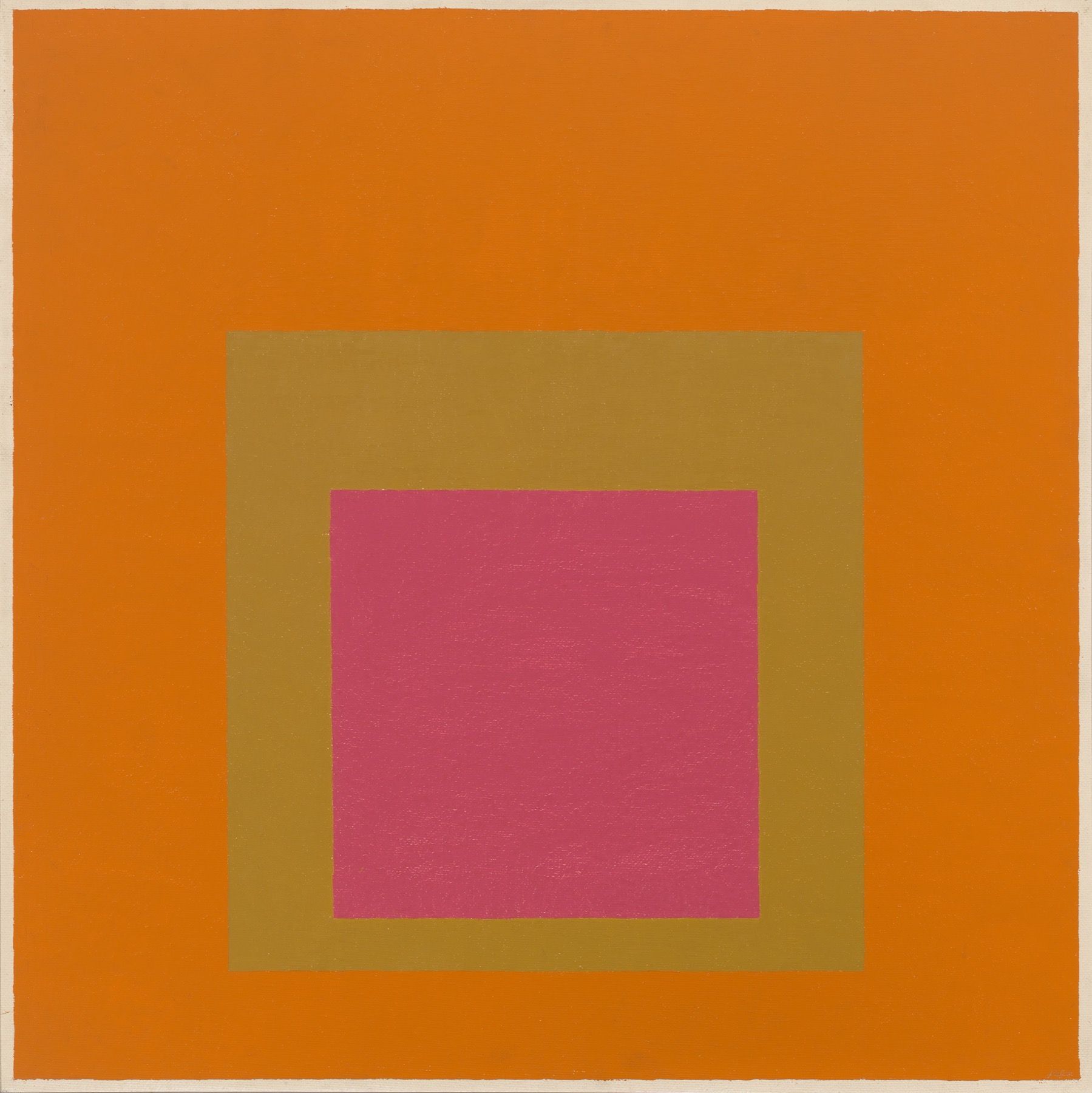
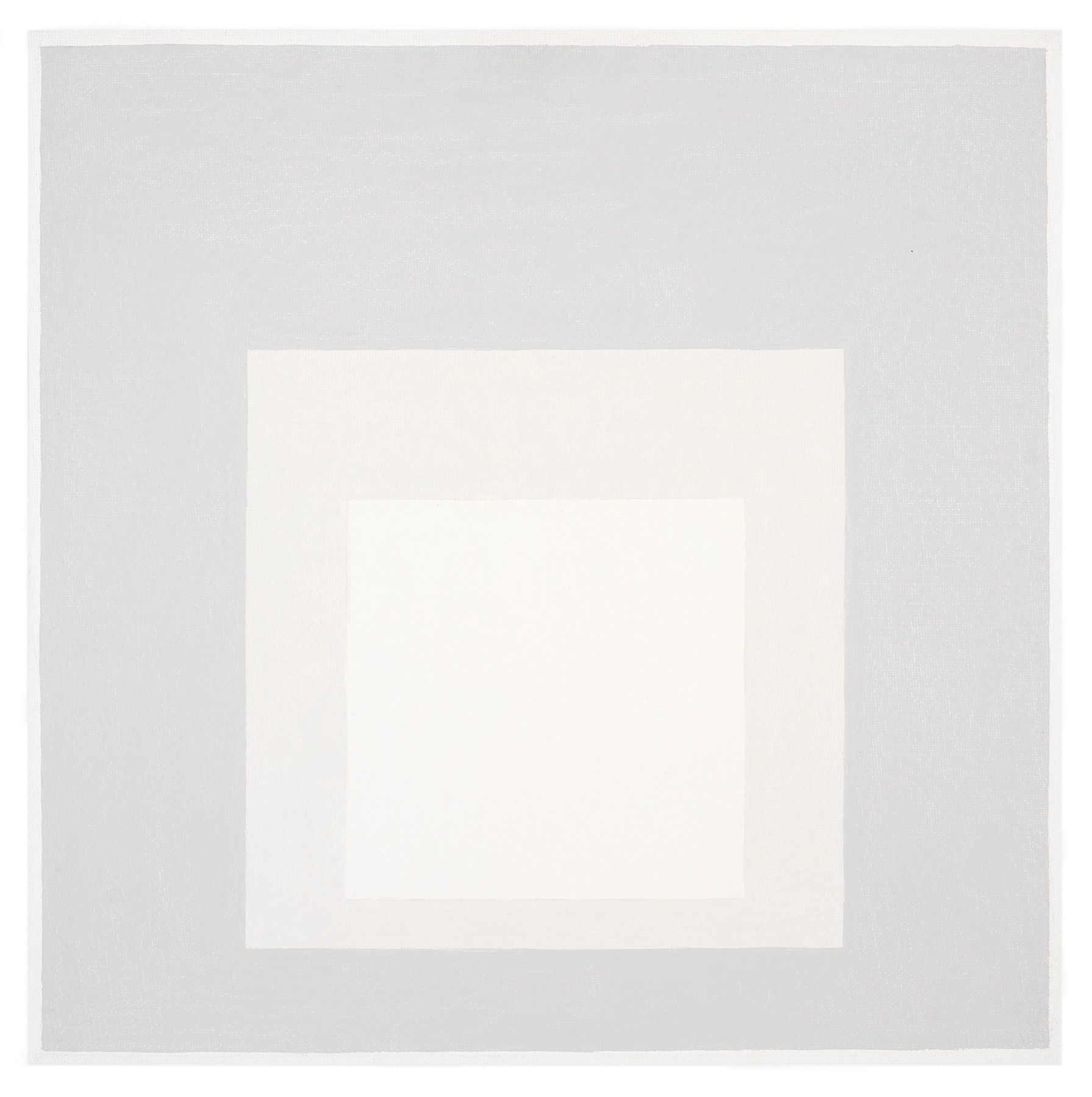
At the core of the exhibition are the Variant/Adobe and Homage to the Square series, developed respectively from 1946 and 1950, in which Albers reduces painting to an essential grammar in order to explore the instability of color. Through repetitive and seemingly simple structures, the artist demonstrates how every tone is always relative: a color shifts, vibrates or recedes depending on what surrounds it. The square, a primary and reiterated module, thus becomes a tool to activate vision, while the slight displacement of the compositions introduces a perceptual tension that prevents any fixity. It is a research that deeply influenced artists such as Dan Flavin, James Turrell and Robert Irwin, anticipating many reflections on space and light developed in the second half of the twentieth century.
The installation, arranged in the first-floor rooms overlooking the park, constructs a non-chronological but sensorial itinerary, in which the visitor is invited to move through chromatic consonances and dissonances. From initial harmonies, composed of almost imperceptible whites and yellows, the path moves toward sharper contrasts, until immersing itself in the density of blacks, greys and browns. Works such as Night Sound, Dark and Profundo do not conclude the journey, but absorb it, transforming vision into a stratified experience. In this context, institutional loans, rarely shown to the public, also become part of a broader perceptual system, coherent with Albers’ idea that works distant in time and space can mutually enrich each other through comparison.
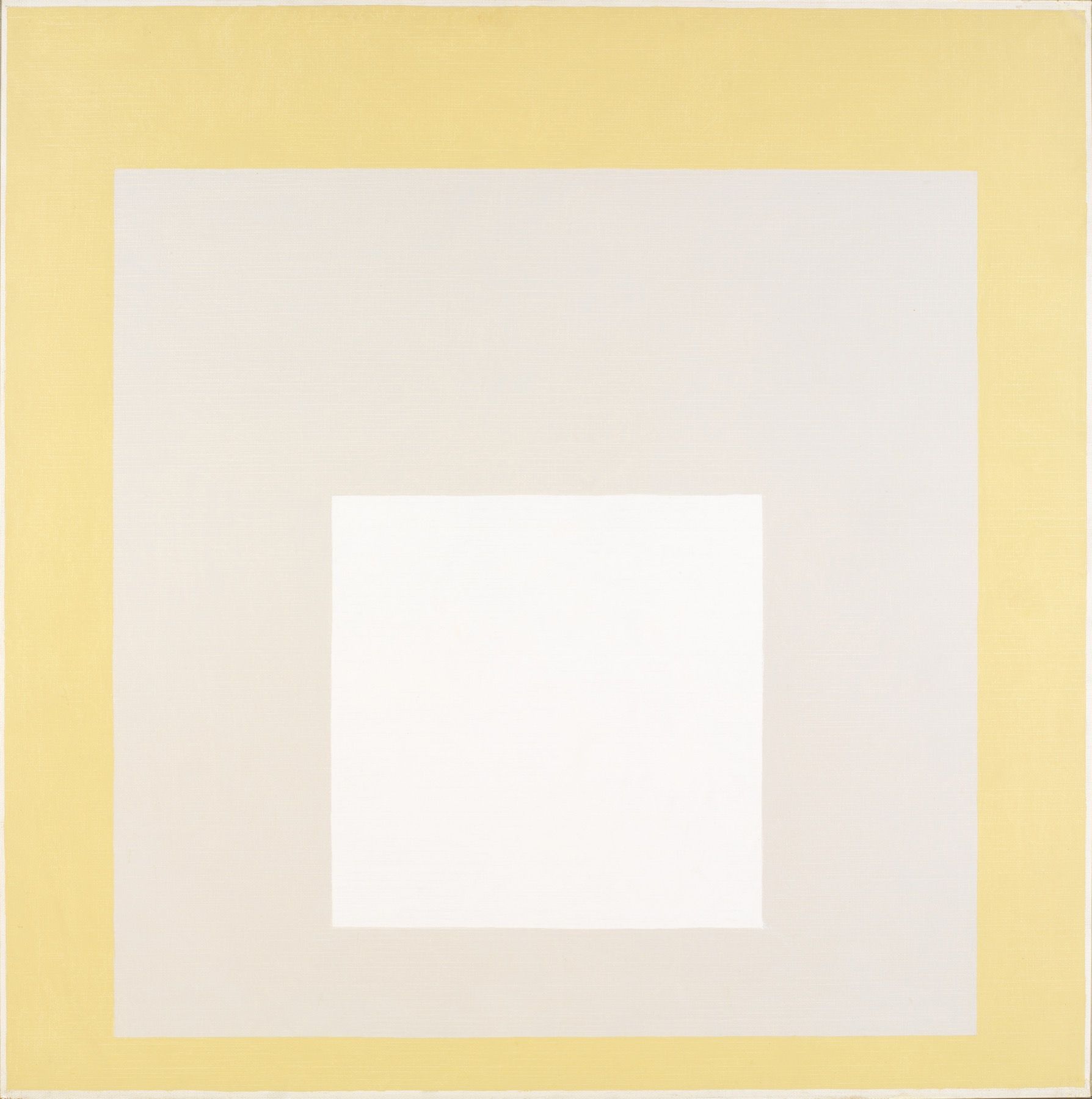
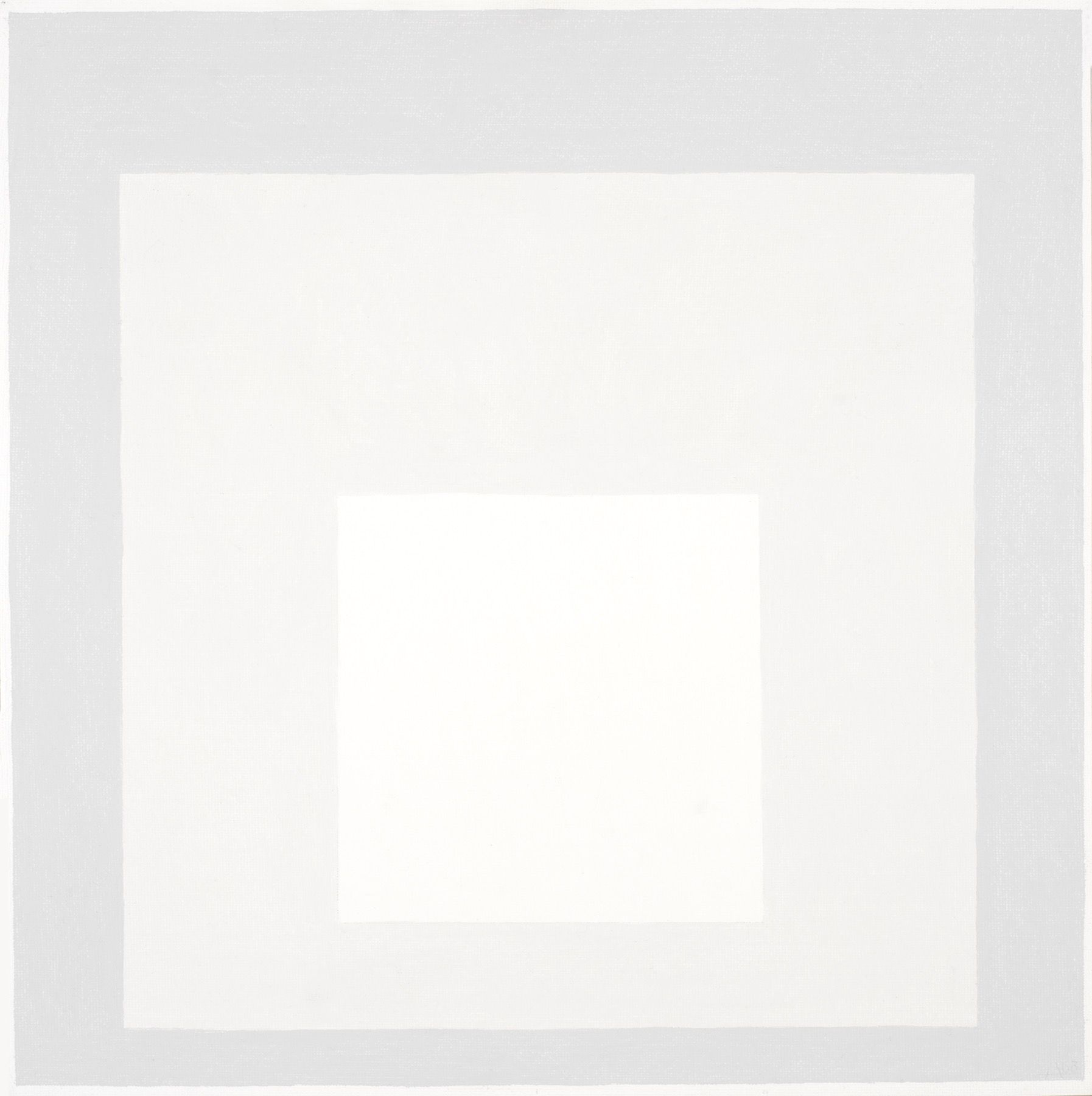
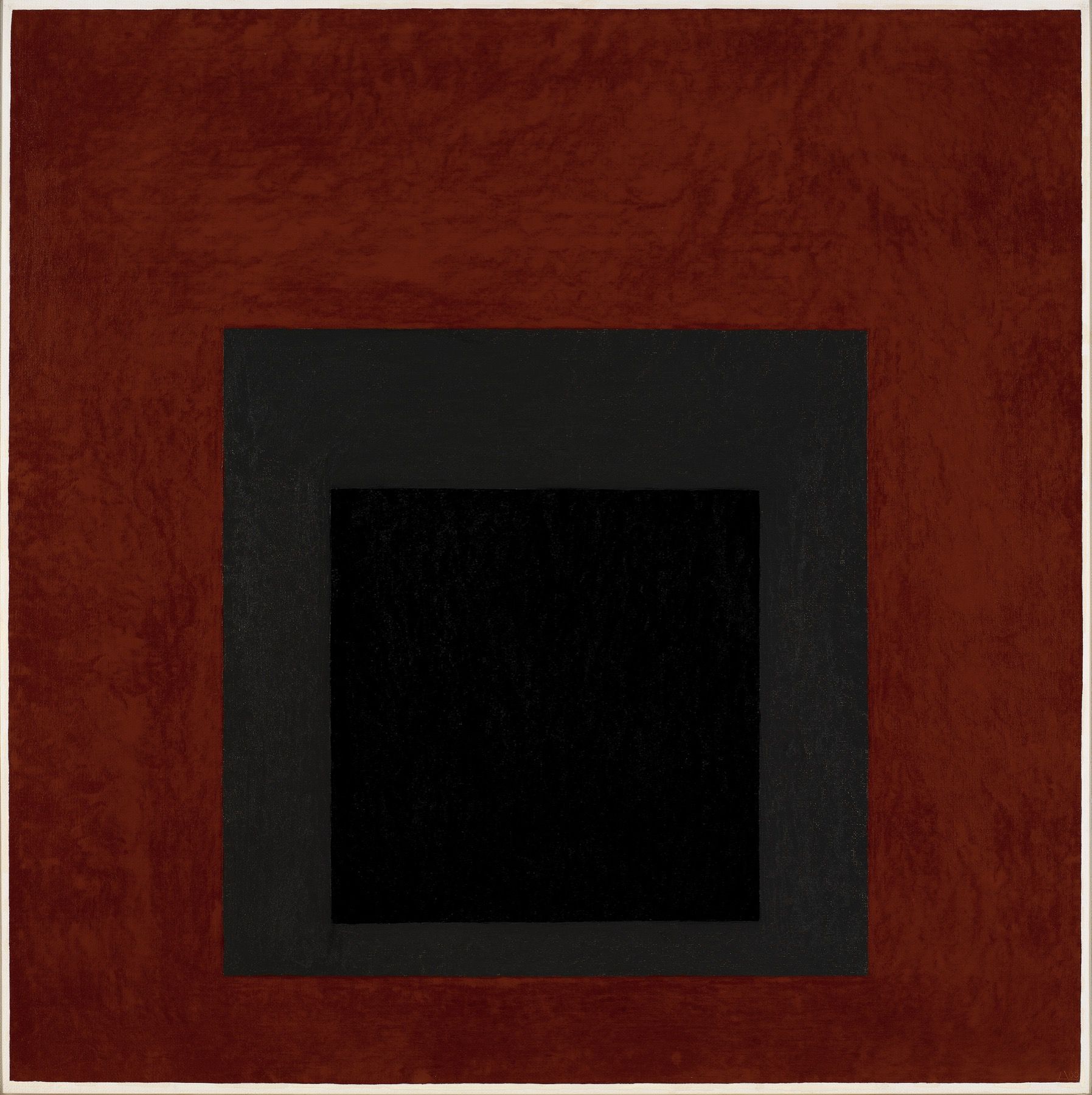
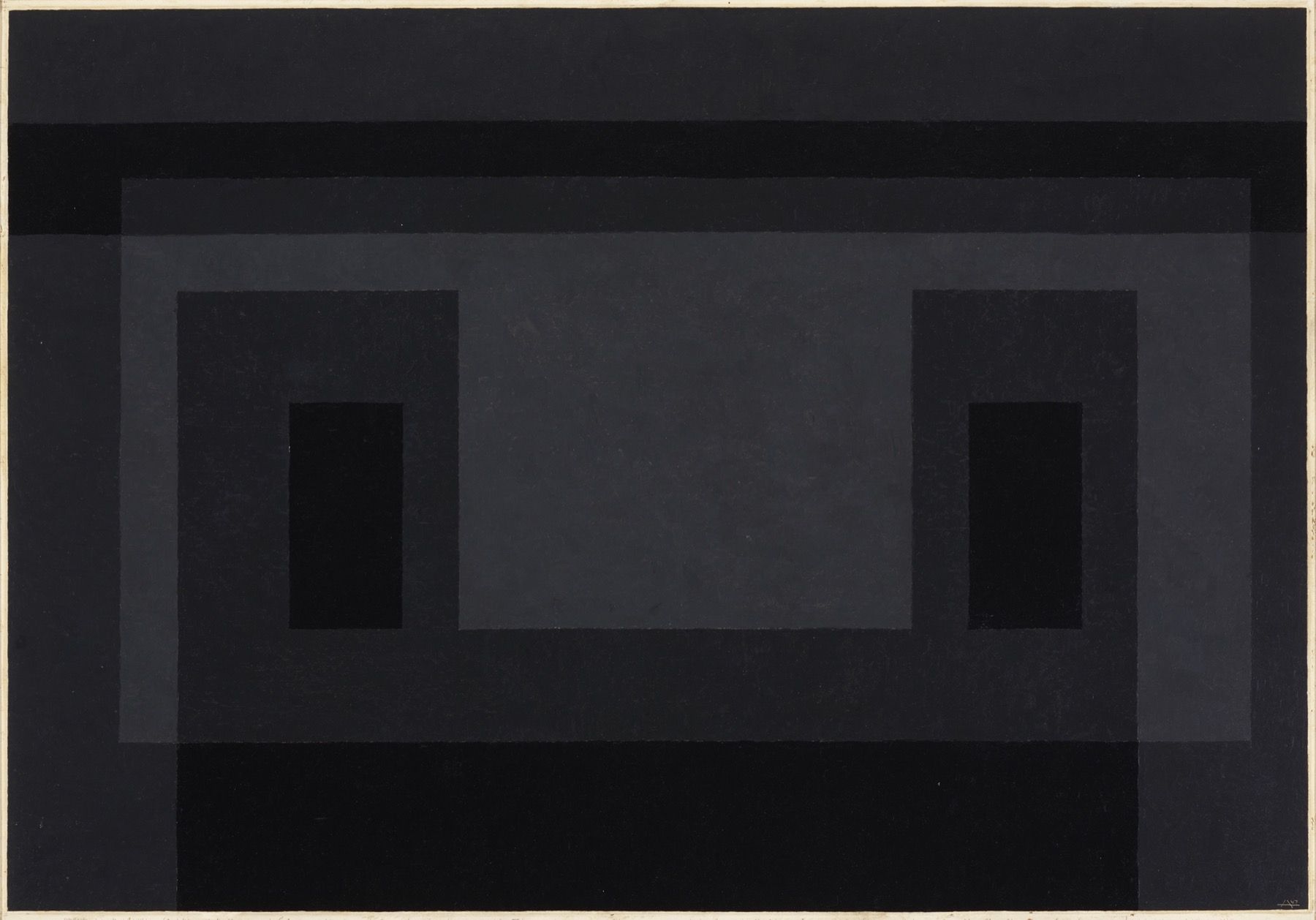
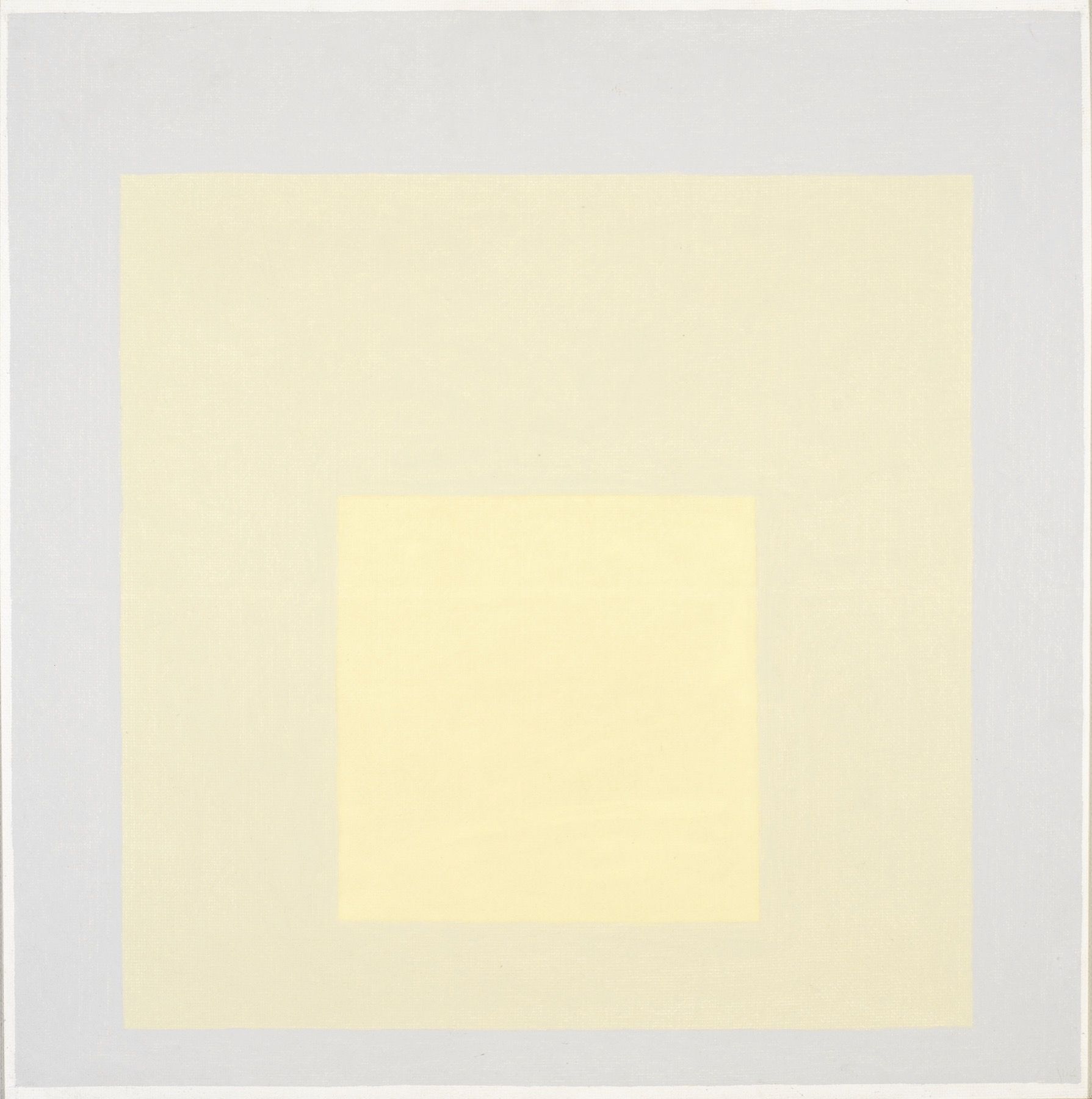
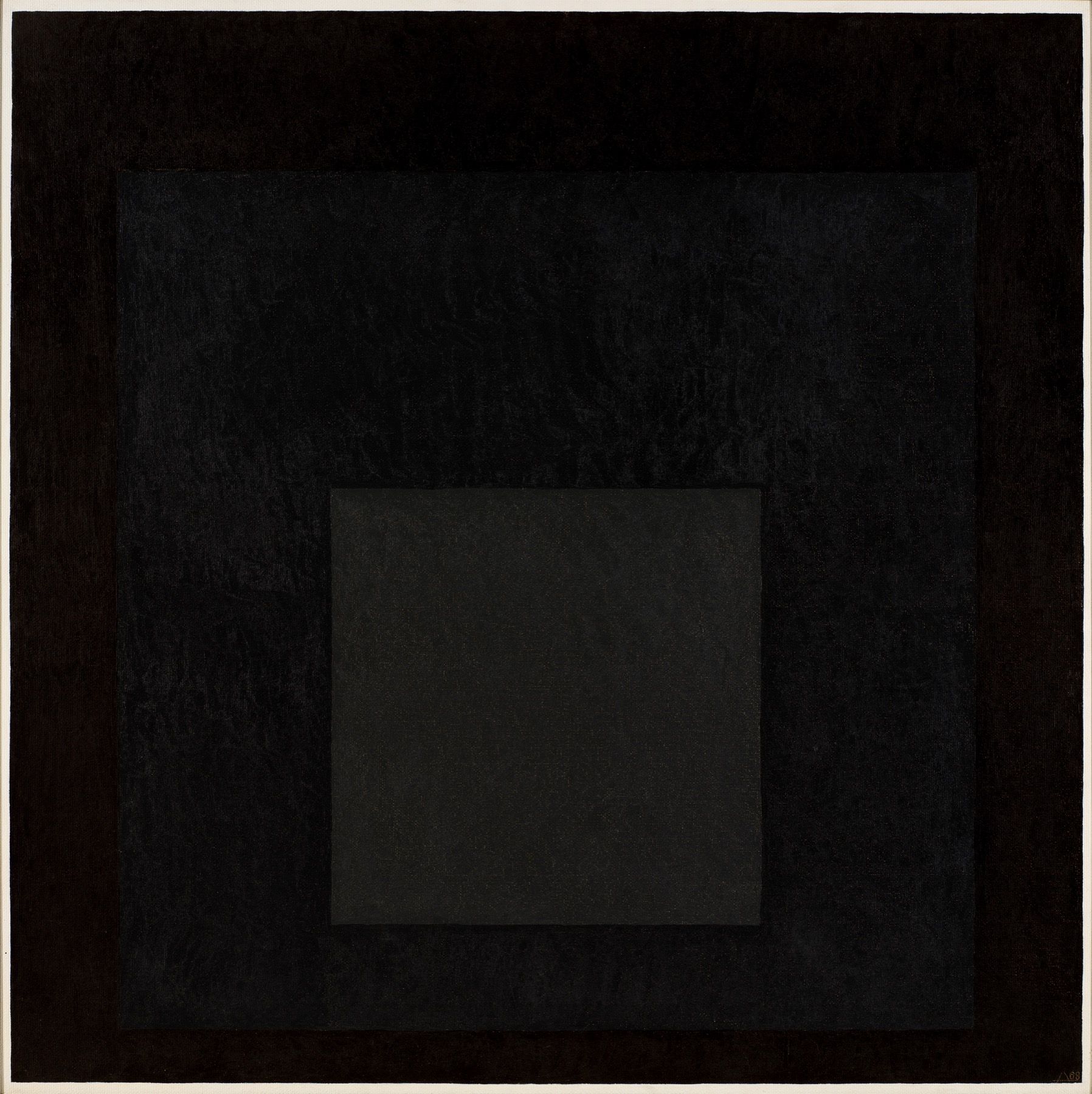
More than a retrospective, Josef Albers: Meditations takes shape as an invitation to re-educate the gaze. In a present saturated with images, the exhibition overturns the logic of visual accumulation and proposes an essential experience, in which seeing becomes an active and conscious act. Albers spoke of “opening the eyes”: here, that statement translates into a concrete device, capable of restoring to color its unstable dimension and to the time of vision a new, radical centrality.
What to read next
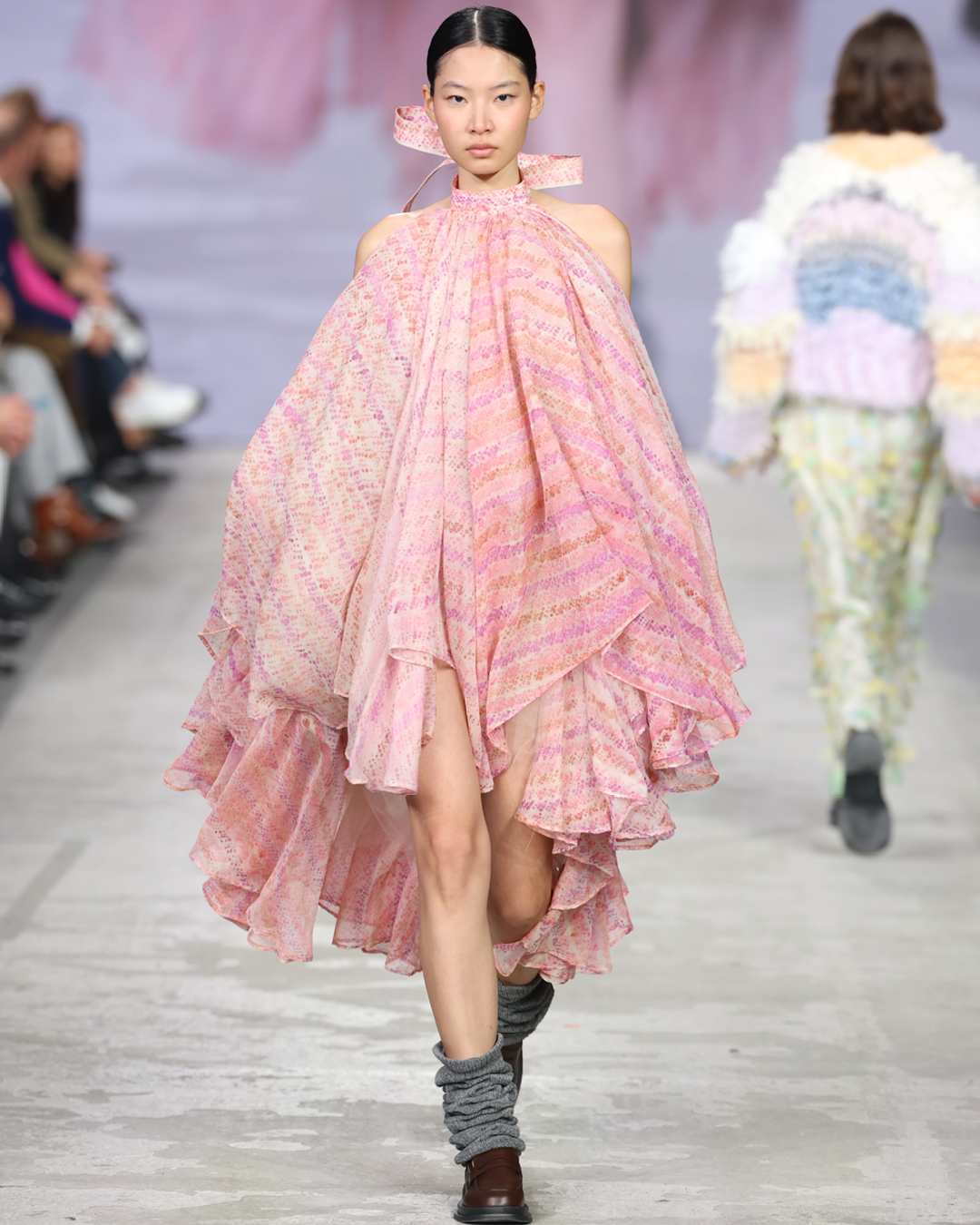
Fashion Graduate Italia presents “Speak Up”
A new edition dedicated to young future professionals in the fashion world
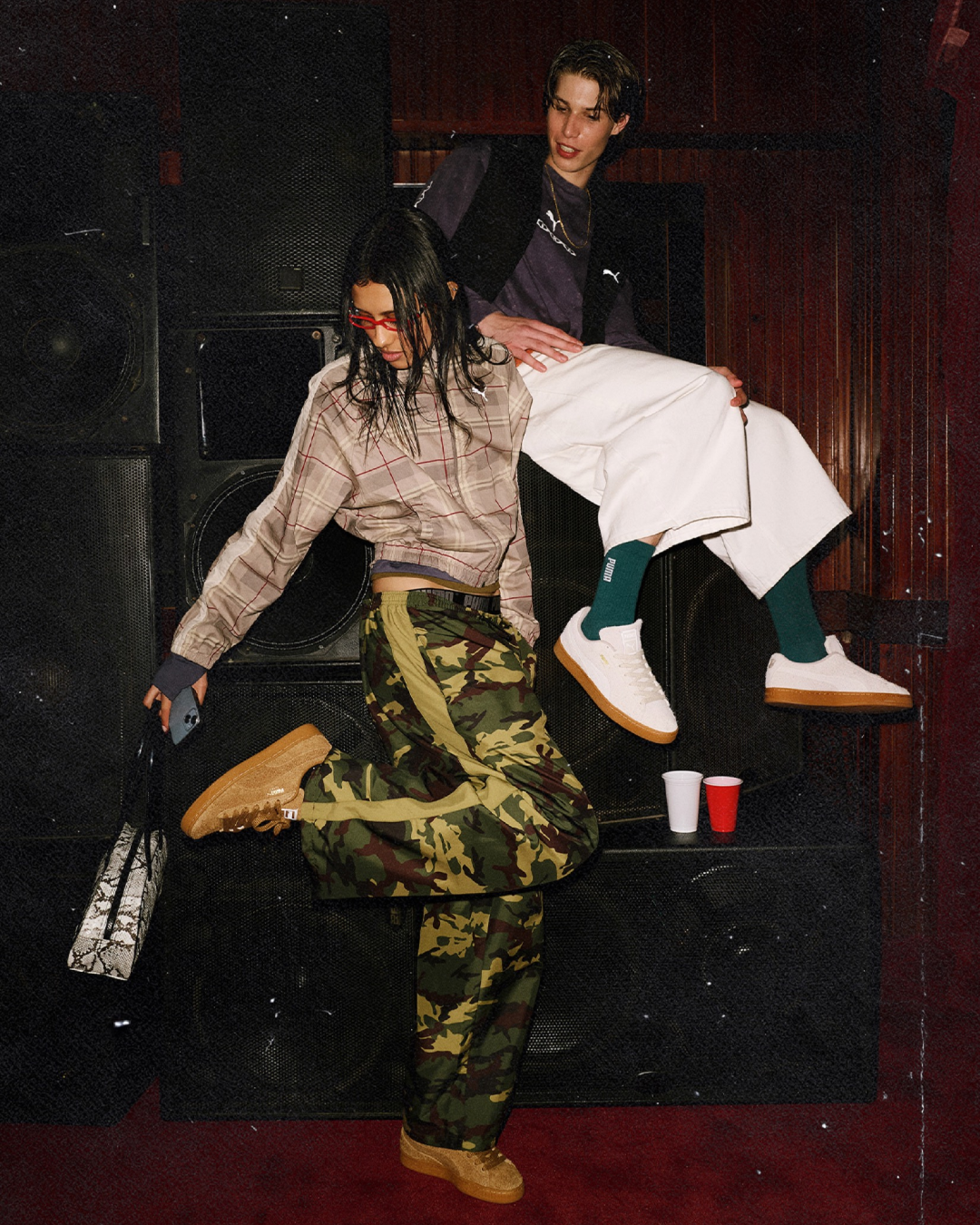
The PUMA Suede Forever proves that classics never go out of style
Three new colorways and a silhouette spanning nearly sixty years of history — the latest chapter of Never Not Suede goes back to its roots

Ploom* reinvents soft clubbing with T-Club
DJ sets, non-alcoholic drinks inspired by the new LYO* range, and exclusive gadgets