

































What's this about Peter Thiel's lectures on the Antichrist in Rome? The clash between techno-capitalism and the Vatican
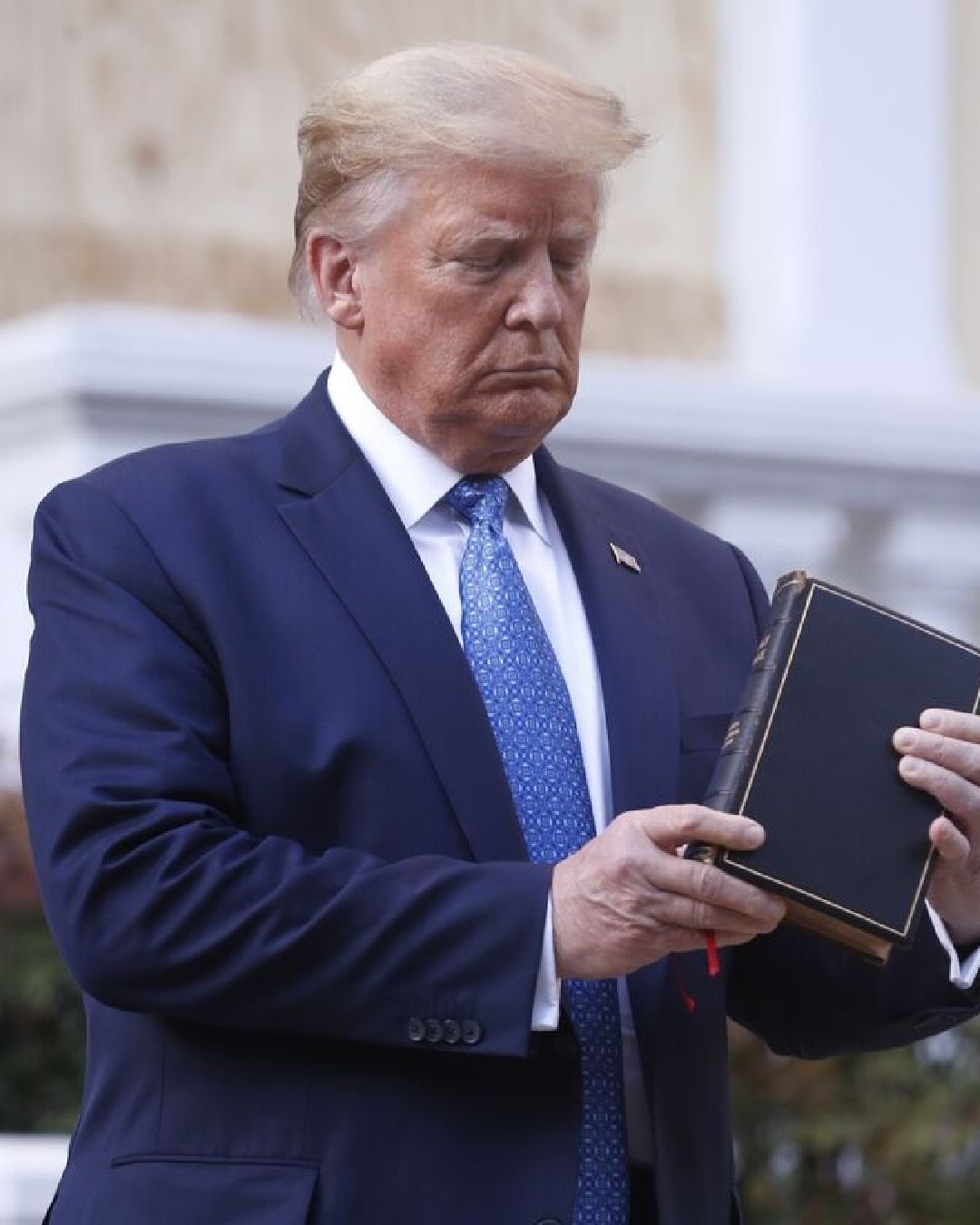
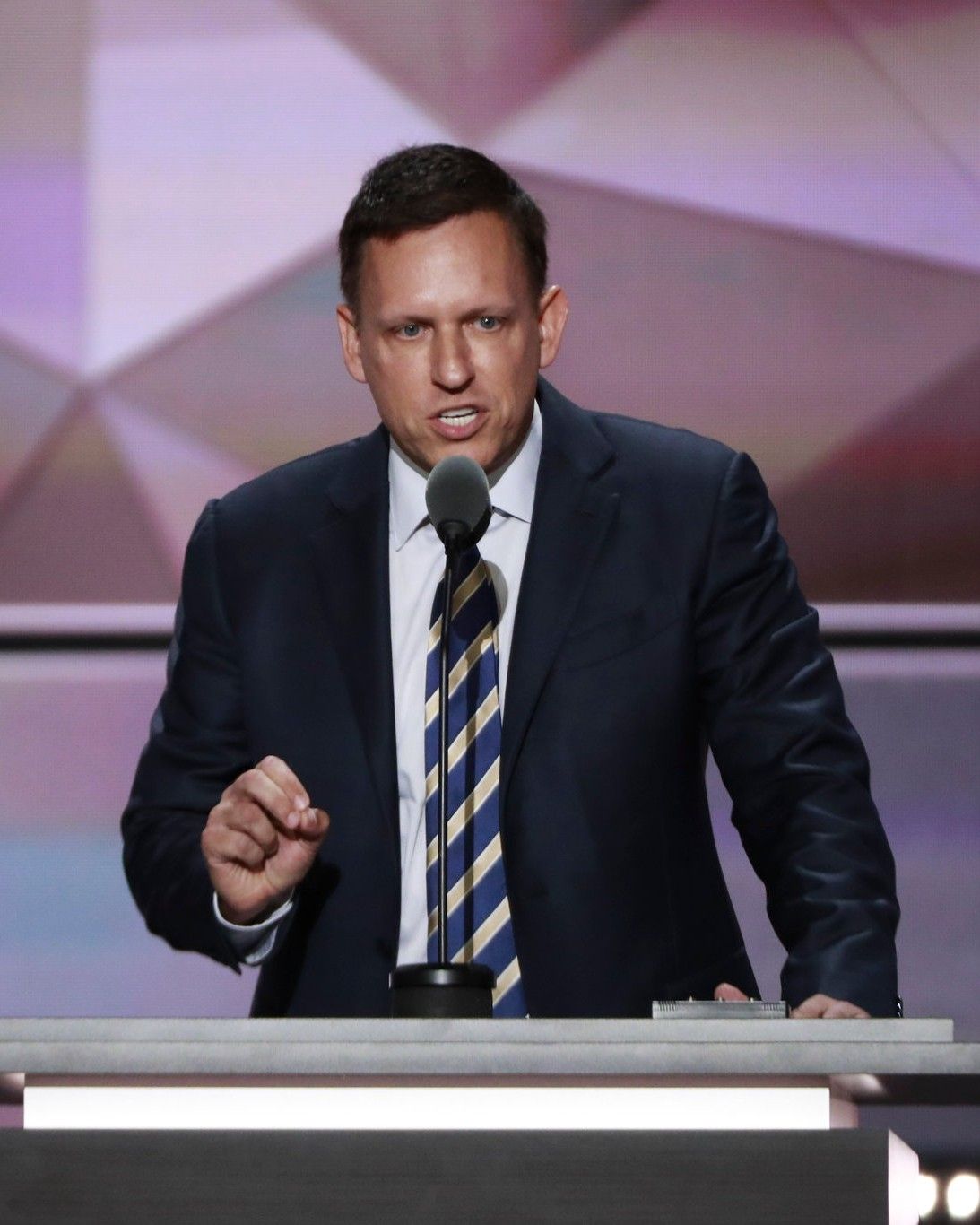
American billionaire Peter Thiel, co-founder of PayPal and Palantir Technologies, launched on Sunday in Rome a series of four closed-door conferences on the Antichrist. The event, held at a location kept secret until the very last moment—namely Palazzo Orsini Taverna—marks a new chapter in Thiel’s ideological crusade against what he defines as the risk of a “global totalitarian state” that would suffocate scientific and technological progress.
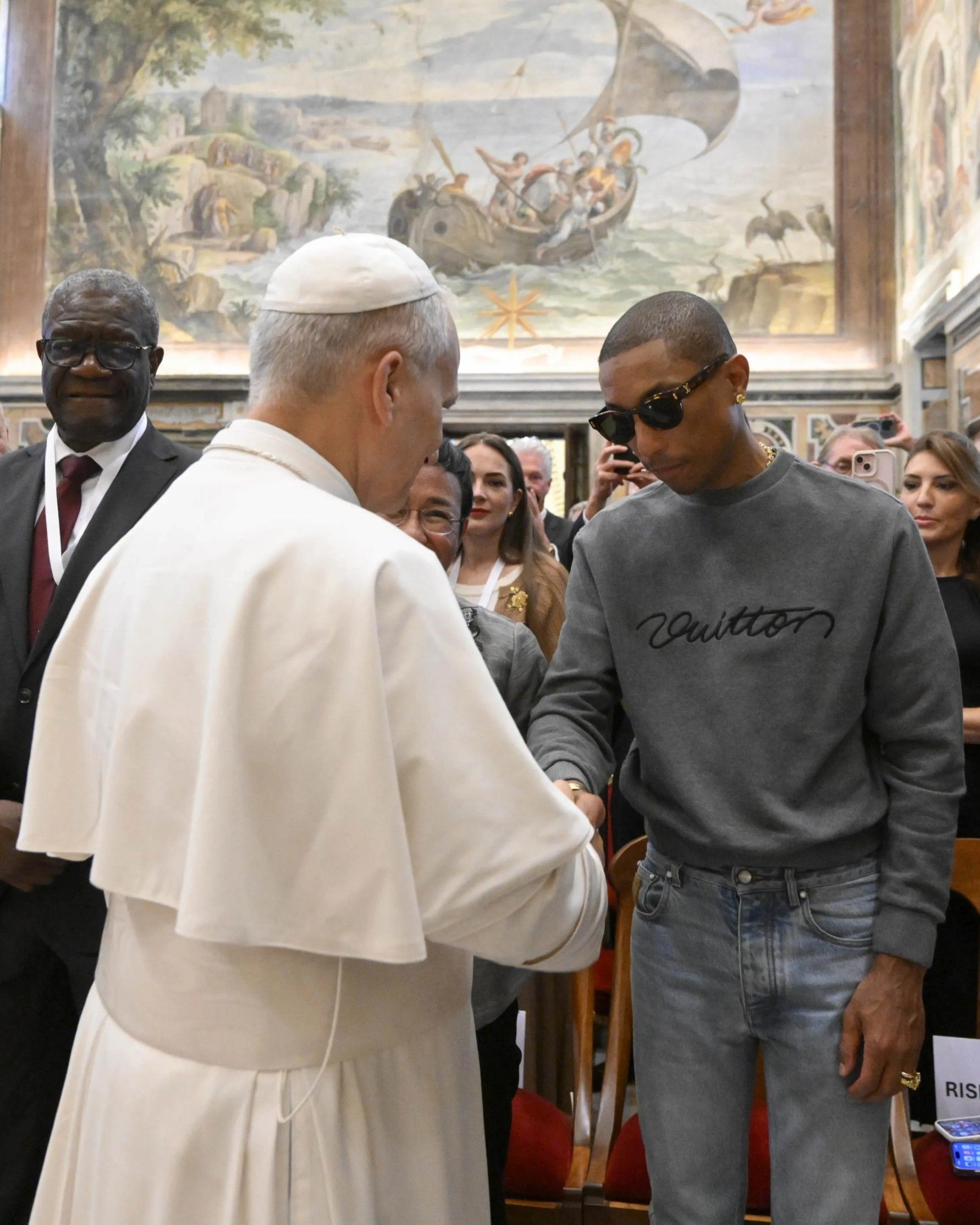
A financier of Donald Trump and JD Vance, Thiel is to say the least a controversial figure. He had already begun these secret conferences in the United States and is now bringing them to Europe, although the idea of organizing them in Rome, at the heart of Christianity, has understandably angered many, including the Church itself, whose Pontiff, Leo XIV, has already spoken out against the use of AI and the rise of technocracies. The conferences are not held in the Vatican, but their proximity to the papacy has sparked a wave of criticism from bishops, theologians, and Italian Catholic media, turning the initiative into a political and theological case of international significance.
What are these conferences?
@dreamforamerica_ What are your thoughts about Palantir? #palantir #peterthiel #antichrist #interview original sound - dreamforamerica
What Thiel has organized is a series of private conferences titled The Biblical Antichrist, which began in San Francisco last year and continued in Paris in January, and has now arrived in the Italian capital. The Roman edition is organized by the Vincenzo Gioberti Cultural Association, a conservative group founded three years ago by Alberto Garzoni, who studied political theory at Oxford and is president of the Catholics in the Conservative Party group in the United Kingdom; together with the Cluny Institute, an independent initiative born at the Catholic University of America.
Participation is strictly by invitation, the guest list is secret, and there is an absolute ban on phones or recording devices. According to the NY Times, attendees were mostly men in their 20s and 30s, some women, and at least one priest; many wore badges reading The Biblical Antichrist. Garzoni told the Financial Times that guests who collaborated with the press had to sign an NDA, while all others were bound by an implicit confidentiality agreement regarding the content of these conferences.
The Gioberti association described Thiel’s presence in the NY Times as “a special honor and a gift of Providence”, with the stated aim of “empowering conservative forces to reflect deeply on decisive issues for the future of the West and our civilization”. What raises concern, of course, are the political implications of these unusual conferences, whose guests, according to Wired, include Daniele Capezzone, editor of Il Tempo, and even one of the advisors to the President of the Chamber, Fontana, Cristiano Cerasani. Other participants included academics, financiers, students including seminarians from the North American College and the Angelicum, some priests, and figures from traditional conservative Catholicism.
What does Peter Thiel say?
Peter Thiel, perhaps the closest literal approximation to the Antichrist in existence, warns about the Antichrist and a “totalitarian one world government” — which is exactly what Peter Thiel is trying to create.
— Jim Stewartson, Decelerationist (@jimstewartson) February 4, 2023
I don’t use the word “evil” much, but this is what it looks like. pic.twitter.com/s4RpI4ObYN
We know something about the content of these conferences. Thiel, who grew up in an evangelical family and described himself as a “heterodox” Christian to the NY Times, sees the Antichrist not as a single figure, but as a totalitarian global system that will impose itself by promising salvation from risks such as nuclear war, climate change, and artificial intelligence, only to establish a single government that halts all progress.
“The way the Antichrist will take over the world is by talking about Armageddon nonstop,” he told the NY Times. “Talking about existential risk nonstop, and saying that therefore we need regulation… The thing that has political resonance is: we must stop science, we must say ‘stop’.” According to Thiel, those who push for technology regulation are precursors of the Antichrist because they seek to hinder scientific and technological progress in the name of safety. As explained by Bloomberg, this view is inspired by the work of two Catholic intellectuals: René Girard and Carl Schmitt. Theologians, papal advisors, and official Italian Catholic media have explicitly used the term “heresy” to describe his vision.
Thiel is convinced that the Antichrist could manifest precisely through global organizations that, in the name of combating dangers, create an oppressive super-state. It seems paradoxical, however, that Palantir, of which he is chairman, provides artificial intelligence systems to the Pentagon and is used in U.S. and Israeli operations against Iran, as well as by ICE to track migrants, effectively acting as a tool for the creation of a surveillance state. For Thiel, the salvation promised by religion, including immortality, would come from technology, not devotion.
How have Catholics reacted?
These conferences in Rome have angered practically everyone, beyond the usual far-right fringes. What Thiel says is in open conflict with the vision of Pope Leo XIV, who, incidentally, is expected to soon publish his first encyclical titled Magnifica Humanitas, which will address themes of justice, labor, and also technology, especially the rise of artificial intelligence. The Pope has already repeatedly warned the faithful about the dangers of AI, calling for stronger regulation “not to stop innovation, but to guide it and to be aware of its ambivalent nature”. Leo XIV and U.S. bishops have also harshly criticized Trump’s immigration crackdown, even as Palantir benefits from multimillion-dollar contracts with ICE.
The newspaper Avvenire has published a barrage of articles that describe Palantir as “a Big Brother that makes Orwell’s prophecies pale”, accuse Thiel of proposing “devices that ultimately restrict what is most human in humanity”, and call him an “agent of chaos”. The theologian Massimo Faggioli of Trinity College Dublin told the Financial Times that this is “an operation hostile to the papacy” because “this pope is very critical of AI and Thiel is one of the lords of AI. It is an attempt to create an alternative American circle in Rome in competition with what Leo XIV says”. Faggioli also added that the Vatican sees in Thiel “a violent project to manipulate the future” and that “if you believe every solution—and ultimately salvation, immortality—comes from technology, then you have made technology your god”.
Father Paolo Benanti, the Vatican’s advisor on AI, wrote in Le Grand Continent that Thiel’s career “can be read as a prolonged act of heresy against the liberal consensus: a challenge to the very foundations of civil coexistence”. Benanti described Thiel’s vision as “disturbing” because it distorts the three pillars of Western culture (namely competition, technology, and the individual) to the point of producing “results radically divergent from the shared democratic project”.
Two Catholic institutions have also distanced themselves: the Pontifical University of Saint Thomas Aquinas (where Leo XIV wrote his doctoral thesis) denied hosting the event, and the Catholic University of America clarified that the Cluny Institute is independent. Even the possibility of a Mass in the Tridentine rite at San Giovanni dei Fiorentini was denied by the parish priest and the Diocese of Rome.