



























«Media lacks authority nowadays», interview with Luca De Gennaro The rise and fall of youth media, as told by those who brought it to success
December 31 will mark the last day it will be possible to watch MTV music channels across Europe. The news, announced last October, sparked a wave of outrage and nostalgia across the internet, once again bringing to the forefront the theme of the permanent crisis that traditional media have been going through for nearly fifteen years, since the rise of social media. But was it really that unexpected? MTV, radio, and niche magazines were media that, between the 1980s and the 2010s, managed to channel the zeitgeist of entire generations and subcultures.
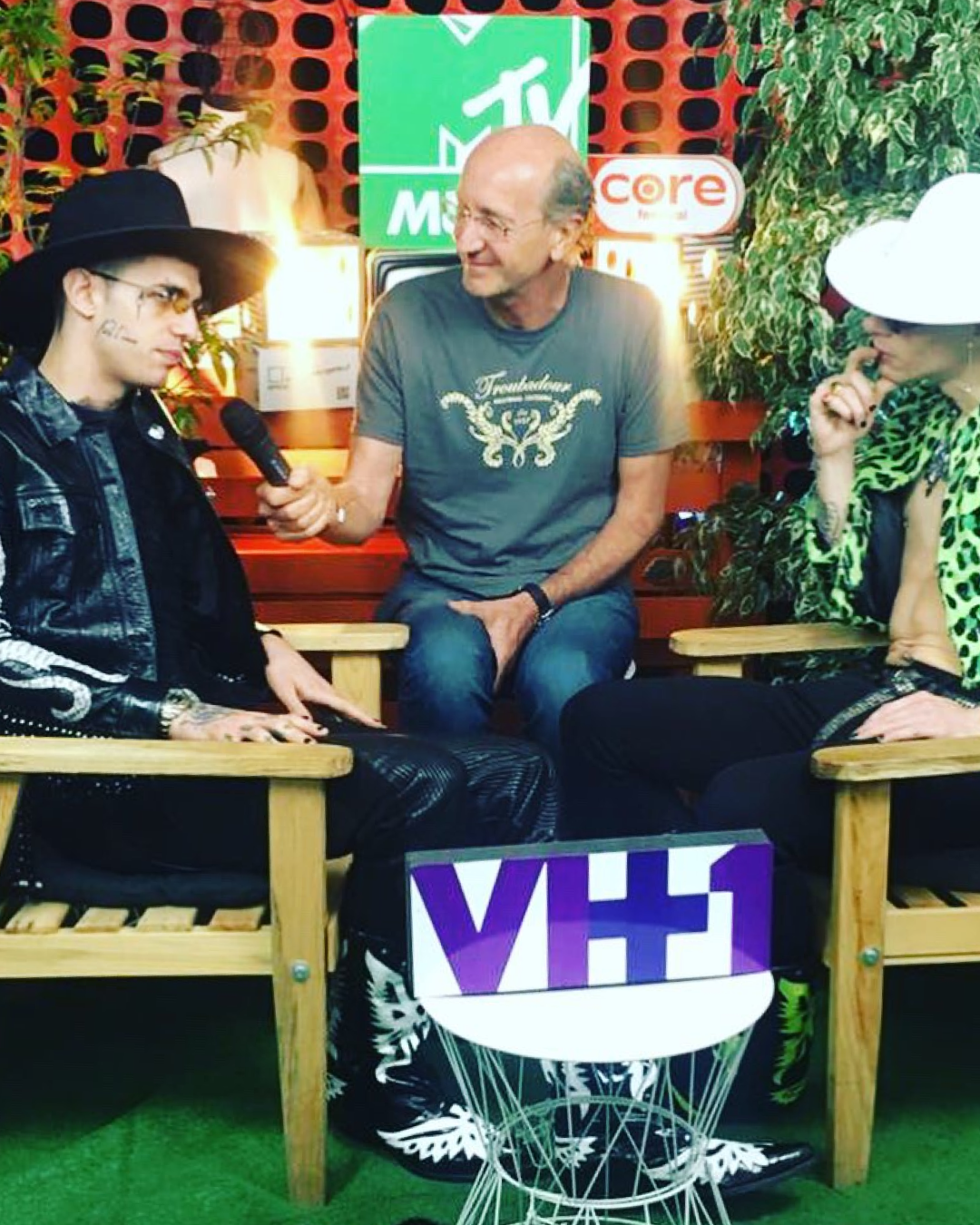
And yet many overlook just how difficult, if not impossible, it has been for these same media to keep up with the technological revolution imposed by new digital platforms. The warning signs had already been there for about a decade, but to understand what broke down in the relationship between traditional media and new generations, we spoke with someone who experienced the golden age of youth-oriented media firsthand and also helped shape its success in Italy: Luca De Gennaro. A legendary DJ, anchor at Radio Capital, currently Head of Music Content at Paramount Global, as well as former Head of the Talent & Music department of the very first MTV Italy.
Today, social media often celebrates non-linear career paths, and yours is a prime example. You started out as a disc jockey, then became a radio host, a television executive, a journalist and music critic, and are now also a lecturer and published author. Was this a natural progression or a shift driven by necessity?
Luca De Gennaro: Naturally, we need to go back about half a century, since I started working in the first free radio stations in ’76, when I was still in high school. At the beginning it was a hobby, and I remember that when the owner of the radio station in Genoa gave me my first monthly paycheck, I asked him: «Why are you giving me money? I come here to have fun».
Then my career began to intertwine on its own. At twenty I wanted a change of scenery, so I moved to Rome, eager to explore new things and step into adult life, and at that point the little money you made from private radio was no longer enough to get by. So I began to integrate all my activities: radio, club DJing, writing articles, and then, gradually, television, events, books, and university teaching. My mission has always been to take music and bring it to the public through whatever medium was necessary. Everything else came with time.
In 2025, media dedicated to young people have practically disappeared, absorbed by social platforms. What was it like working on something for young people, made by young people?
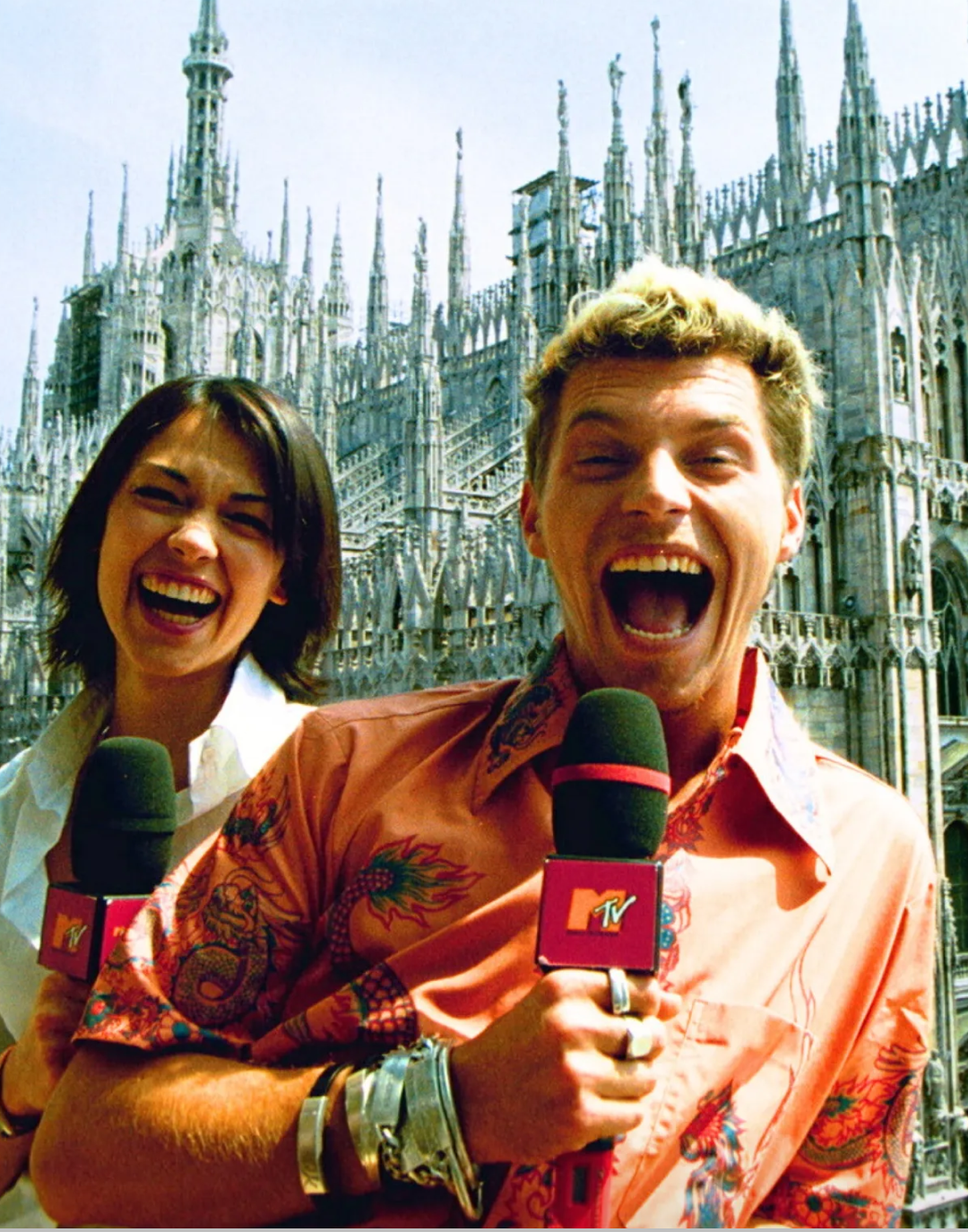
LDG: When MTV arrived in Italy in 1997, nothing else really mattered. I had the chance to join the very first team that launched the channel on TV, making some radical choices along the way: keep in mind that I had been working at RAI for 15 years, and the idea of leaving everything behind, moving to Milan and completely changing my life was terrifying, especially since I had just gotten married and had just become a father. At a certain point, though, I told my wife that I simply couldn’t let that opportunity pass. MTV was the most important youth-oriented medium in the world, and turning it down was basically unthinkable.
An unpublished anecdote? Is it true that MTV sought you out?
LDG: Yes and no. The very first Italian manager of MTV’s initial core team had been a listener of mine when I was at RAI Radio. He reached out saying there would be a need for people like me. I still went through the interview process like everyone else, but the opportunity came up and I took it.
What do you think was the key to MTV Italy’s success? The programming was very different from the US parent channel.
LDG: At a certain point, MTV Italy was almost an example for other countries. The US and the UK were looking at the extraordinary results of a channel that worked far better than many other markets and was the absolute leader among young audiences. If you wanted to invest in young people, you invested in MTV, which is why it never struggled with advertising. Many channels simply replicated Anglo-American formats, while we chose to invest in local culture.
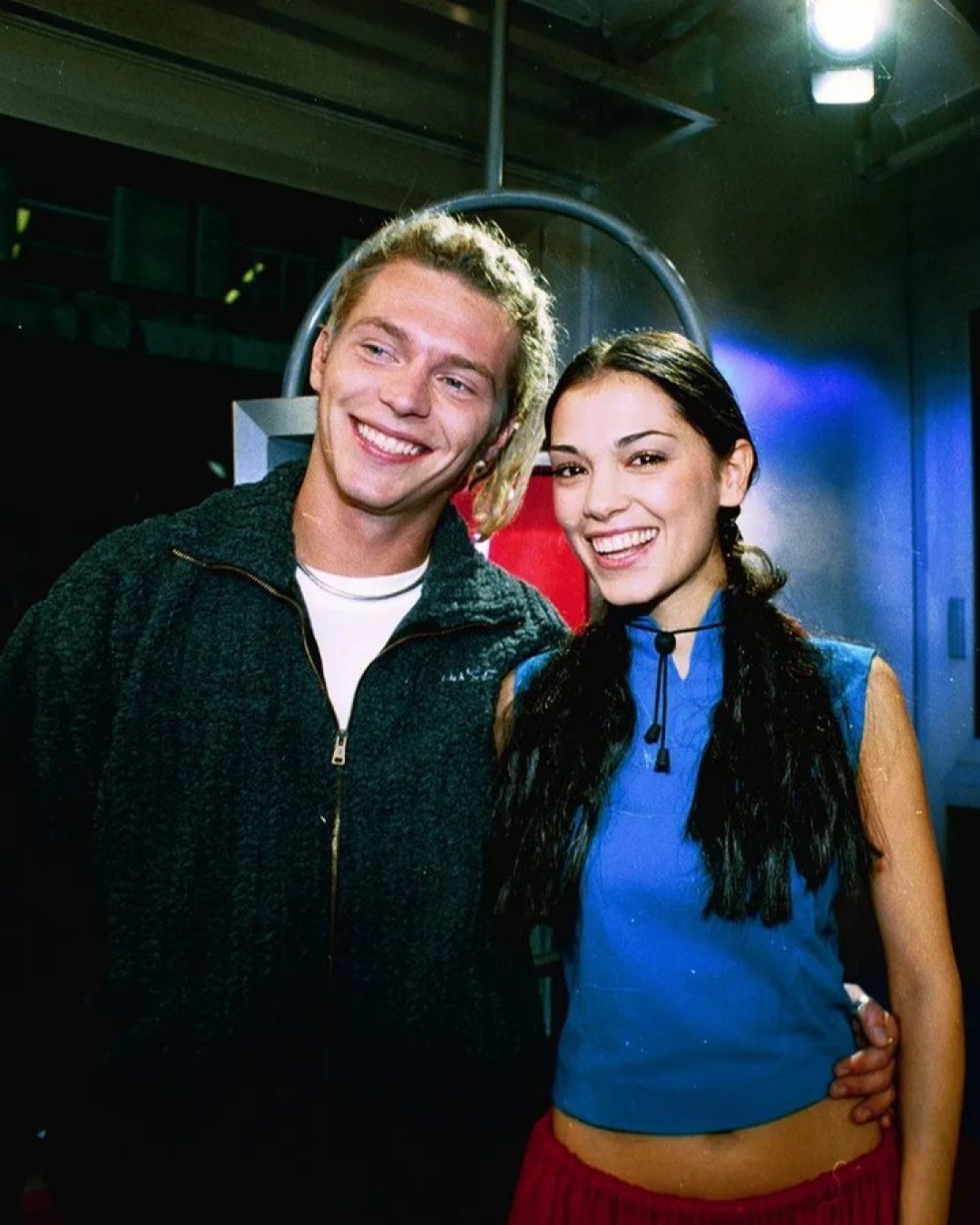
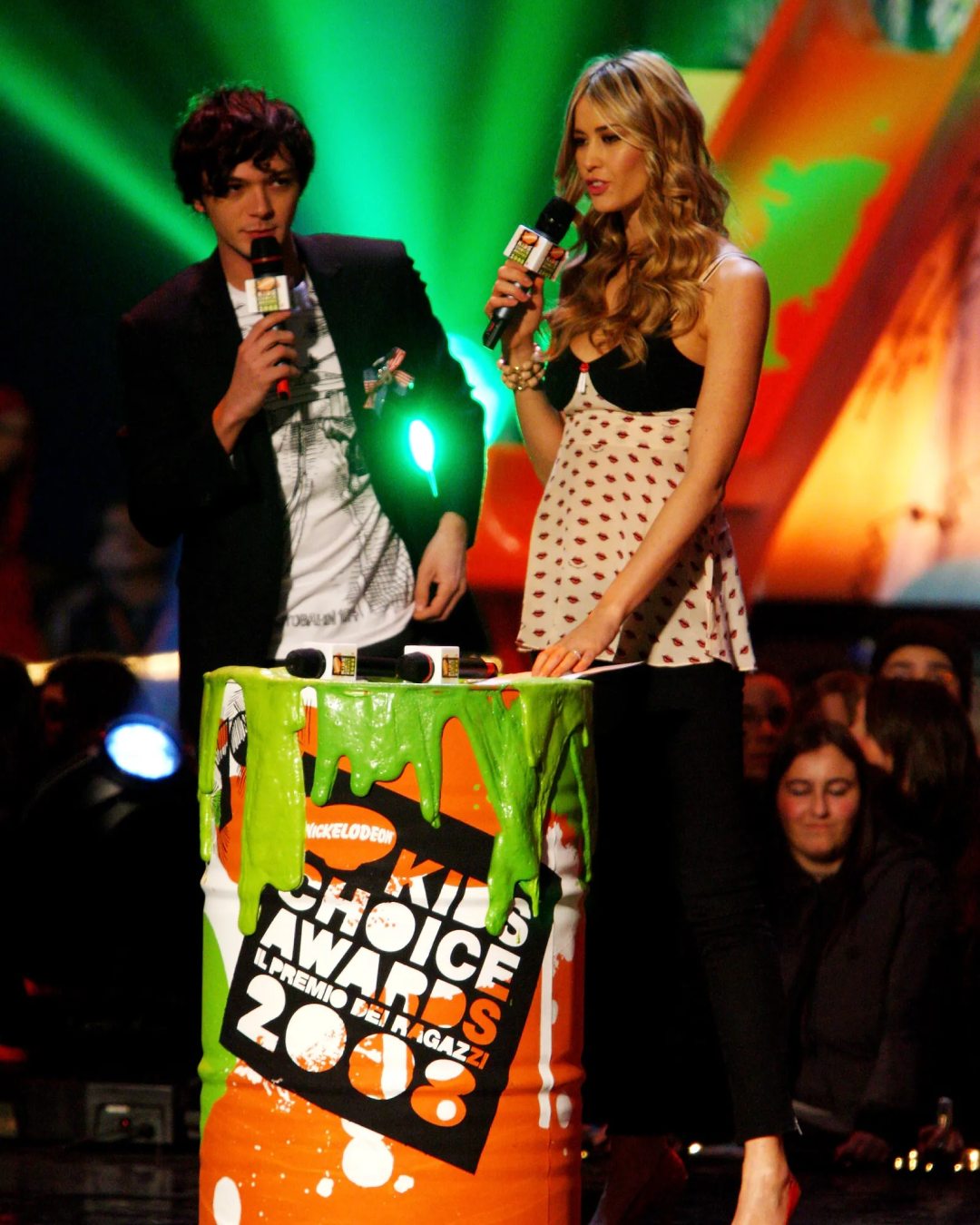
That’s why MTV became the last true training ground for new television faces in Italy: Cattelan, Camila Raznovich, Victoria Cabello, Marco Maccarini, Giorgia Surina. An entire generation of hosts got their start there. The same goes for I Soliti Idioti, if I’m being honest; sometimes it bothered me when people called them a YouTube phenomenon, because they were really our thing [laughs].
In your latest books you talk about the 1980s and then the 1990s as crucial decades for music and subcultures. What came next? What were the 2000s?
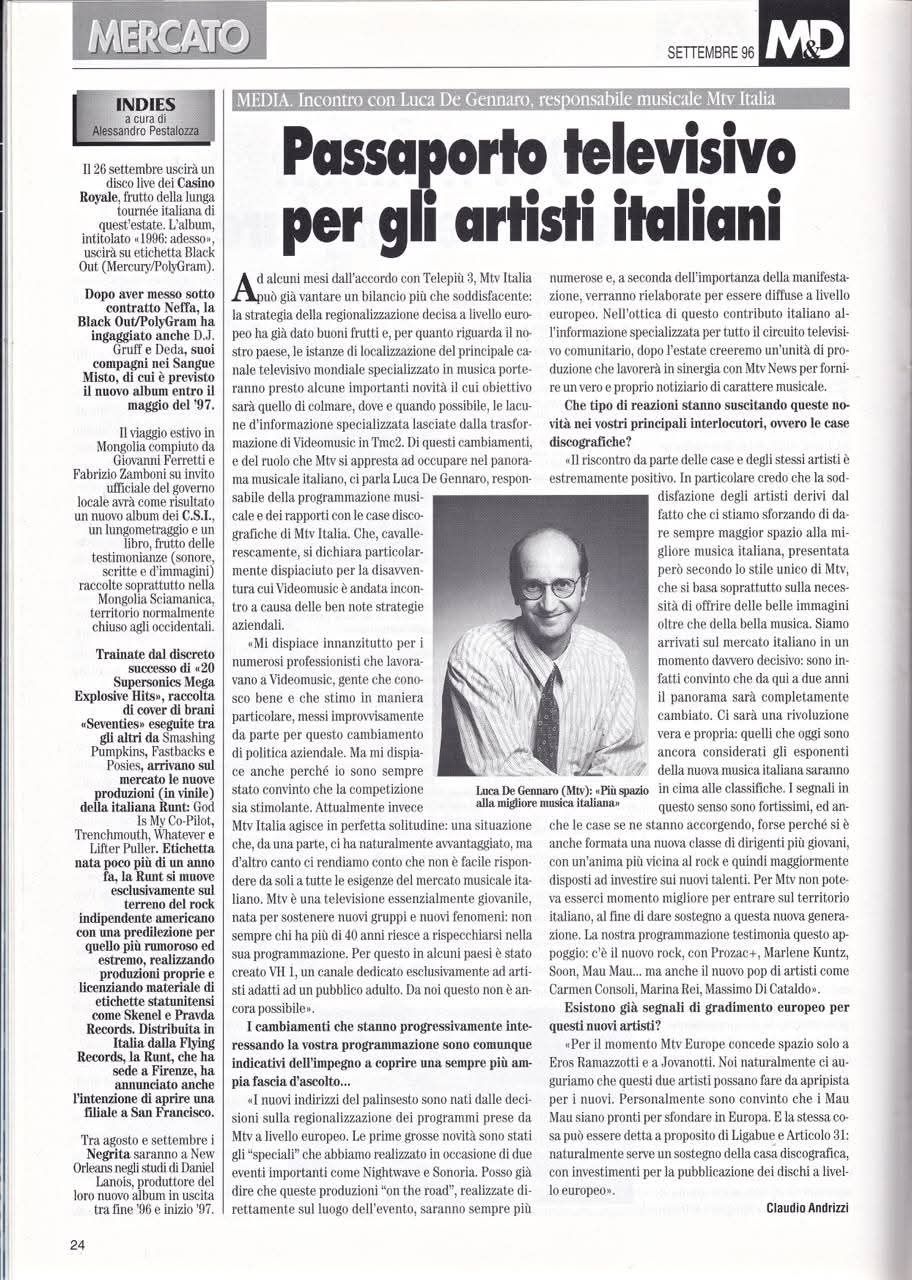
LDG: My last two books focus on two five-year periods: Pop Life covers the years from 1982 to 1986, with the arrival of MTV and the compact disc; and Generazione Alternativa spans 1991 to 1995, the era of Nirvana, Lollapalooza, but also boy bands and pop stars. When MTV arrived in Italy in ’96, the landscape was already changing: there was an underground Italian music scene in need of a voice, and I told my boss, «We should be that voice».
Early Subsonica, Bluvertigo, then Meganoidi, Africa Unite, Afterhours, as well as new female figures like Elisa and Carmen Consoli. And right after that, the first wave of Italian rap: Club Dogo, Fabri Fibra, Mondo Marcio. I still remember the first time I saw a live Italian rap show at a night in Rome and immediately thought it was perfectly aligned with MTV’s DNA, so we had to become the spokespersons for this new genre. Looking back, I’d say that was probably the last period when the “youth” category truly called the shots, since the market was shaped by 15-to-35-year-olds. Today, instead, it’s shaped by pre-teens, because they’re the ones influencing TikTok, Spotify, the charts, and what counts as relevant.

What is your opinion of today’s media landscape? What went wrong in the relationship between traditional media and Gen Z?
LDG: There are too many media outlets, just like the Police sang: too much information. We’re bombarded with impulses, and this erodes authority. When we were kids, if the radio said something, then it was true; if a newspaper published something, that thing was true. Today, we can’t believe everything that gets written just to chase clicks.
Just the other day, someone asked me, «Why isn’t there an entity like MTV anymore?» Because today anyone is a media outlet. Once, MTV was the media and artists were the content. Everyone wanted to be on MTV because it meant reaching a very specific audience. But from YouTube onward, artists realized they could broadcast directly from their own channels. And when an artist becomes a media outlet more powerful than the media itself, the battle is lost.
Is there a moment in your career you will never forget?
LDG: If I think of a figure who truly fascinated me, I’d say David Bowie. I was lucky enough to spend half an hour with him. To me, he was almost a deity. And in that moment you realize that all the years of work you’ve put in suddenly make sense. It’s like your high school finals: when you pass, everything falls into place.
Last question: what do you hope for the media of the future?
LDG: That they reclaim authority. That they create content people can trust. We need to move away from the sloppiness, superficiality, and lack of rigor I see in contemporary media. Those who truly stand out do so because they combine immediacy with intelligence, but above all, reliability. That, to me, is the only real way forward.