.gif 2000w)







































How will smartphones change in the future, if they change at all? Elon Musk’s hypothesis on the Joe Rogan Experience sparked a lot of discussion, but there’s a catch
Not everyone knows that in the United States, the most popular podcast of all is the Joe Rogan Experience, which has over 14 million followers on Spotify and more than 18 million on YouTube. The show has now become a mandatory stop for major American entrepreneurs and politicians, among others, and has long been recognized as the main reference point for the so-called “intellectual dark web”, meaning a heterogeneous bubble of people united by their opposition to the perceived dominance of political correctness and “woke” culture. This latter term, in particular, has been adopted by the American conservative movement in an attempt to refer – in a derogatory way – to what it sees as a dangerous trend within the left: an excessively rigid and uncompromising attitude regarding gender issues and civil rights. It is therefore not surprising that even Trump himself appeared on the Joe Rogan Experience, shortly before being elected President of the United States, in an episode of the show that lasted several hours and went on to receive over thirty million views in just two days. The podcast hosted by Joe Rogan, in fact, has an audience composed mainly of male, white, and conservative users, and the show has enormous influence on the younger and less educated segments of the U.S. population.
@flowcreate_ Are intelligence agencies reading Elon Musk’s phone? Crazy if true… but would it even surprise you? #fyp #ForYou #ForYouPage #4u #viral #elonmusk #joerogan #podcastclips #ai #futureofAI #technology #innovation #mindblown #realitycheck #simulationtheory #future #technews #trending #viralvideo #deepthoughts #AItalk #philosophy #TechTok #mustwatch #science #FutureVision Originalton - FlowCreate
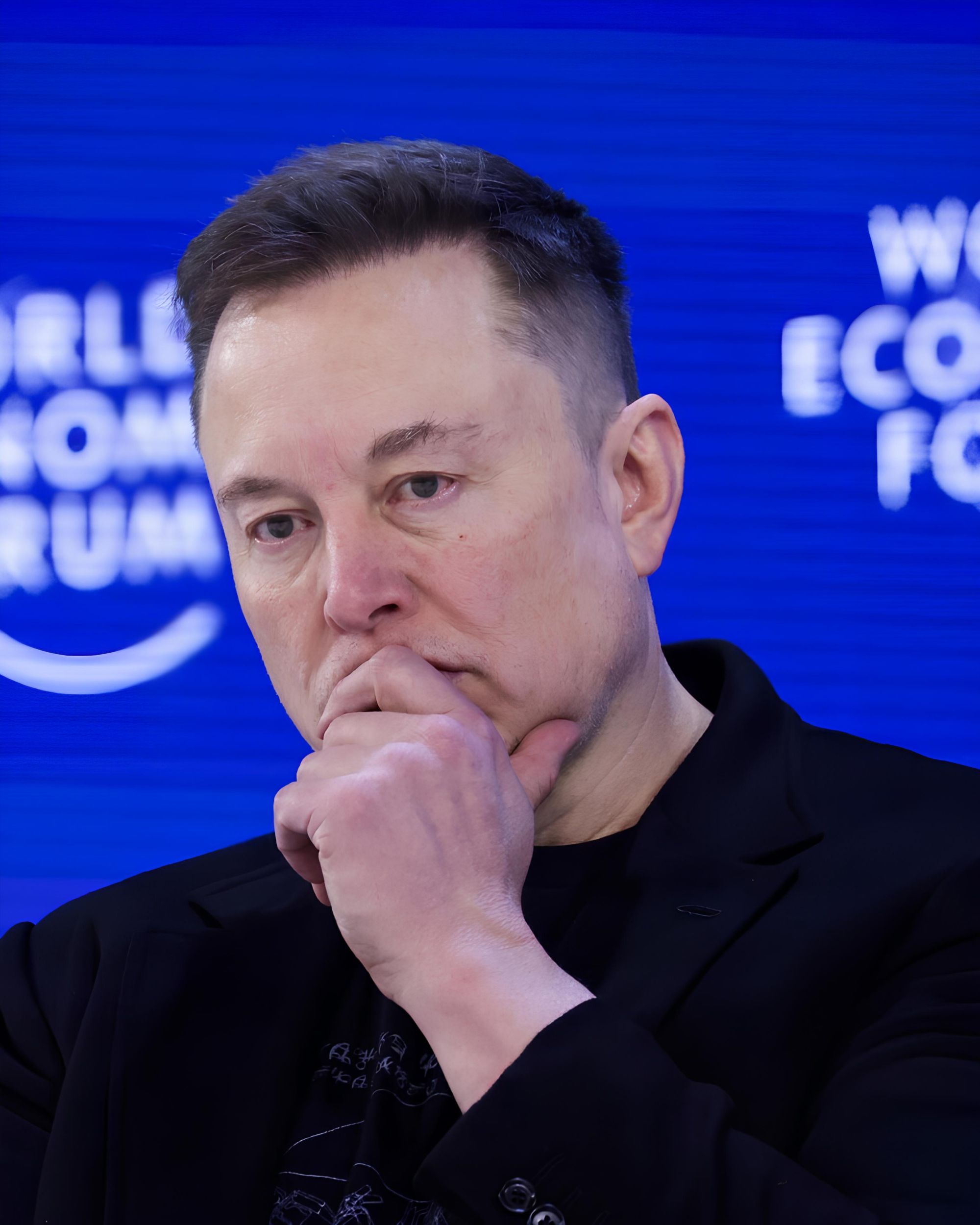
Despite ongoing doubts about the journalistic quality and credibility of the podcast, the Joe Rogan Experience recently returned to public attention thanks to an episode on the future of smartphones (a debate that periodically resurfaces within the intellectual dark web), featuring Elon Musk as a guest. According to the Tesla CEO, in the coming years smartphones will be replaced by technological solutions constantly connected to external servers: Musk claims that most data processing will no longer occur locally, but will be handled by vast data centers owned by major tech companies. The entrepreneur essentially described a device that functions similarly to the so-called “cloud gaming” model, where video games are processed by external servers and individual users connect to them via a dedicated device.
What doesn’t add up in Musk’s description of the smartphone of the future
The ambition to create such smartphones is, for the moment, hindered by current technological and cultural limitations: replacing such a deeply entrenched device as the smartphone, supported by an enormously influential industry, is inherently very complex – although it must be noted that the adoption of a new technology does not necessarily imply the disappearance of previous ones. But on the Joe Rogan Experience, the CEO of Tesla also suggested that the current ecosystem made up of thousands of apps could be replaced by a few large applications capable of offering – in a single environment – most of the functions and services that users need. In fact, this is not the first time Musk has addressed the issue: in the past, shortly before acquiring Twitter and later turning it into X, he said the social network should become an “everything app”, meaning an application through which users can perform many different actions – from sharing photos and videos, to making online and in-store payments, to ordering food delivery or calling a taxi, among many others. The topic has long been discussed in the Western tech sector, especially in the circles of Silicon Valley: the main reference point is highly successful platforms in Asia, such as WeChat – which indeed provides a wide range of services simultaneously, including initiating divorce procedures or applying for a mortgage.
The Tesla Phone is not a real product. Elon Musk mentioned in an interview on The Joe Rogan Experience that Tesla could create a smartphone with its experience building Linux-based software for cars. It’s not in development, and there’s no evidence right now that it’s being…
— Brent Allen (@ProgramMaker) September 7, 2025
Even though it is not unlikely that in the coming years the consolidation of services will gain more traction, the gap between the most commonly used applications in the West and the Asian everything apps will not be easy to bridge, and there is no guarantee that such a model can work everywhere, partly due to social and cultural differences among continents. In short, just like the smartphones constantly connected to external servers, the spread of super-apps could also be more complicated than expected. It is no coincidence, after all, that this model took hold specifically in Asia, where the arrival of the Internet was late but explosive, rapidly and radically transforming numerous developing sectors, with significant repercussions on society.