


























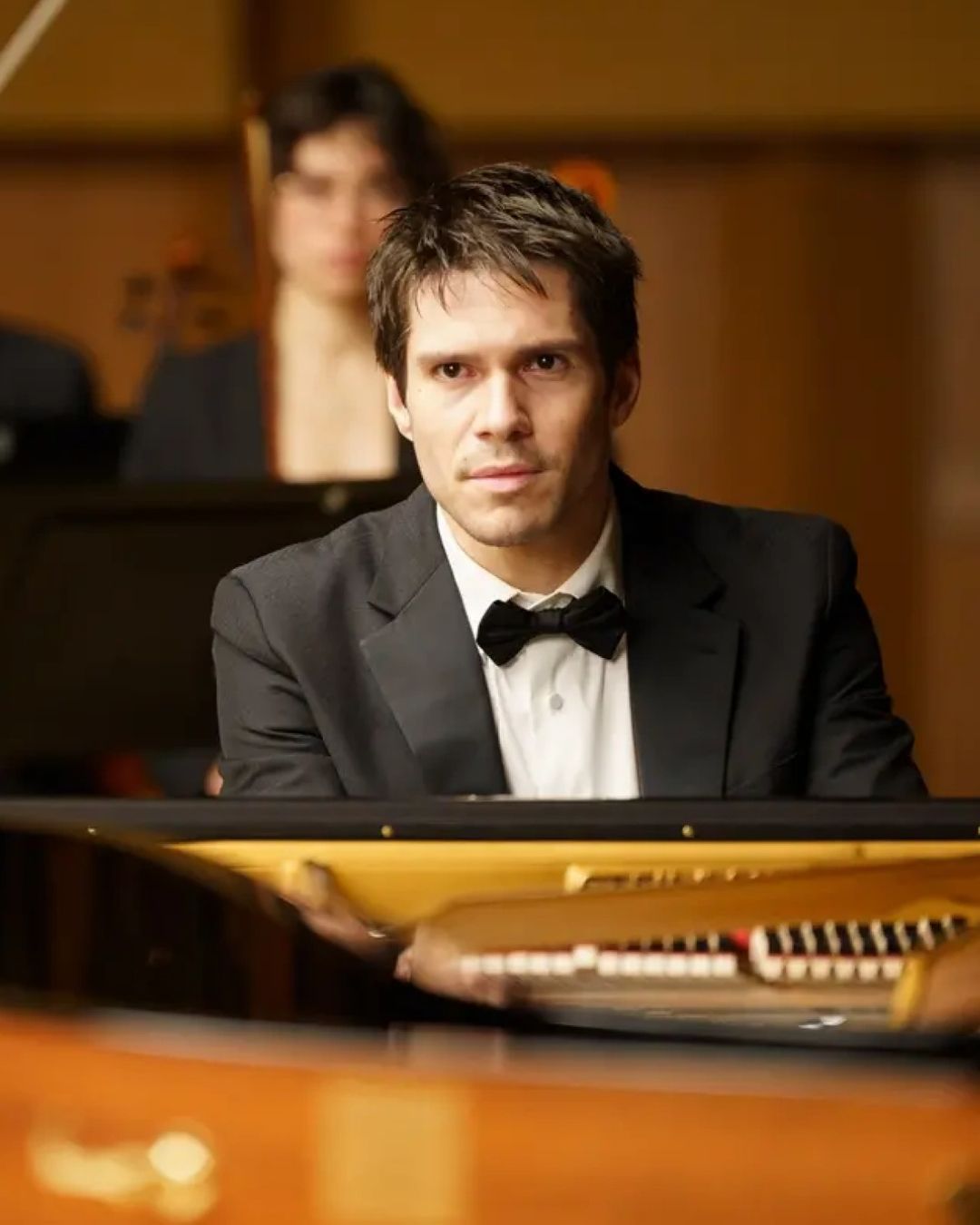
The sometimes harmonious, sometimes discordant love of "Two pianos" François Civil and Nadia Tereszkiewicz are the protagonists of Arnaud Desplechin's film
In relationships, nothing is fixed, everything is changeable. A sentence can mean many things, a glance can be worth more than a thousand words. But if many sentences are said and many glances are exchanged, sooner or later, a conclusion will have to be reached. This is not entirely the case with Deux pianos, the new film by Arnaud Desplechin premiered at the Toronto International Film Festival, which nevertheless strives to give a musical and nuanced connotation to love, trying to incorporate all its contradictions into the film starring François Civil and Nadia Tereszkiewicz. The screenplay could therefore only be full of them. Some might say it is exactly like reading the score of a melody, like trying to blend the fast, the slow, the allegro, and the adagio into a single symphony. The result, however, risks appearing disconnected and uneven, and this is how Deux pianos unfolds, sometimes successfully harmonizing elements of its composition while pausing and wandering too much when emphasizing others.
The story begins with a kind of trio that ends up becoming a duo. Mathias (Civil), a talented pianist, returns to Lyon where he meets Claude (Tereszkiewicz), in an appearance so unexpected that he faints, so strong is the emotion and shock of being confronted with the woman who once held importance in his life. From the start, it is clear that the two have loved each other. Or, at least, that the man desired her passionately. Meanwhile, however, Claude has become a wife, a mother, and it is her son Simon who stands at the center of a possible rekindling between the protagonists. When he encounters him in the park, Mathias notices a striking resemblance to himself at that age. The destinies of the musician and the young woman thus cross again, years after the night of love they shared.
In the separation and reunion of Mathias and Claude lies all the flexibility allowed in a composition, which in Deux pianos constantly shifts while keeping at its center the wide and varied range of emotions of the characters. The protagonist seeks a balance point in his life and career; he feels the ground beneath him risk collapsing, especially when even his mentor Elena, played by Charlotte Rampling, who has always been fond of the young man’s talents and embodies professionalism at its highest, seems to want to step back. Meeting Claude will not help him. And perhaps this is why exchanges between the characters often seem too abrupt, driven more by the desire to build an unusual and different kind of love than by genuinely understanding it. A drifting through a wide spectrum of moods and emotions that the film certainly does not seek to reconcile, but becomes problematic if they do not even align in the screenplay.
The same goes for the actors’ performances, who, however, can only execute what the text demands, exactly like a musician facing the pages of a score. He tormented and in the grip of alcohol and confusion, caught off guard by a sudden (and poorly handled) bereavement, and she by the return of the man in her life, in Deux pianos, Civil and Tereszkiewicz have good chemistry, but overall do not elevate the modest, though not exceptional, work. An interesting pair that reconfirms both as the freshest faces in the French scene, with François Civil once again in contact with a living and effervescent material like music, explored differently in the musical and dynamic operation of L'Amour ouf by Gilles Lellouche released in 2024. Deux pianos is therefore a concert that sometimes sounds off-key, while still being able to carry the performance to its conclusion with dignity. A duo with fragile harmonization, even if inside one can glimpse its soul.
What to read next
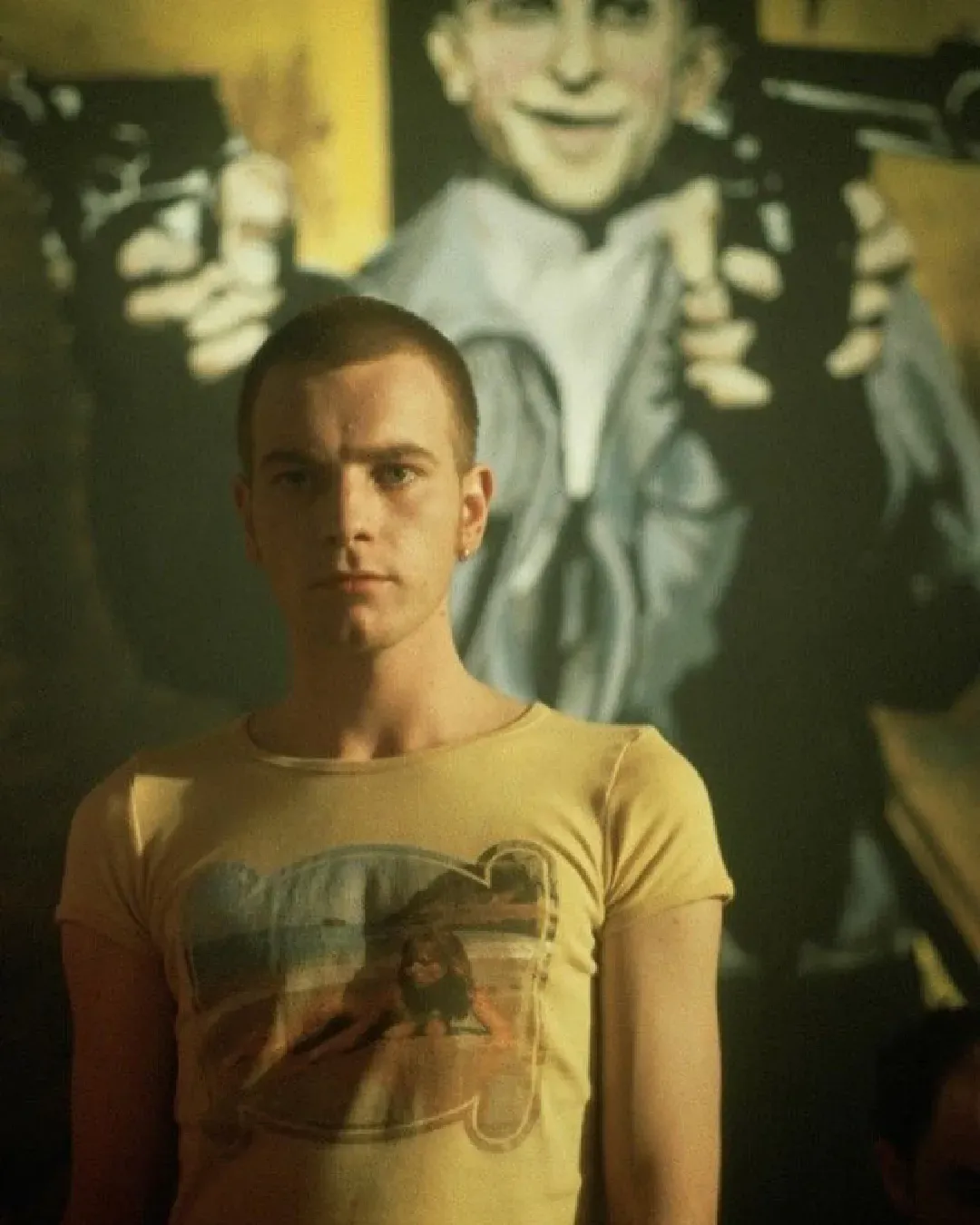
5 trends that Trainspotting anticipated Back in 1996
There is much more to the film than the famous Helmut Lang tank top
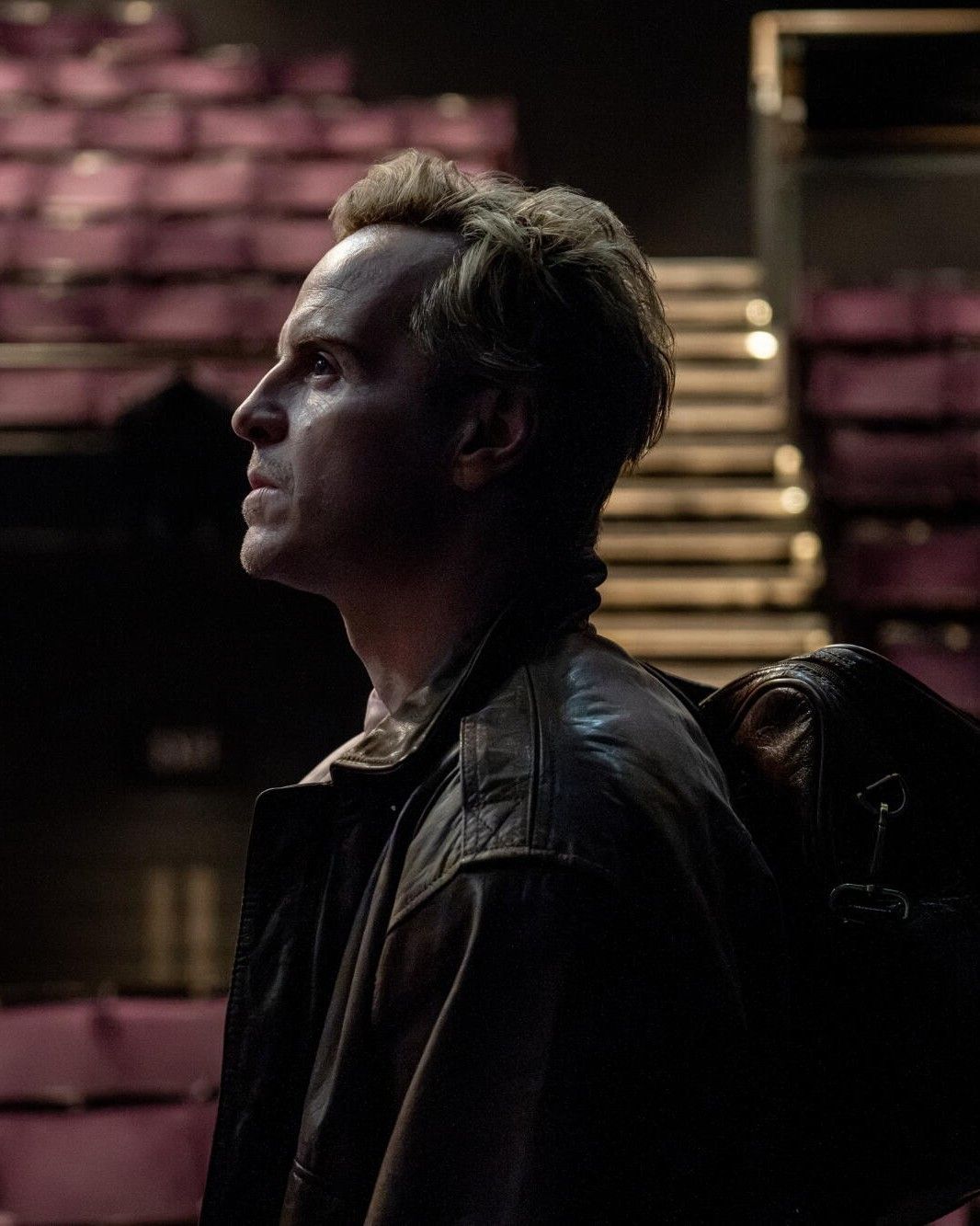
Andrew Scott gives the best performance of his career in "Elsinore"
Simon Stone's film tells the true story of actor Ian Charleson and his production of "Hamlet"
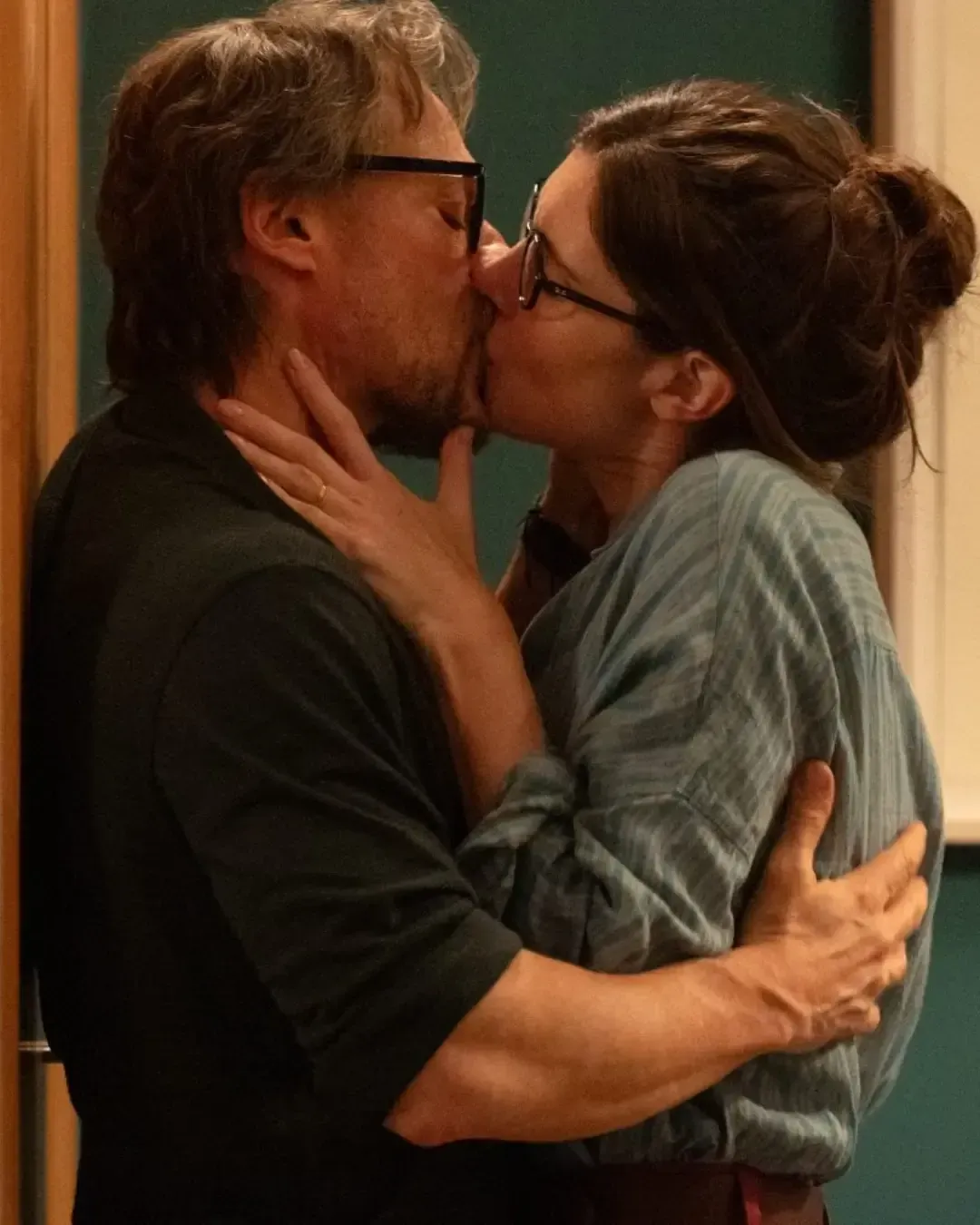
"Il rumore delle cose" by Paolo Genovese opens the 2026 Rome Film Festival
The film, adapted from Genovese's novel of the same name, is nonetheless the usual Italian drama