

































The Italian film industry is increasingly struggling The new budget law has included cuts that will heavily impact the cultural sector
Recently, the Italian Council of Ministers, the main executive body of the State, approved the draft budget law, the most important and demanding measure of the year, which outlines how the government will spend its economic resources in 2026. The measure will now be examined by Parliament, which must approve it by December 31 – during this stage, adjustments may be introduced compared to the government's initial proposal, which in the meantime has defined the general framework of the measure. The plan has a total value of €18.5 billion, a relatively modest amount, financed through tax increases, spending cuts, and, to a limited extent, recourse to the deficit, i.e., contributing to increasing public debt. But this prudence in managing public finances does not necessarily guarantee positive results, at least in the short term. «For a country with high public debt like Italy, prudence in managing public finances is [...] mandatory,» commented the Bank of Italy, although emphasizing that it would be appropriate to allocate more resources to investments, growth, productivity, and innovation – areas where the government’s measure has been very (perhaps too?) cautious.
How cinema will change in Italy
The draft budget law includes several cuts to the cultural sector. In particular, funding for the Fund for Cinema and Audiovisual next year is expected to decrease by €150 million, reaching a cut of €200 million in 2027. «Let’s get ready because, if confirmed, with these measures in the budget, the world of cinema and audiovisual in Italy is heading toward a certain crisis,» said Alessandro Usai, president of Anica, the association representing companies in the film industry. These cuts are part of a gradual reduction of resources allocated to the Italian audiovisual sector, a field that for decades has contributed to the economic and cultural growth of the country, but in recent years has been particularly affected by some government measures. «The proposed cuts [...] put the entire film industry at serious risk, from production to the entire distribution chain and other sectors, particularly affecting thousands of cinema screens, the companies that manage them, and all workers,» stated Anec (National Association of Cinema Exhibitors), which represents the owners and managers of movie theaters in Italy. «How was it possible that, after years of actions, projects, and initiatives [...] for the recovery of the film market, such a measure has emerged?», asks Anec.
UNITA - Unione Nazionale Interpreti Teatro e Audiovisivo sui tagli al Fondo Cinema e Audiovisivo presenti in Legge di Bilancio "CINEMA, ADDIO"https://t.co/rx0fE9Mz9b pic.twitter.com/CfTSNTDgAE
— RB Casting (@RBcasting) October 22, 2025
Already last year, the Ministry of Culture updated the ways it supports the production of films and TV series in Italy. The reform was introduced about a year after the halt of state funds, which had stopped much of the national film production, already stagnant compared to previous years. The declared objective of the Meloni government is to restrict the number of works that can access public funding, thereby reducing the available resources. According to many observers, this measure reflects the nationalist policies of the right-wing majority, aimed at weakening the cultural field. Rivista Studio, in an article on the conflicting relationship between the executive and the cultural sector, described this strategy as a real «economic censorship», highlighting how similar phenomena are also present in countries like Hungary, among others. Tomasz Kirenczuk, artistic director of the Santarcangelo Festival, one of Italy’s most famous performing arts events, said on this matter: «What is happening in Italy closely resembles the darkest periods of the cultural policy of the Law and Justice government in Poland».
What to read next
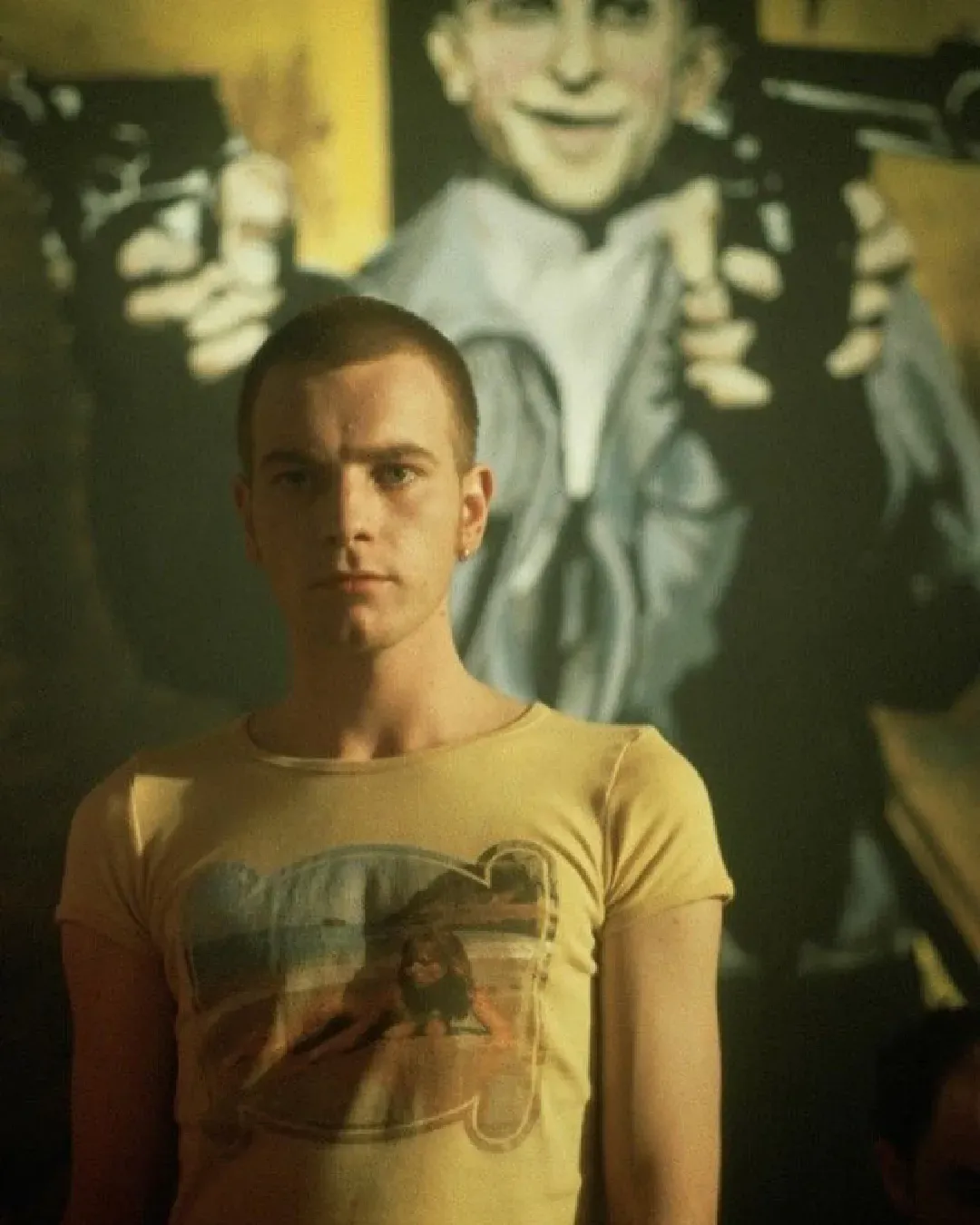
5 trends that Trainspotting anticipated Back in 1996
There is much more to the film than the famous Helmut Lang tank top
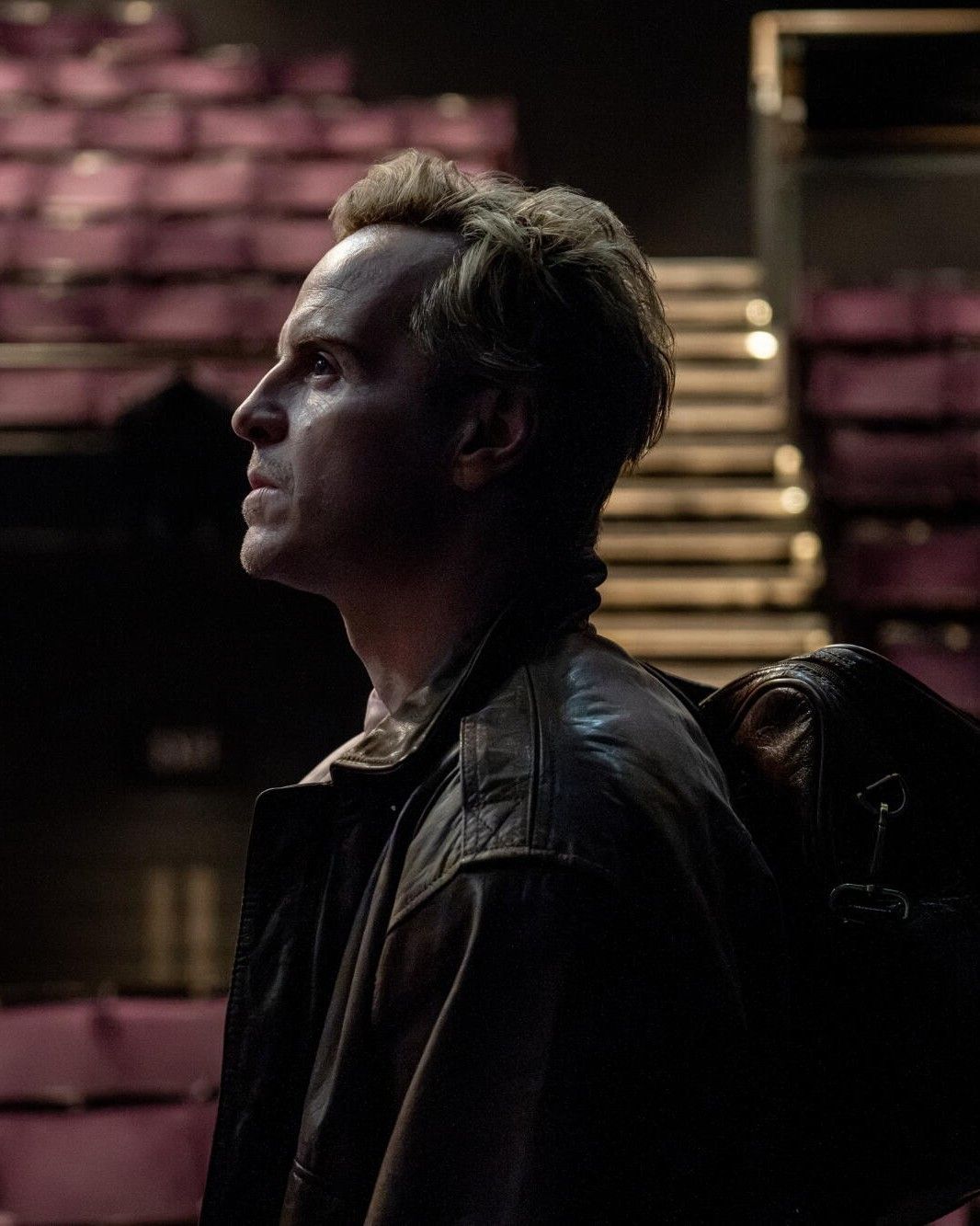
Andrew Scott gives the best performance of his career in "Elsinore"
Simon Stone's film tells the true story of actor Ian Charleson and his production of "Hamlet"

"Il rumore delle cose" by Paolo Genovese opens the 2026 Rome Film Festival
The film, adapted from Genovese's novel of the same name, is nonetheless the usual Italian drama