






























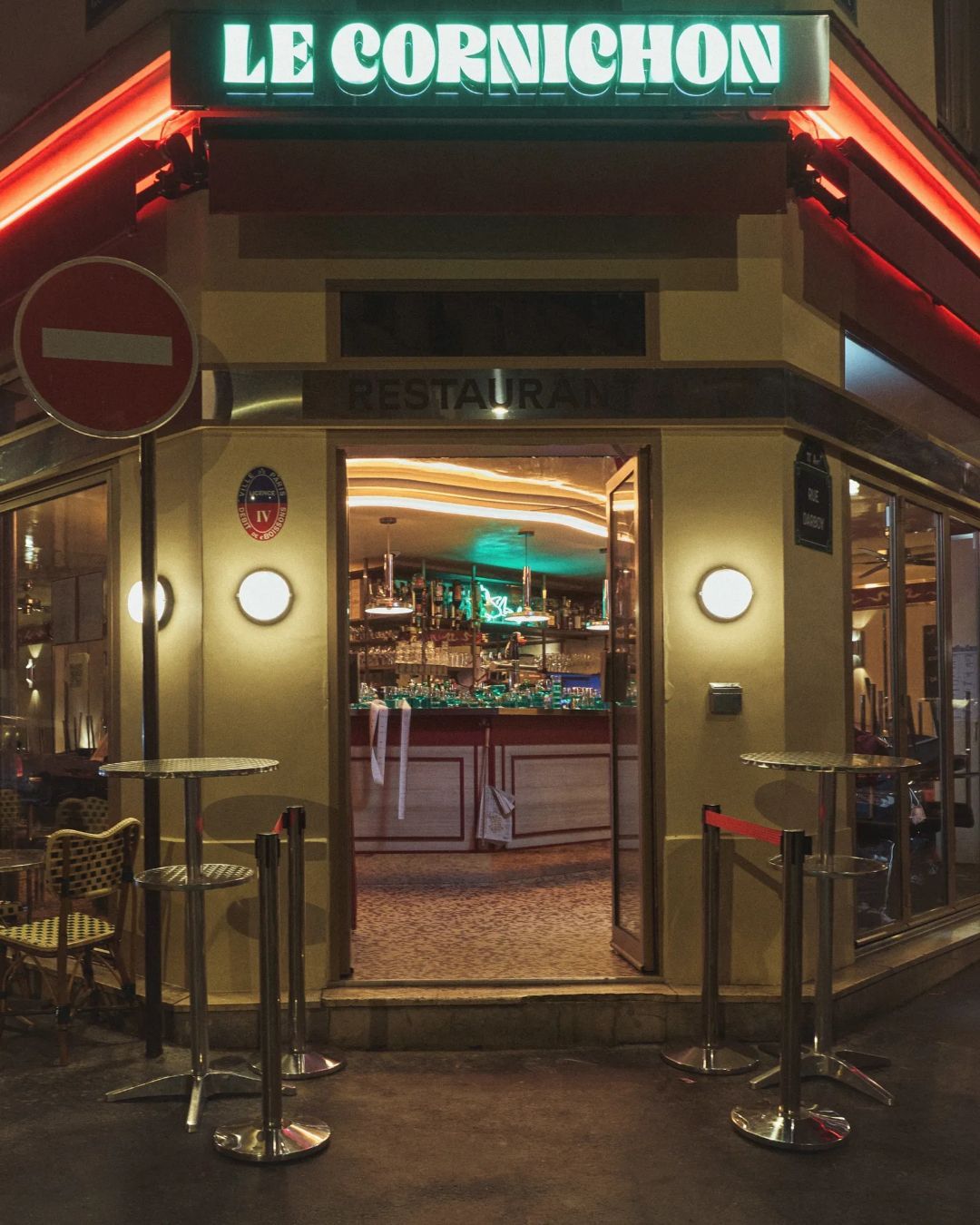
The imperfect return of the 1980s aperitif Through the collaboration between Le Cornichon and Bar Nico, the spirit of Milan moves to Paris and questions contemporary conviviality
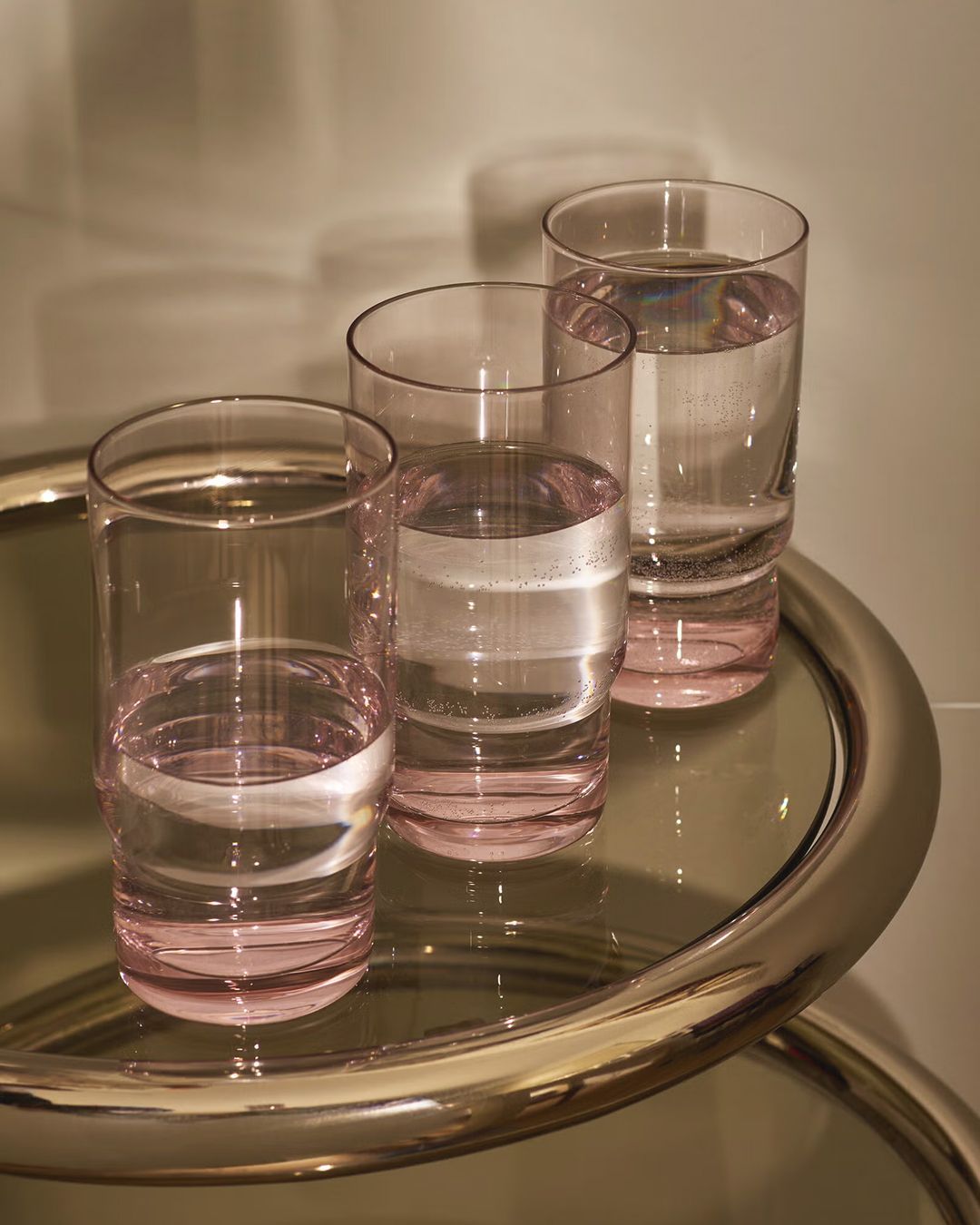
Born as a bridge between work and dinner, the 1980s aperitif became one of the most iconic urban rituals of Italy. In Milan, Turin, and Bologna, it created a shared language: a glass, a small savory plate, a counter to lean on. In this decade marked by consumption and advertising, it functioned as an aesthetic democracy: Campari, thick glass, warm light. Steel trays circulated through the room, loaded with olives, peanuts, chips, tramezzini, and tuna canapés; cardboard coasters, embossed napkins, and full ashtrays outlined the choreography of a collective time. Mirrored bottle shelves, seltzer siphons, shiny Formica tops, and golden neon lights gave the bar the dimension of a small theater of everyday life, where different identities shared the same space.
This aesthetic, balloon glasses, amber tones, essential snacks, conveyed a political idea of pleasure: shaping an urban comfort that made the day’s fatigue bearable. It was an optimistic ritual that, however, already hid the first inequalities of modernity: behind hedonism, the gap grew between those who had access to places and rhythms, and those left on the margin. Today, the aperitif reappears as a collective gesture. No longer just an image, but a need for presence after years of filtered relationships and digital spaces. Dim lights return, as do thick glasses, shareable portions, and above all the desire for a practicable slowness. Yet this revival is ambivalent: the popular dimension diminishes, and the codes of access become more subtle. Where, in the 1980s, the counter, the glass, and the time were shared, today a curation is shared. The gesture remains, but its grammar becomes aspirational.
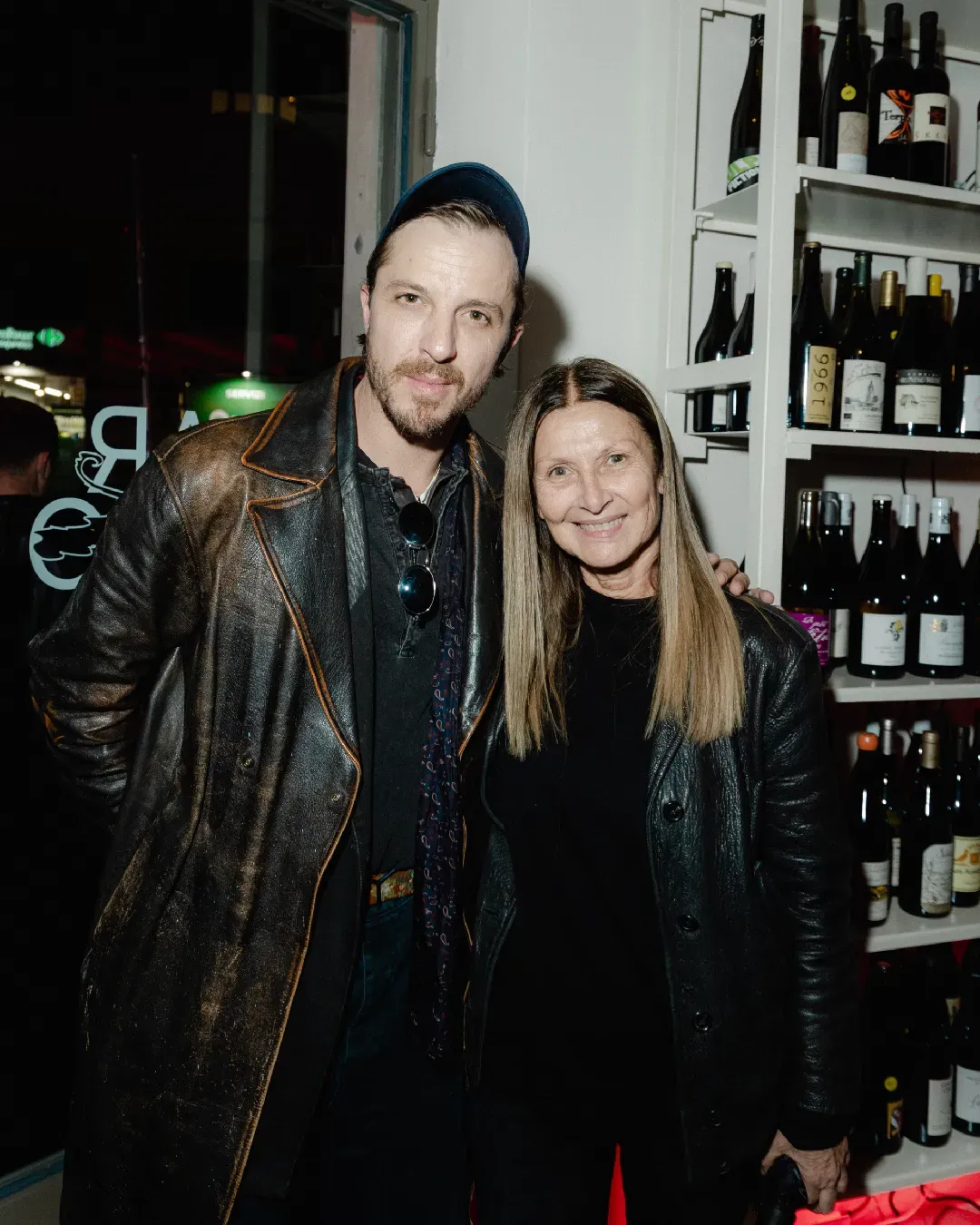
@arigiacobbe Bar Nico for some wine #milan #perte #barsinmilan #wheretogo
In this context, on October 22, with the second collaboration between Le Cornichon and Bar Nico, a unique Milanese experience takes place in Paris during Art Basel. The meeting of these two venues, now a true ritual, is not just a tribute to the past but a chance to read the present. Bringing a Milanese sensibility to Rue des Goncourt, during the week when the city showcases its symbolic capital, creates a space where the language of the aperitif—made of light harmonies, design, and shared ritual—translates into current and accessible conviviality. Three words remain central: access, time, work. Access: making the pause as open as possible without sacrificing quality. Time: how a week of art can also become real hospitality. Work: giving visibility to those supporting the ritual—floor staff, kitchen, bar—is part of the same idea of conviviality.
If this return aims to be more than an aesthetic gesture, it requires concrete choices: clear pricing, low/zero-alcohol options on equal footing, a carafe of water served without asking, tables designed for encounters. Thus, the echo of the 1980s can inspire new social practices beyond mere aesthetics. The goal is not to reproduce the past but to recover its function: creating proximity. The aperitif returns because it promises shared time in increasingly polarized cities. Its imperfection is also its truth: it cannot restore lost equality but can offer, for the time of a glass, the possibility of recognizing ourselves as part of the same urban landscape. Perhaps this is the ultimate meaning of this liquid nostalgia: understanding that behind the golden surface of the glass, what we seek is not the past, but a present in which it is still possible to remain.