




















Stefano Sollima's new series on the Monster of Florence could have been better But its history and reconstruction are fascinating
In The Monster by Stefano Sollima, a series premiered at the Venice Film Festival and arriving in four episodes on Netflix from October 22, the horror told by the director and co-creator, along with screenwriter Leonardo Fasoli, has very distant roots. A germ that has infected the society and culture of our country and transcends borders. A disease known to all, which over the decades we have been trying to eradicate, but with groups like Mia Moglie and the ever-persistent number of femicides showing that the goal we should set as human beings is still far off. That patriarchy and its various ramifications paint a dramatic picture in the reconstruction of real events that reverberate into the present day, while in the episodes about the Monster of Florence, a well-known story is followed without ever claiming to provide or have an answer.
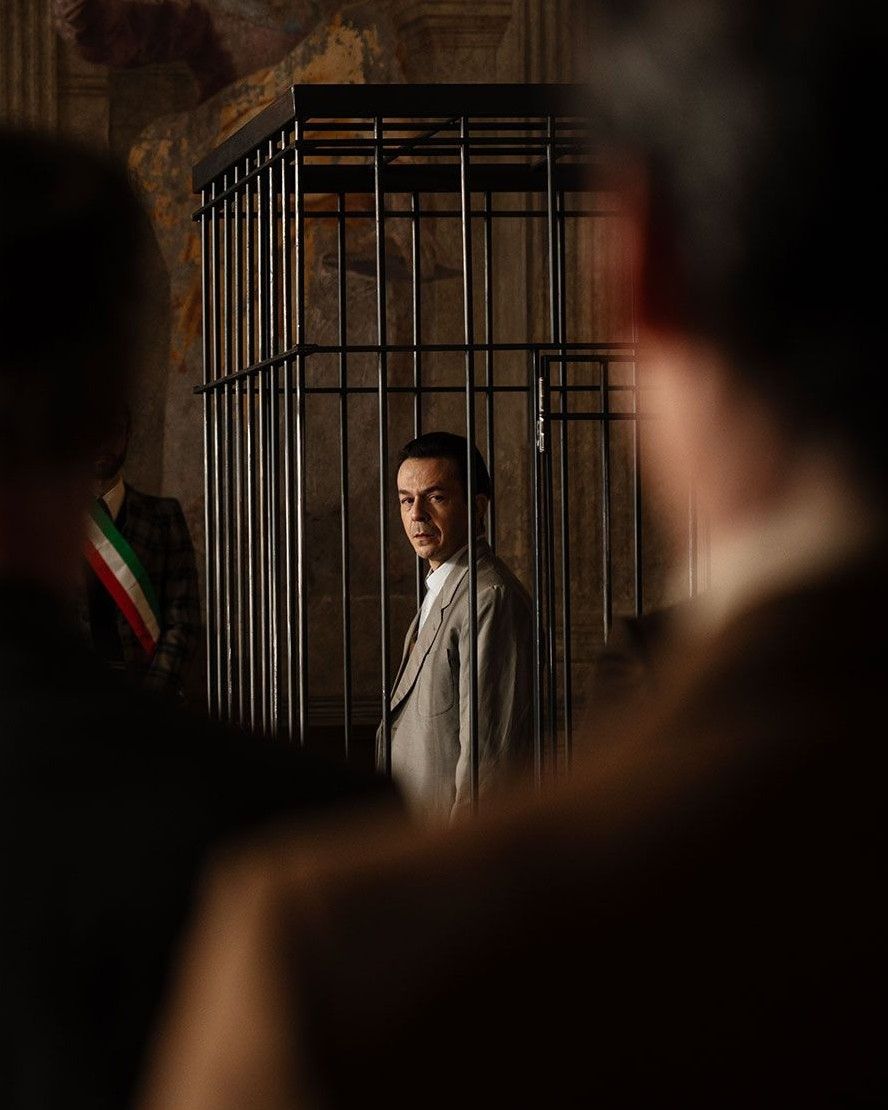
It is on the Sardinian trail that the narrative focuses, already hinting at the possibility of a continuation of the show that could explore other various hypotheses. A reconstruction of events starting from 1982 and going back to 1968 and the death of Barbara Locci and her lover Antonio Lo Bianco at the hands of her husband Stefano Mele and his connections with the Vinci brothers. A single murder that opens the door to the possibility of having identified the culprit of multiple killings, which, in its methods and especially due to the gun that seemed to be the same, gave hope of putting an end to a period of terror consumed in the Tuscan countryside.
Sollima and Fasoli rely on documents and testimonies, ballistic and legal expertise, and even an expert like Francesco Cappelletti to maintain a narrative fidelity that seeks to show respect for both the victims and their families and the audience, which will not be swayed by one of the many hypotheses the creators could have leaned into, which would have bent reality to favor their vision. Even for the cast, Sollima needed Sardinian actors, even if not too well-known, to ensure everything was as coherent as possible, including the origins of the performers/characters. A constant theme is the trail of gender-based hatred and prejudice that led to Stefano Mele’s involvement and accusation in the murder of Barbara Locci, opening the episodes of The Monster to a surface-level analysis that shows, Monster of Florence or not, the escalation that leads to violence and who its targets always are.
Uno dei più prolifici ed efficaci autori italiani di serie tv ritorna dopo cinque anni alla direzione di un nuovo progetto: "Il mostro"
— We Love Cinema (@WeCinema) September 4, 2025
Stefano Sollima presenta alla Mostra del Cinema di Venezia la storia di uno dei casi di cronaca più clamorosi, macabri e misteriosi del… pic.twitter.com/0ojIUfejbO
The Netflix show is full of monsters that walk undisturbed among us. Yesterday and today. The focus on the Vinci brothers is narratively cohesive to provide a unity of time and space for the series’ structure, but the mirror in which it wants the audience to look to face the abyss (and themselves) is broader. Focusing on a single trail facilitates the enjoyment of The Monster. However, Sollima’s weakened direction and the constant jumps back and forth across various timelines make it more challenging for viewers, with chosen faces that are not particularly captivating, their fame or lack thereof having little to do with the limited control they exert on the scene. A Netflix packaging that impacts the storytelling and which The Monster suffers from, distancing it somewhat from the usual raw and tough edge of Stefano Sollima’s work.
What to read next
"Un tranquillo funerale di famiglia" is everything comedy should not be today
Massimiliano Bruno's film had its premiere at the Rome Film Festival
«Club Kid is a once-in-a-lifetime opportunity», interview with Jordan Firstman
Everything about the directorial debut of the American actor and screenwriter
"Cambogia" teaches actors that you have to care about your own characters
Valerio Lundini's directorial debut premiered at the Rome Film Festival