































What ever happened to the Italian climate change activist groups? The movement has scaled back its protests, partly due to government repression
Recently, in Rome, several posters commissioned by the Lega party to promote the Security Decree — a law introducing stricter penalties on various public order matters — were put up and then removed by the Municipality due to their openly discriminatory content. One of the three posters shows an image — generated by AI like the others — of activists engaging in a roadblock, holding a banner that reads "Ultimate degeneration". The sarcastic reference is to the Ultima Generazione movement, active in Italy since 2022. Compared to other environmental groups like Fridays For Future, Ultima Generazione — especially in the past — has favored rather radical forms of protest, following the example of various international groups such as Just Stop Oil in the UK. In this context, Ultima Generazione activists have repeatedly blocked traffic on major Italian roads, such as Rome's Grande Raccordo Anulare. These actions, widely contested by both the general public and drivers caught in the disruption, are organized to push citizens to take climate change seriously — through often divisive protest methods. The goal is to raise awareness so that institutions take action to limit the already severe consequences of global warming. One of Ultima Generazione’s specific objectives is to counter what is defined as “light climate denialism”, the belief that the crisis will only have a real impact many years from now.
Following the many controversies sparked by the roadblocks, several members of the current right-wing government — particularly Matteo Salvini, especially since becoming Minister of Transport — stated that such actions would be more severely punished. And so it was, at least on paper: the Security Decree — which came into force last April — introduced harsher penalties for those participating in a roadblock. Previously, the penalty was a fine ranging from one to four thousand euros, whereas now it includes imprisonment for up to thirty days. Moreover, this repressive approach has legitimized law enforcement to take stronger — and sometimes violent — actions against Ultima Generazione activists. The numerous arrests have led to the opening of hundreds of trials: not surprisingly, most of the resources Ultima Generazione receives from spontaneous donations are used to cover the organization’s legal expenses.
Lusso sfrenato e povert, le due facce dell'Italia. Federica Merlin di Ultima Generazione: "E' diventato difficile anche fare la spesa. Vogliamo chiedere al governo di tagliare l'iva per abbassare i prezzi"#ÈsempreCartabianca pic.twitter.com/fDhMTZtgyB
— È sempre Cartabianca (@CartabiancaR4) July 1, 2025
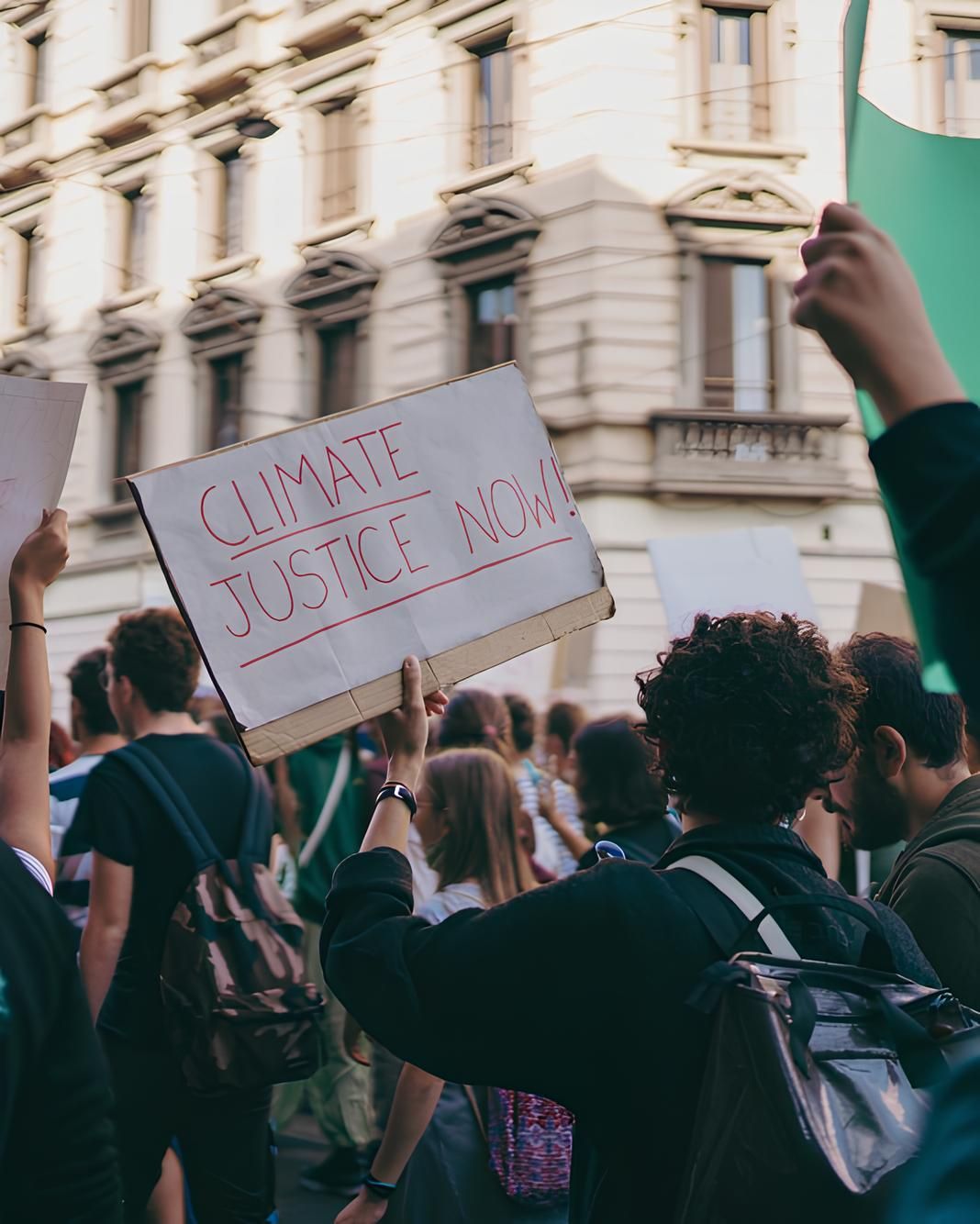
Also due to these difficulties, for over a year now the movement has significantly reduced its more radical protest actions (such as roadblocks), and increasingly organizes authorized demonstrations — which, however, attract less media attention. Essentially, the government's repressive stance towards climate activists has indeed intimidated many individuals connected to the organization. For some time, however, a current within Ultima Generazione had been advocating for a change in protest methods. Many Ultima Generazione activists believe that today, combining radical actions with more traditional forms of protest could have a greater impact on public opinion. A similar path has been taken by the group Extinction Rebellion, which last year announced a (temporary) end to actions that violate the law. In this case too, the aim is to engage more and more people concerned about climate change, while still believing in the power of demonstrative actions. Making protests more “inclusive” also allows ordinary citizens to take a stand on climate issues, increasing the potential for broader participation.
What to read next
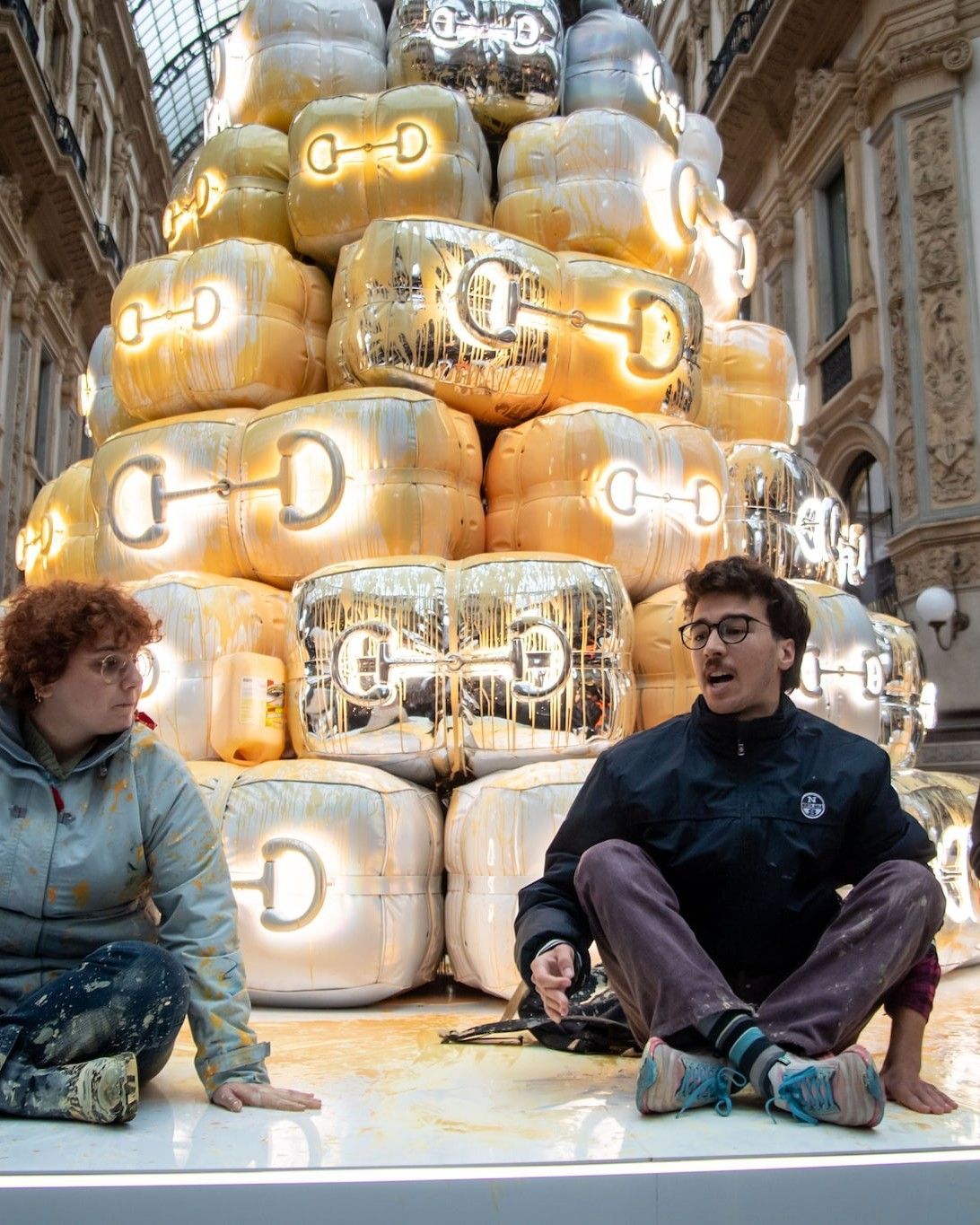
Did it make sense to daub the Gucci tree in Milan?
Actually not much, the brand however was able to give a correct answer
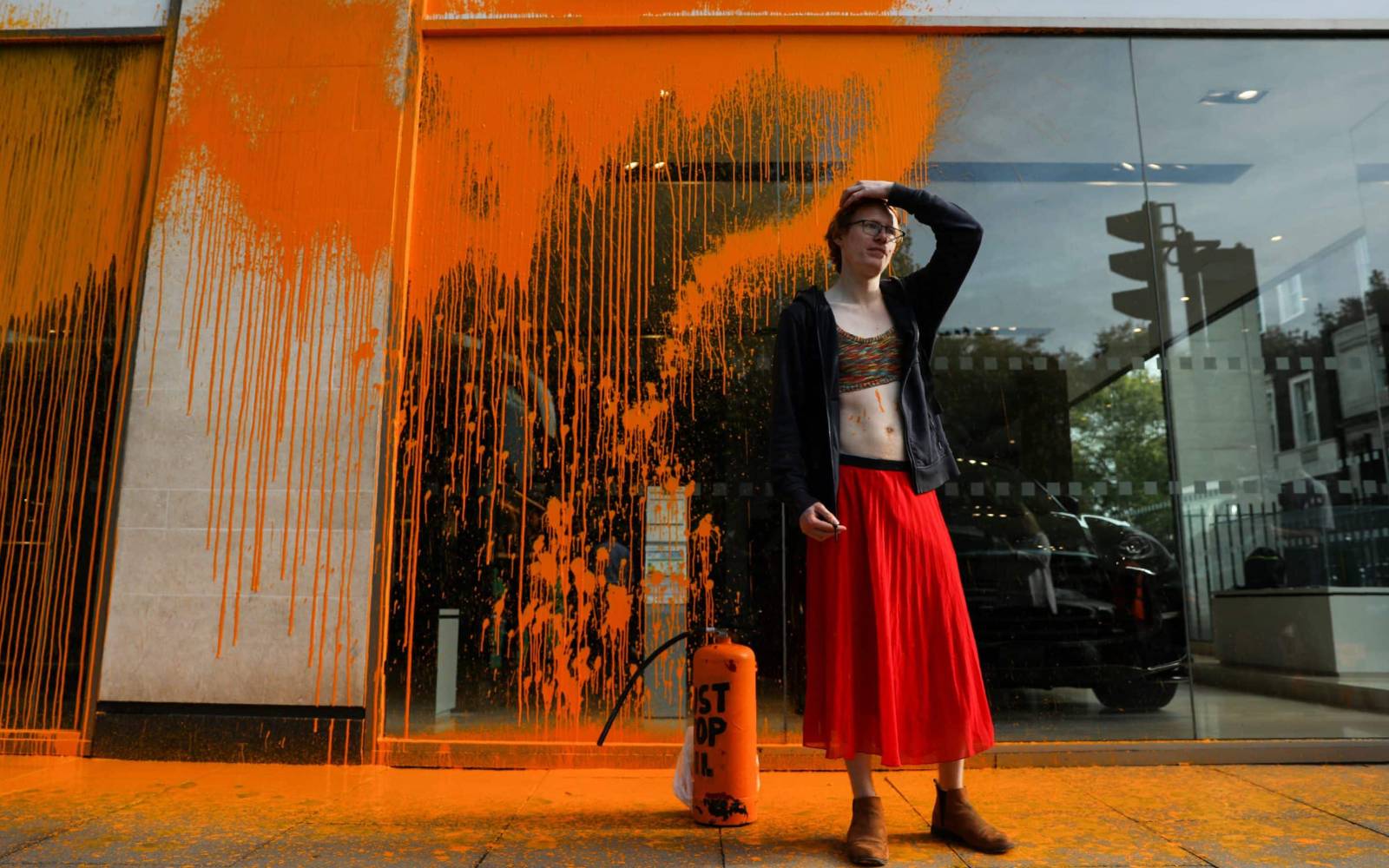
What are the reactions to environmentalist demonstrations in museums?
Between increasingly strict security measures and online criticism