
























The indelible mark of Diam’s on French rap 45 years of impact on the French musical and cultural scene
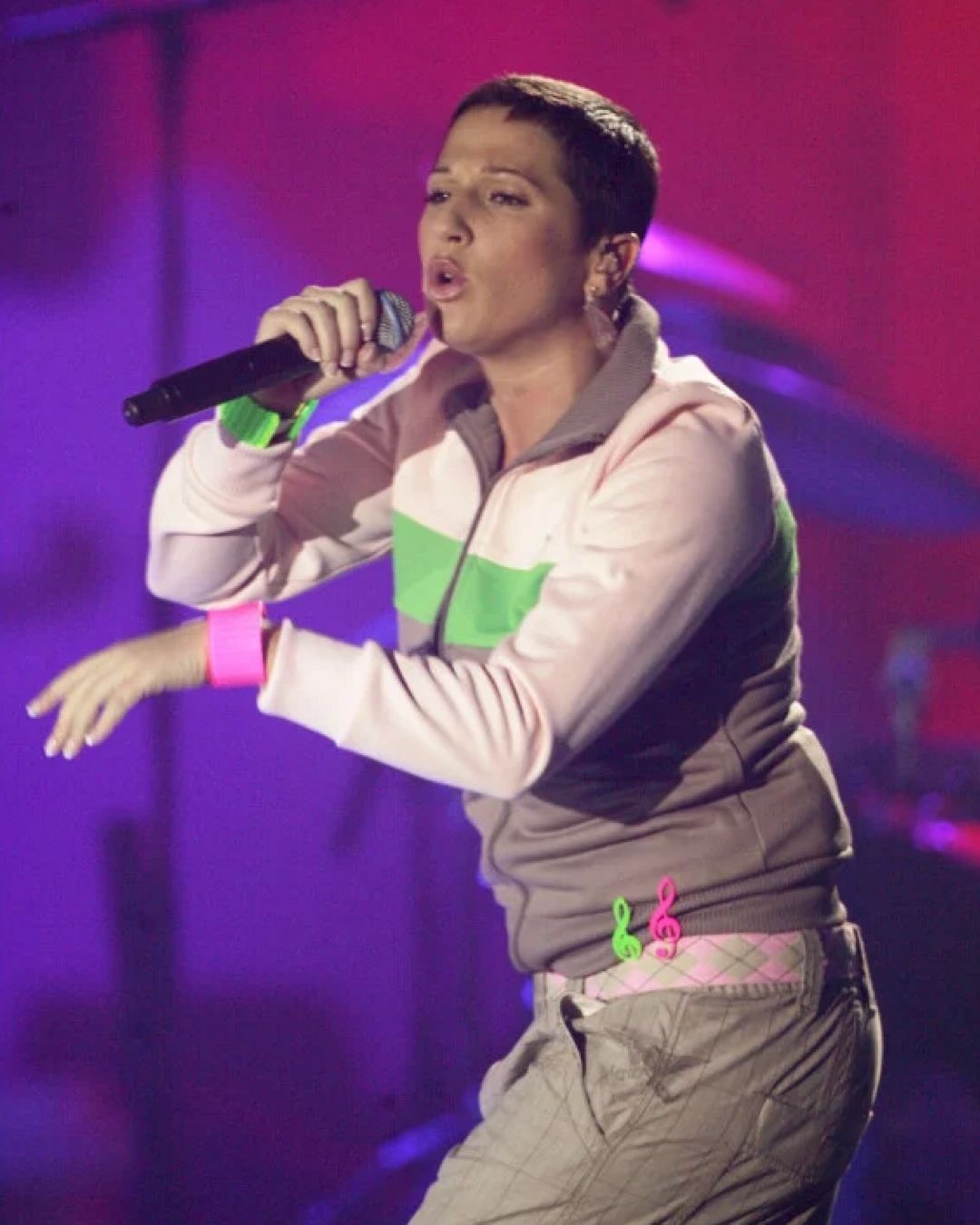
Large hoops hanging from her ears, short haircut and sneakers on her feet, Diam’s and her five albums, released between 1999 and 2007, revolutionized not only French rap but also the entire French music scene of the 2000s. Today, although the rapper has embraced a more private life, wearing the veil and leaving the music world behind to focus on religion and family, she remains engraved in the annals of French music. Far from being forgotten, she continues to be honored — her songs, her political lyrics, and the messages she conveyed through her art. Diam’s is rage, tenderness, raw sincerity. A voice that speaks to an entire generation, and one that still resonates in hearts today. As Diam’s celebrates her 45th birthday, we’ve decided to revisit her iconic lyrics, the choruses shouted in teenagers’ rooms, and the strength she always embodied.
It all began in the 80s thanks to Mélanie Georgiades’ mother — known to us all today as Diam’s. Because her mother worked in the music industry, young Mélanie met her musical idols, like NTM, and slowly began singing what was on her heart to free herself. At 26, after a debut album Premier mandat that went mostly unnoticed, she shattered sales records with Dans ma bulle, officially becoming the voice of a new generation. A generation full of questions, anxiety, and a desire to speak out — loud, clear, and unapologetically. La boulette became the anthem of French youth, boldly naming and criticizing Marine Le Pen and Nicolas Sarkozy, with no fear of backlash. Young people saw themselves in her lyrics and used them as a form of expression. That’s exactly what made Diam’s so successful and unique: her disarming sincerity. Her honesty, overtly political lyrics, and her calls for inclusion and peace resonated throughout France and across generations. Songs like Ma souffrance, where she speaks out for abused women, were understood and echoed widely. And music wasn’t her only outlet — though her primary one — for denouncing ignored issues and striving for change. She also engaged in activism with organizations like Amnesty International, aligning her actions with her already powerful words. Her ambition didn’t offend — she inspired.
But the weight of fame, the superficiality, and excesses of the star system soon proved too far removed from her values. At the peak of her success, rap was no longer enough, and spirituality emerged as her healing path. She chose to leave the music scene, put a veil over her career, and step away from the spotlight. In 2022, she briefly returned to the screen with Salam, a documentary she co-directed, shown at the Cannes Film Festival, in which she reflected on her career and her decision to walk away. Nearly 15 years after her departure from the stage, Diam’s is — and remains — a music icon, having proven not only to aspiring musicians but to all of France that every voice matters, and that sometimes, a single song can spark real change.
What to read next
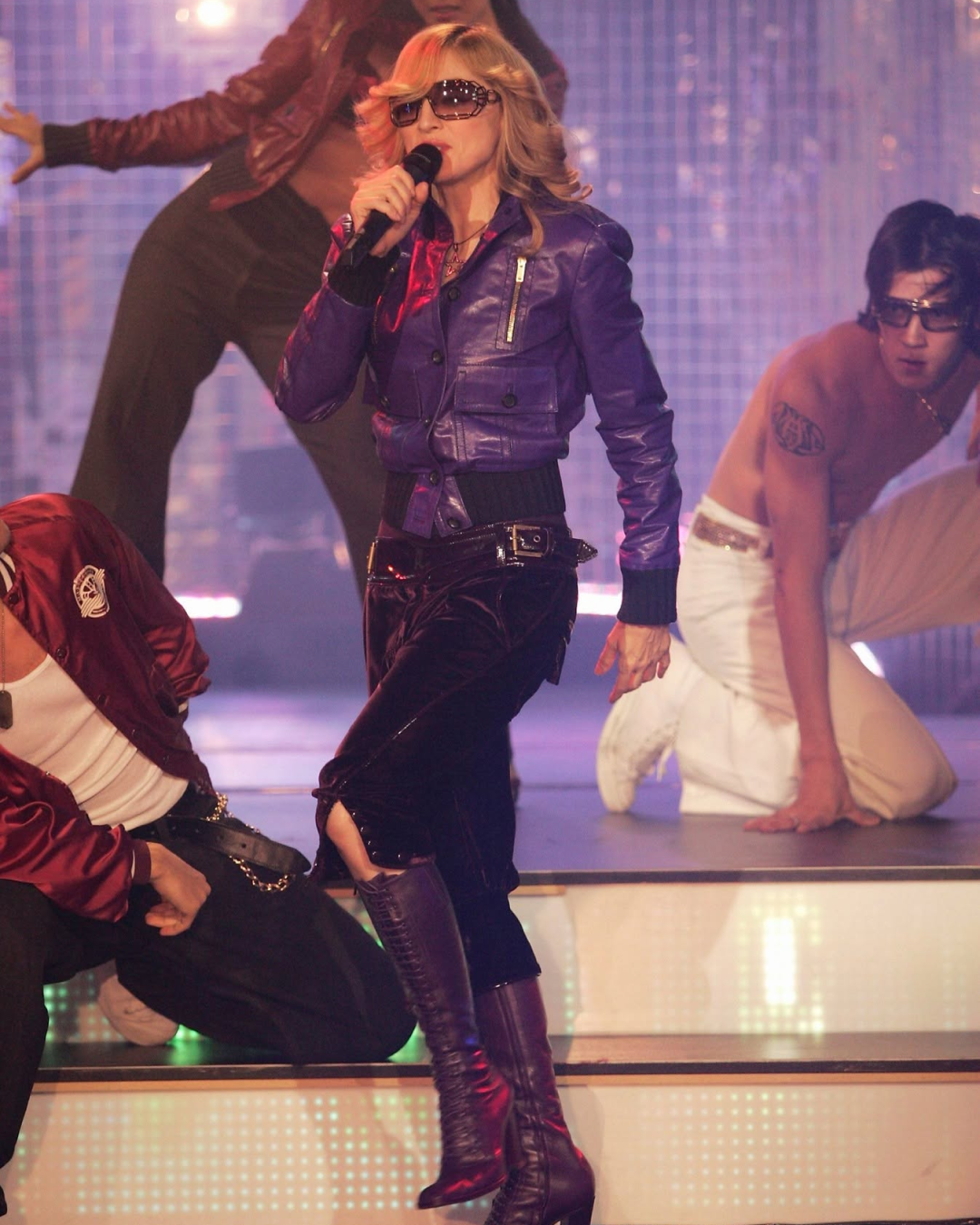
5 trends from the 2000s that are about to make a comeback this autumn
Goodbye Y2K and indie sleaze
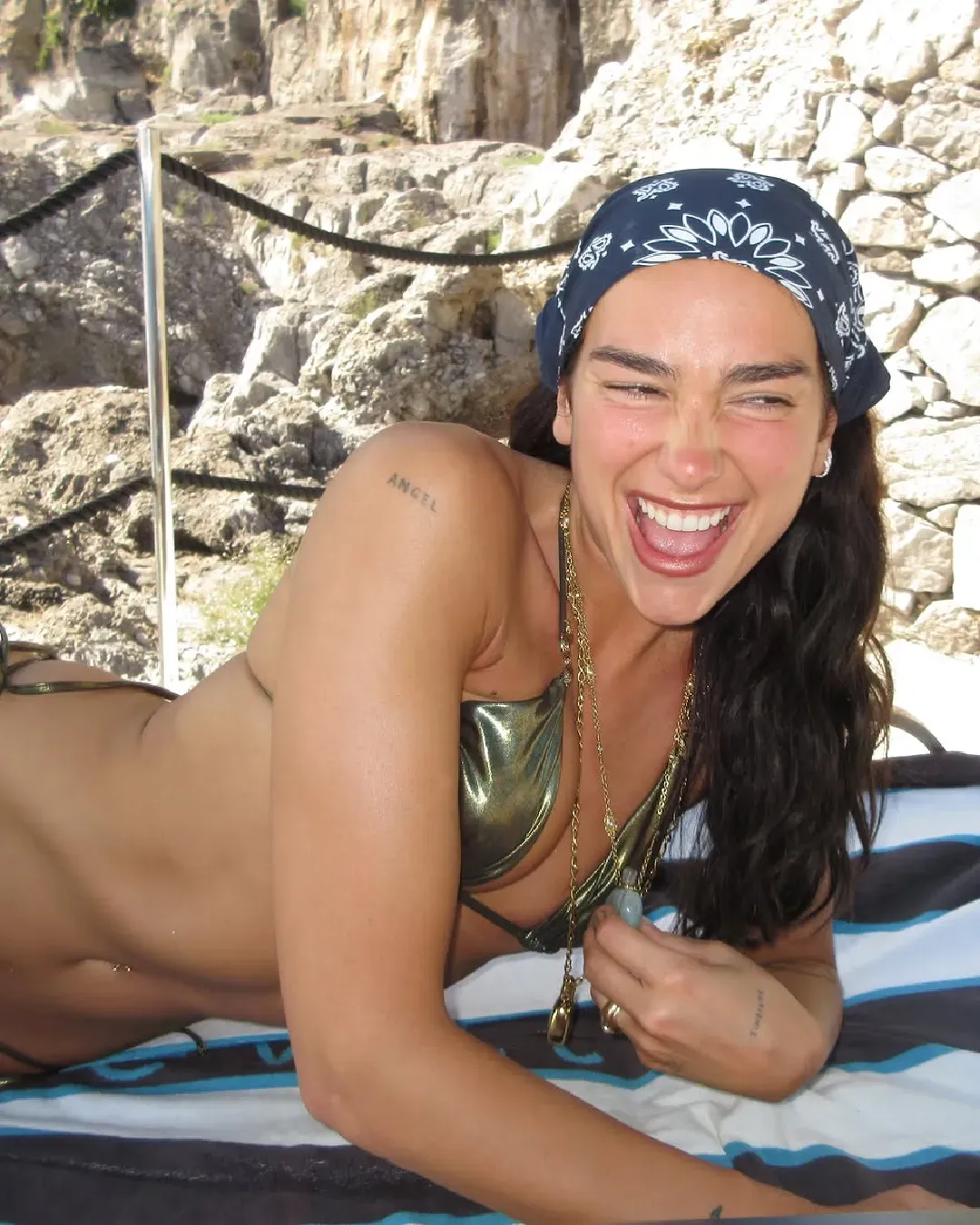
The bandana is the sole defining trend of every summer
From the durag to the knotted neck scarf, the great classics never go away and keep coming back

Did Jul use AI in his latest song?
It seems he's no longer afraid of being replaced by AI, unlike what he said back in January