






































Is fitness tracker anxiety a thing? Monitoring our health levels could do more harm than expected
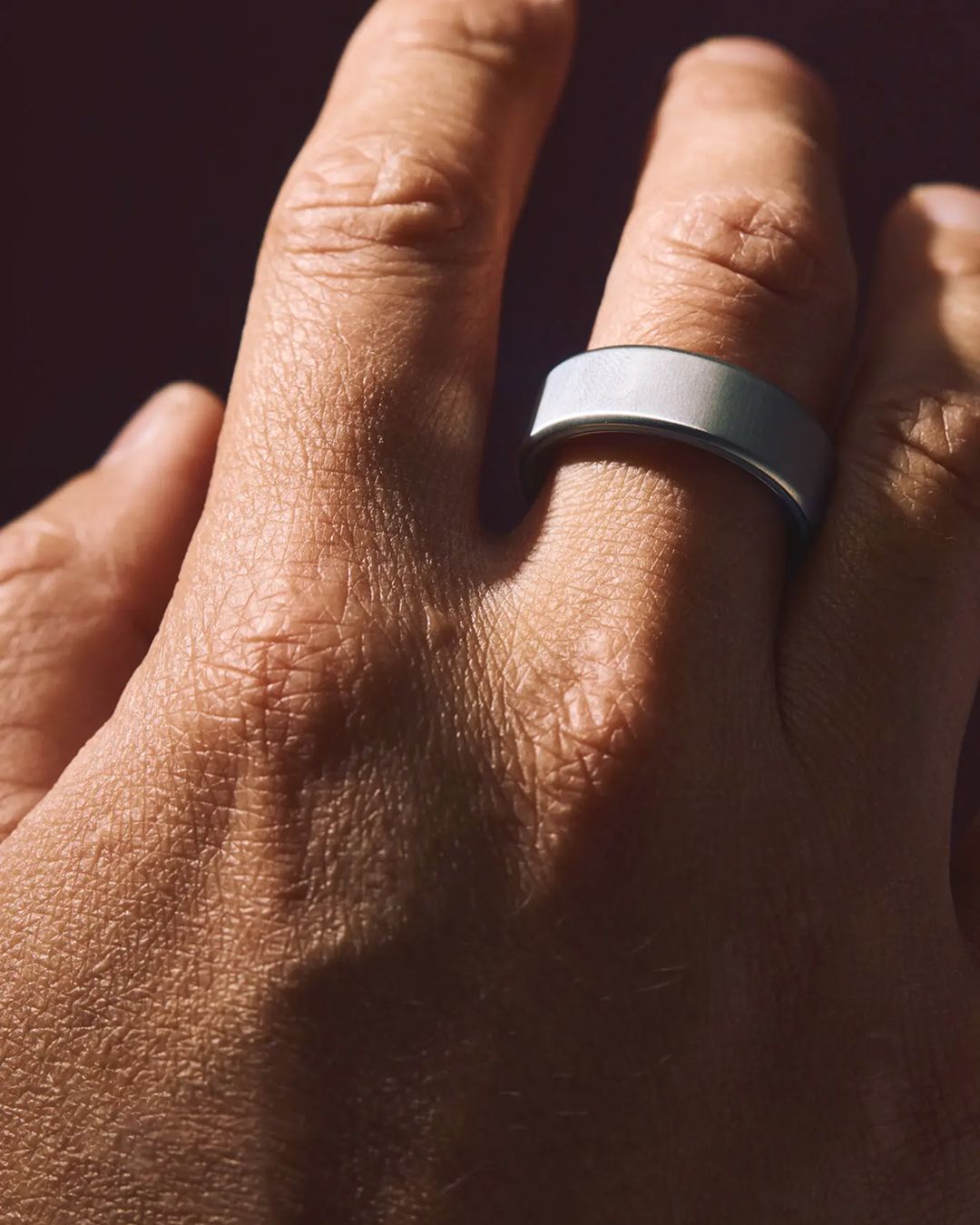
The ancient Greeks used the phrase «know thyself»; John Locke spoke of self-awareness, Freud of psychoanalysis. The human being of the twenty-first century has found a contemporary way to know themselves: they are called fitness trackers, health trackers, smartwatches, in other words, wearable devices. In the eternal search for self-knowledge, the monitoring of one's body and rhythms (heart, circadian) has taken on an increasingly central and, in a sense, philosophical role, considering that the culture of body and health is at the heart of heated ethical and existential debates. In recent years, a growing multitude of wearable devices has combined the aesthetics of an accessory with the functionality of monitoring users' biometric data. The Oura Ring, for example, is experiencing a boom thanks to its minimalist design and its ability to track parameters such as body temperature, heart rate, and blood oxygen levels. Without going into the massive and problematic trade of personal data, wearables are also under attack from another front: the mental health of their users.
@fourbythree #fitbitwas convinced that @johnmichaelbond original sound - Four by Three
On one hand, devices like the Oura, Apple Watch, and FitBit can help monitor one’s health, but according to recent studies and journalistic investigations, they risk worsening eating and psychological disorders in vulnerable individuals. An article in the New York Times gathers numerous testimonies from people who, before buying a wearable, lived normal lives without worrying too much about their biometric data. After starting to use one, however, they developed a manic obsession with heart rate, blood pressure, and sleep quality, ultimately altering those very parameters due to excessive stress. Sociologist Deborah Lupton, Professor of Social Research in Health at the University of Sydney, told the New York Times that «[t]here is a real crisis going on» as «people are eager to get their hands on any consumer product that promises them at least a little control over some aspects of their lives.» One of the interviewees also said she bought a health tracker after having a baby to monitor sleepless nights. The result? Knowing she was sleeping little made it even harder to sleep.
For almost half a decade, I've used an Oura Ring to track my sleep habits & recovery.
— Dan Go (@FitFounder) August 3, 2024
But after 4 years, I've decided to stop wearing it.
Here's why: pic.twitter.com/mVfETk3eO5
Confirming the interviews is a scientific study published in the Journal of the American Heart Association, which examined 172 patients previously diagnosed with atrial fibrillation. About half of the sample used a wearable, and their data was compared with those who didn’t. Researchers found that patients with wearables had more actual heart problems, likely due to concern over symptoms detected by the device. Additionally, one in five patients experienced intense fear and anxiety in response to irregular heart rate notifications. But there’s more. A study conducted on college students, published in the journal Eating Behaviors, found a correlation between fitness tracker use and a higher rate of eating disorder symptoms. Among the 105 participants who used the MyFitnessPal app, 73.1% said the app contributed at least partially to their eating disorder, 62.9% said it contributed moderately, and as many as 30.3% said it contributed greatly. Monitoring your body’s signals is essential, as is maintaining a healthy and active lifestyle. However, there is a significant difference between listening to what our body naturally tells us and becoming dependent on notifications from a tech device. True health comes from inner awareness and consulting your doctor—not from an obsession with wearable data.