

































5 design brands Gen Z puts on their wishlist From the retro softness of Togo to Seletti's visionary pop
In an era where the home is also identity, stage, and feed, interior design has become more than just a matter of taste. Gen Z, raised on Pinterest boards and room tours, sees interior design as an extension of their personality, blending vintage cults, emotional minimalism, and post-pop irony. It's no longer just about expensive brands, but about recognizable visual languages, photogenic products, and shared values. Here are five brands that perfectly embody this imagination and are becoming objects of desire for a generation that tells its story even through a sofa, a lamp, or a chair too low to be comfortable, but perfect for a photo.
Ligne Roset
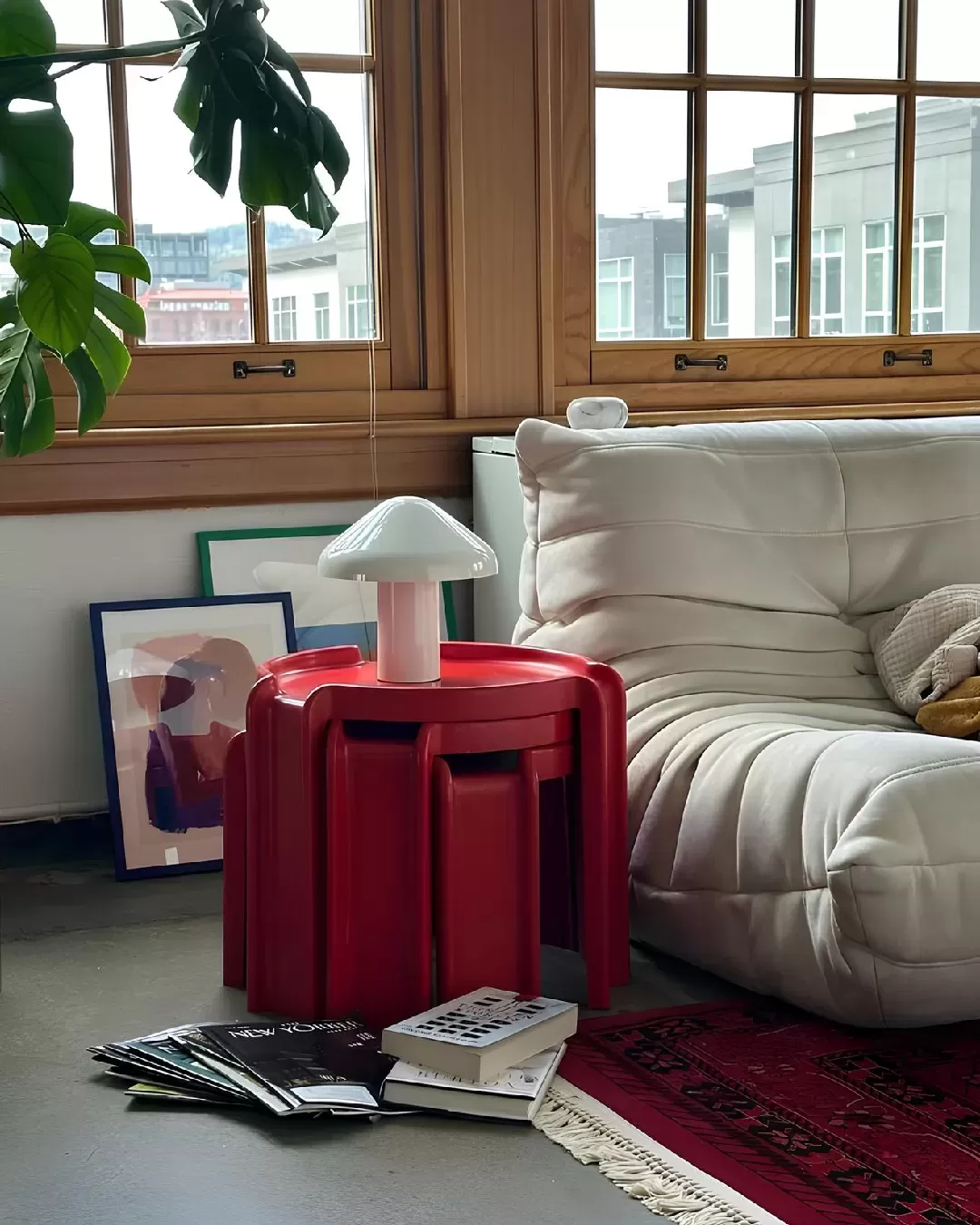
If there’s one item that has dominated TikTok and Instagram feeds in recent years, it’s the Togo sofa. Designed by Michel Ducaroy in 1973, this iconic, structureless, sunken, and enveloping piece has become the visual manifesto of a generation seeking radical comfort and informal, almost disjointed beauty. Gen Z enthusiasts of soft brutalist interiors desire it, photograph it, and reinvent it. Whether original or reinterpreted, the Togo is more alive than ever today, thanks to its nostalgic feel and its ability to blend seamlessly into various environments, from post-industrial to boho minimal.
HAY
Founded in Denmark in 2002, HAY is the brand that made design accessible and desirable without falling into the mundane. Its products are functional, colorful, and well-crafted, loved for their updated Nordic aesthetic that balances structure and play. Among the most sought-after pieces, the Palissade Collection by Ronan and Erwan Bouroullec stands out for its visual lightness and versatility, painted metal outdoor seating now found in kitchens, studios, and creative showrooms. HAY's language appeals to those who want an organized but never cold space, with pop accents, soft lines, and vibrant palettes. A reimagined Scandinavian dream for those who live by aesthetics and functionality.
Seletti
In the clean and tidy world of interior design, Seletti arrives like a pop wave to overturn the norms. Ironic, over-the-top, and perfectly theatrical. Its Mouse Lamps, Banana Lamps, and objects inspired by urban culture and trash chic have become true viral phenomena, collected by those who want to make bold visual statements. Gen Z loves it because it doesn’t take itself too seriously, yet communicates exactly what it wants to say: creativity, provocation, and freedom. Seletti is the brand for those who fill their rooms with talking, symbolic, maybe useless but aesthetically powerful objects. A domestic pop art that slips into kitsch with awareness.
Gubi by Pierre Paulin
Sophisticated, retro, and fluid. Gubi is the brand of choice for those who want to express a form of luxury without ostentation, with vintage roots and a modern vision. Among the most desired pieces, the Pacha Lounge Chair, designed by Pierre Paulin in the 1970s, has made a comeback on social feeds thanks to its low, rounded, and welcoming shape. It's not just a matter of revival: Paulin’s popularity among young people is also due to the work of his son, who with the Paulin Paulin Paulin collective has revived his father’s legacy. The Dune Sofa, modular and fluid, has become a staple in sets, music videos, and installations. Thus, design merges with contemporary visual culture, speaking directly to a generation that makes images its daily language.
Kartell
Among the few legacy brands to never lose relevance, Kartell continues to thrive by adapting to contemporary tastes. The Ghost Chair and Componibili by Anna Castelli Ferrieri have resurfaced in the homes of creatives and digital artists, often reinterpreted with ironic juxtapositions, cyber aesthetics, or visual remixes. For Gen Z, Kartell is a heritage to play with, a cult piece to display in a minimal room or subvert in a street-style context. Transparent plastic becomes a symbol of lightness and memory, while constant collaborations with contemporary designers keep the dialogue with the present alive.
What to read next
For Gen Z, homes matter more than clothes now
And the industry has noticed it, according to Jonathan Anderson and Ikea
![Diesel Living returns to Fuorisalone with Together Apart[ment] A project that re-imagines sociality at home through a series of collaborations](https://data2.nssmag.com/images/galleries/27573/cover%2844%29.jpg)