


































In 2026, "polyester" has become a dirty word Everything you need to know about clean dressing and plastic-free fashion
After years in which greenwashing — the practice of overusing terms like "sustainable," "natural," "zero impact" in advertising — dominated marketing, fashion brands and luxury maisons today seem to be shifting their focus from the well-being of the Planet to that of the individual. Health, after all, is consumers' new obsession, a trend that is increasingly reflected in their purchasing choices. While not long ago people wondered how sustainable a garment was for the environment, today the question is how good it might be for our bodies.
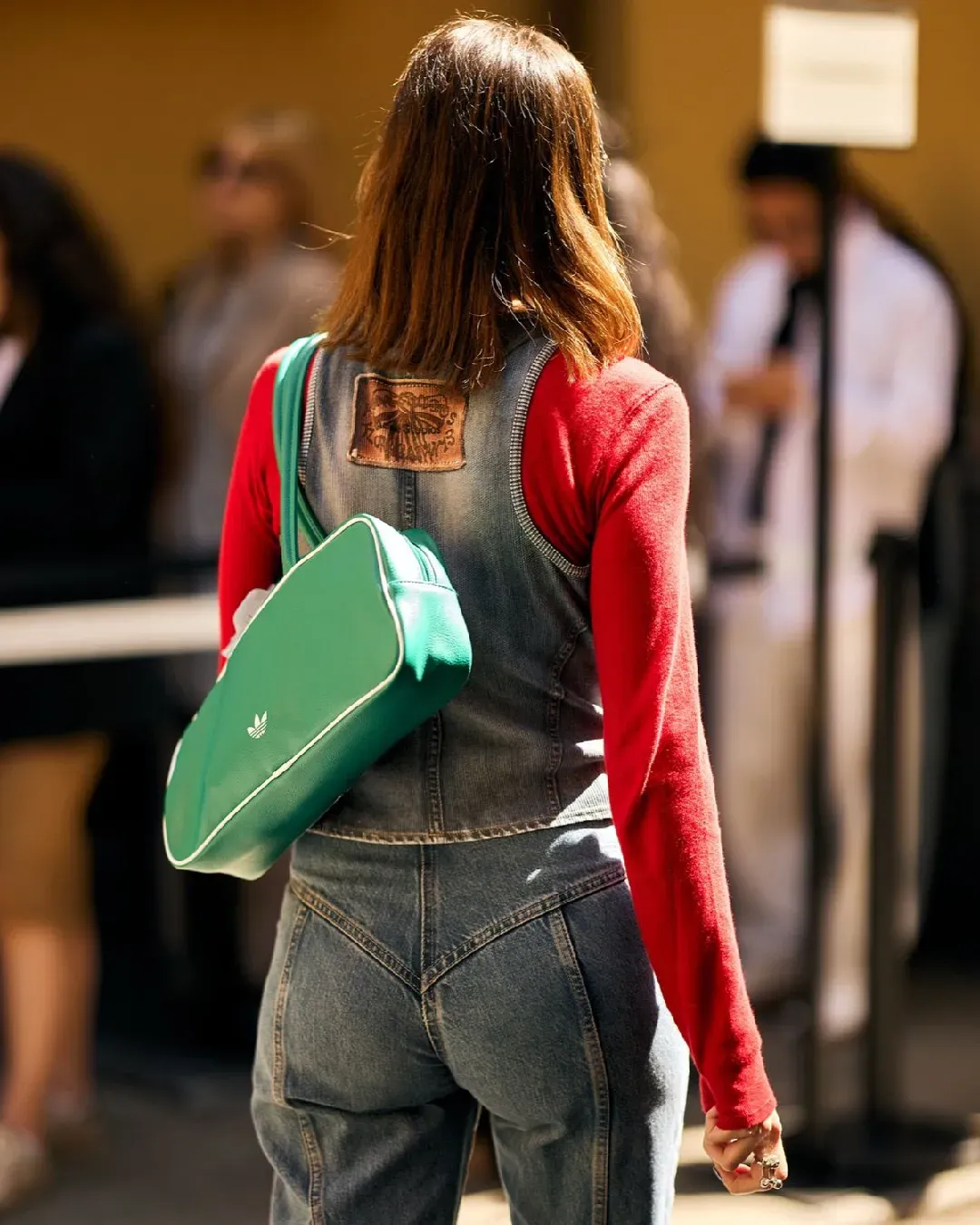
The clean girl aesthetic — gel-slicked hair, leggings and micro tops — along with the rise of sports like running and hiking, has propelled athleisure to the pinnacle of success, turning sportswear into a global fashion phenomenon. But that very success is helping to bring a new phenomenon to the surface: the war on polyester.
On social media and online forums, there is growing talk of forever chemicals — synthetic chemical substances often associated with technical materials that persist in the environment for a long time, can contribute to the spread of microplastics, and are raising new questions about the relationship between what we wear and our health. And so, as consumer attention shifts from environmental sustainability to the safety of materials, a new buzzword is born: plastic-free fashion.
What does it mean to dress clean?
@girly.girl8207 dress better in 2026 #2026 #dressbetter #nopolyester #notbuyingin2026 #coolgirl Phantom - EsDeeKid & Rico Ace
In 2026, the clean girl aesthetic carries a very different meaning than it once did. Hailey Bieber and her devotees seem to have realized that you can do Pilates and face masks until you drop, but spending the day wrapped in synthetic fabrics could cause as much damage to your health as a fast food meal.
In conversation with PR professionals, brand managers and communications agents, Shayeza Walid writes in BoF that the issue is winning over a growing number of brands that once leaned more heavily on sustainability to sell. With 84% of American consumers considering wellness one of their top priorities in daily life, Walid notes, "sustainable brands are rethinking how they communicate value in this context, foregrounding attributes consumers can immediately understand, like breathability, softness or products free of chemicals."
This seems to be precisely the main draw of the clean or healthy dressing trend (which sounds more like a salad dressing than a way of getting dressed): concern for the planet is now perceived as too great a burden for a single consumer to bear — one who, at most, can refuse a plastic straw while billionaires and big tech drain all remaining environmental resources in the same timeframe. Personal well-being, on the other hand, is a far more accessible matter that delivers immediate benefits.
And even if using organic materials does not directly equate to sustainable production — given the energy waste in the supply chains for resources like linen, silk and cotton — if clean dressing is enough for sustainable fashion brands to attract new customers, they're not going to think twice about it. "We eat organic, why don't we wear it?" reads the copy in the above post by Stella McCartney.
The war on polyester
On TikTok, Instagram and Twitter, a simple search for the keyword "polyester" brings up hundreds of posts criticizing the material. Users claim that wearing synthetic clothing can have negative effects on the body both at a surface level — causing skin blemishes — and at a hormonal level, going so far as to affect fertility rates. Yet just as the internet is full of studies demonstrating the damage the material causes to the human body, just as many exist to downplay its severity.
One of the main reasons consumers are paying closer attention to the composition of their clothes may be the rising cost of clothing, driven by tariffs in America, the surcharge on raw materials and the complications the supply chain has encountered as a result of global political conflicts. Faced with steep price tags, consumers are beginning to demand more: greater transparency, greater quality. The first material to come under customer scrutiny — the most popular and the easiest to spot on a label — is polyester.
Polyester discourse and the inevitable issey miyake pleats namedrop pic.twitter.com/CwJGZlp5YM
— celine (@yohjiyamajoto) March 2, 2026
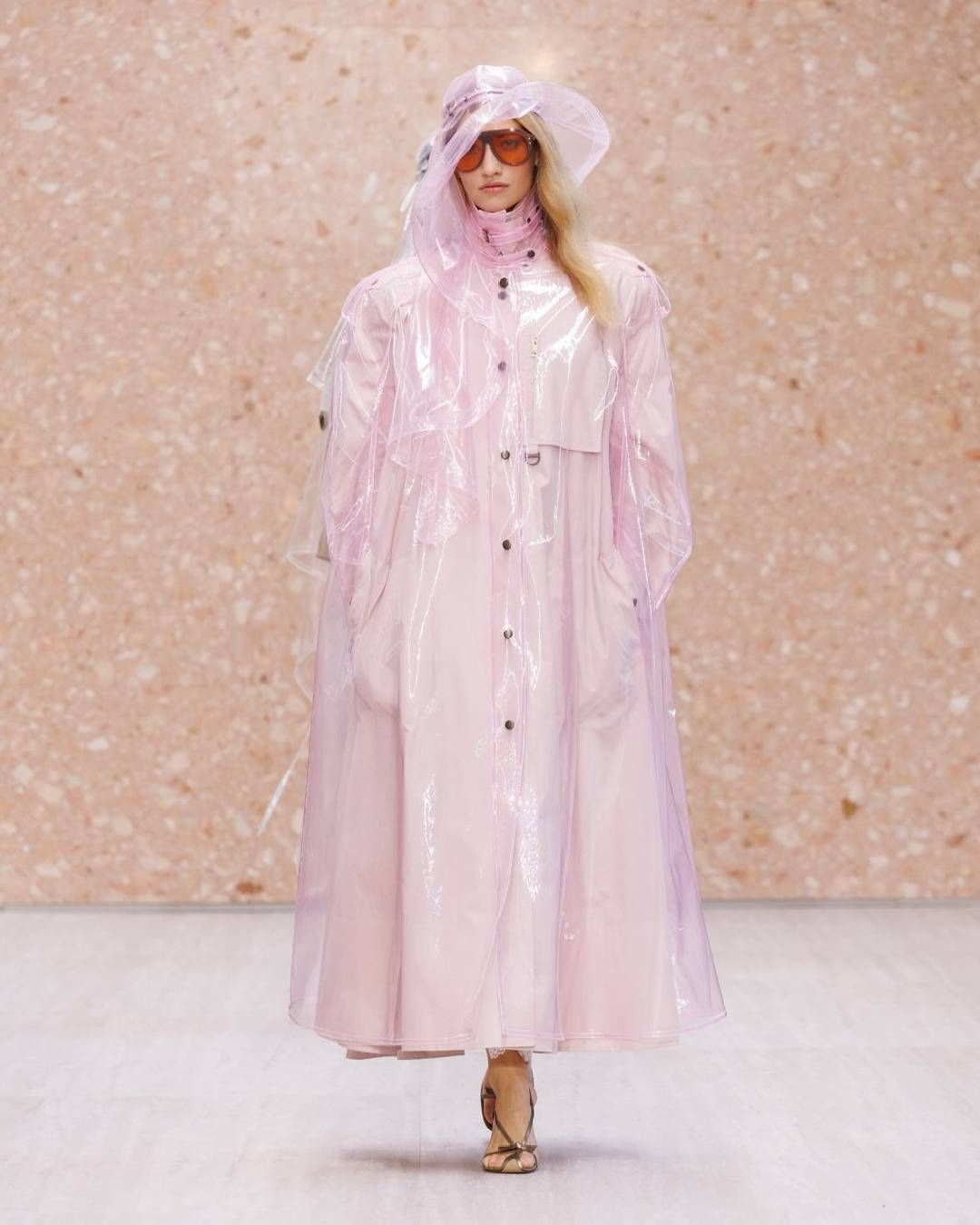
But articles such as Fashion's Complicated Poly-Relationship in Vogue Business explain perfectly why polyester should not be demonized: while it is true that it has always been the material of choice for fast fashion companies and that it is a synthetic fiber made from plastic, it is also one of the most durable, water-resistant and elastic fabrics on the market. Which makes it, in certain respects, more sustainable than an organic fiber destined to decompose or fray after the first wash.
Kyle Macneill, the author of the Vogue Business article, points out that Issey Miyake uses a "premium" type of polyester for the Pleats Please collection, sourced from luxury Japanese manufacturers. Despite the existence of different varieties, a stigma has now hardened around the material that is difficult to escape — whether it involves recycled fiber, or the use of a small percentage of the material to ensure a garment's elasticity or water resistance.
It is remarkable how a buzzword — like the now passé "green" — can rewrite the fate of an entire fabric. Now it is the turn of clean dressing and plastic-free, but perhaps, in a not-too-distant future, polyester will be able to steal the throne: all it takes is a good PR strategy and a couple of influencers.