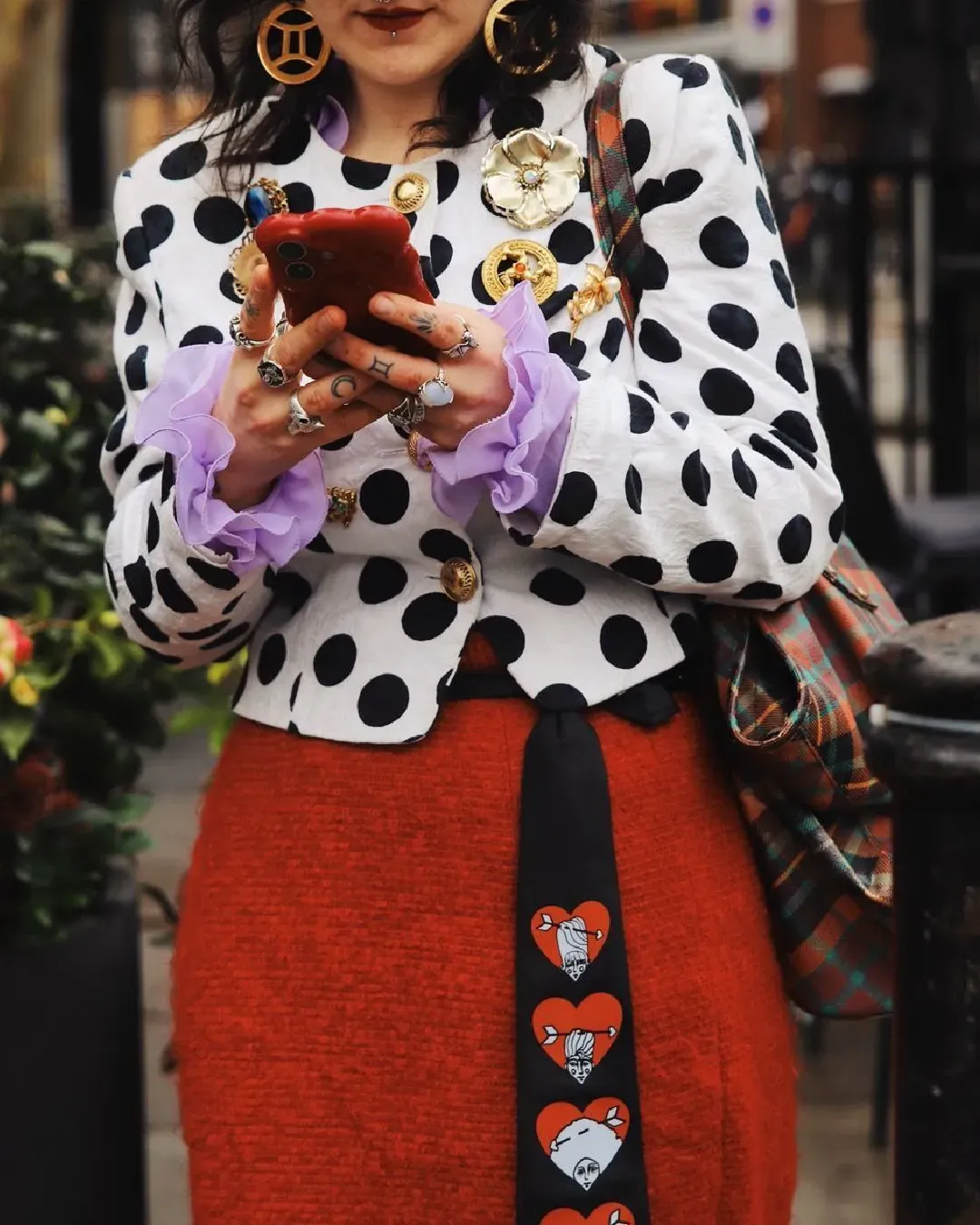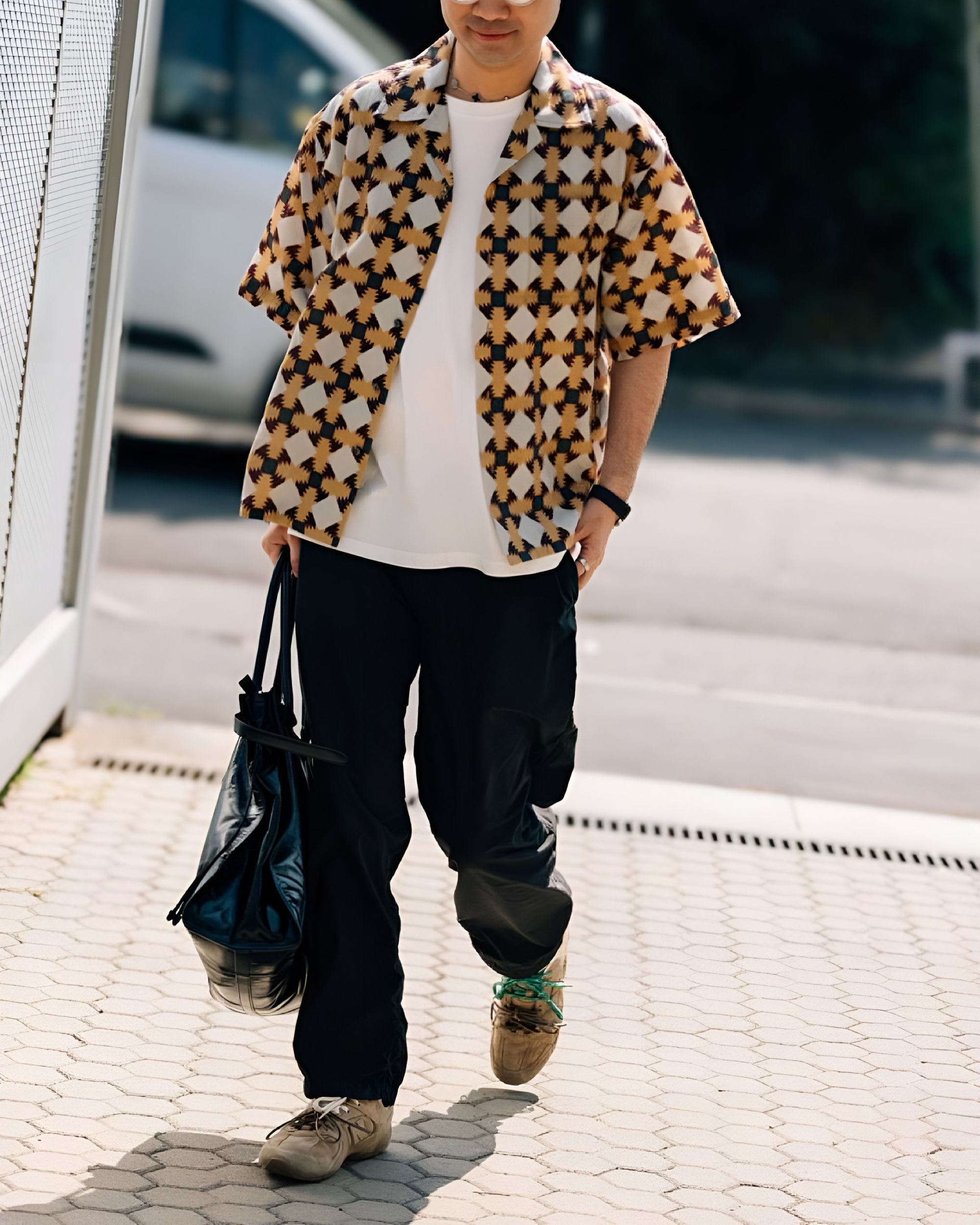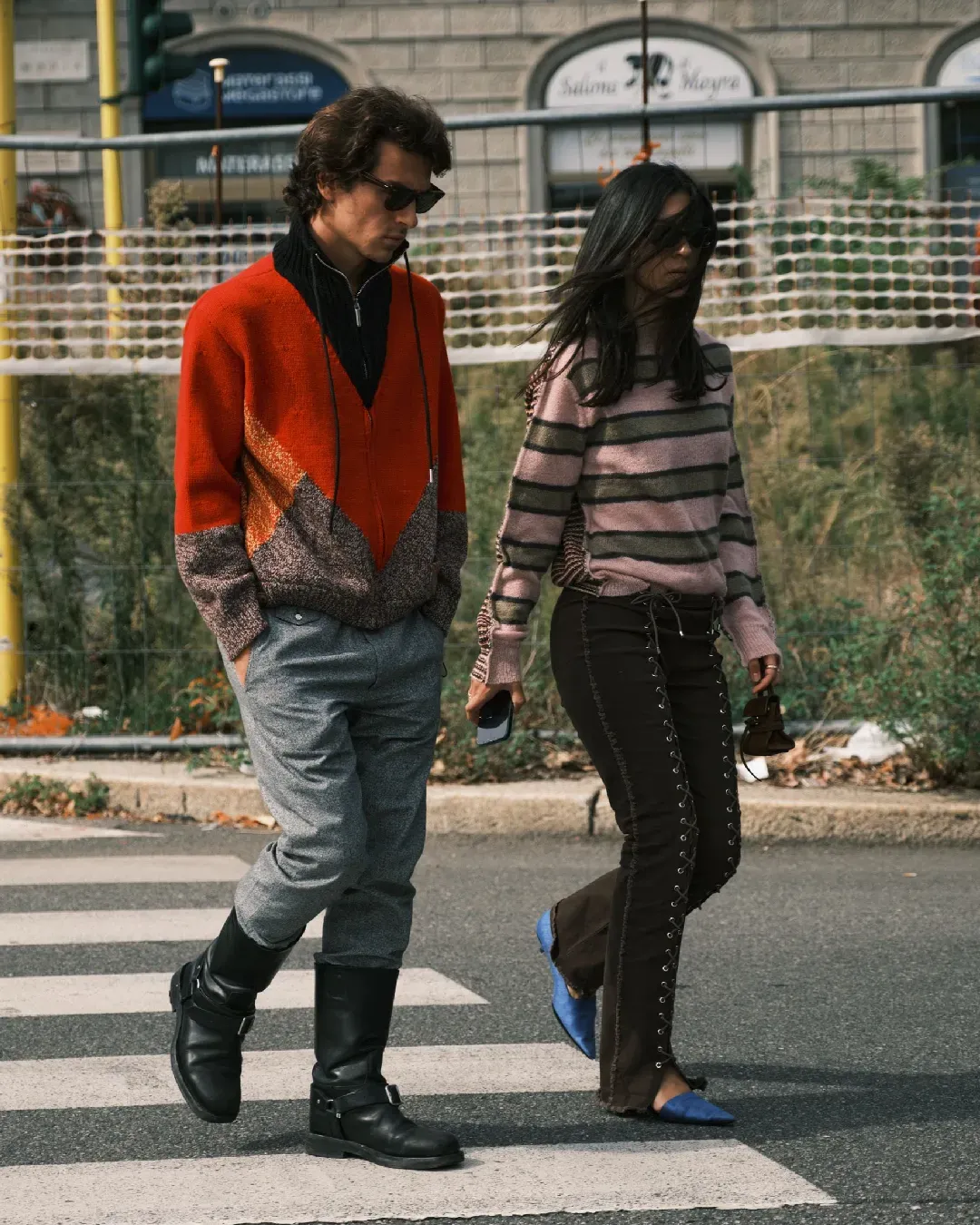
But is it true that women's clothes are made worse than men's? A TikTok video brings the "pink tax" debate back to the surface
In recent days, The Guardian published an article about a viral TikTok video posted by creator Rachael Brownfield discussing the difference between women's and men's clothing in mass-market retail. Brownfield had noticed that, on the Abercrombie & Fitch website, two sweaters at the same price — one women's, one men's — had different compositions: 100% merino wool for the men's version and only 30% merino wool for the women's. This raised a recurring question in consumer debate: are women's clothes made worse than men's?
The clothing "pink tax"
According to various comments under Brownfield's video, mass-market womenswear still suffers from a problem known as the "pink tax" — something already discussed ten years ago in a study by the New York City administration, which found that women's clothing costs on average 8% more than men's. In this case, however, women are paying the same price for an inferior product. On LinkedIn, entrepreneur Gabriel Wasson Farran also noted that following the video's release, Abercrombie & Fitch launched a 30% discount campaign on selected women's knitwear pieces.
In its coverage, The Guardian cited a Style Analytics analysis examining knitwear priced under $100 from six major American brands, which found that men's knitwear is five times more likely to be made entirely from natural fibres than women's knitwear. Women's garments are twice as likely to contain polyester. The gap tends to narrow only once you go above $100. Among the comments on Farran's post, industry professional Rebecca Heather Scott noted that at Massimo Dutti as well, women's fabrics are often more synthetic and more expensive than their men's counterparts. And this issue is not confined to Europe.
Style over substance
Last April, the Chinese magazine Beijing Review published an investigation by Lu Yan into why more and more female customers prefer to buy men's clothing. Starting from a reflection on pockets, one of the women interviewed asked: "Why is it so hard to find a simple women's garment with a normal fit and made from durable fabric?" The author goes on to explain that menswear is dominated by classic styles that are less subject to seasonal trends, which allows for large-volume orders (a single trouser style can start at 5,000 units), greater investment in equipment and skilled labour, and consequently a higher average quality.
Womenswear, on the other hand, "is driven by trends and moves much faster. A single style may only be on the market for one season, with orders as small as a few hundred pieces" which means that "under the fast-fashion business model, women's clothing relies on constant style updates to drive consumer demand. At the same time, trends set by luxury brands are often copied by fast-fashion retailers. Even as quality declines, the market still accepts it. Over time, this has created a production culture where women's clothing is held to lower standards than men's".
According to womenswear designer Zing Li, the near-disposable nature of many of these styles — designed for rapid consumption and inspired by fast-moving trends — means that aesthetics take precedence over functionality in the category, with less attention paid to the practicality that male consumers demand. This orientation, combined with the pressure of fast fashion that has conditioned female shoppers to chase low-cost trends (think of how many faux-leather jackets with funnel necks or Acne Studios-inspired cropped styles have been everywhere in recent months), has progressively lowered average quality standards in the women's department.
This is why the magazine speaks of the phenomenon of the "Great Wardrobe Migration" — the growing number of women buying men's everyday basics because they are more functional, practical, and durable. This is hardly a new phenomenon: a 1984 Vogue article already addressed it, discussing masculine power dressing for women and noting in passing that "men’s clothing is acclaimed for its expert tailoring, attention to detail, and durability of design and fabrication, generally at a lower cost". In practice, the problem has remained unchanged for decades.
As always, structural changes in an entire global industry follow shifts in the market. When demand changes, supply should follow. But there is still a long way to go: checking the Zara website, for instance, it is easy to notice that a pure cashmere men's sweater costs €99 while the women's equivalent costs €129, and a men's polo in 95% wool costs €49 compared to €89 for the same composition in women's. The disparity is clear, even if the reason nothing has been done about it is probably that these differences apply to products under €100, where more premium brands might be expected to apply different pricing. But will consumers manage to get a fairer deal?