














How to become a fashion critic With Dana Thomas and Hanan Besovic
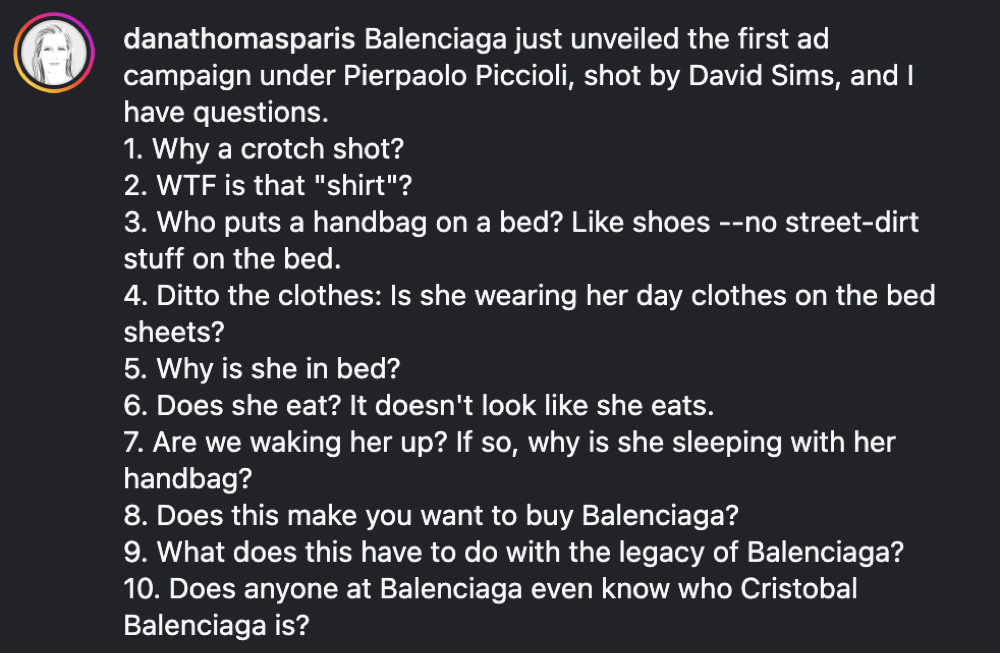
Their faces appear from time to time in a corner of our screens, with a small microphone held between their fingertips. We read them on Substack, listen to them on Spotify, comment on their hot takes on Instagram. We find out they have been kicked out of some of the most coveted fashion shows in the industry, or that they have faced a wave of criticism precisely because the brand they targeted has a fiercely loyal fanbase. But how does a fashion critic come to be?
In recent years, we have witnessed the rise of fashion criticism on social media. From anonymous profiles made up of static, text-heavy posts mocking the industry to 90-second video reviews, from deep dives on YouTube (also known as video essays) to commentary shared by members of High Fashion Twitter, memes and sharp remarks have taken over the timeline of every fashion enthusiast.
The press is going through it
The small screen has changed the face of publishing: those who once struggled to find the right pages where they could write freely, without filters or pressure from PRs or agents, have finally managed to build a tight-knit community of readers far from major editorial offices; those who used to write for established publications, on the other hand, have had to regain readers’ trust by opening an independent channel on platforms like Substack. Social media has democratized fashion, allowing anyone not only to watch shows live, but also to comment on them, becoming part of the broader creator economy. These are not influencers monetizing their followers’ obsession, but thinkers who enjoy discussing news using critique and credibility in a space as accessible as the internet.
All the bad bitches are getting on substack, saying it’s the new tumblr too. Been on there consistently for a few weeks now and i must admit it’s a fun echelon.
— andrianaシ (@BOTTEGAHOENETA) June 26, 2024
On the occasion of ITS Contest 2026 in Trieste, we had the opportunity to meet two fashion critics. They come from very different generations, yet today they represent two of the most powerful voices in the field: Dana Thomas, an American journalist and author now read by thousands on Substack, and Hanan Besovic, a fashion commentator who speaks to over 600 thousand followers on Instagram (@ideservecouture). Both work independently, both have a clear idea of what it takes to be a good fashion critic - and that’s because, quite simply, they are. Thomas, who has a forty-year career behind her, answers ironically but without hesitation that what you need is «money.» Besovic, who particularly dislikes critics «who comment on shows without even knowing who the brand’s creative director is,» adds that it is essential to remain constantly informed and curious about everything related to the industry.
«I'm constantly thinking about fashion. Hearing about fashion, reading about fashion. You have to know your stuff» - Hanan Besovic @ideservecouture
Dana Thomas’ career perfectly illustrates how fashion editorial has evolved from the 1980s to today. Trained as an assistant like the best fashion editors of the ’80s, she has written for some of the most renowned fashion publications in the world, but now chooses to work as an independent journalist. She explains that while writing about fashion once meant going through a long process of editing, sub-editing and revisions before publication, today the internet has drastically simplified these steps - sometimes eliminating them altogether. «There’s only a handful of us who still worry about fact checking,» says Thomas, who strongly believes that the role of the fashion editor is now more immediate and, for this reason, less competitive than it once was.
«Even if you're a critic, you still have to be a reporter. Even if you’re writing an opinion, you can't make up stuff out of the air» - Dana Thomas
The qualities that make a good fashion critic remain unchanged - «study, study, study», as Miuccia Prada once said in that famous interview - even if the means and metrics of communication have evolved over time. YouTube, Substack, Instagram, TikTok and X have replaced newspapers, whether print or digital. At the same time, the concept of long-form content has shifted, as Dana Thomas also points out.
The power of independence
Beyond the fact that many globally recognized outlets such as the Washington Post are now under the control of entrepreneurs and corporations, «magazines’ reach is shrinking, just like the length of copy.» The major paradox Thomas highlights concerns both the speed imposed by digital media, which continues to shorten writing time, and the declining attention span of readers, now used to consuming content almost exclusively on their phones. Added to this is a broader loss of trust in established publications, which over time - due to investments and shifts in ownership - have lost credibility. This is why 90-second videos by creators like Hanan Besovic are so successful: with transparency and irony, they get straight to the point.
A green screen and an internet connection are all Besovic needs to produce consistently viral content capable of analyzing or critiquing entire collections or campaigns in just over a minute. The critic’s job has many advantages, explains the mind behind ideservecouture, although it is not uncommon to be removed from a brand’s guest list after a negative review. «If you criticize, there's a good chance you might not be invited to the next show, but at the same time, there is also a good chance you will: it really depends on the brand and how they take criticism,» says Besovic, acknowledging that a bit of healthy drama can have its upsides.
«I've been blacklisted by a couple of shows and that's fine. It's part of the job» - Hanan Besovic @ideservecouture
Both Besovic and Thomas argue that brands today do not hold as much power as it may seem. As long as audiences care about the opinions of critics and experts - and as long as these voices have a platform - negative commentary will not be silenced. After all, criticism is what drives clicks: Thomas has rediscovered the freedom she once had on Substack, a platform that - unlike a print magazine read in isolation or an Instagram page glanced at while waiting for the bus - allows authors to engage with a base of loyal readers, who often subscribe. «It’s for fashion people, people who love fashion,» she explains. «I have 12 thousand readers who care about this stuff, and that’s actually much more effective than any September issue. There’s still a real passion for it.»
“taste is the new differentiator”
— Kristin Merrilees (@kristnmerrilees) March 21, 2026
- brought to you by the people who said reading books was a waste of time
This is exactly what makes a newsletter, a video, an article or even an entire brand interesting: a good story told transparently (or at least credibly). And it’s why, even though critics and creators often benefit from covering globally recognized brands like major fashion houses, some still choose to support emerging talent. «In a couple of years, these kids that we’re talking about today are going to work for the biggest fashion houses,» says Besovic, referring to the ITS Contest finalists he met alongside Thomas as part of the jury. «I wish that more commentators gave a little bit of their platform to upcoming designers, but I understand them because it's a game of clicks.»
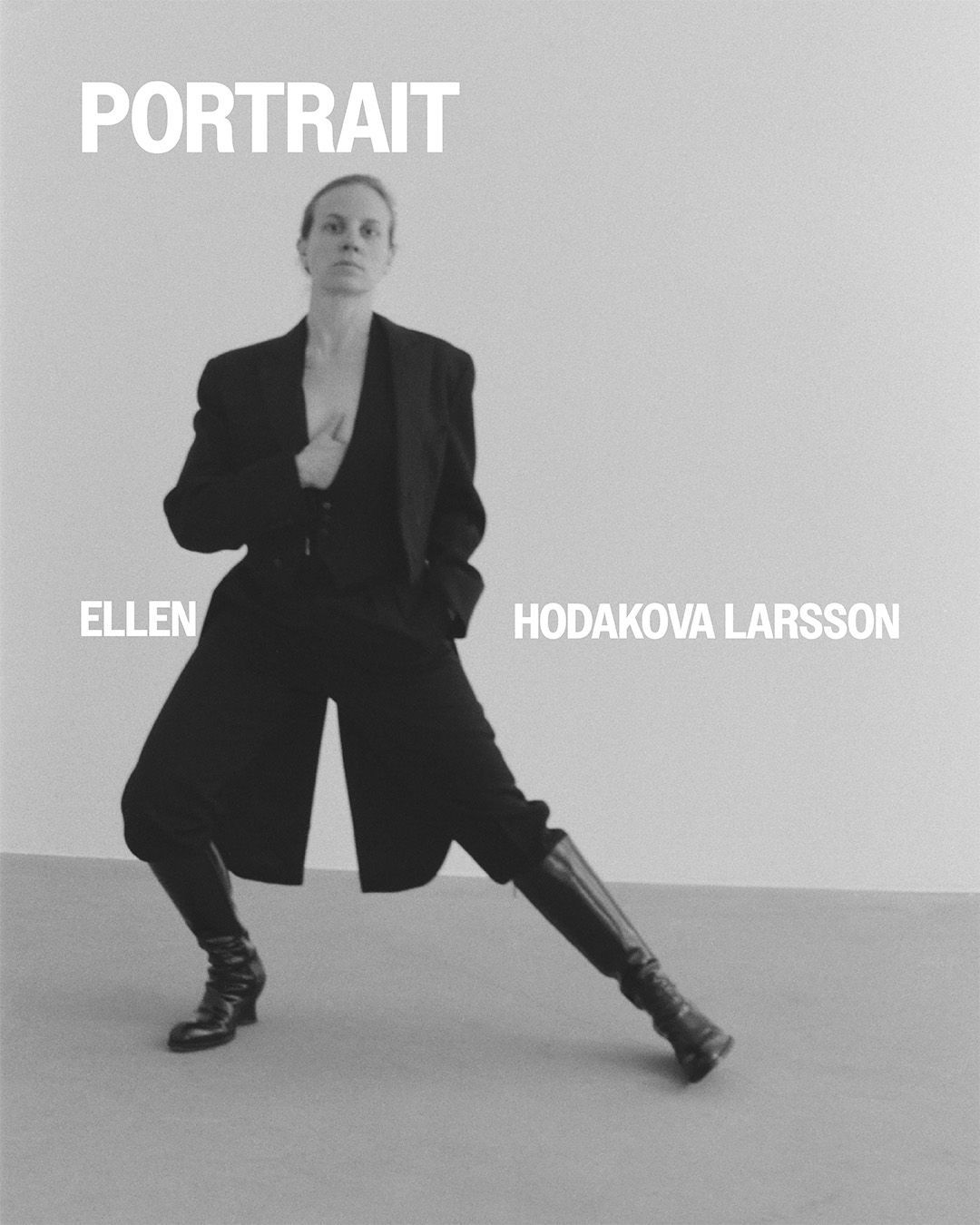
Dana Thomas, for her part, spoke about young brands like Hodakova long before the industry recognized the talent of its Swedish founder and designer, and she agrees. «That’s why I do it on Substack,» she adds. «I always try to spotlight emerging designers - like André Leon Talley used to do. Although it’s losing its glamour because there are so many brands, there’s still so much talent coming out.» Here too, a good critic is defined by the ability to spot talent before others and, above all, by knowing how to tell its story.