



















Louis Vuitton prepares to celebrate 130 years of its Monogram Forse l’icona più rappresentativa del lusso nella cultura pop


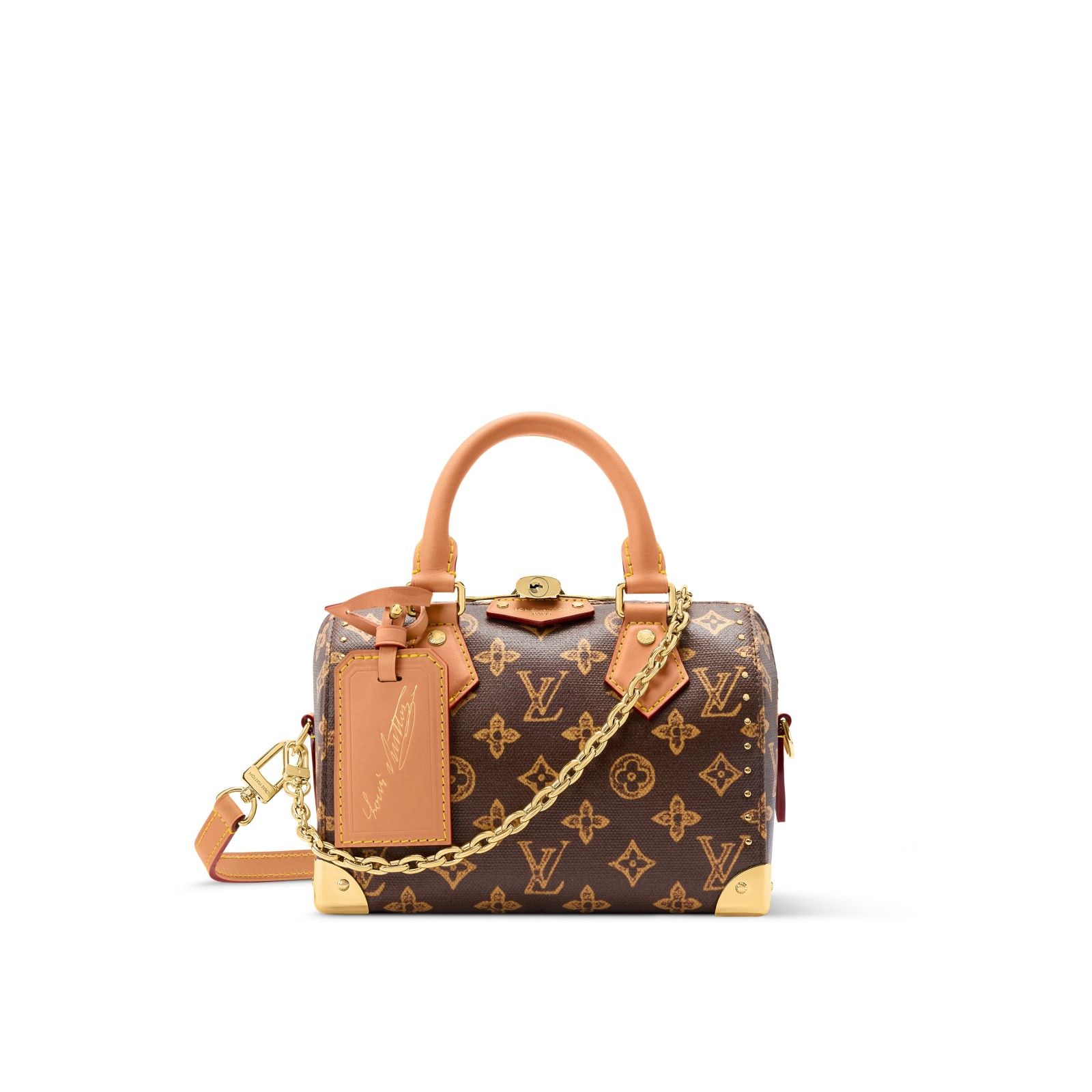
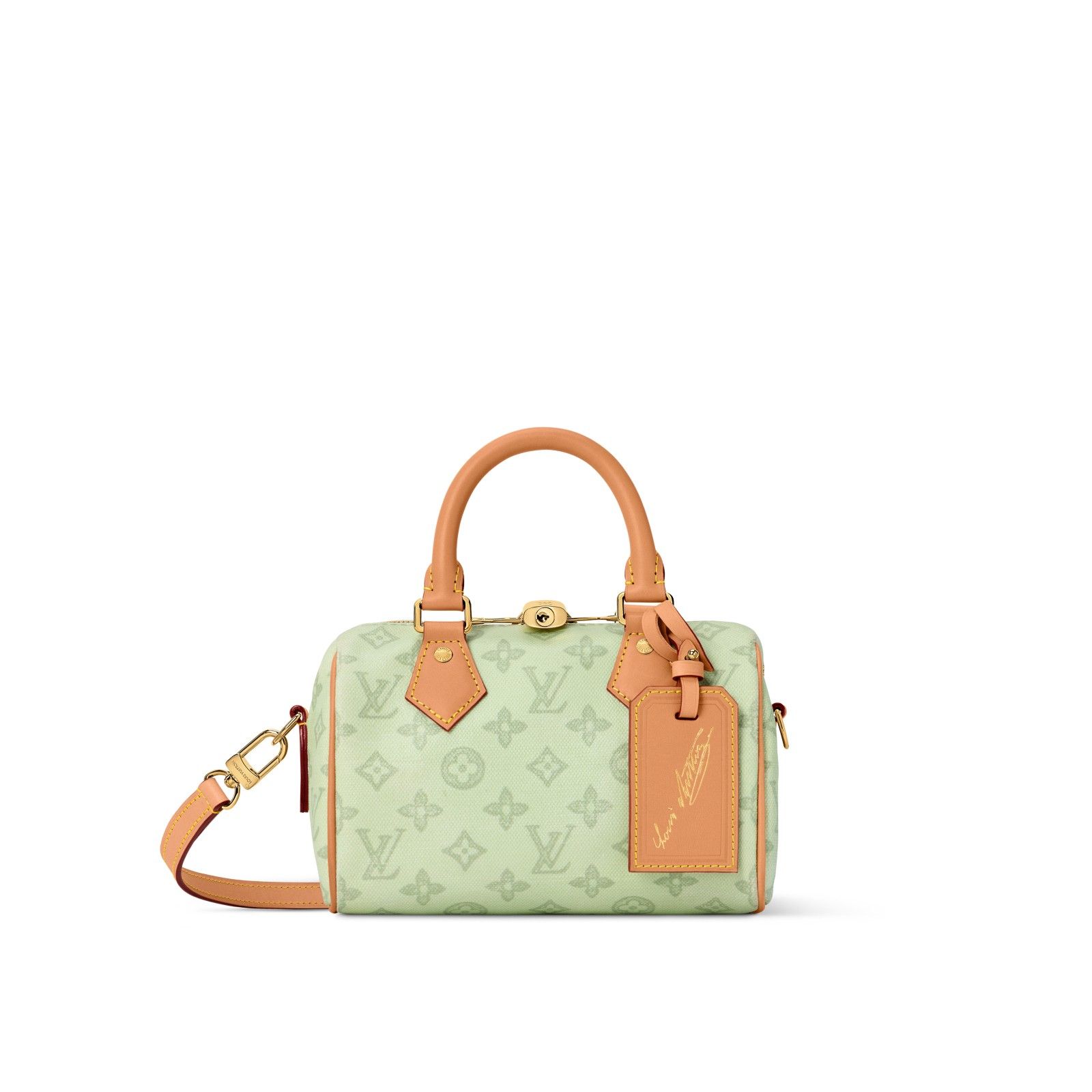
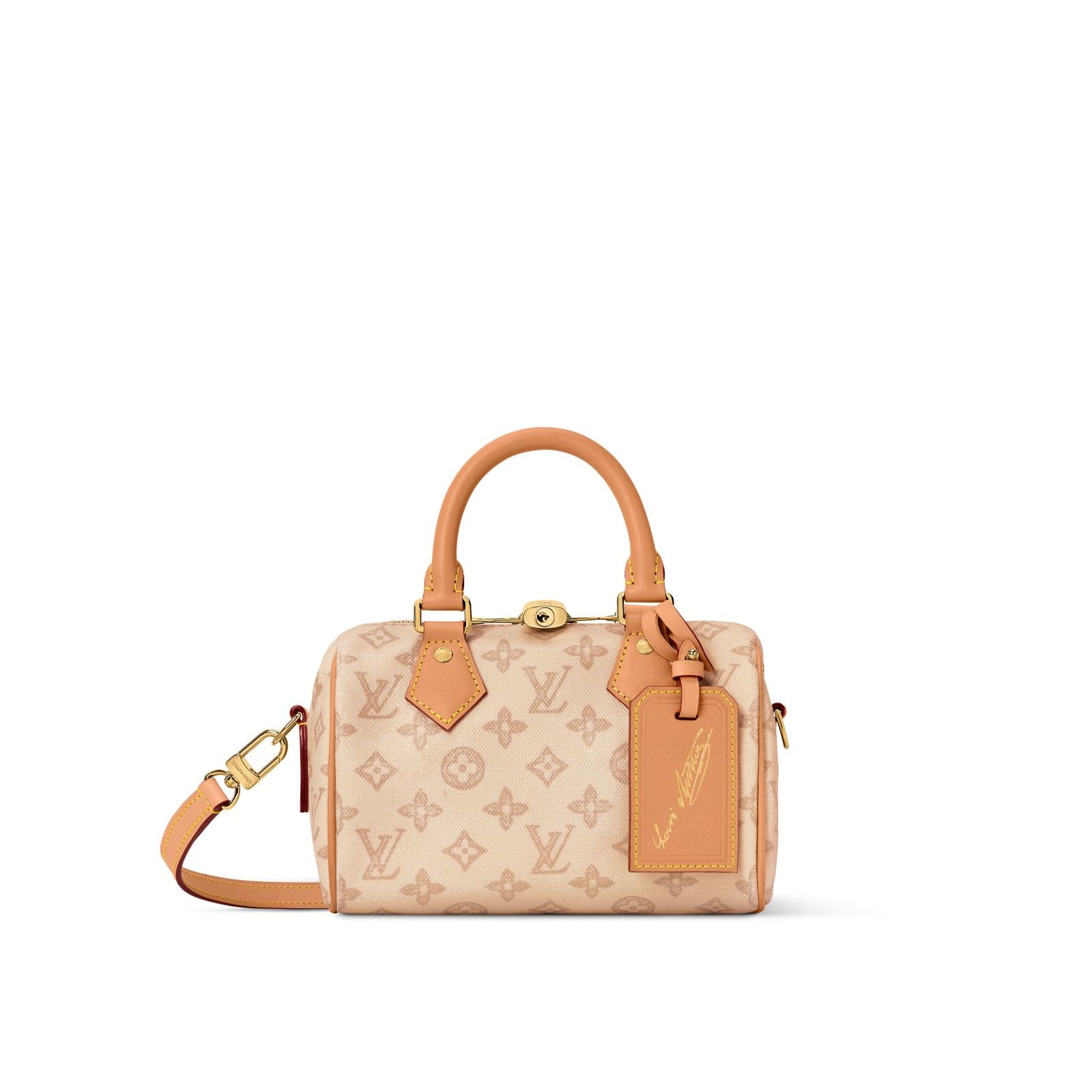
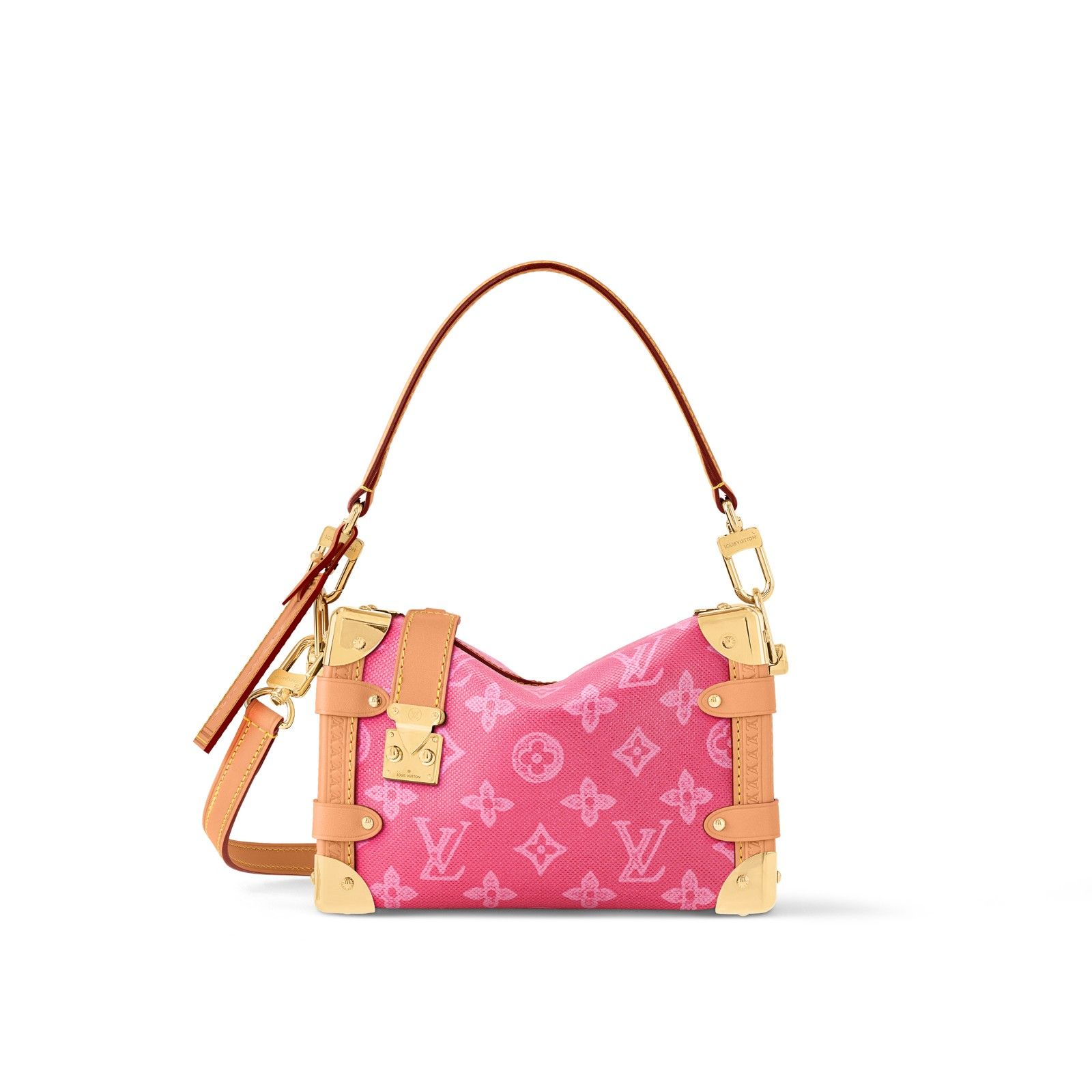
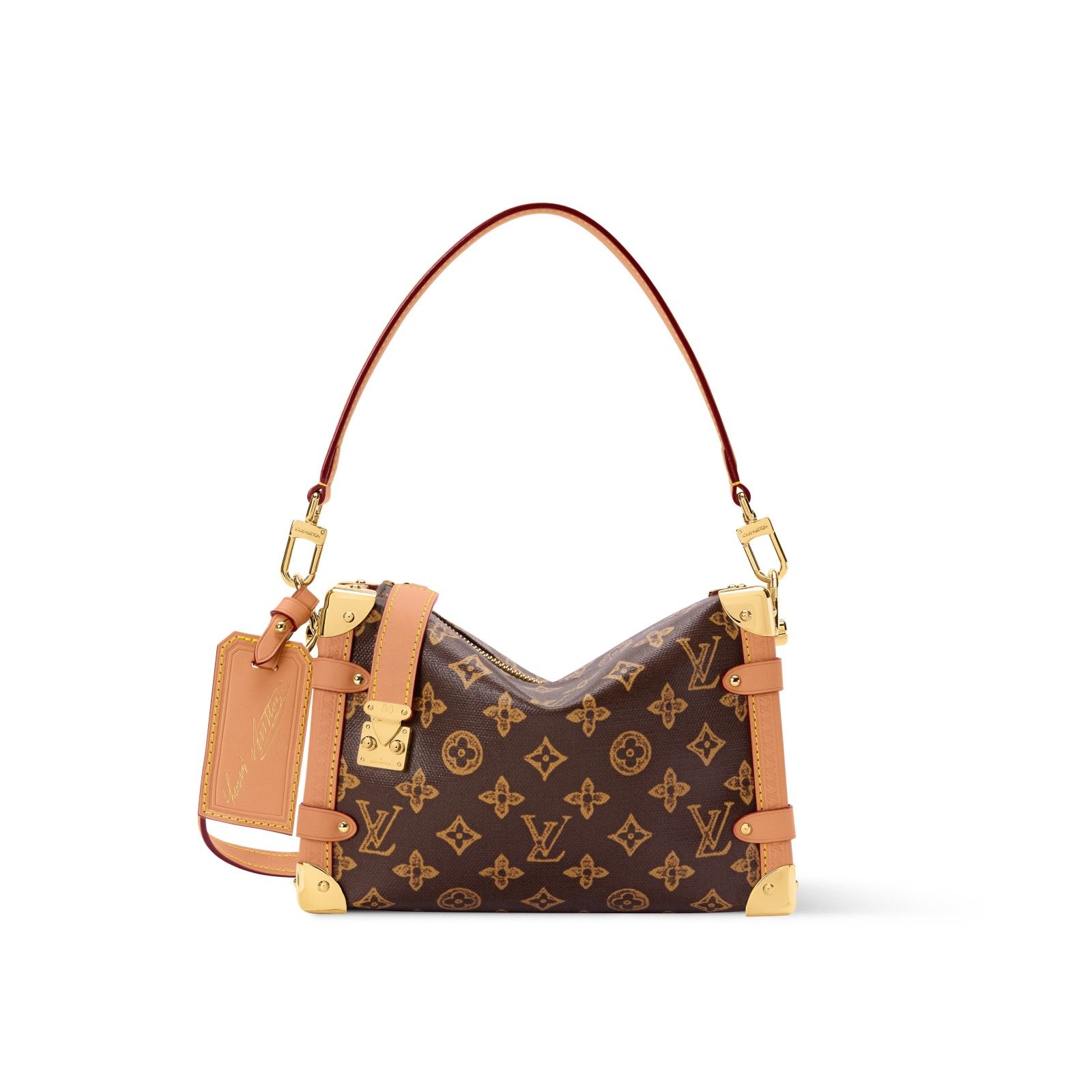
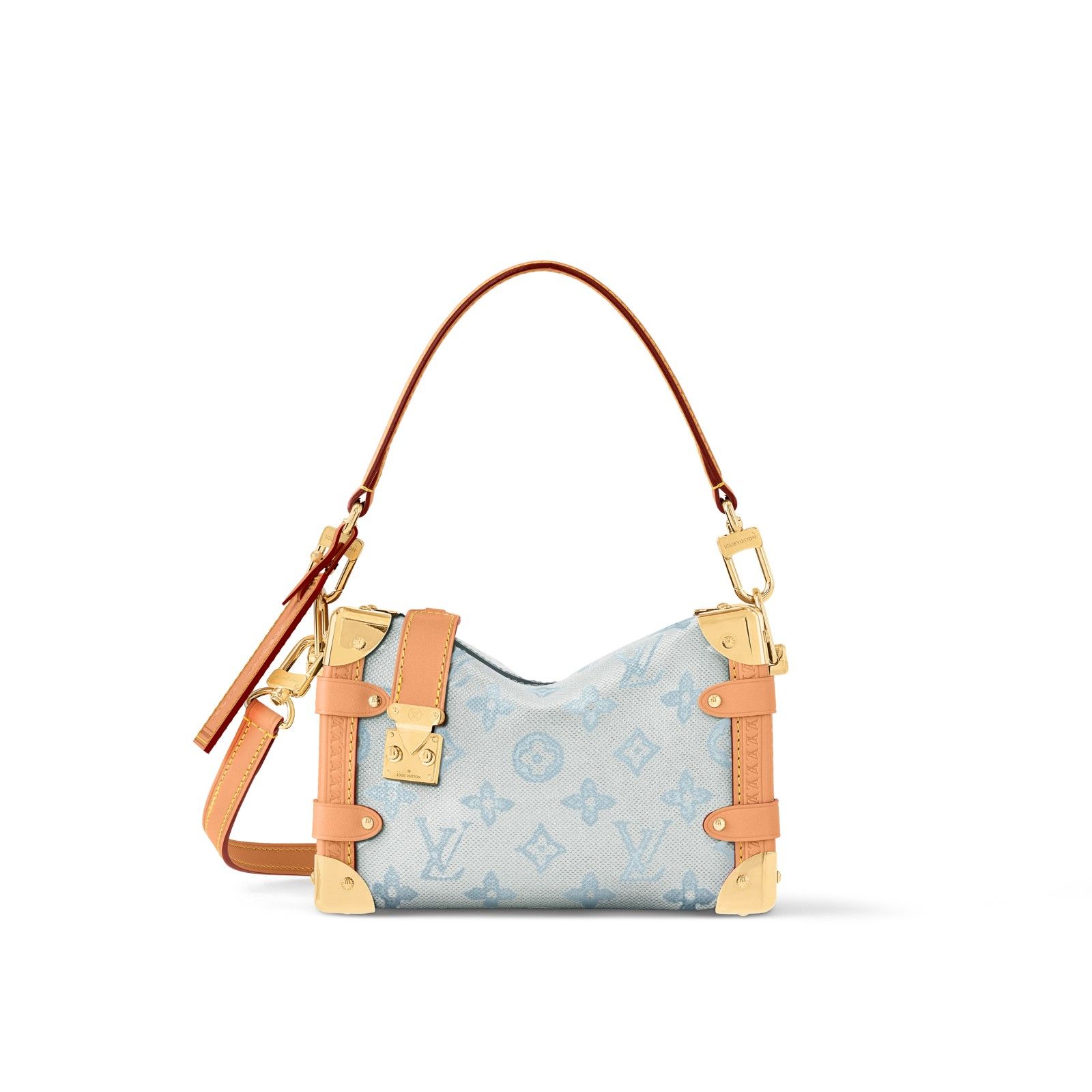
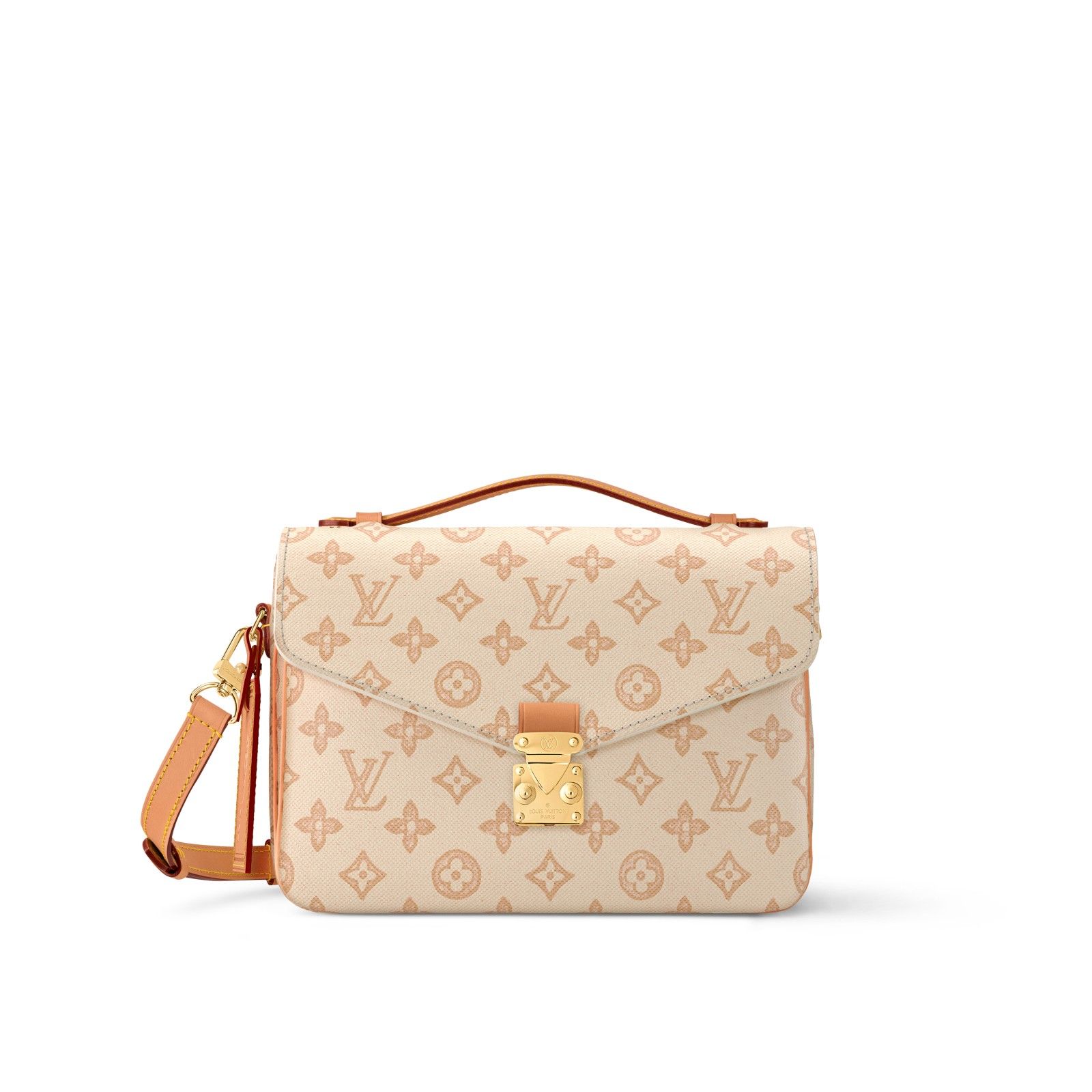
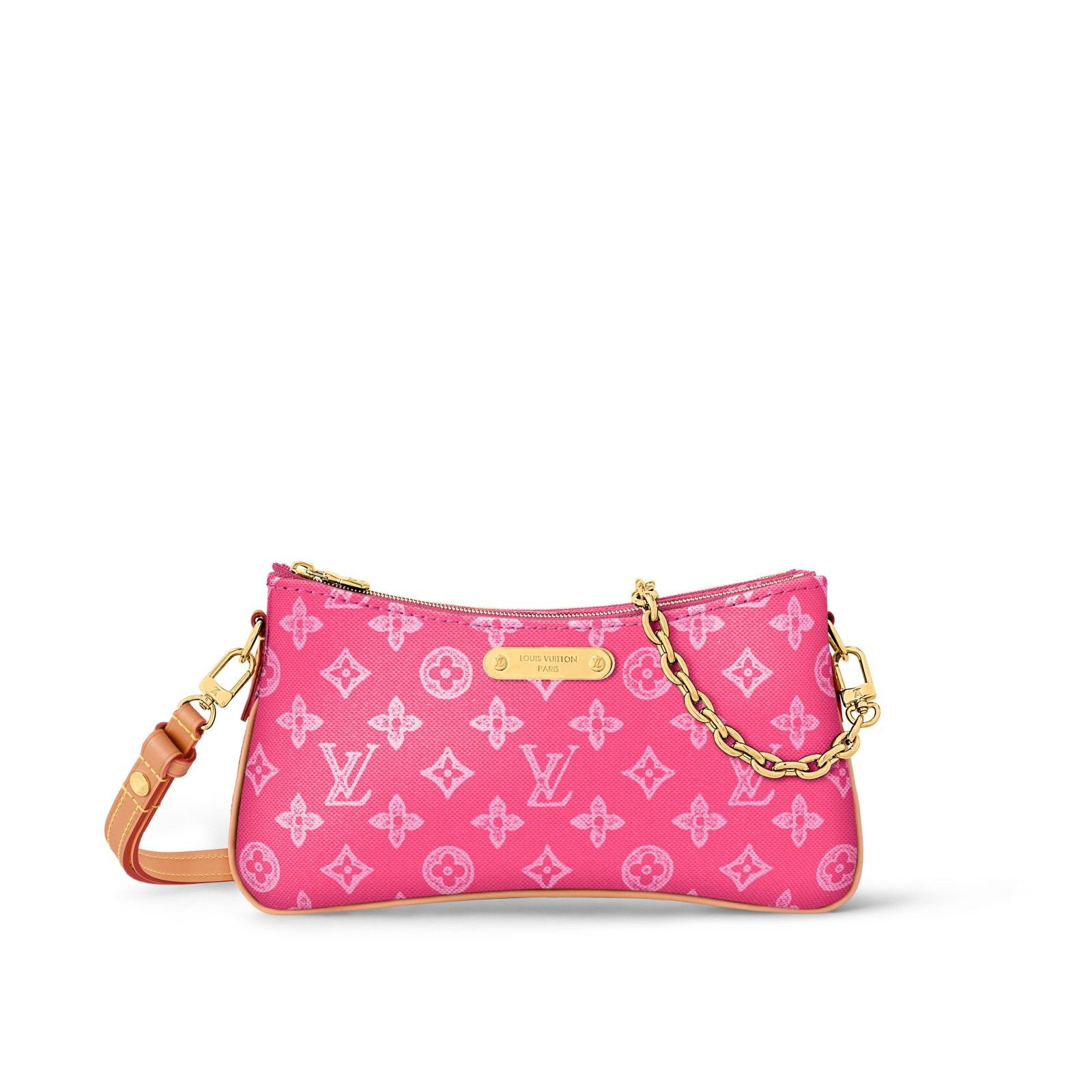
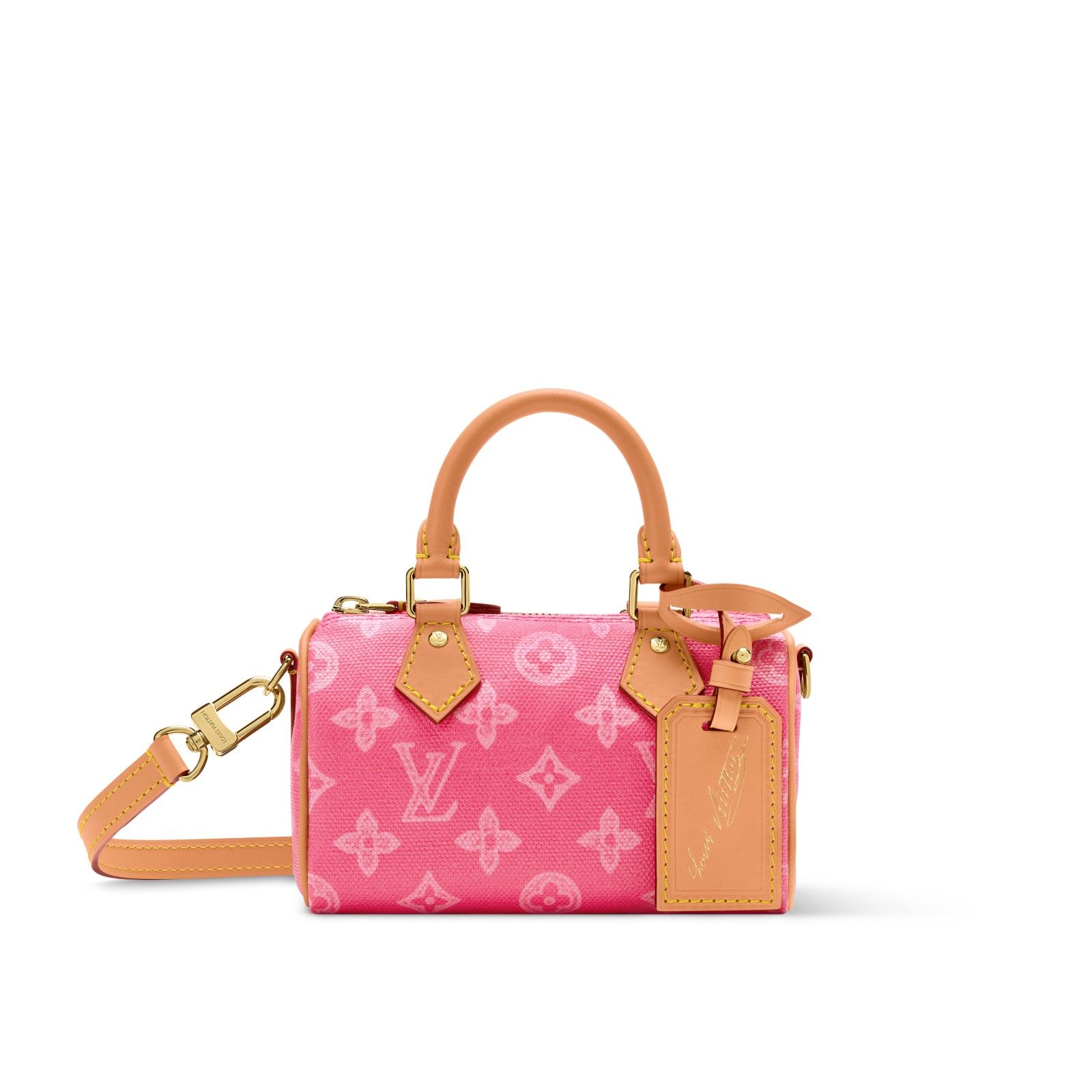
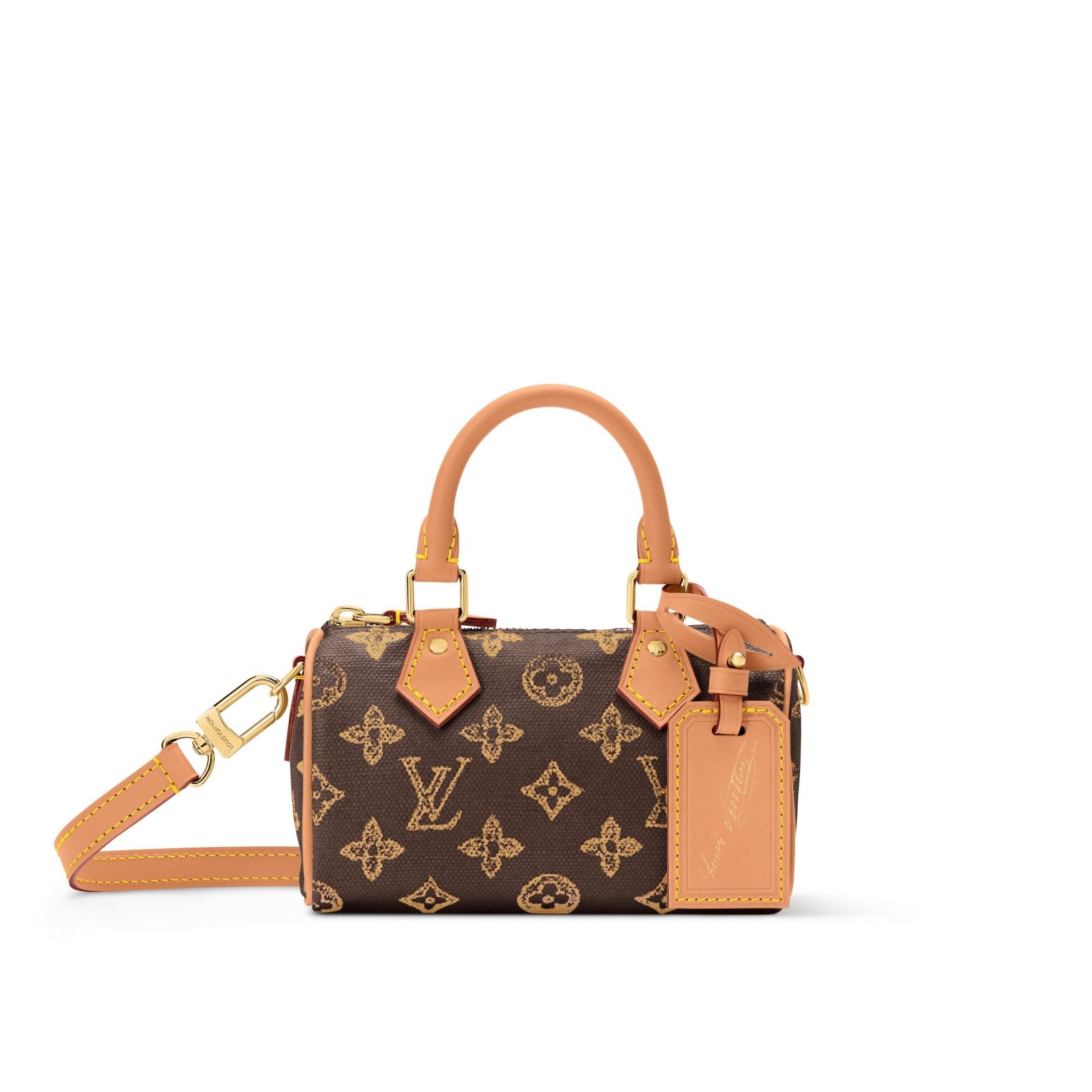

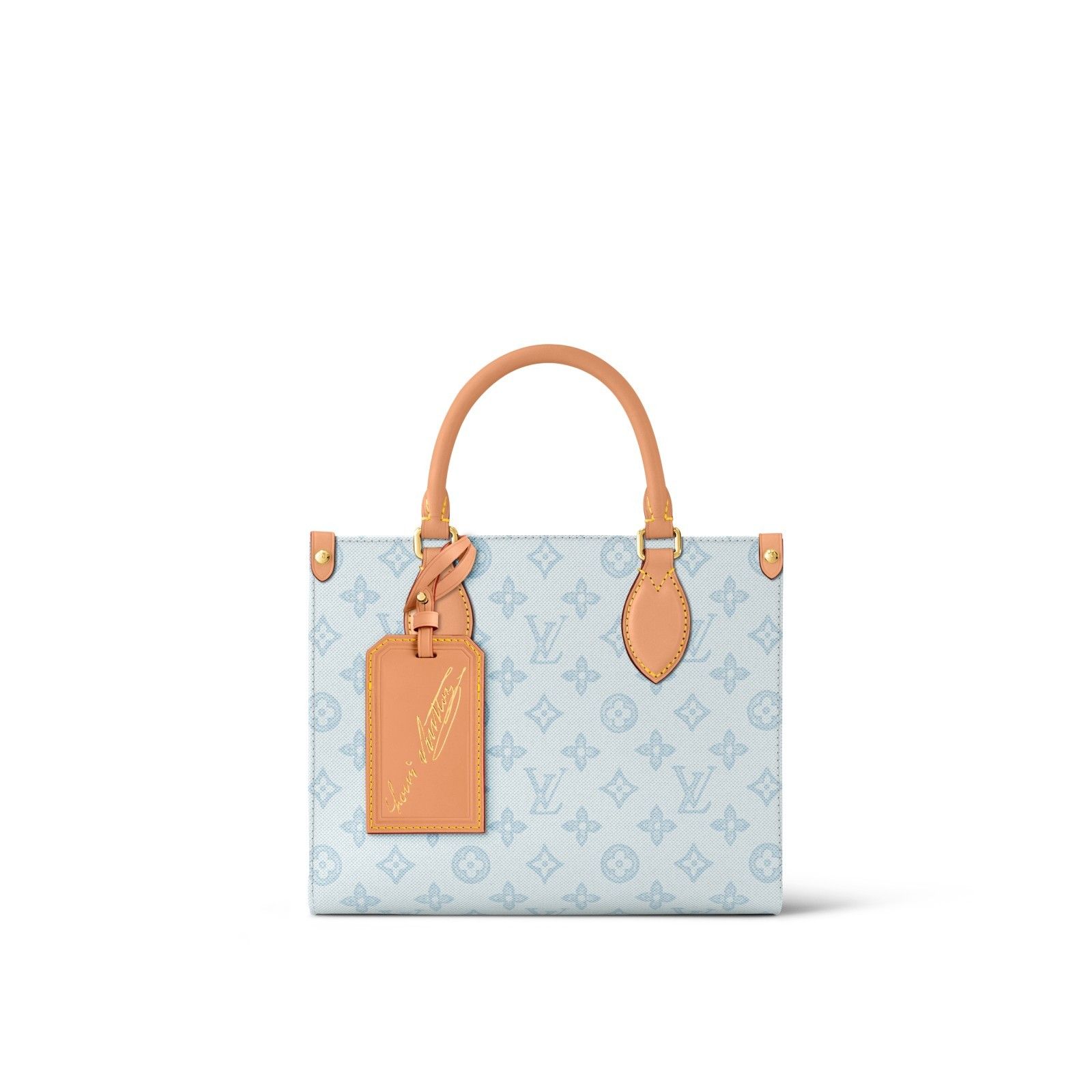
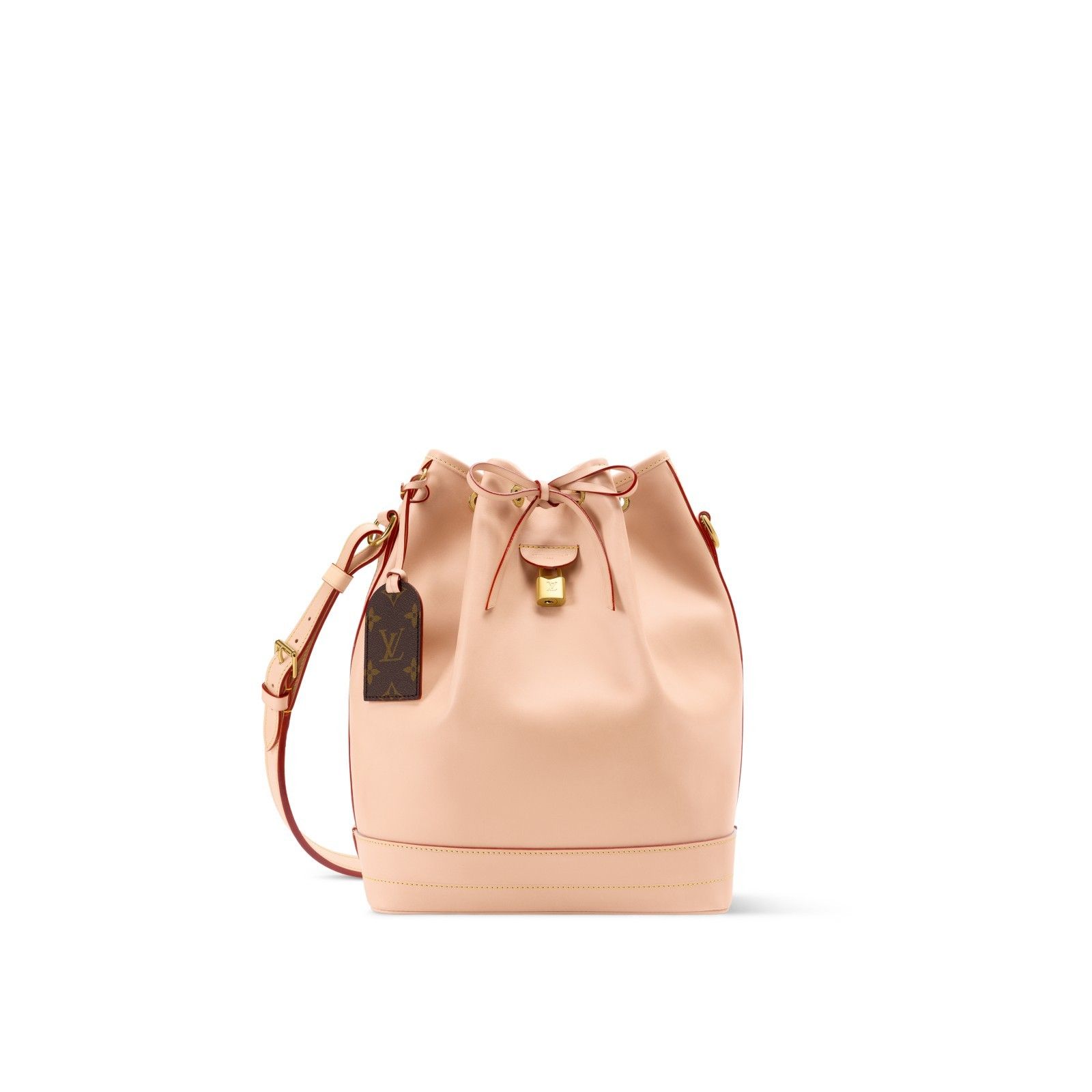
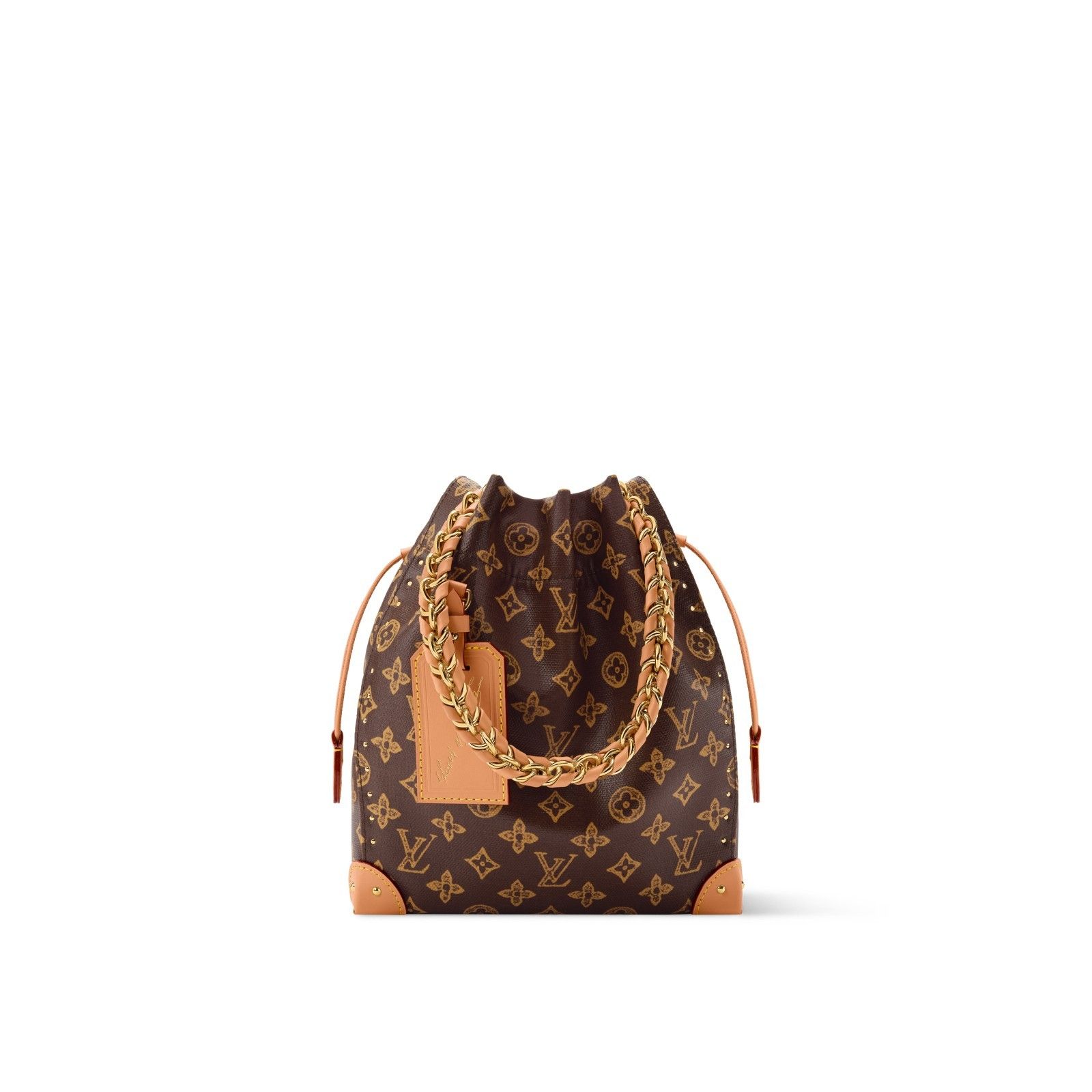
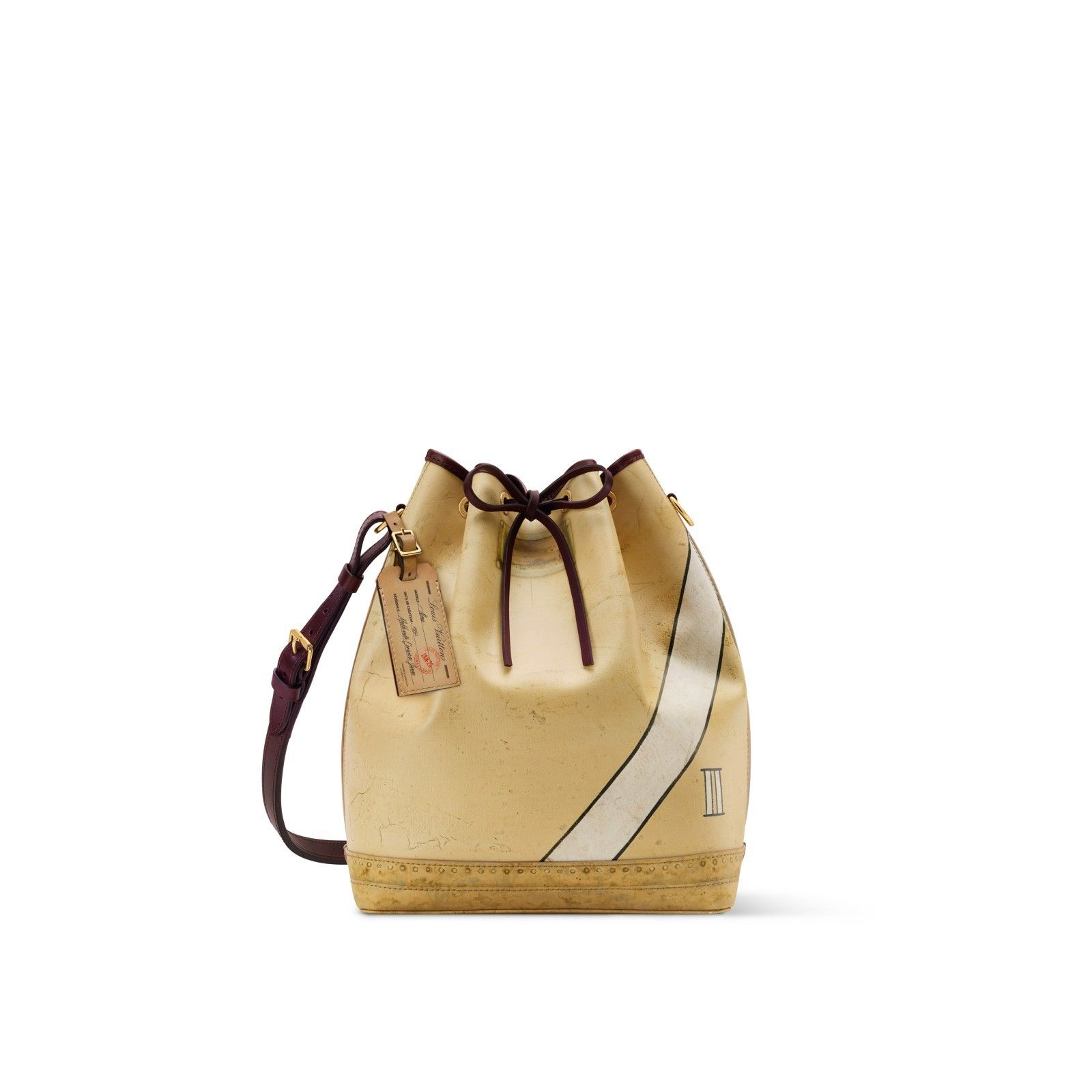
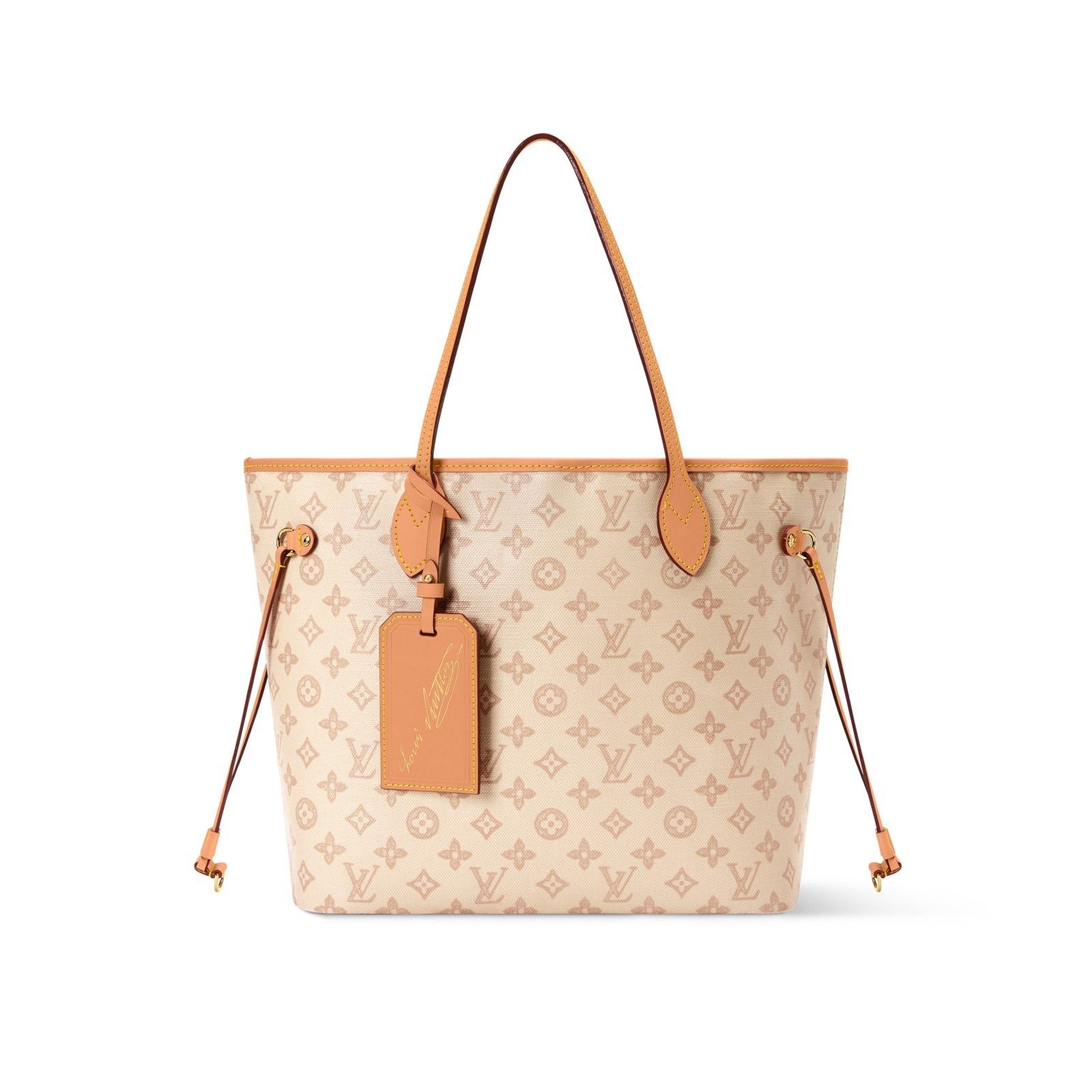
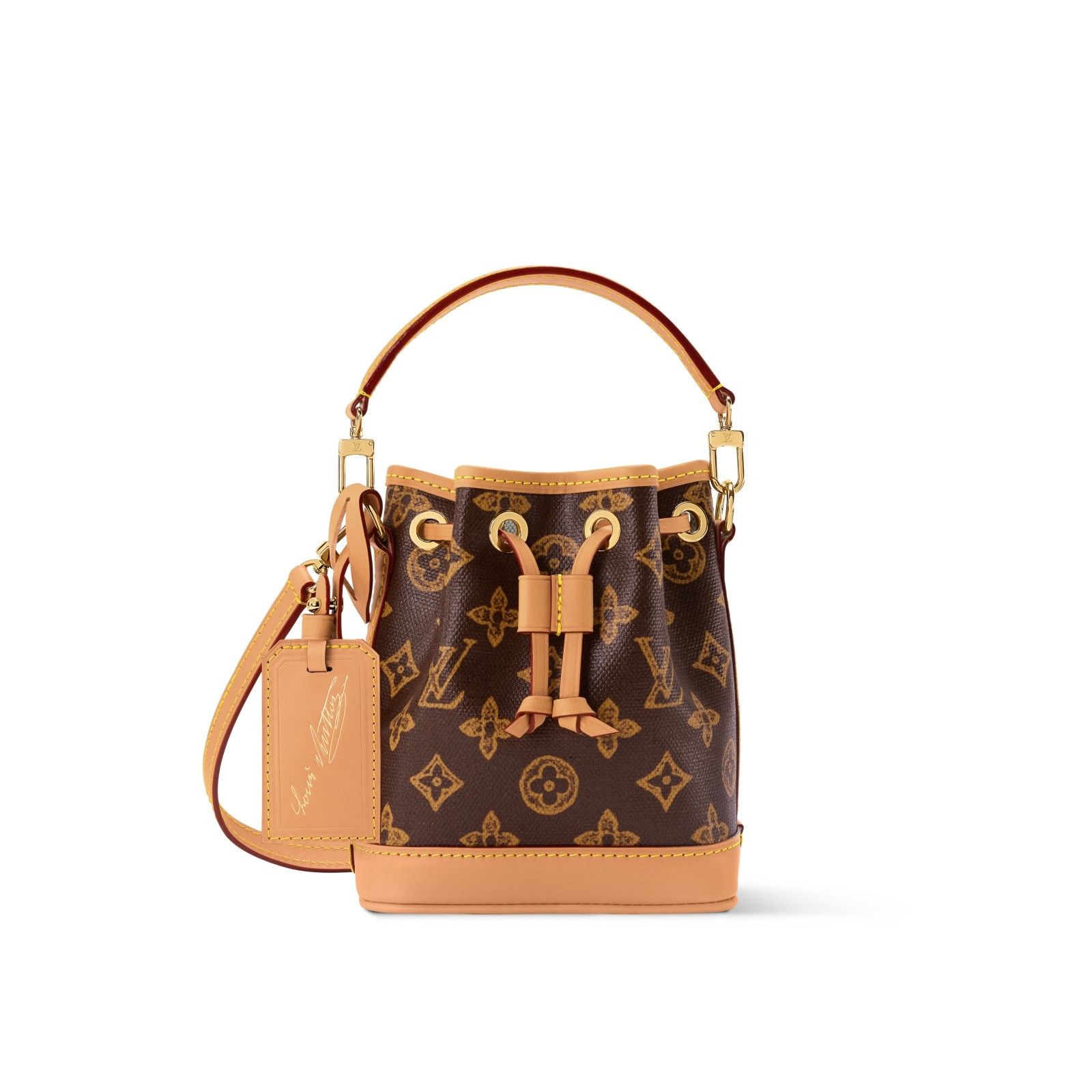
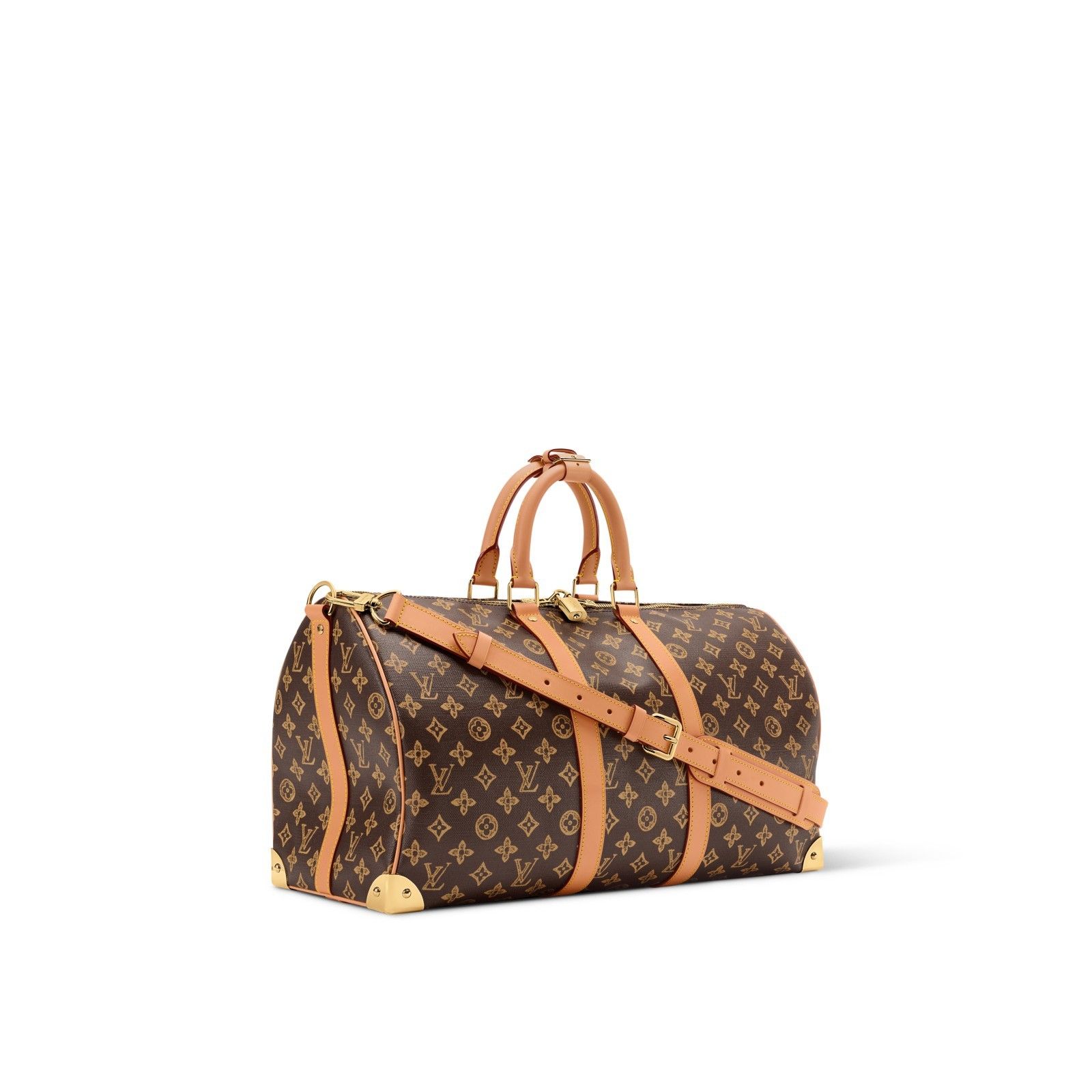
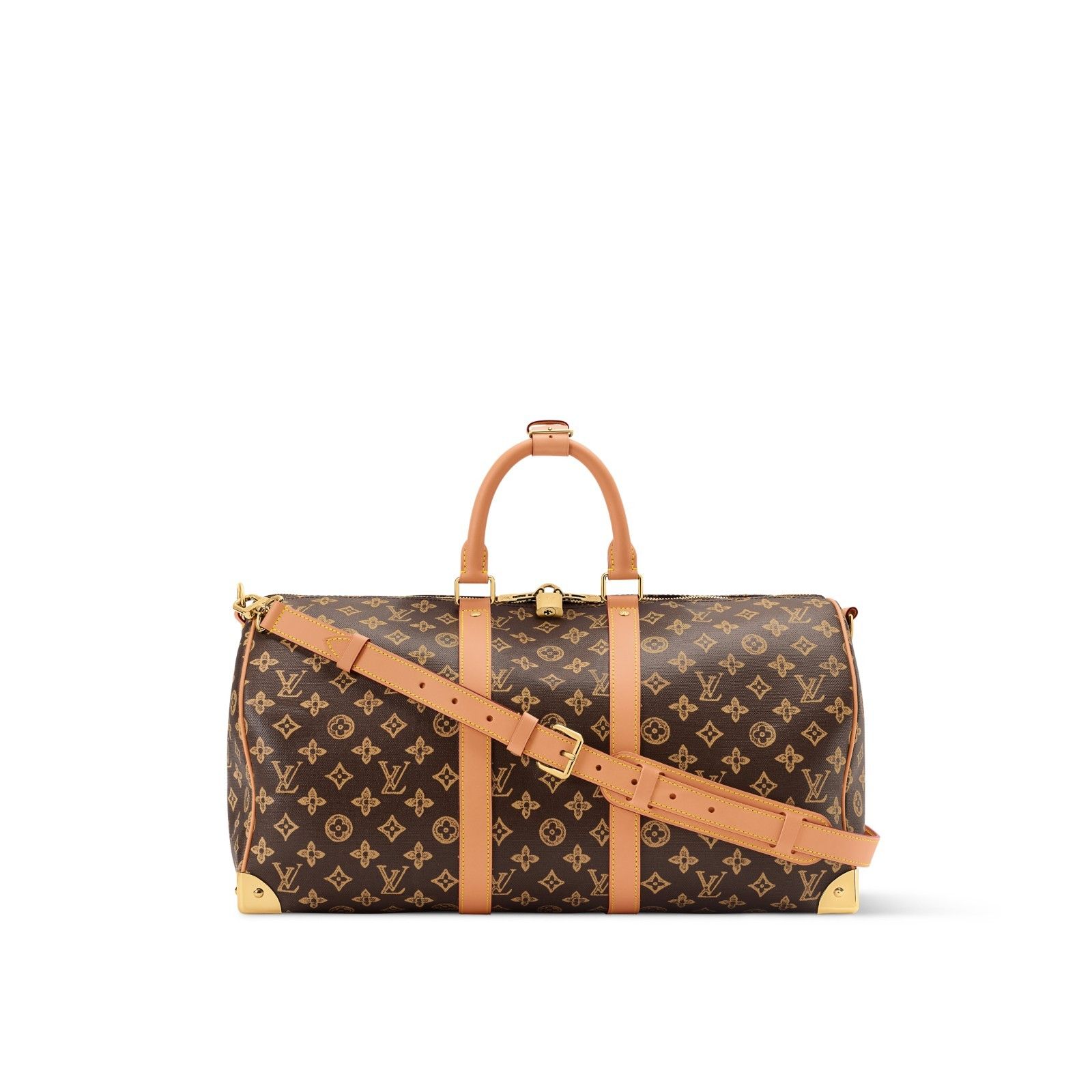
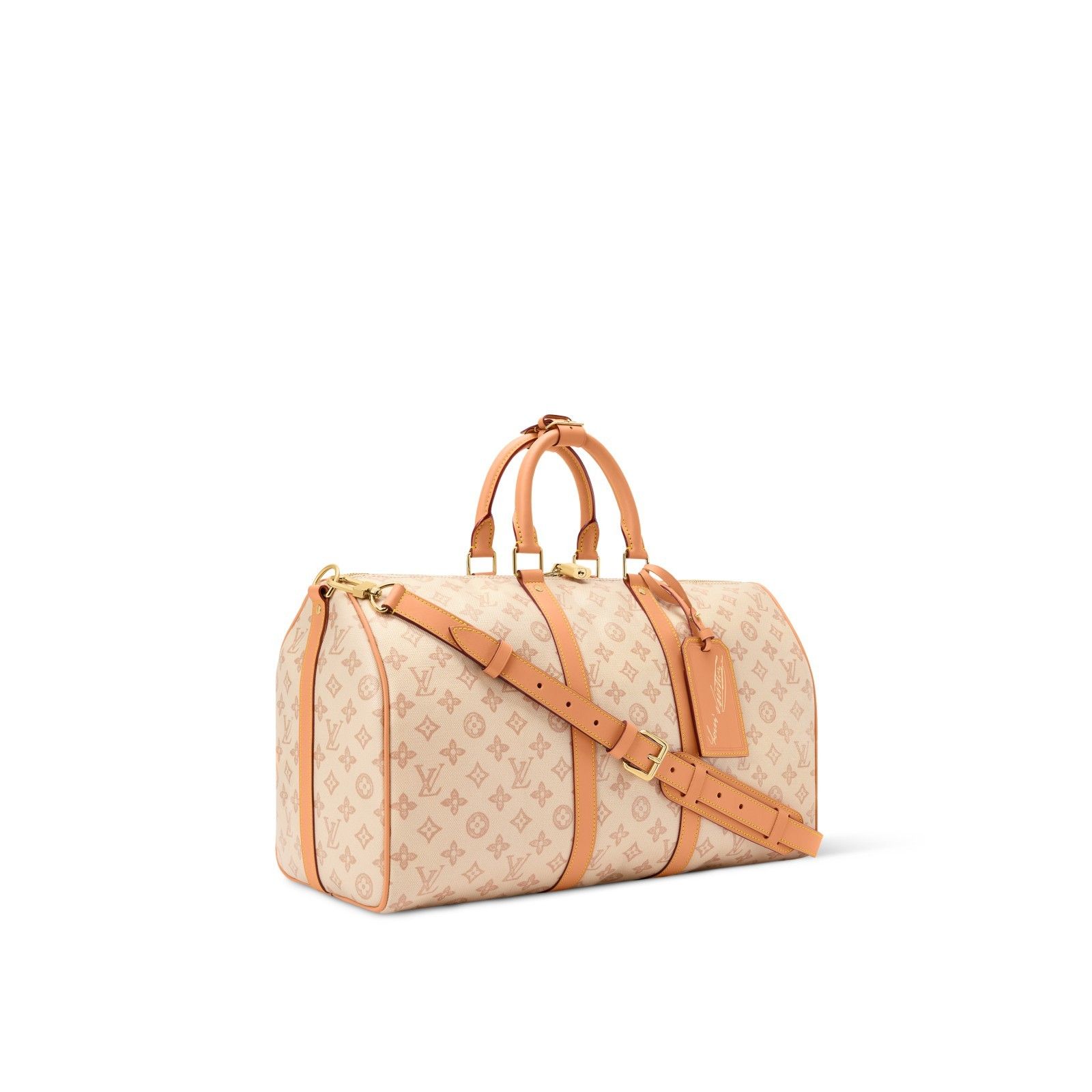
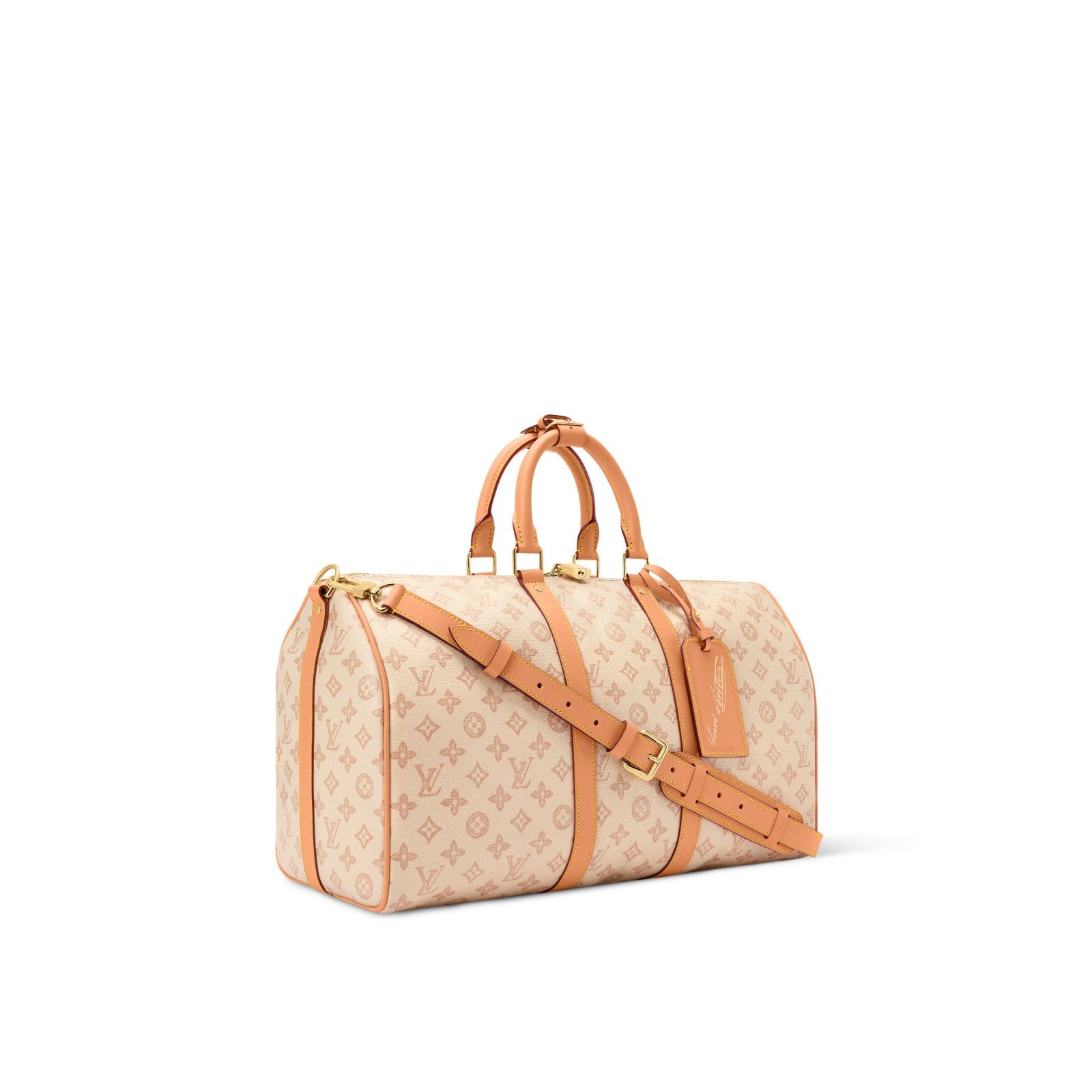
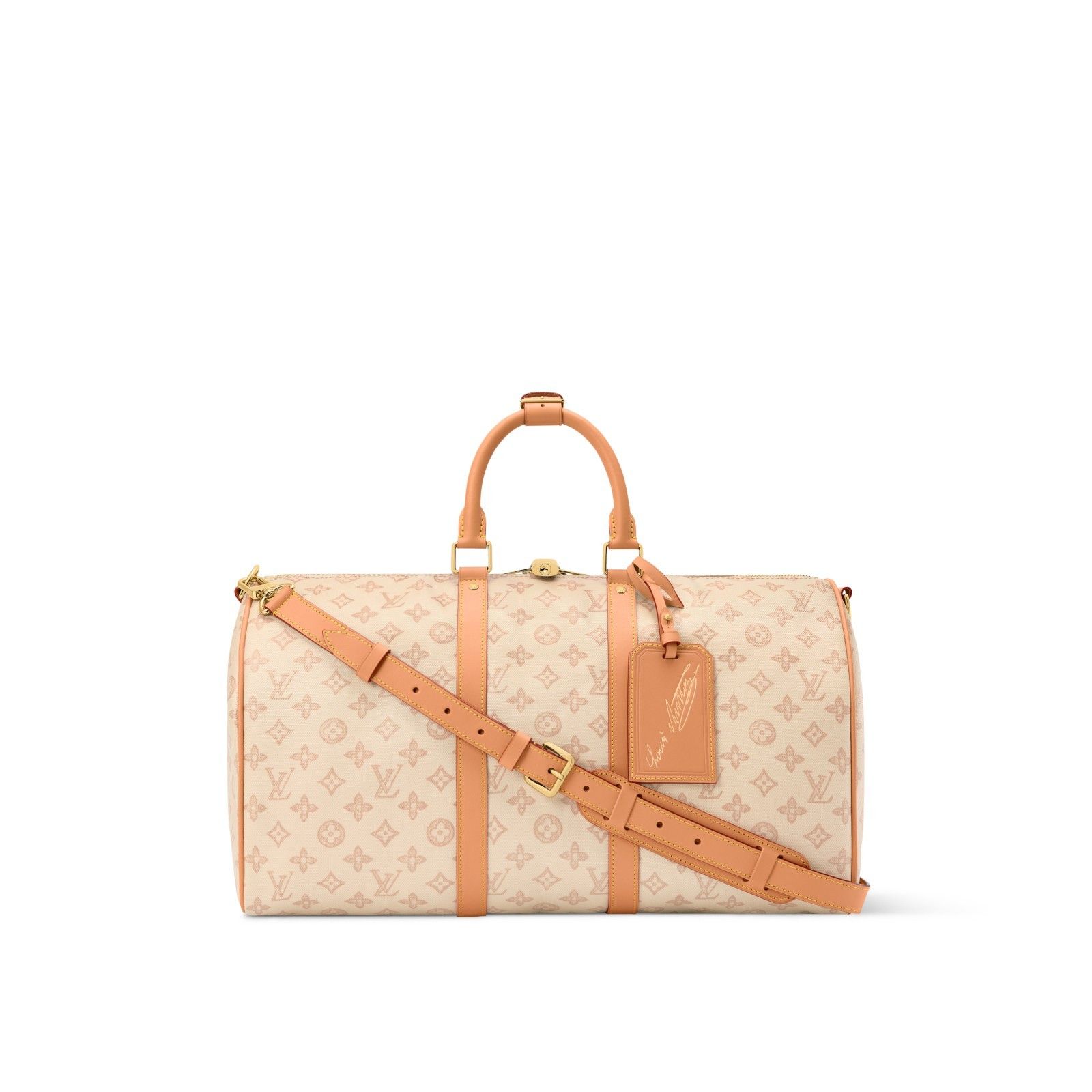
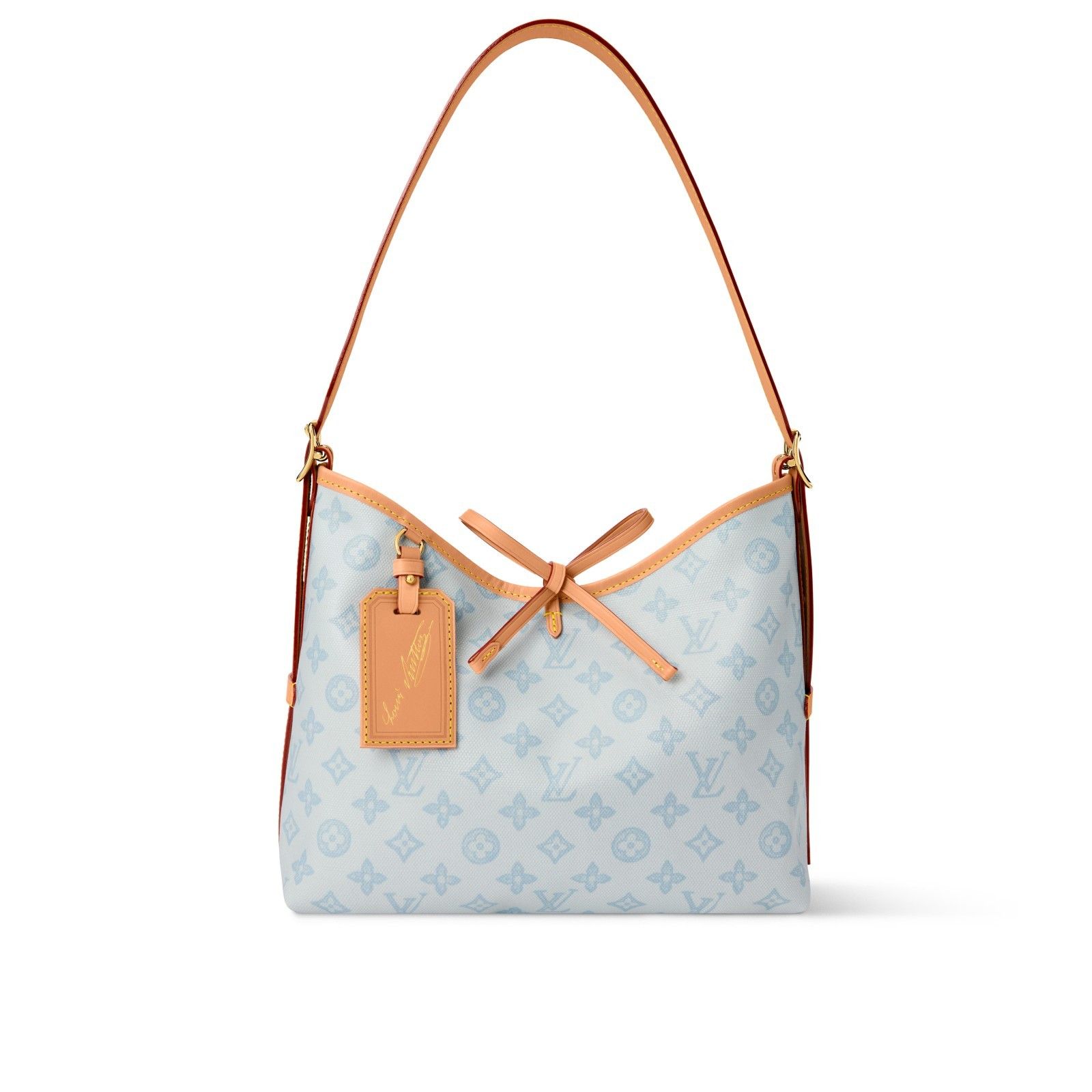
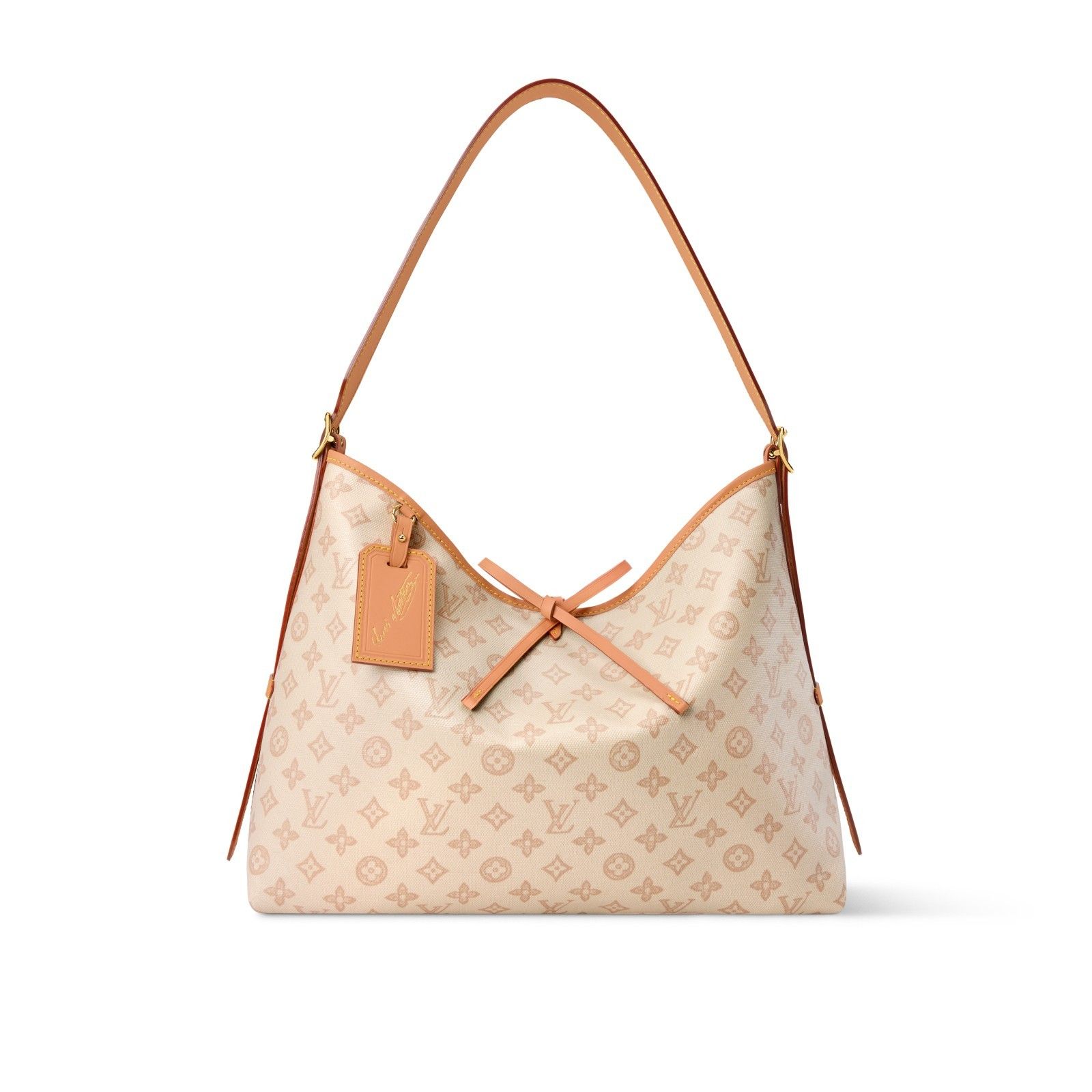
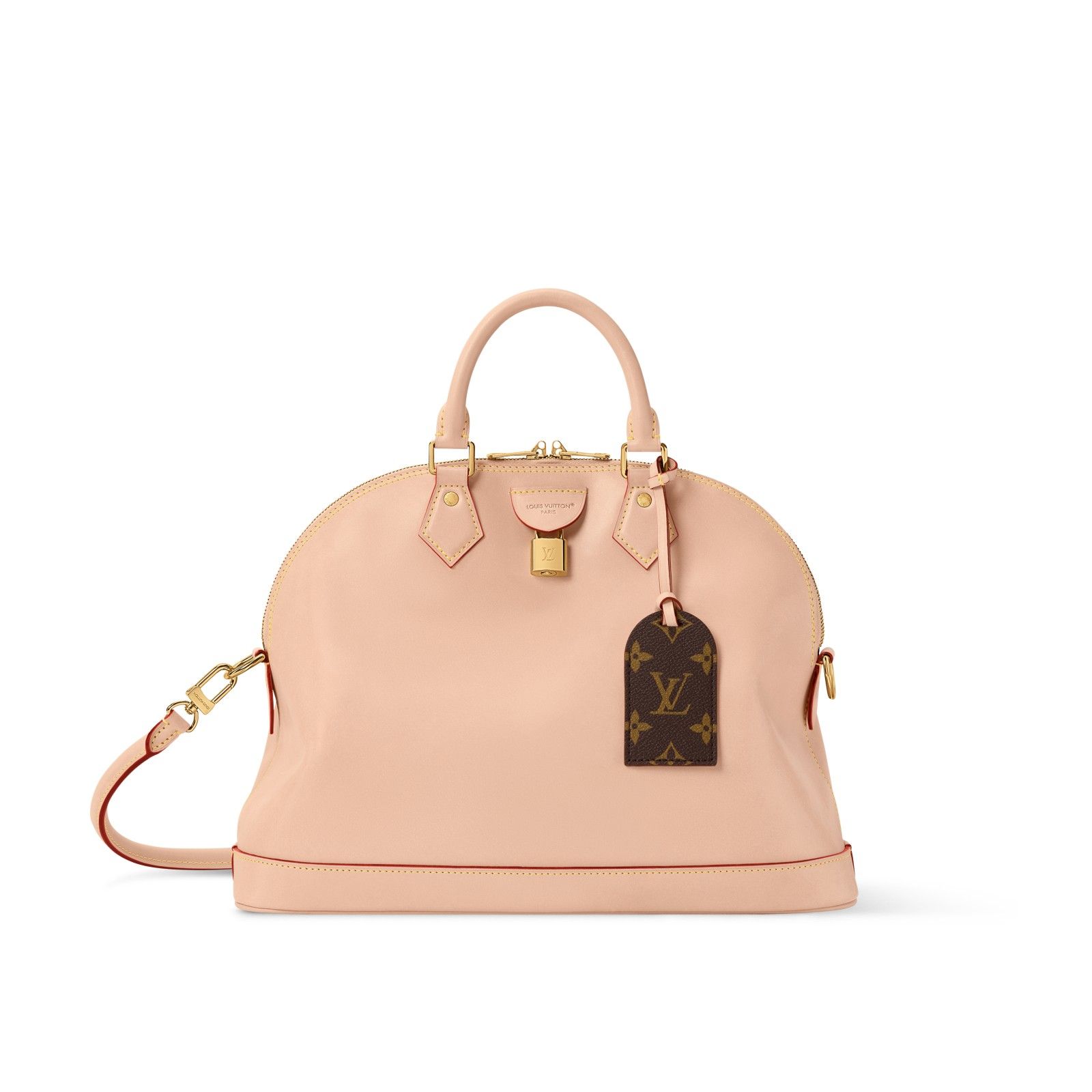

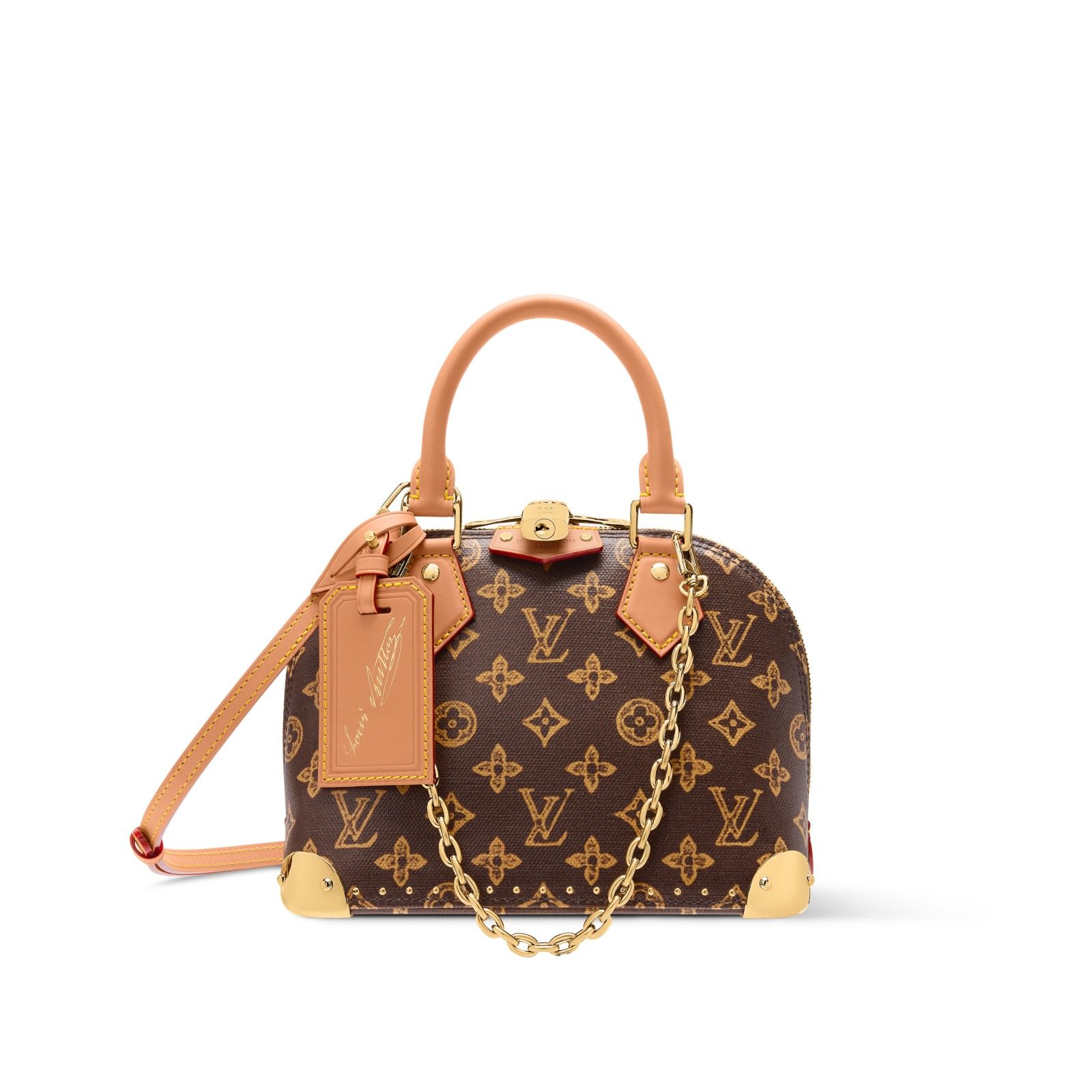
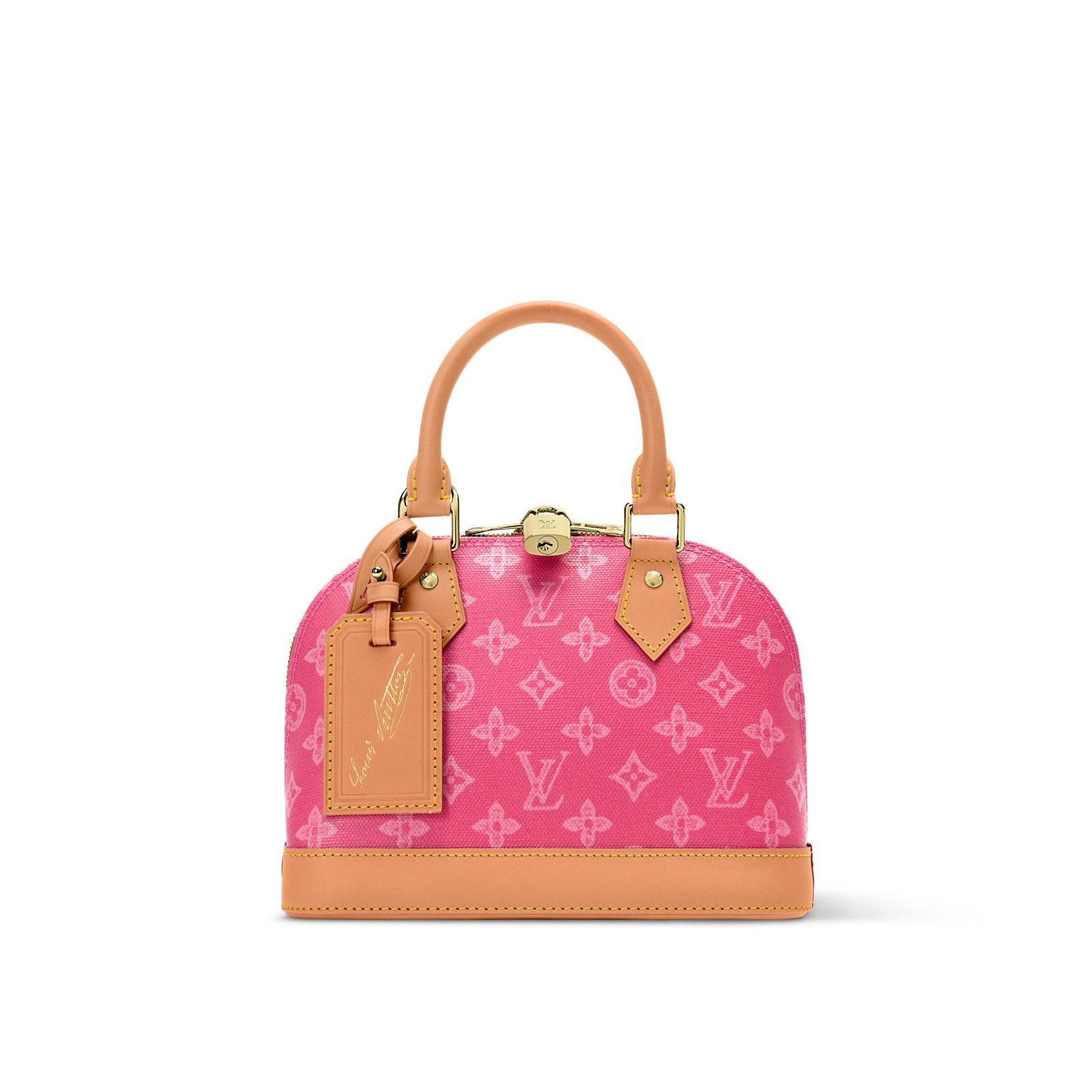
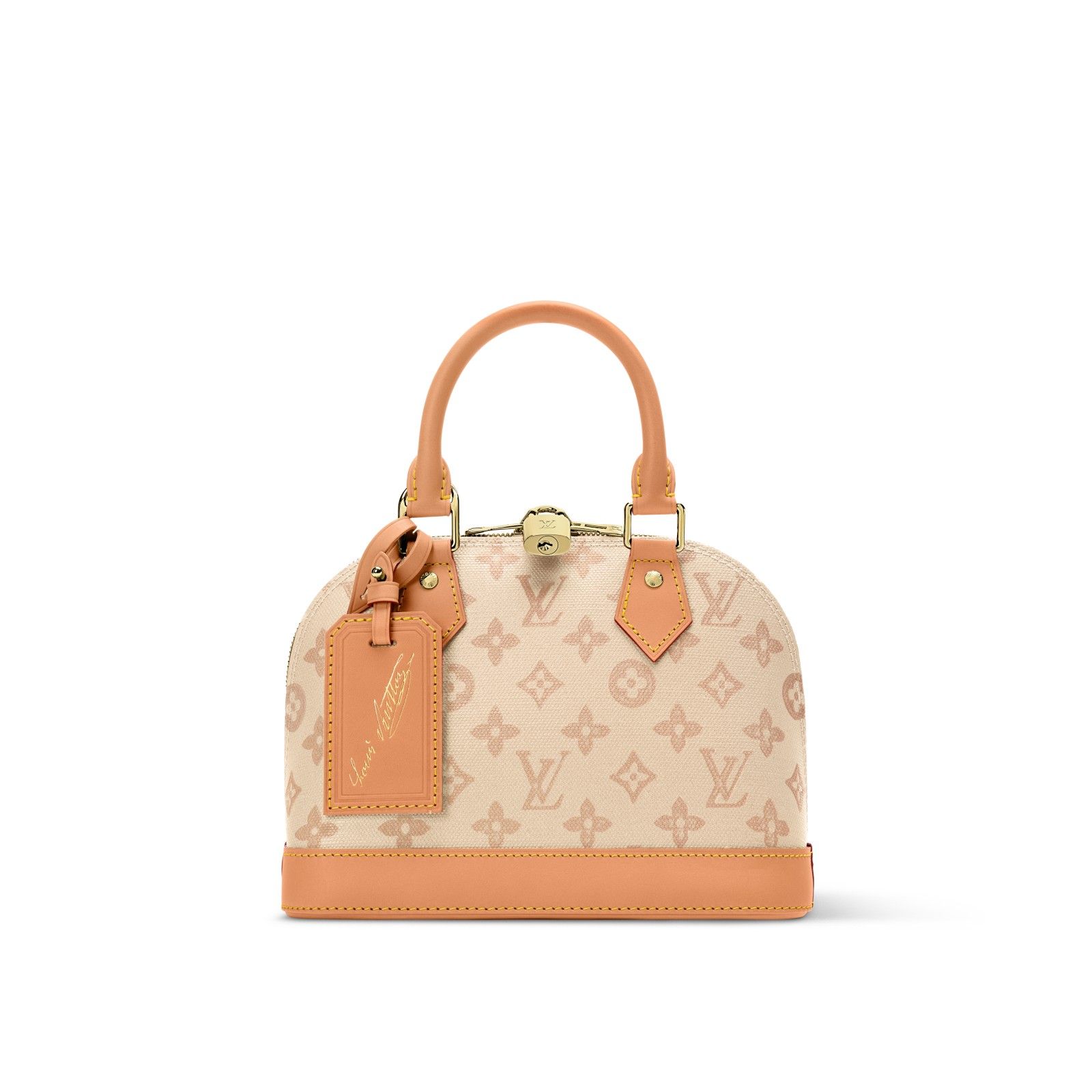
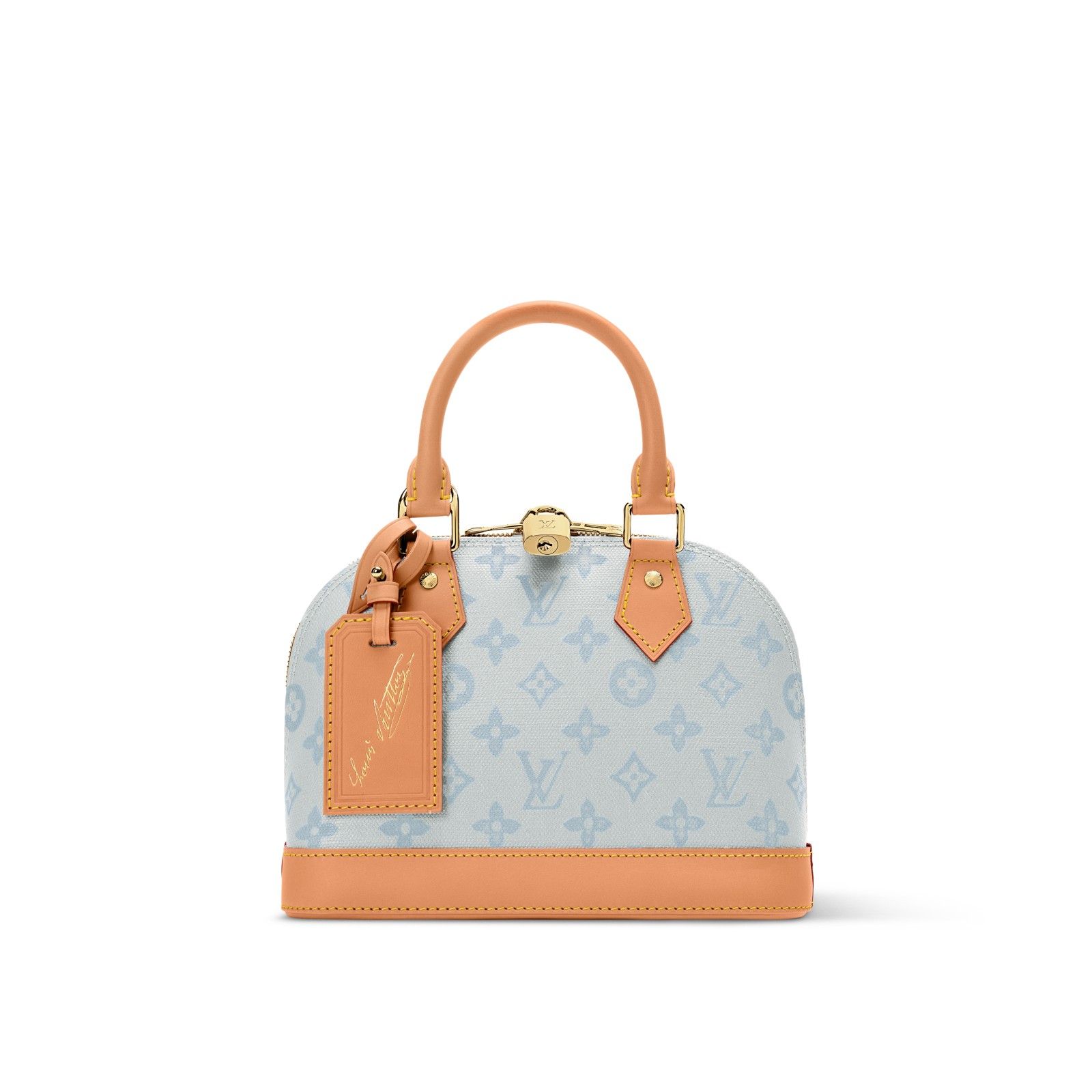
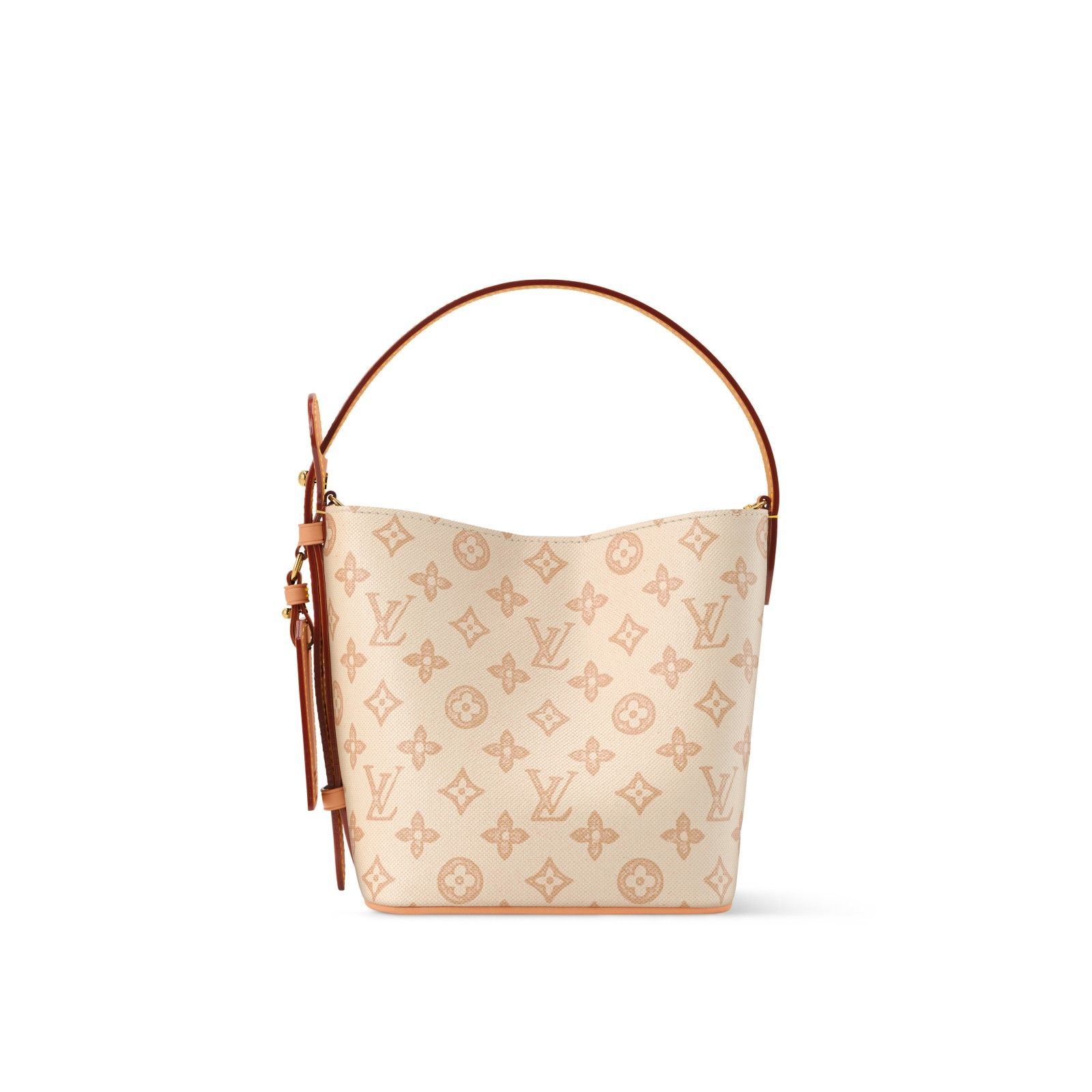

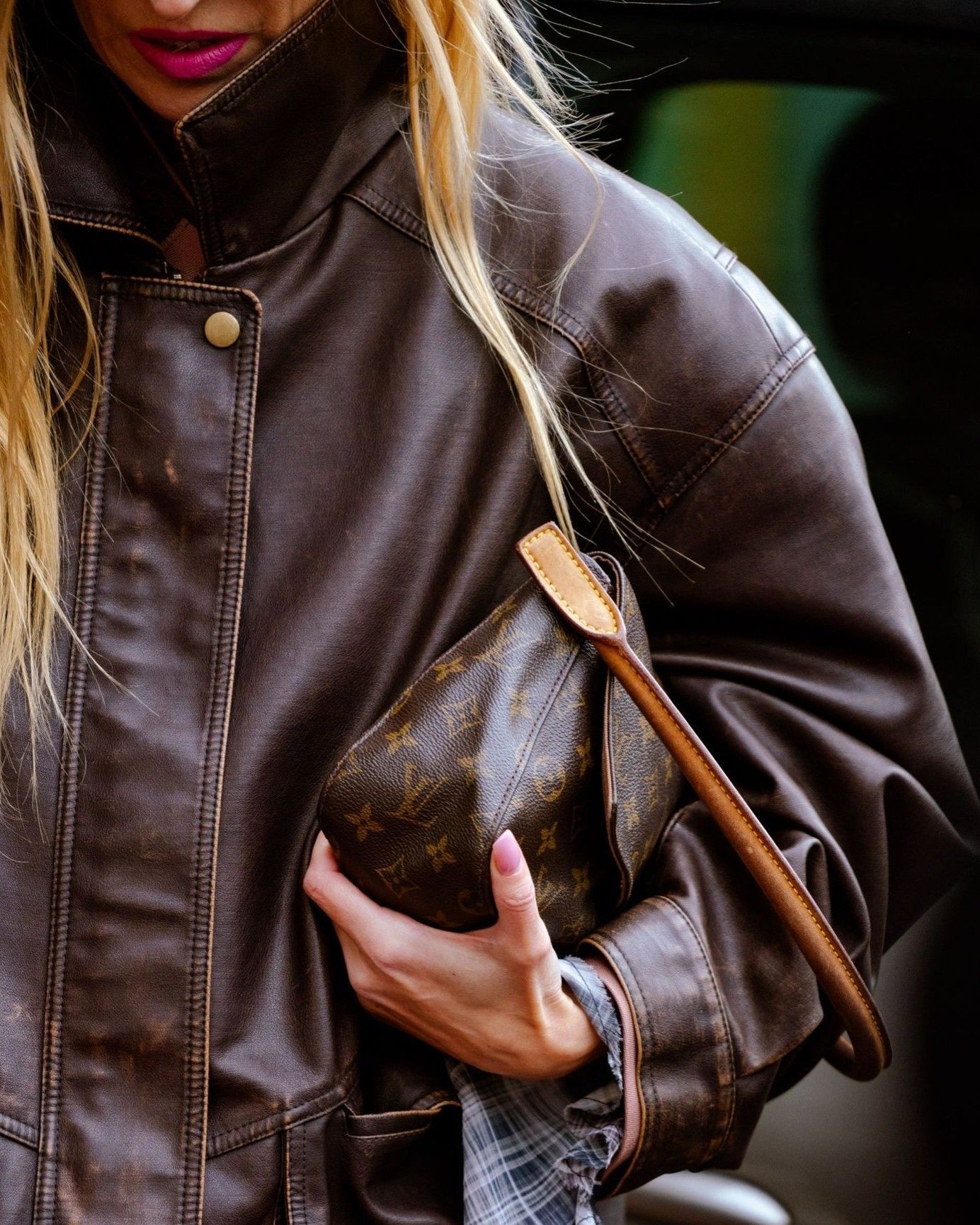
It would be hard to find a luxury symbol more ubiquitous and recognized worldwide than the Louis Vuitton monogram. More than just a luxury logo, the famous pattern with flowers and LV letters has become the symbol of luxury as a pop status symbol, turning over the decades into a sort of blank canvas on which different generations of creatives have made their contribution. And in the coming year, this monogram will be at the center of a special celebration, as in 2026 it will mark its 130th anniversary.
Louis Vuitton has indeed announced an ambitious project to celebrate the 130 years of its iconic monogram, created in 1896 by Georges Vuitton. Starting from January 2026, the Maison will launch a series of initiatives including special collections, dedicated thematic windows, and exclusive presentations in its stores. The project will initially focus on the historic monogram bags, elevating them to true works of art from the Maison’s heritage, and will introduce new limited-edition lines featuring innovative materials, advanced craftsmanship techniques, and a dialogue between tradition and modernity. This celebration not only retraces the evolution of the monogram but invites the public to rediscover it as a cultural icon of modern times.
When was the Louis Vuitton monogram born?
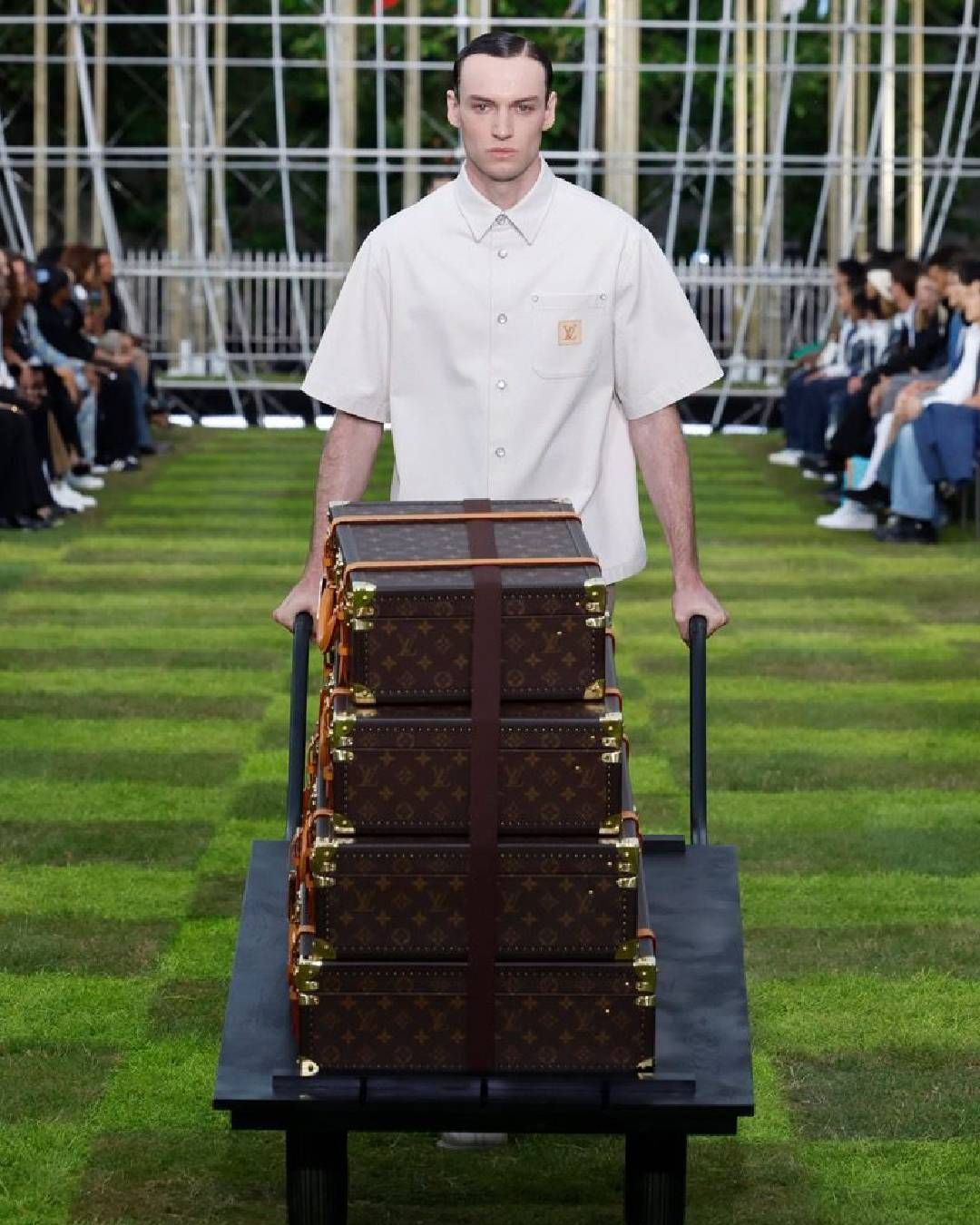
The Louis Vuitton monogram was born in 1896 from the ingenuity of Georges Vuitton, son of the founder Louis Vuitton. Conceived as a tribute to his father and as a tool to protect against the widespread imitations of his trunks at the time, the monogram was officially registered as a patent on January 11, 1897, with a design that is already the one we know today. Its introduction followed the Maison’s previous innovations, such as the striped canvas introduced in 1872 and the Damier canvas in 1888, but elevated the concept of protection (Vuitton’s trunk coverings were indeed waterproof and more durable than classic leather) to an artistic level, making it a visual signature that could be applied to various supports, such as canvas, leather, or paper: the first modern example of branding.
The origins of the monogram are tied to the family context and the cultural ferment of the late 19th century. After Louis Vuitton’s death in 1892, Georges, taking over the company, wanted to honor his father, who in 1854 had revolutionized the art of travel with flat-top trunks made of Gris Trianon canvas, a lightweight, waterproof, and durable material. The monogram thus aimed to both consolidate the company’s recognizability and pay homage to his father’s initials and cultural legacy. As recalled by his grandson Gaston-Louis Vuitton, the public of the era appreciated the Maison’s distinctive canvases, and Georges understood that beauty and authenticity could defend themselves through unique aesthetic distinction.
The design itself was a product of the cultural and artistic ferment of fin-de-siècle Paris, a series of lettering and motifs blending neo-Gothic style, fascination with Japanese prints, and the emerging Art Nouveau. Georges, an artisan and collector, drew inspiration from the quadrifoils and rosettes of Gothic cathedrals restored by Eugène Viollet-le-Duc; from Japanese “mon”, stylized family crests that distilled cultural heritage into abstract and geometric forms. Some suggestions certainly came from the Gien faïence tiles and stained-glass windows he collected in the family home. The result was so successful that it never needed to be changed or updated: it was already a classic.
The monogram debuted woven in jacquard on linen in écru and Siena earth-brown tones, initially applied to the Maison’s historic trunks, which at the time were its most iconic products. Around 1902, the pochoir technique became more elaborate, with pigments layered by hand for greater tonal depth and moisture resistance, including color variants in red, green, and blue. A crucial innovation arrived in 1959 with the coated cotton canvas with vinyl finish, making the monogram softer, lighter, and more waterproof, paving the way for future expansion into flexible bags like the Keepall and Speedy, and ushering in an era of modern leather goods.
But over the subsequent 130 years, the monogram would intertwine its history with generations of artisans, collectors, and cultural figures. During the brand’s relaunch after its acquisition by the Arnault family, it was Marc Jacobs, who directed the brand from 1997 to 2013, who infused it with pop influences; he was followed by the creative directors Nicolas Ghesquière, Virgil Abloh, and today Pharrell Williams. In 2017, just before Virgil Abloh’s arrival and his revolutionary creative direction, the Monogram Eclipse was introduced—a masculine variant in graphite and black achieved through advanced pigmentation, accentuating texture and depth for a more modern and sober aesthetic, especially seen in the brand’s men’s collections.
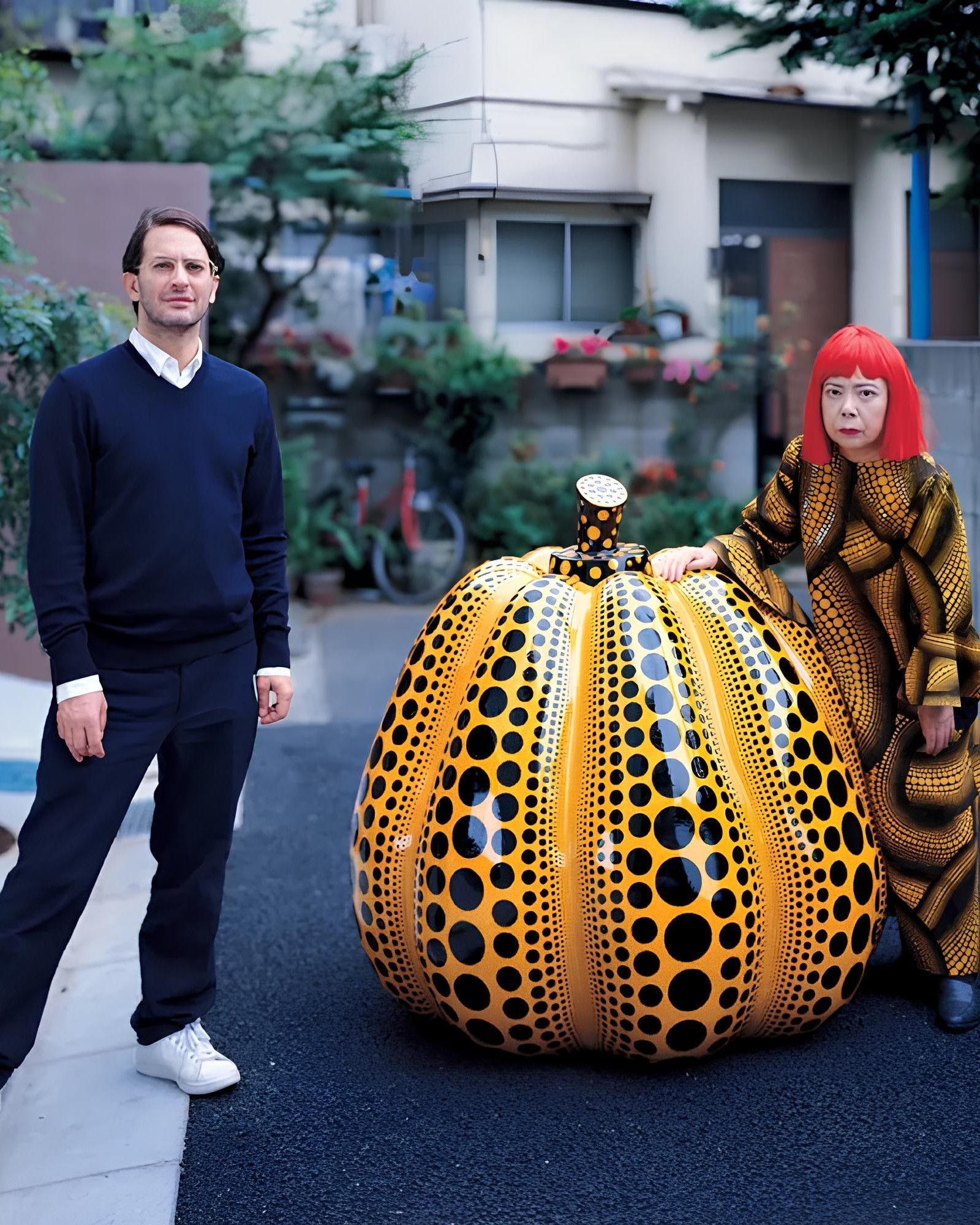
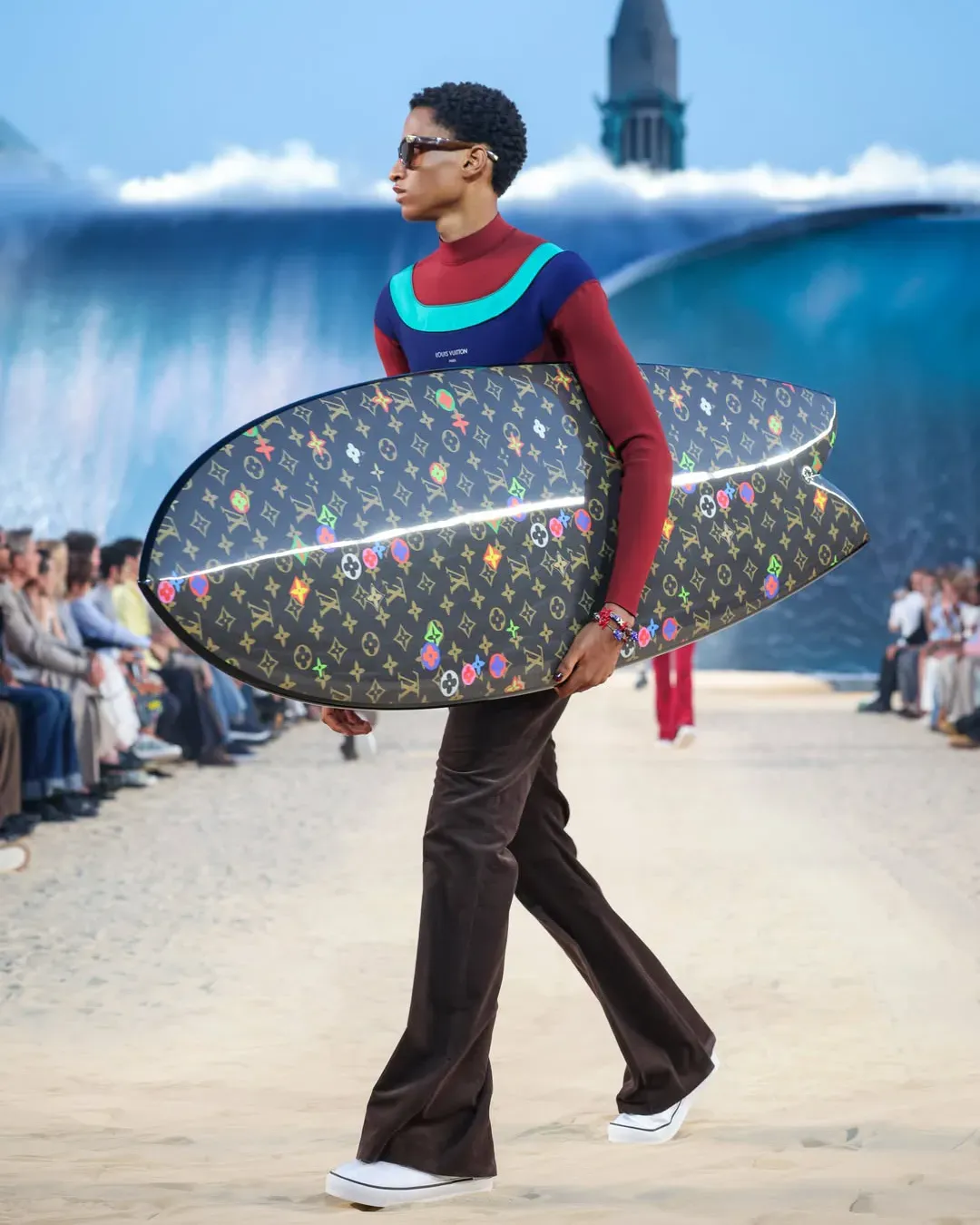
Throughout these years, especially since the Jacobs era, the monogram has inspired now-legendary collaborations, from Stephen Sprouse to Takashi Murakami in 2003 for the “Colourful Monogram,” and those with Yayoi Kusama in 2012 and 2023 featuring her infinite polka dots. Jeff Koons created his version in 2017 for the Masters Collection, and Urs Fischer transformed it in 2021 with dreamlike abstractions. Projects like the centenary celebration in 1996, with reinterpretations by Vivienne Westwood, Azzedine Alaïa, and Manolo Blahnik, and the “Celebrating Monogram” in 2014, with contributions from Frank Gehry, Rei Kawakubo, Cindy Sherman, Karl Lagerfeld, Christian Louboutin, and Marc Newson, further positioned it as the protagonist of collections and unique pieces that recognized and deepened its cultural weight.
How will the 130 years of the Louis Vuitton Monogram be celebrated?
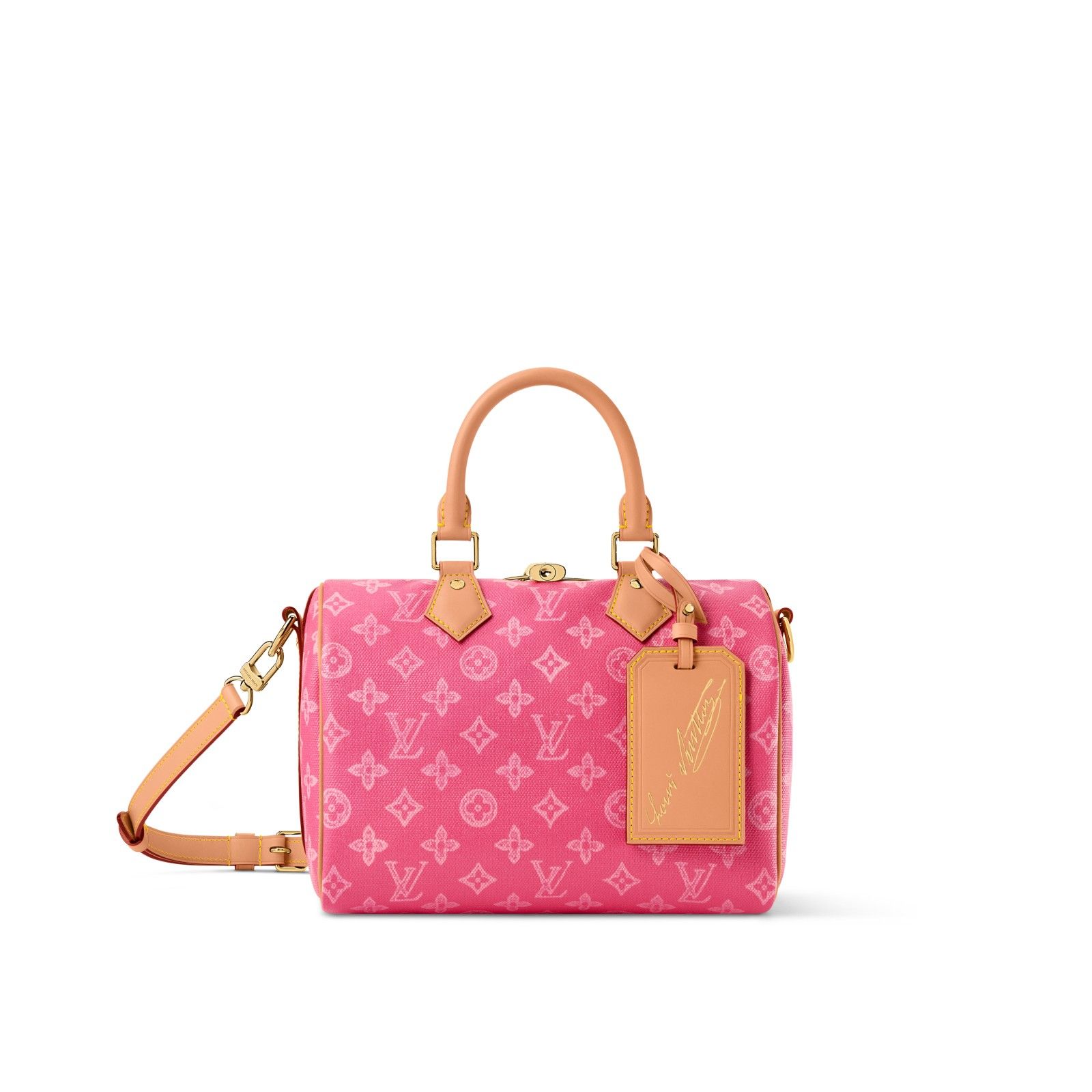
The project for the 130 years of the monogram opens in January 2026 with an in-depth focus on the Maison’s iconic bags, presented in dedicated windows that trace their historical evolution and cultural significance. Perhaps the most important is the Speedy, originating in 1930 and initially known as Express, with its structured yet flexible shape and compact design ideal for urban mobility, made iconic in 1959 with Monogram canvas and reinterpreted by artists such as Stephen Sprouse, Takashi Murakami, and Yayoi Kusama.
Then there is the Keepall, from the same era, initially called Tientout, cylindrical, with double zip, reinforced leather bands yet foldable, and evolved in variants like Monogram Eclipse and titanium leather. Next comes the Noé from 1932, born from a commission to carry five bottles of champagne (four upright and one inverted in the center), with rounded base, drawstring closure, and playful spirit, reinterpreted in 1959 in Monogram canvas and in versions such as Petit Noé or Nano Noé by directors like Nicolas Ghesquière and Richard Prince. Finally, there will be evolutions of the Alma model introduced in ’92, inspired by Parisian Art Déco architecture and Place de l’Alma, and the Neverfull from 2007, an emblem of everyday versatility weighing only 800 grams yet capable of holding up to 100 kg, with adjustable side laces, leather trim, and limited editions like the 2024 Neverfull Inside Out, which reveals the monogram interior in a reversible way.
In addition to the iconic bags, Louis Vuitton will also launch three exclusive anniversary collections, each exploring different facets of the monogram through limited editions available in select stores and online. The main one will be the Monogram Origine Collection, which revisits the original 1896 motif, drawing inspiration from the cover of a 1908 customer ledger that recorded keys and owners. Made from a linen-cotton blend for a natural and textured feel, with a satin resin-like finish, the monogram appears in the historic Ebène tone enriched with various pastel shades. Each bag includes a removable porte-adress tag charm with a hot-stamped signature from the 1867 Flat trunk patent. The collection includes reinterpretations of Speedy, Noé, Alma, and Neverfull, plus a Family Trunk with refined metallic details such as Alma BB Trunk, Speedy 20 Trunk, Noé Trunk, and Side Trunk MM.
There will also be the VVN Collection (standing for “Vache Végétale Naturelle”), which celebrates vegetable-tanned natural leather, an emblematic material of the Maison since 1880, renowned for its purity, softness, and ability to develop a unique patina over time, reflecting its use across eras. Made from untreated light bovine hides, meticulously cut to preserve their integrity, the collection reinterprets the brand’s legendary models in refined and enduring versions, with removable name tags and monogram jacquard lining. Designed for collectors and connoisseurs, this line emphasizes authenticity and craftsmanship mastery, turning each piece into a personal object that evolves with time and its owner.
Finally, the Time Trunk Collection will feature trompe-l’œil prints that faithfully reproduce textures and details of historic Maison trunks. First presented in Nicolas Ghesquière’s Women’s FW18 show and reimagined for FW24 to mark his tenth anniversary as Artistic Director, the collection uses high-definition photographs of archive trunks to create realistic illusions on canvas, with glossy finish, aged patina, simulated metal corners, rivets, and leather inlays. The models in this line will include a leather tag indicating name and creation date, and discreet initials (A for Alma, N for Noé, S for Speedy) integrated into the print, aiming to combine tactile realism and visual innovation, while underscoring the artistic and pop-icon nature of the monogram.
Through these collections and windows, the project invites the world to explore the monogram not only as a historic design, but as a universal code of distinction, whose legacy continues to expand, weaving together craftsmanship, culture, and creativity in an endless story.