




























Why does pink in menswear still cause a commotion? Their passion for pink hoodies
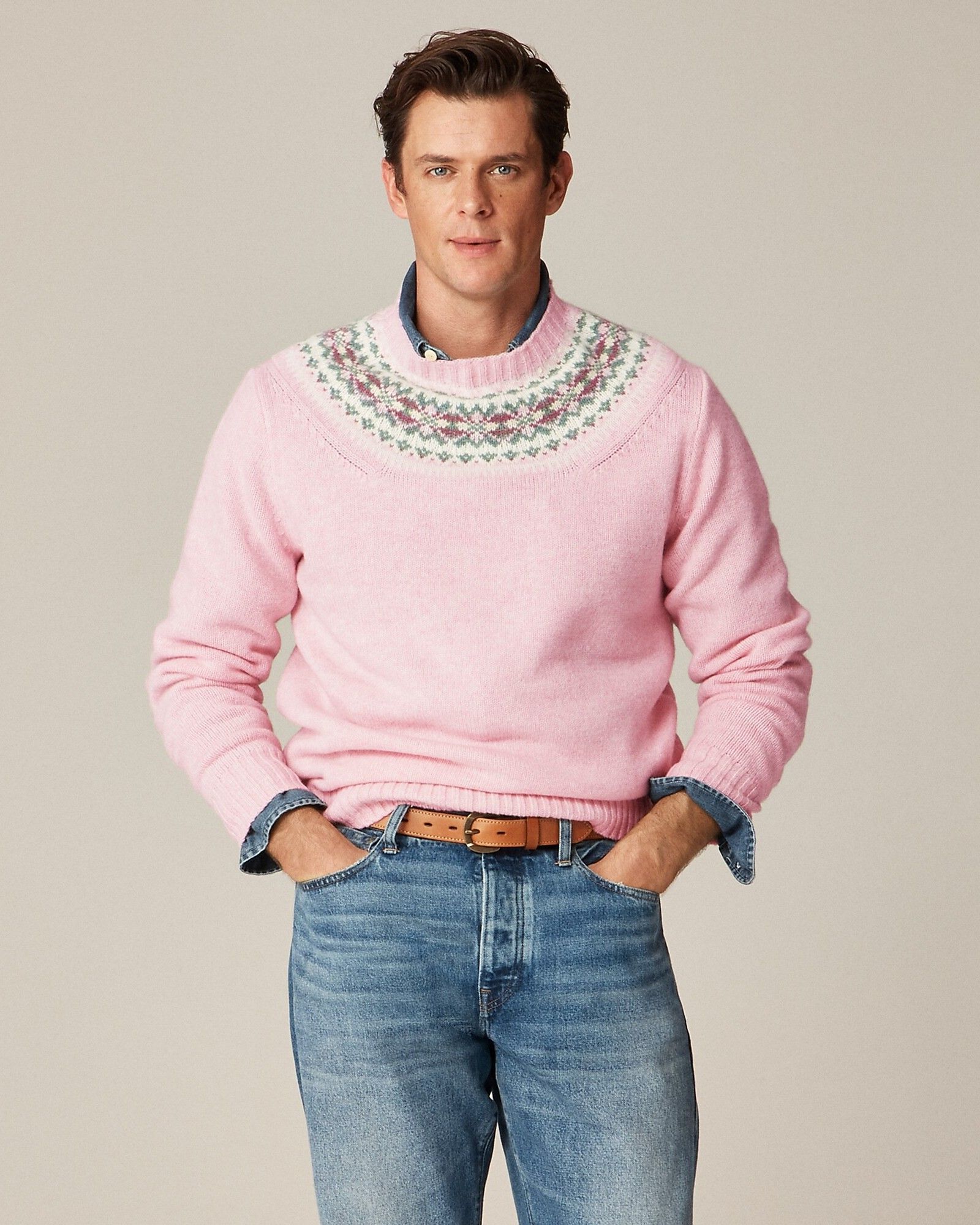
Pink is back and sparking debate once again: recently, a men’s sweater from J.Crew found itself at the center of controversy simply because of its color—pink. But this isn’t the first time the shade has made headlines when worn by a man. Last July in Rome, a thief was caught by police precisely because of his all-pink outfit. Throughout most of the year, celebrities like Timothée Chalamet and Jacob Elordi have worn it too, drawing the usual outrage from online trolls. So why, in 2025, are we still arguing about pink? And why does it only become an issue when a man wears it?
From the runway to the red carpet
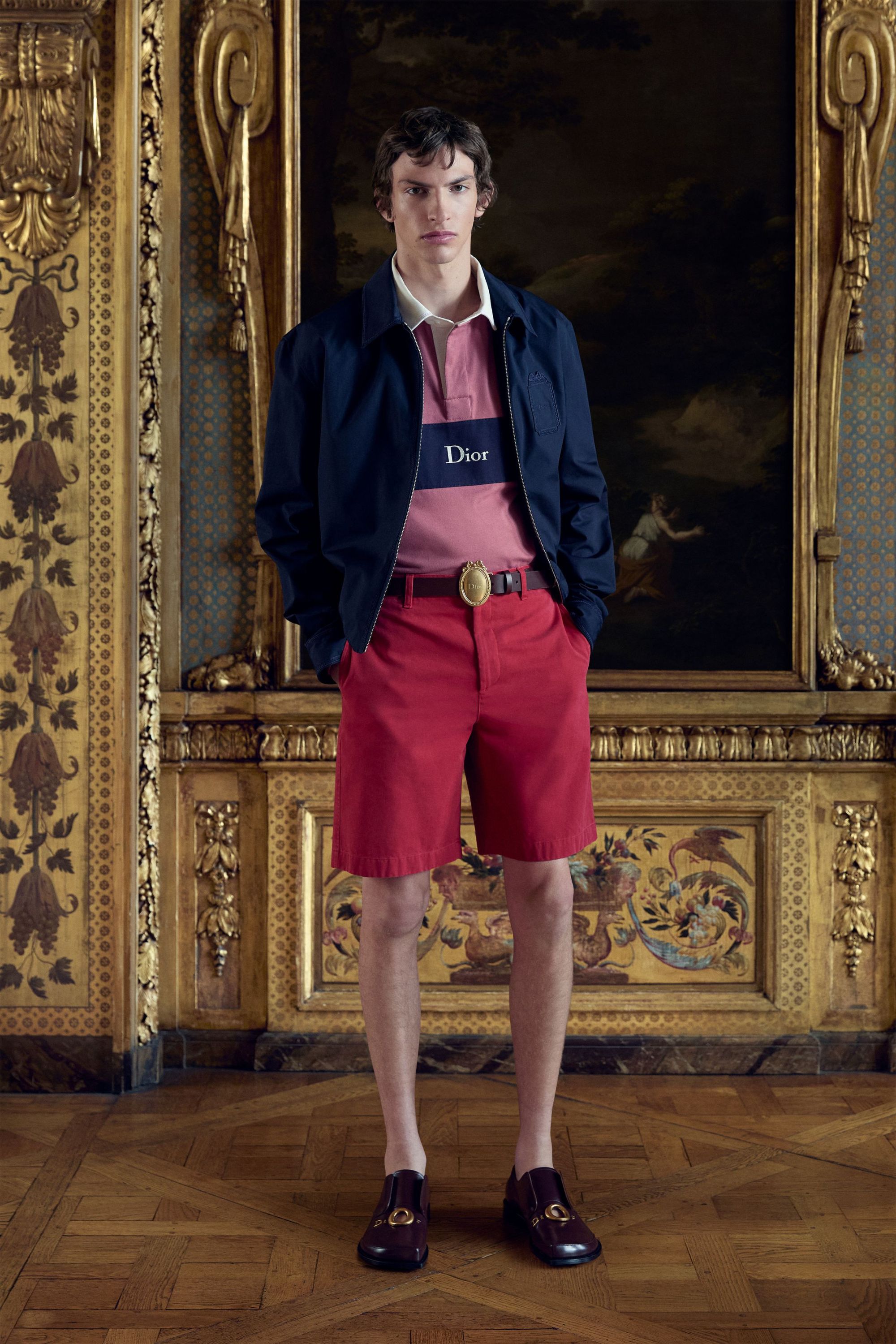
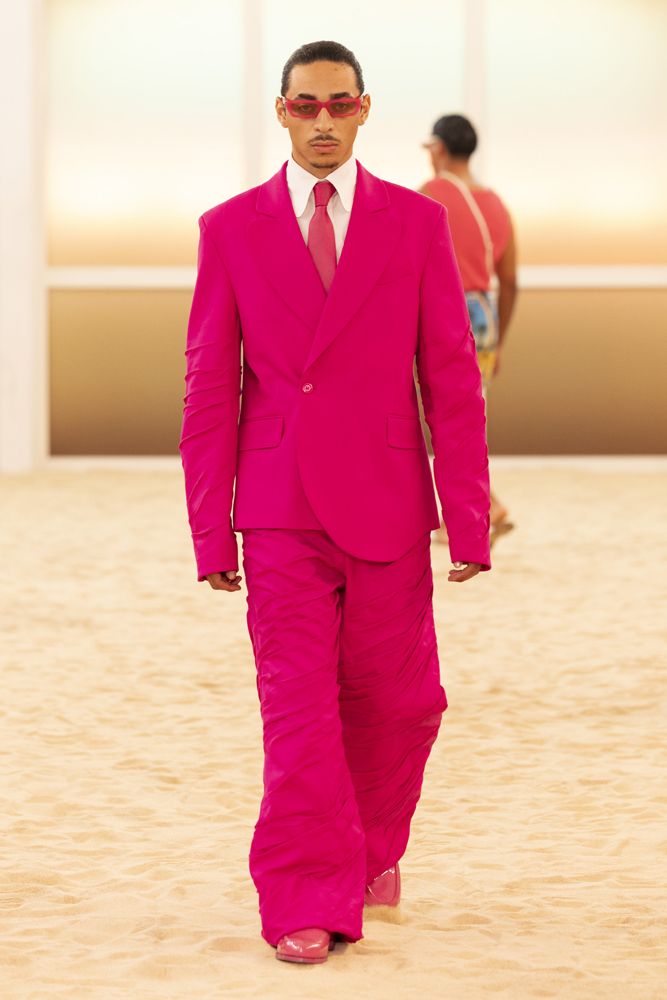
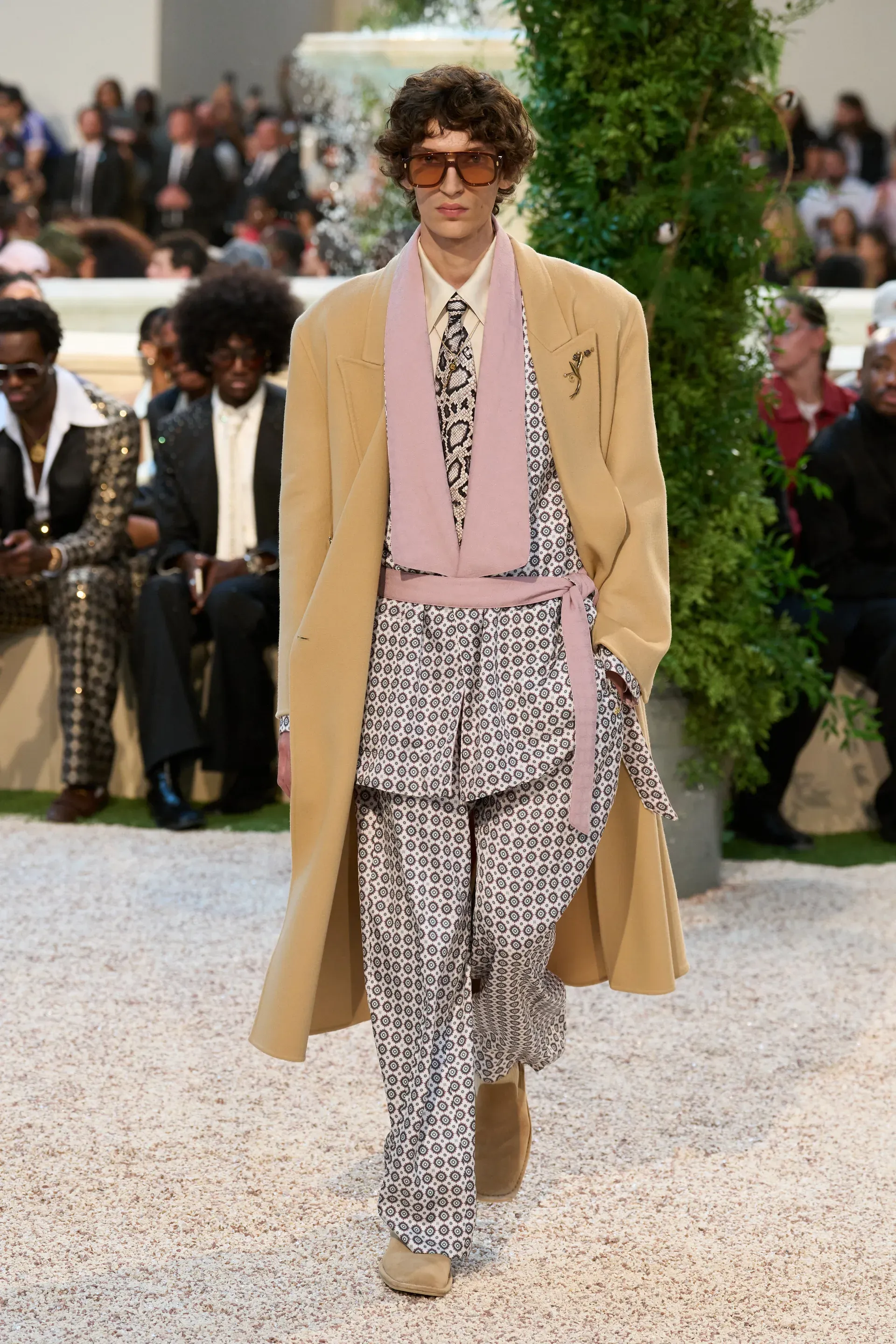

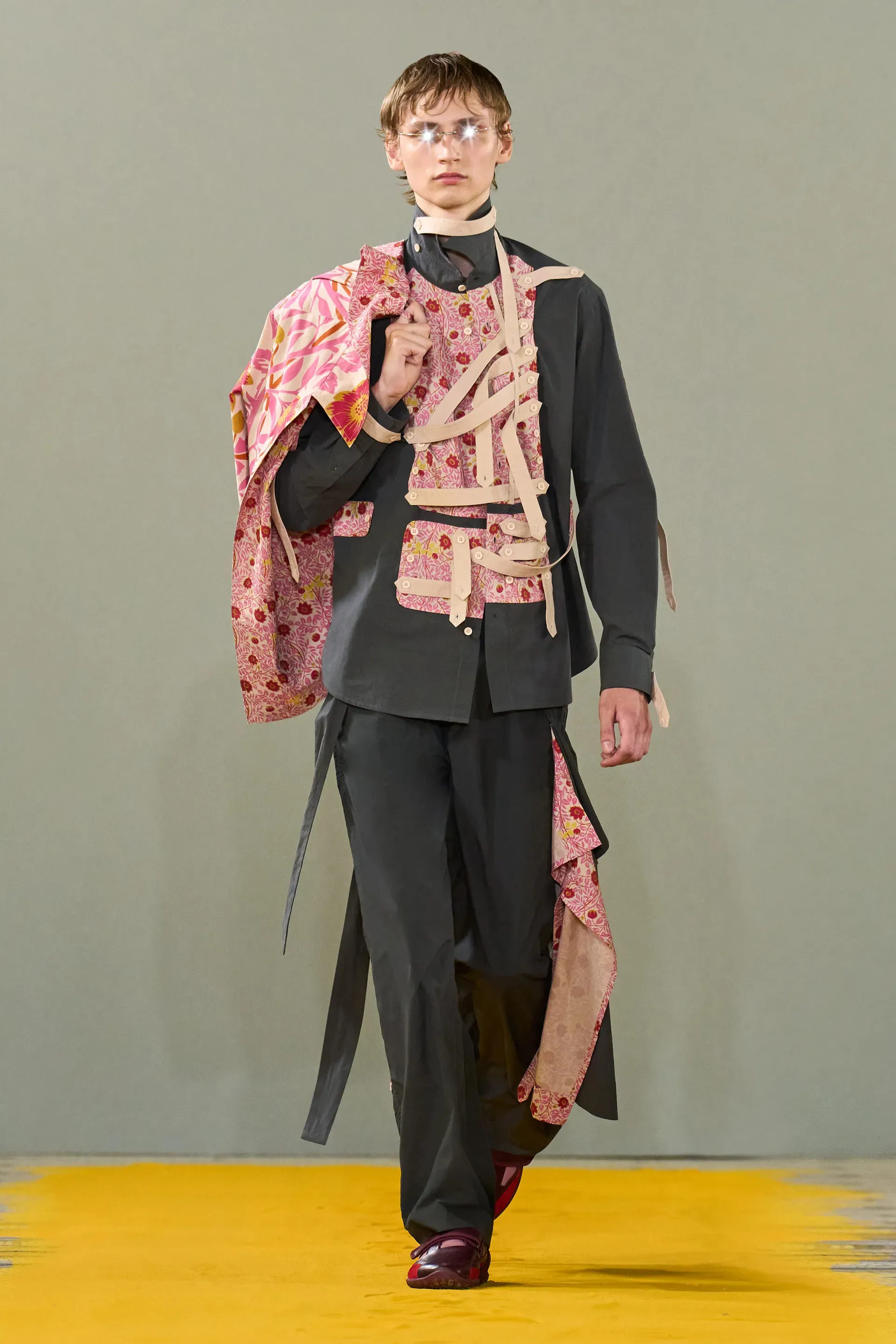
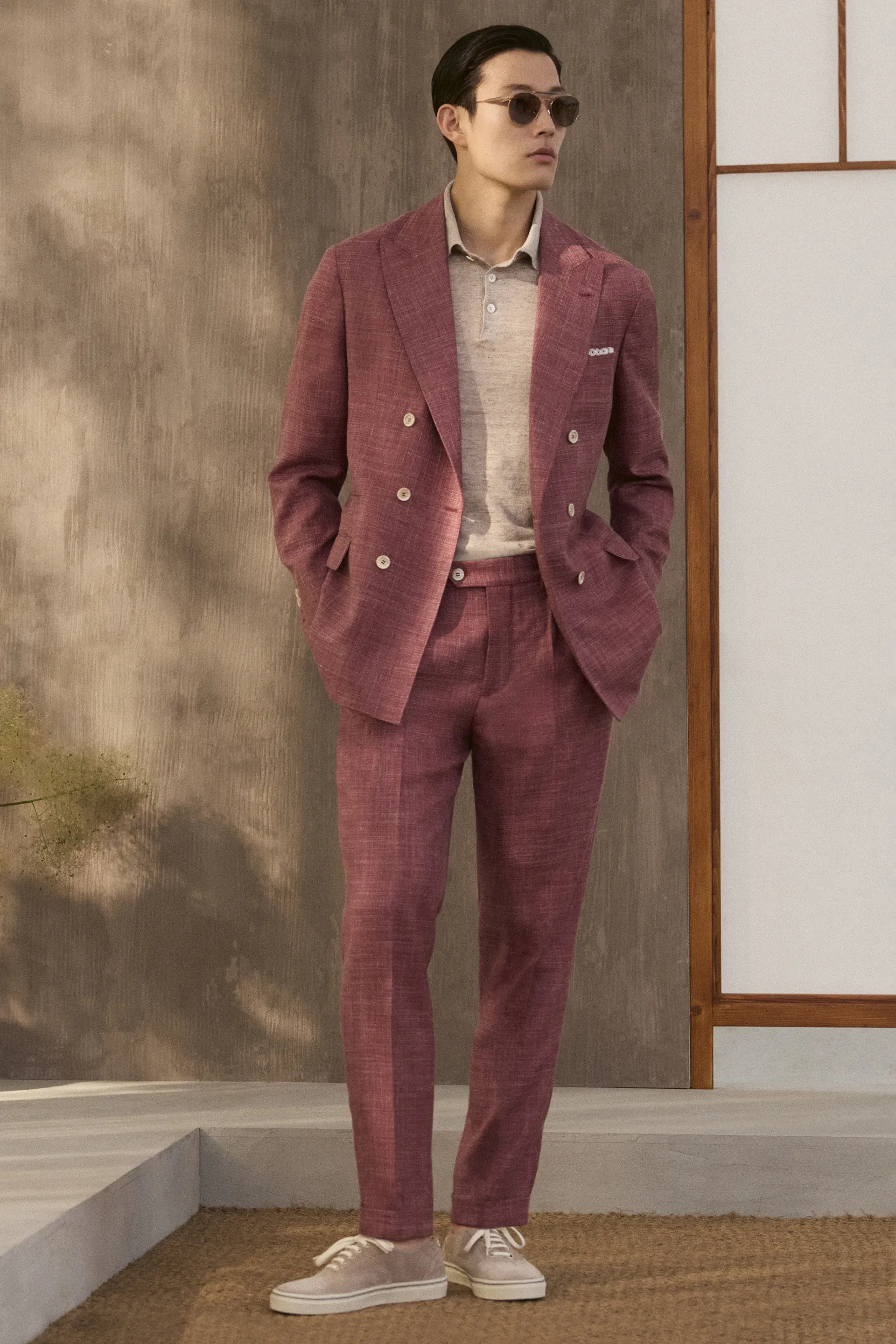
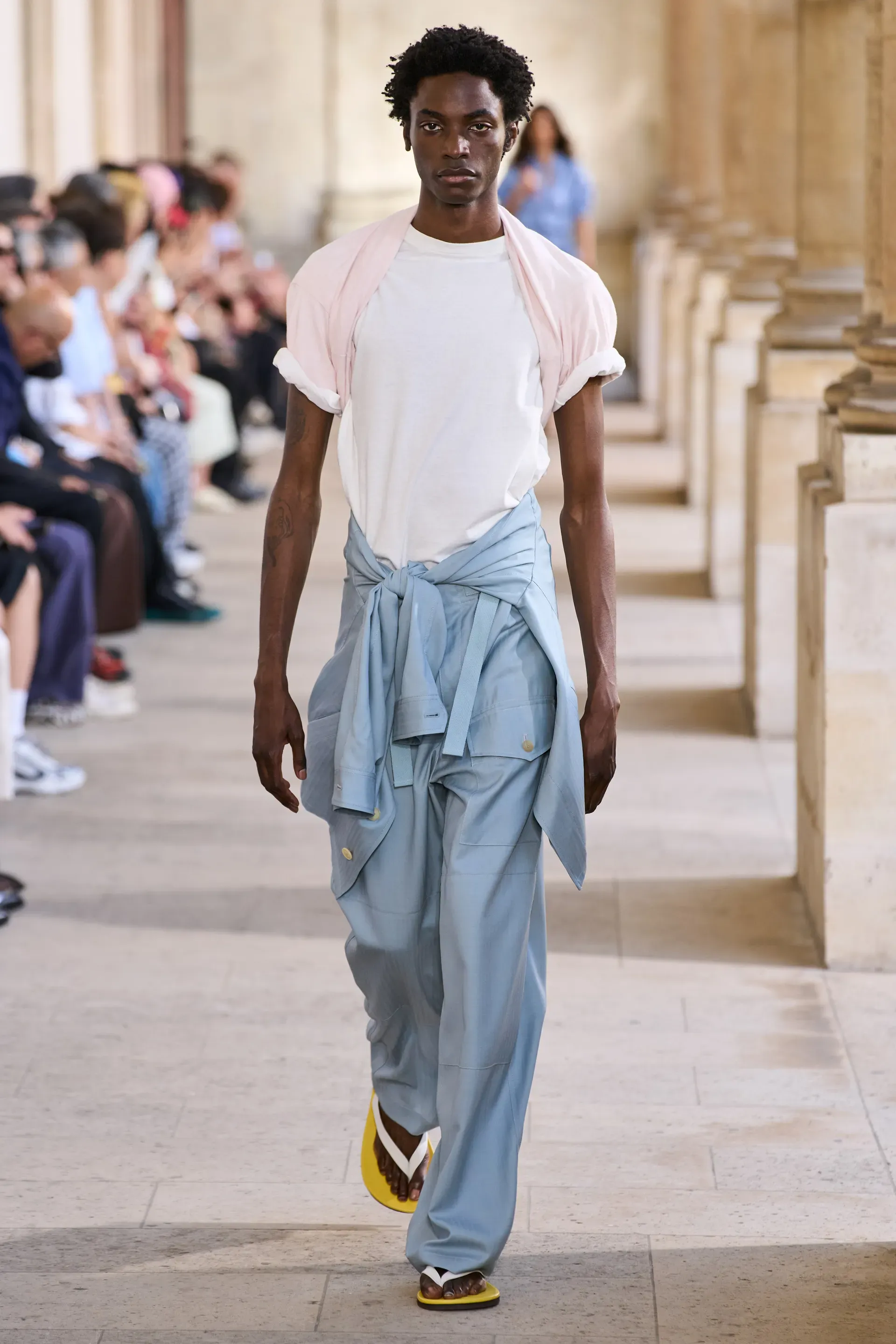
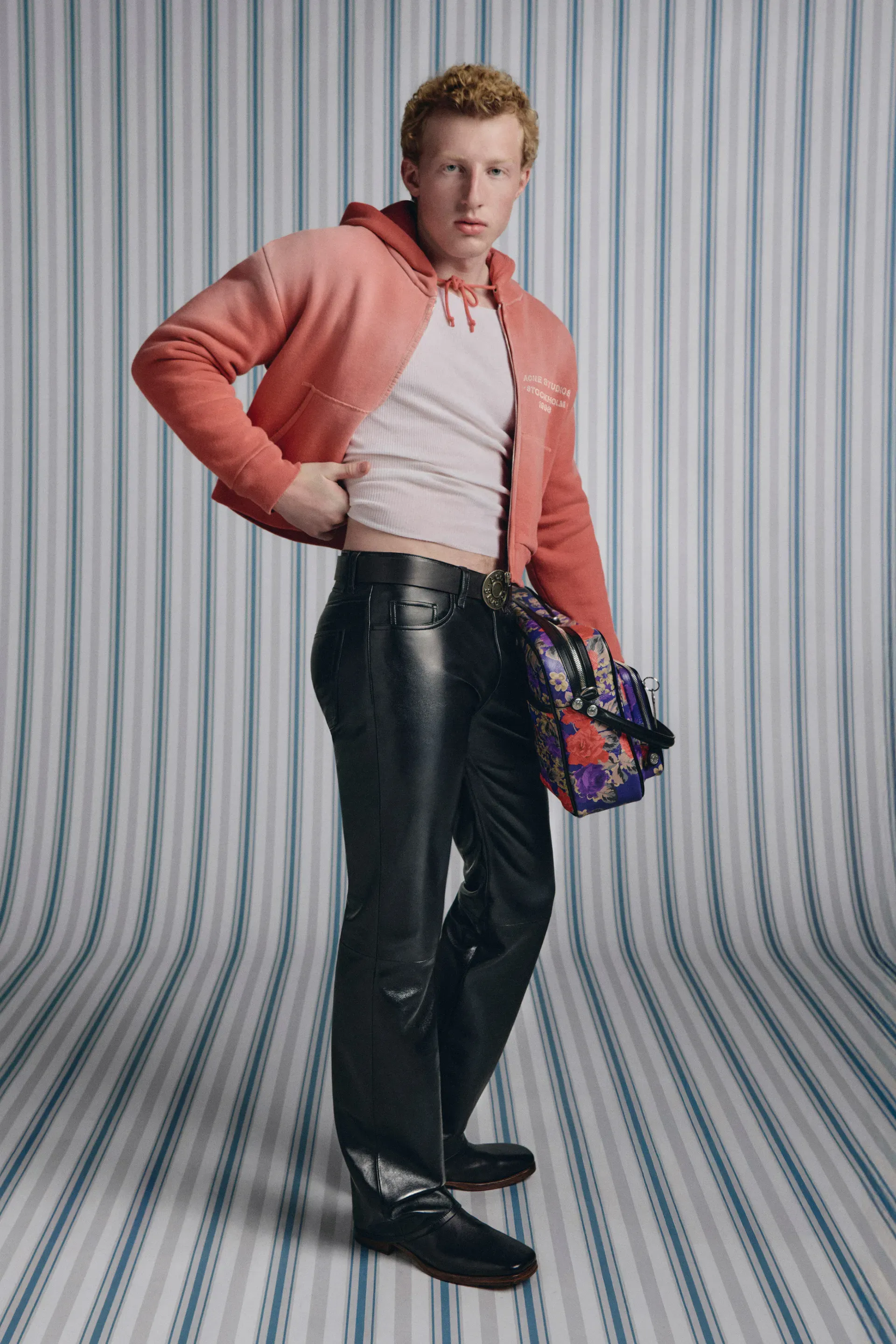
In recent seasons, numerous luxury brands have included pink in their menswear collections: Dior in its Pre-Fall 2026 lineup, for example—the same collection in which DSquared2 also featured it. The color has also appeared in SS26 collections from brands such as 3.Paradis, Amiri, Auralee, Brunello Cucinelli, Acne Studios, and Craig Green. This broad selection of labels shows that the spread of pink isn’t limited to one market segment but spans from more commercial or traditional luxury to avant-garde niches.
Helping cement its comeback has been the huge Y2K nostalgia wave, with echoes of rapper Cam’ron’s iconic 2002 pink Baby Phat ensemble that redefined early-2000s aesthetics. Later, the rapper even registered his own shade with Pantone under the name Killa Pink. Much more recently, back in 2017, Justin Bieber was photographed in a pink hoodie while greeting fans at his concert in Milan. Meanwhile, Italy’s Dark Polo Gang rapped about their “pink fur” in the song Caramelle.
On red carpets, today’s leading men seem to embrace not only pink but also less conventional silhouettes: Timothée Chalamet wore a total-pink look at the February premiere of A Complete Unknown and in several street-style moments. Jacob Elordi donned the color for a New York Times editorial and in his Bottega Veneta brand-ambassador campaign. Other examples include Colman Domingo in pink Versace at the Oscars or Ryan Gosling at the Barbie premiere.
The eternal return of pink
Pink has become part of a trend that may be bigger than we initially thought. It is the most fluid color of all. From the Rococo era in France onward, pink was unisex and remained so for centuries, especially in children’s clothing. It only became coded as feminine in the mid-20th century, largely for marketing reasons tied to baby products, where gender-based color distinction drove higher sales.
Yet the color still shocks today. Think of the raised eyebrows over Juergen Teller’s pink sweatshirts—he’s famous for his casual looks that often include pink pieces, even at more formal events or fashion shows. He took the same approach in Marc Jacobs’ Spring 2024 campaign, photographing himself in a pink hoodie and “The Large Tote Bag.” The color has since appeared in many other Marc Jacobs campaigns, including J Balvin’s look for the most recent Met Gala and especially the latest holiday campaign.
What do we think of pink today?
I have absolutely no problem with men wearing pink. I do, however, have a HUGE problem with anyone, male or female, wearing this new J Crew sweater! Hideous - and 168 bucks! YIKES! pic.twitter.com/nYFiOLaJzJ
— Jessie’s Girl (@Photini1967) November 18, 2025
The use of pink in menswear has long signaled a cultural and aesthetic shift that is now being threatened by a rising wave of conservatism. In reality, the color has become fairly normalized in pop culture, yet “claiming” pink—given the reactions from many traditionalist online commentators—can still be seen as a symbol of emancipation from contemporary toxic masculinity.
Investing in pink, a color that has returned prominently in collections from luxury giants, highlights the changing imagery associated with it: if pink once represented only femininity, today it carries identity empowerment—proof of knowing how to live in the present. Challenging the most common connotations of the shade—delicacy and sweetness—by placing it in a less glossy, more authentic context.
In 2025, it feels strange to think of pink as such a divisive color, yet once again it serves its instrumental function: revealing the authenticity of the wearer, erasing gender lines, and winking at a normativity that now influences even how we use color.
Takeaways
- In 2025, pink in menswear continues to spark controversy and online outrage, even though it is now offered by luxury brands across every segment—from Dior and Brunello Cucinelli to the most avant-garde labels—and worn effortlessly by celebrities like Timothée Chalamet and Jacob Elordi.
- Historically unisex until the mid-20th century, pink only became a symbol of femininity due to marketing strategies; today its return to menswear represents an act of emancipation from toxic masculinity and a form of identity empowerment.
- Far from being a passing trend, pink has established itself as the most fluid and “instrumental” color in contemporary fashion: wearing it means challenging lingering gender norms and authentically asserting one’s identity in 2025.