







Story of the masks of Maison Margiela The anonymous legacy of Margiela the Magnificent
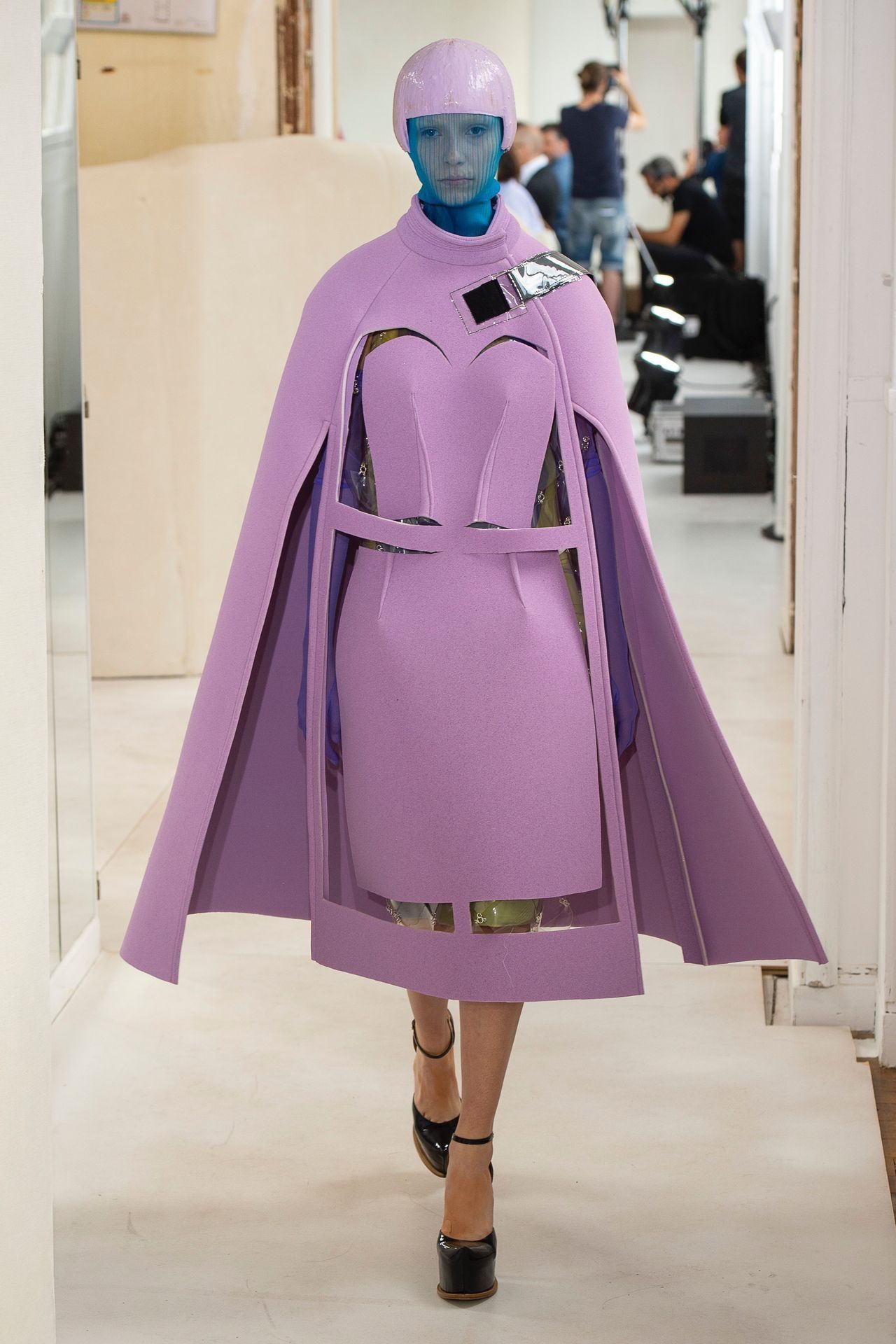
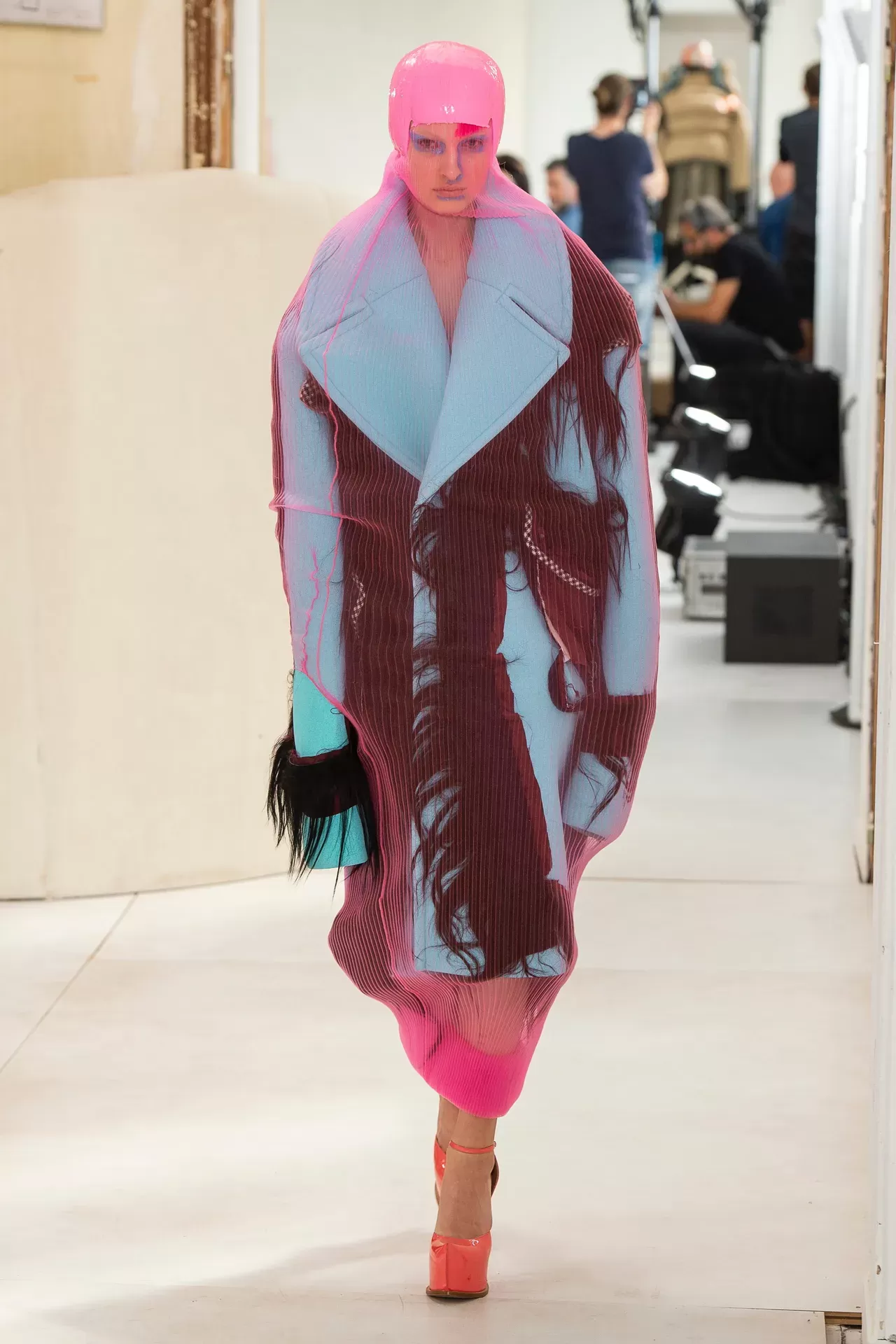
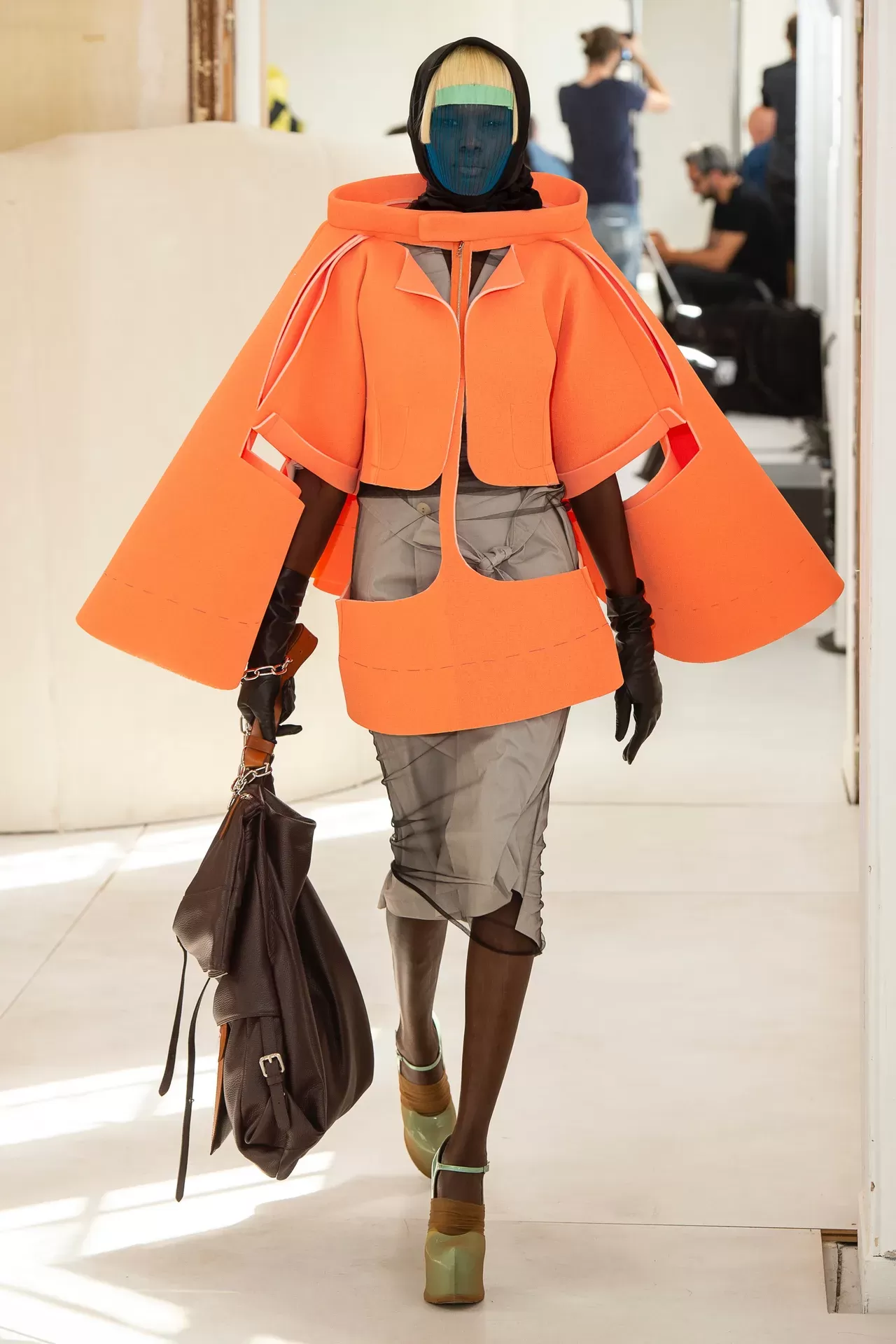
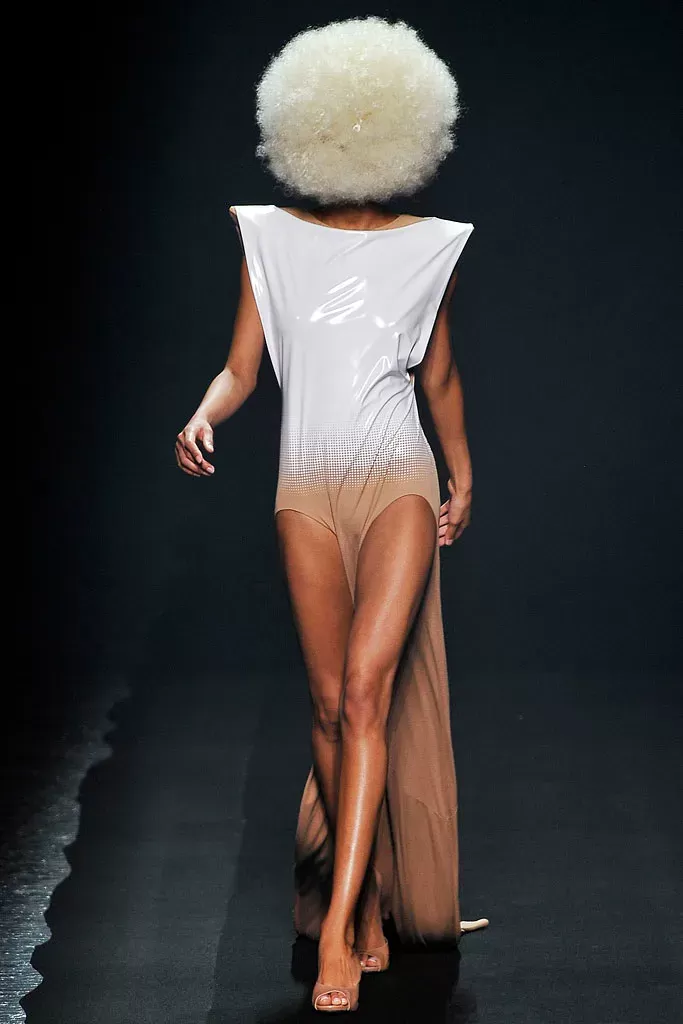
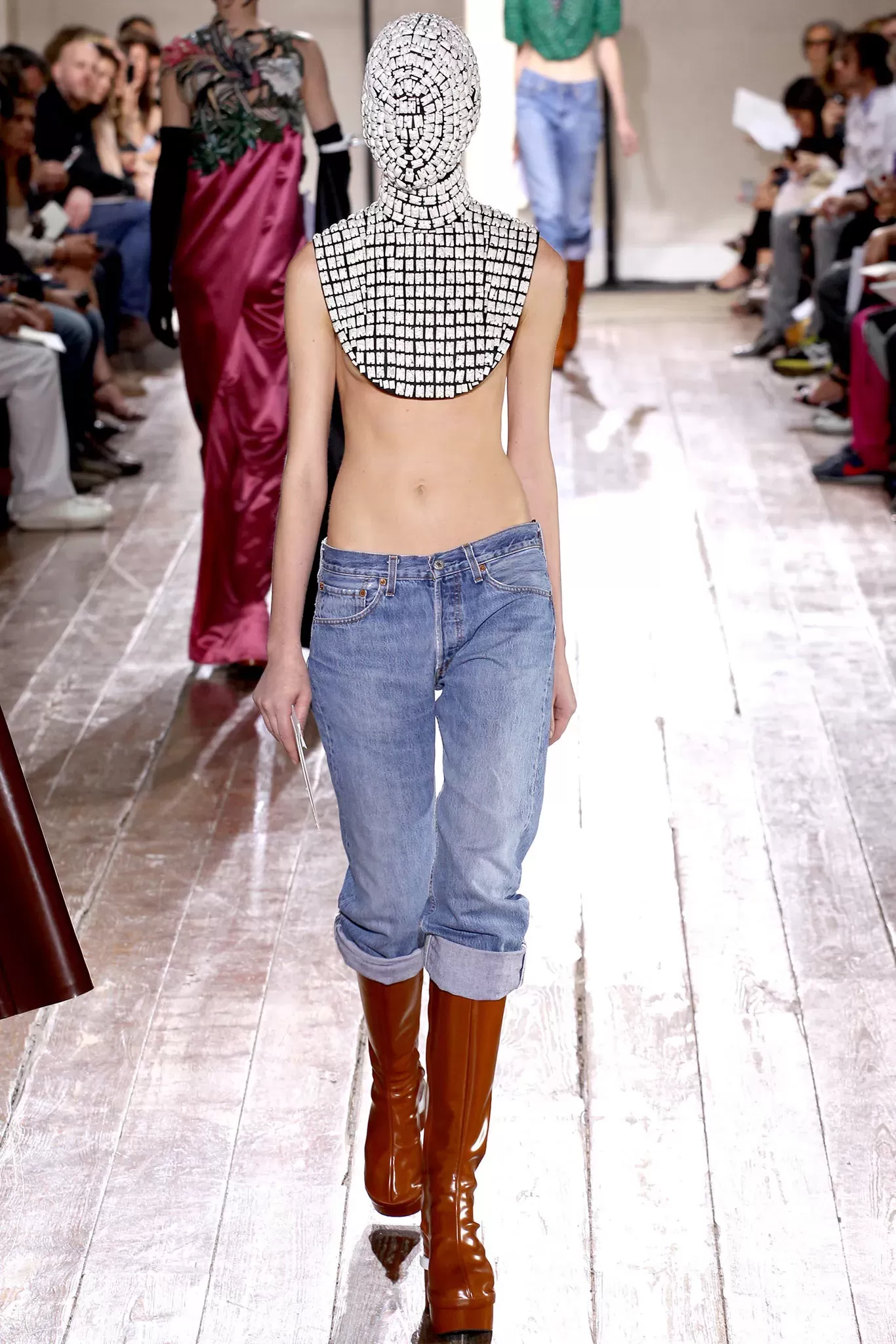
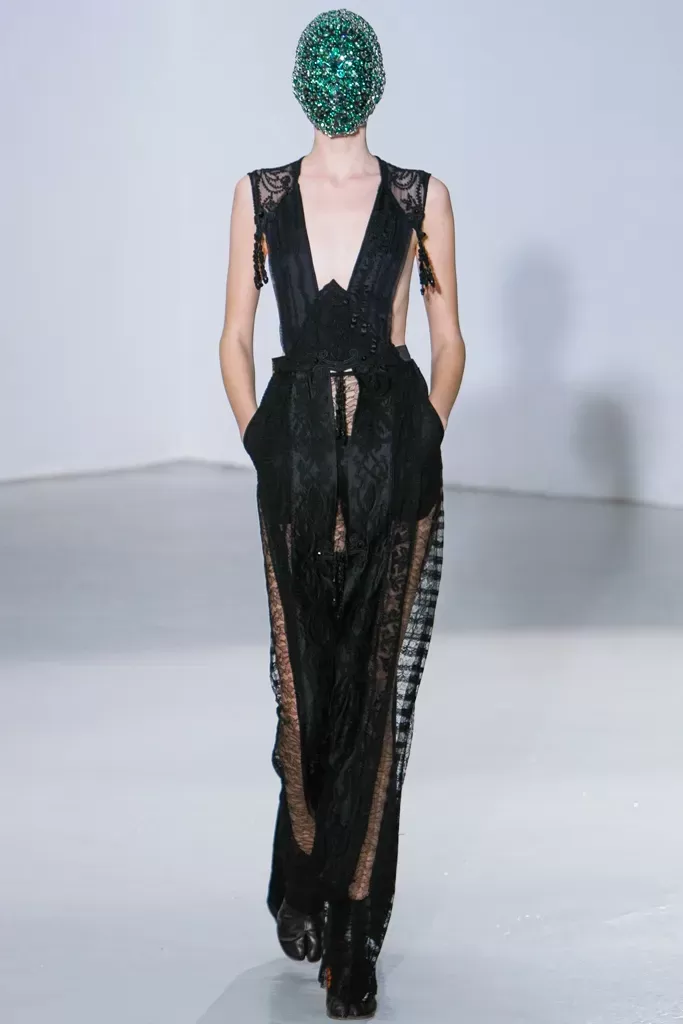
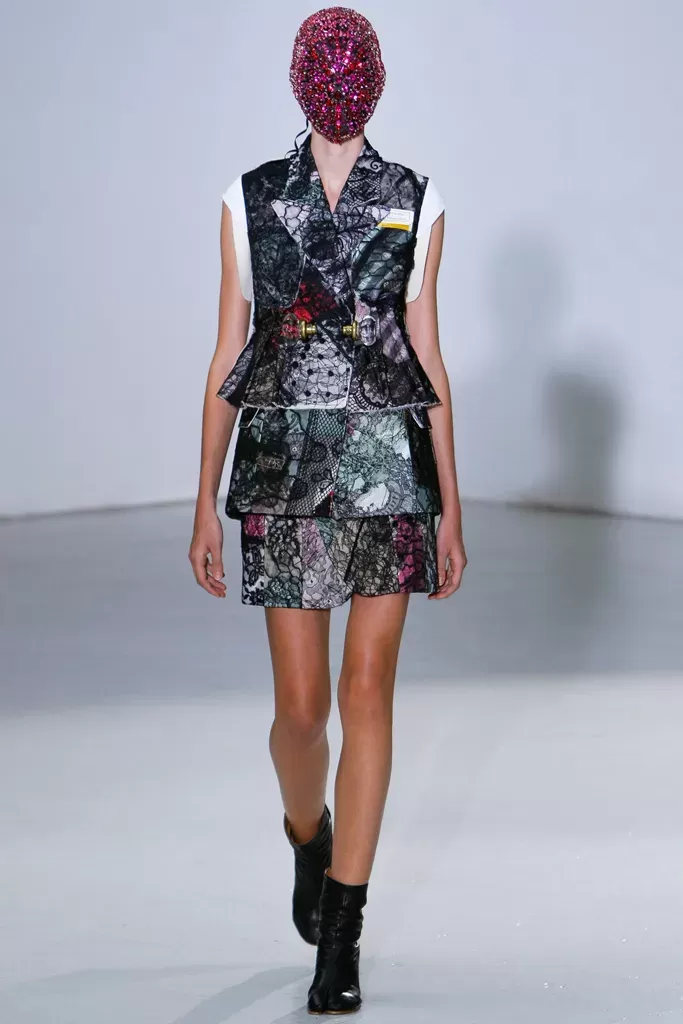
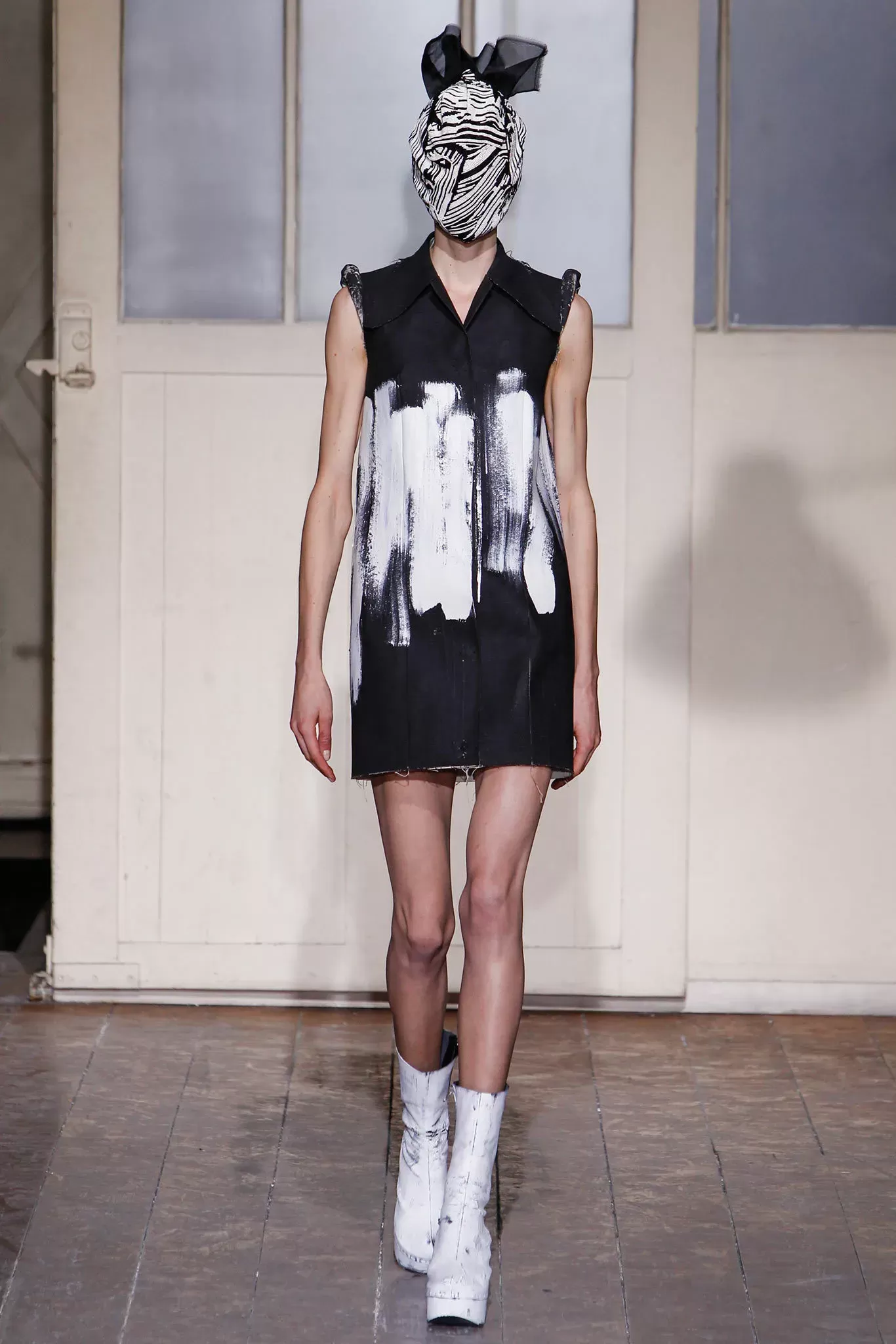
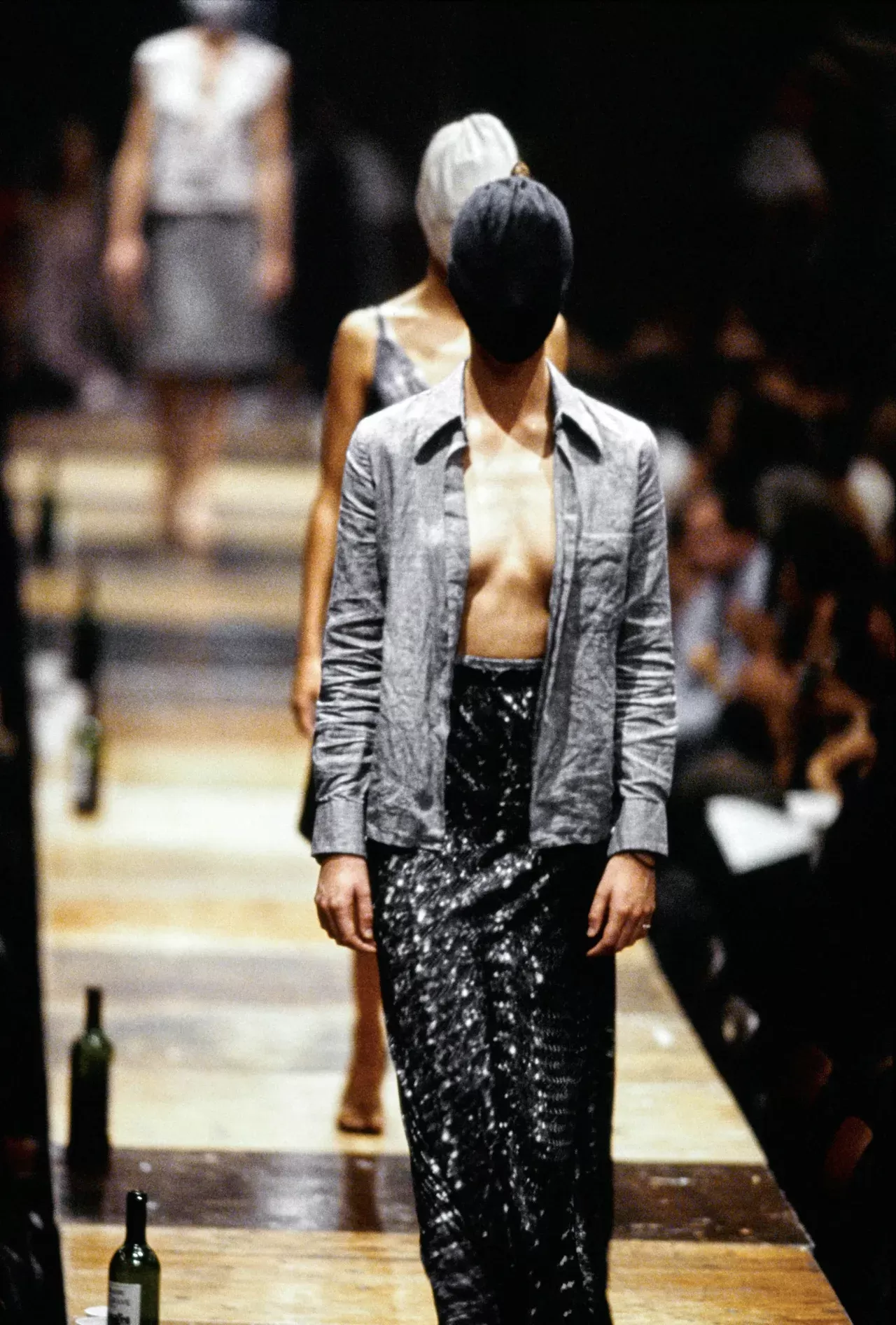
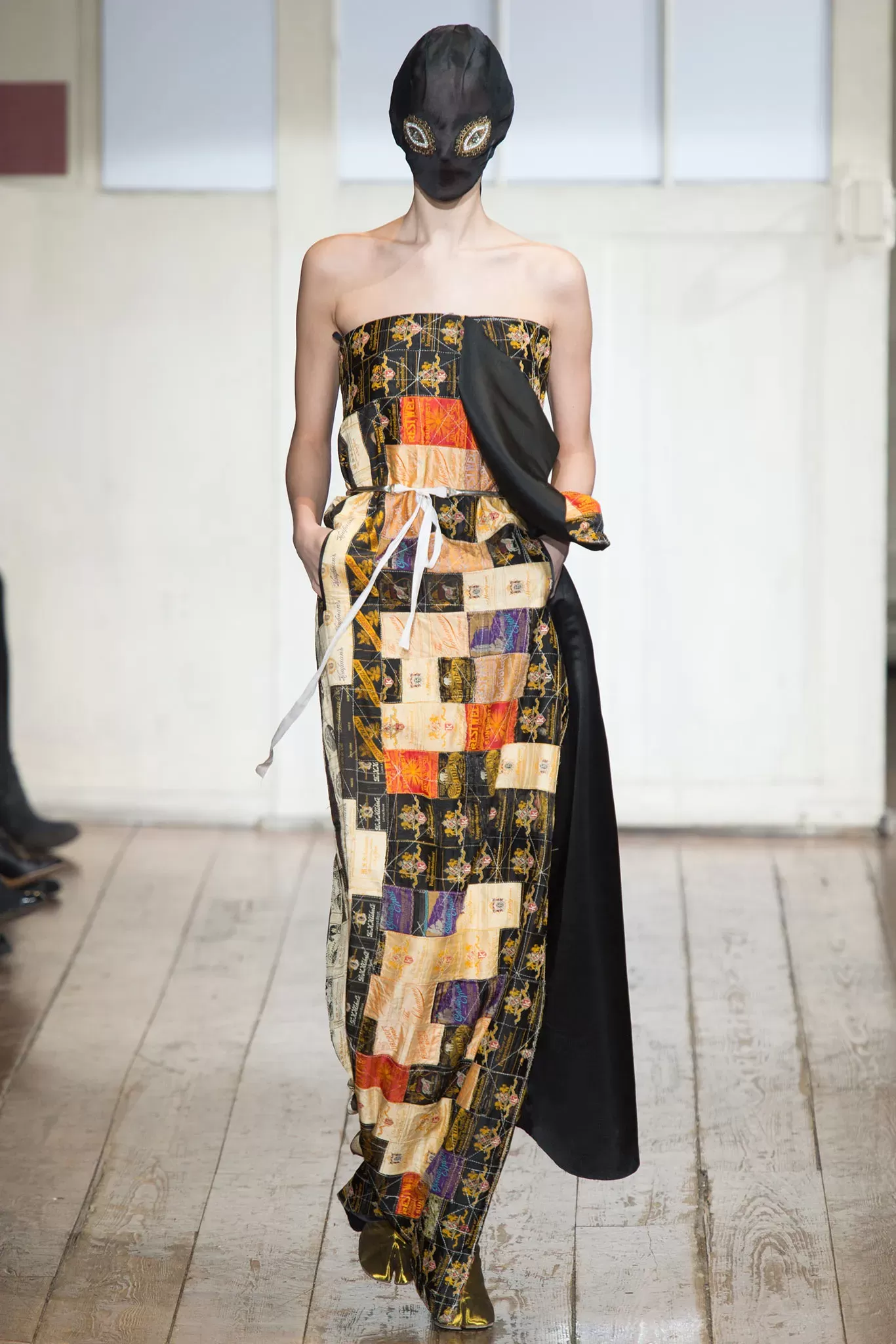
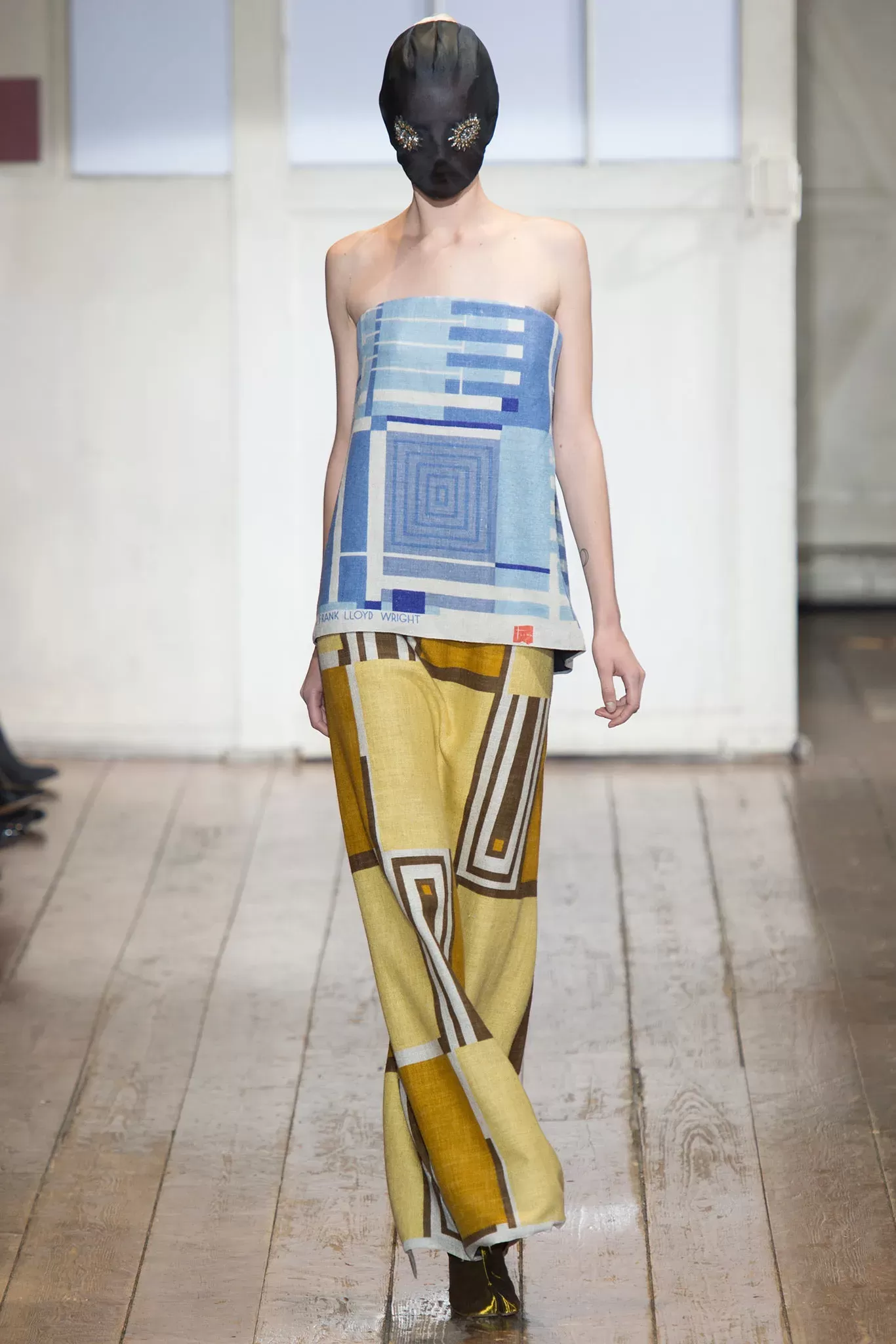
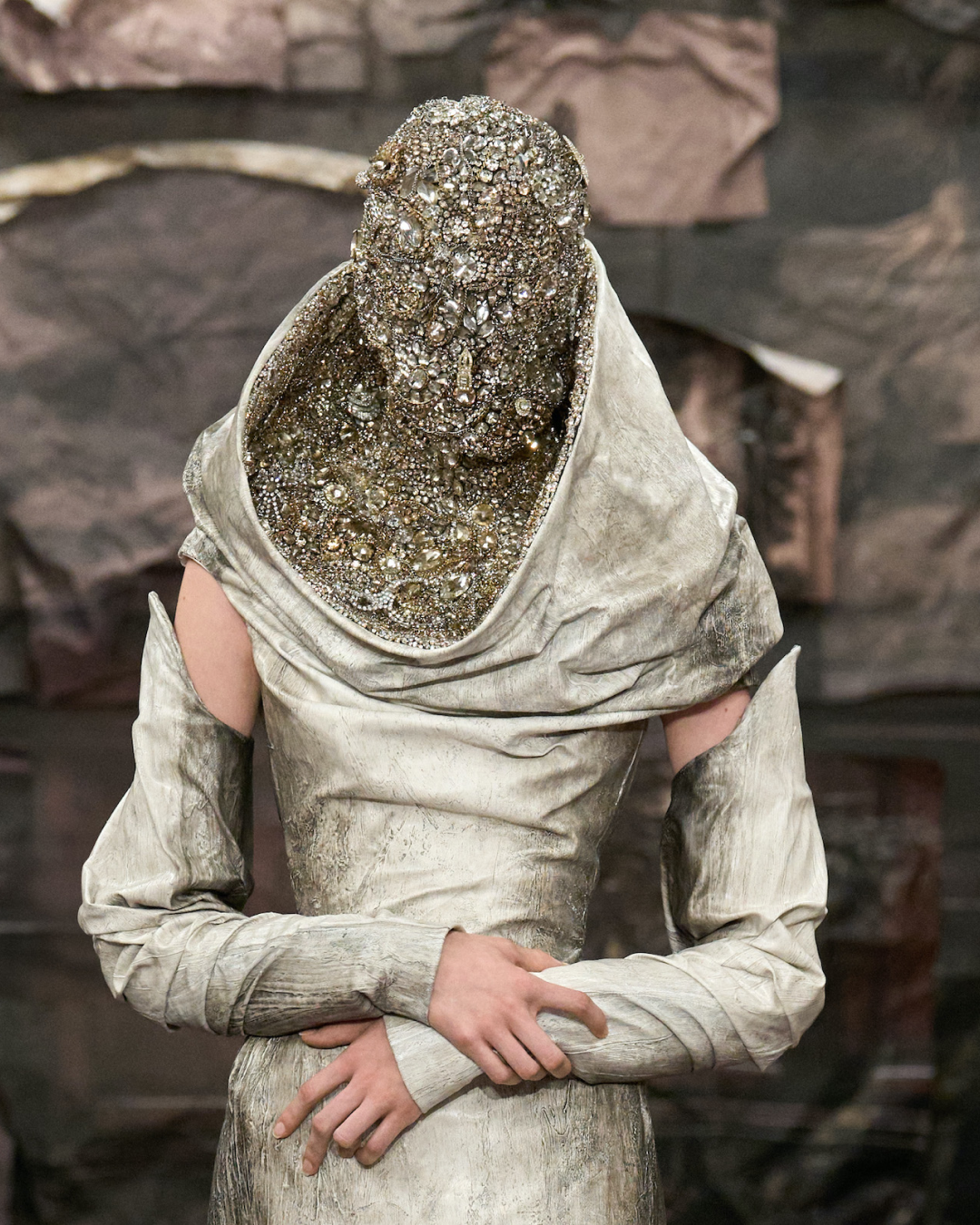
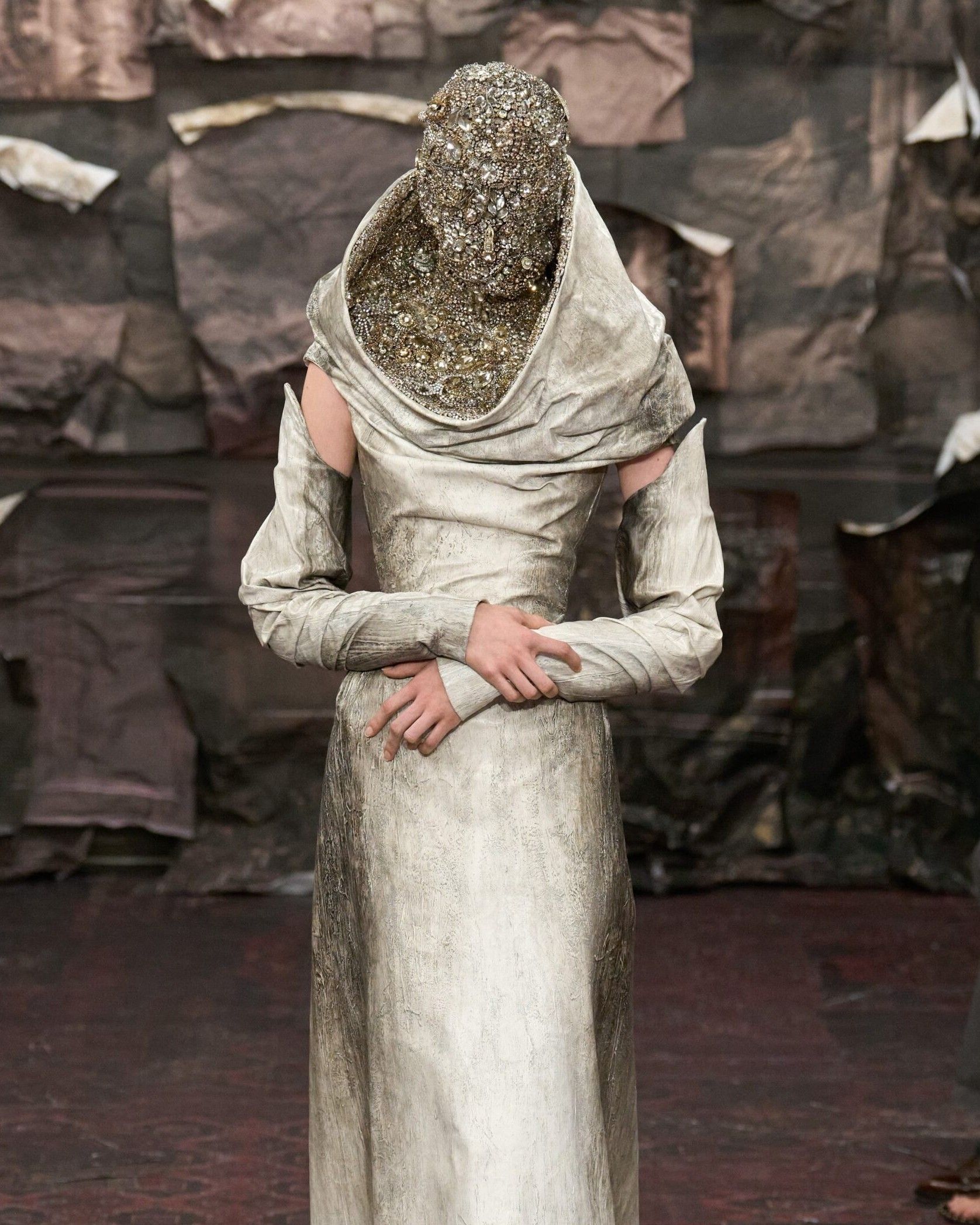
On Wednesday evening, the fashion world held its breath as the minutes of delay of the Artisanal FW26 show by Maison Margiela, marking the debut of Glenn Martens at the helm of the house, ticked by. A delay that was instantly forgiven as soon as the first rock notes of Disarm by the Smashing Pumpkins rang out and the first model stepped onstage. An anonymous model with a plastic mask resembling a shower cap, matching the transparent gown that bound her hands. The looks flowed, mirrored and then diverged, but one element remained constant throughout the 49 silhouettes: the anonymity of the models. With masks sometimes feathered, sometimes of tulle, understated and light or heavy and covered in diamonds, Martens brought back to Maison Margiela’s runway the mysterious, even mystical quality that makes the Belgian house and its creator so special. To better understand this phenomenon, let us take a step back in time, revisit our classics, and explore the history of masks at Maison Margiela.
Masks from the Maison Margiela Autumn 2025 Artisanal Collection by Glenn Martens. pic.twitter.com/xhY4uo8Rvt
— gastt Fashion (@gastt_fashion) July 10, 2025
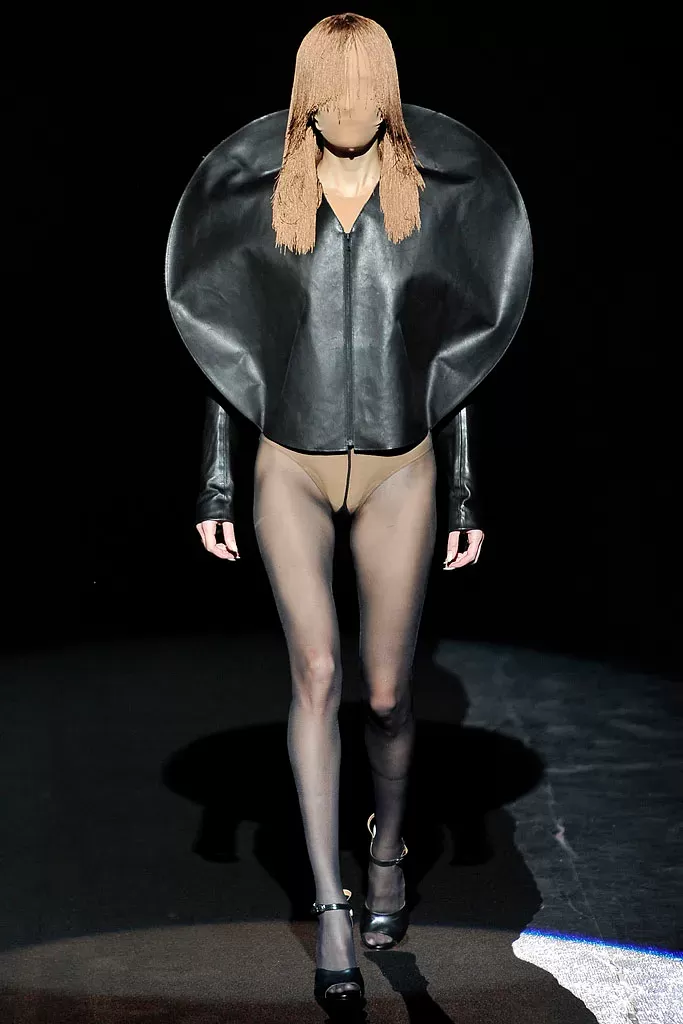
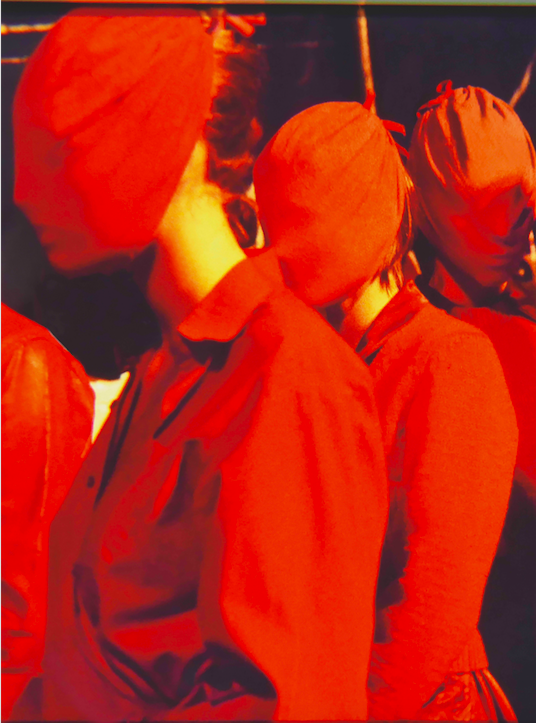
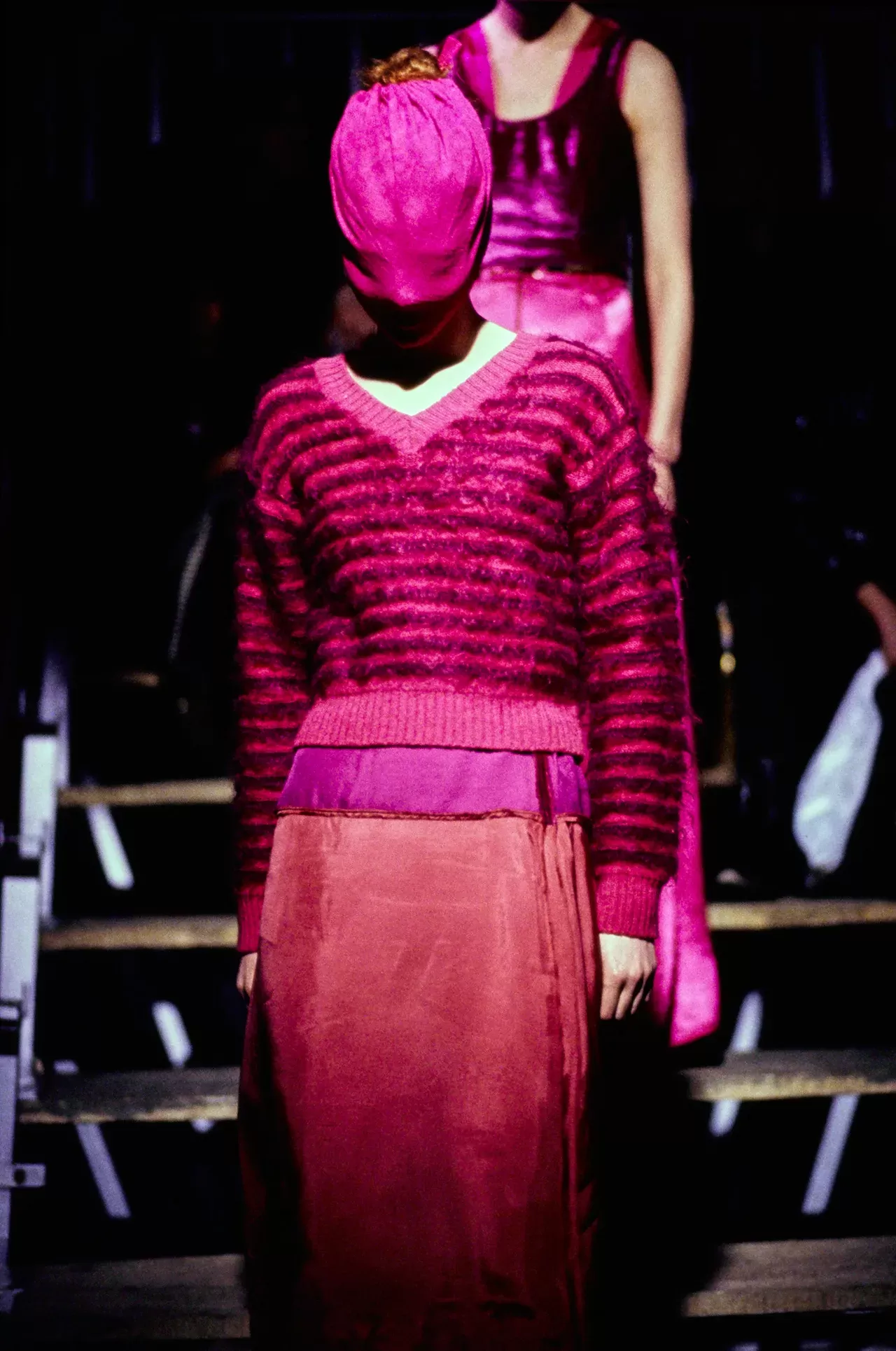
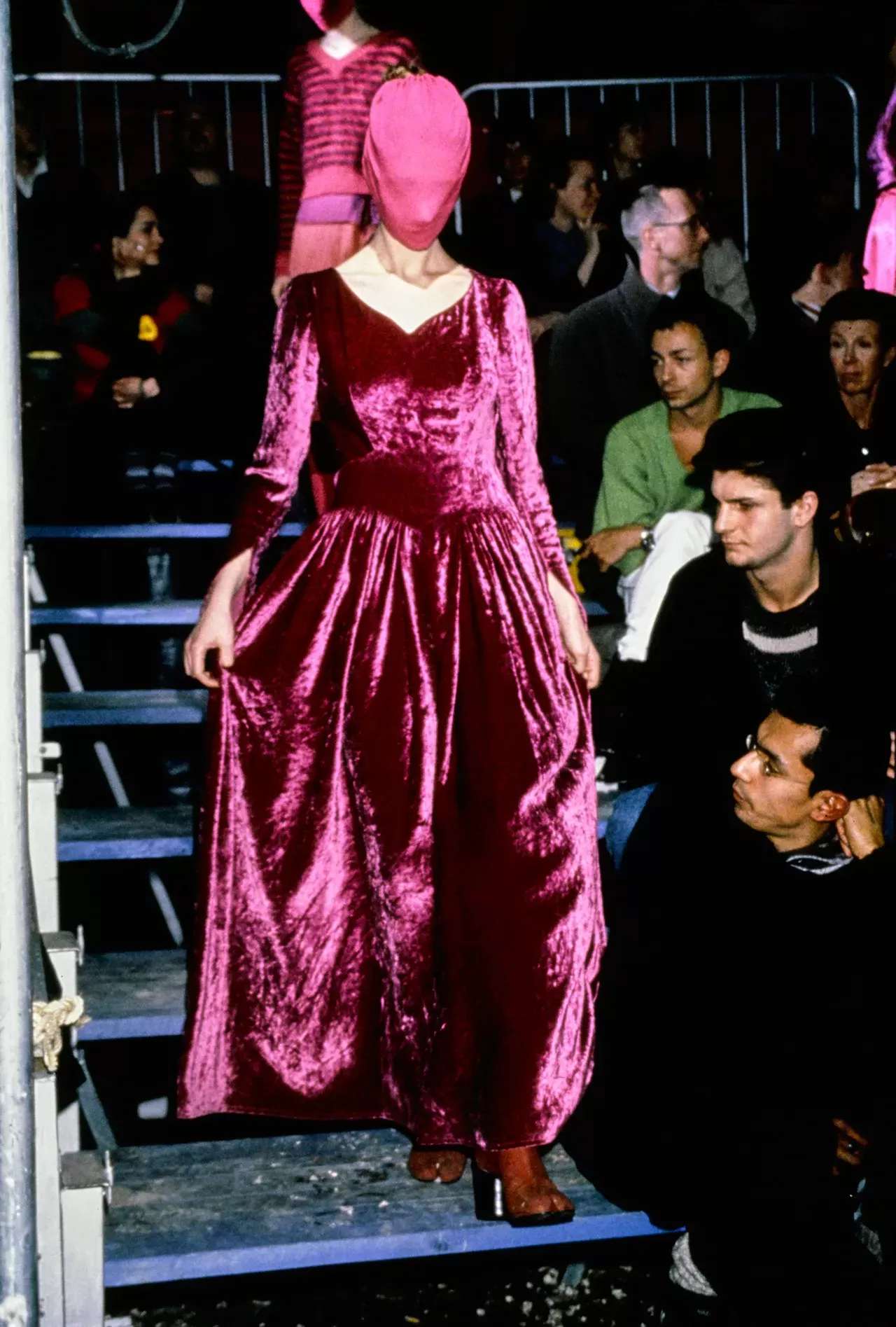
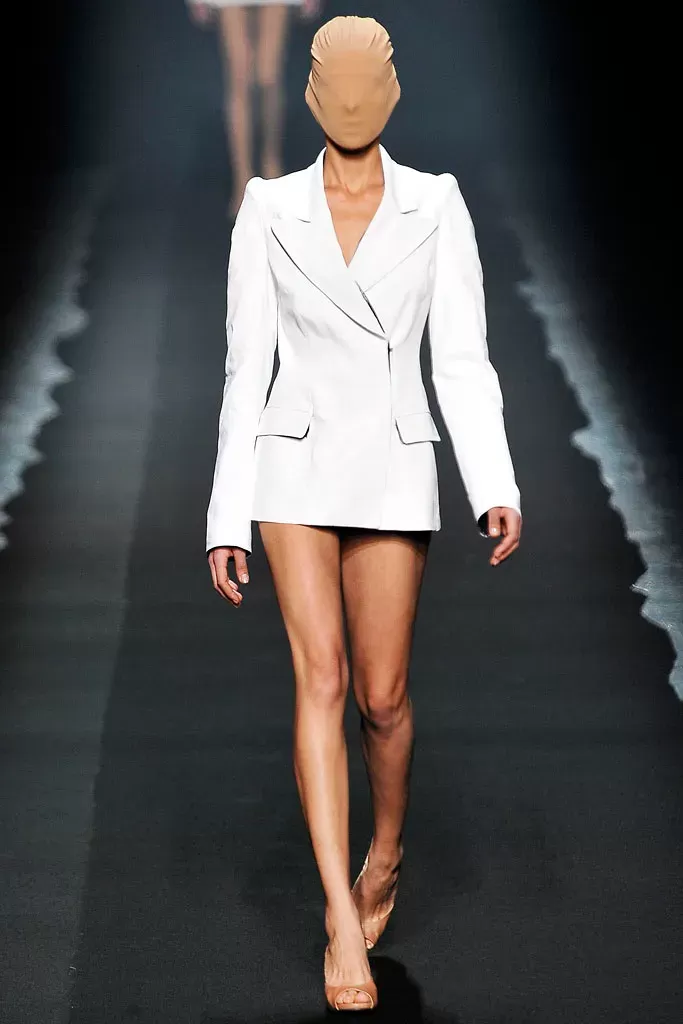
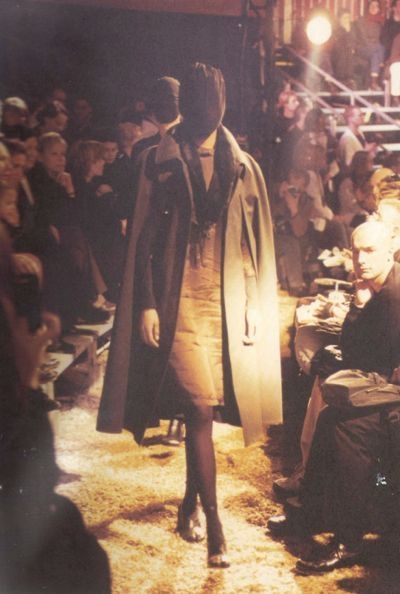
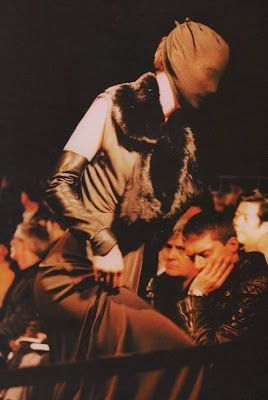
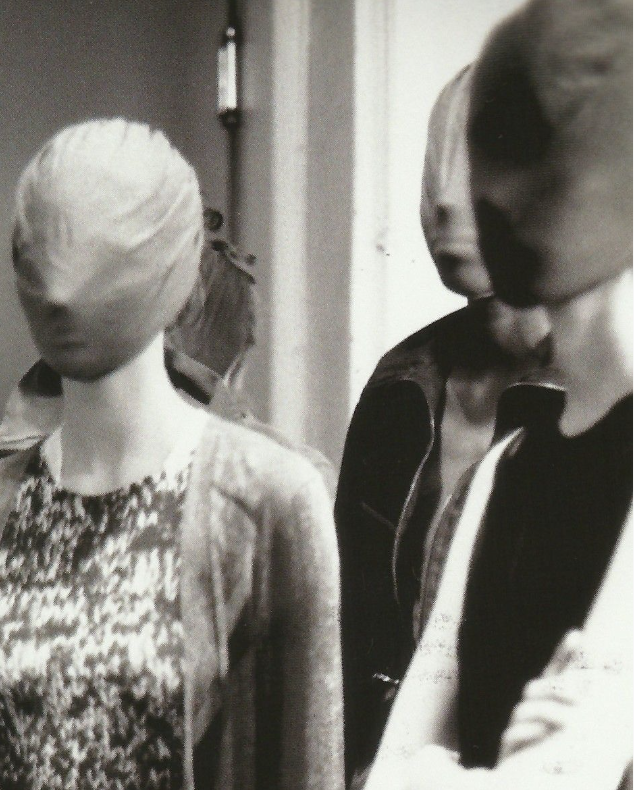
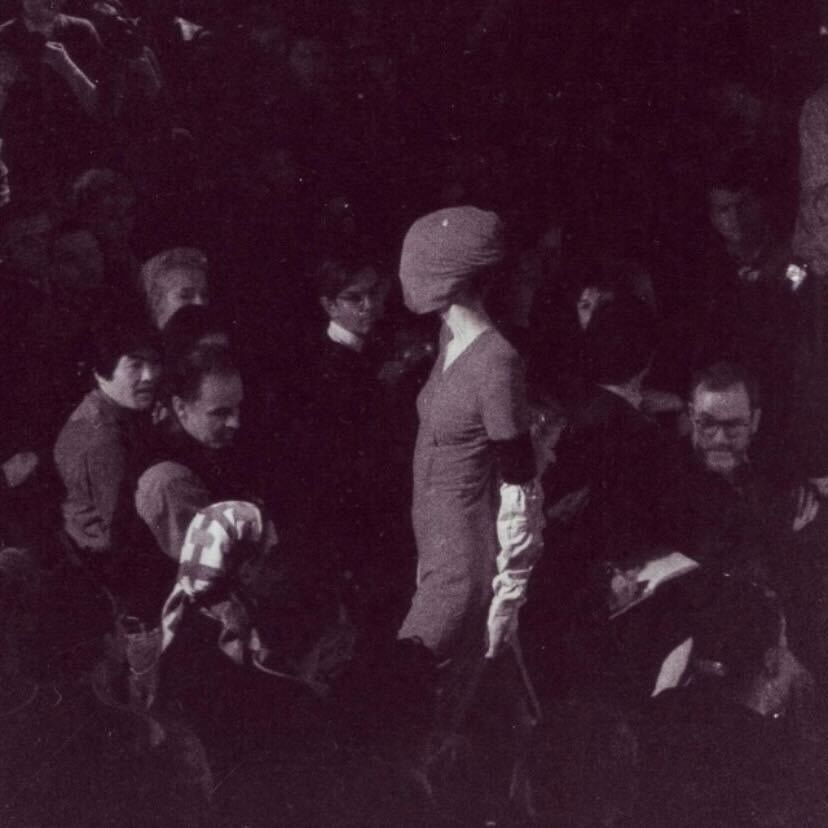
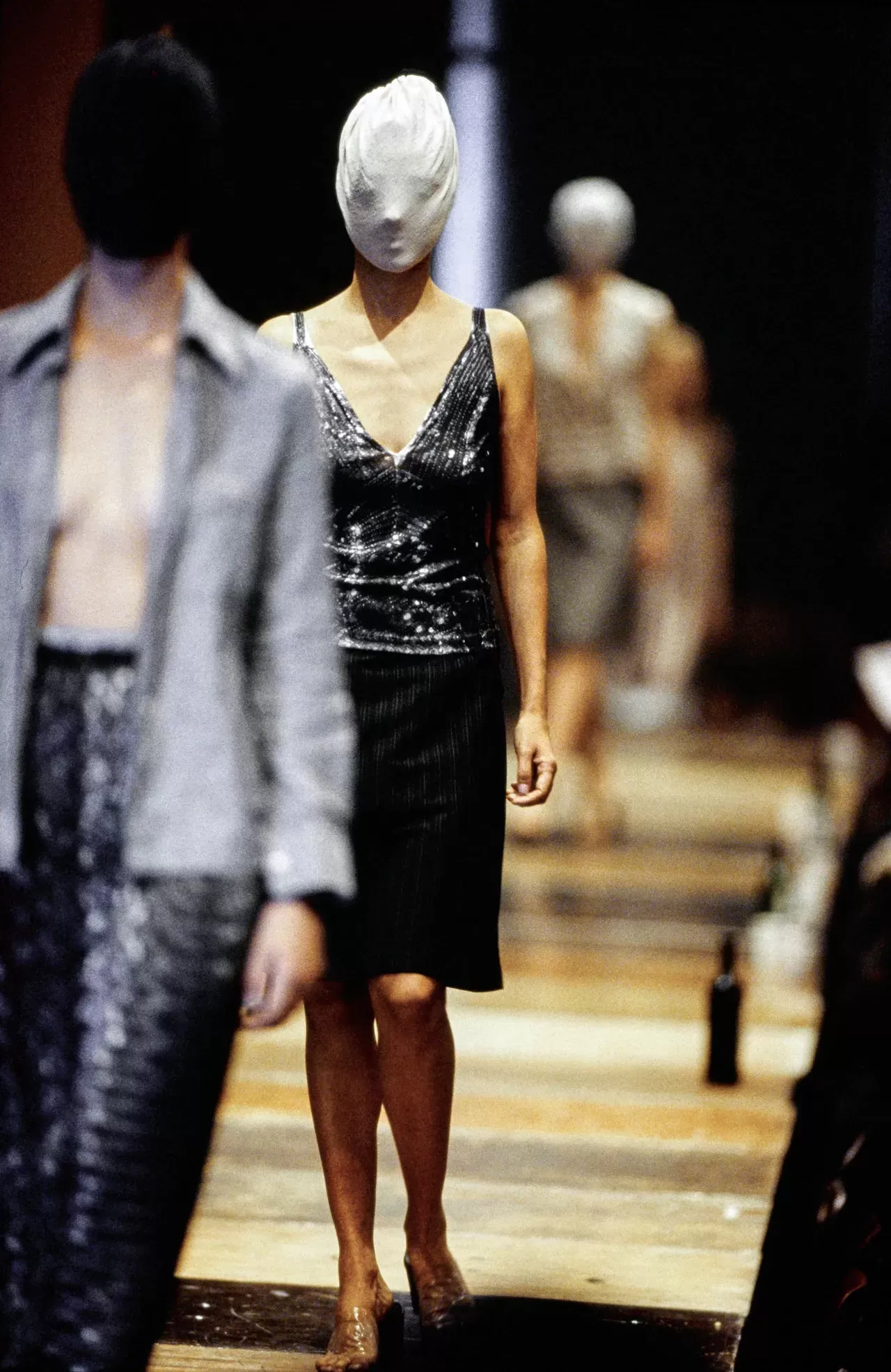
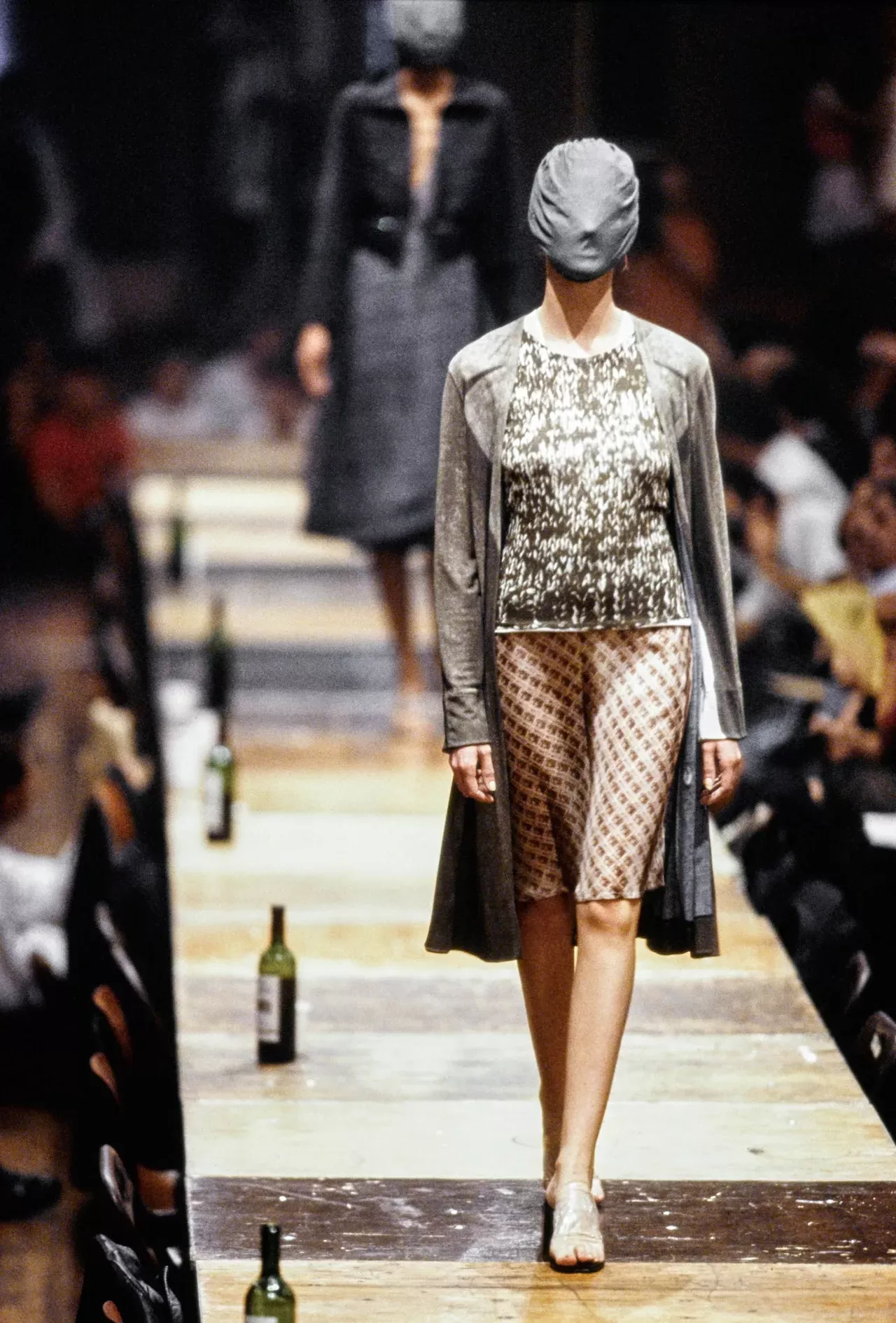
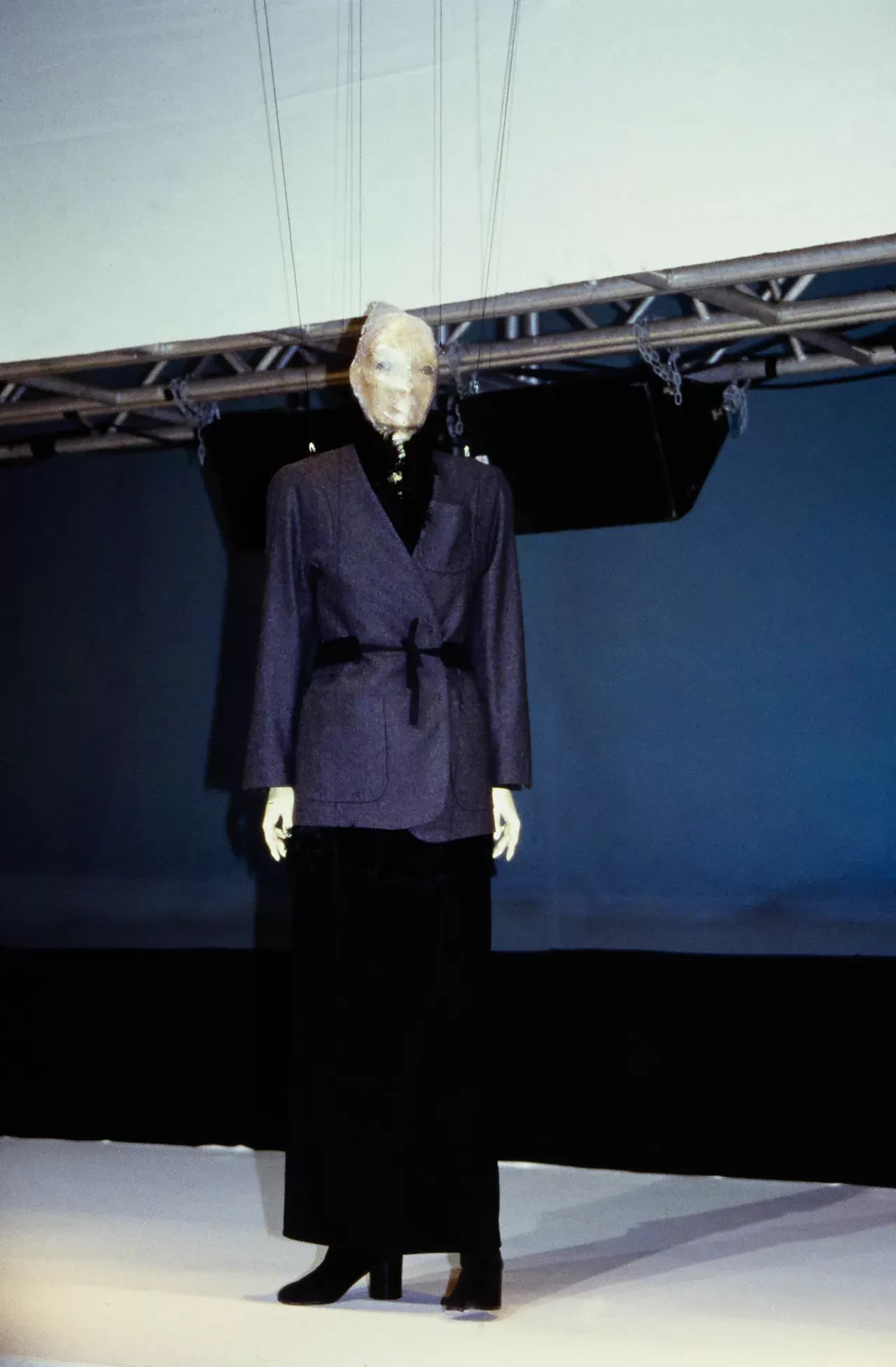
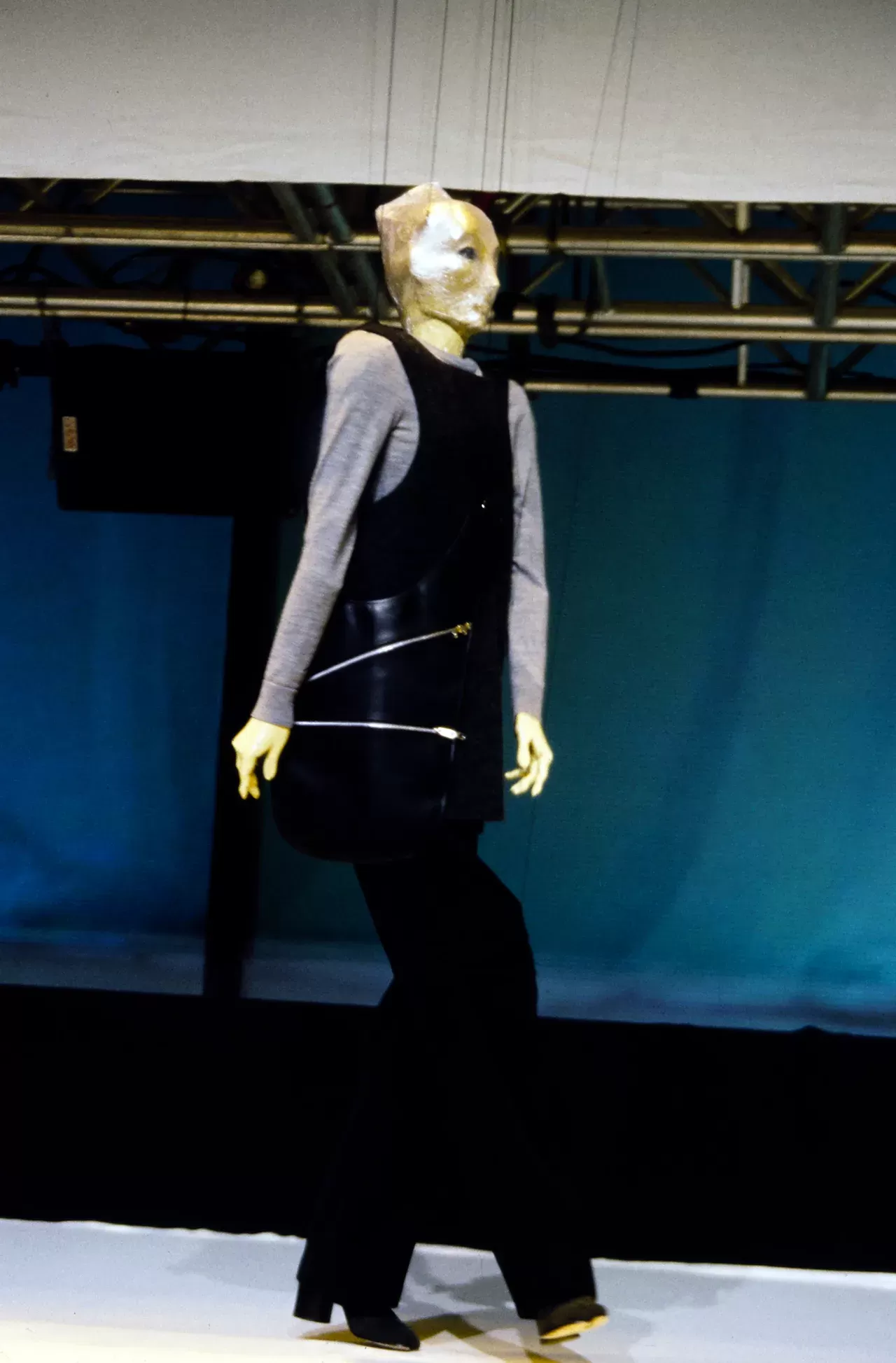
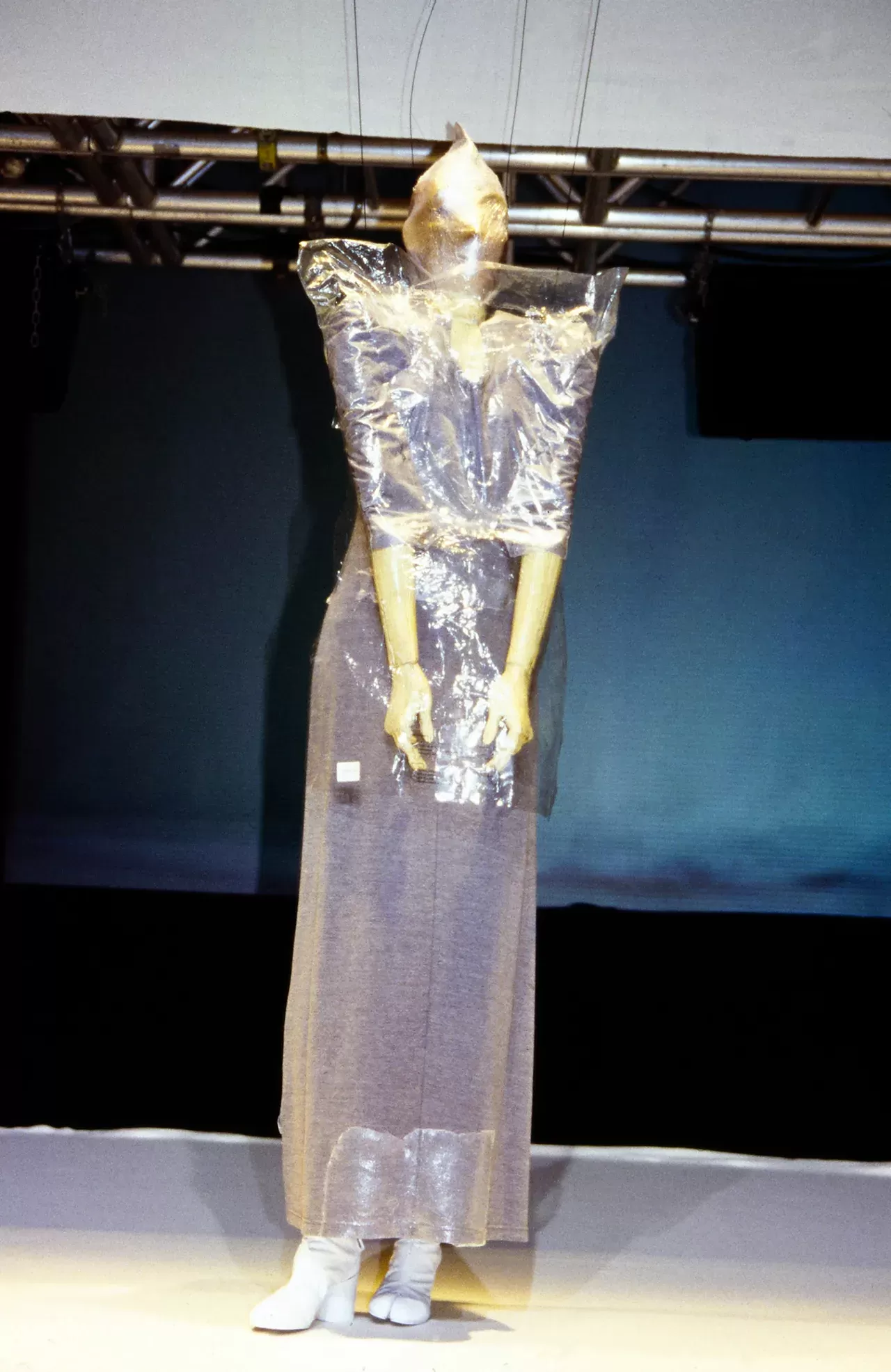
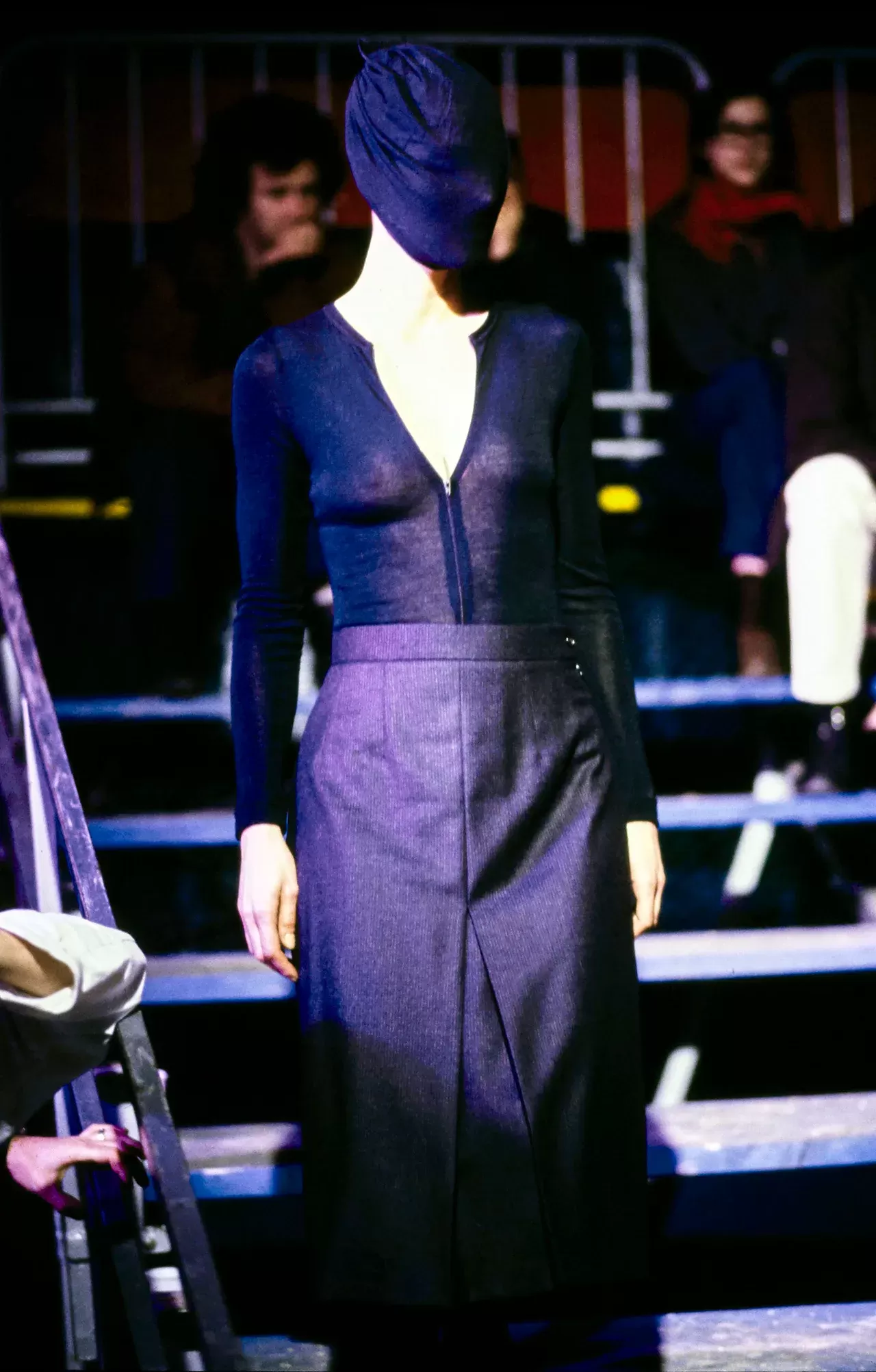
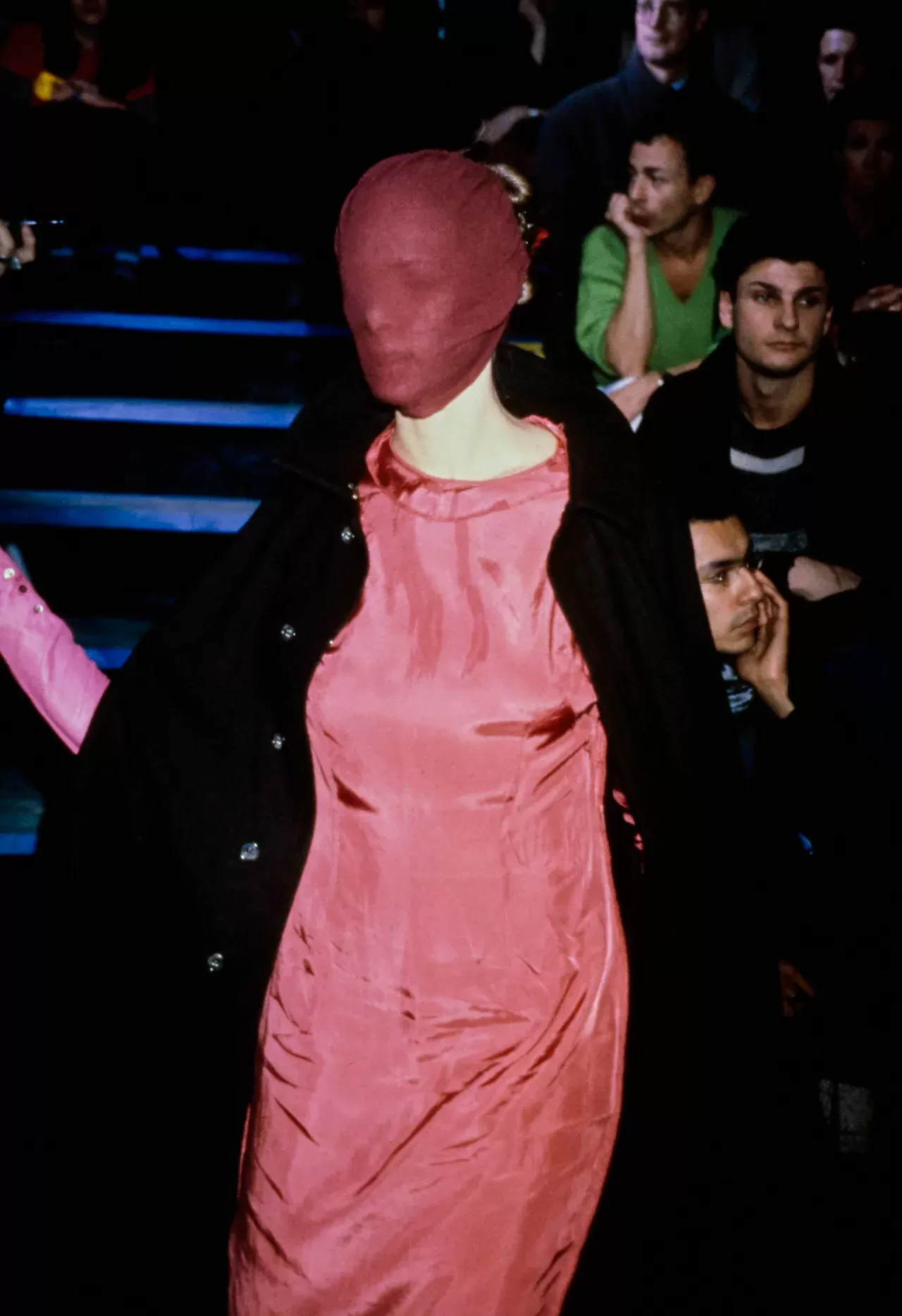
It all began in the late 1990s, when Martin Margiela, then an unknown, presented his very first collection, the SS89 for his eponymous house, in the modest setting of Paris’s Café de la Garde. The collection was divided into several sections, defined by color. The first, the white section, kicked off proceedings: light, simple and effective. The freshness of white then gave way to the intensity of red, which brought with it a number of iconic motifs that the house would later develop, but most notably the first masked looks. A choice that was not only aesthetic but reflective of Martin Margiela’s entire personality. Between his reluctance to speak to the press or appear in photos, and especially his desire to spotlight not the wearer but fashion itself (choosing, for instance, to present his SS98 collection on hangers rather than models), masks quickly became a hallmark of Maison Margiela.
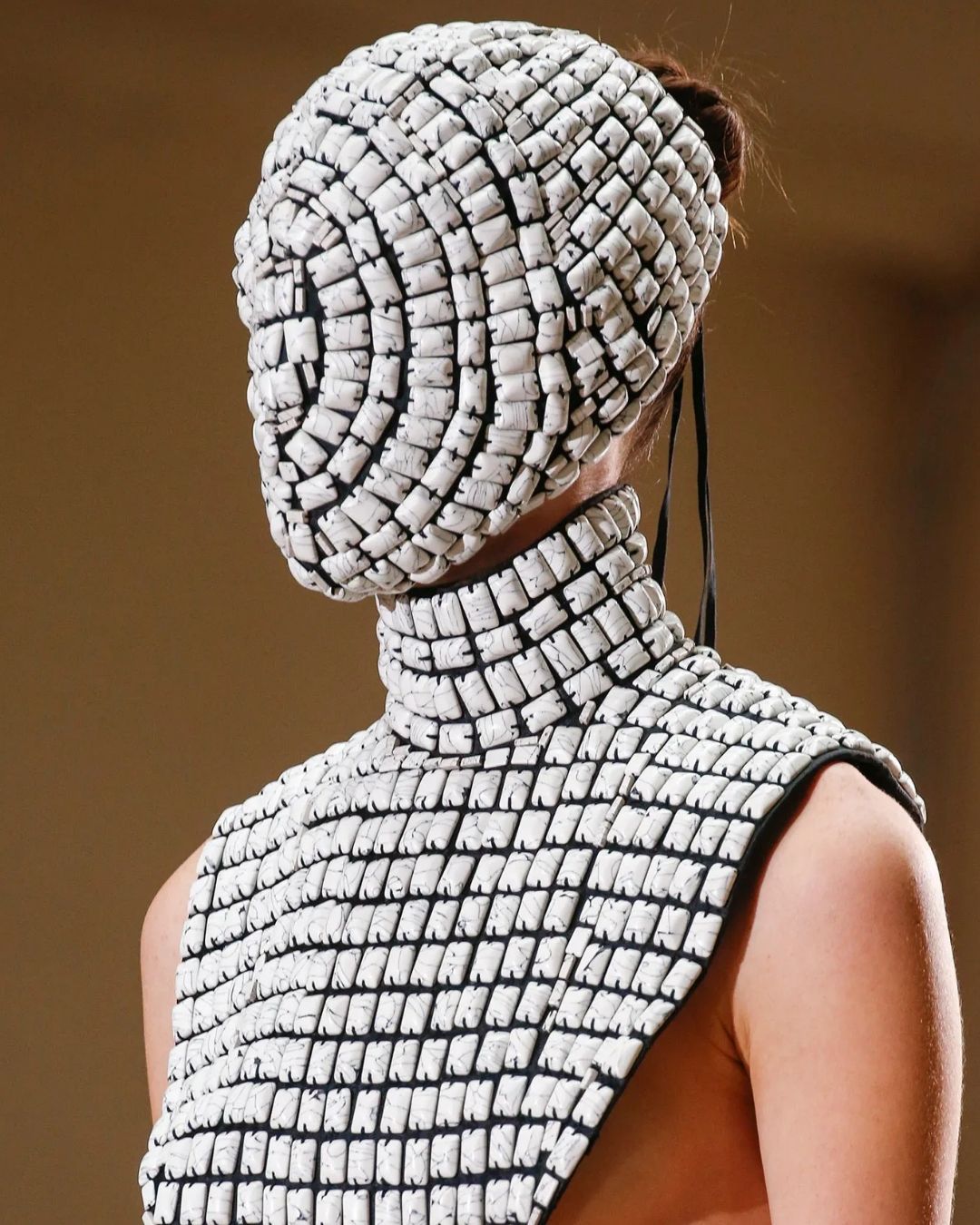
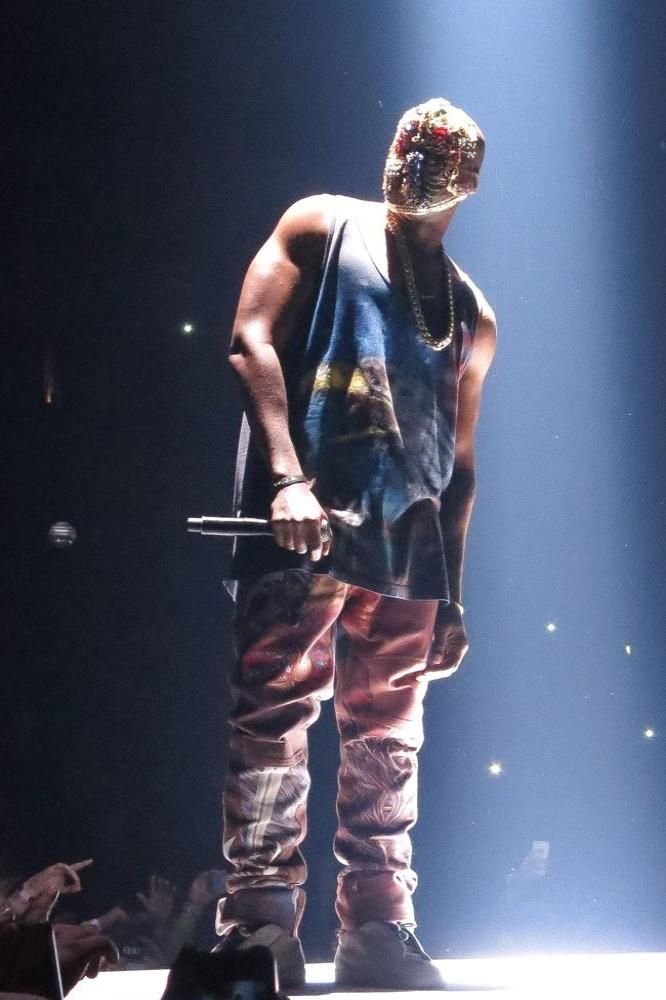
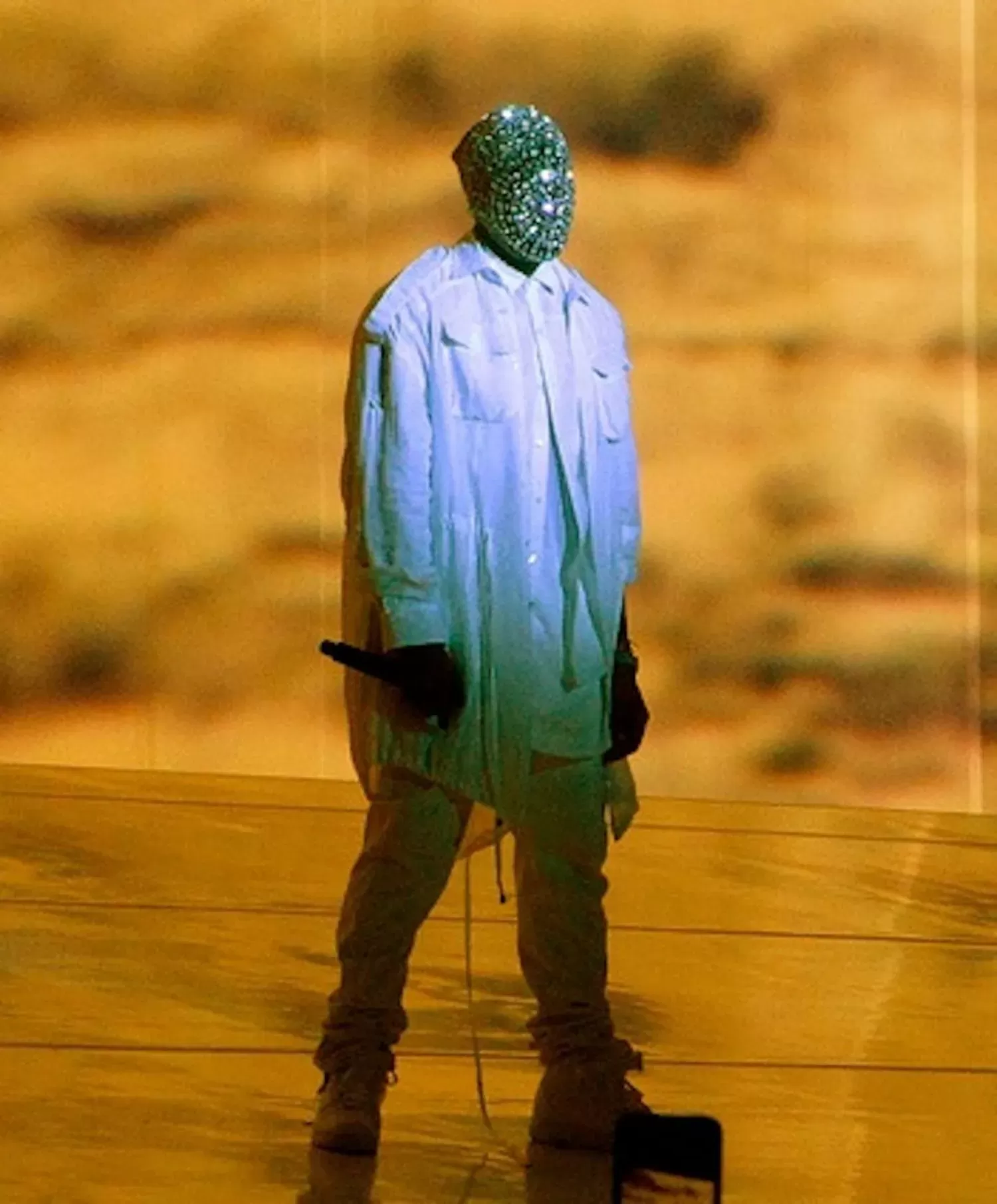
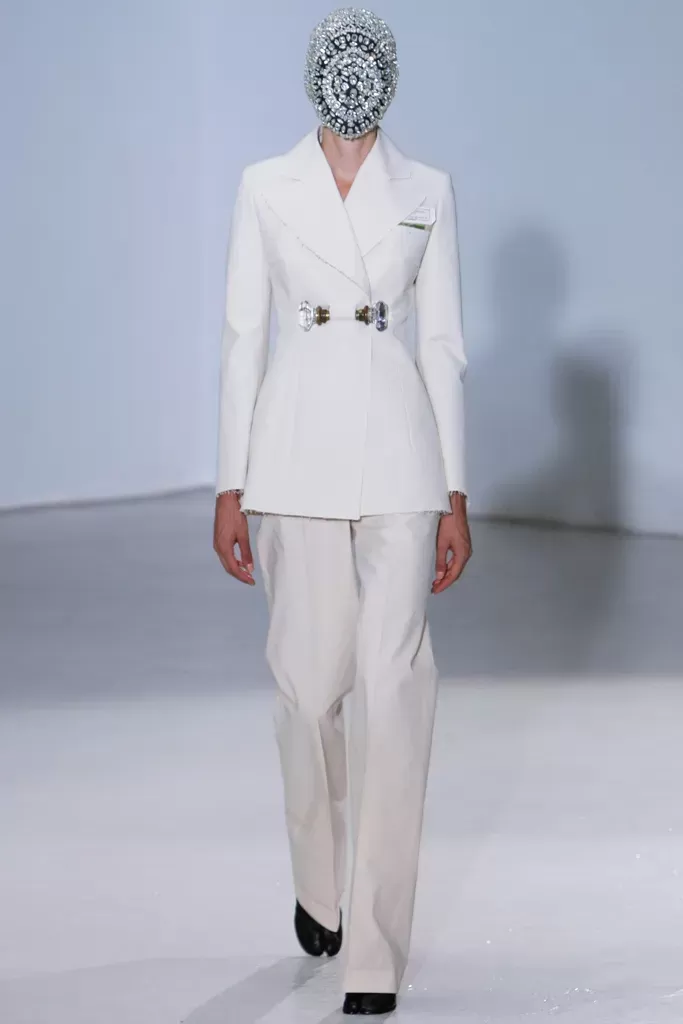
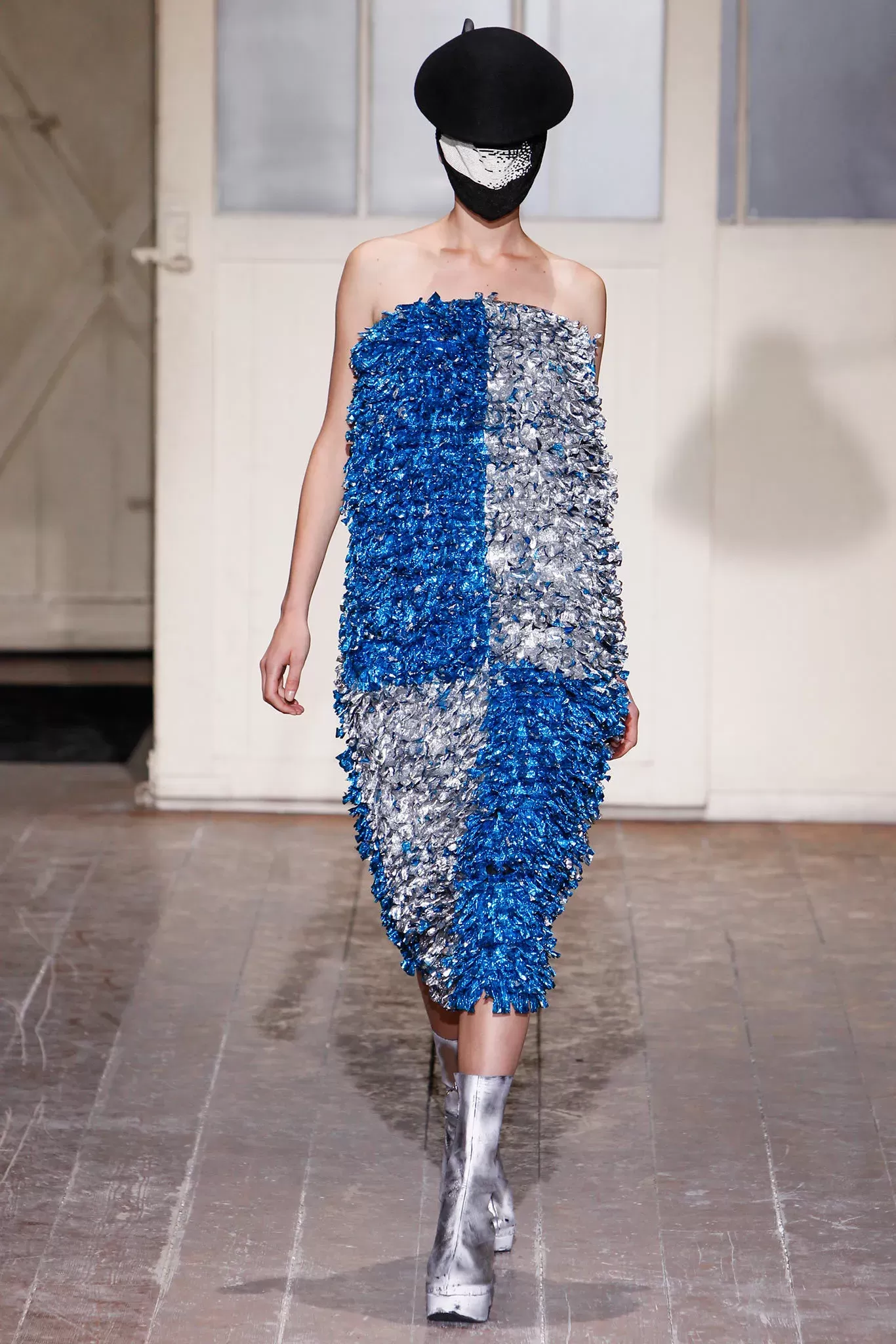
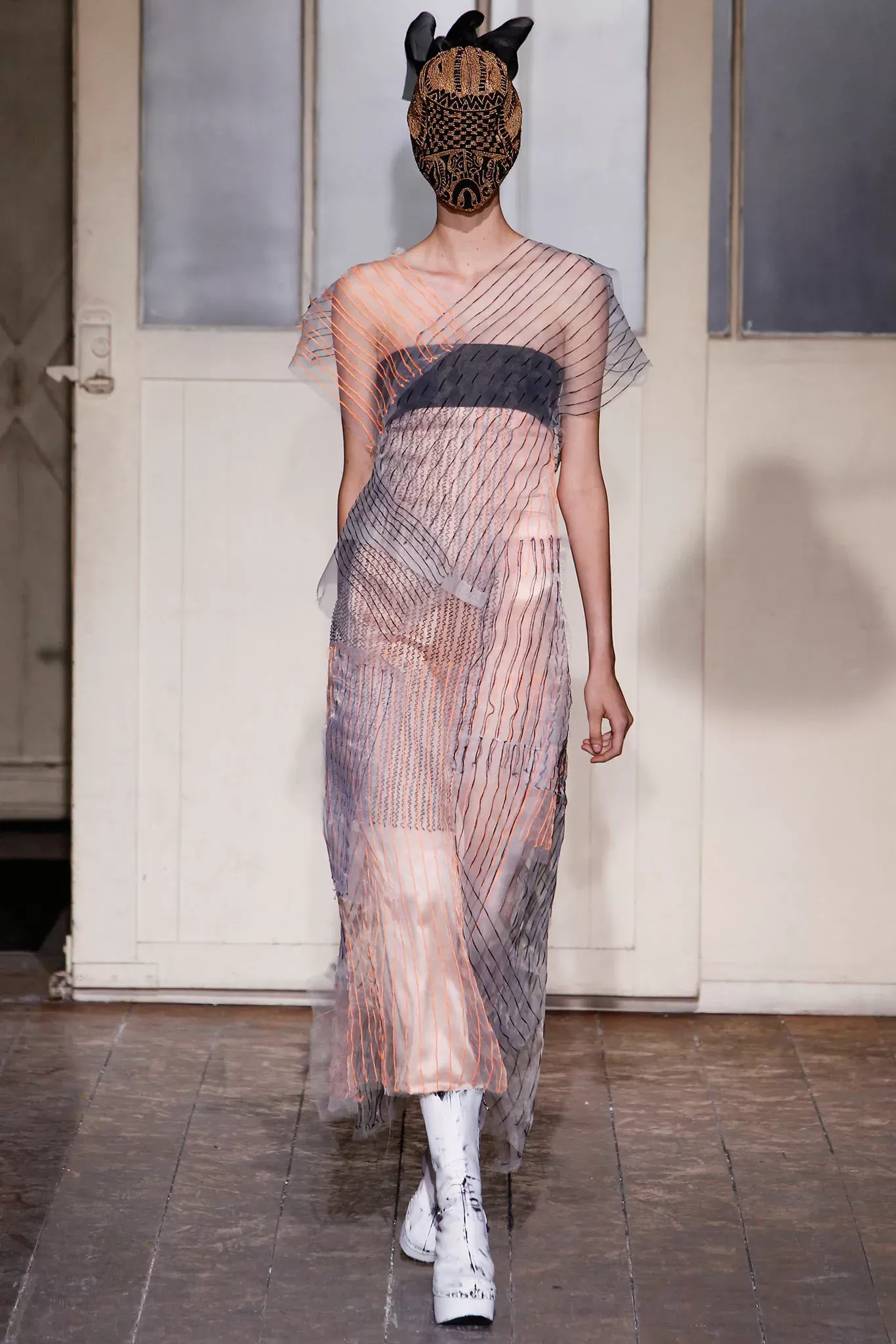
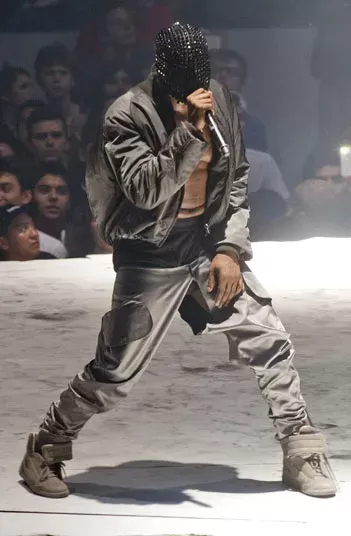
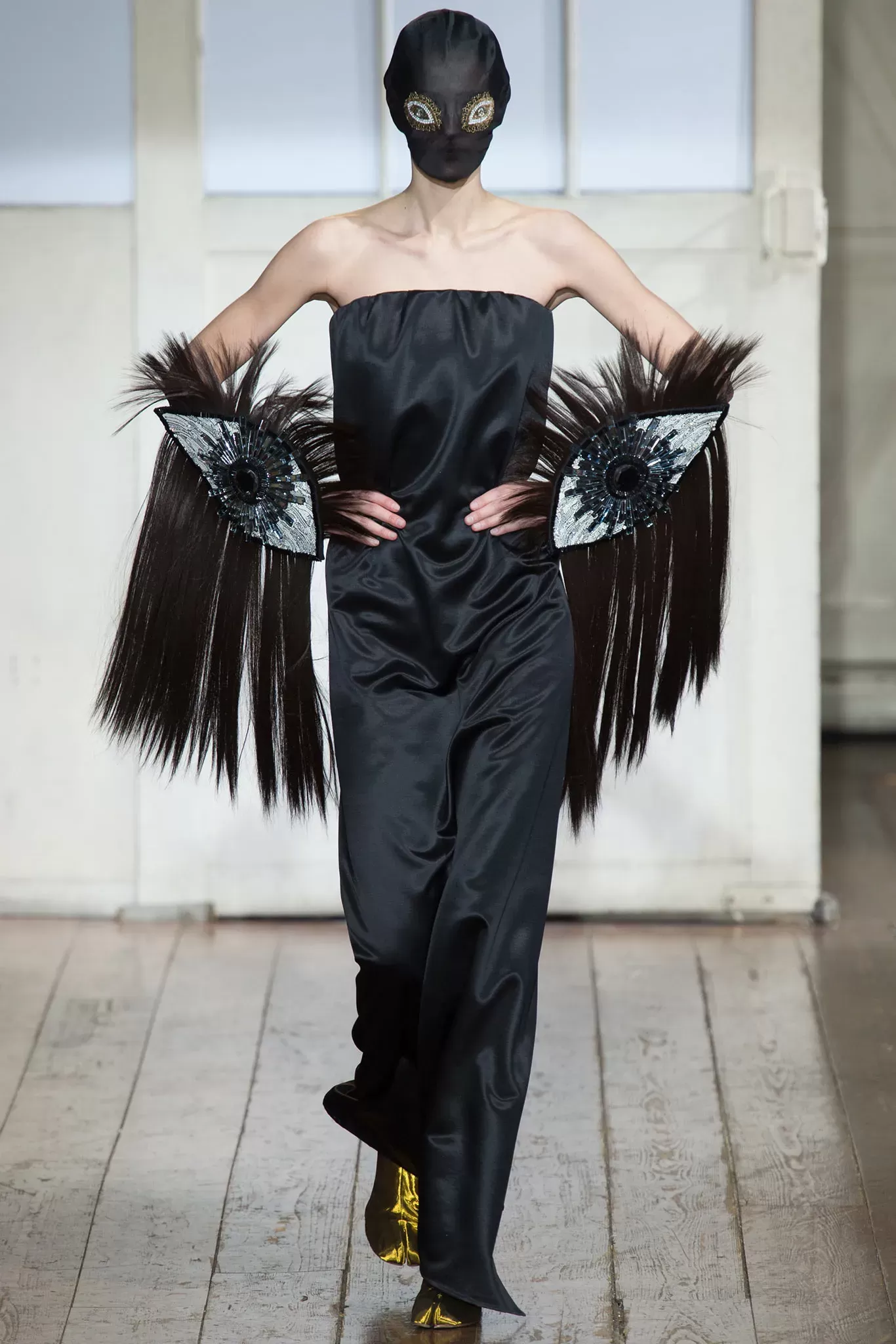
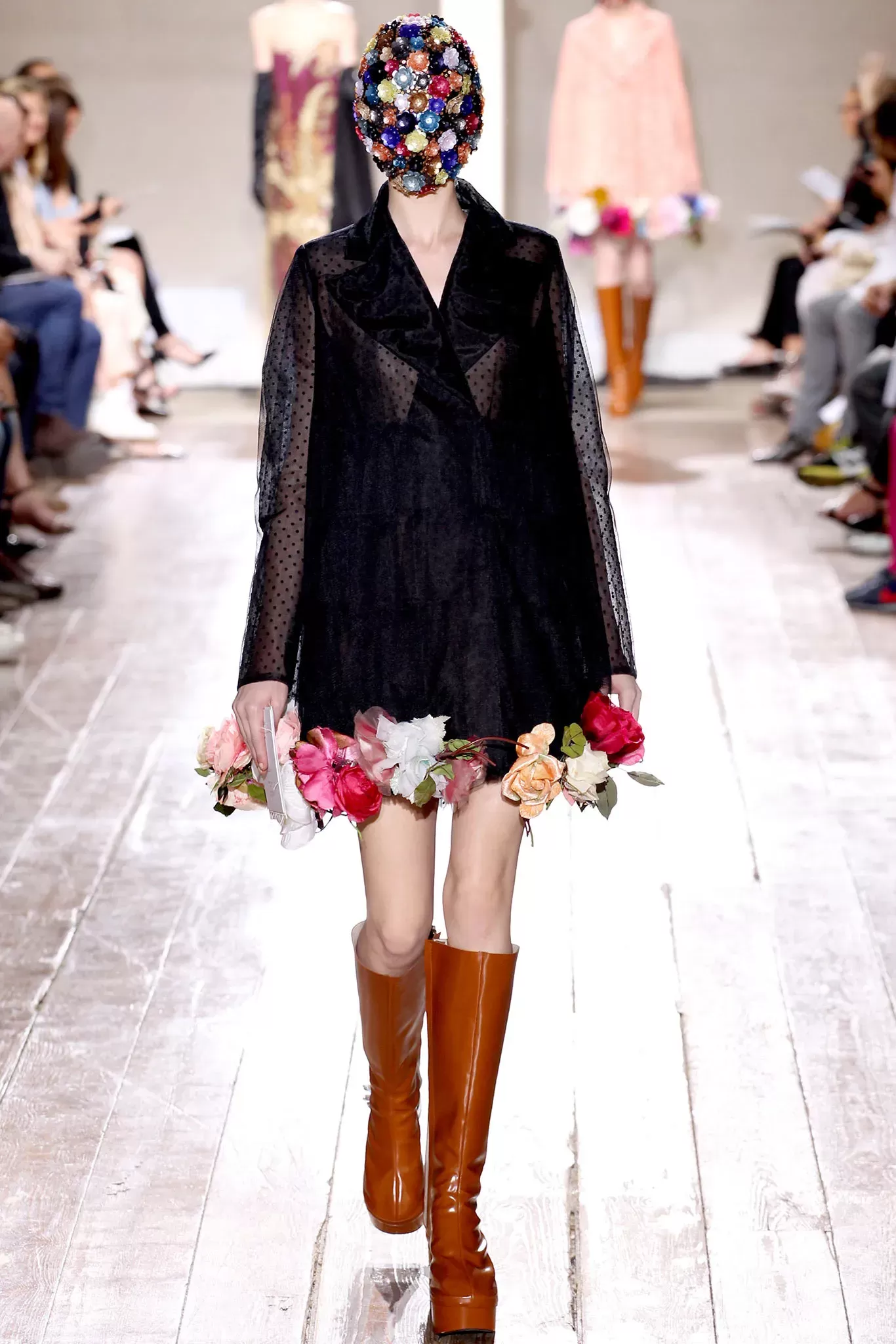
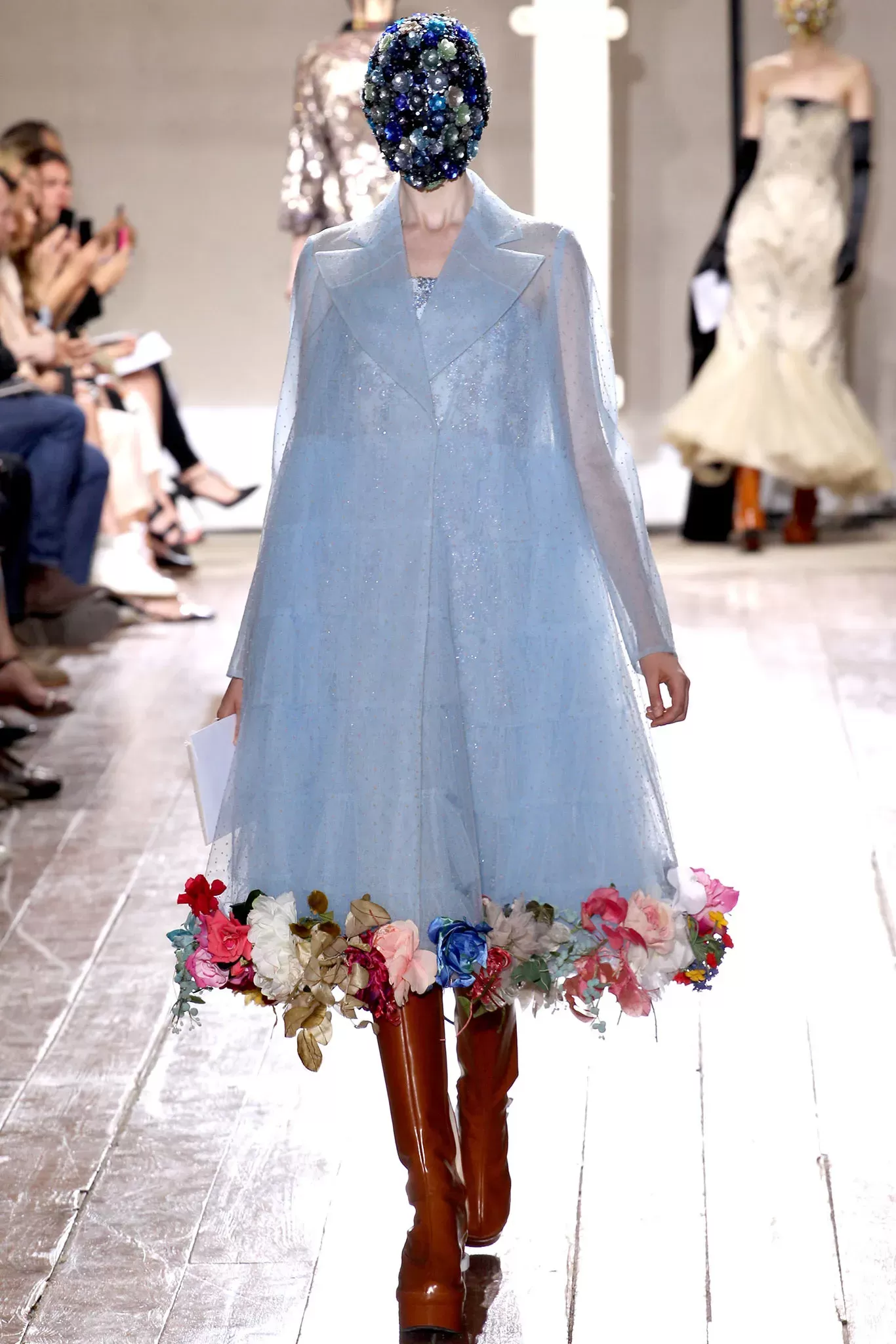
They reappeared as early as 1995, used in the ready-to-wear collections for FW95, SS96, FW98 and even the SS09, Martin Margiela’s farewell collection. Yet the mask tradition did not disappear with the departure of its pioneer; on the contrary. From 2011, Matthieu Blazy joined the House, although his identity remained secret for a time and was only revealed in 2014, when he left to join Céline, disclosed by fashion journalist Suzy Menkes on Instagram. Blazy’s arrival at Margiela would mark the evolution of Maison’s masks, elevating their design with Swarovski crystals, turning them into true artworks. The FW12 Haute Couture collection, with its sumptuous colored masks covered in crystals, indeed marked a turning point for the House. They would again appear in the couture collections SS13, FW13, and SS14 under Blazy’s guidance. But it wasn’t on runways that the Franco-Belgian masks became recognized as iconic, collectible, historic pieces. In 2013, it was Kanye West and his Yeezus Tour who, donning face masks created by Blazy and Margiela, propelled these accessories to a new level of global popularity.
Then came the great, the immense John Galliano at the helm of the House in 2014, who of course paid tribute to Margiela and its heritage, reinventing the models’ masks in his own way. A fresh, light and colorful version appeared in his couture FW18 collection, where models’ faces were covered—but not entirely—wrapped in a fine layer of color, as if wearing turquoise stockings on their heads. A hint of Margiela's taste for anonymity was also visible in his farewell to the institution, the Artisanal SS24 collection, which, though featuring unveiled faces like that of actress Gwendoline Christie, also included headpieces and glasses so imposing they obscured the models’ faces, granting them an aura of mystery and, above all, assured anonymity, just like masks. Having models wear masks last Wednesday was therefore Martens’ way of telling the world he intends to honor the House, its DNA and its legacy during his tenure, which, we hope, will be long and fruitful.