



































Prada Group keeps betting on Made in Italy Between group and other private investments, made by Patrizio Bertelli himself
The Prada Group has recently announced the signing of a new agreement with Rino Mastrotto Group, one of the leading global players in leather tanning and processing, to acquire a minority stake of 10% in the Veneto-based company. The transaction, structured on multiple levels, includes the transfer of 100% of two key assets already under Prada Group's control: Conceria Superior S.p.A., a tanning excellence based in Santa Croce sull’Arno (Pisa), and Tannerie Limoges S.A.S., a historic French tannery specialized in lambskin processing. Alongside this transfer, there is also a cash investment, the amount of which has not been disclosed, but which will be sufficient to bring Prada Group’s total stake to 10% of Rino Mastrotto Group's share capital. This strategic move adds to the many investments the Group has made in recent months to further strengthen its control over the production chain, reaffirming its industrial vocation and the desire to directly oversee the most strategic phases of the manufacturing process in the luxury sector. The closing of the transaction is expected between the end of the second quarter and the beginning of the third quarter of 2025, subject to the fulfillment of certain regulatory and corporate conditions. According to industry sources, the Mastrotto family will retain a 30% stake in the group, while the majority shareholder remains the Renaissance Partners fund, the current controlling investor.
This move represents the natural evolution of an already established industrial relationship. In fact, Prada entered the capital of Conceria Superior in 2022, recognizing the Tuscan company as a key player in calfskin processing, a sector in which it is internationally known for its blend of artisanal tradition and innovative technology. In the case of Tannerie Limoges, Prada’s entry dates back to 2014, when the maison acquired a majority stake in the French company, a benchmark in the tanning of nappe plongées, lambskins known for their exceptional softness, elasticity, and imperceptible finish. Rino Mastrotto Group, headquartered in Trissino, in the province of Vicenza, is one of the most prominent players in the global leather industry. It has over 1,300 employees, operates across five continents, and generates an annual turnover of approximately €360 million. In addition to the fashion segment, the company is also active in the automotive, interior design, and technical textiles sectors. Over time, it has also integrated several Italian artisanal excellences, including Basmar, Pomari, Mapel, and Morelab, contributing to the growth of a vertical, integrated, and highly specialized industrial district.
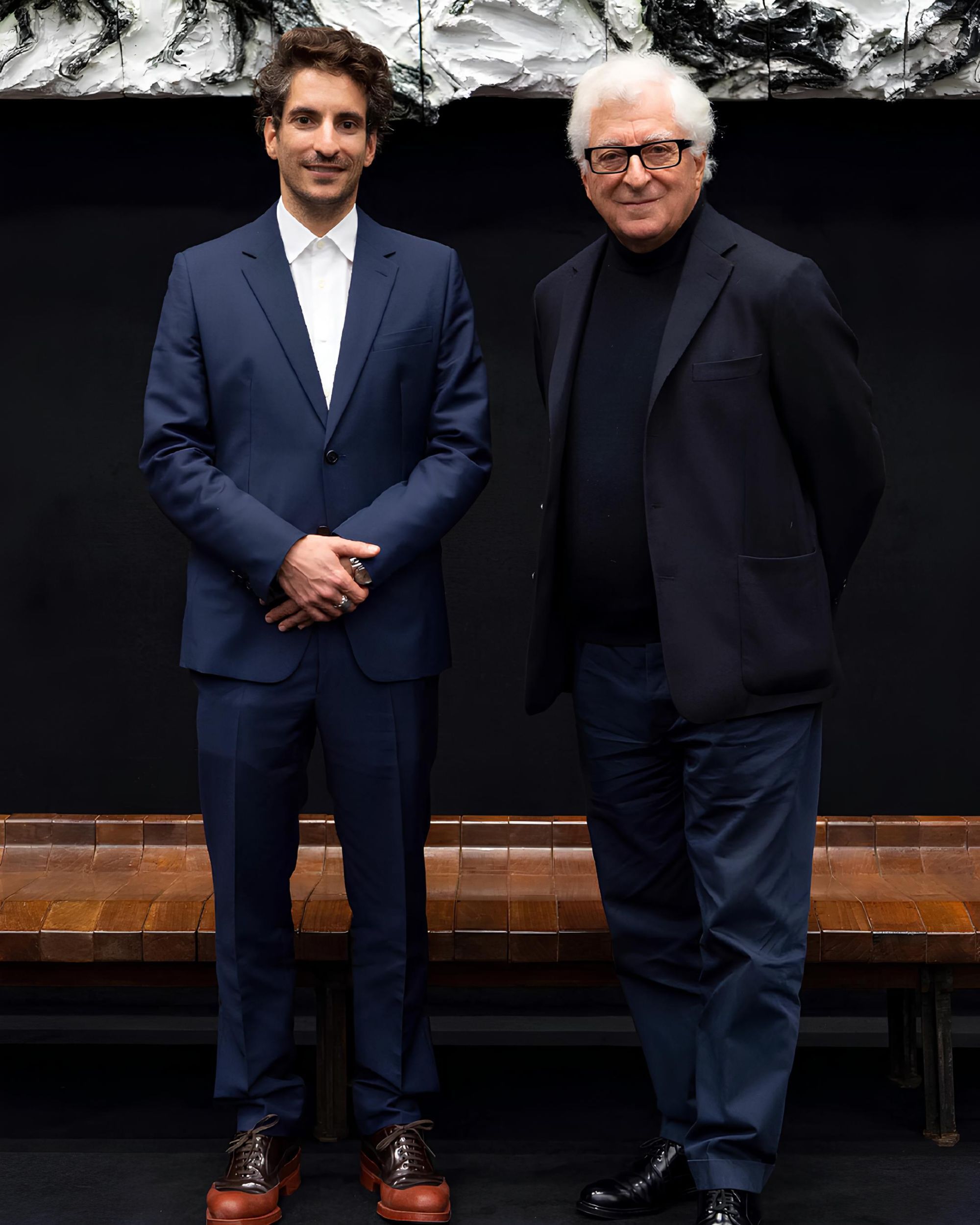
In addition to this significant industrial operation, Patrizio Bertelli continues to invest in the Italian territory, particularly in his hometown, Arezzo. Over the years, he has acquired several symbolic places in the city – including Caffè Costanti, the restaurants Buca di San Francesco and La Capannaccia, and Palazzo Carbonati – and has now signed a preliminary agreement to purchase the former Lebole area, a historic textile manufacturing site closed in 2002. The area, covering over 150,000 square meters, is located in a strategic position, considered one of the gateways to the city. It has been abandoned for more than twenty years, becoming a symbol of urban decay. The estimated value of the transaction is €8 million, according to press reports, and the preliminary contract is expected to be finalized next month. The final use of the area has not yet been officially announced, but in the past, there was talk of possible residential or mixed-use projects. This acquisition also has significant symbolic value: Bertelli, recently appointed Cavaliere del Lavoro, thus returns to the city of Arezzo an area abandoned for over two decades, confirming an entrepreneurial vision in which industry, culture, territory, and social responsibility coexist and mutually reinforce one another.
What to read next

Prada Group revenues continue to grow at double-digit pace
The company closed the first half of 2026 with an 11% increase in turnover