




















Dior’s white ball for the Cruise 2026 In a tribute to the Eternal City, the roots of its creative director but also the fashion of the 17th century
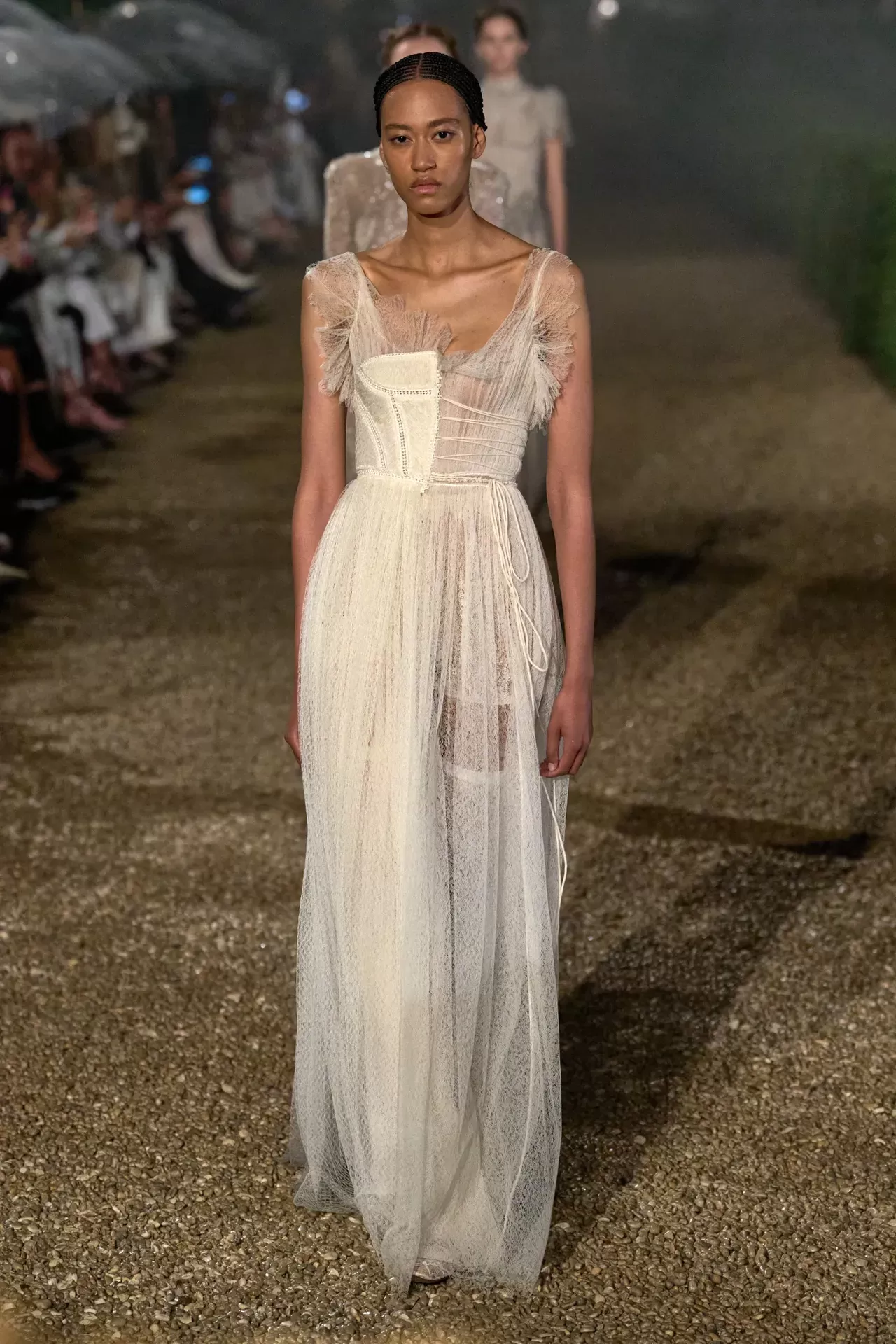
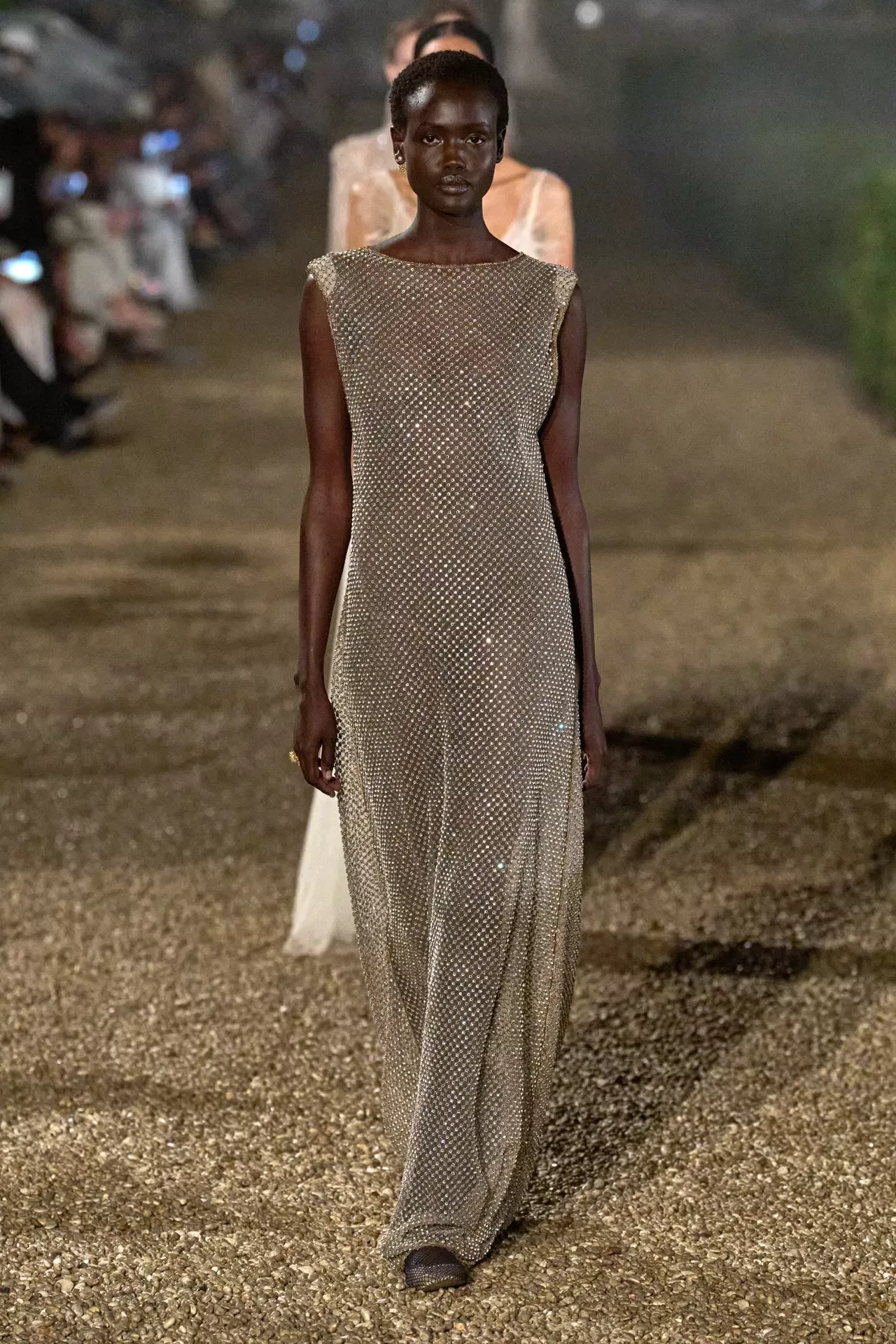
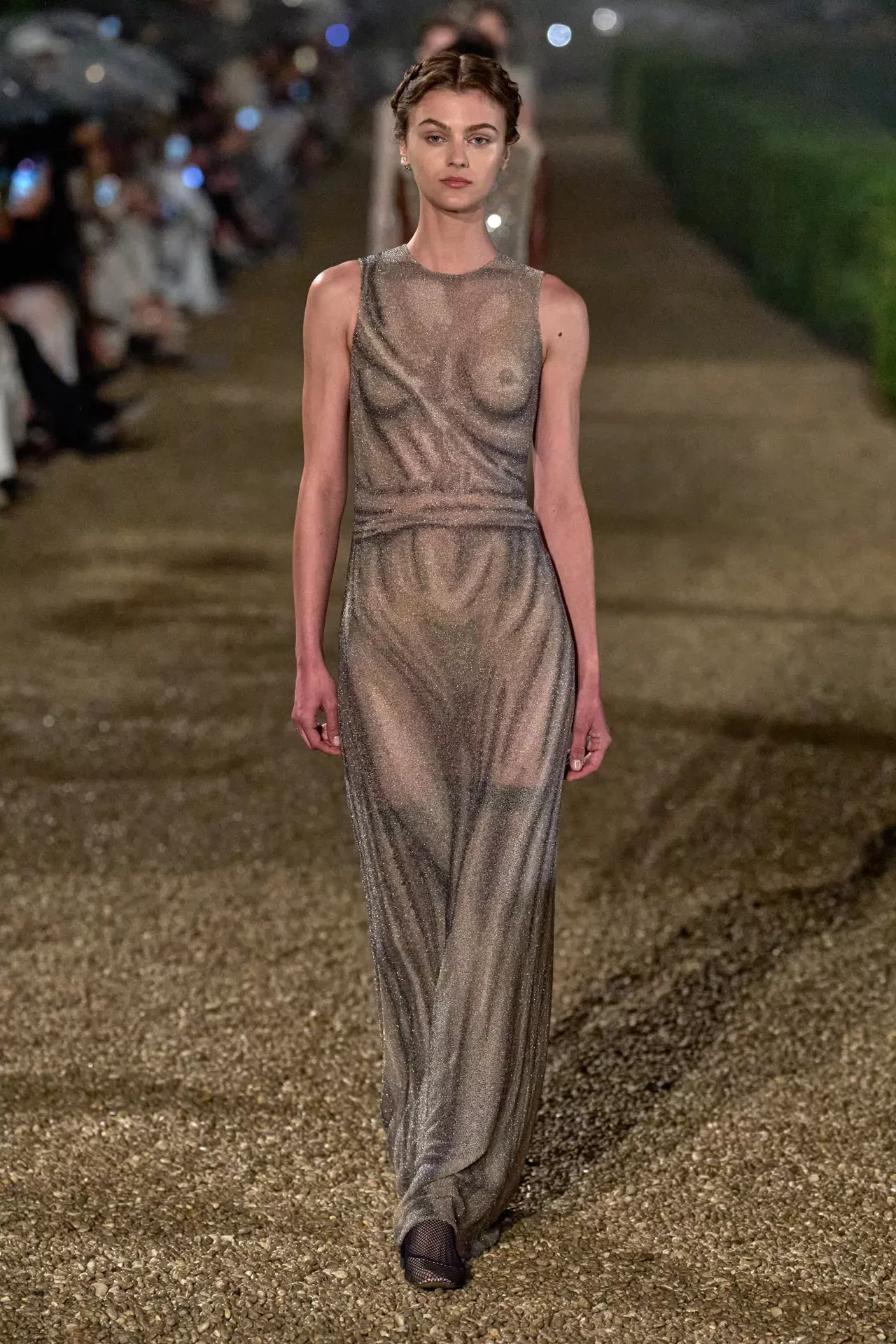
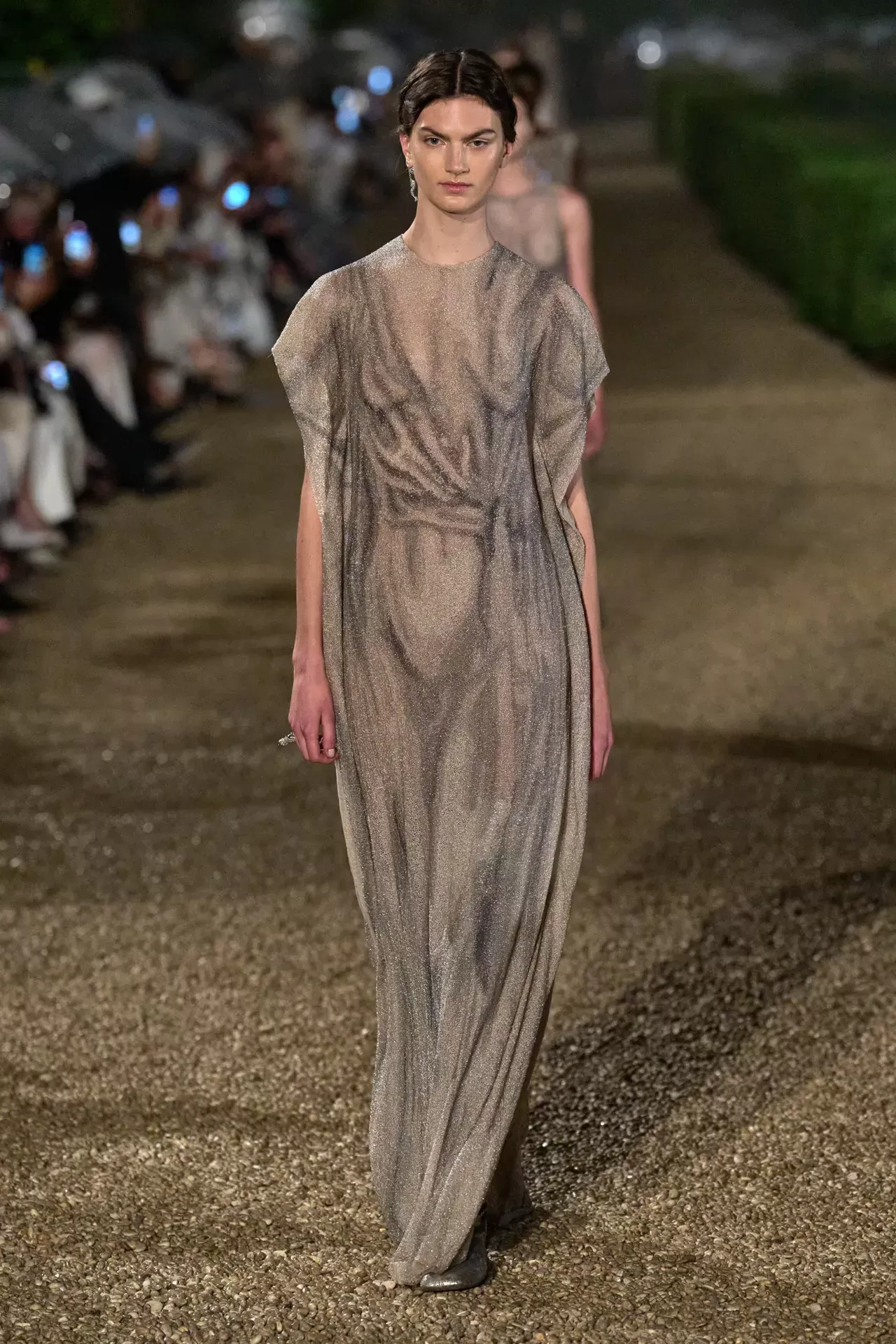
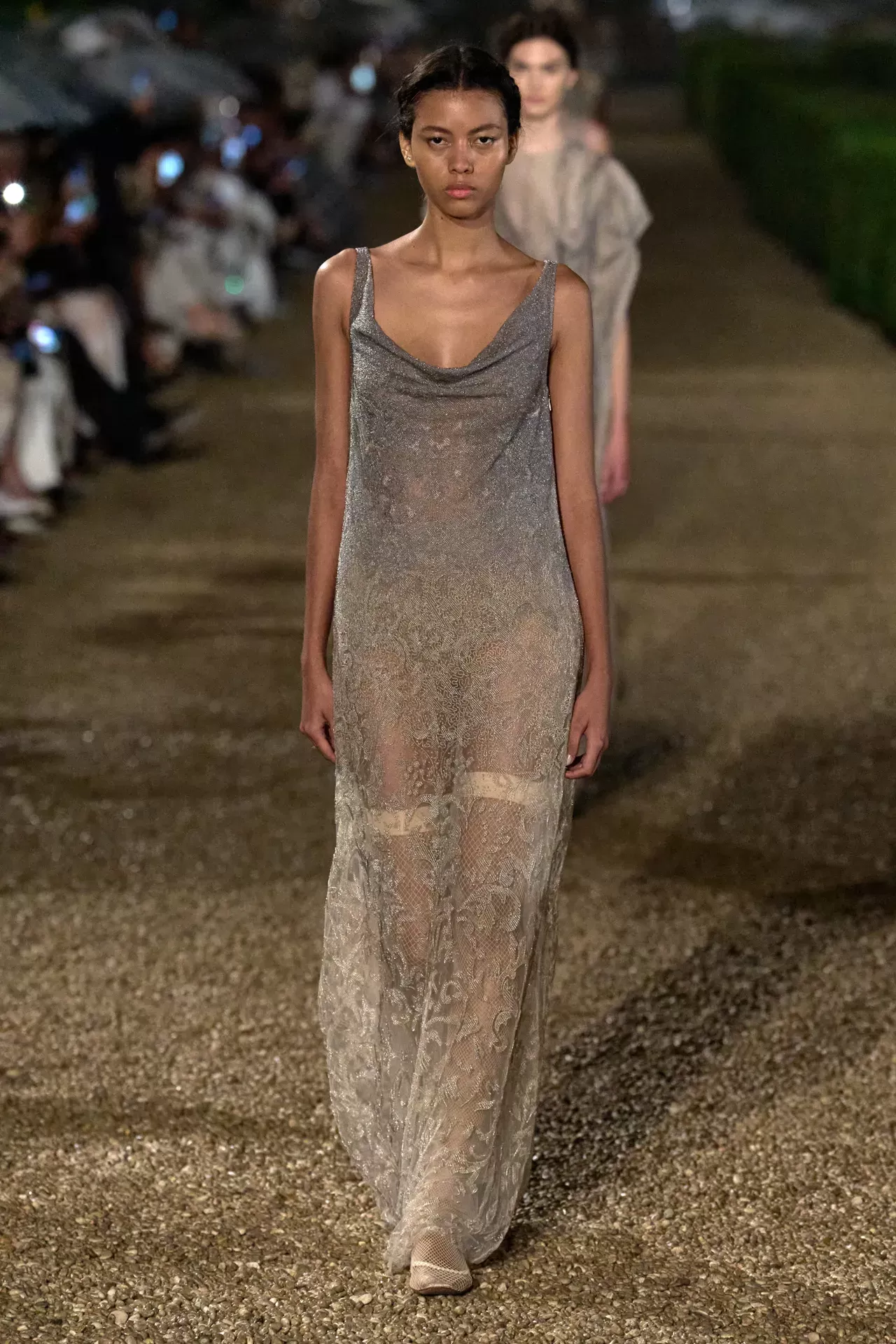
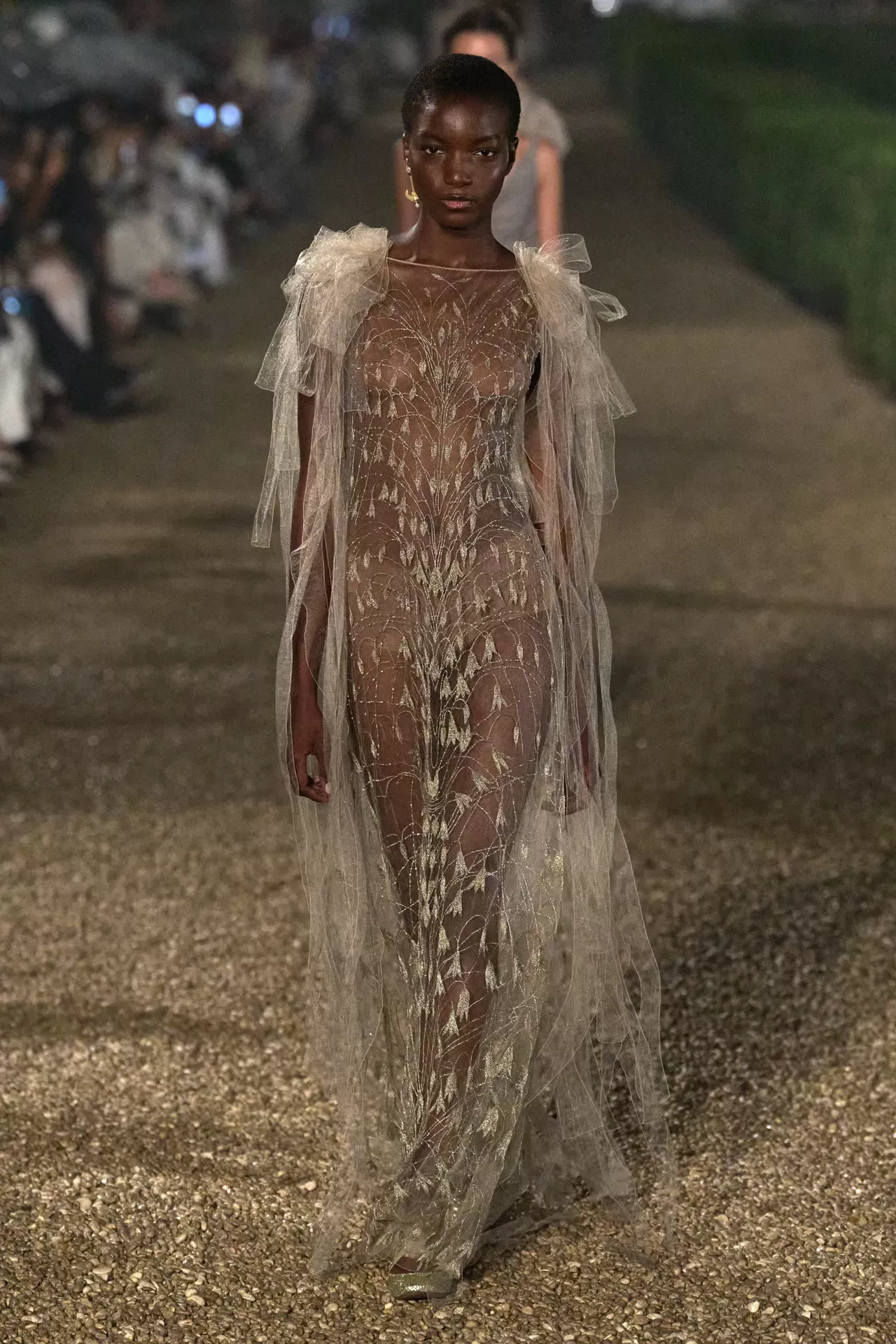
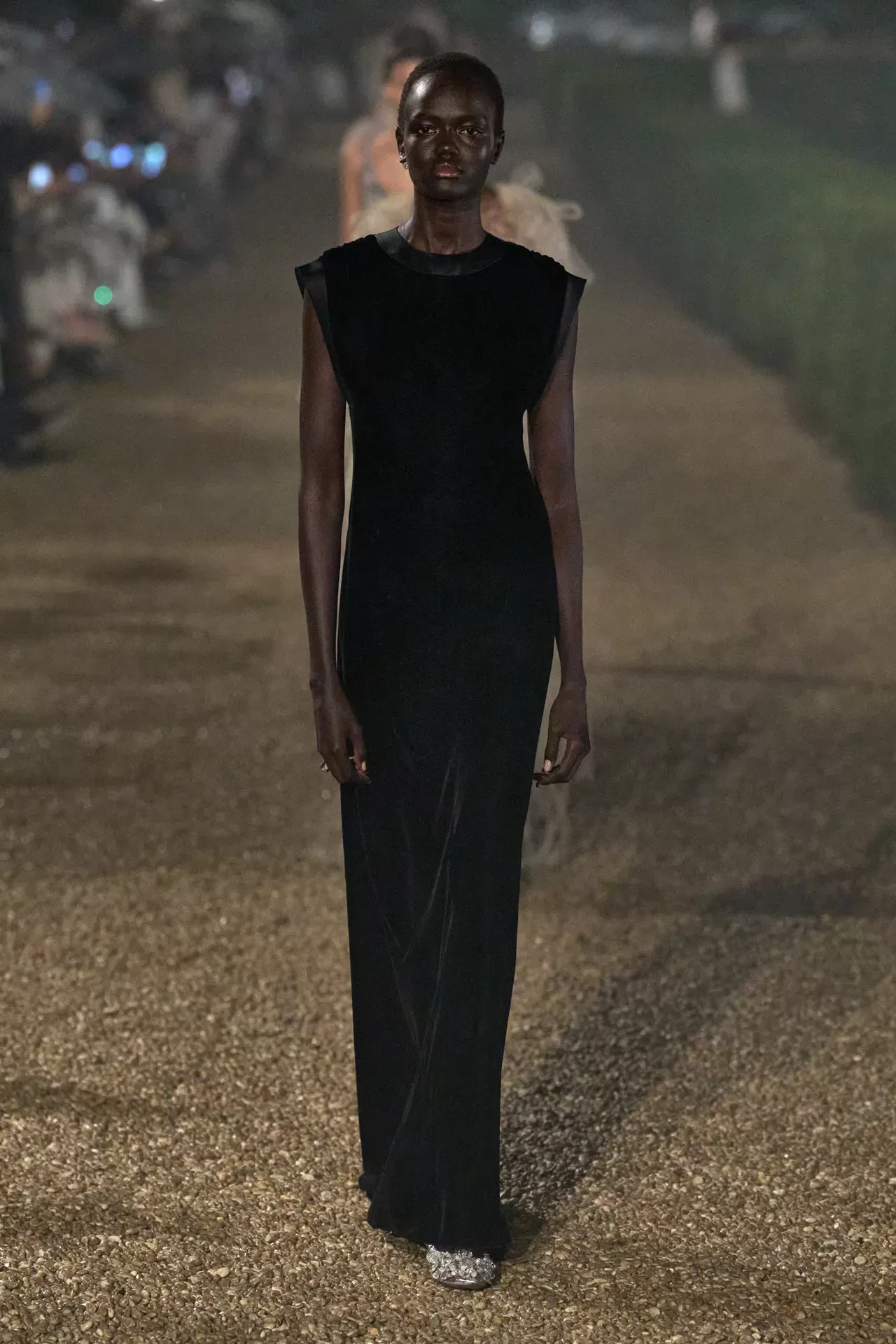
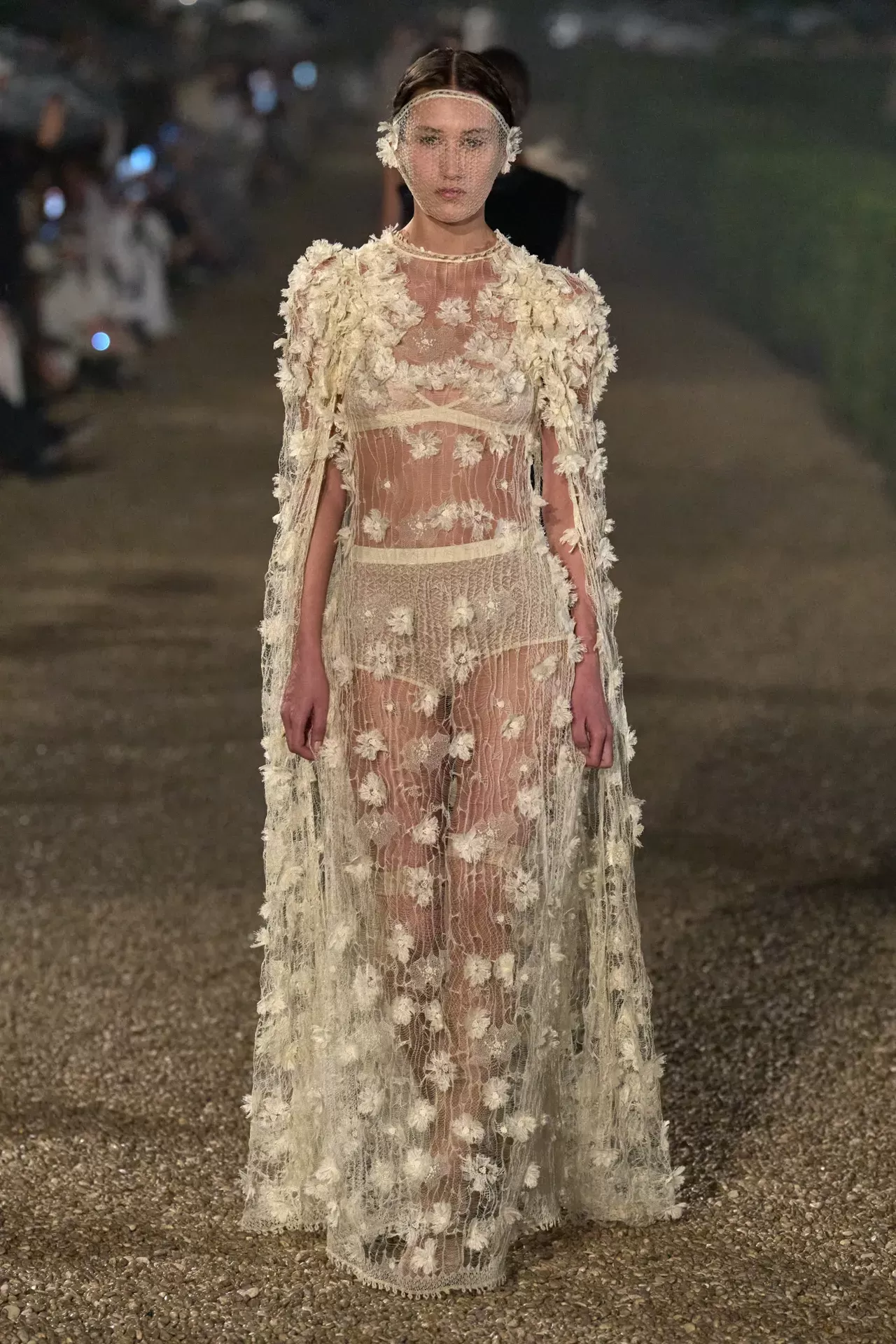
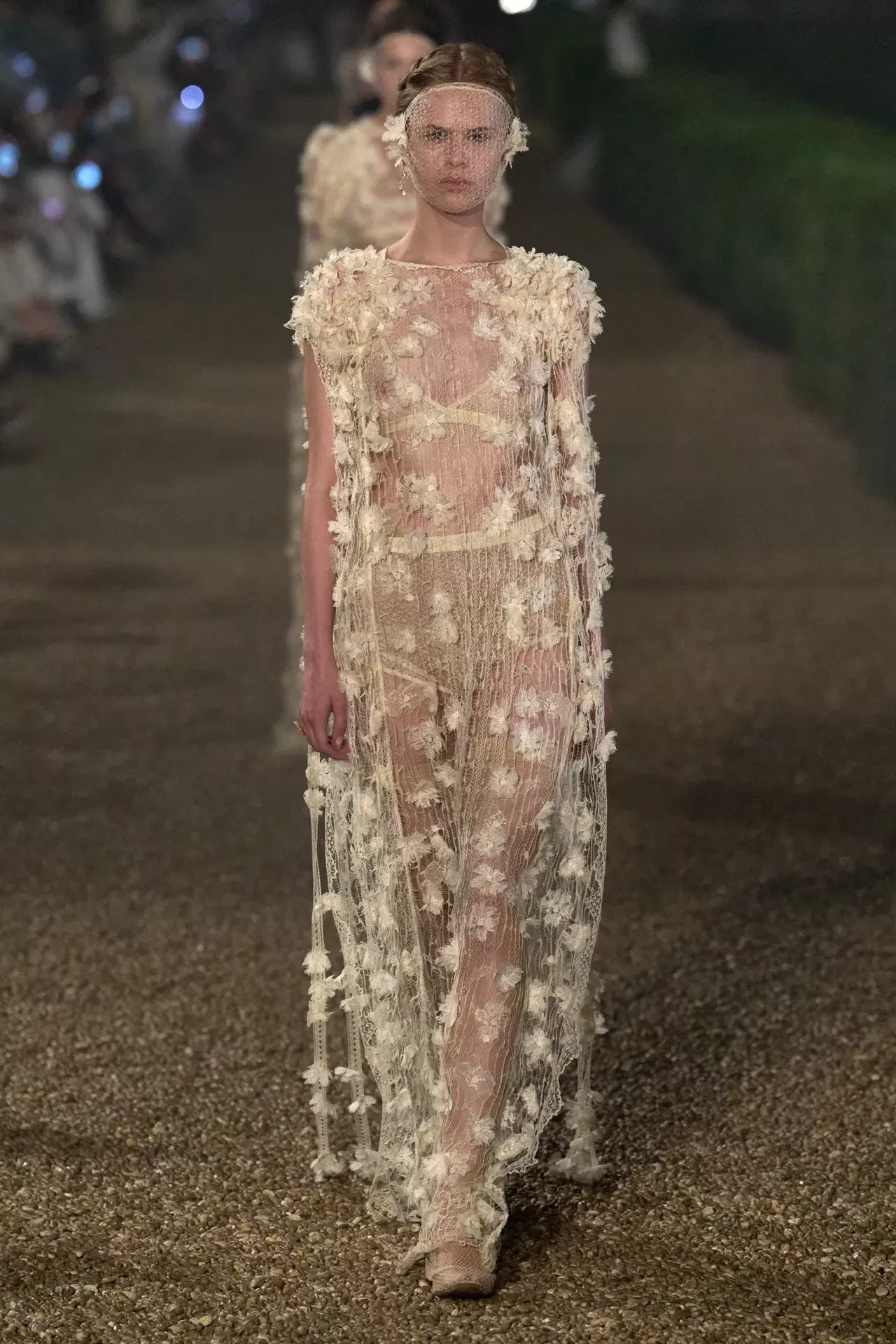
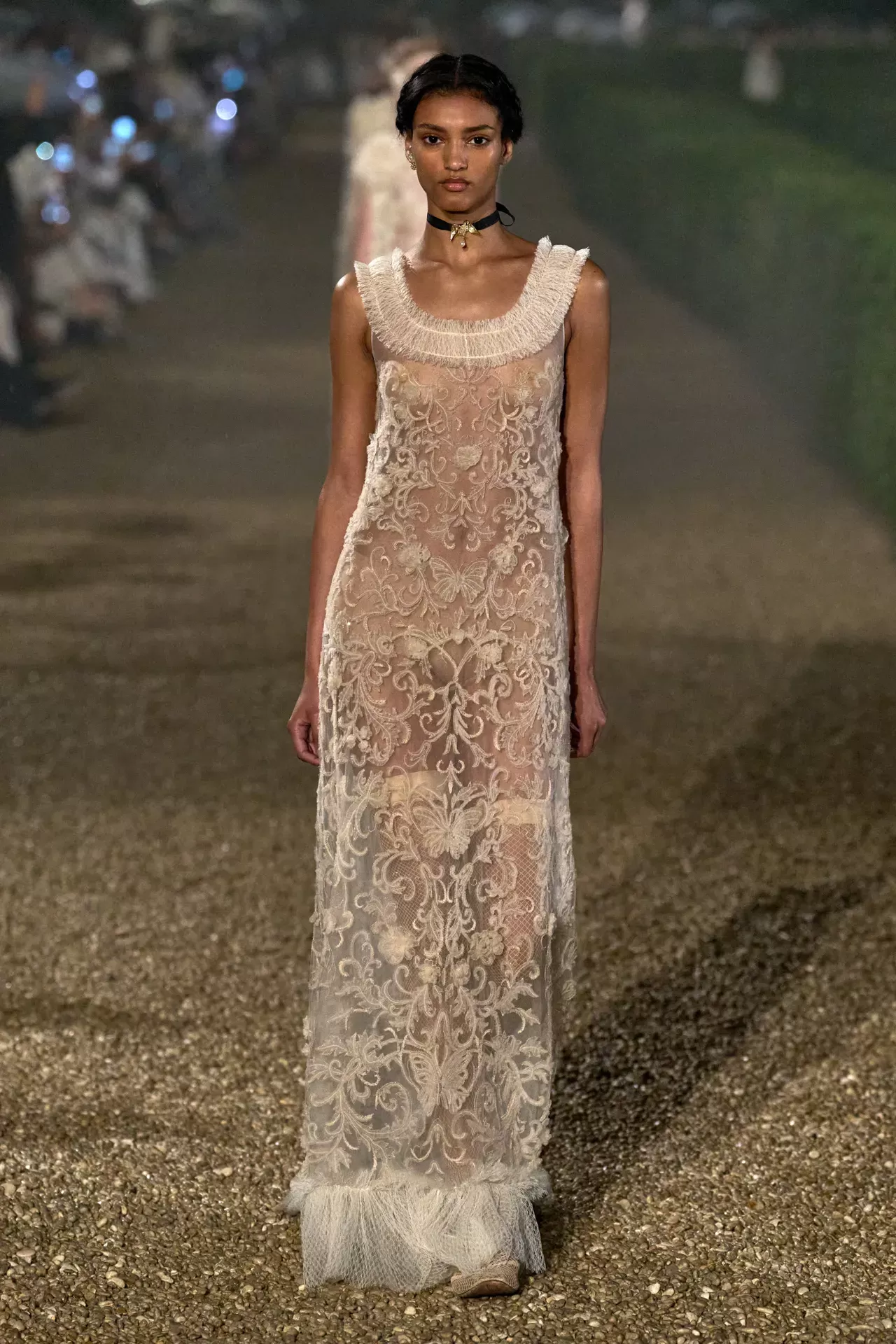
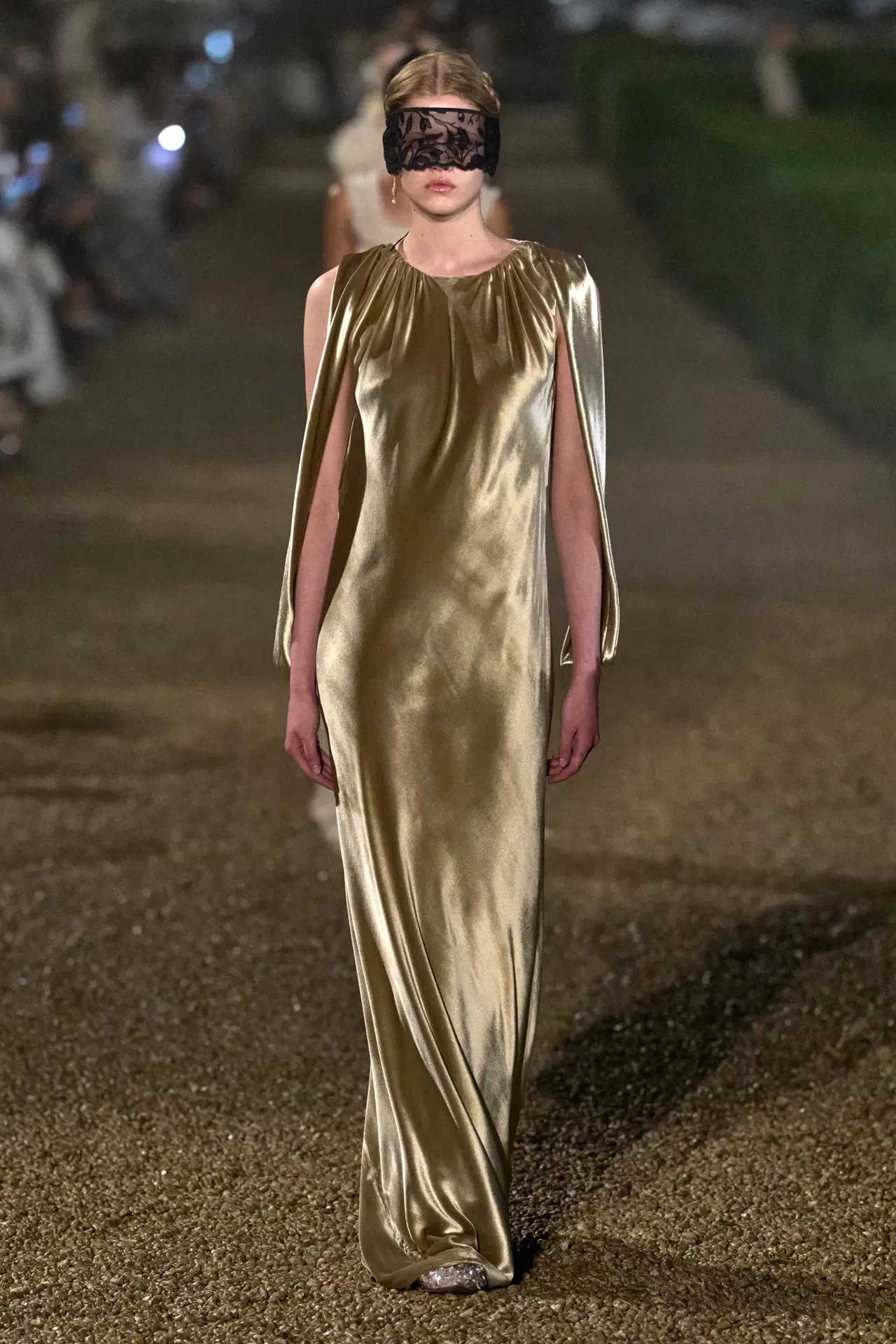
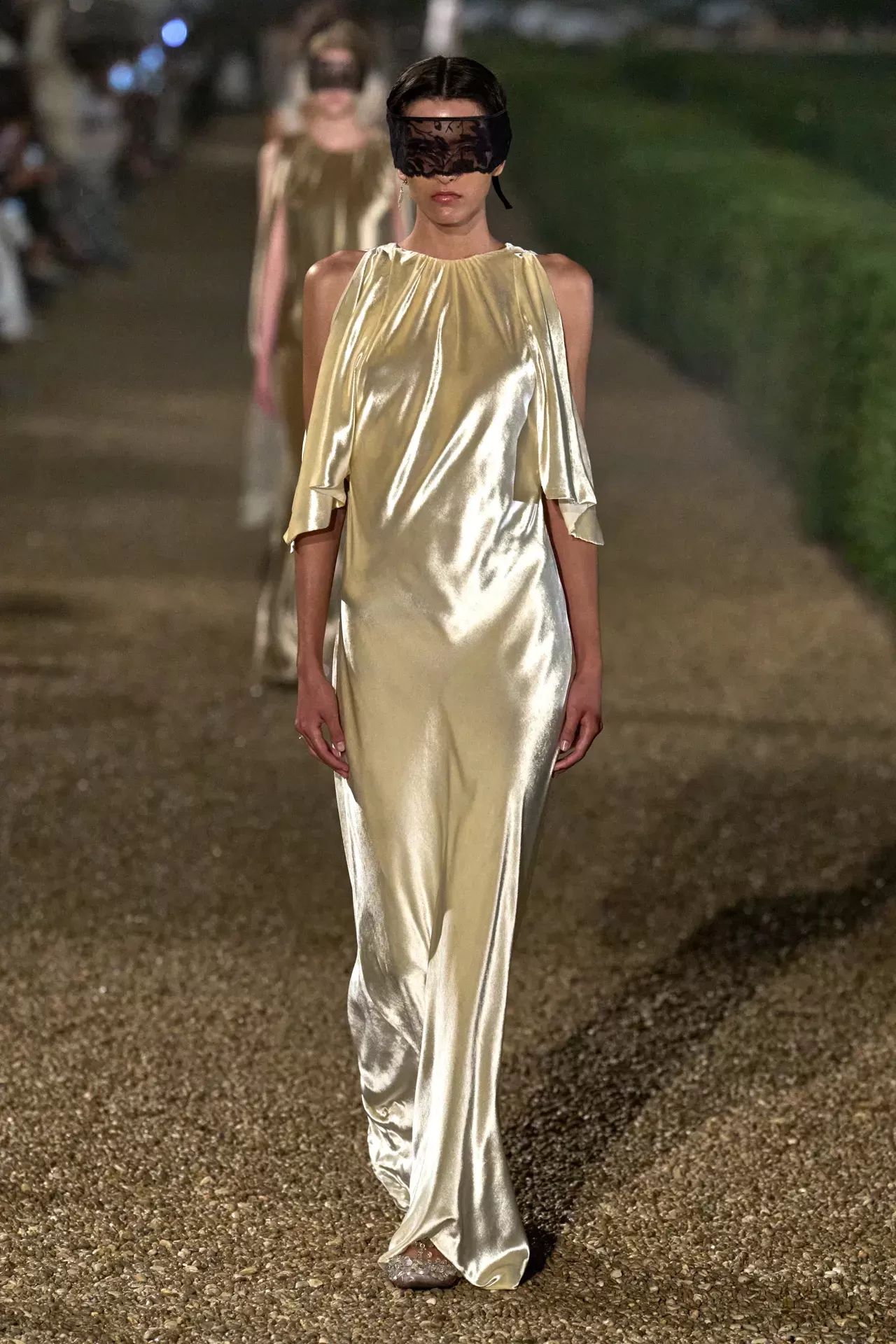
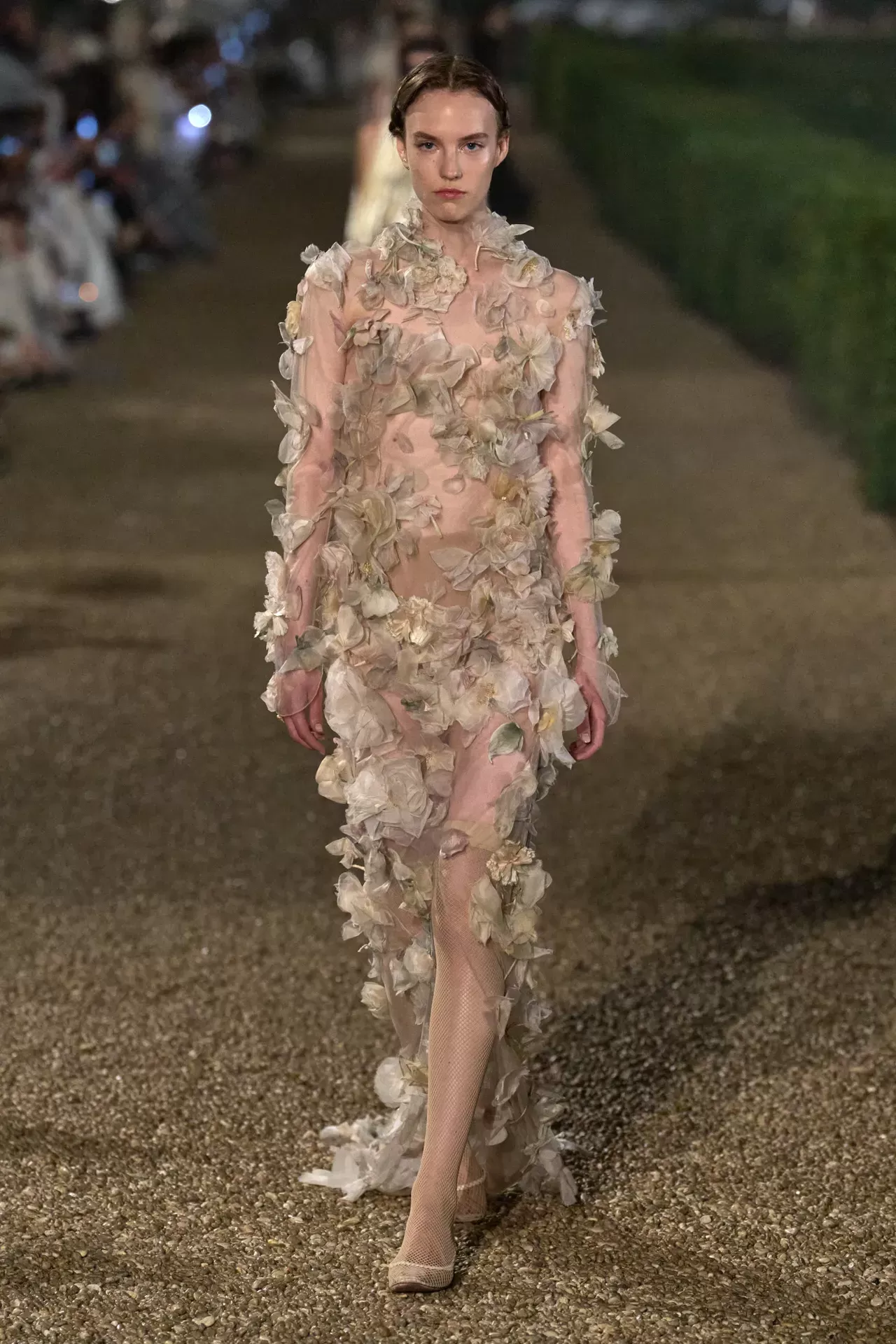
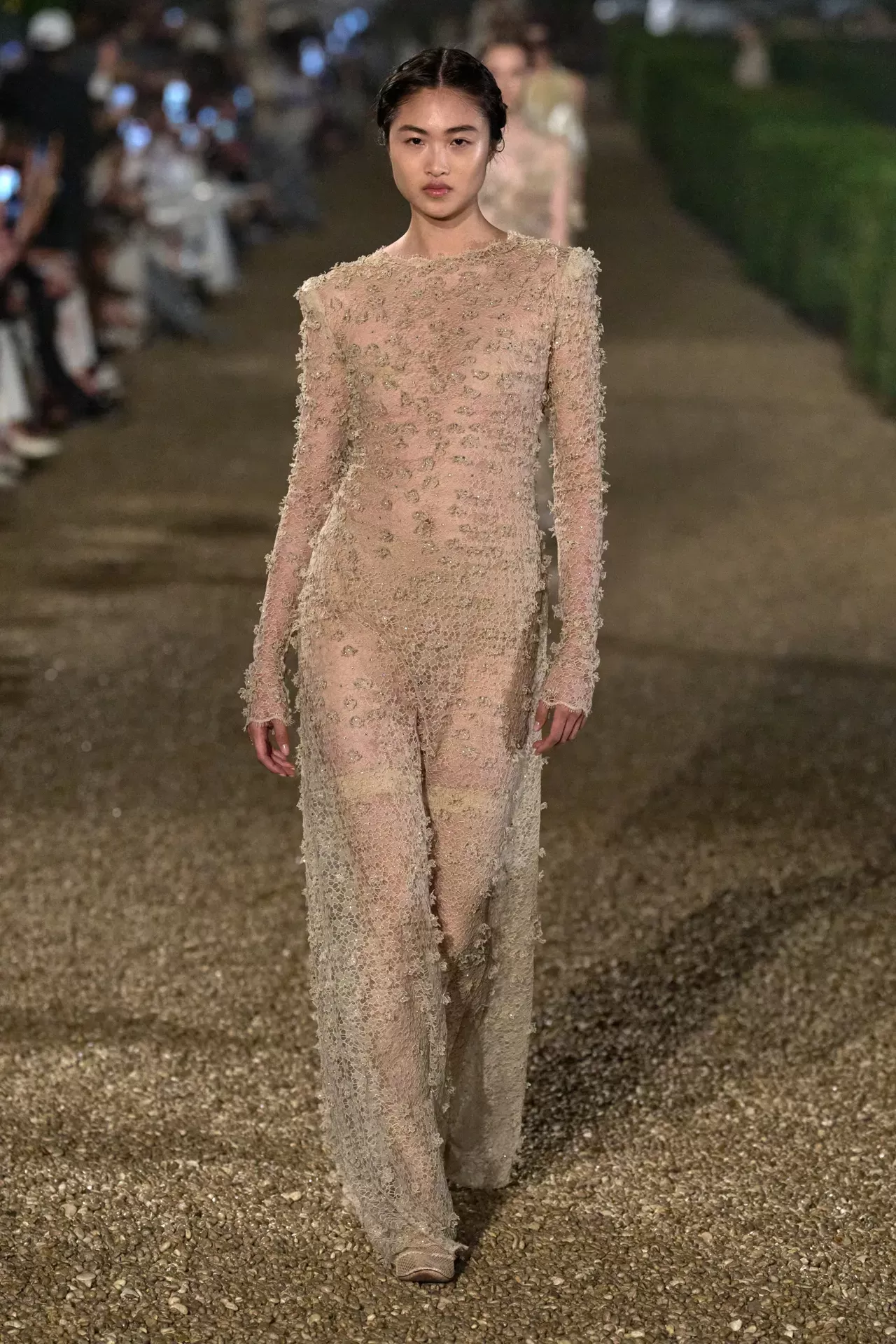
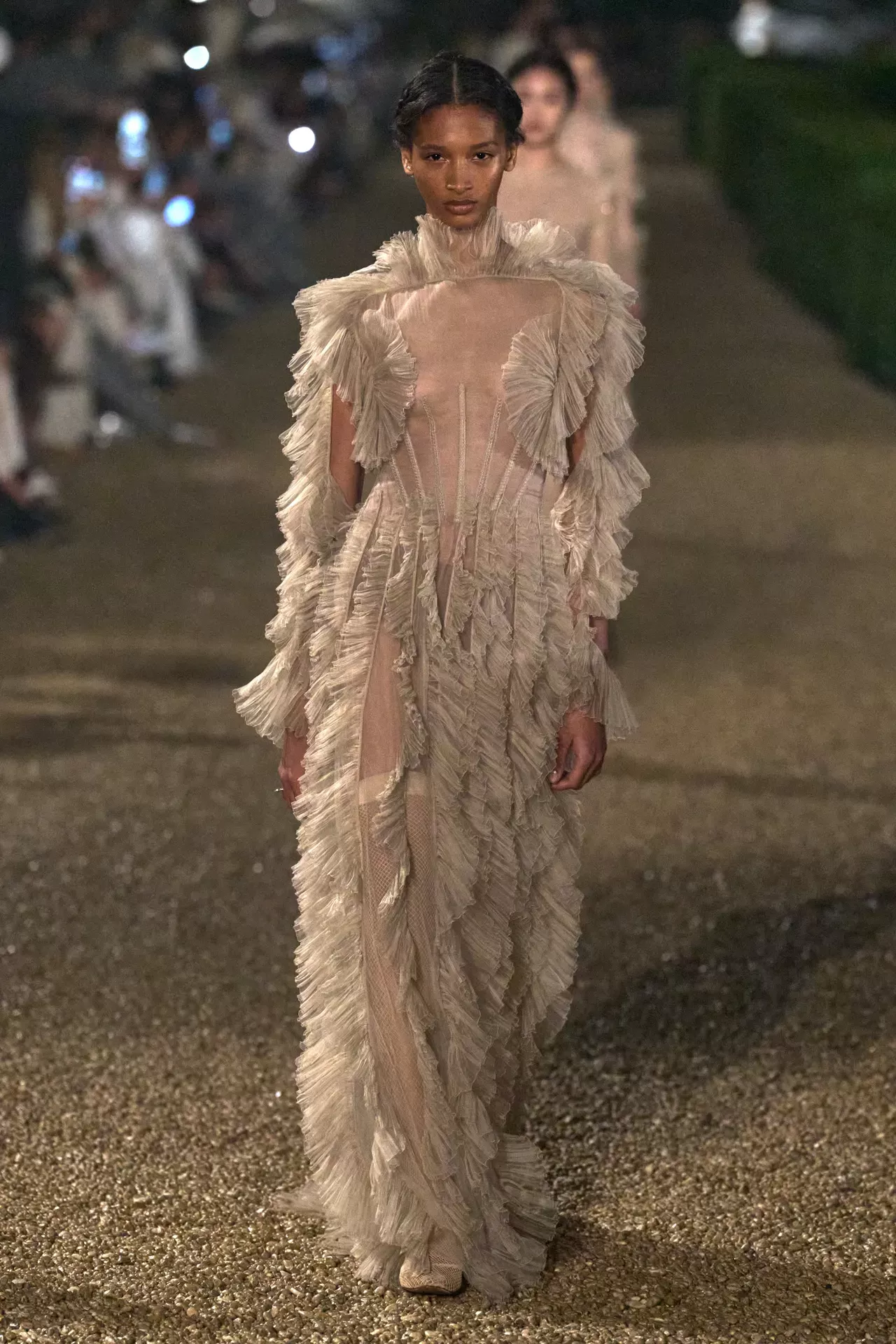
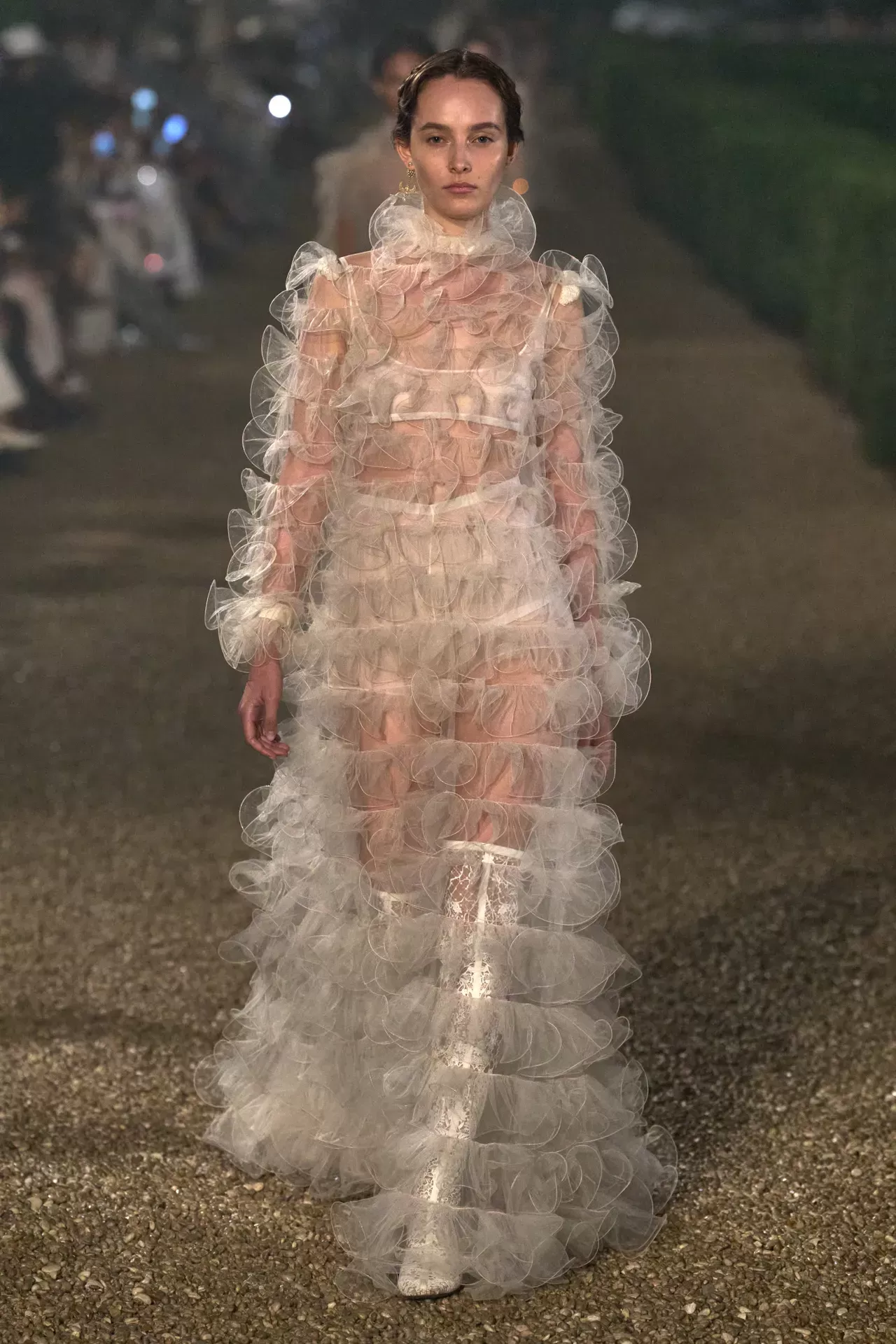
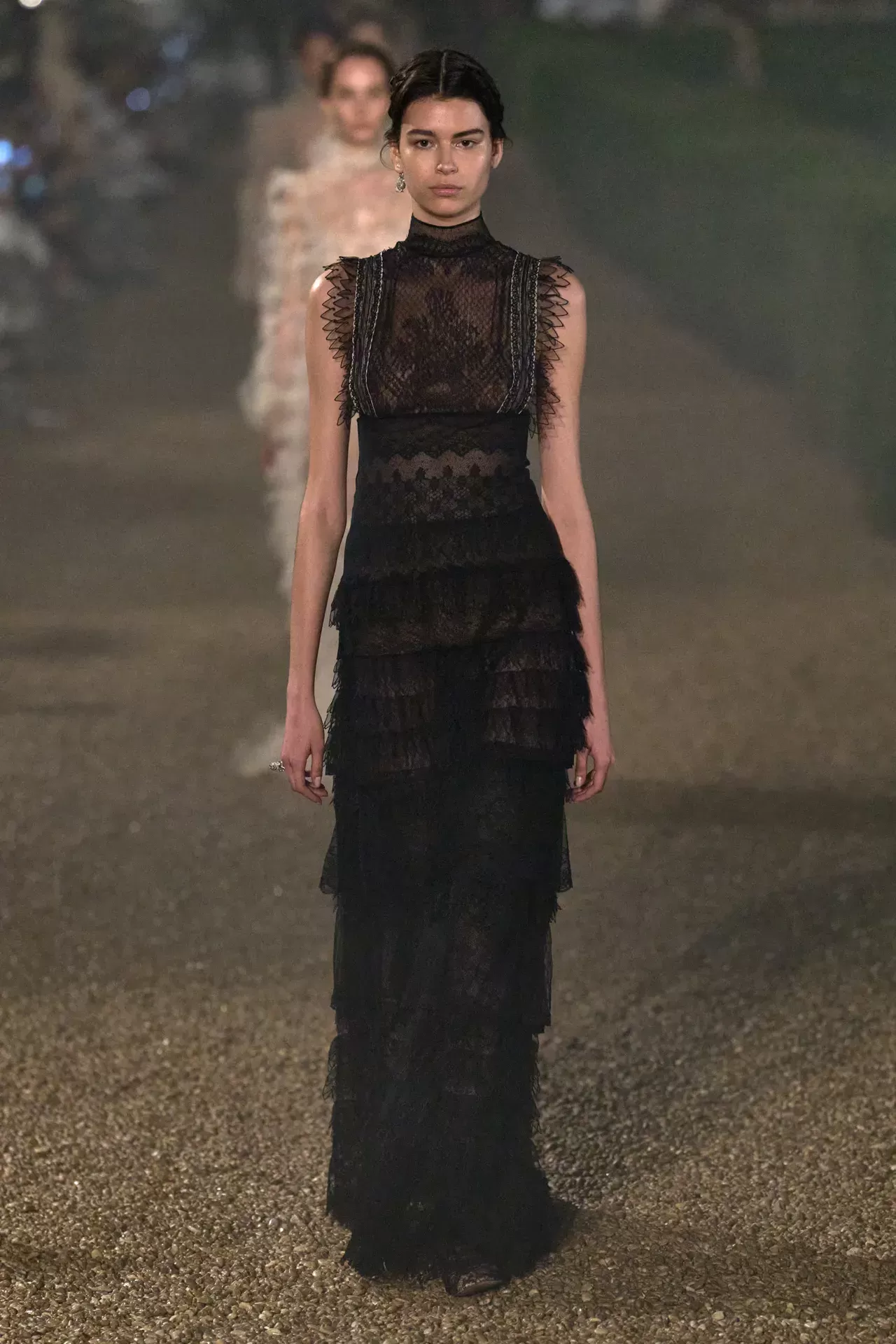
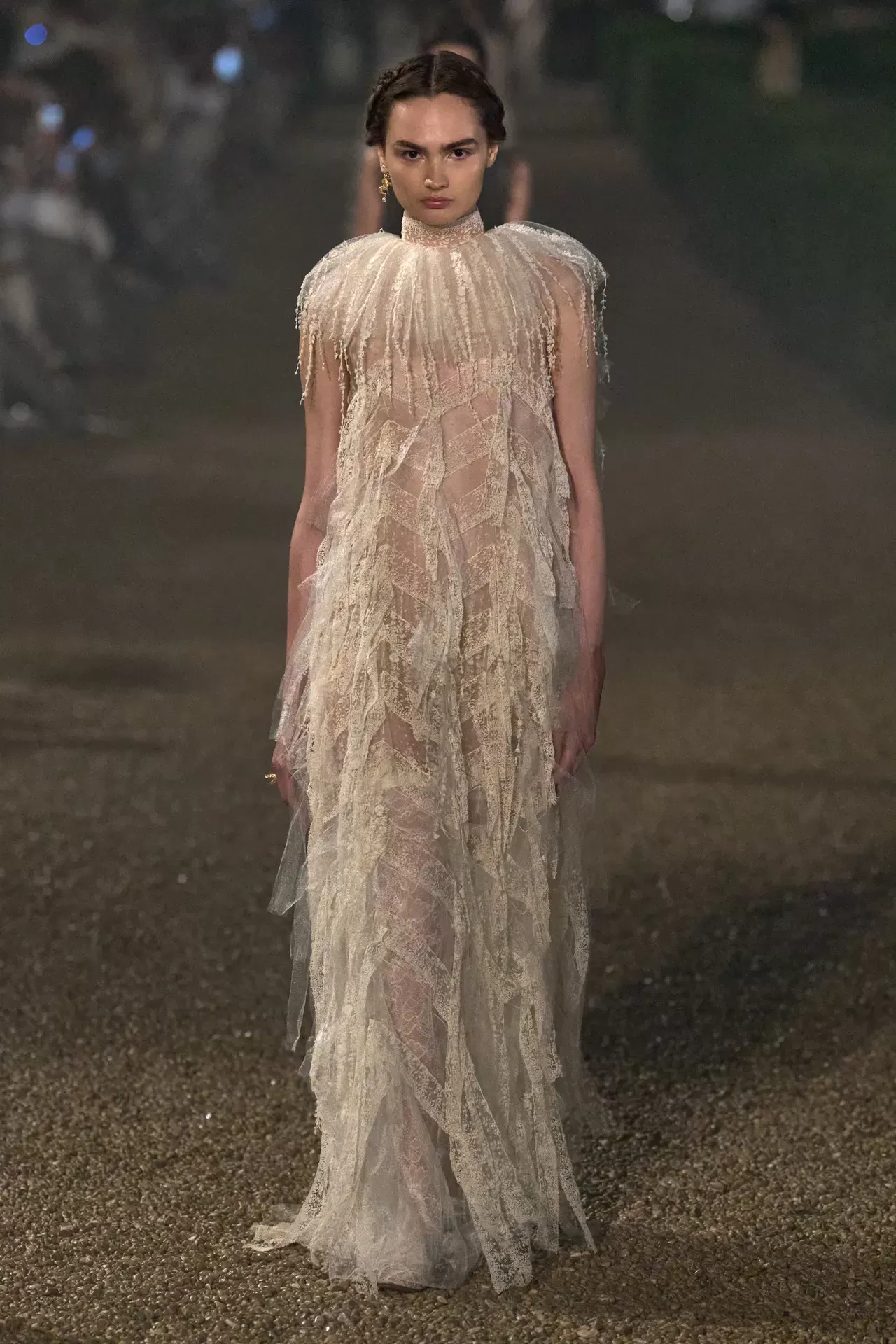
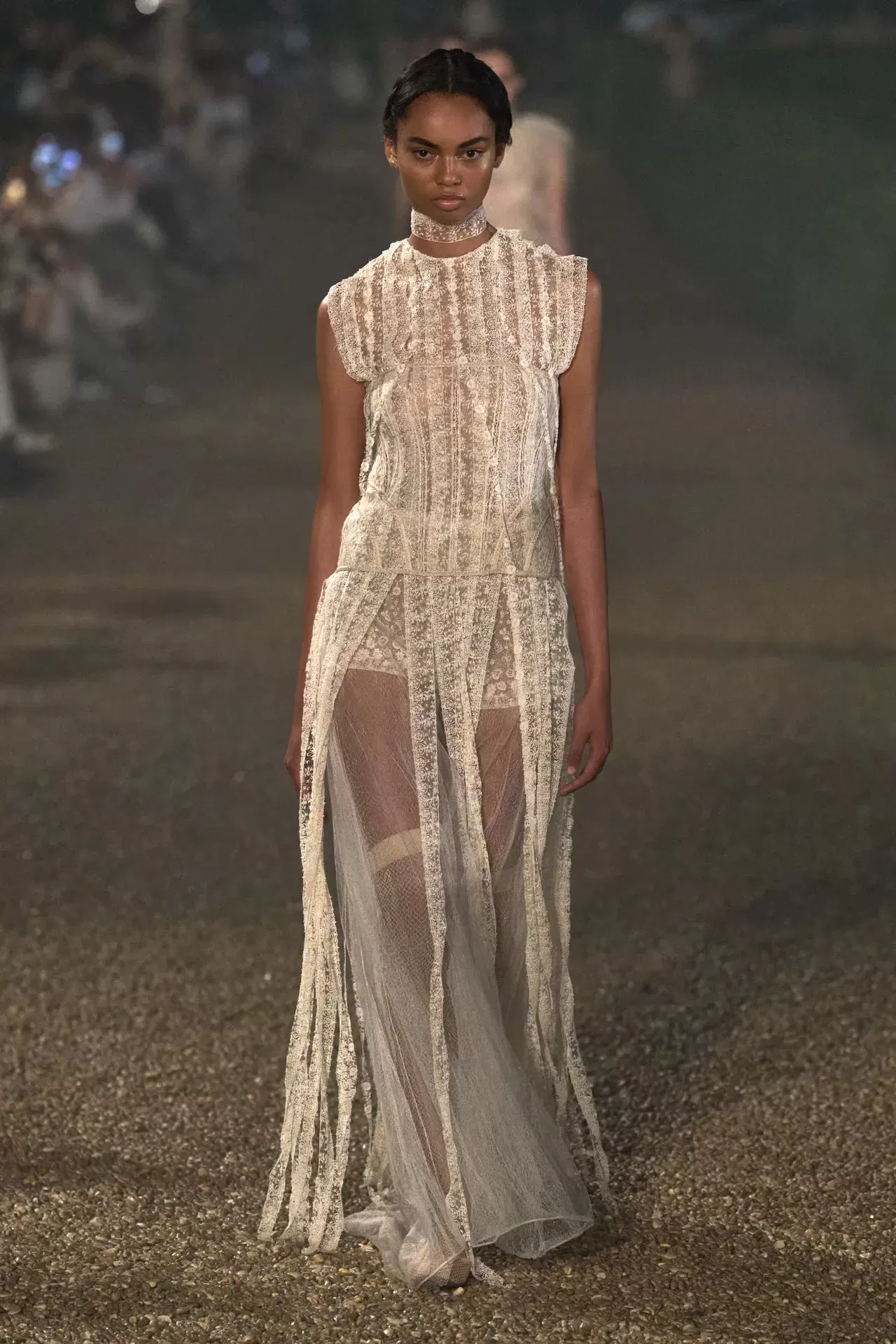
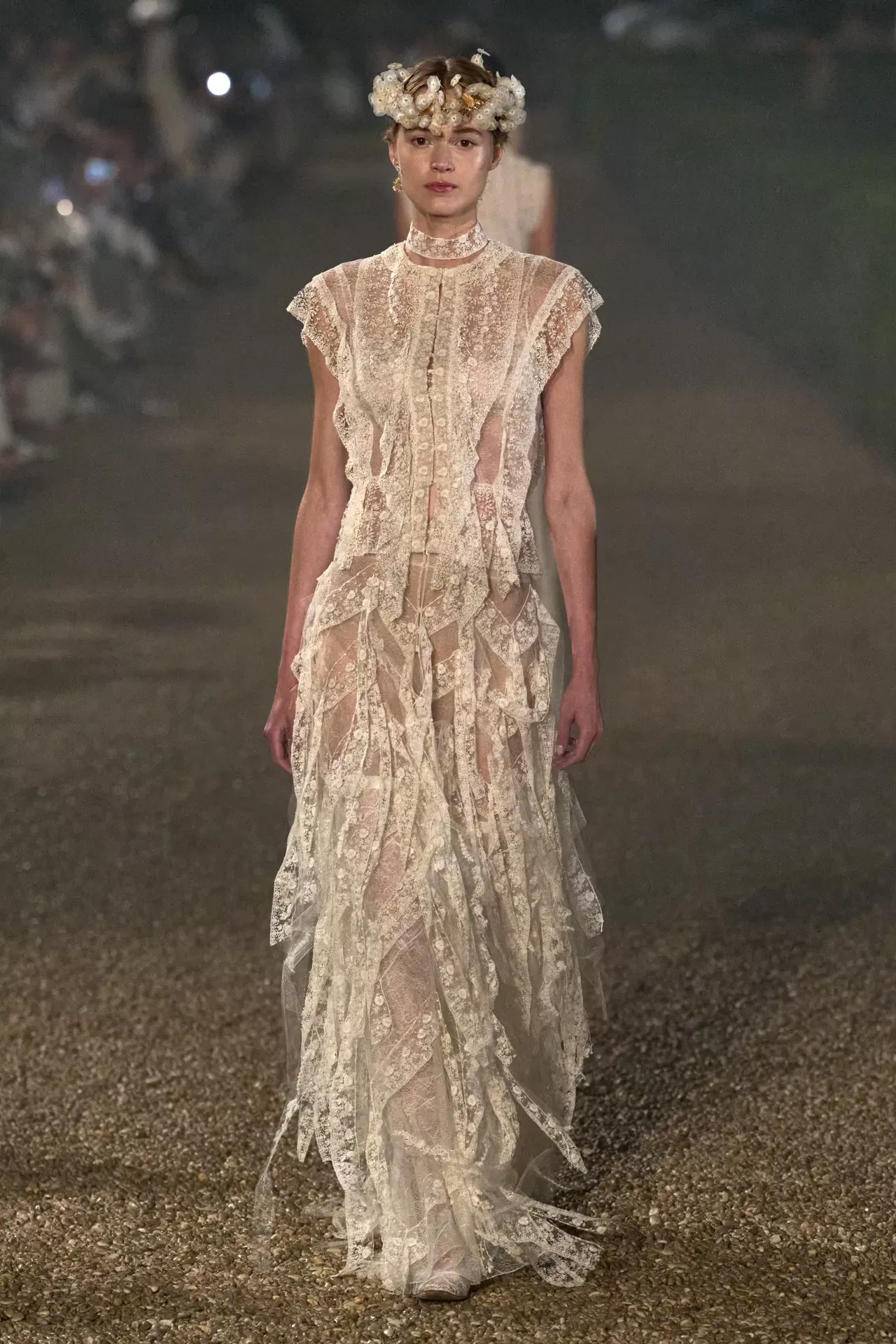
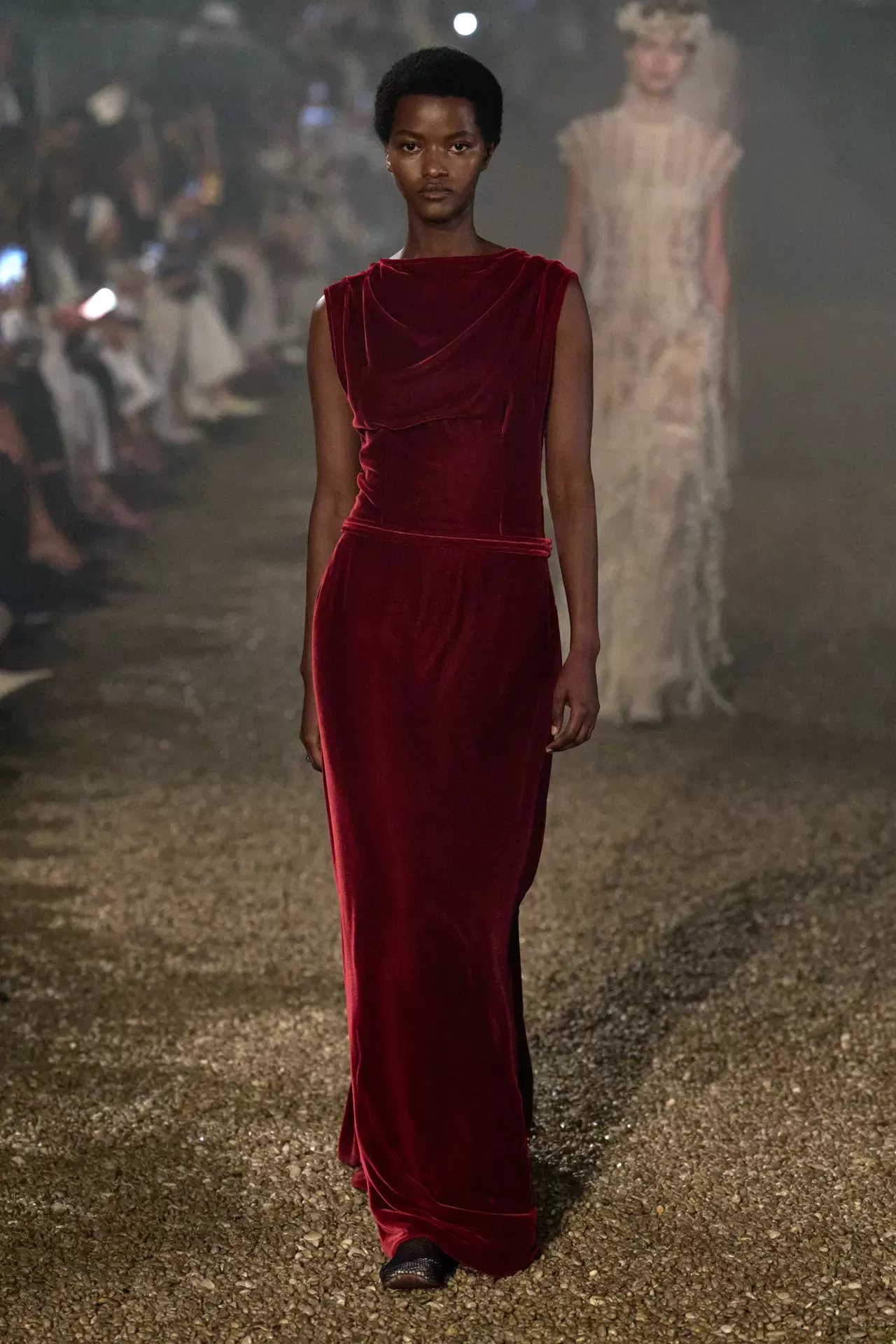
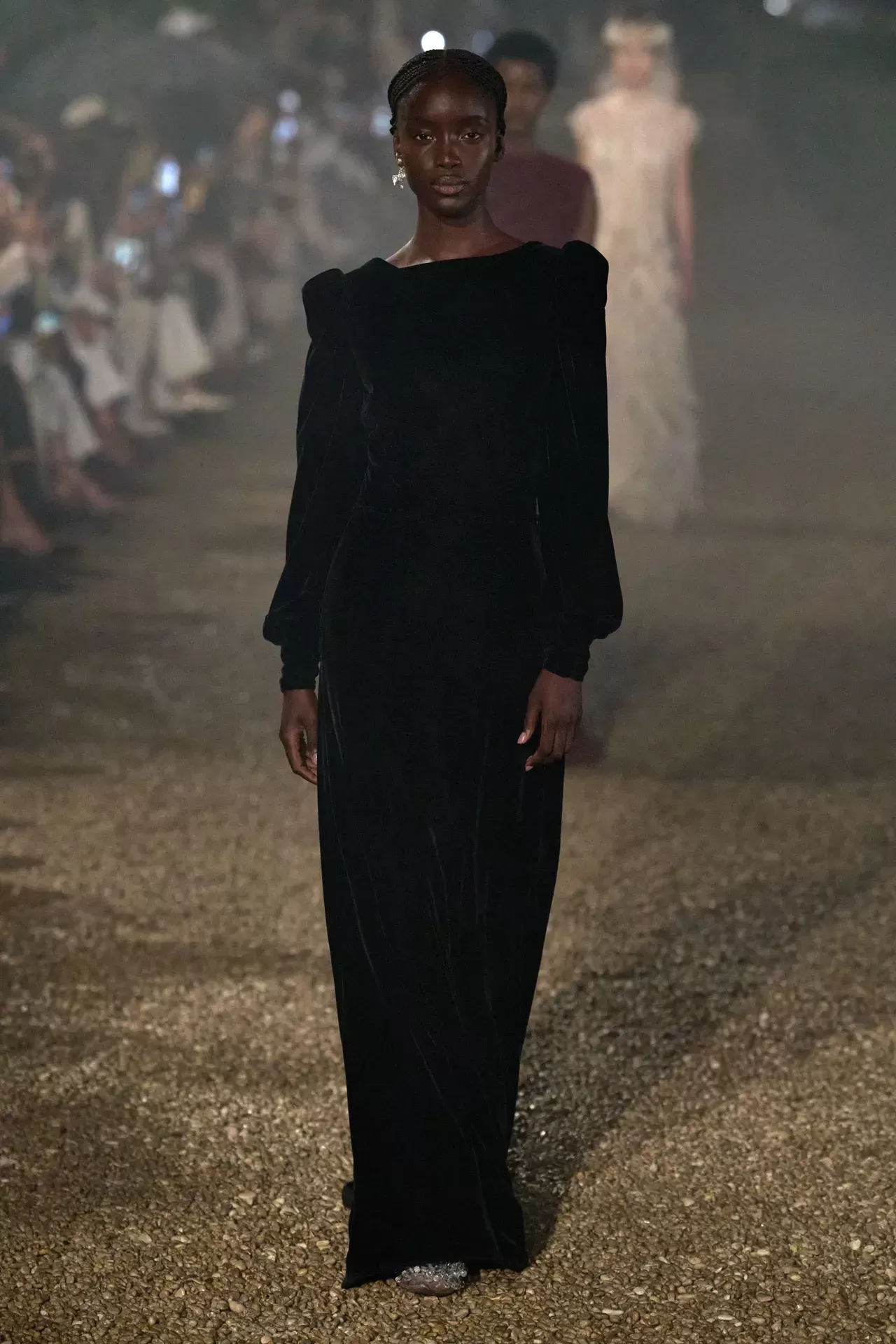
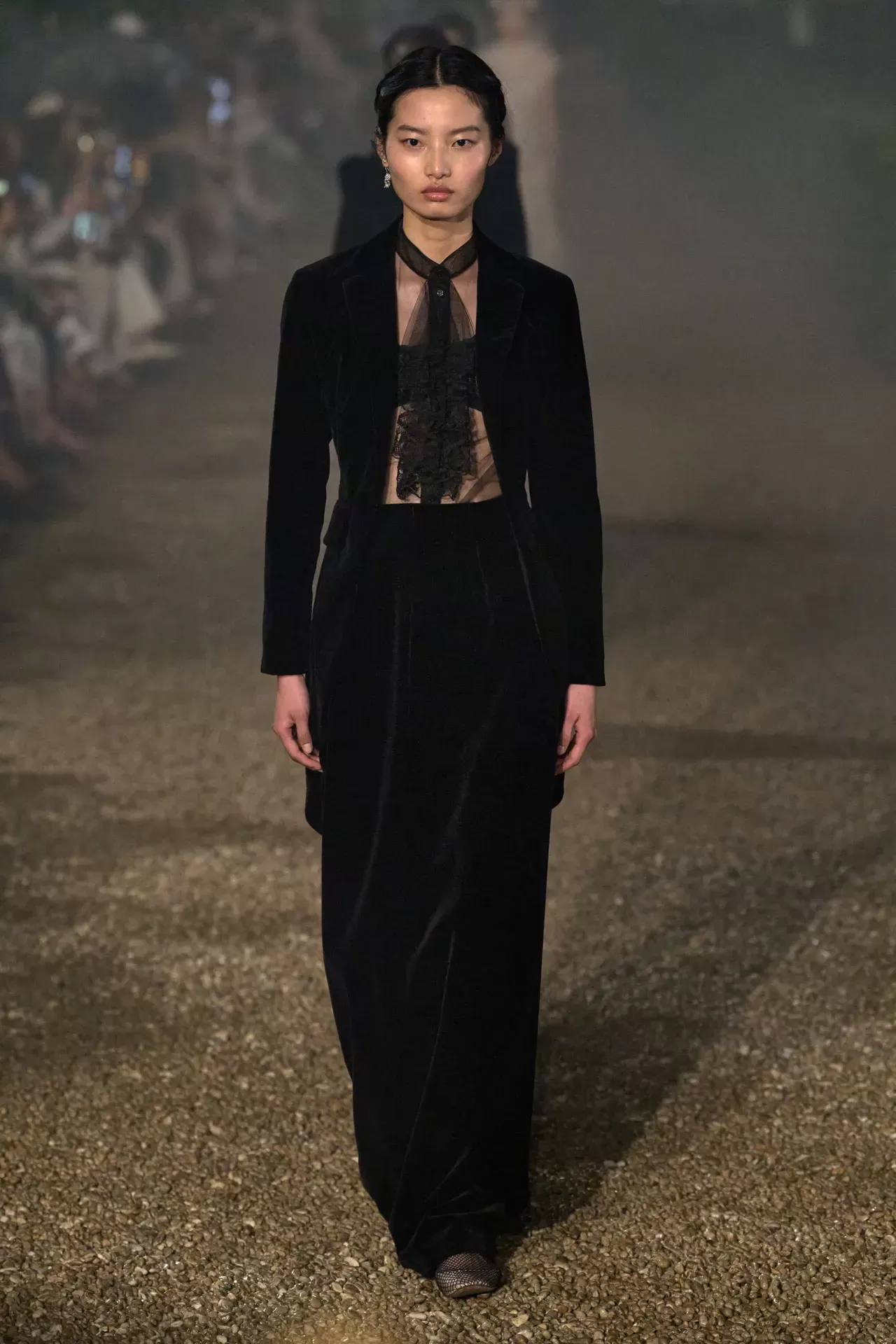
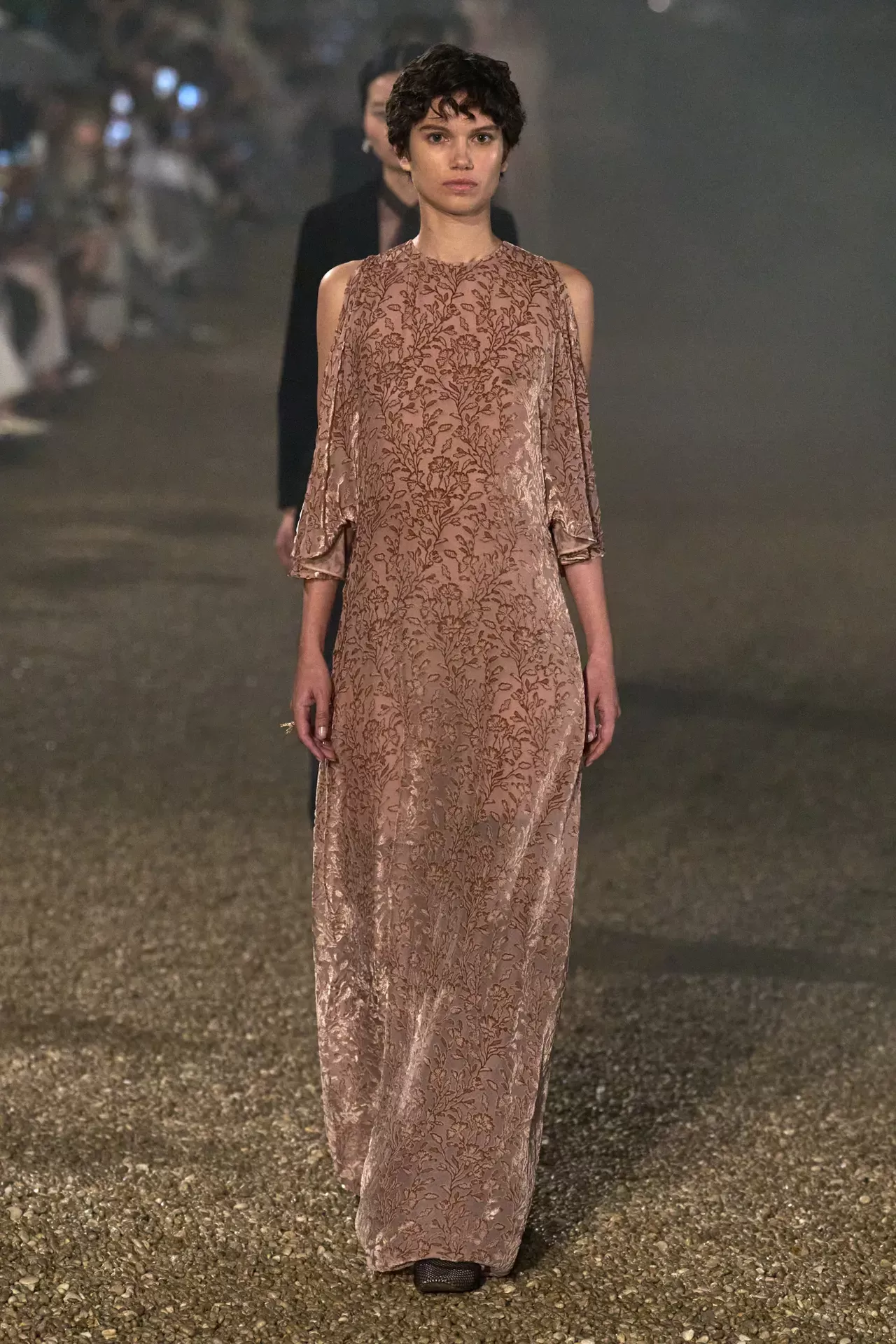
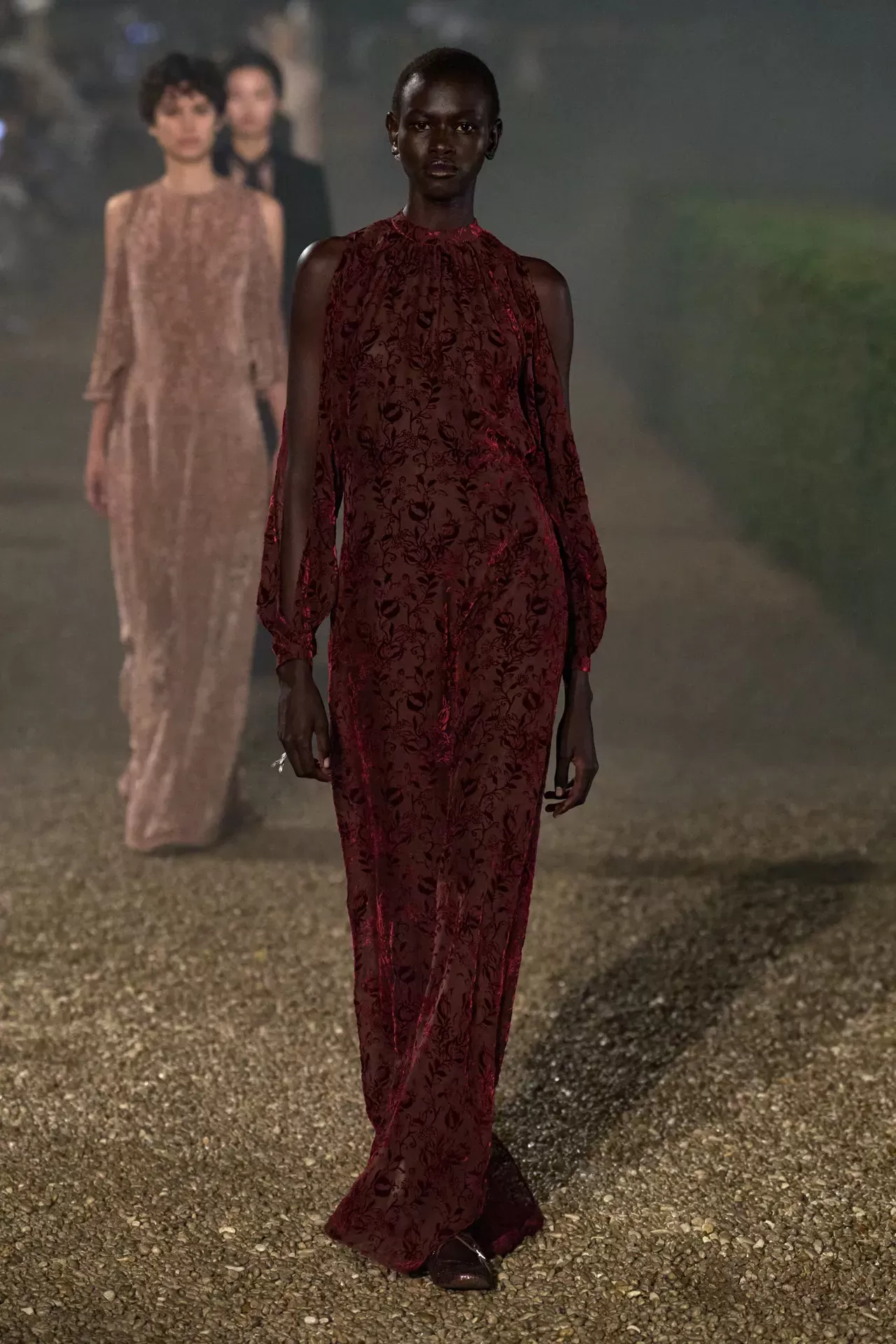
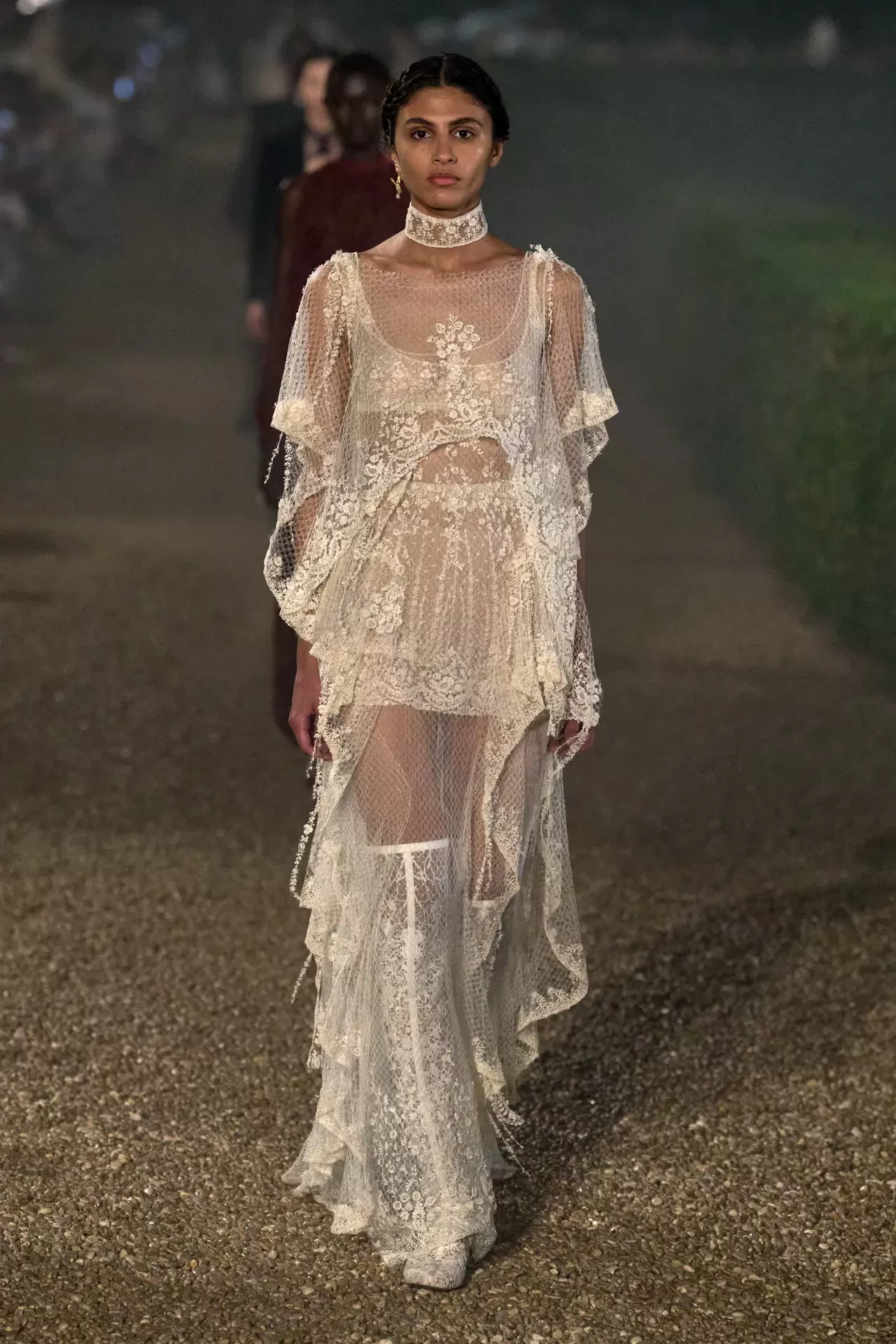
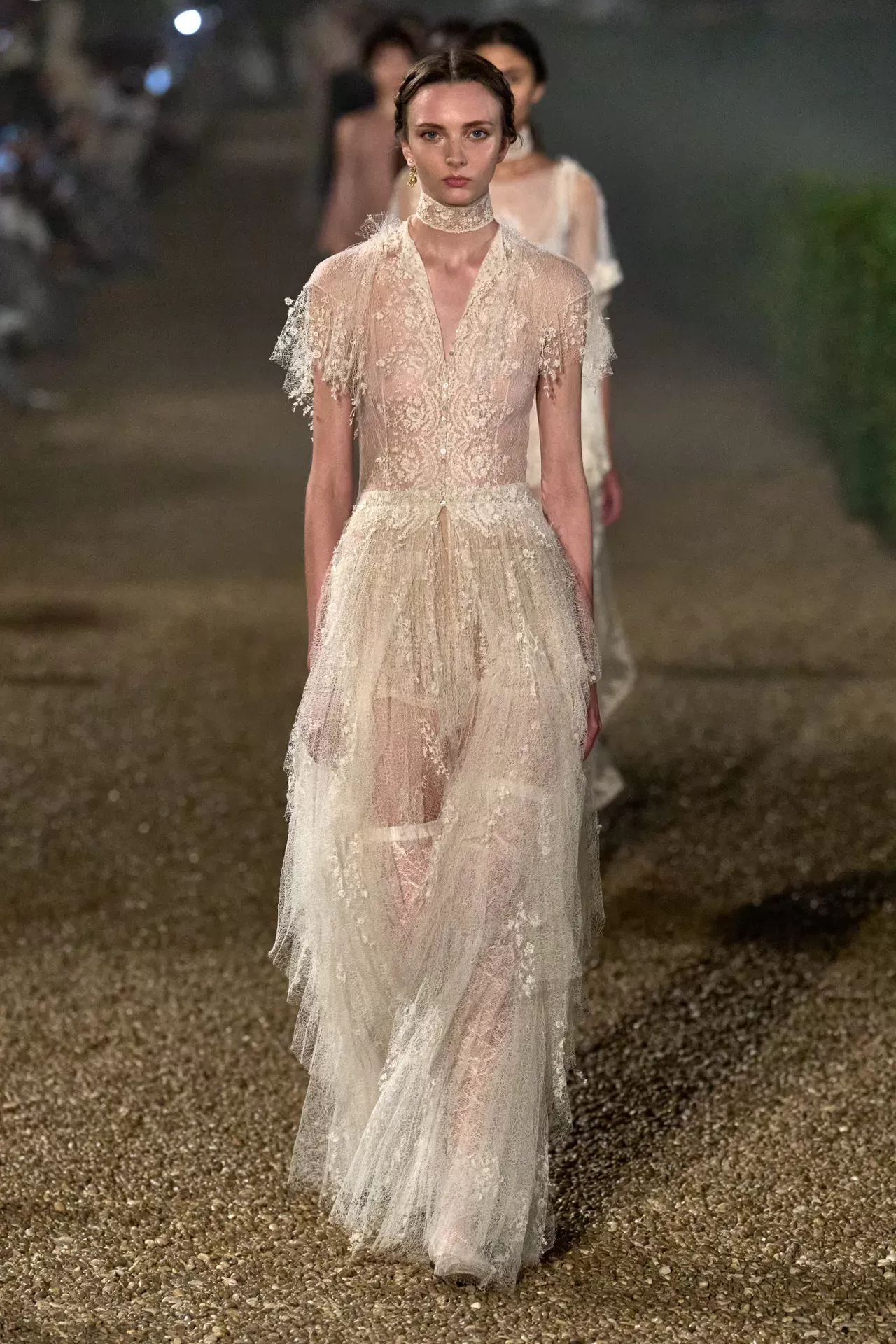
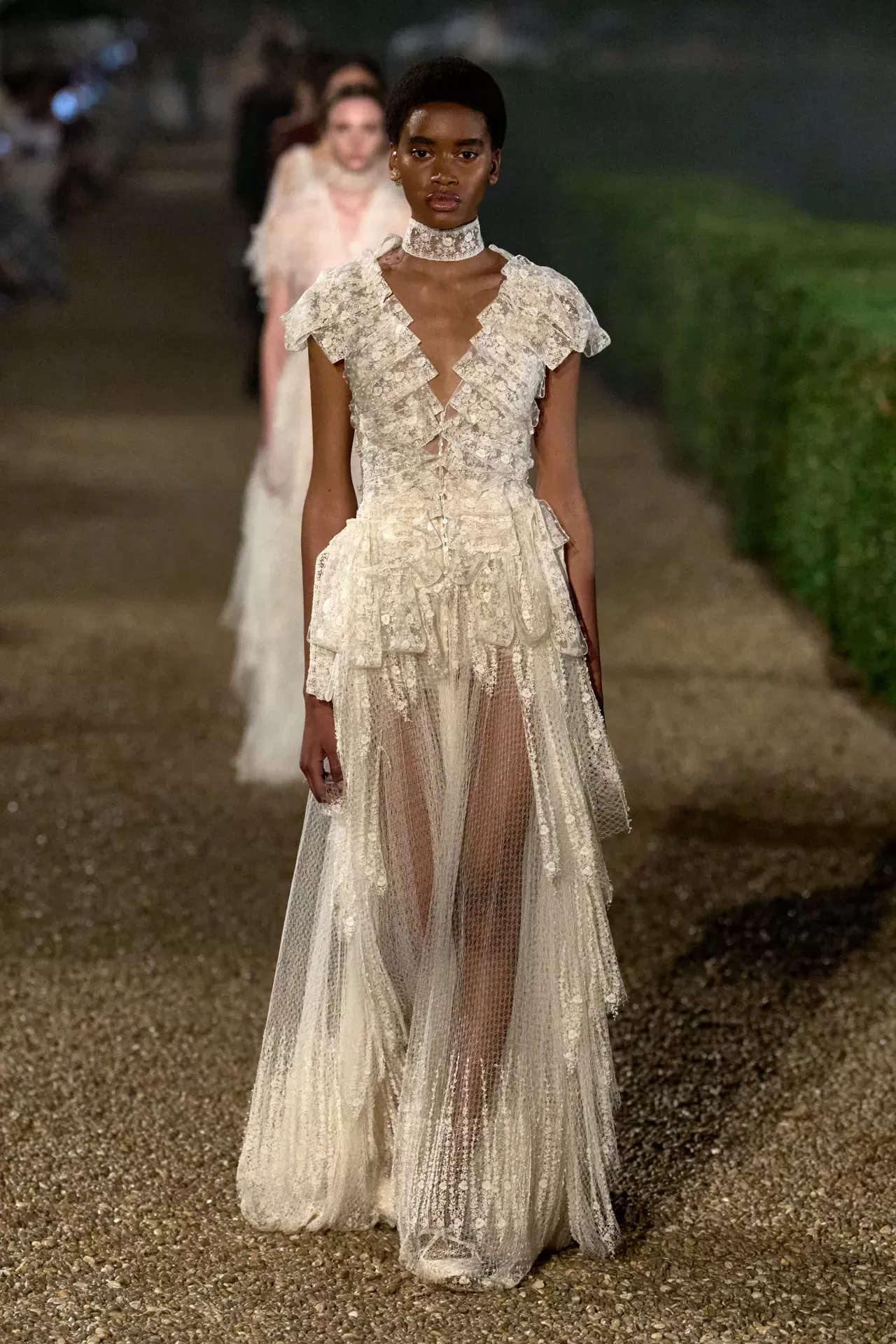
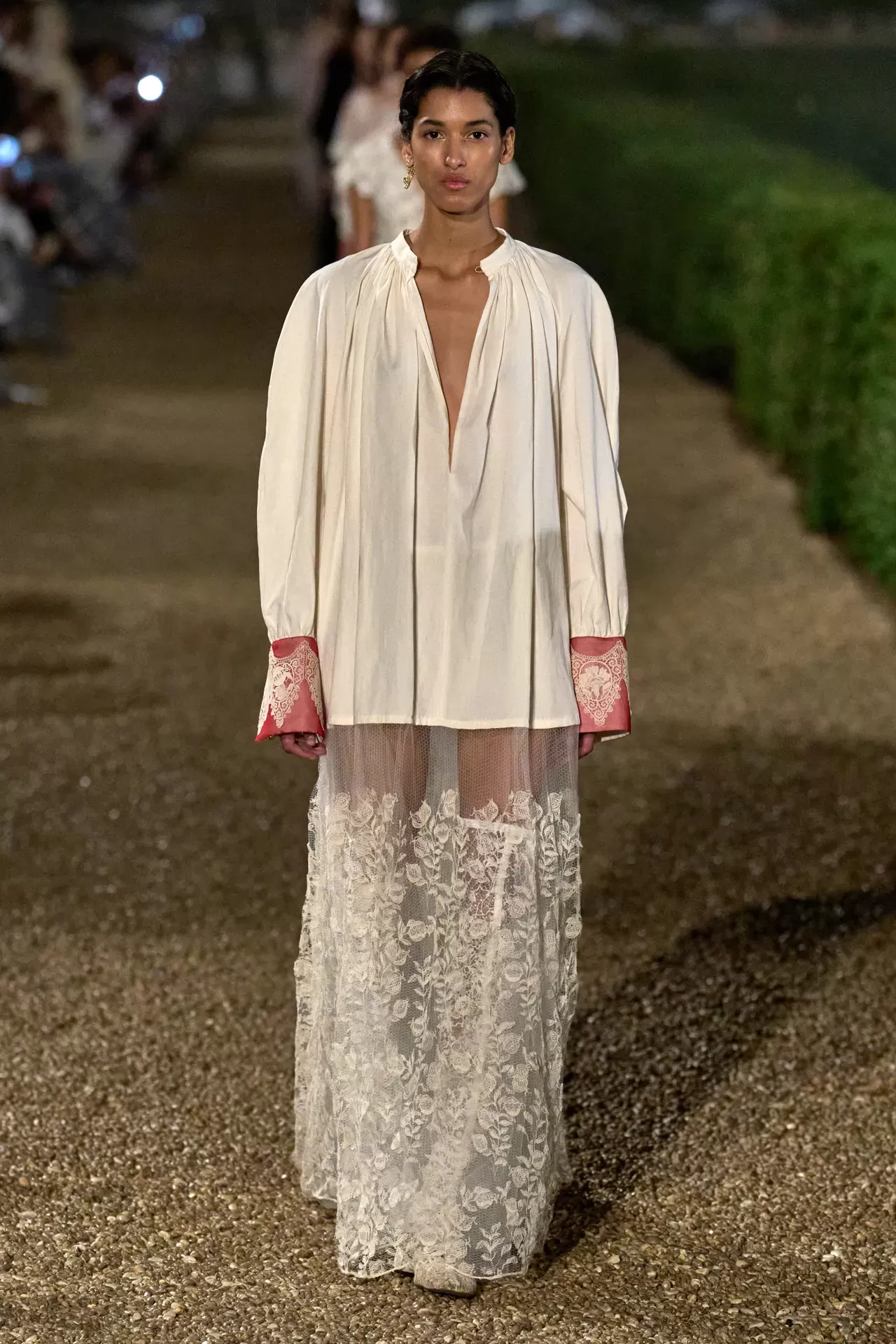
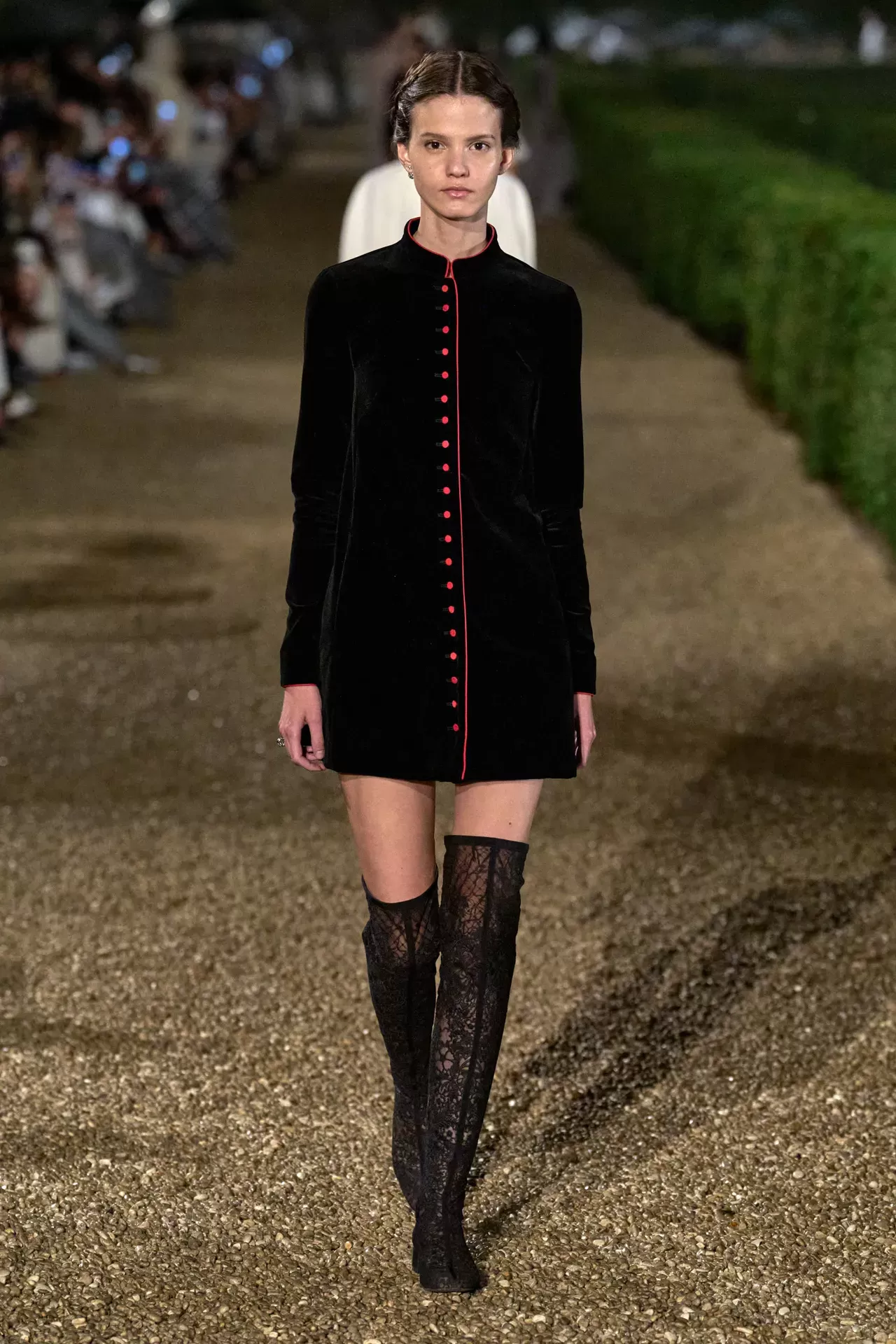
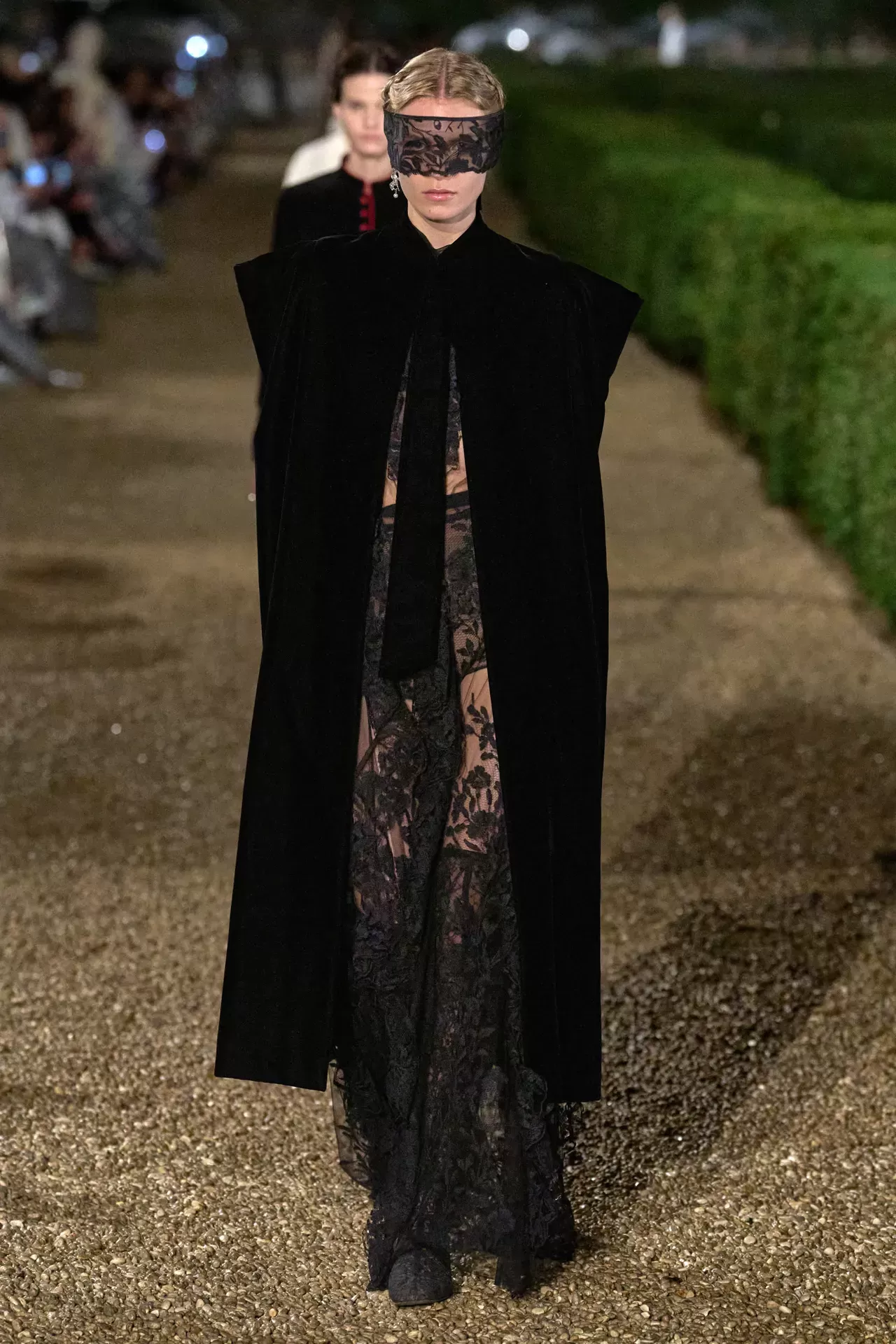
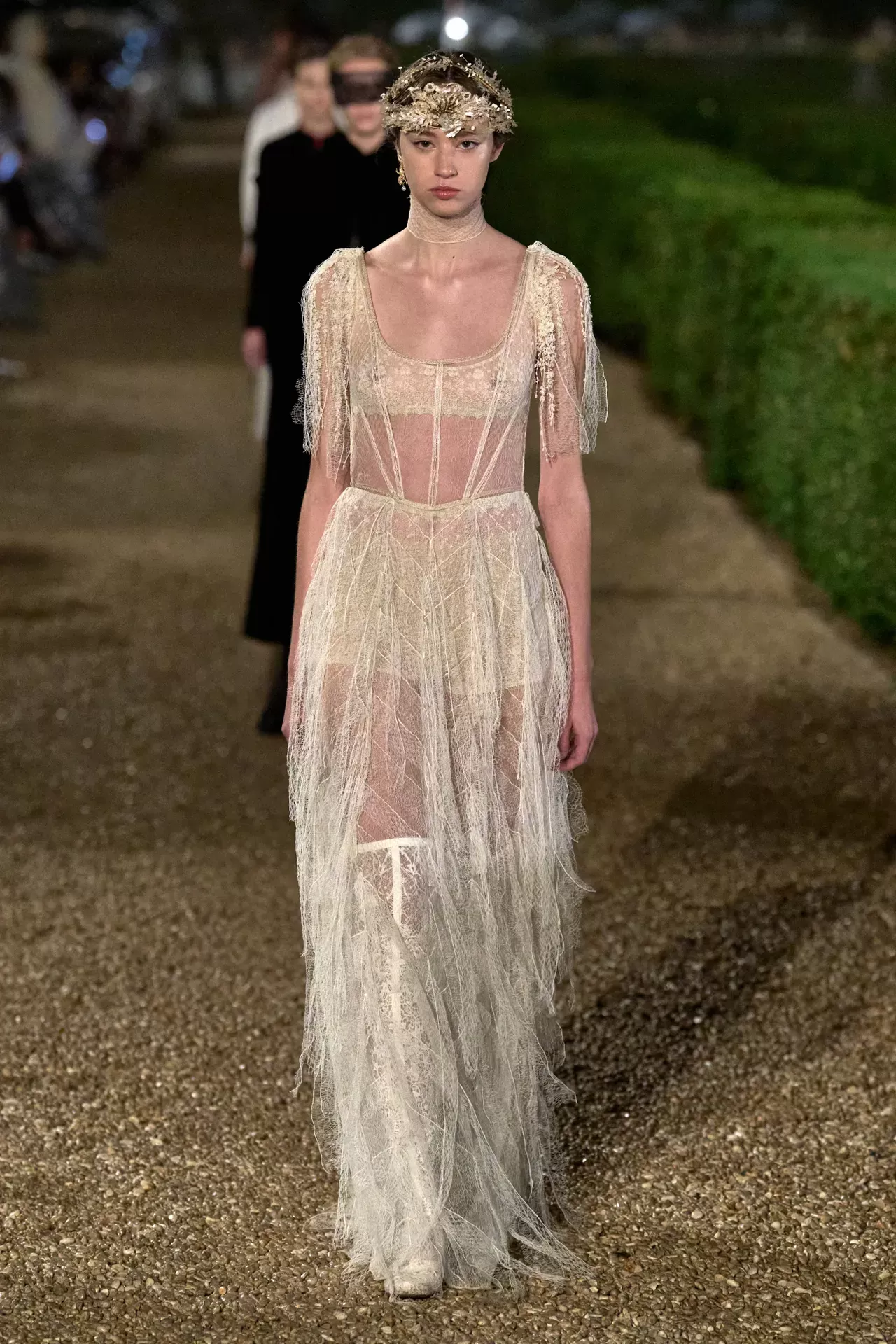
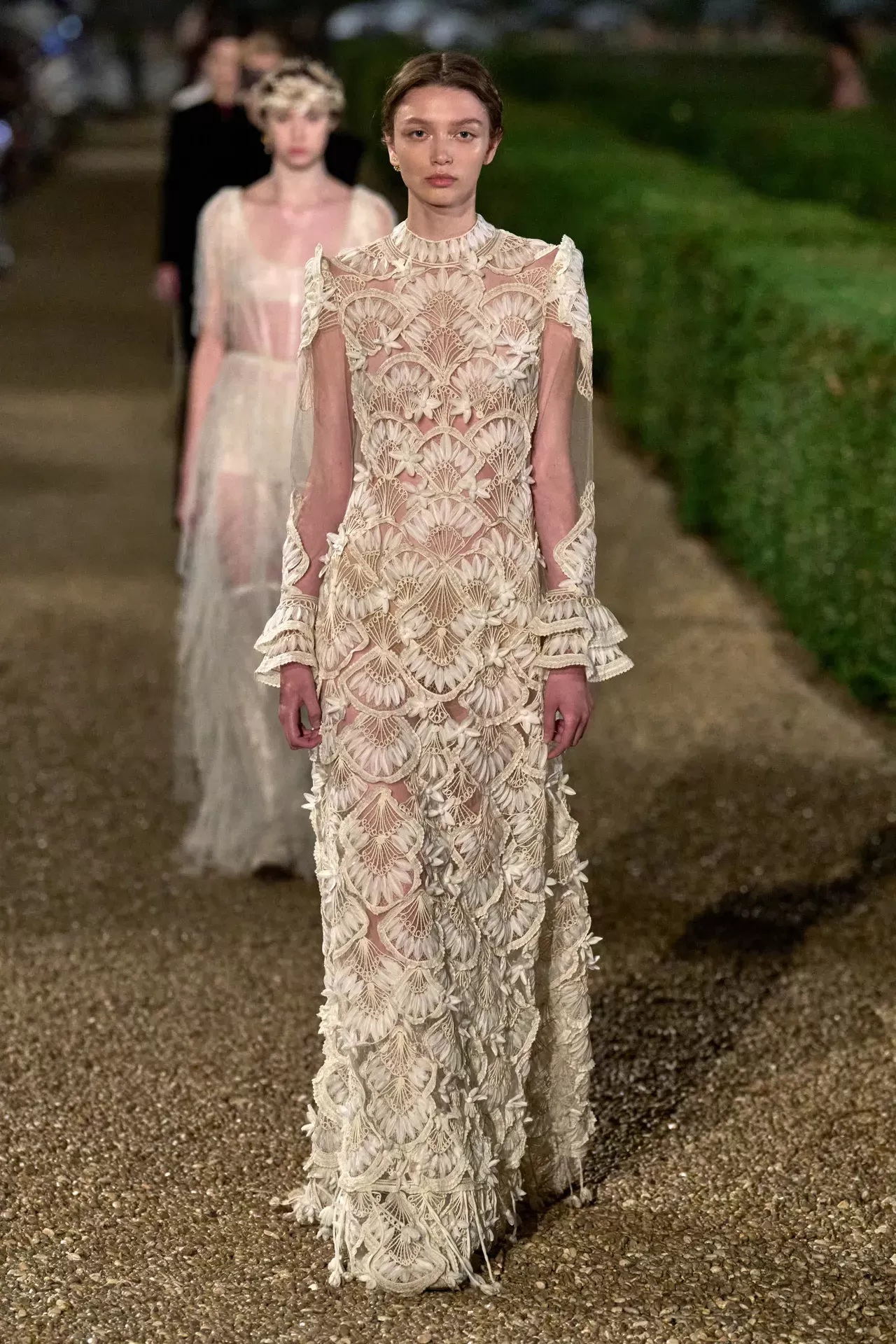
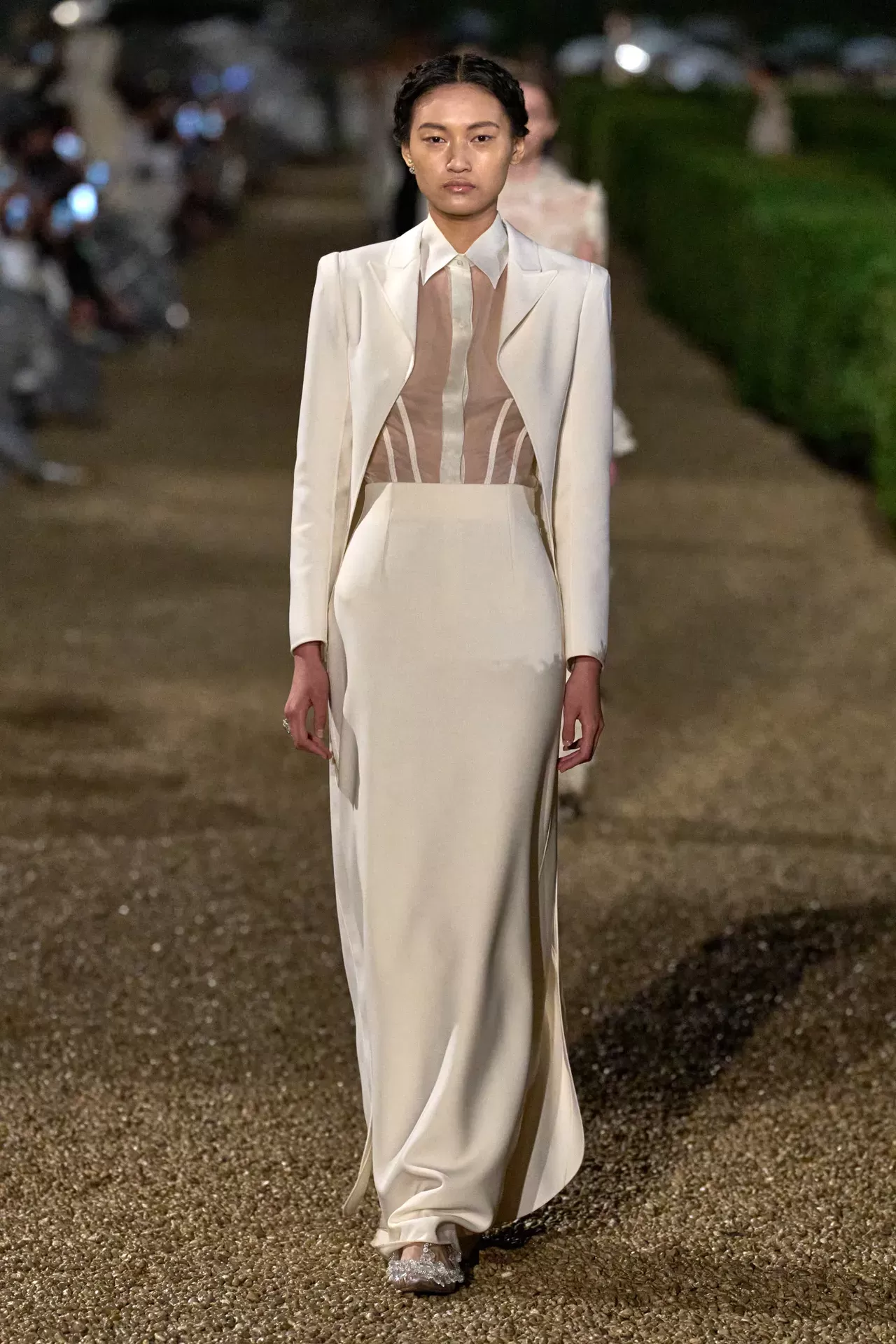
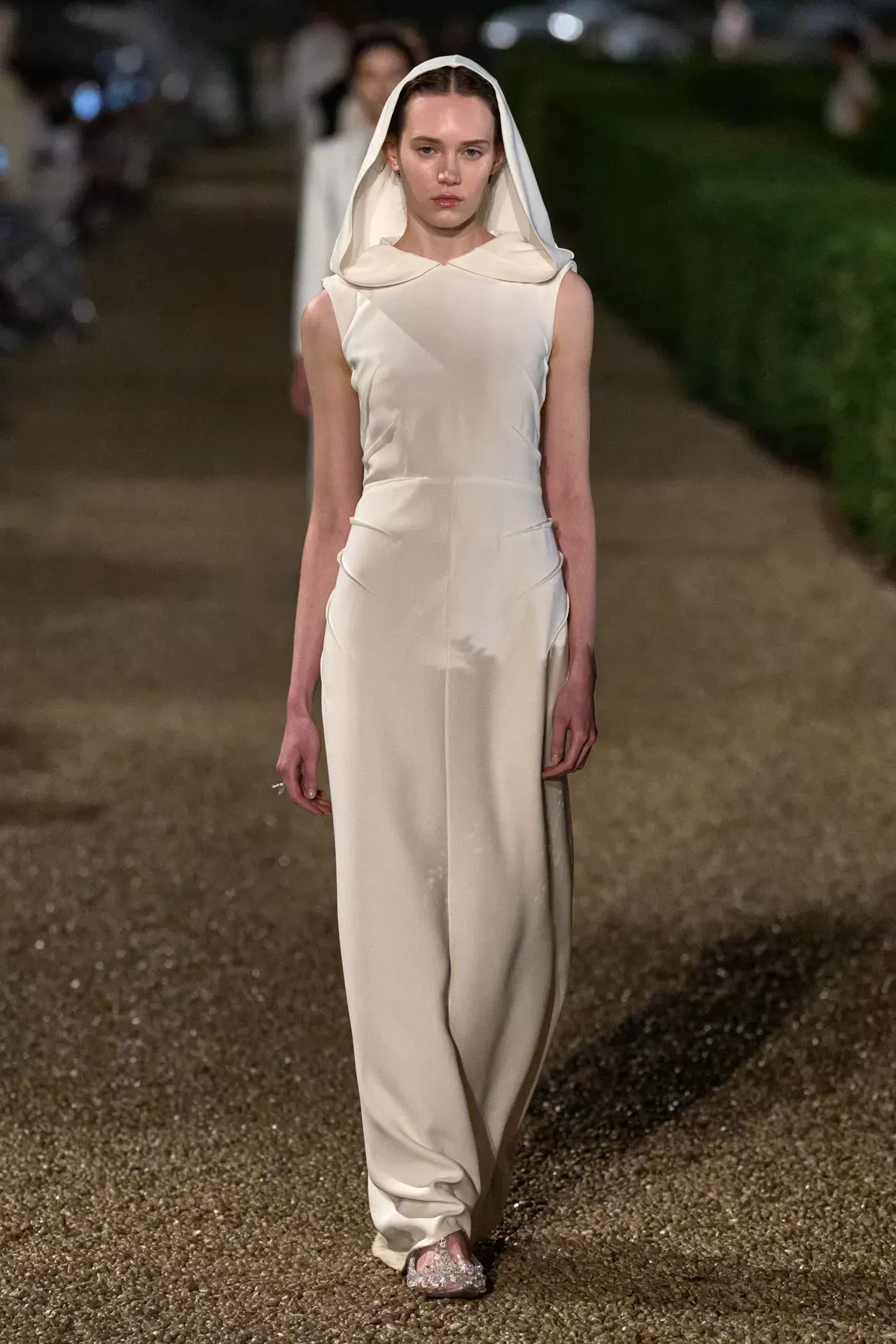
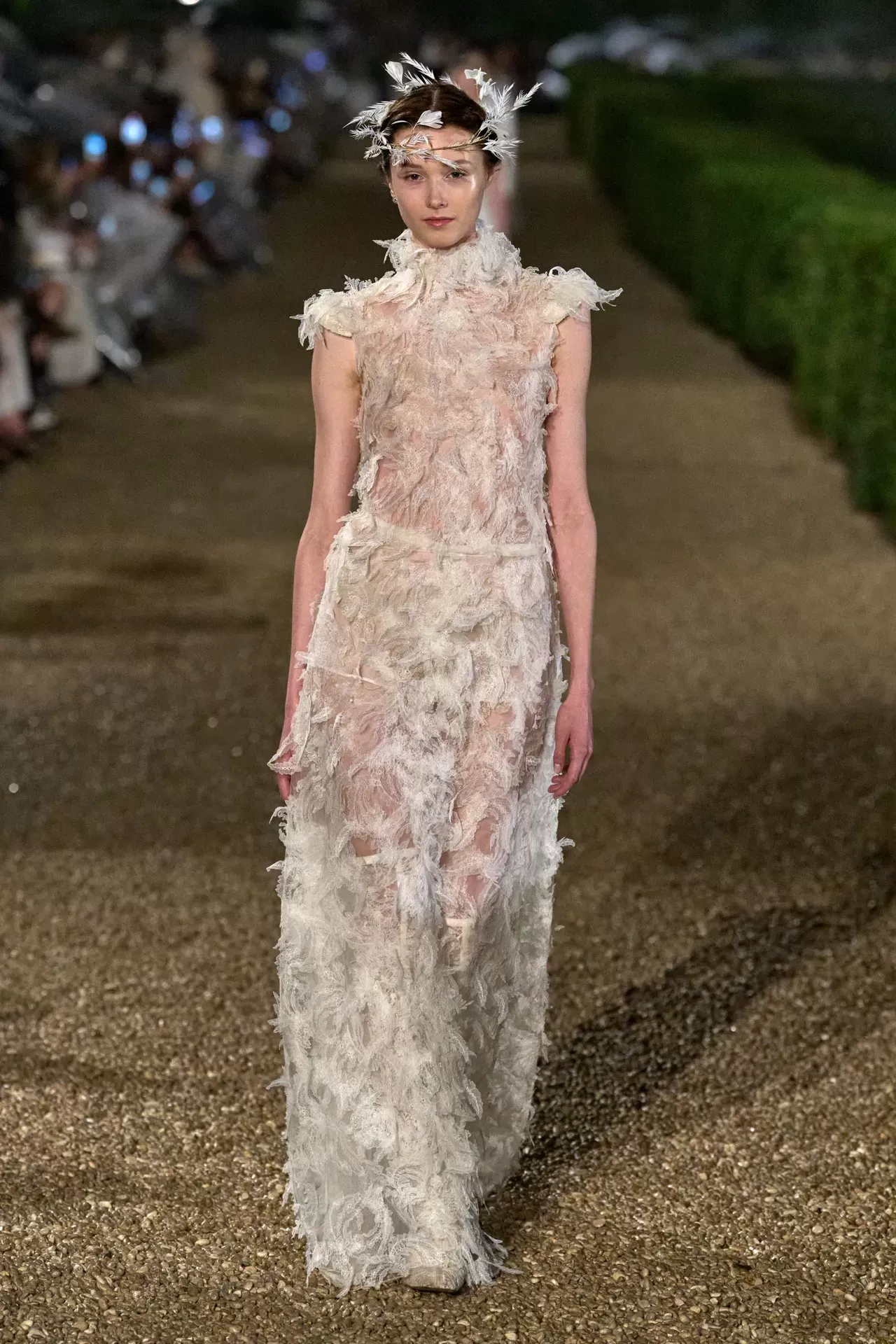
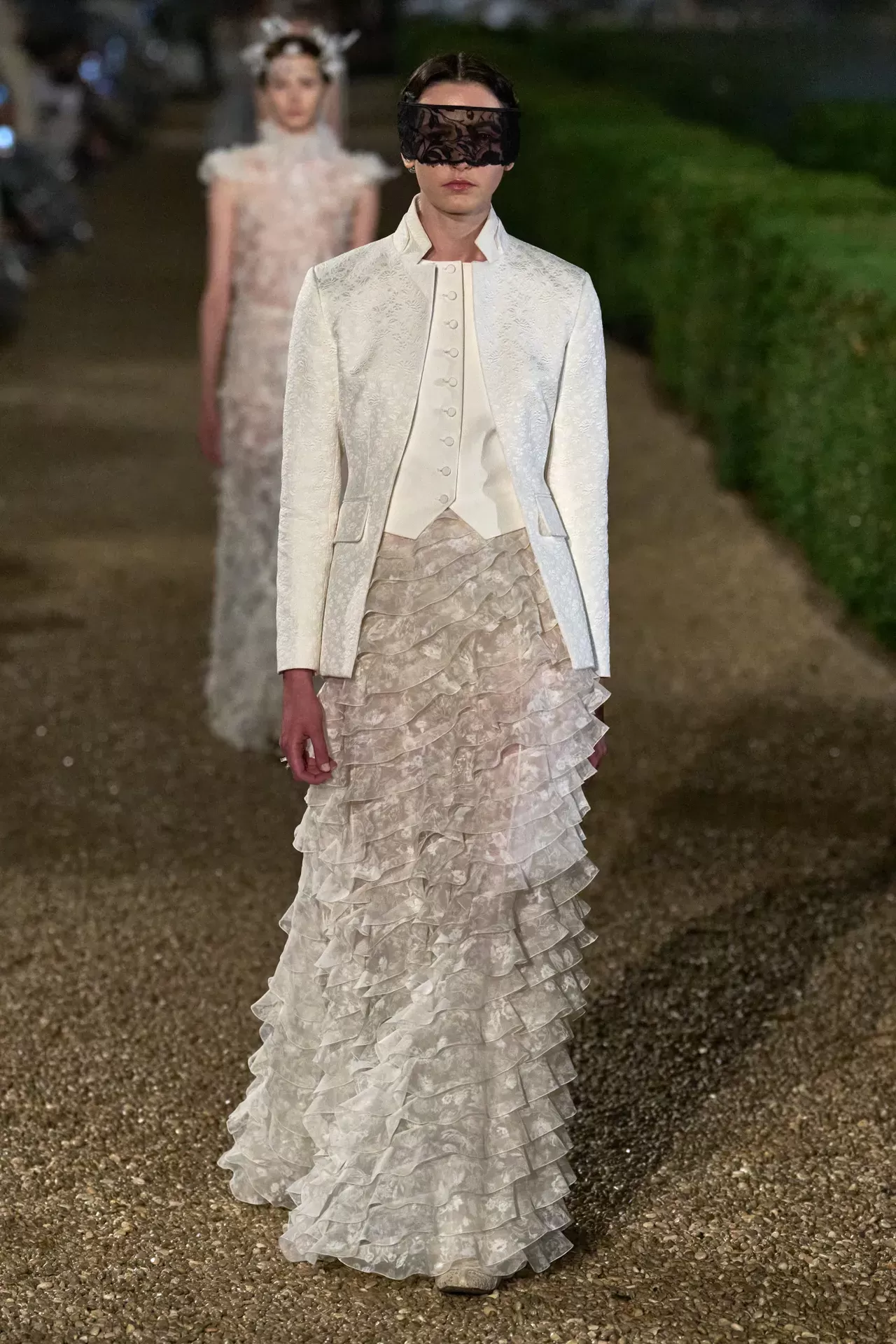
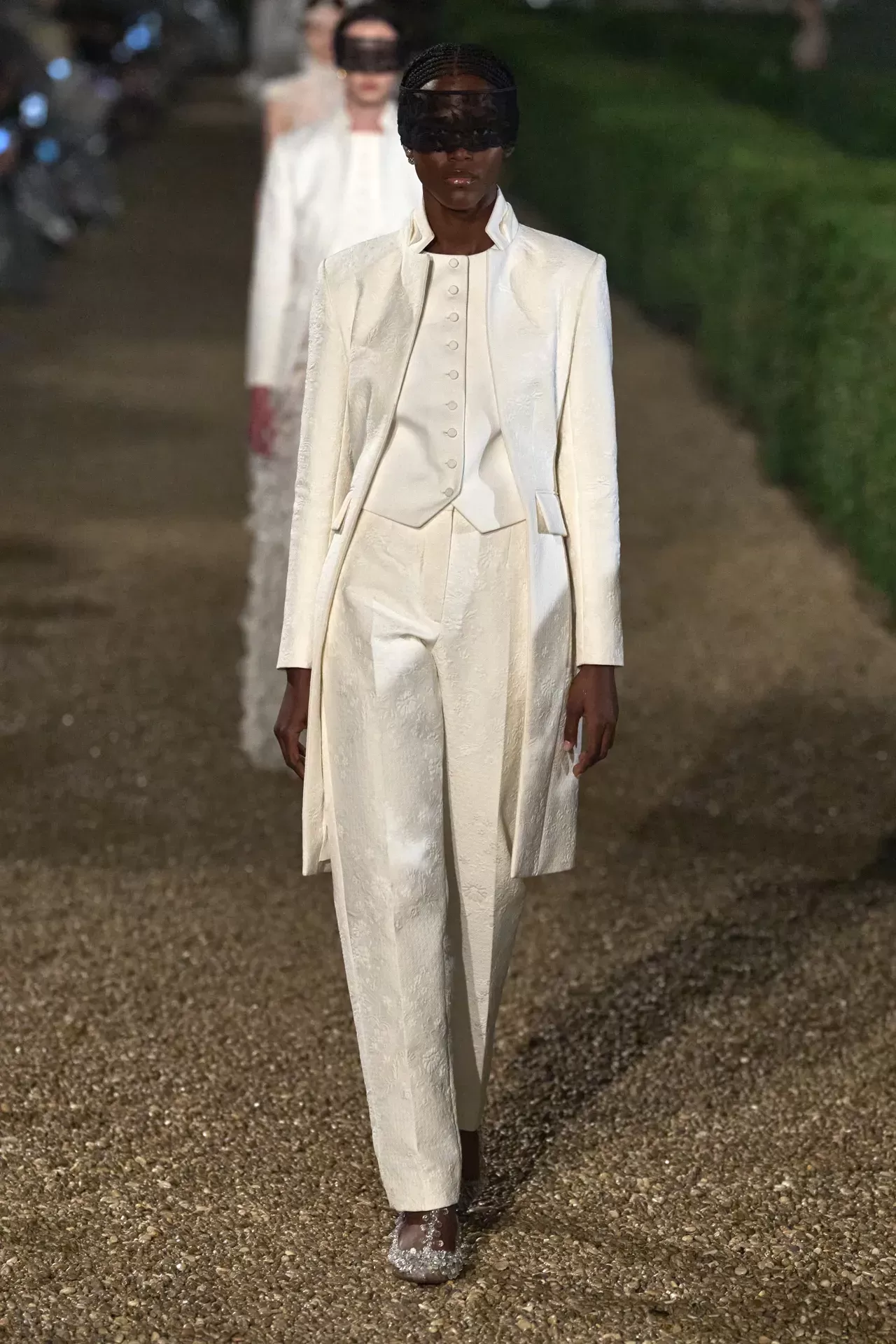
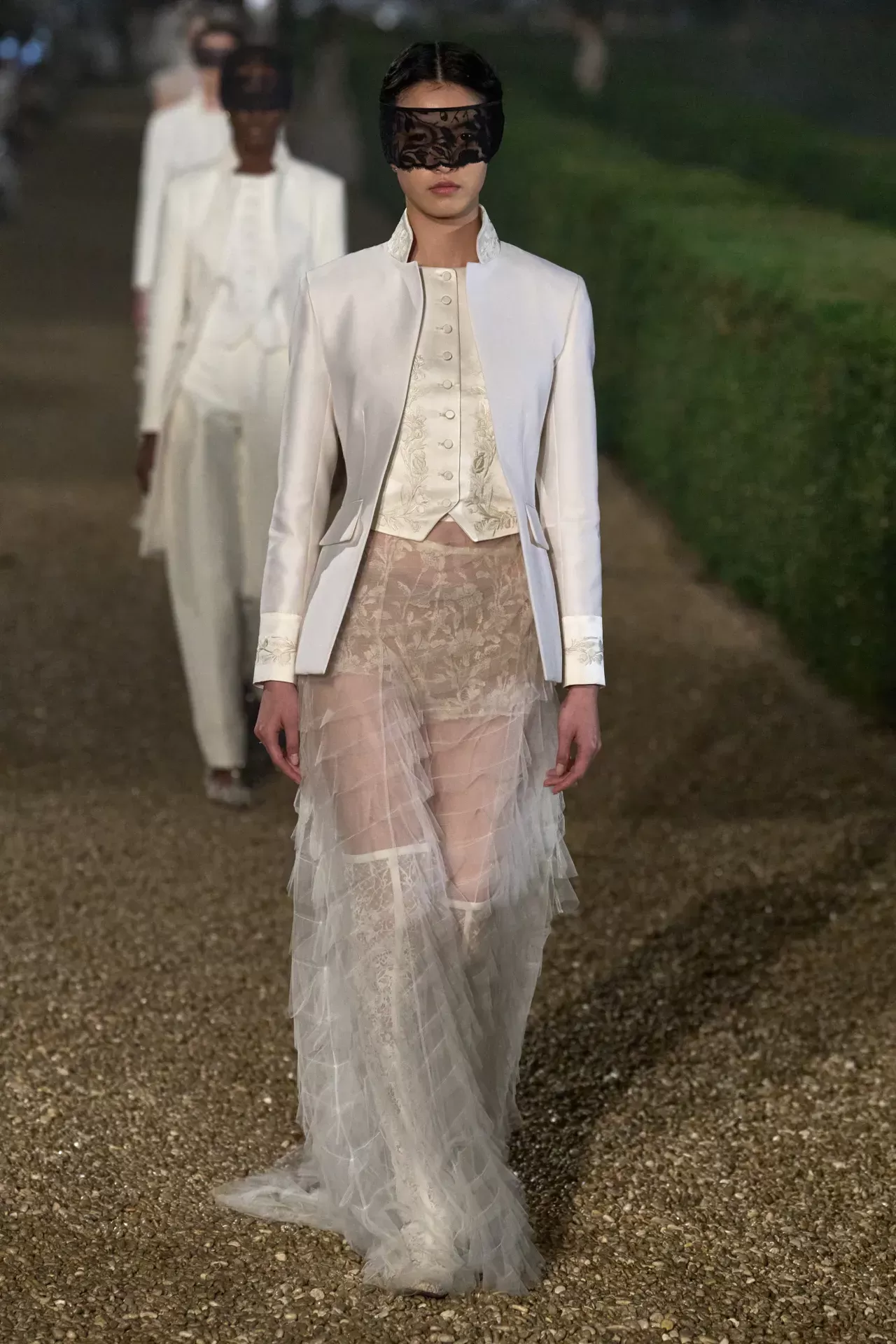
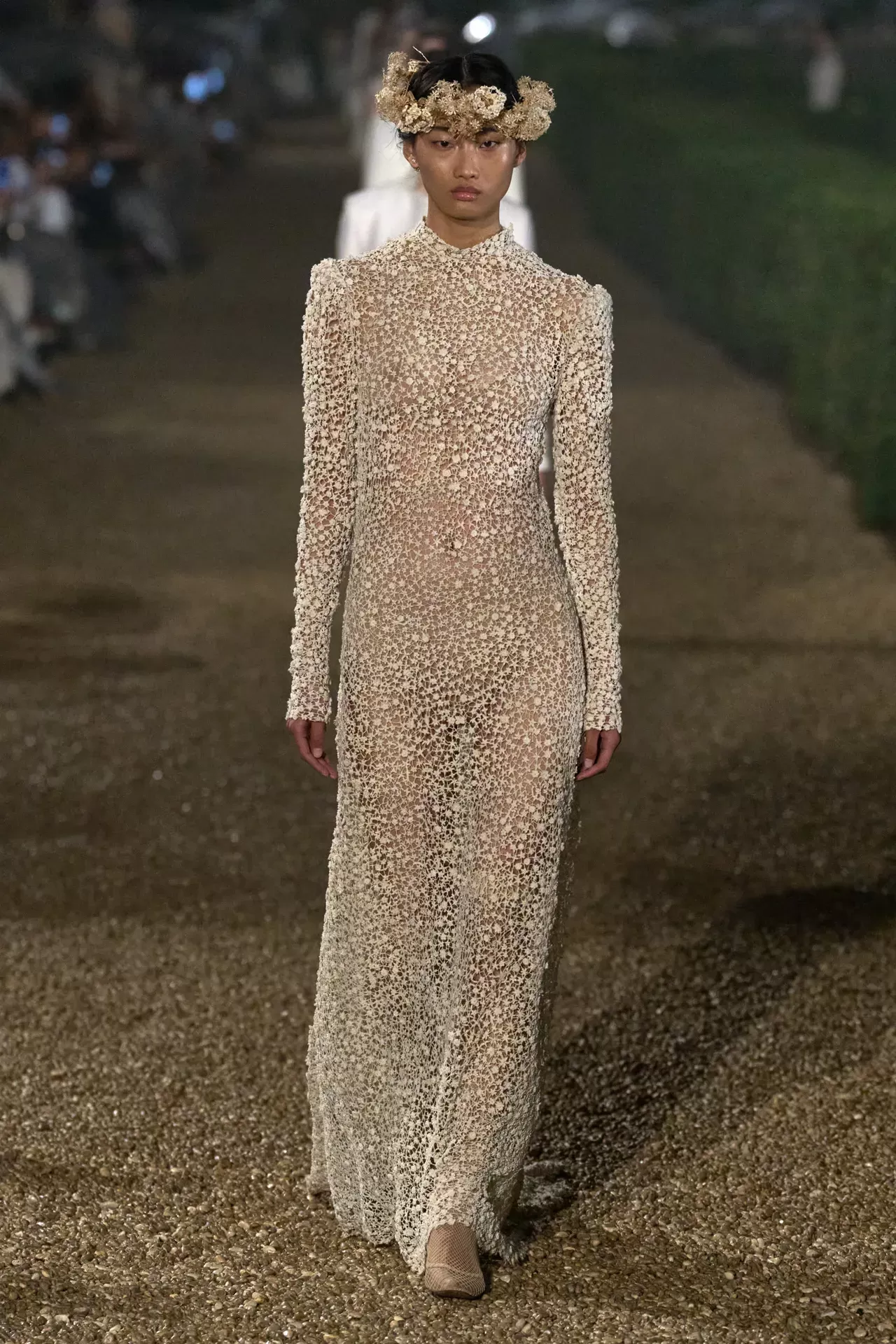
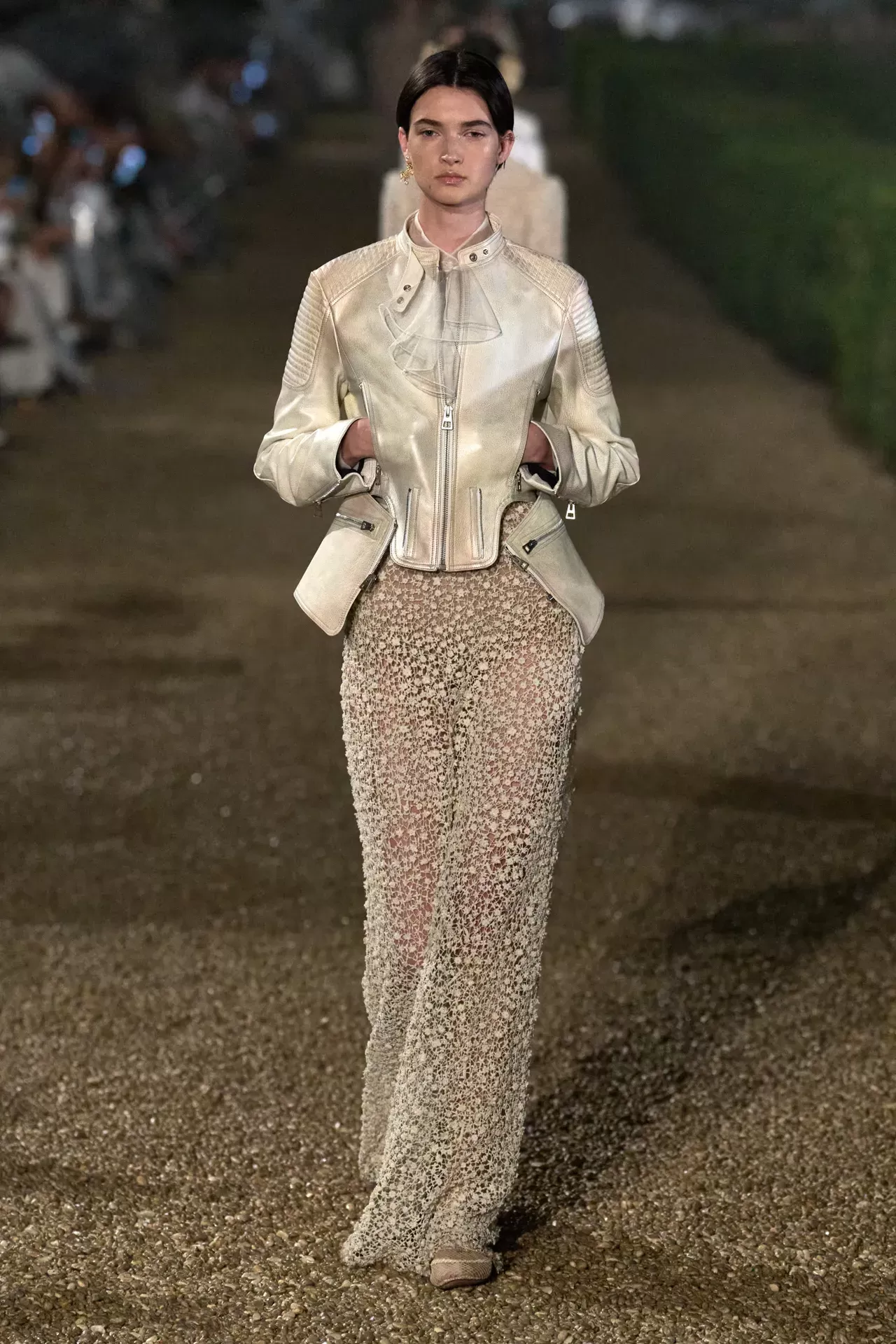
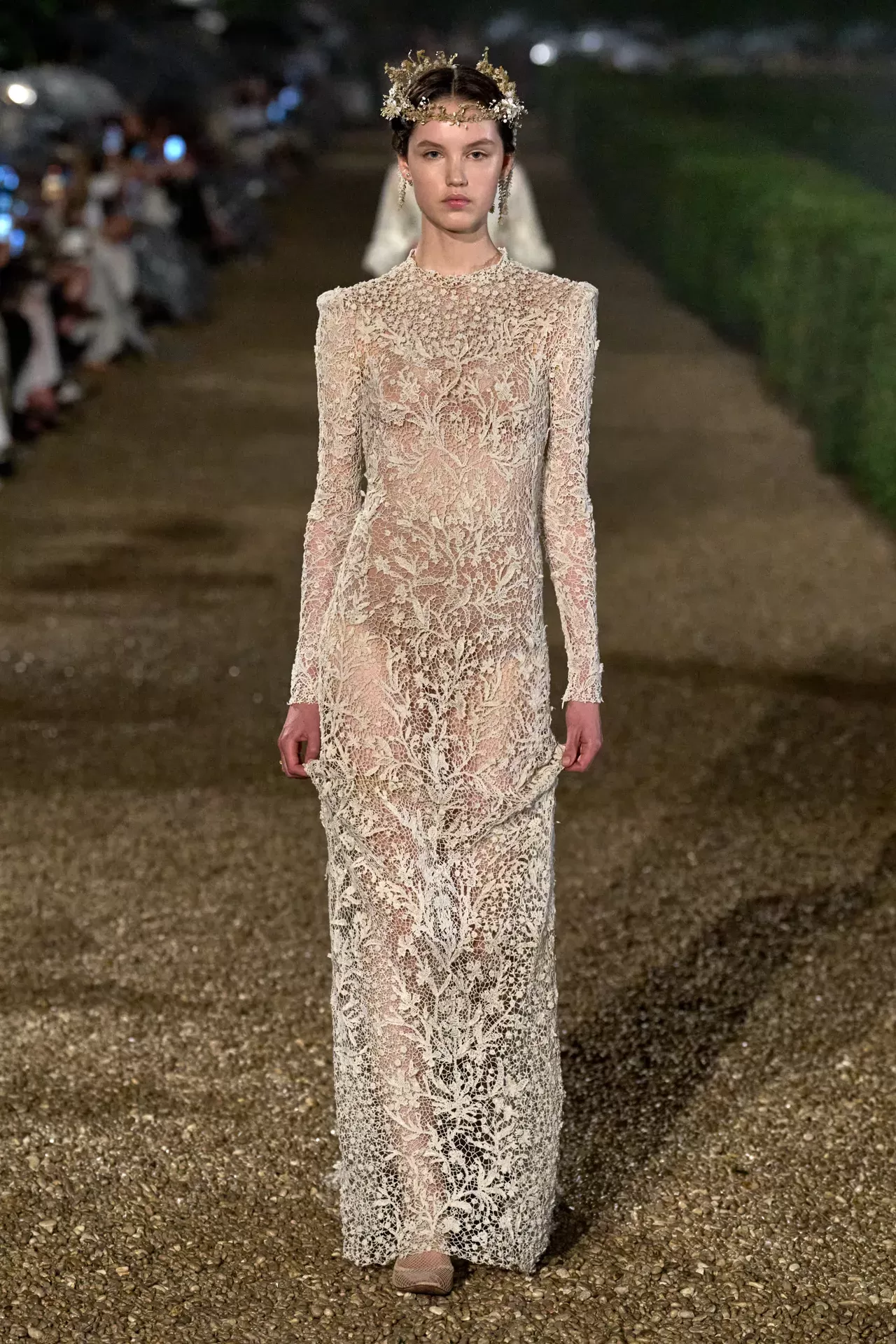
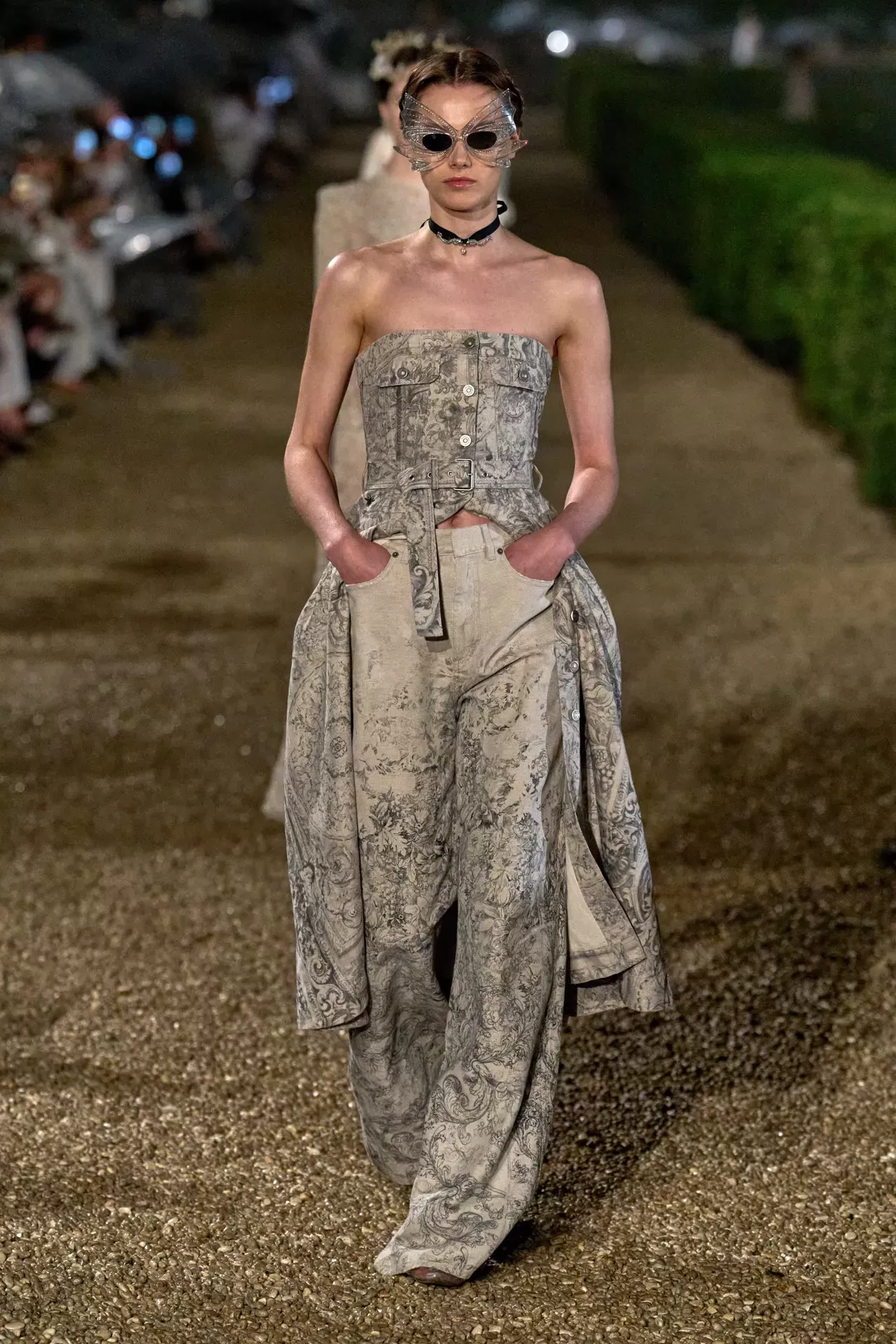
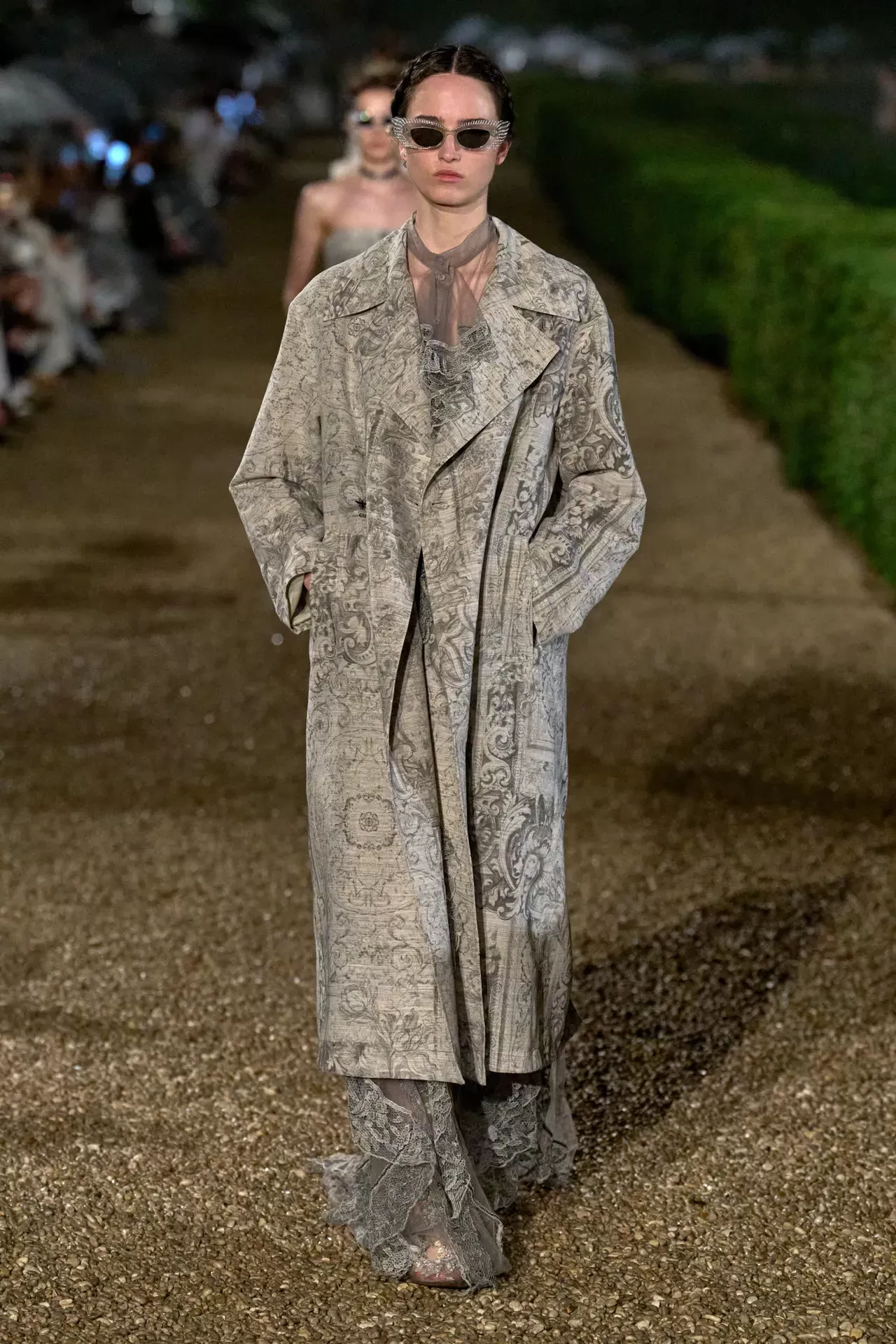
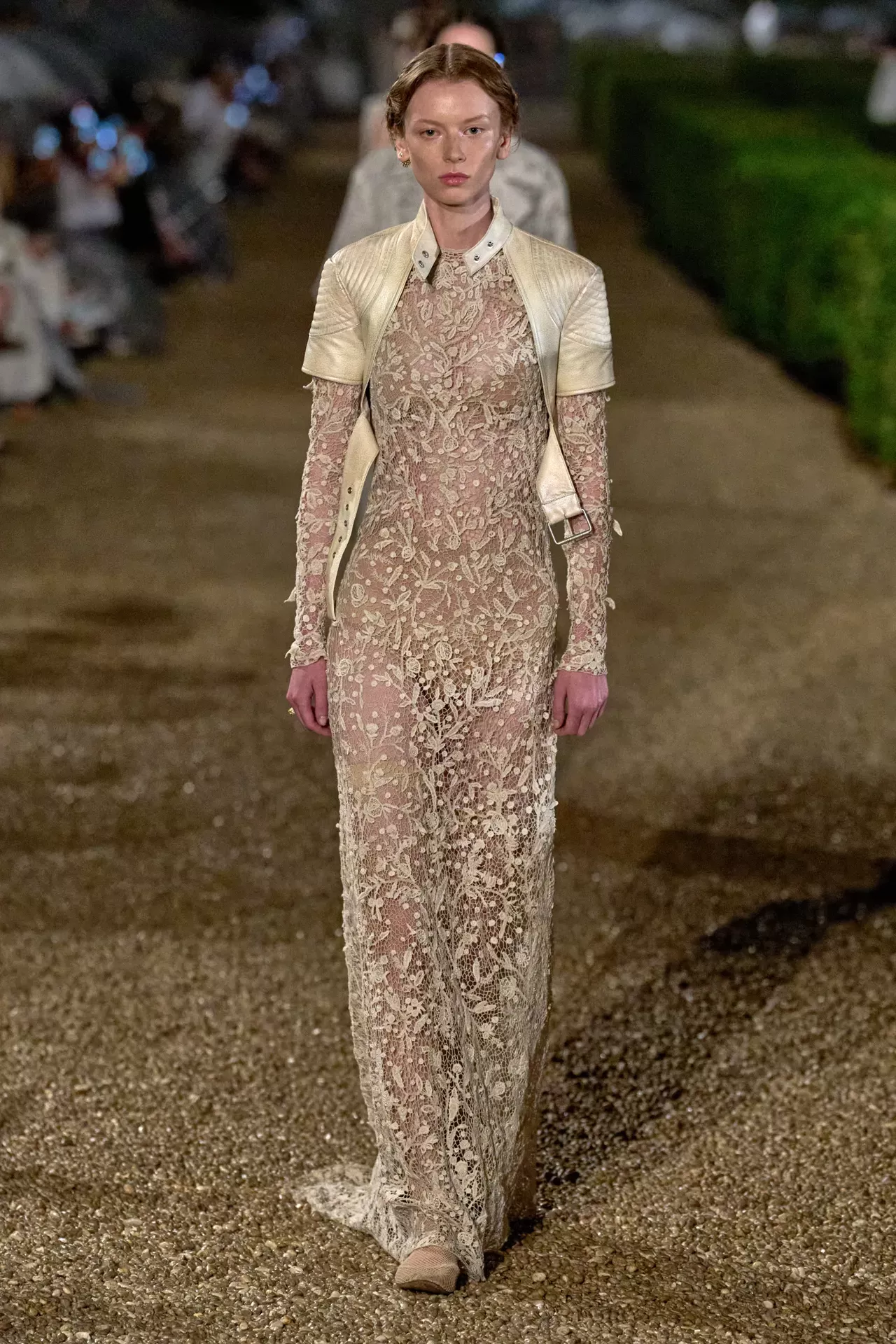
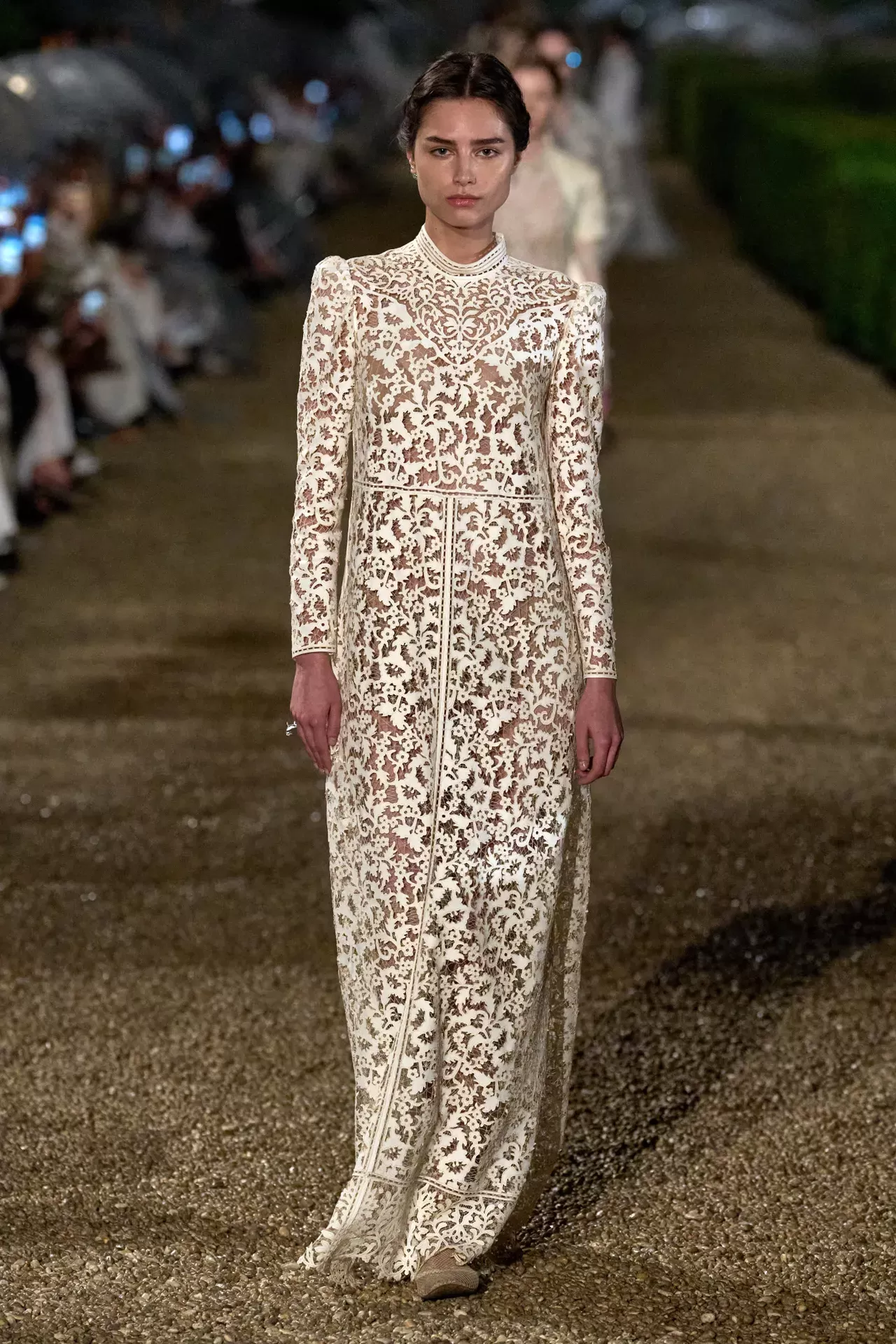
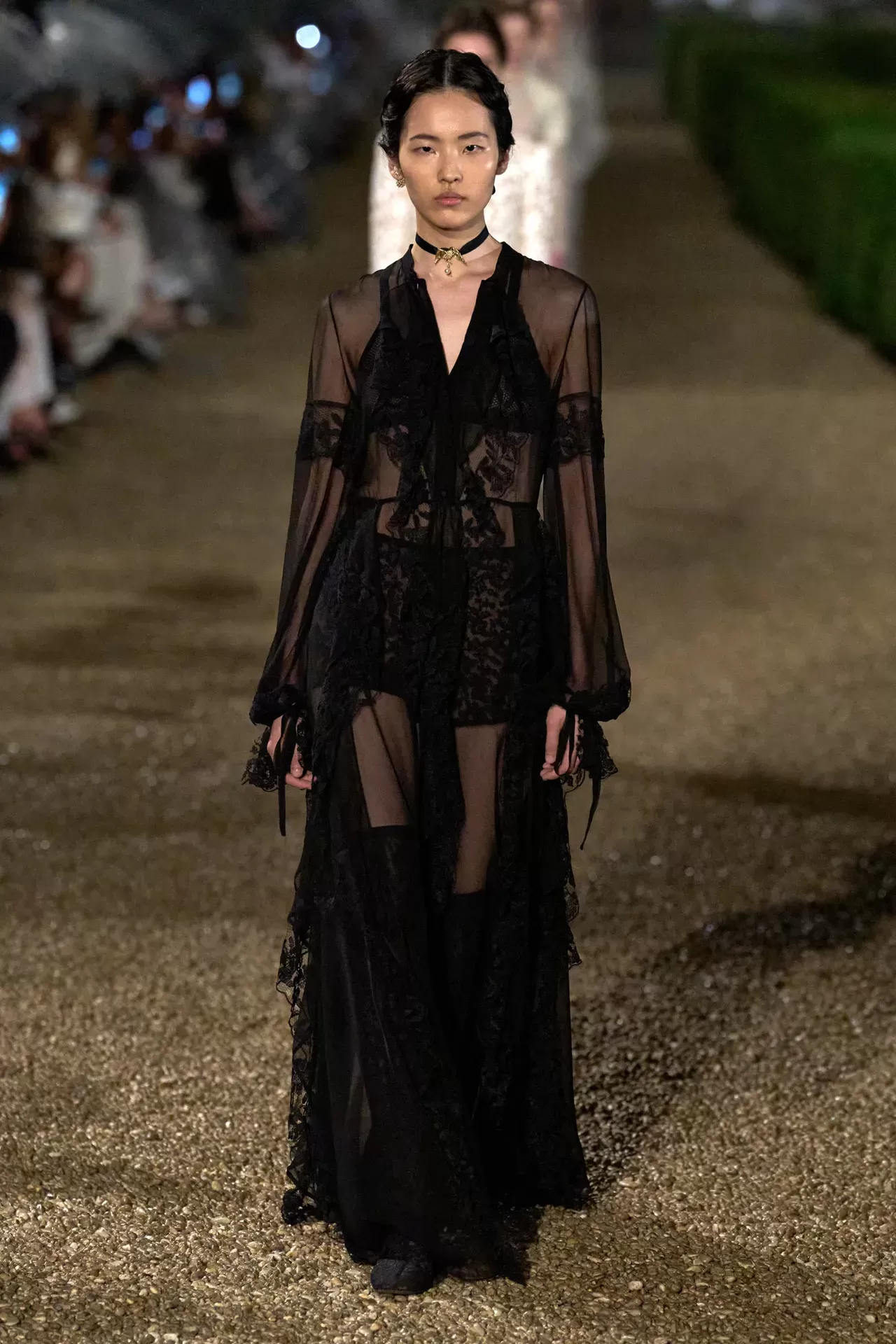
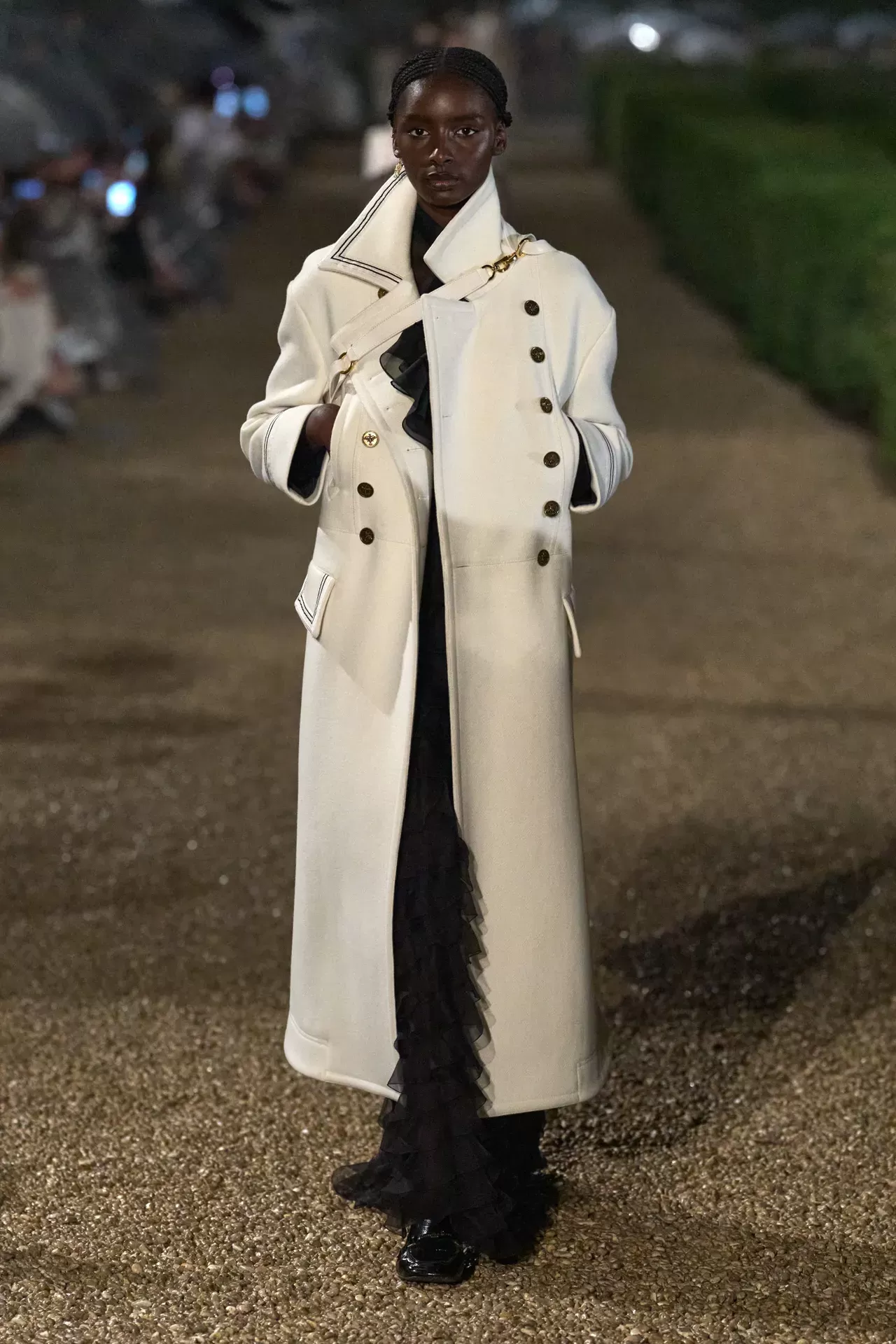
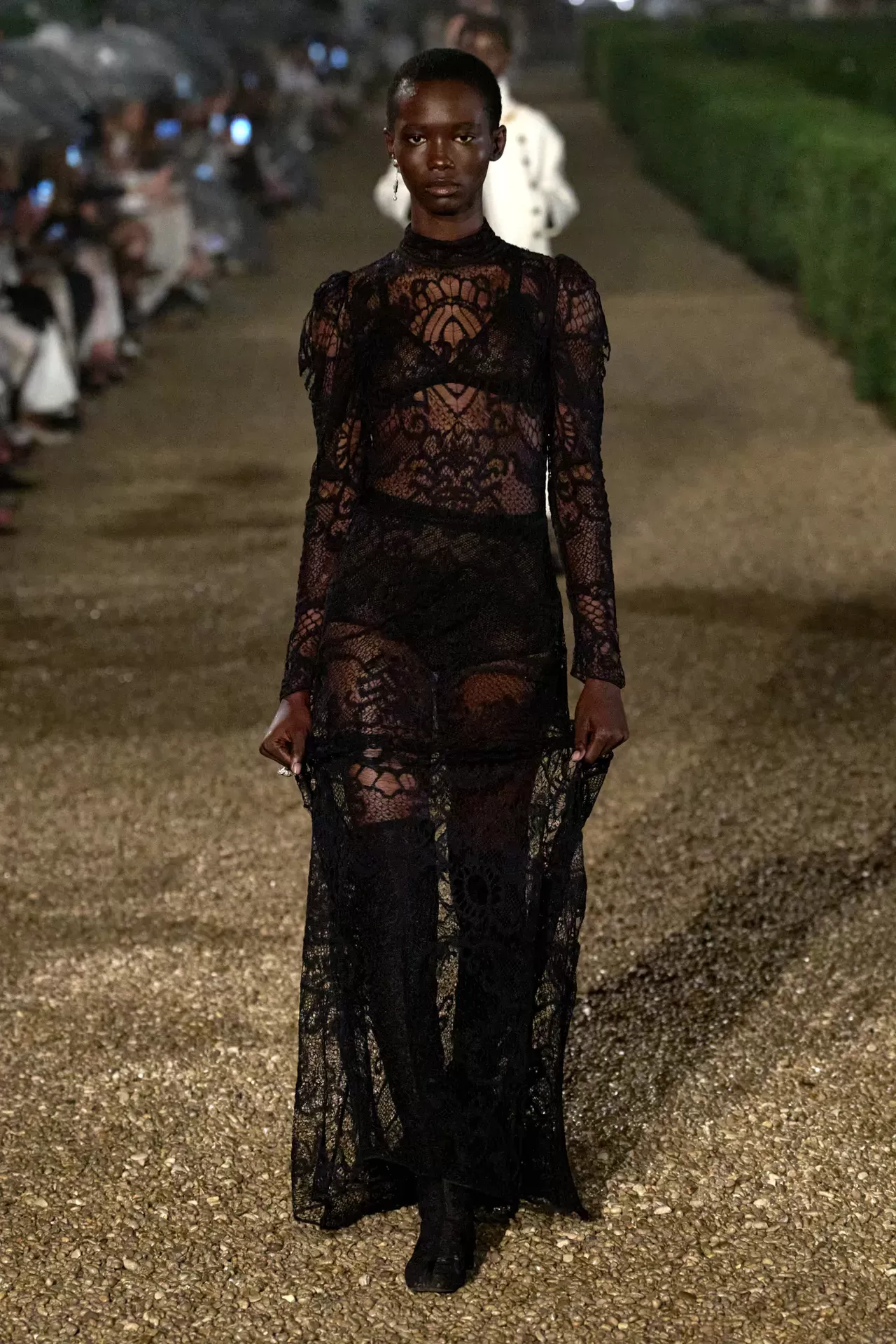
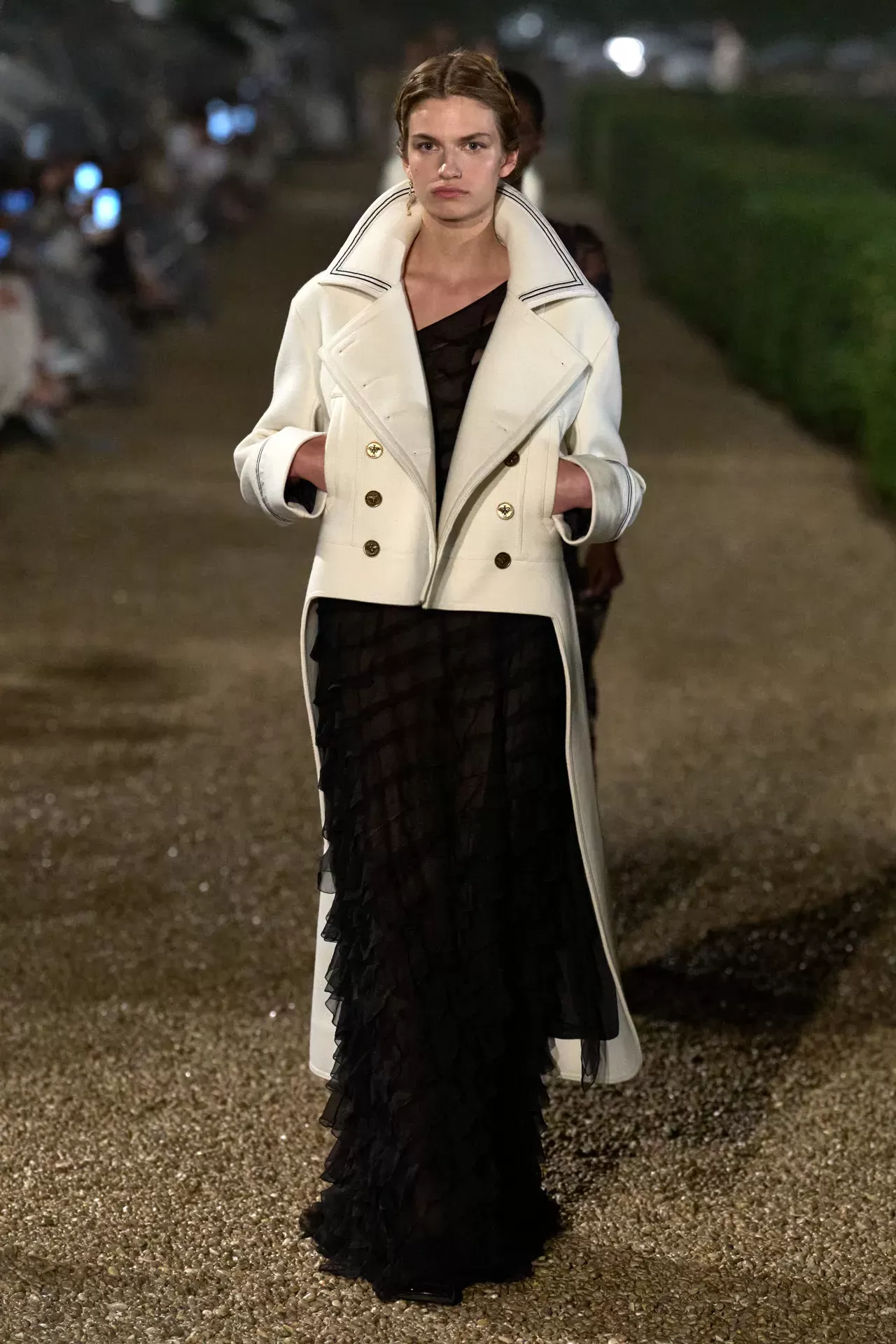
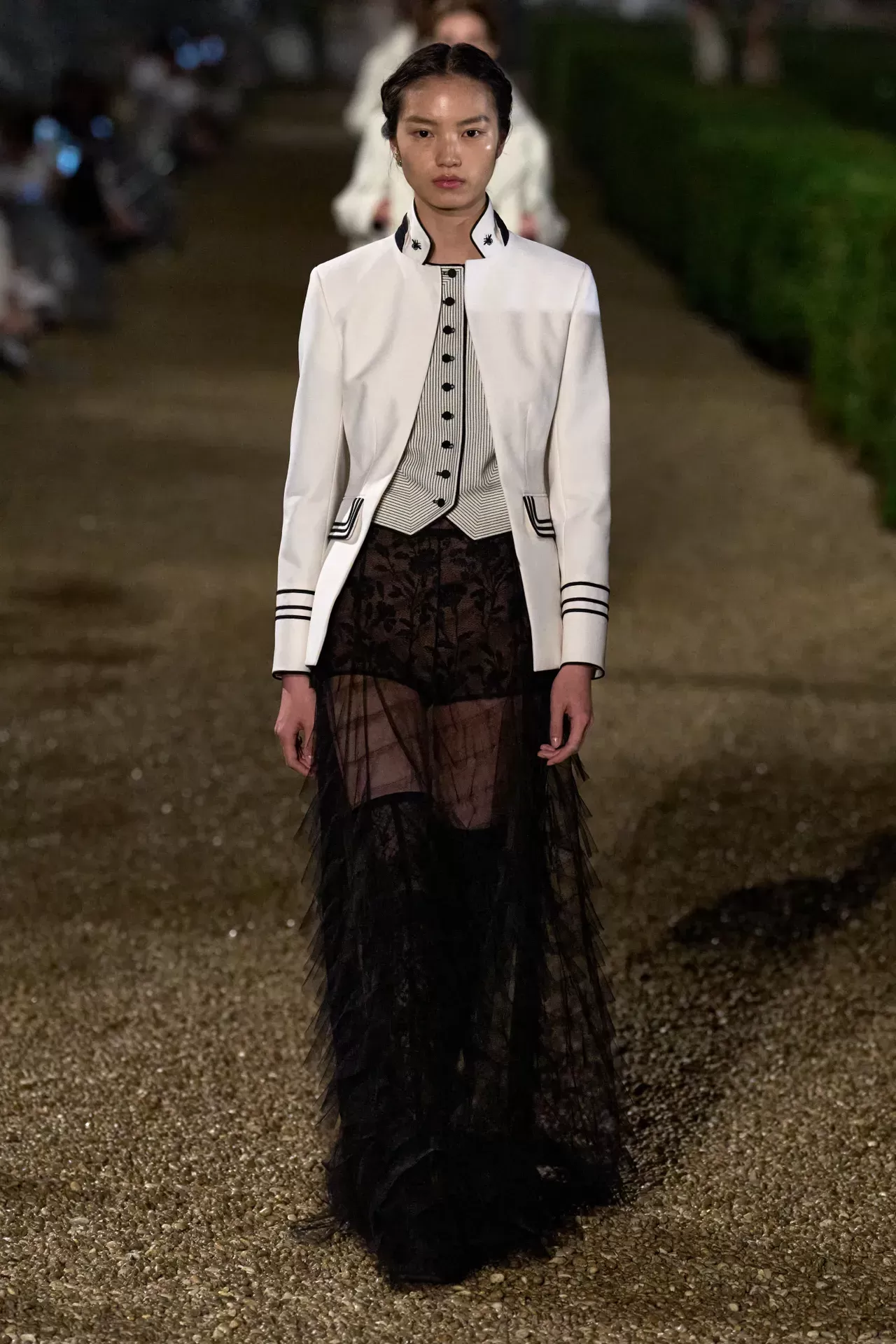
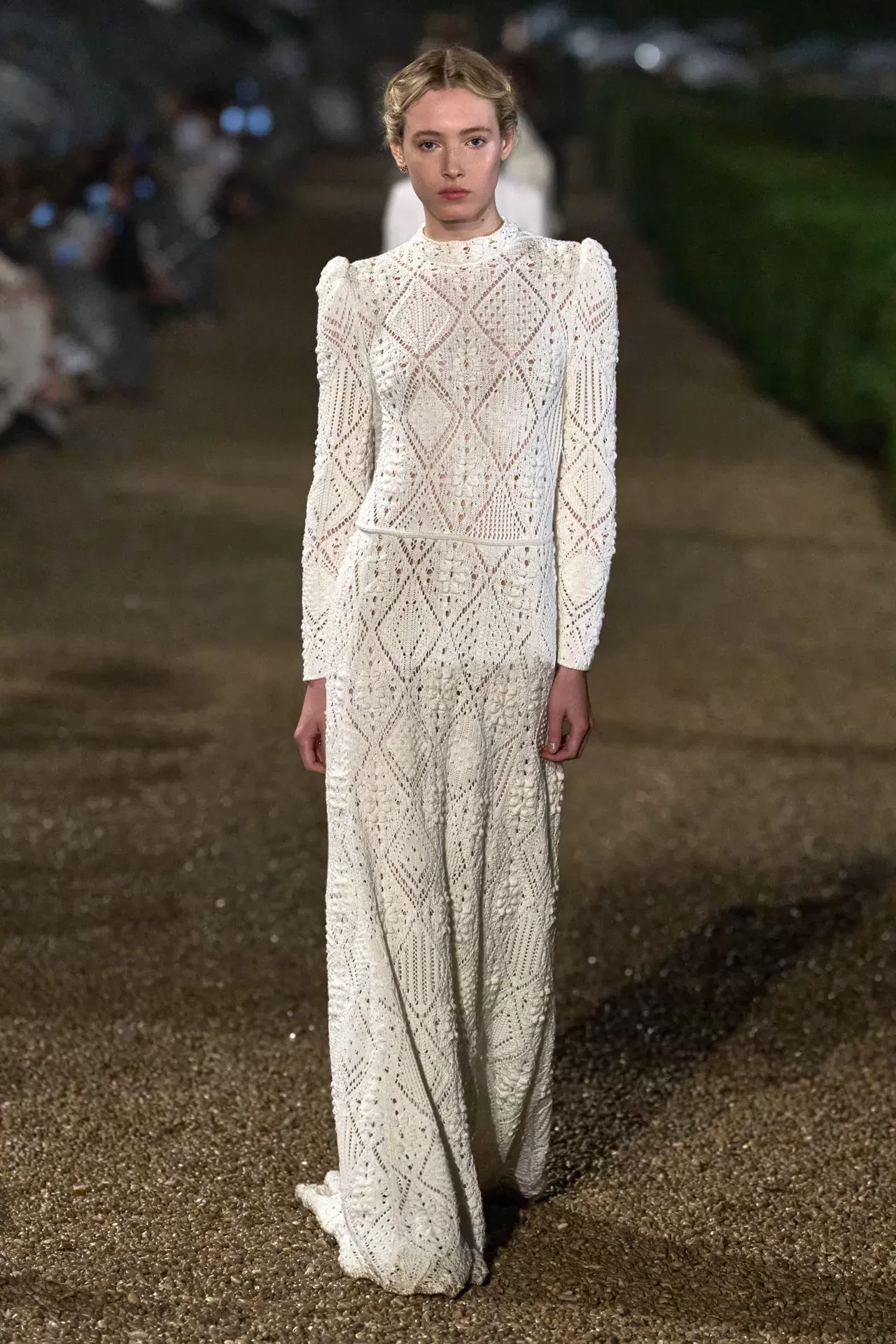
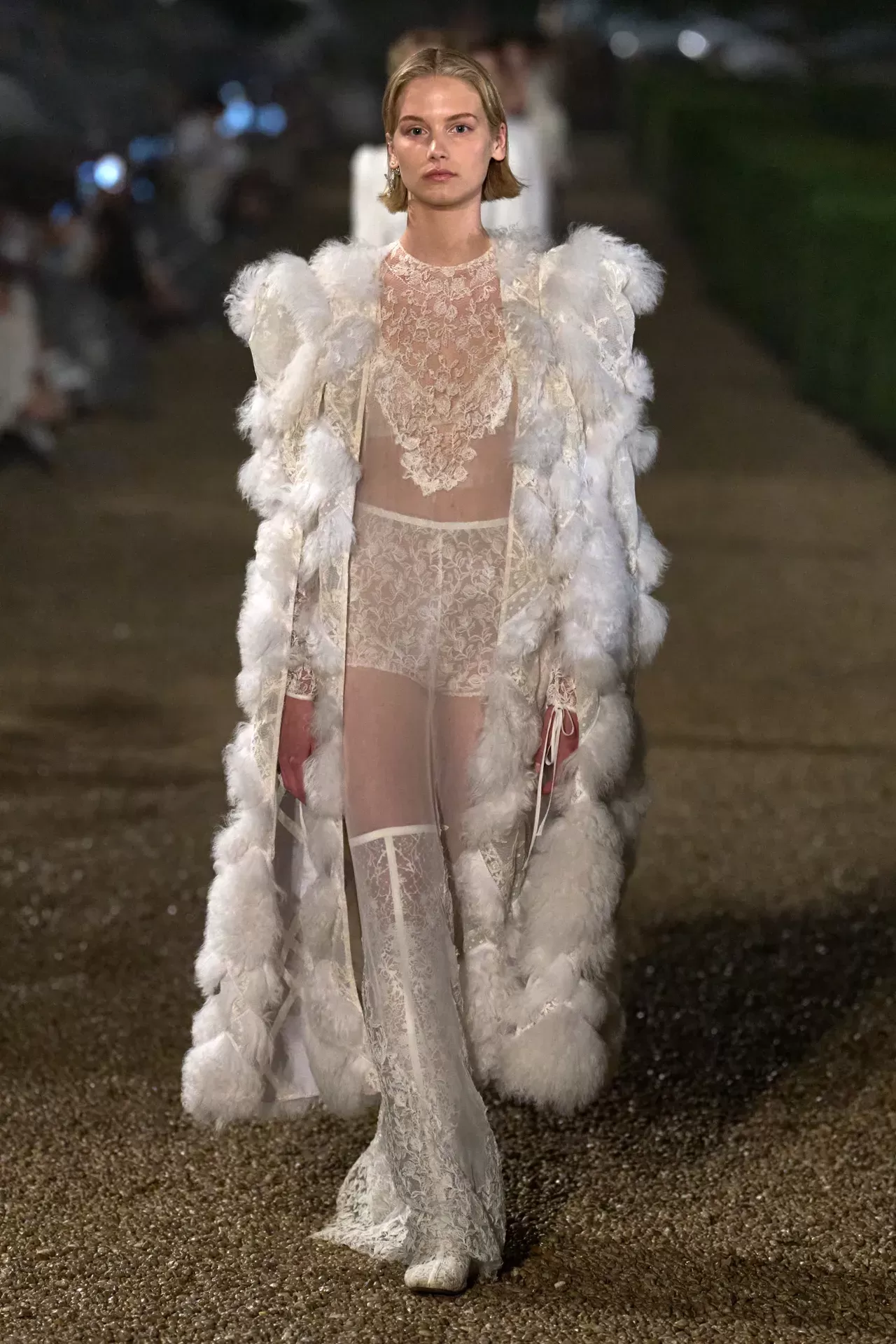
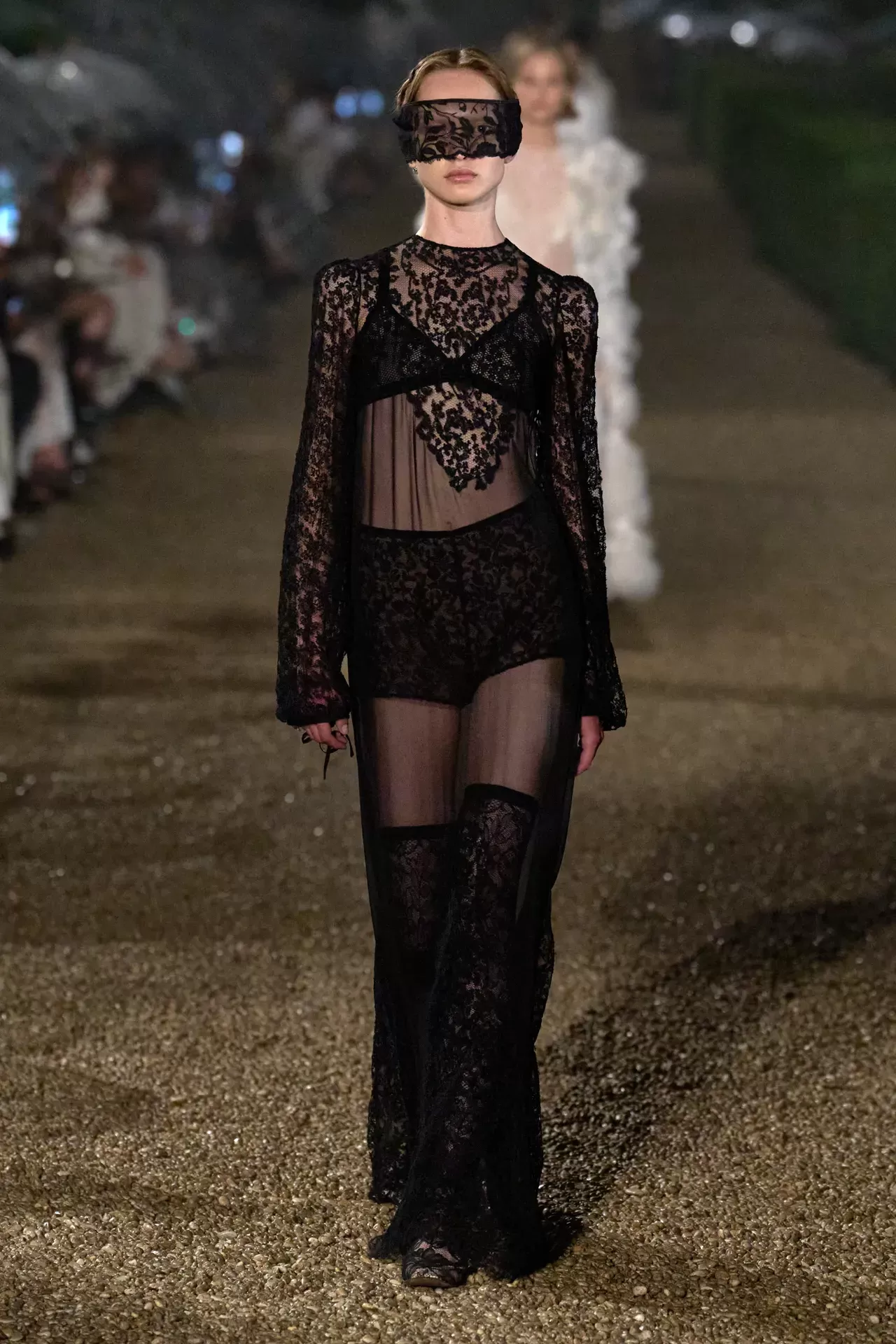
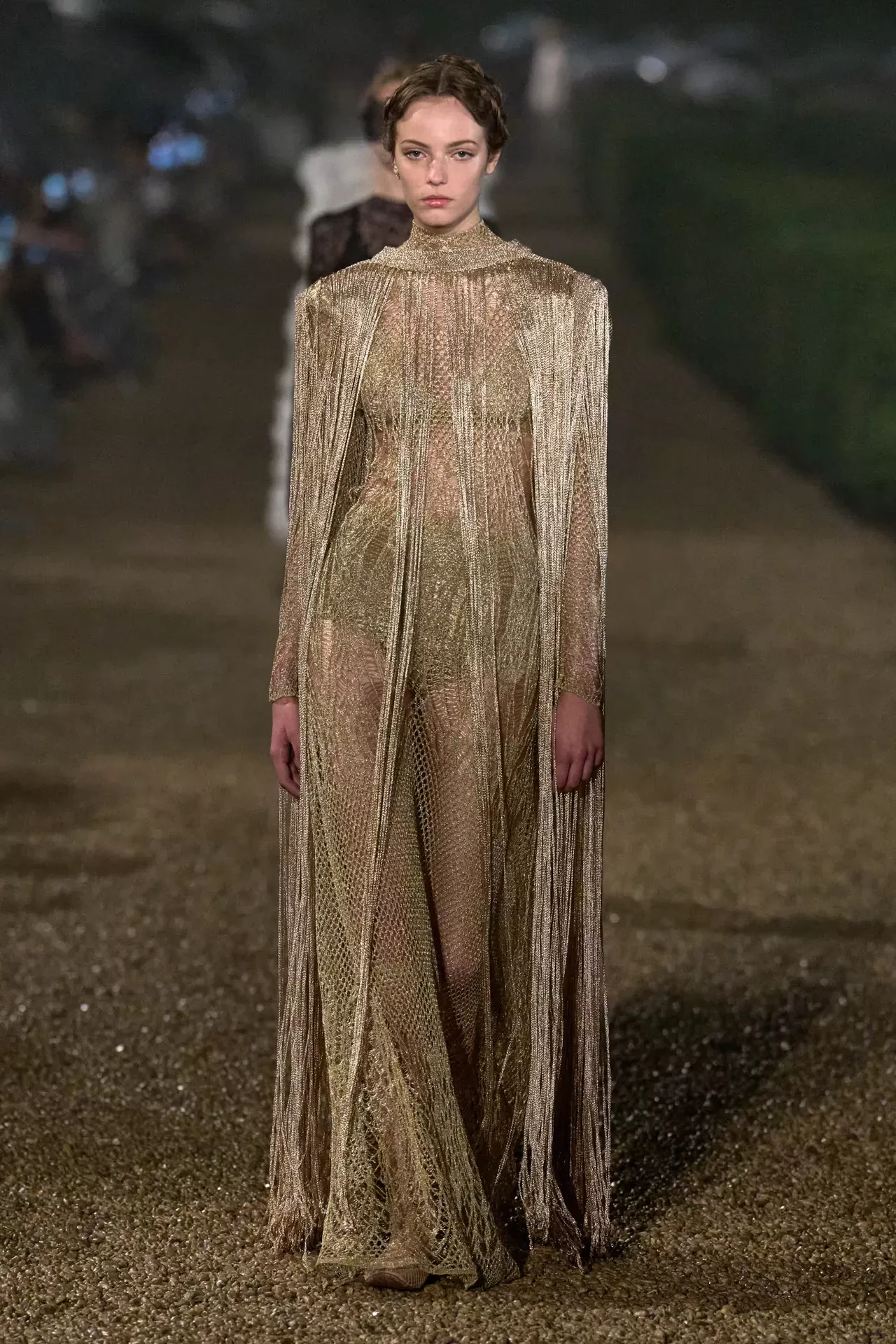
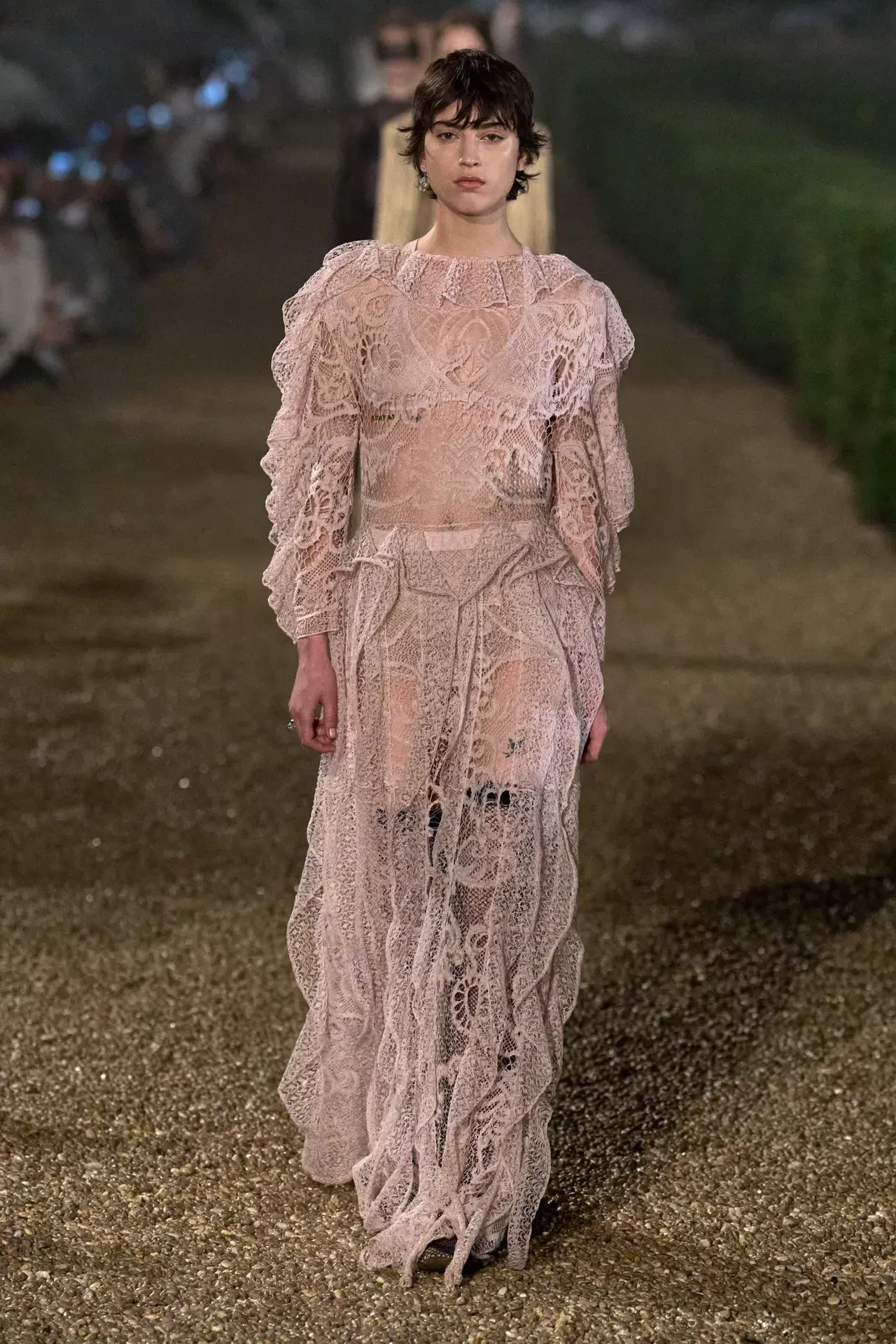
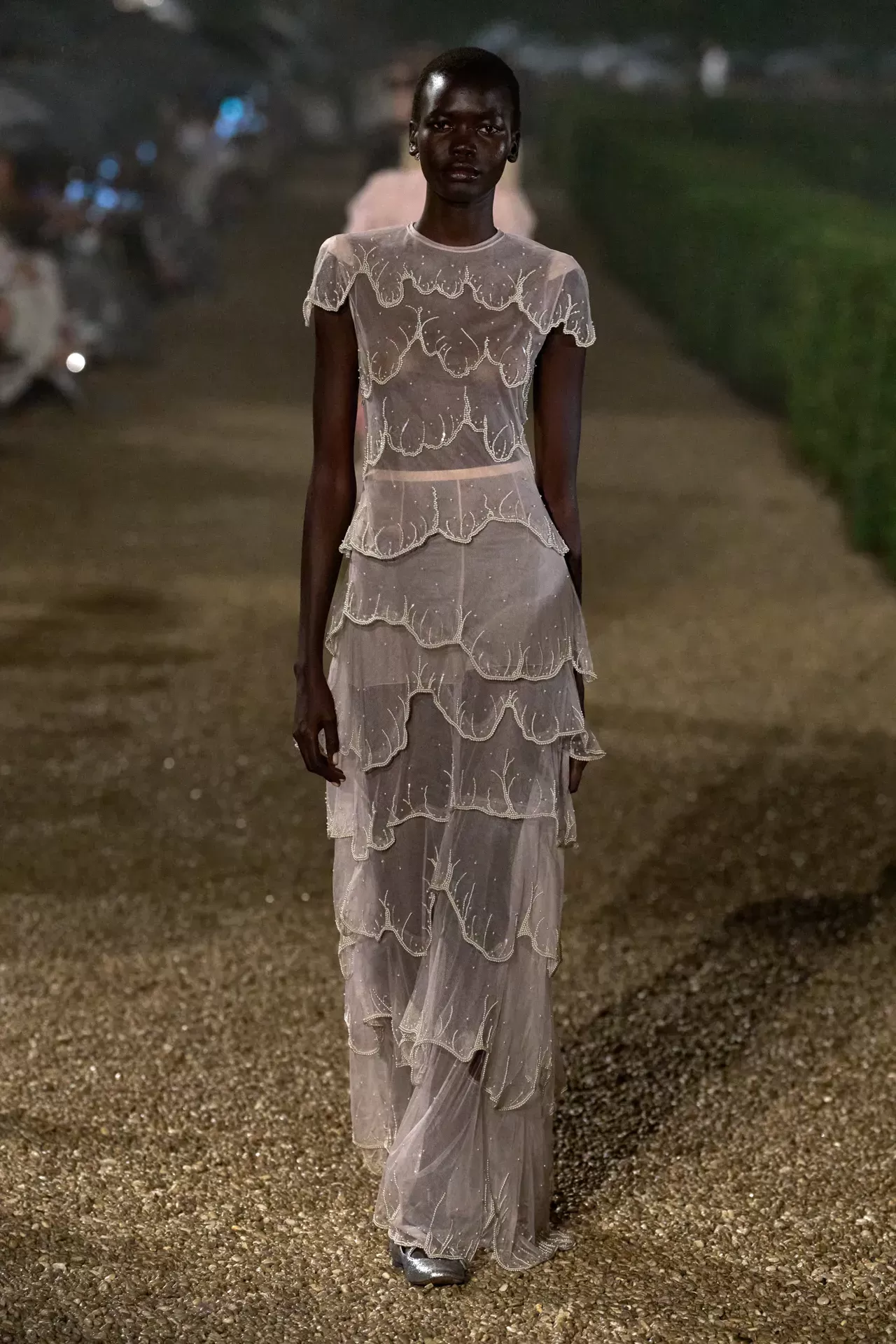
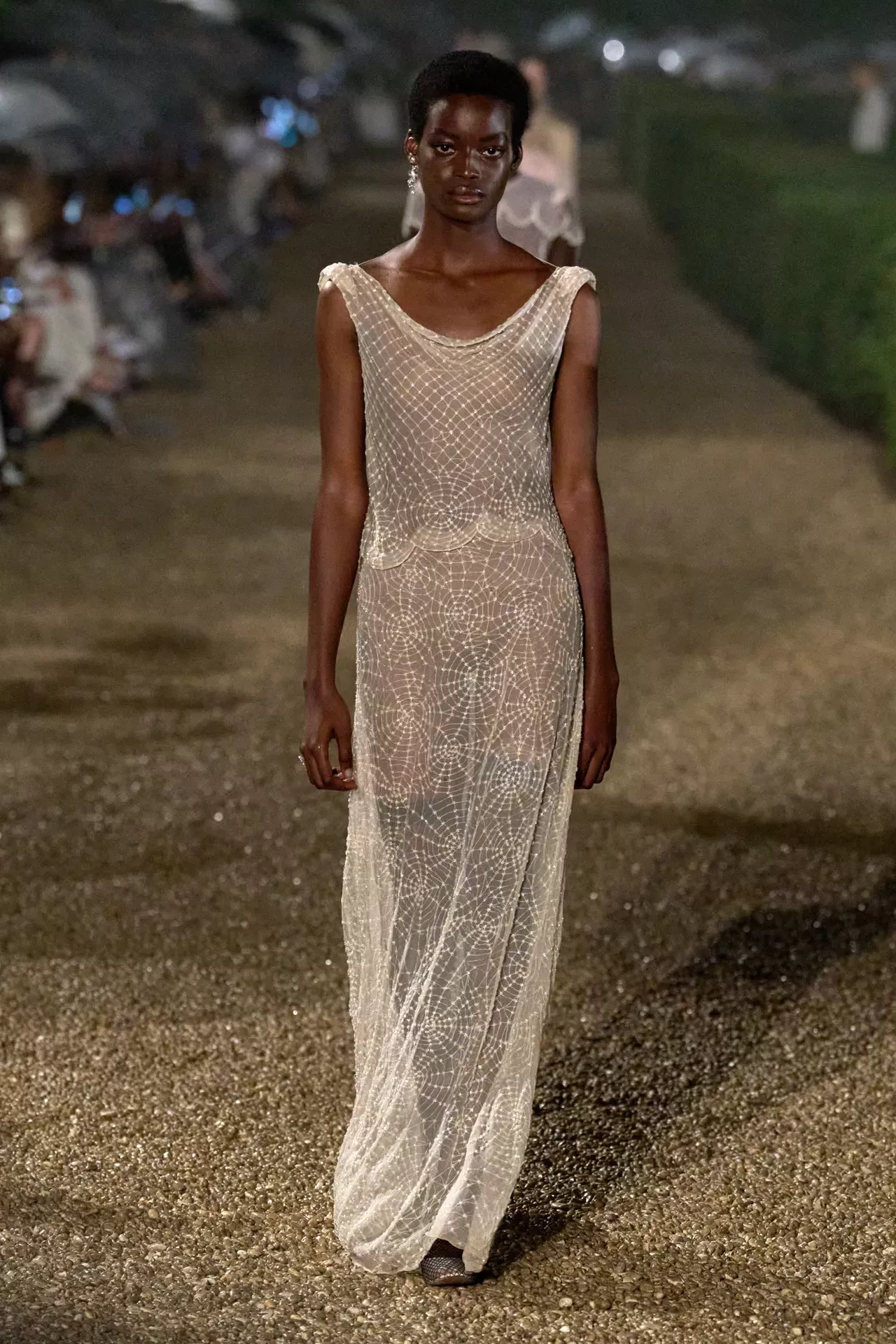
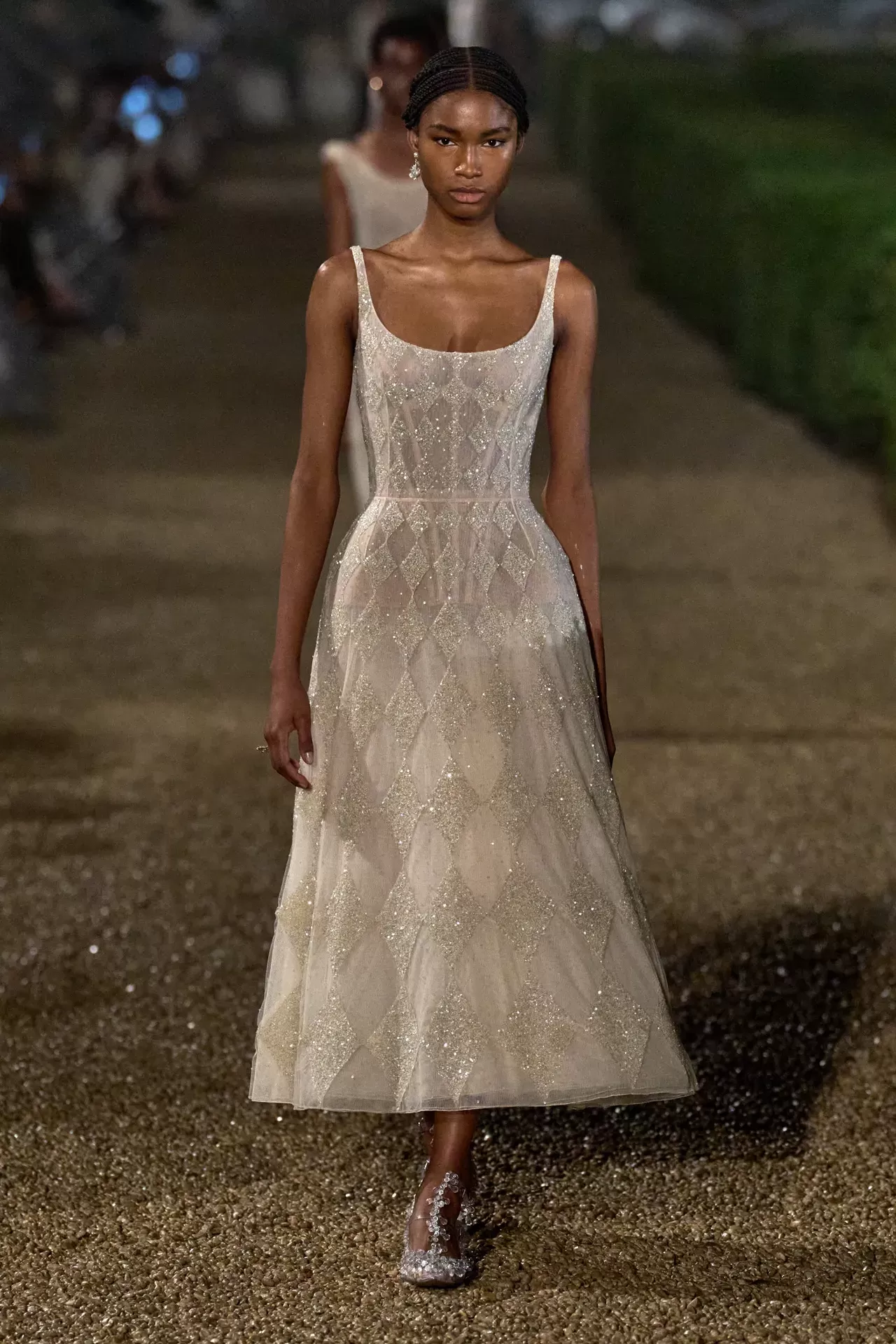
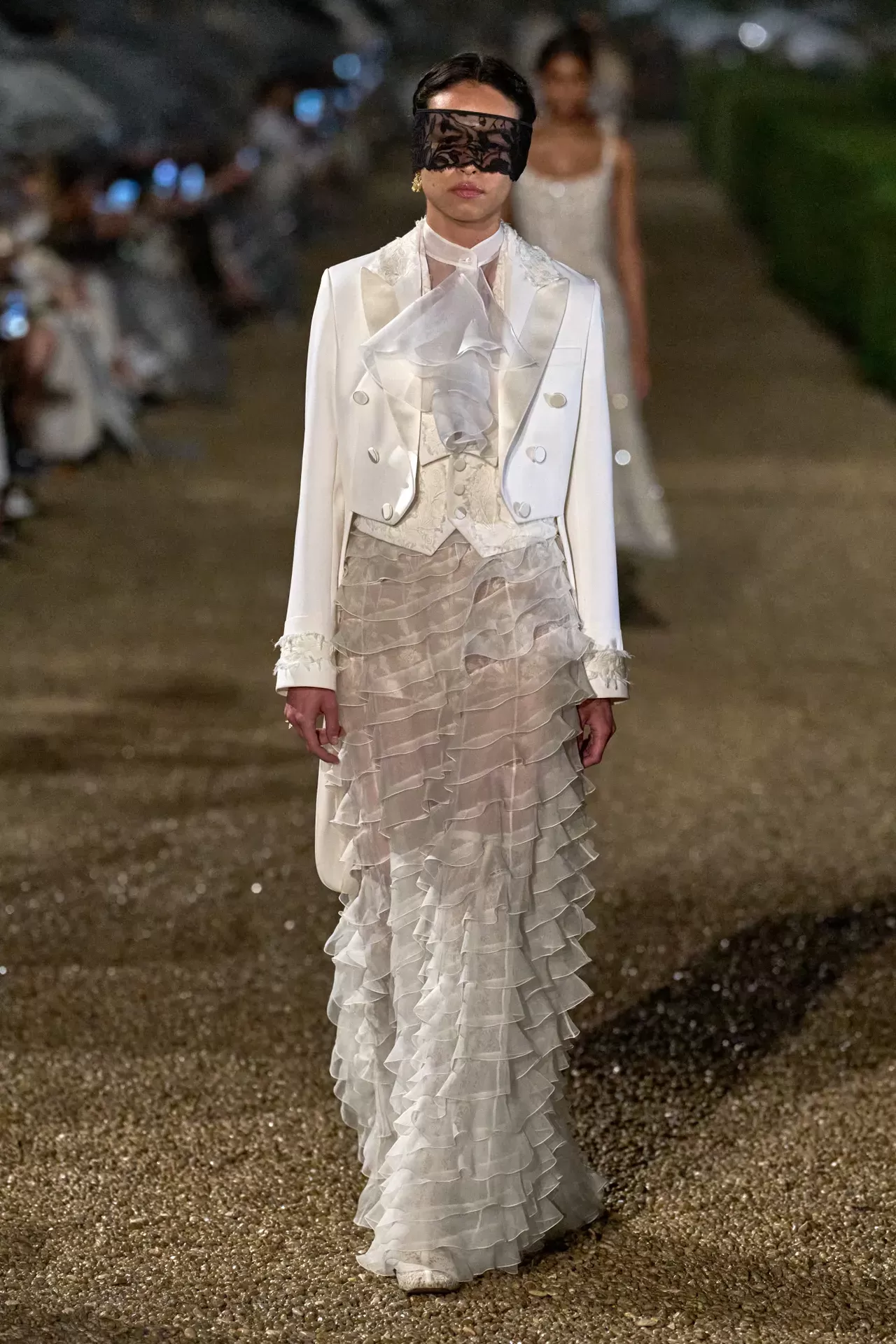
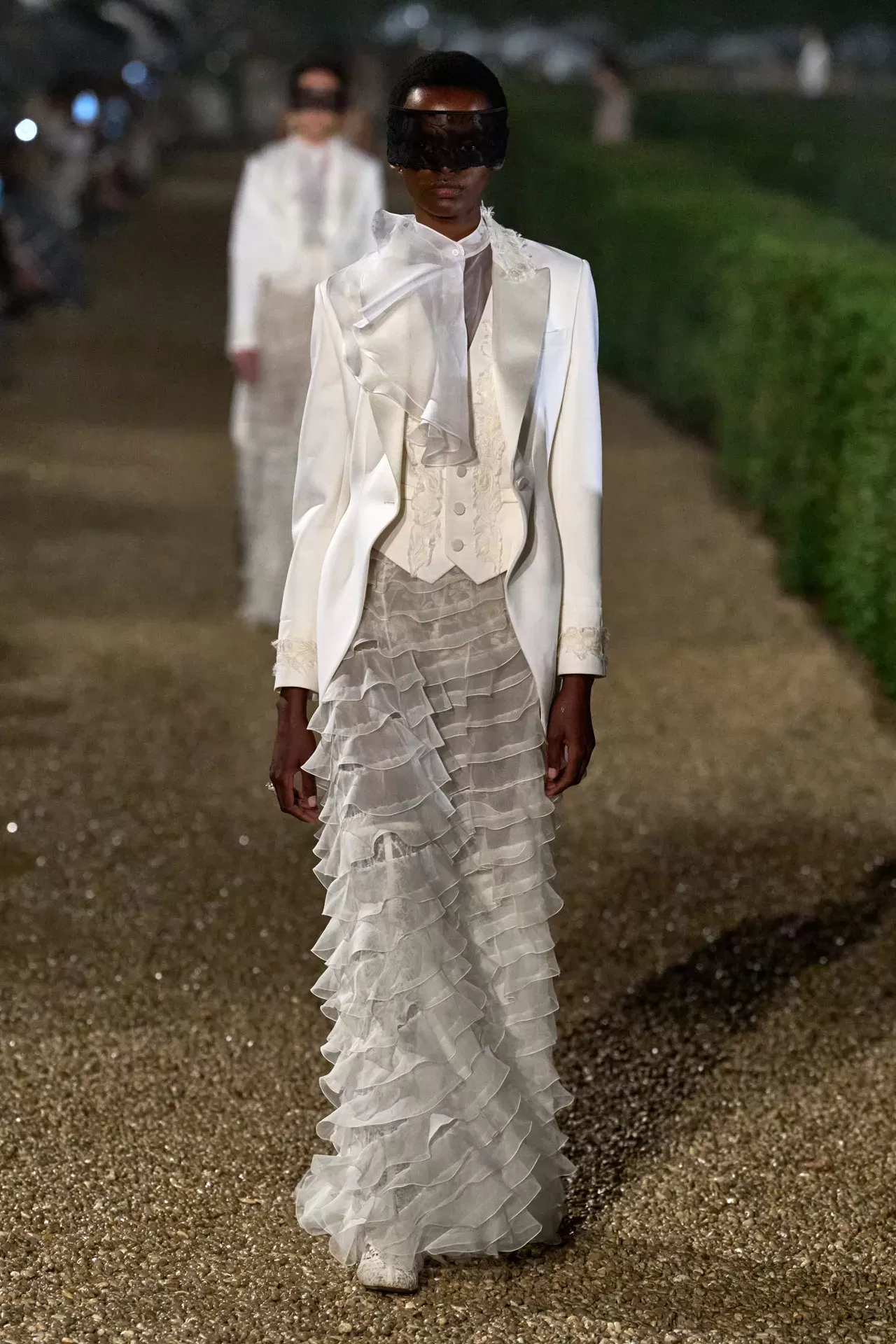
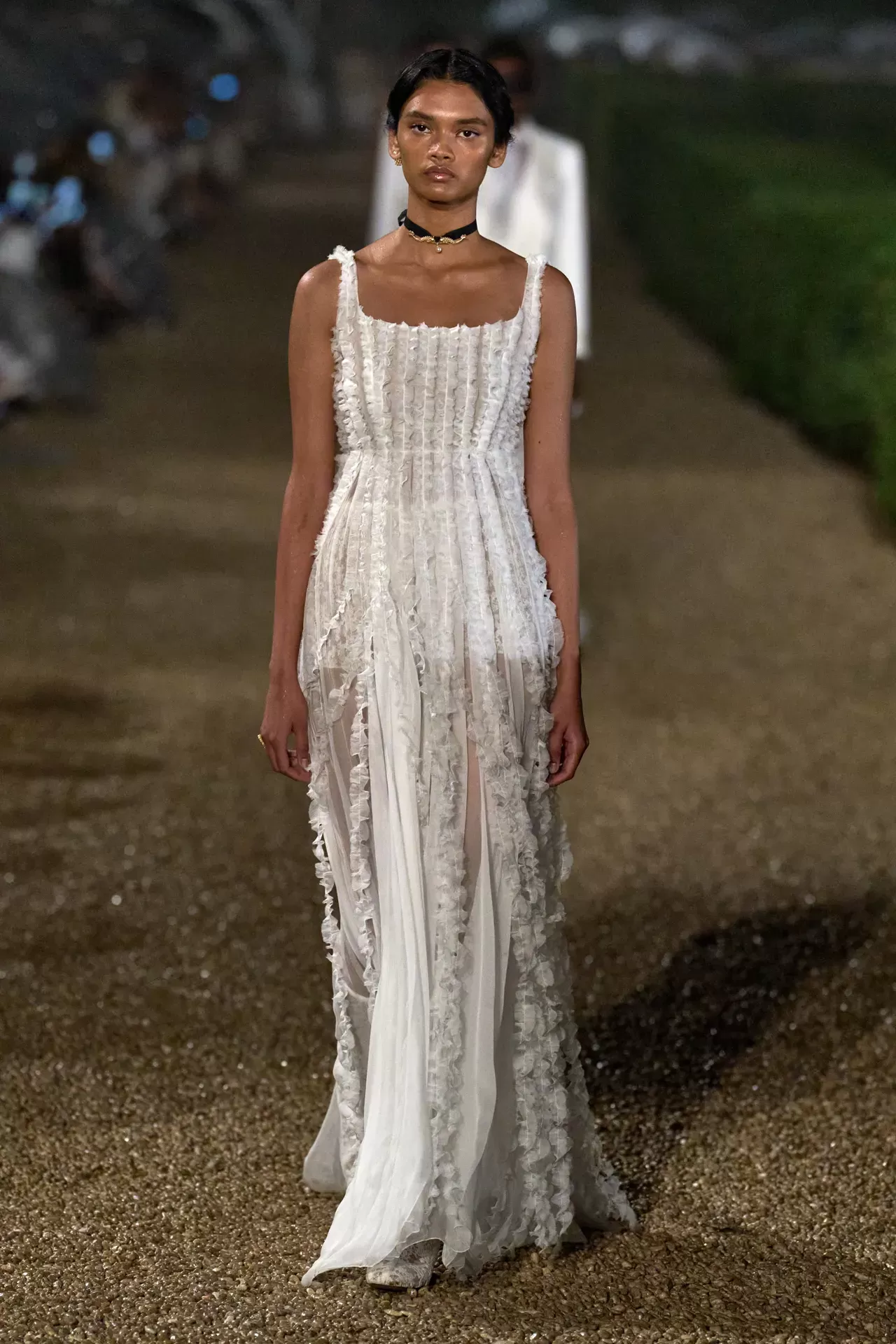
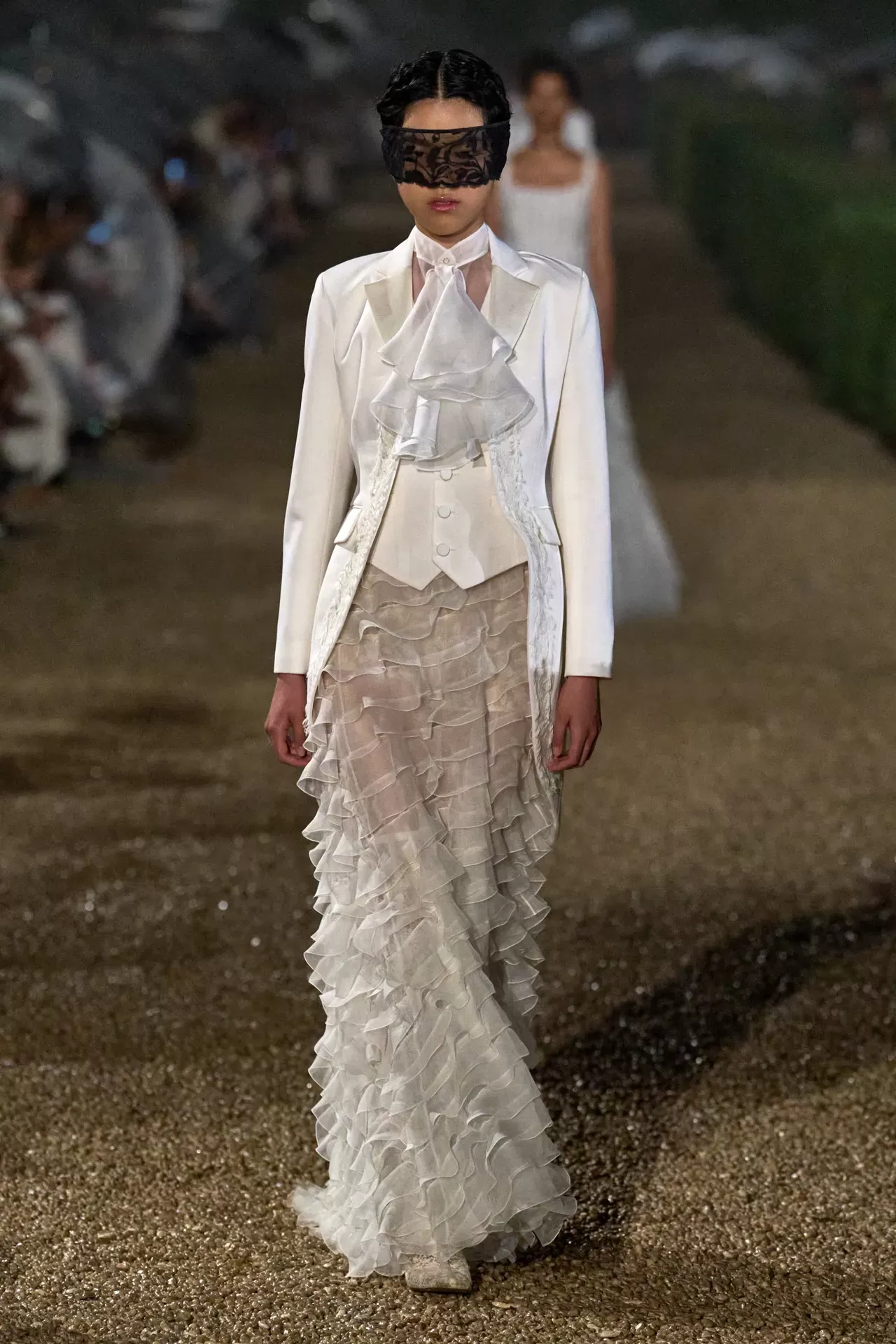
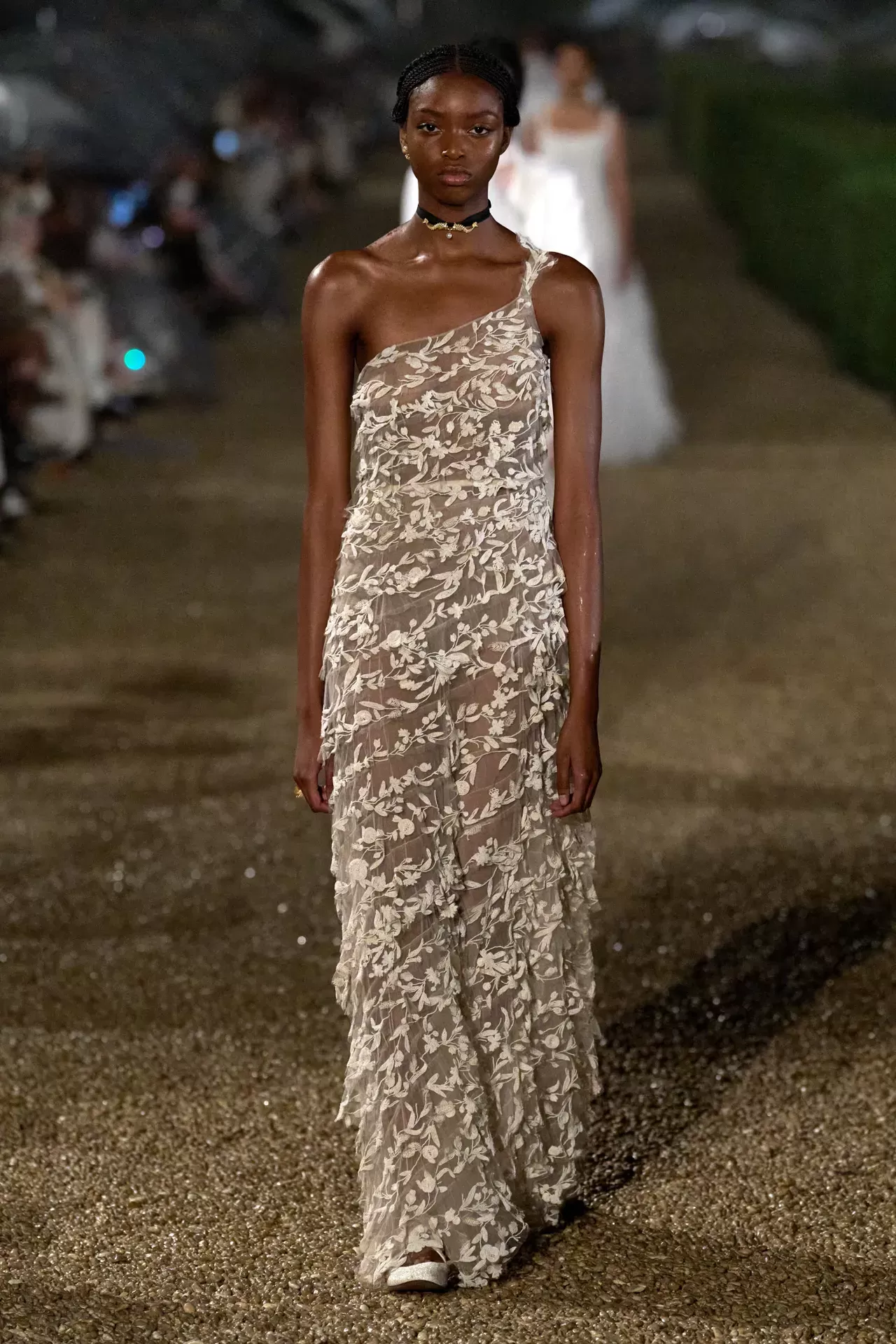
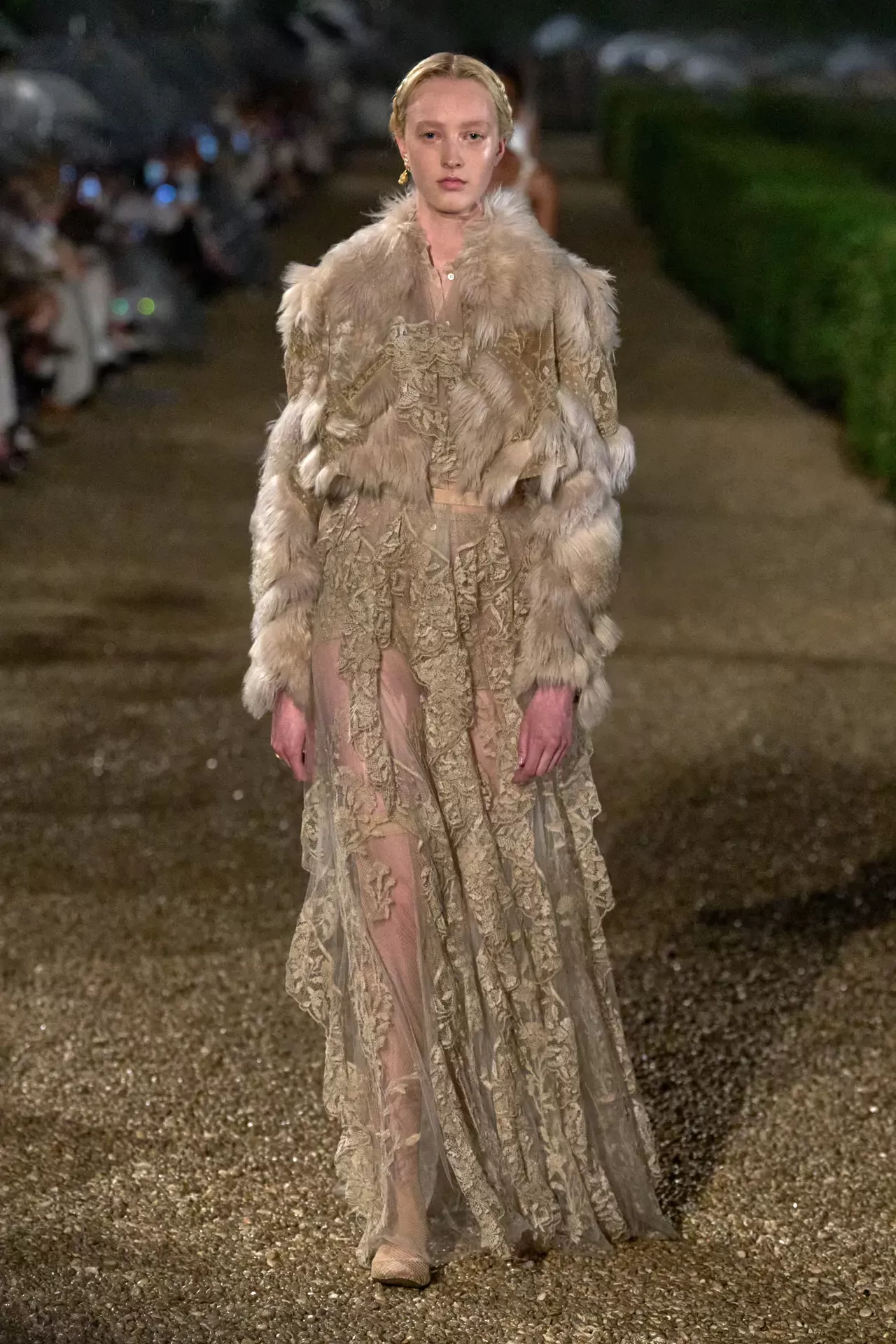
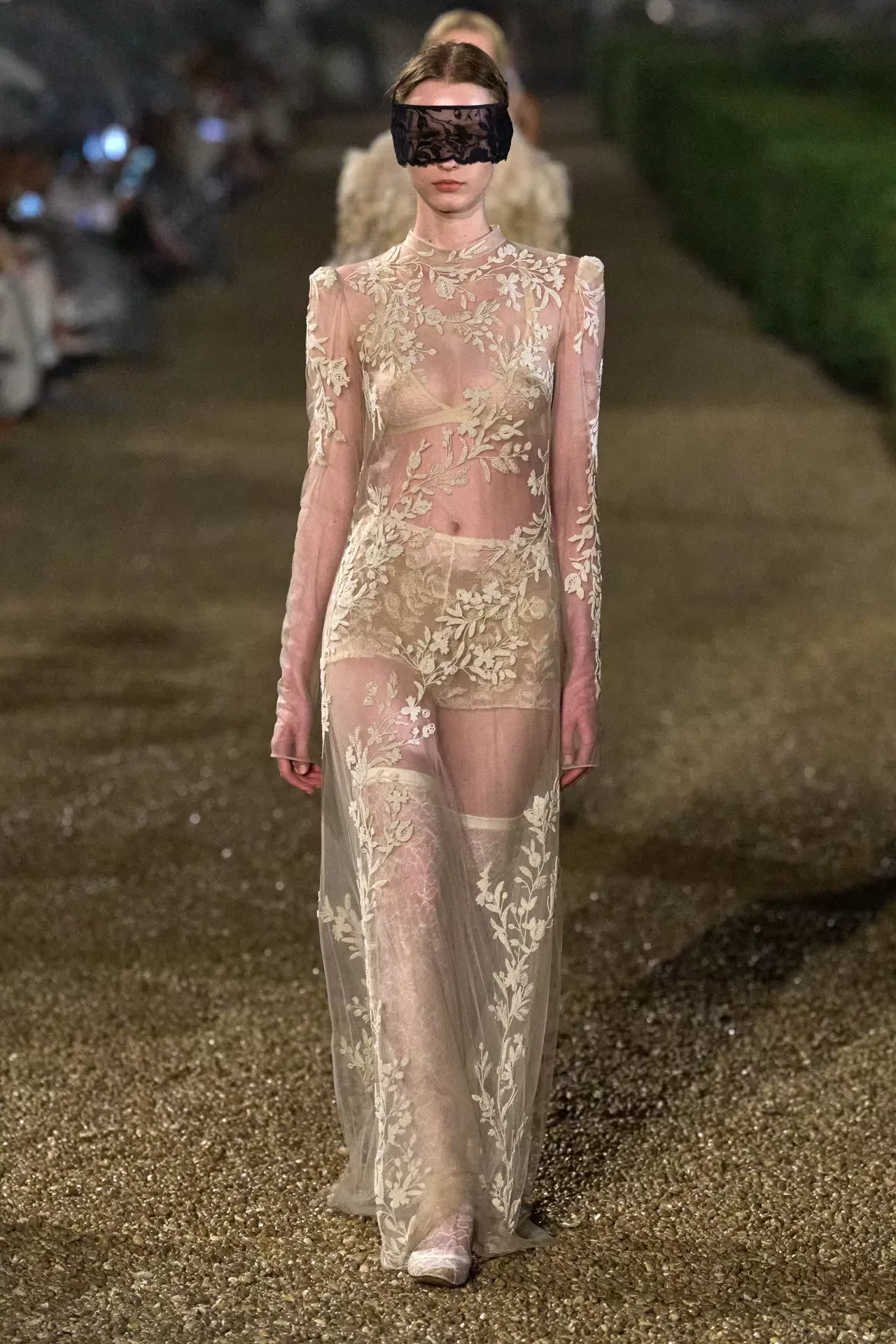
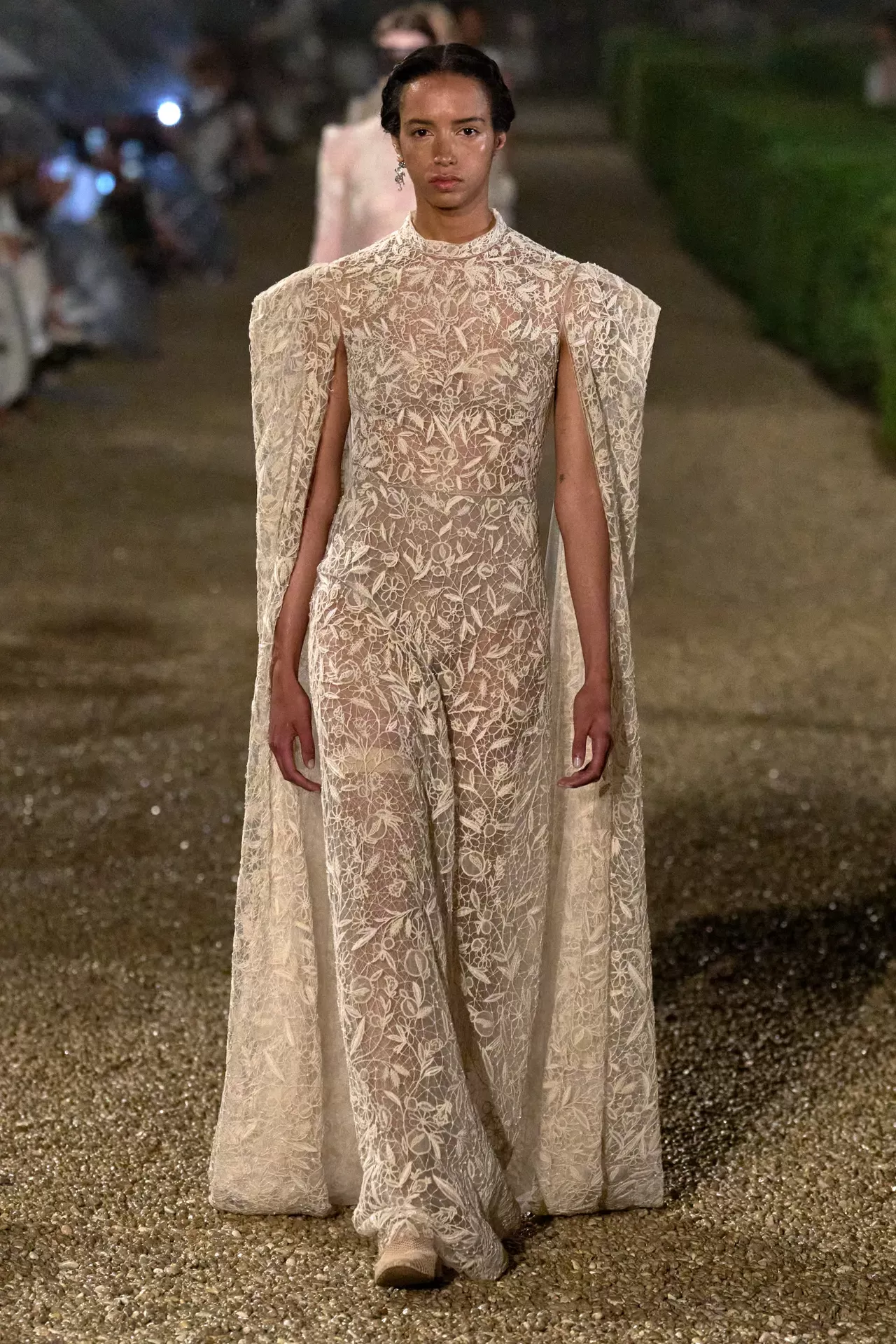
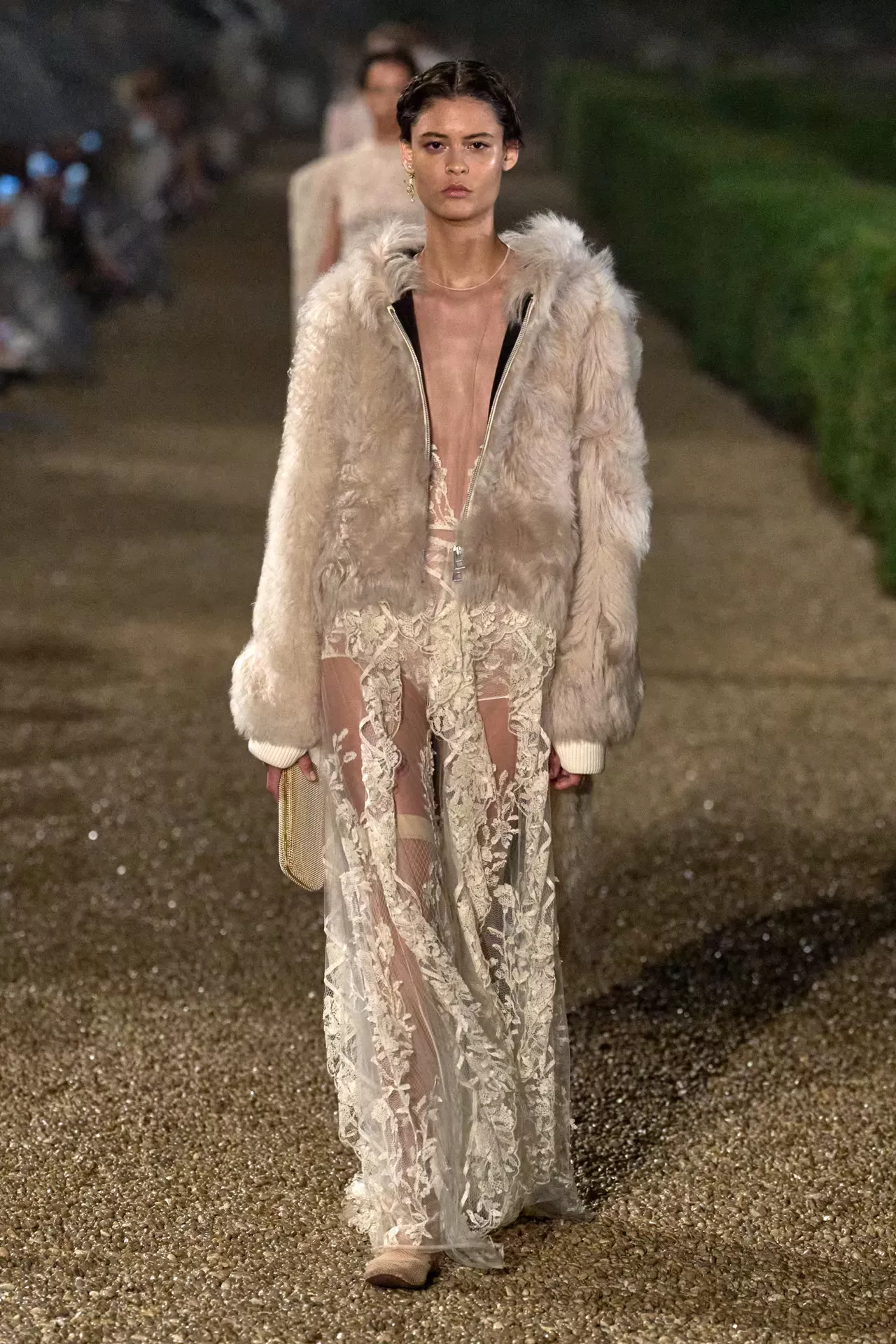
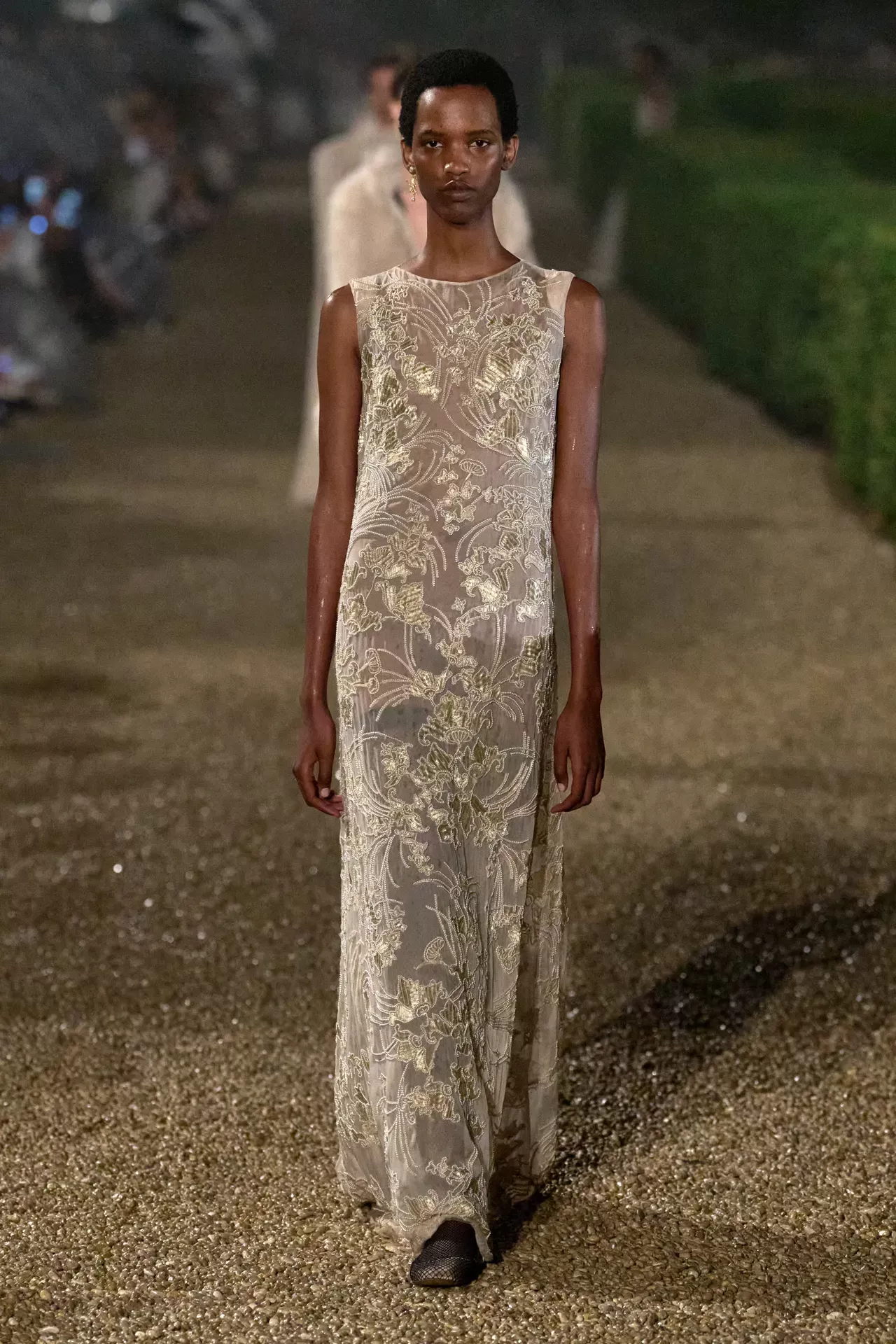
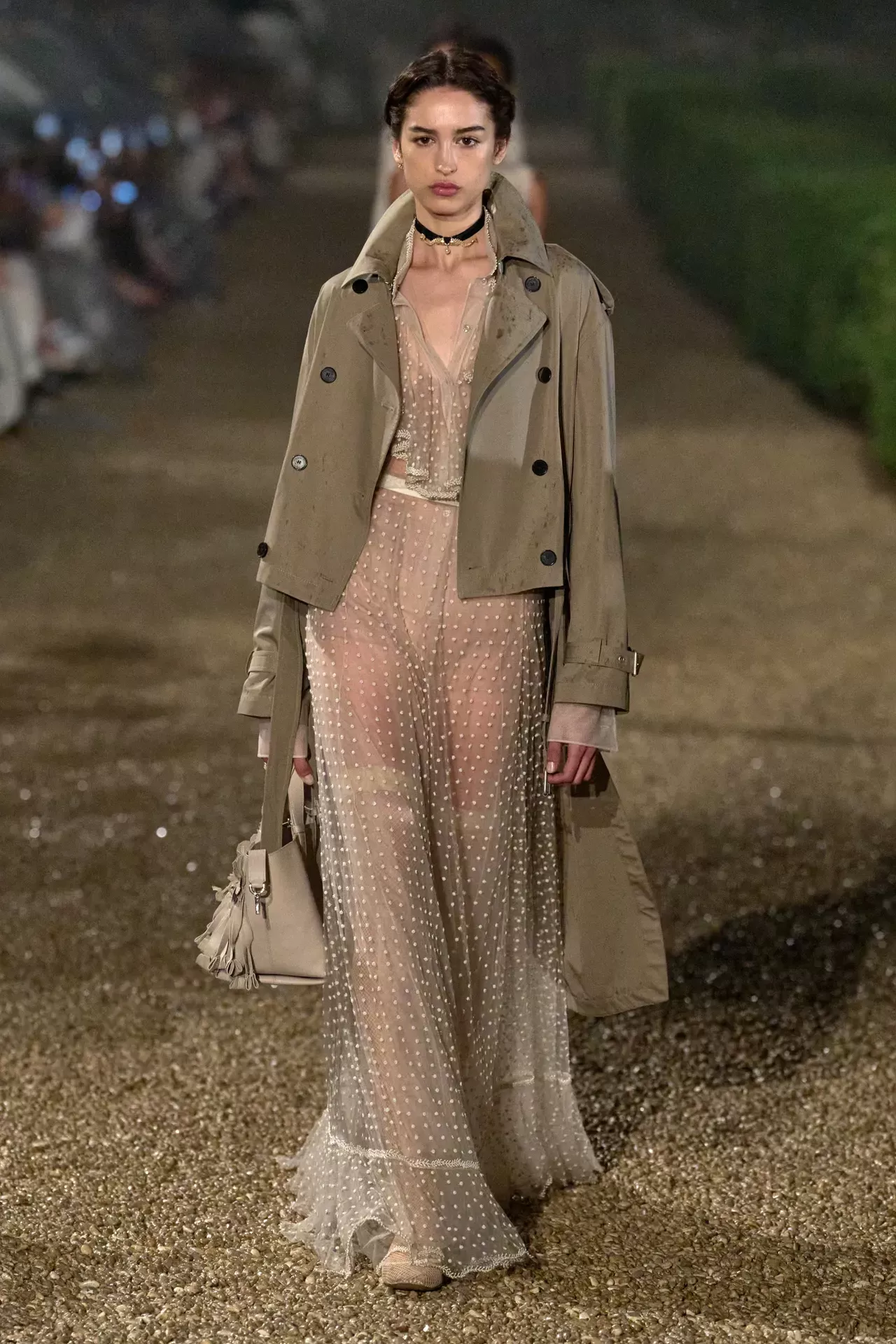
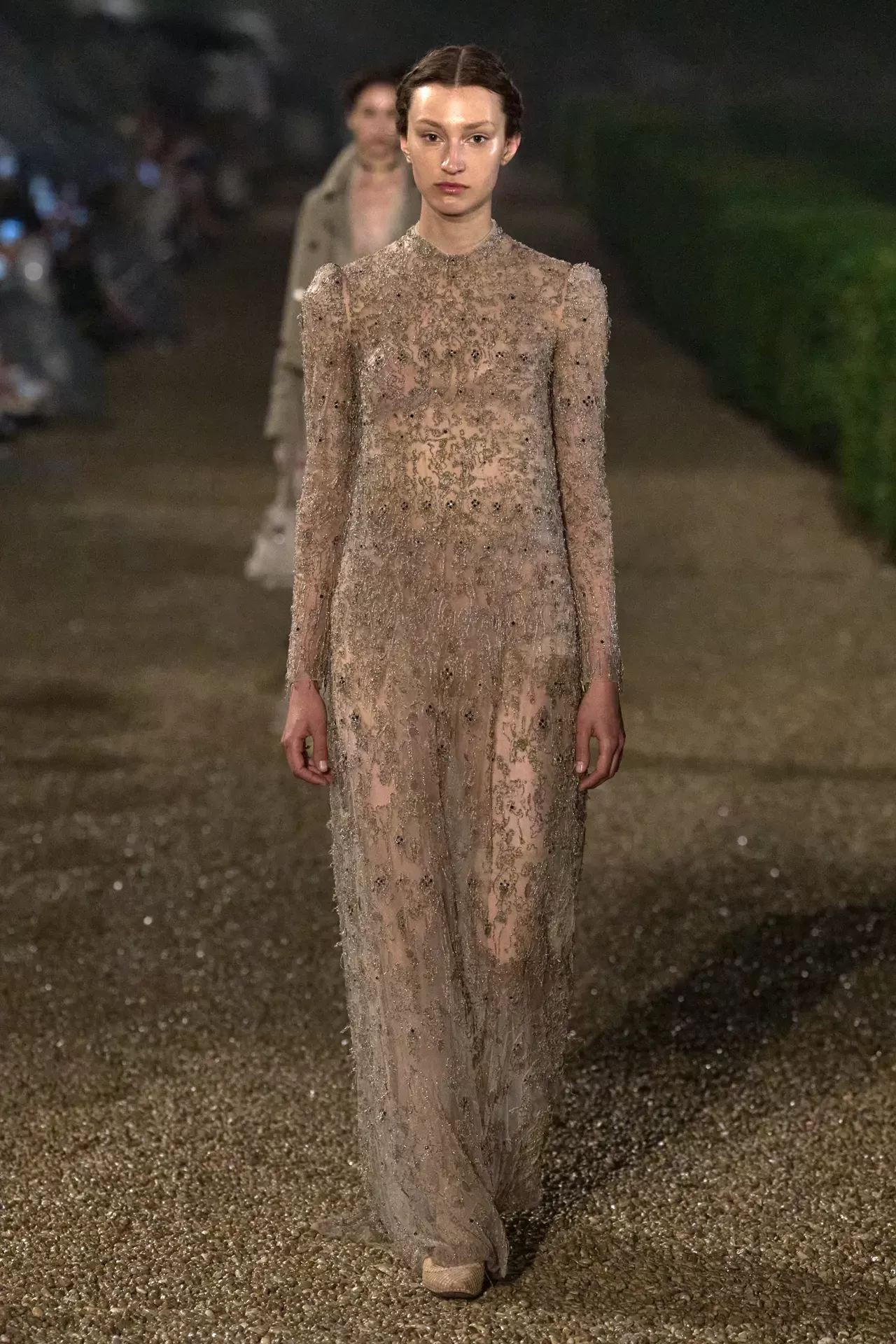
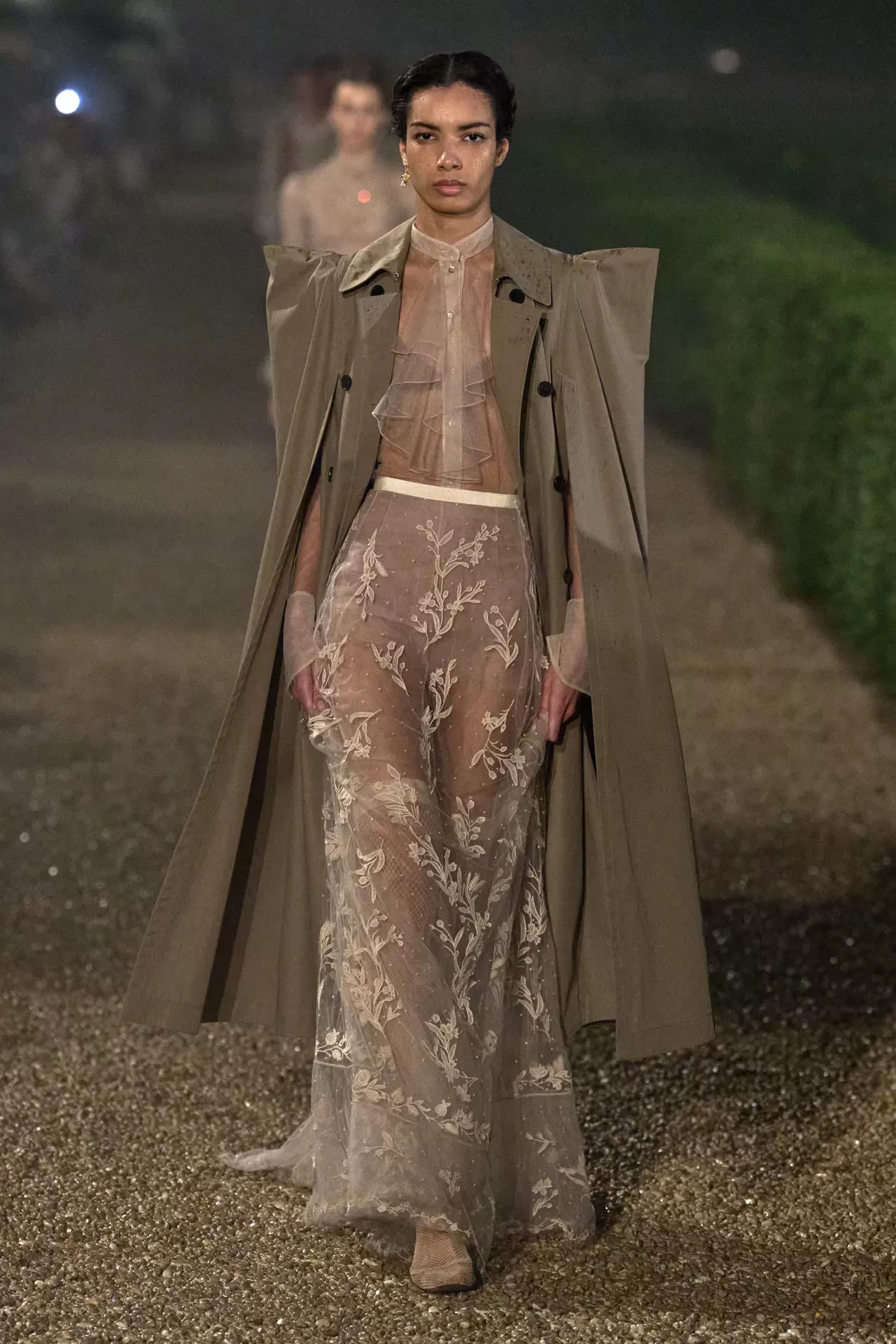
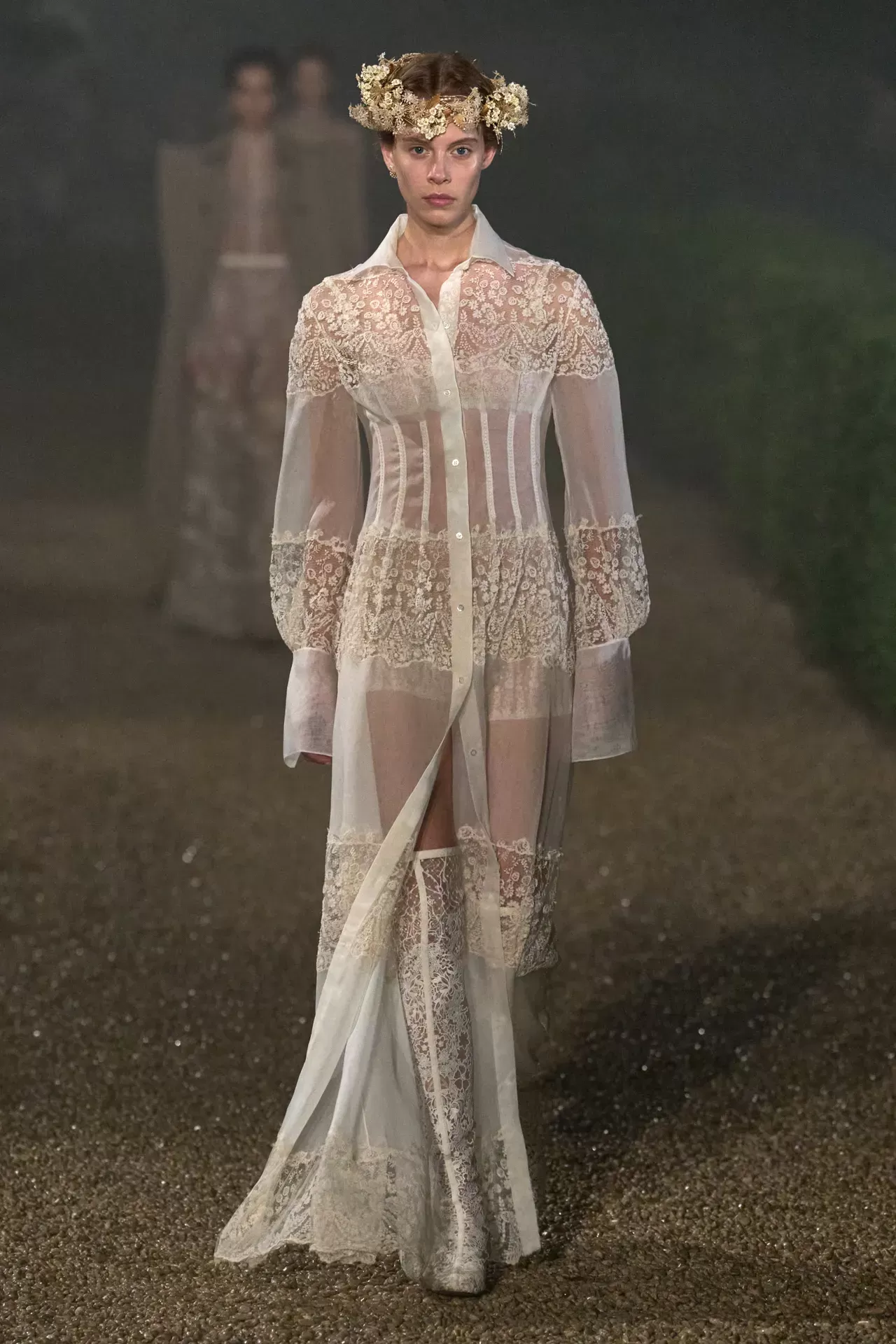
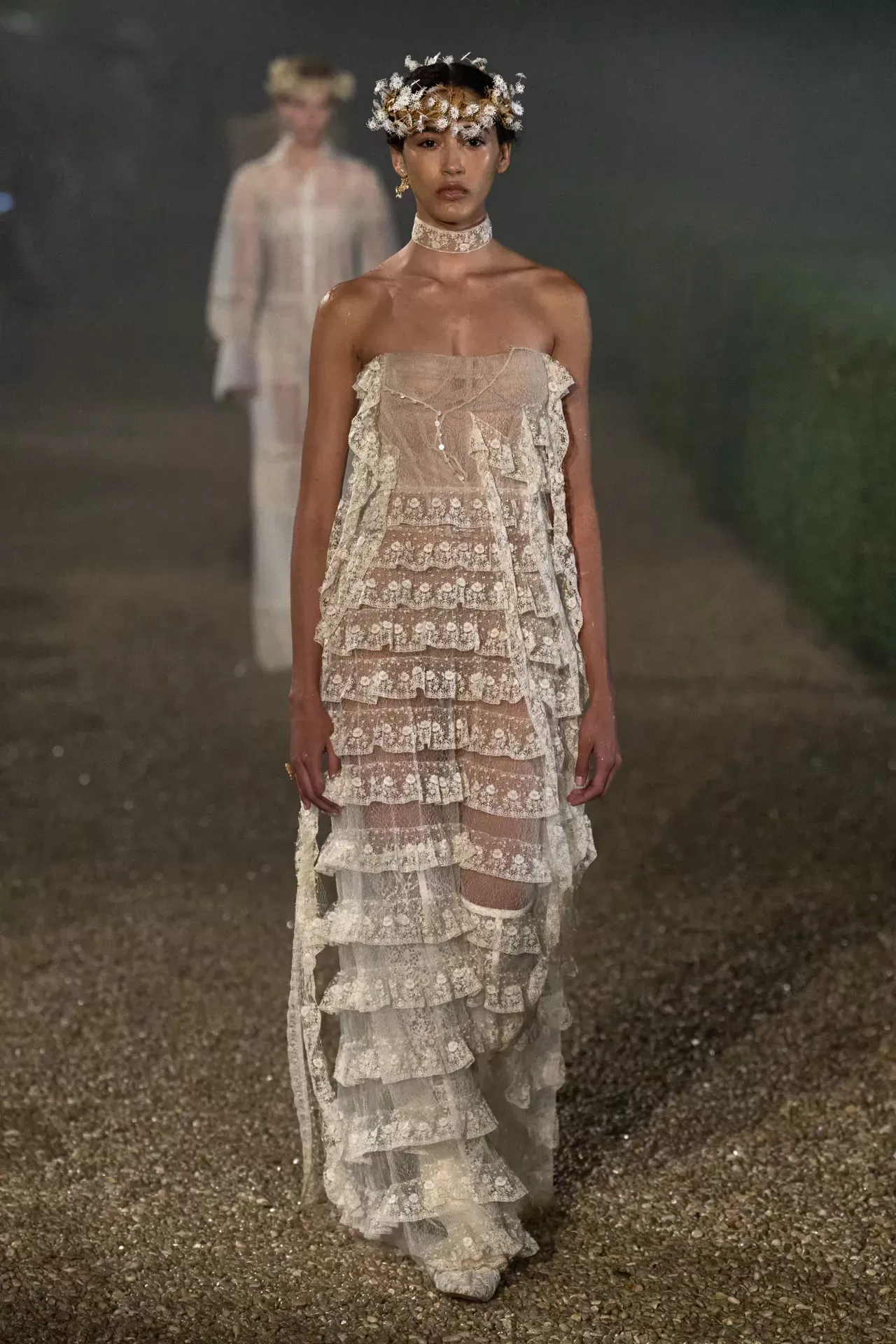
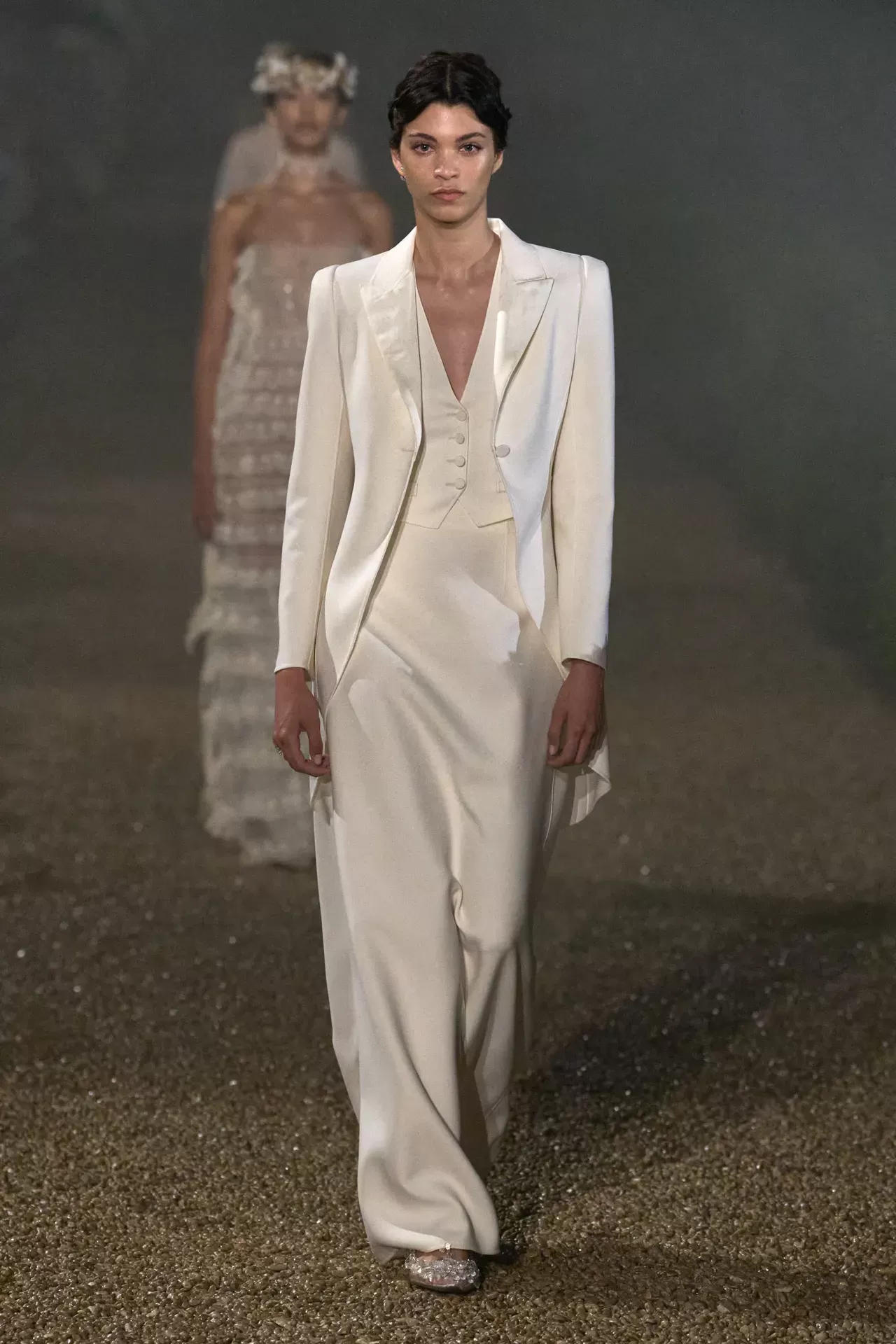
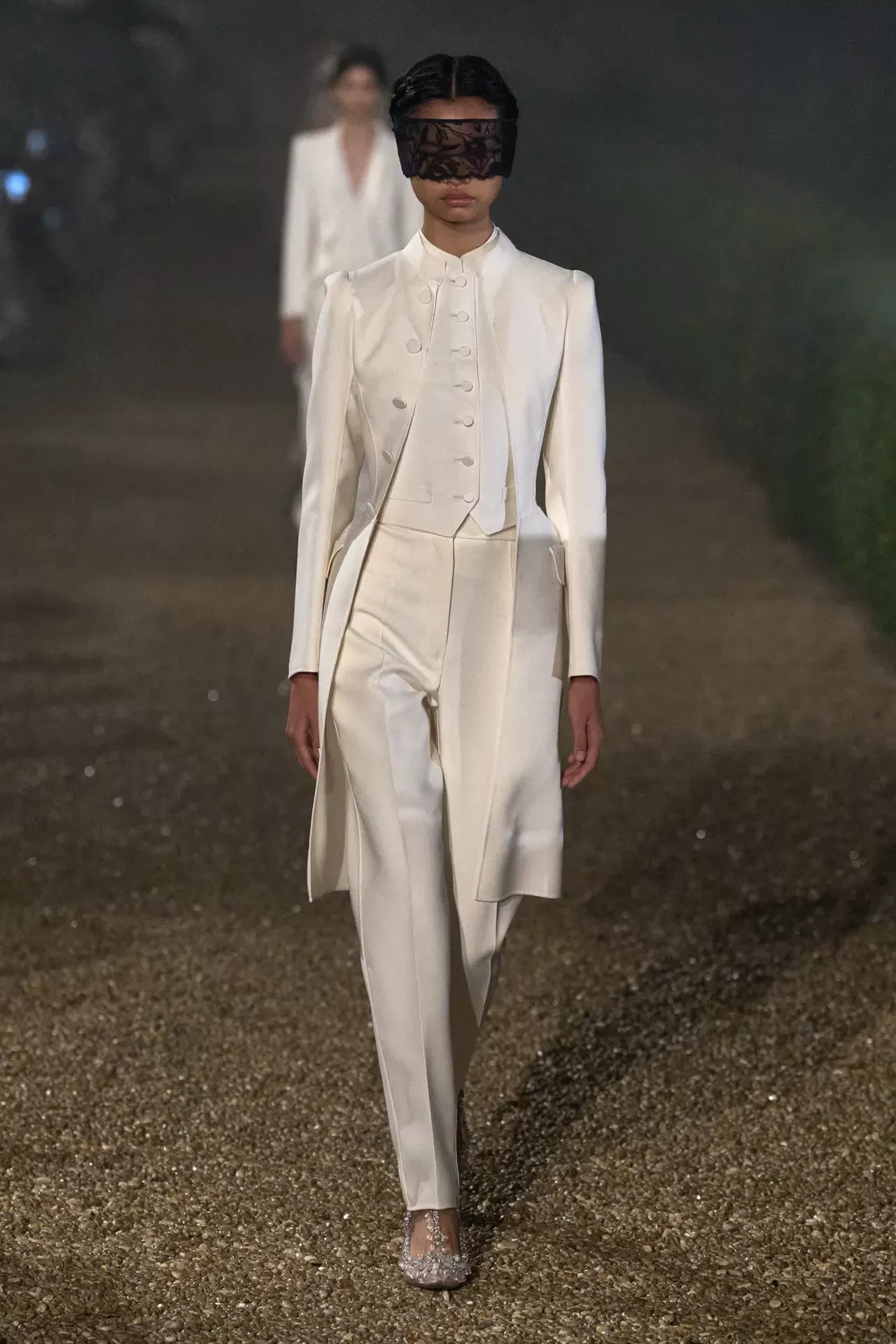
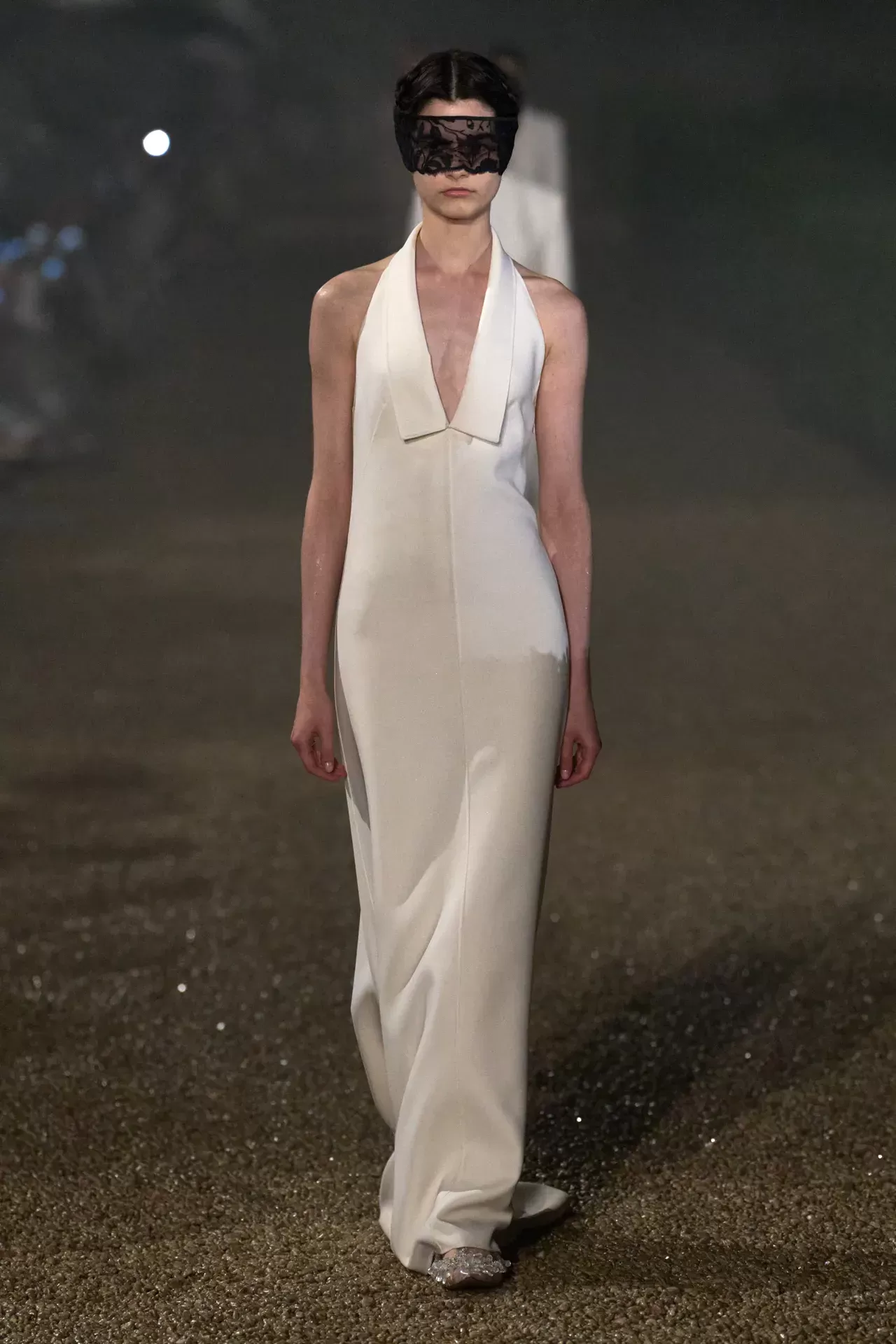
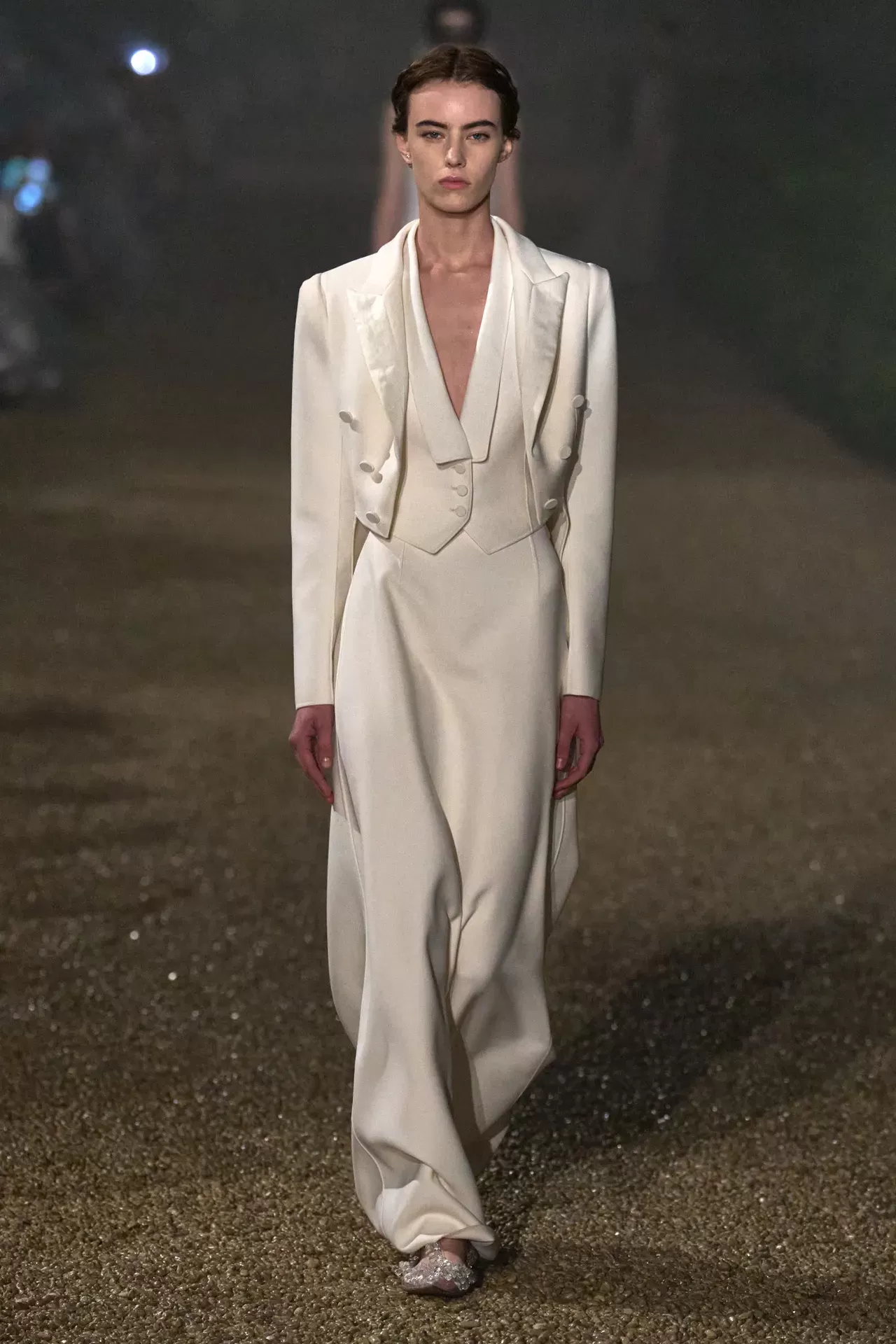
Even though the fairy-tale landscapes of Edinburgh inspire dreams, the ancient buildings of Athens provide the perfect setting for successful storytelling, and the warmth enclosed within the walls of Seville is ideal for hosting guests from all corners of the world to watch a parade, no distant destination, however idyllic, can surpass the comfort of one’s own home. Especially when that home is Rome, one of the most beautiful cities in Europe, if not the world. Maria Grazia Chiuri would not disagree: after taking the Maison Dior around the globe by presenting its cruise collections from Mexico to Scotland, the creative director of the French House chose for the presentation of her Cruise 2026 to play at home, by showing her show in her hometown: the Eternal City. It is indeed within the magical setting of the Villa Albani, an 18th-century neoclassical building whose doors are usually well guarded and almost always closed, that Dior held last night its very first white ball, unveiling a string of (almost) monochrome princesses.
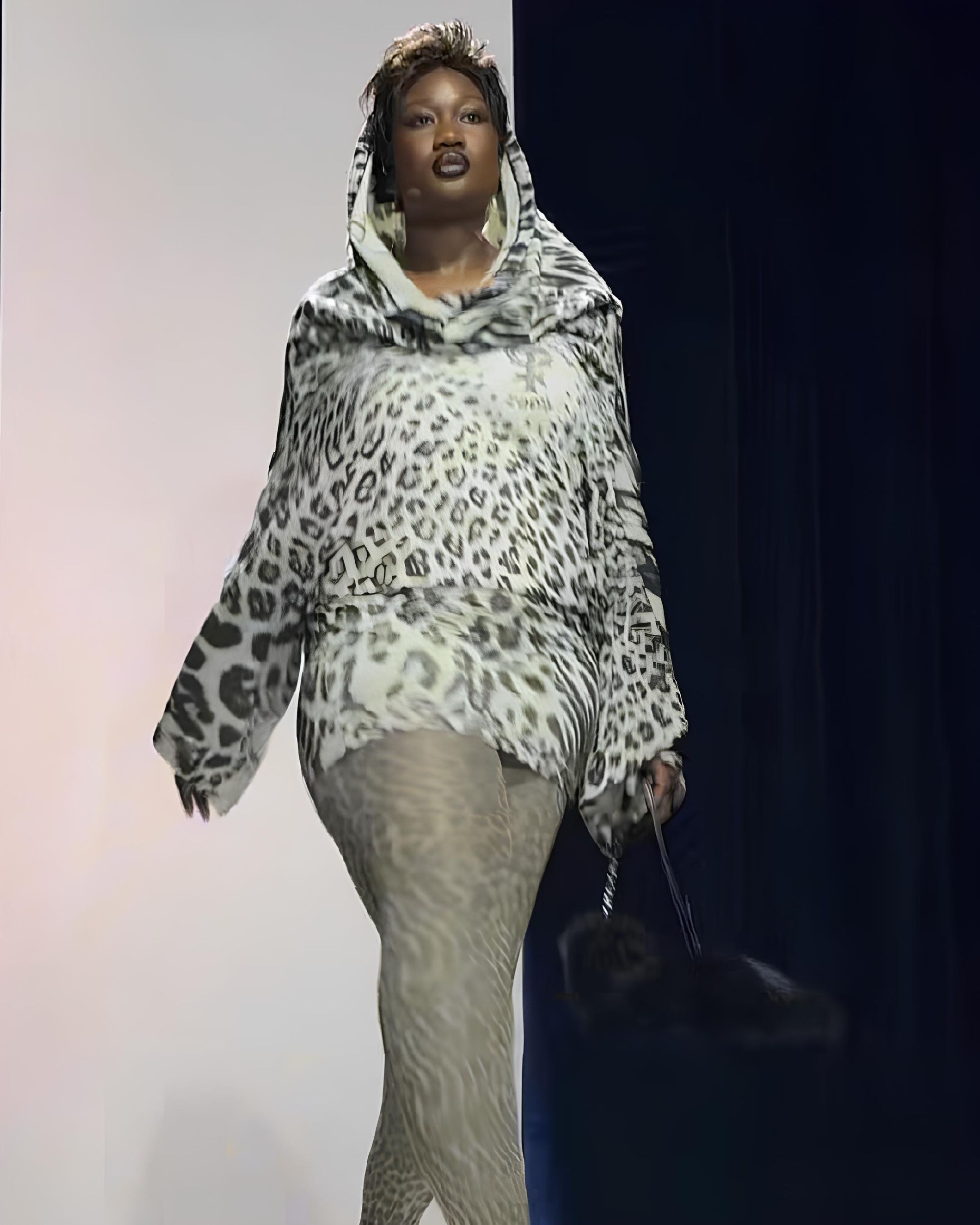
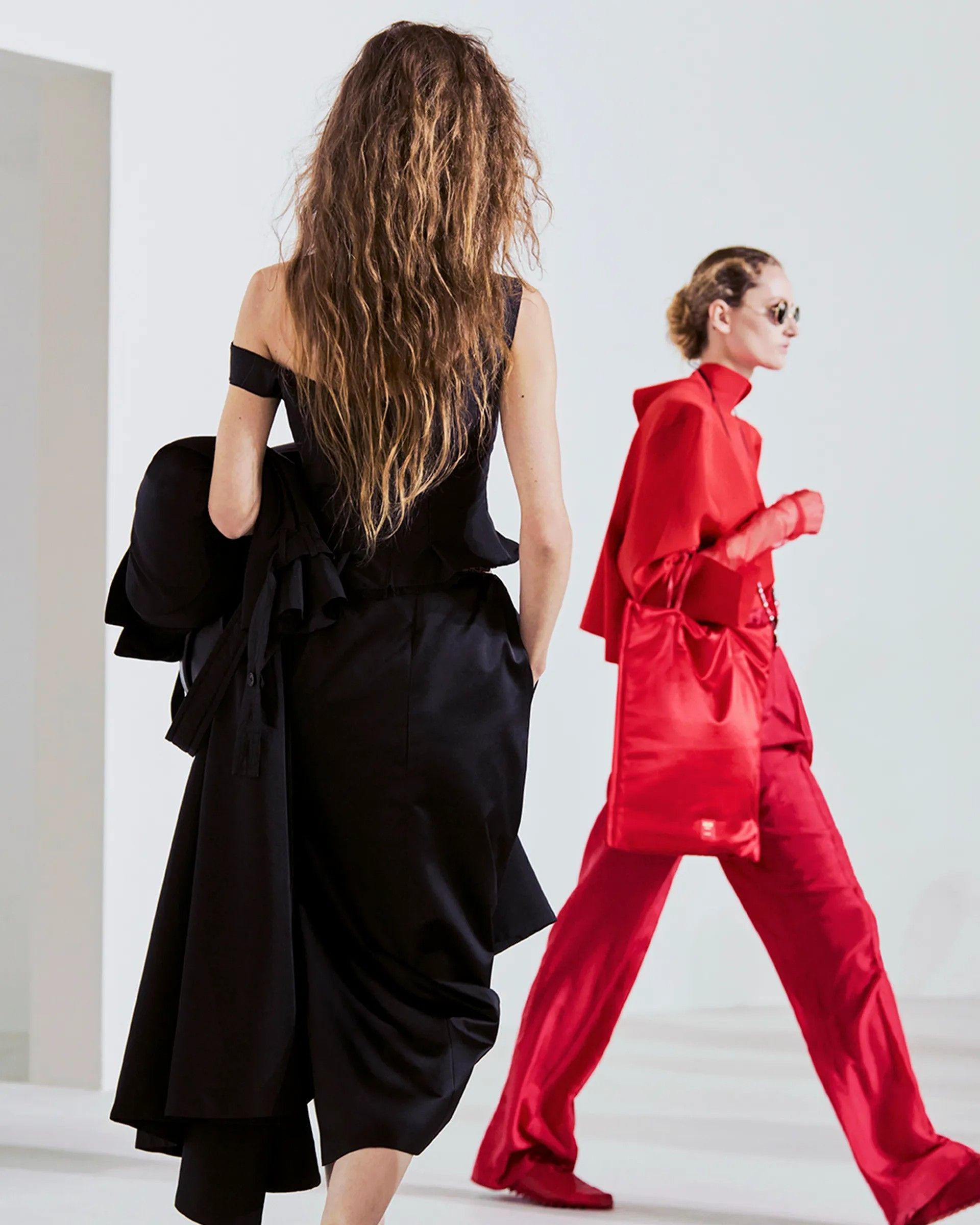
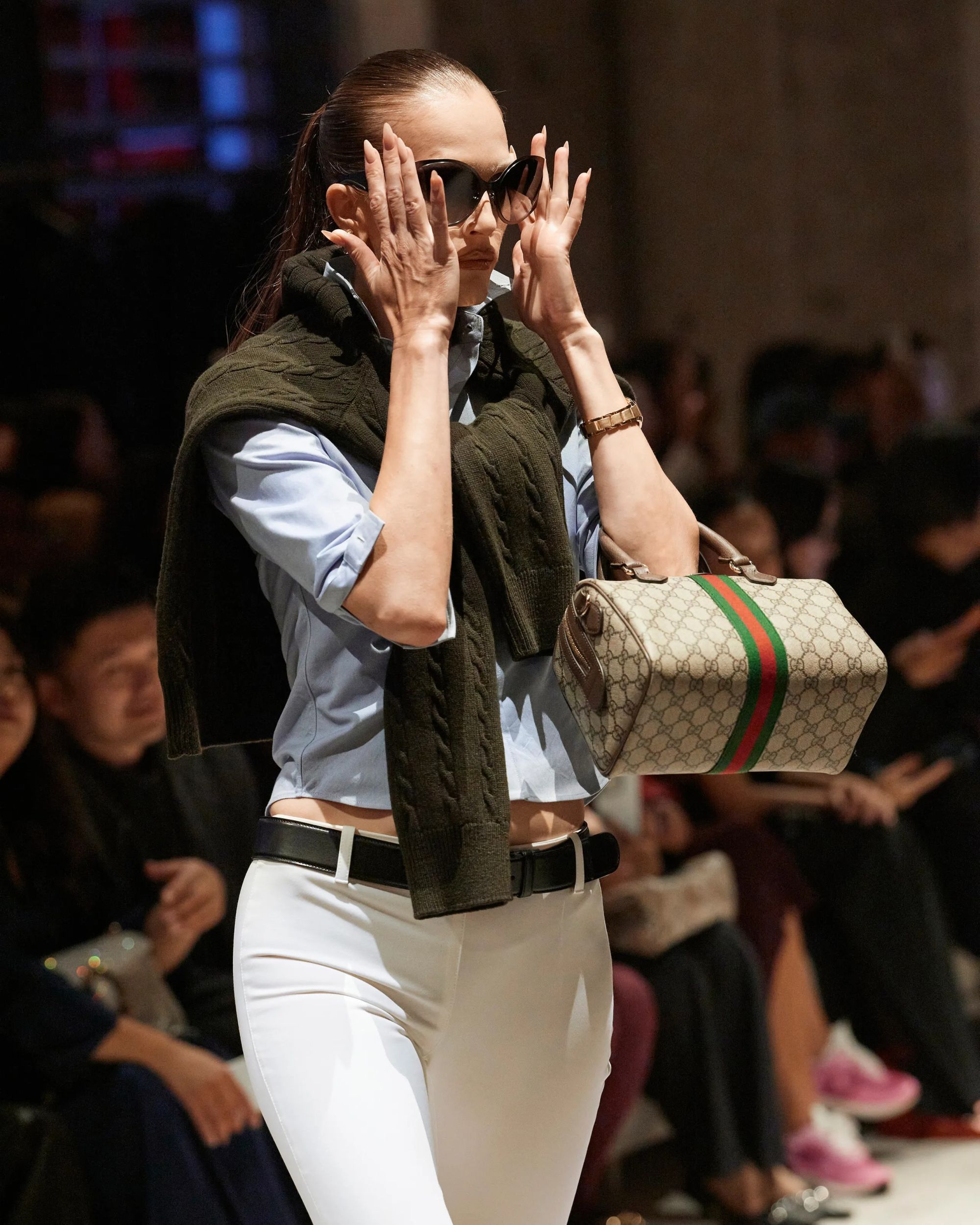
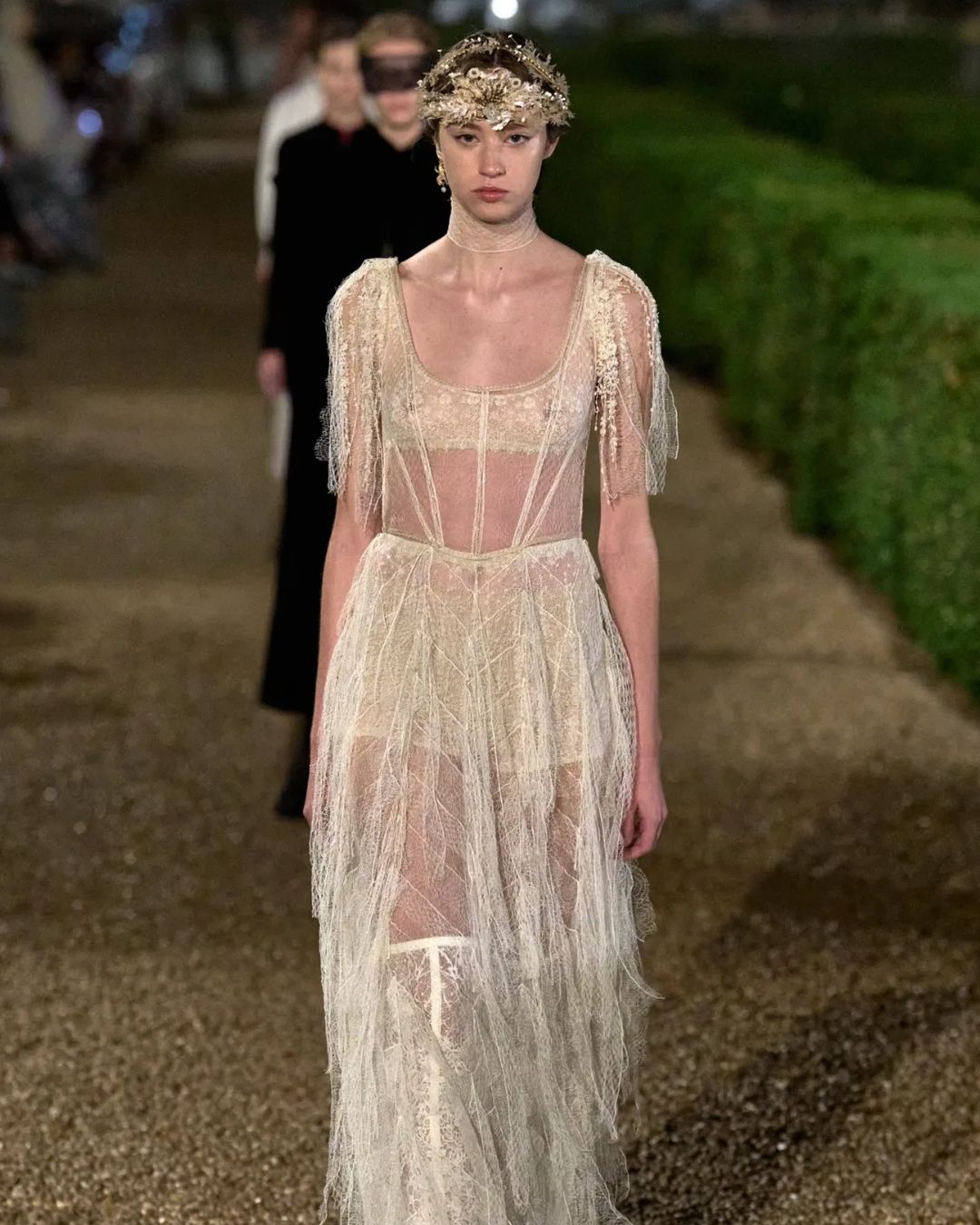
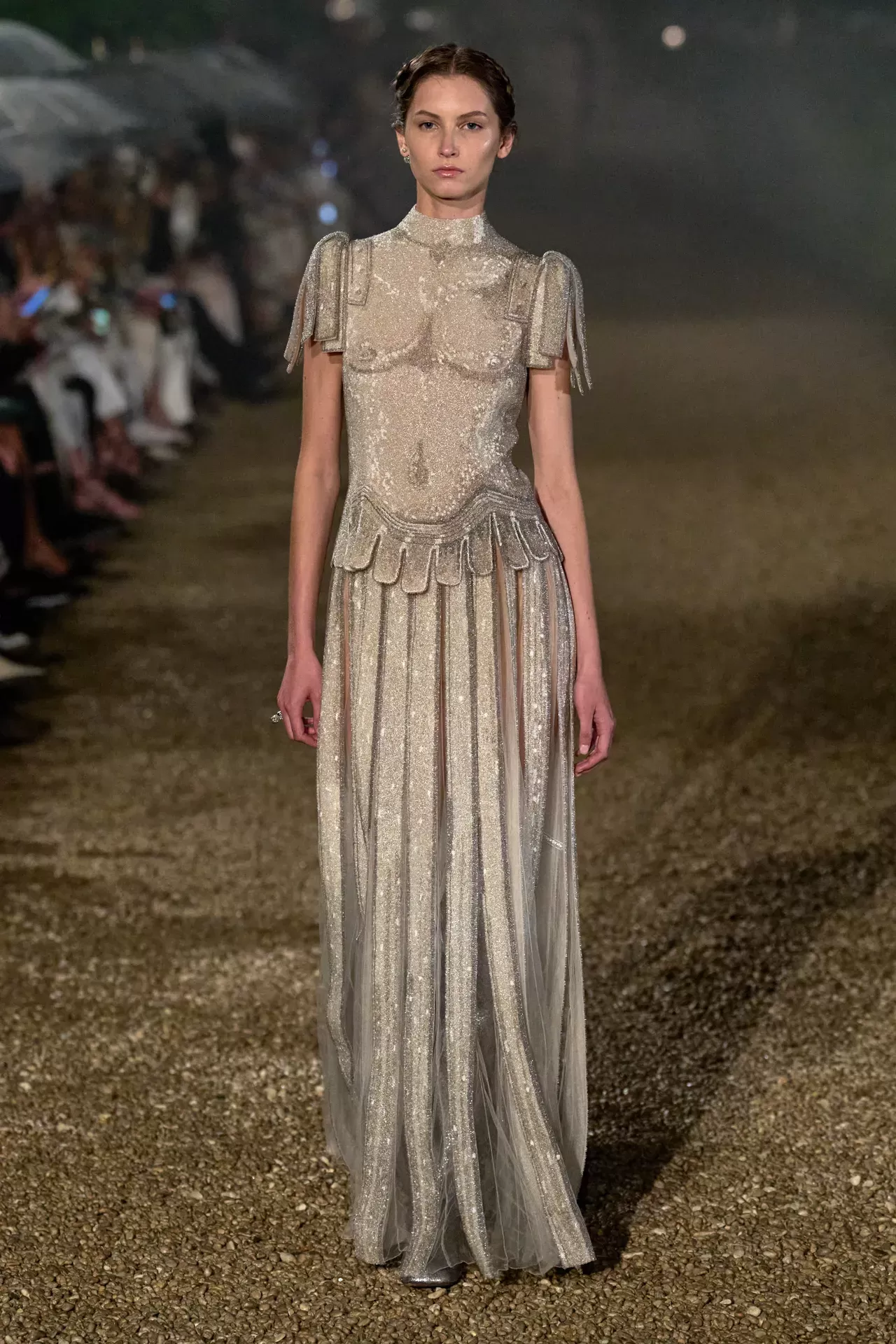
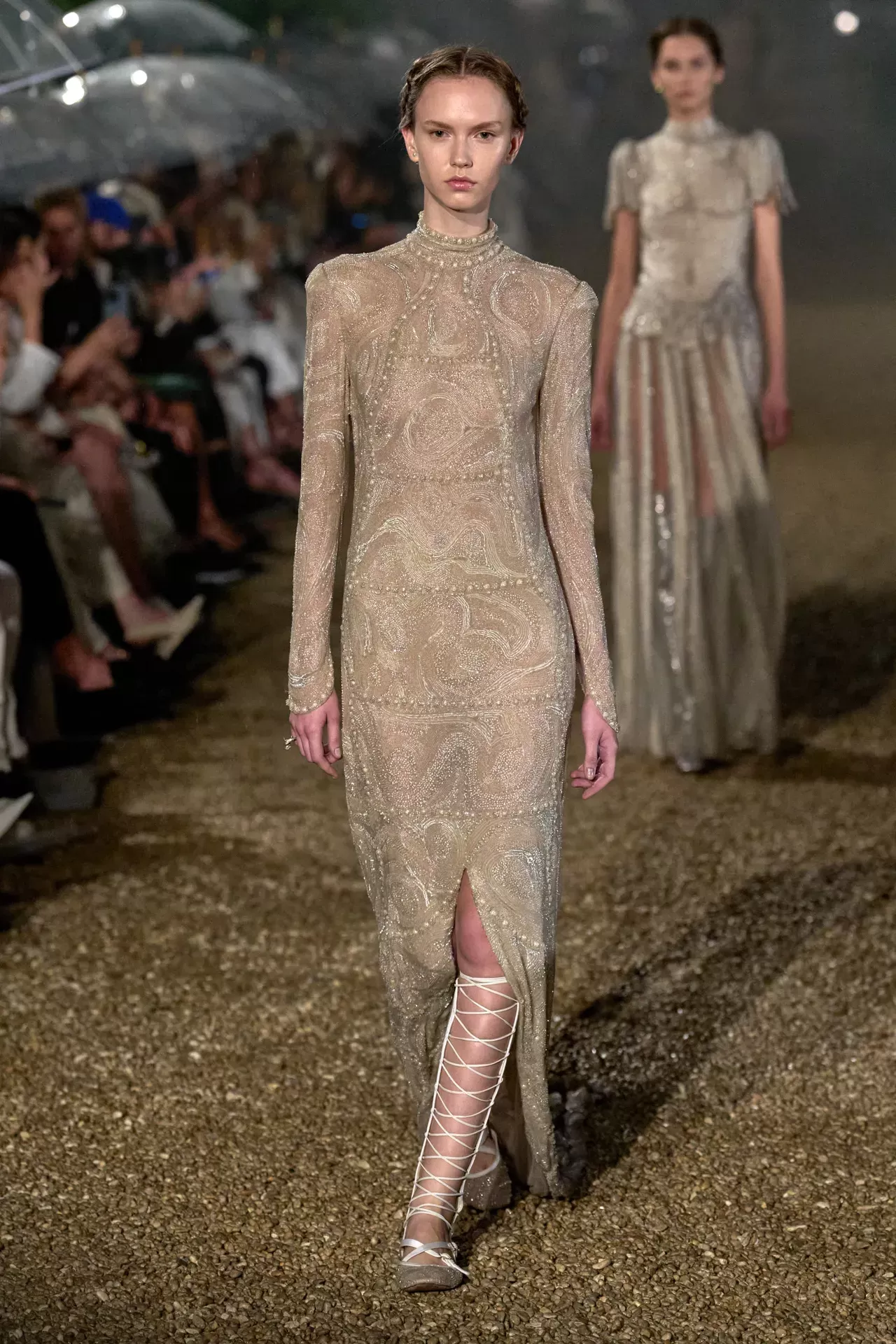
Among the eighty looks that followed one another yesterday to the slow and controlled rhythm of the local ballet dancers' steps, also dressed in white and outfitted by the costume designers of the Roman film Toricelli, 31 actually belonged to the Haute Couture collection of the House. Crafted in noble materials, ranging from shiny silk to transparent lace, this collection featured jackets sometimes short, sometimes tailcoats, seeming straight out of the wardrobes of the Belle Époque’s remarkable figures, long dresses sometimes transparent and sculpted with dazzling embroidery, sometimes adorned with ruffles, but also more modern leather trench coats and jackets, all taking us on a journey through several eras, both distant and yet so close. Besides dresses reminiscent of a less voluminous yet equally structured version of the panniers from the era of Marie Antoinette, some outfits, notably look number 50, strangely evoke the much-controversial Queen’s Shirt, which shocked the French population at the time, scandalized to see a sovereign depicted in "undress".
The collection is indeed inspired by the famous “White Ball,” the first major ball with a monochrome dress code, held in Paris in 1930 by Mimi Pecci-Blunt, a Roman aristocrat and collector, former owner of the Teatro della Cometa in Rome, currently renovated by Maria Grazia Chiuri herself. It is therefore around this Roman figure, her grand ball, and her achievements that this Cruise 26 revolves, indirectly paying tribute to the Belle Époque in which she was born and raised. “She worked during the Second World War. It was a terrible time, and she was obsessed — at least — with organizing concerts, theatrical performances, and art exhibitions. Mr. Dior also had a gallery in Paris during this period,” explains Maria Grazia Chiuri. “They had hope in their hearts for the future. I think that’s what art is: it gives hope for the future,” she continues. Hope, indeed, is what one feels when looking at the eighty looks of this collection, much less dramatic and incomprehensible than the previous creations of the Roman artistic director. Although her future at Dior is not yet confirmed — rumors even suggest she might join Fendi, a rumor strengthened by the presence yesterday at the show of Silvia Venturini Fendi — Maria Grazia Chiuri signs with this show a return to roots that feels good, and which was certainly to our liking.
What to read next
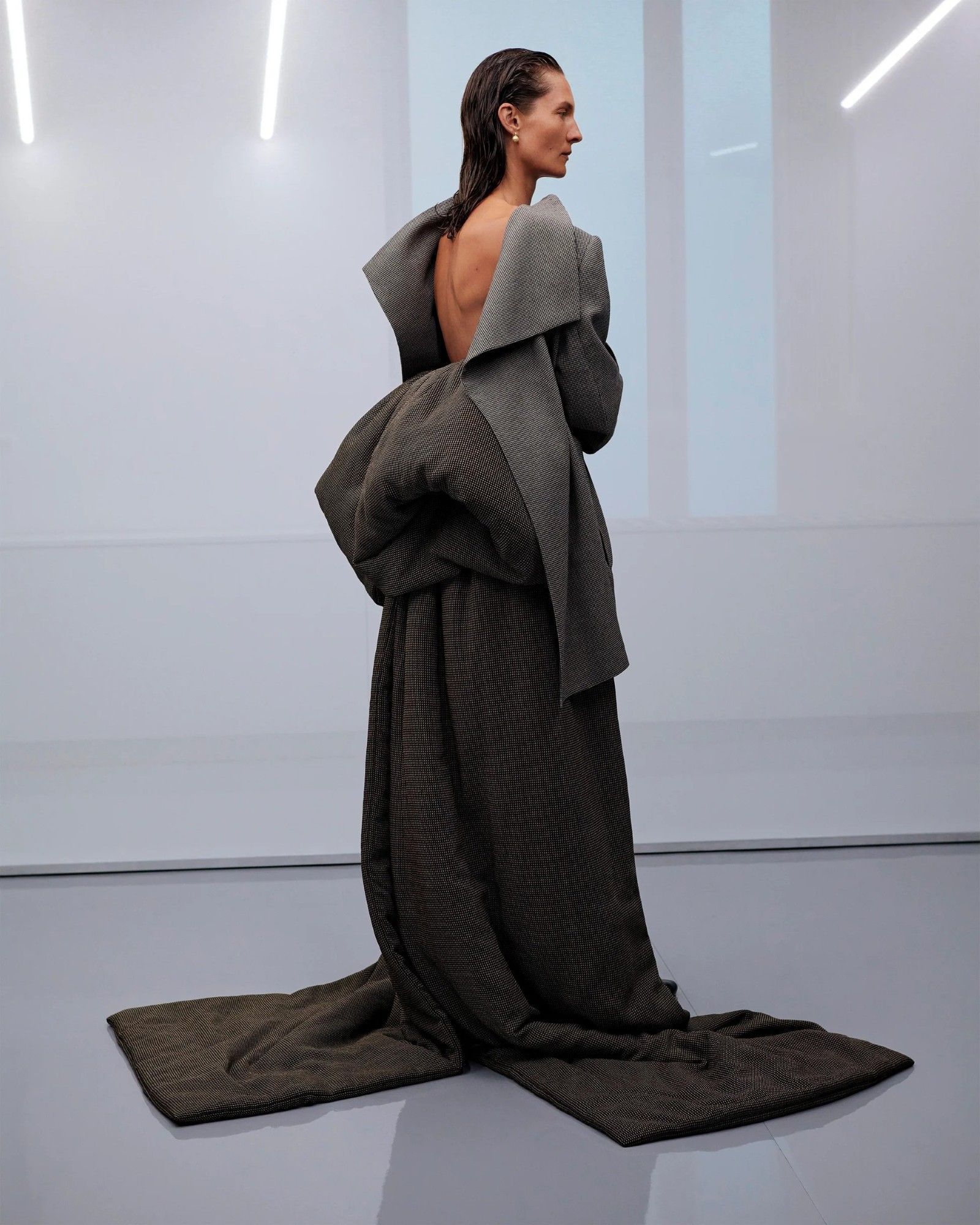
Now Phoebe Philo Wants You to Dress Avant-Garde
With Collection F, the designer plays with silhouettes in an entirely new way
LVMH's fashion division keeps getting worse
Third-quarter results showed a -5% decline driven by the Chinese market
5 key trends from Paris Fashion Week SS27 Women's
What we'll be wearing next summer, according to the fashion of the Ville Lumière