




















Conservatism killed the office siren Alongside the recession
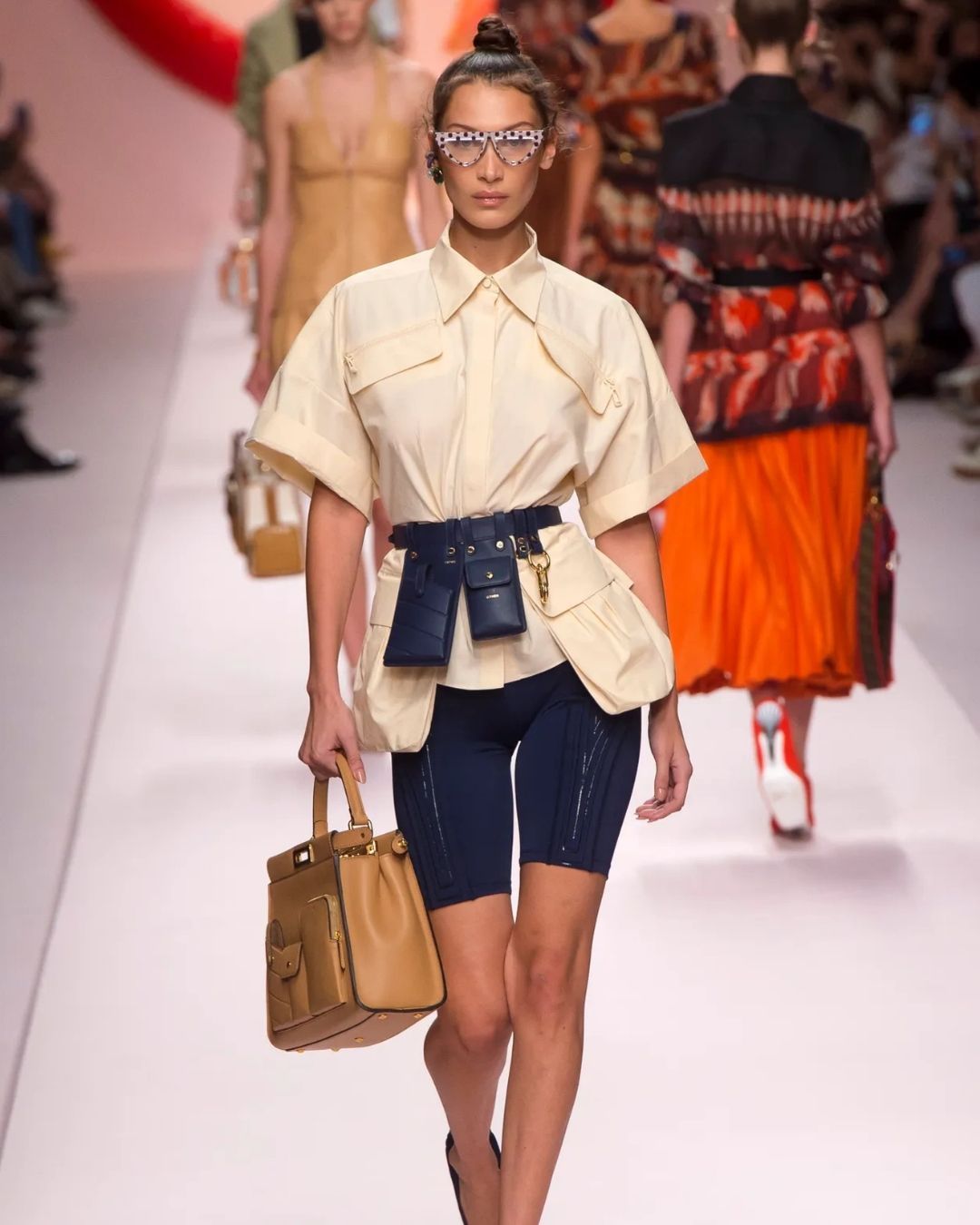
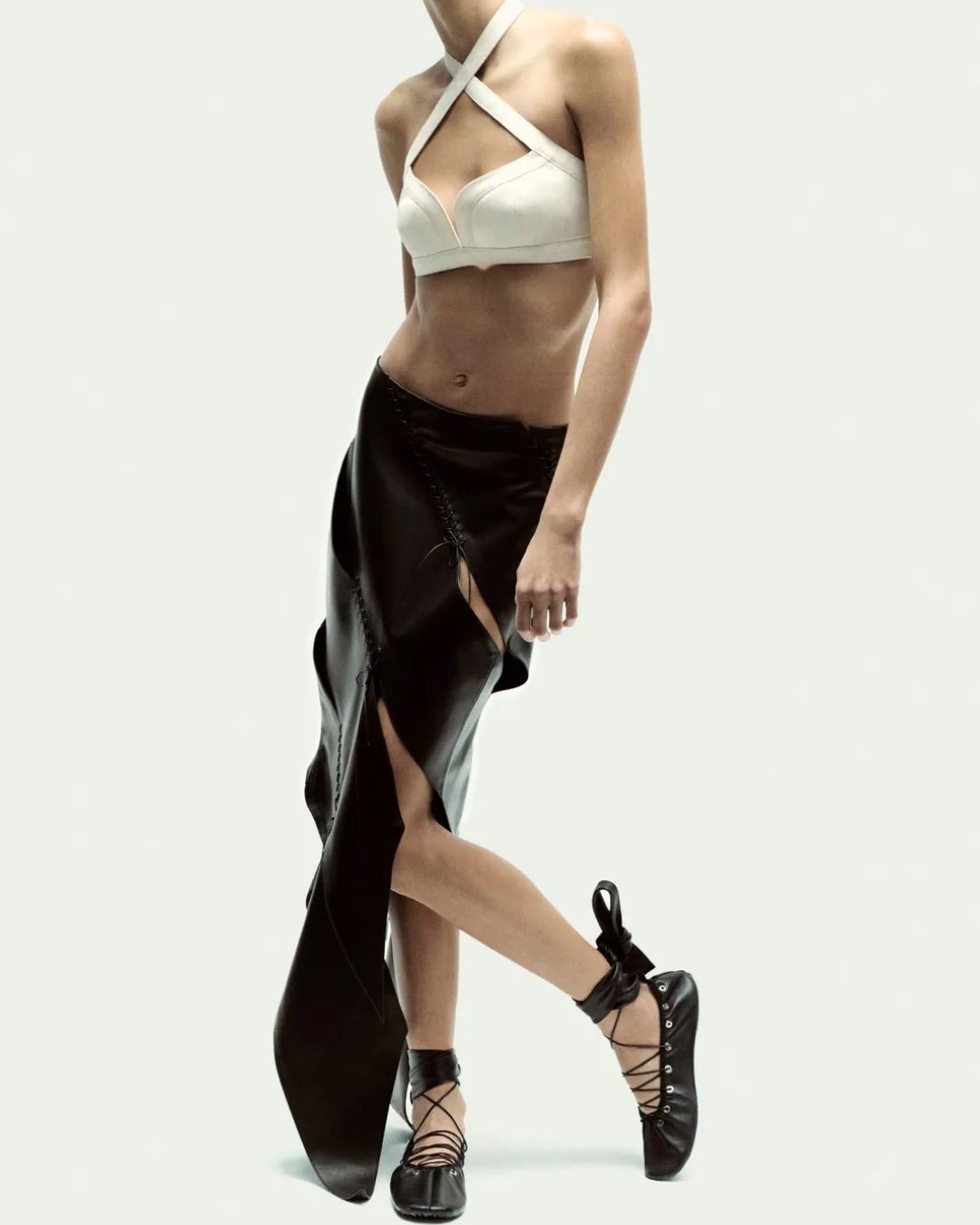
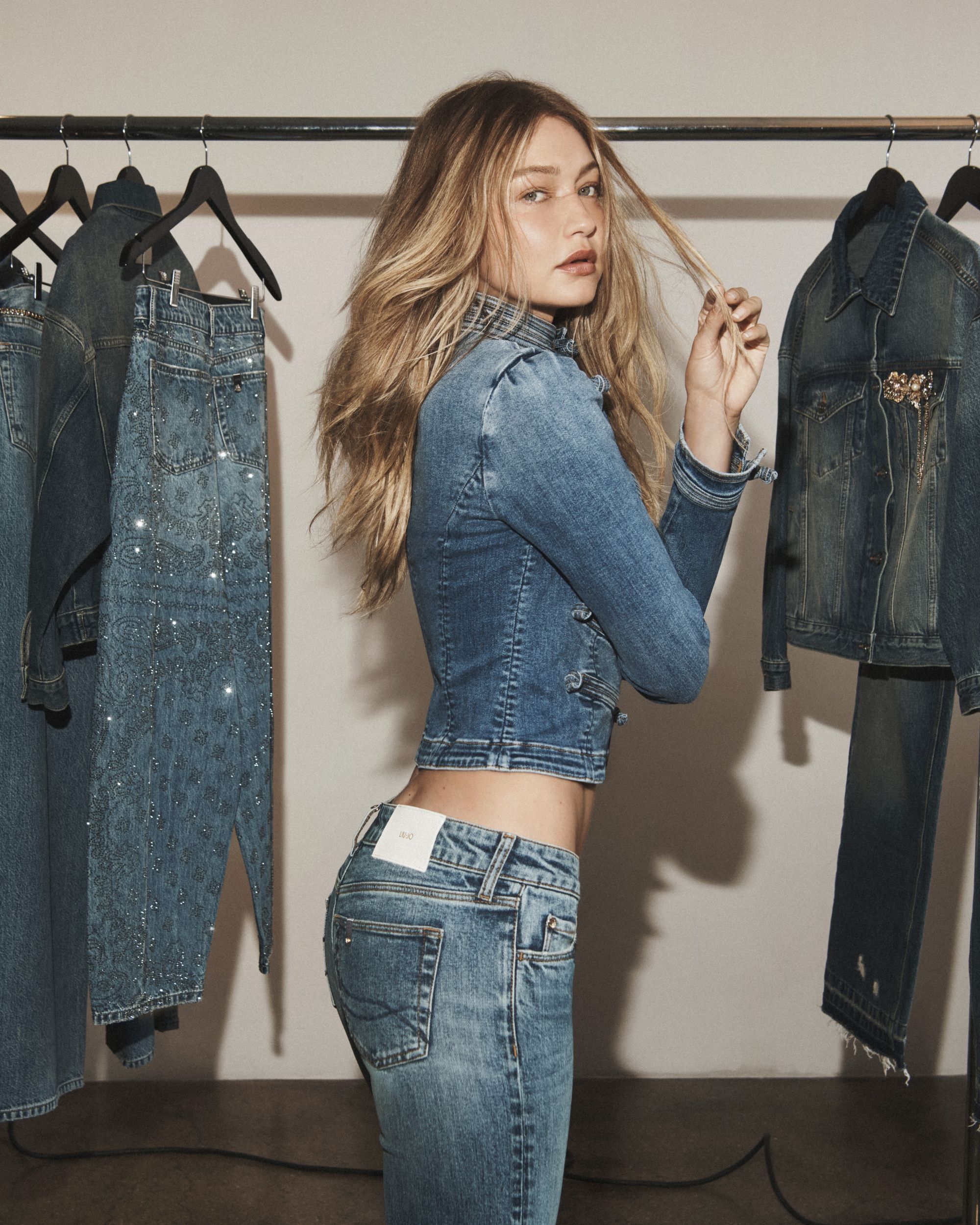
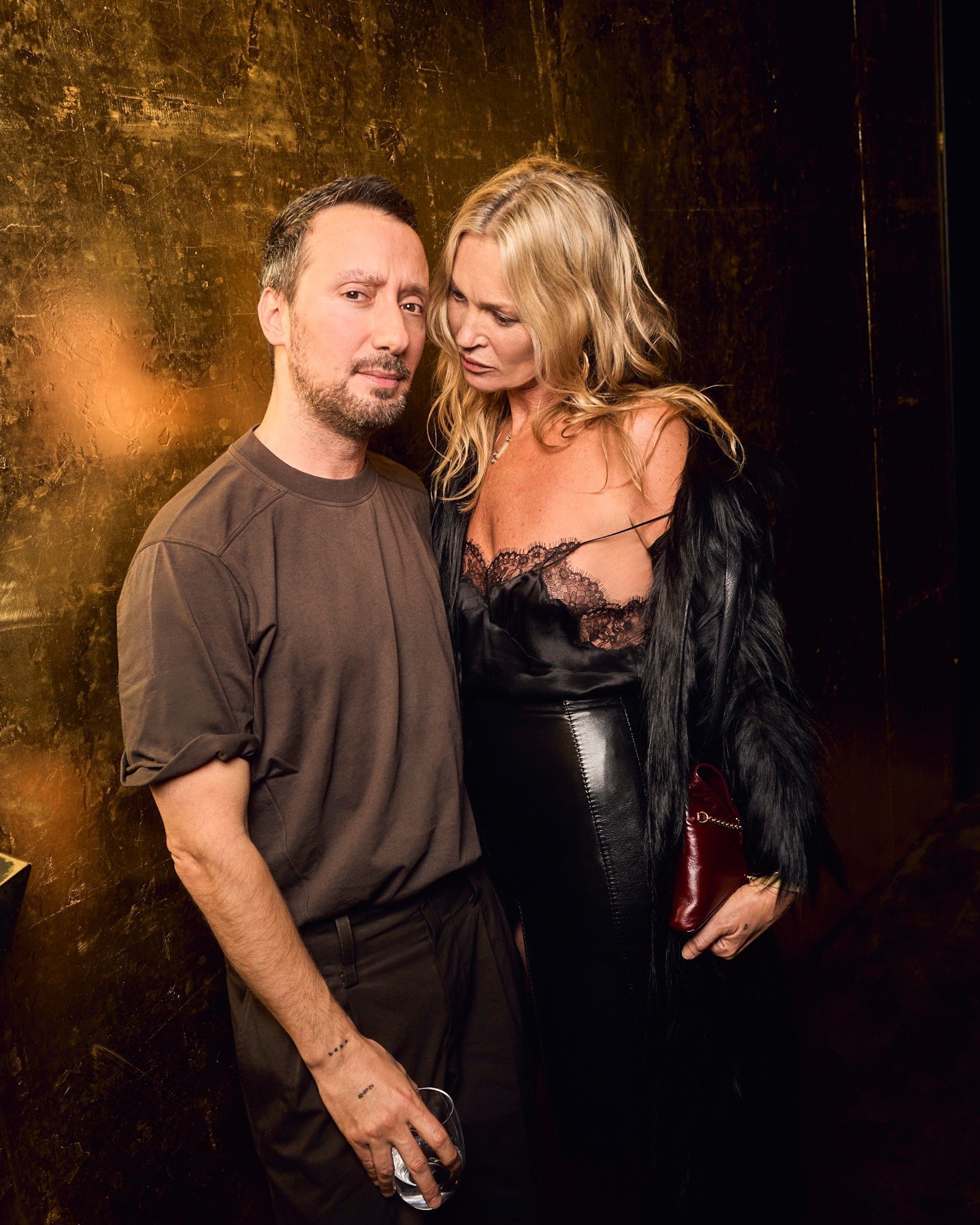
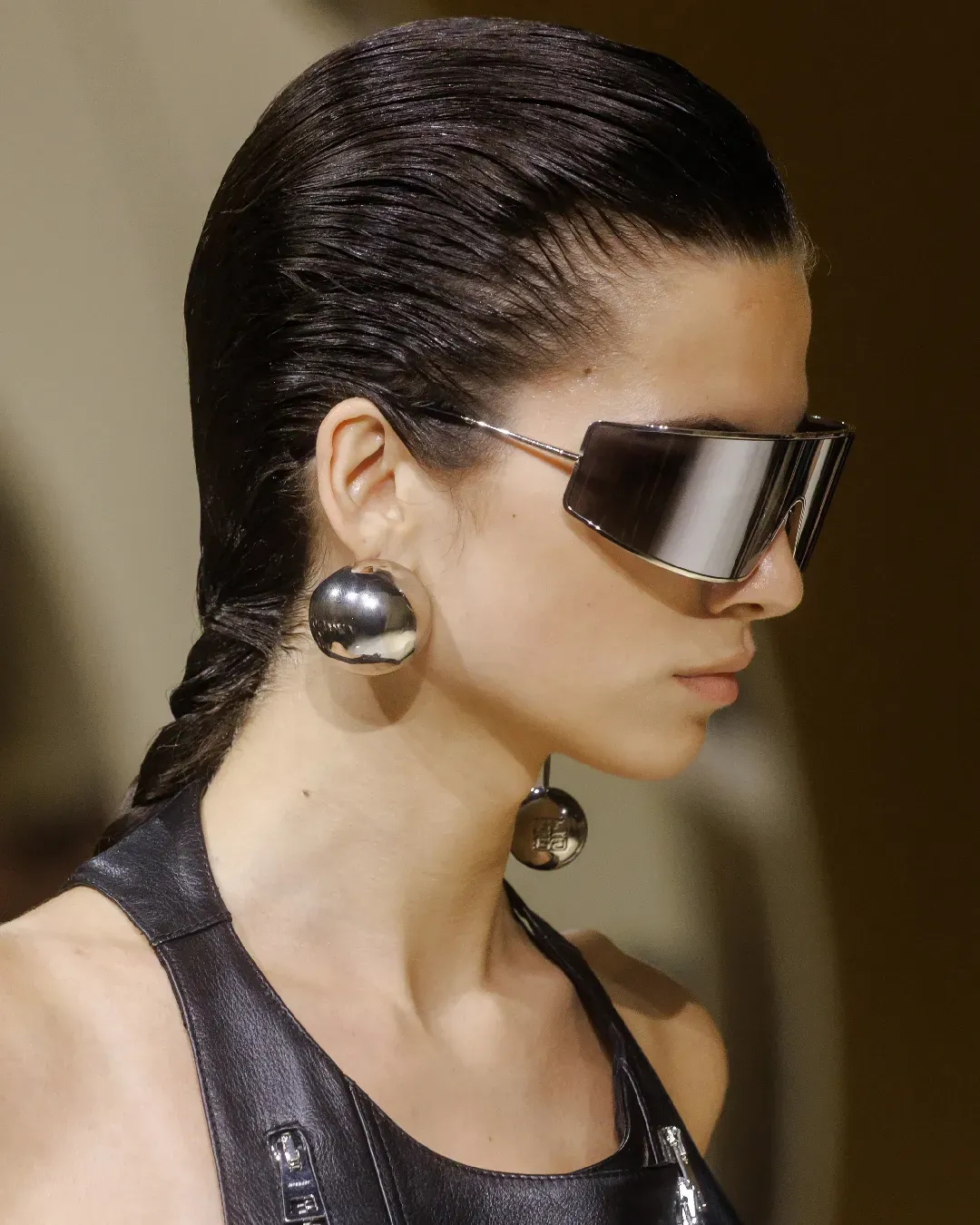
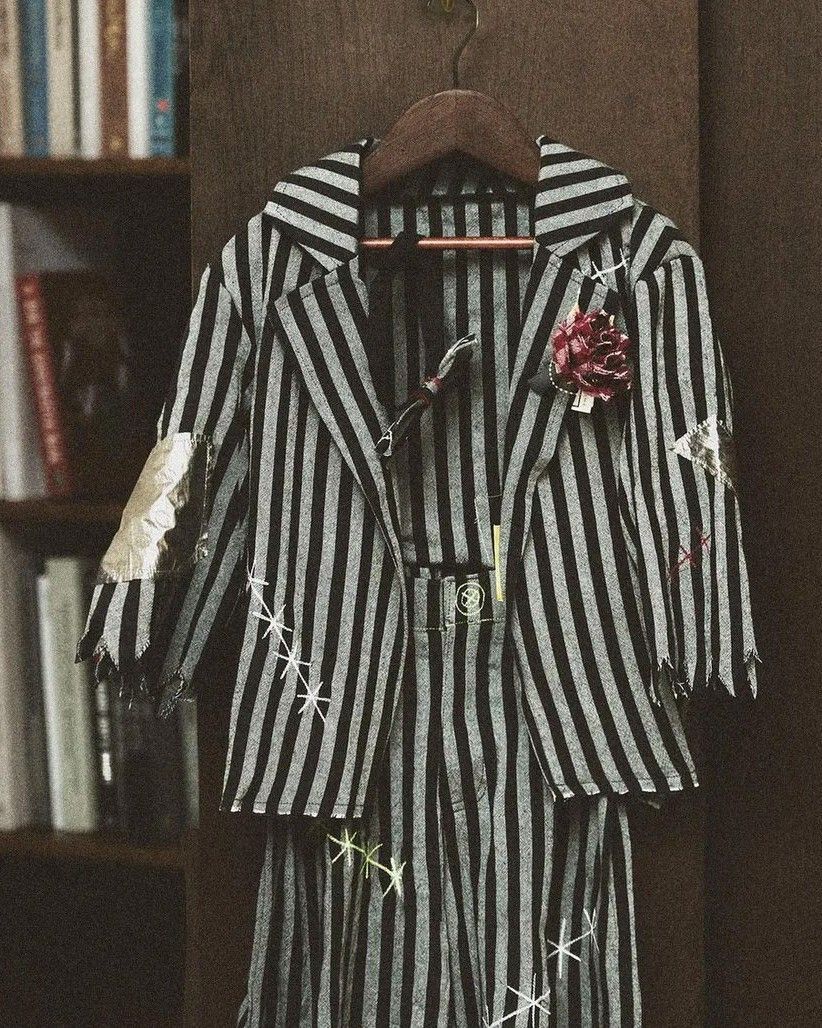
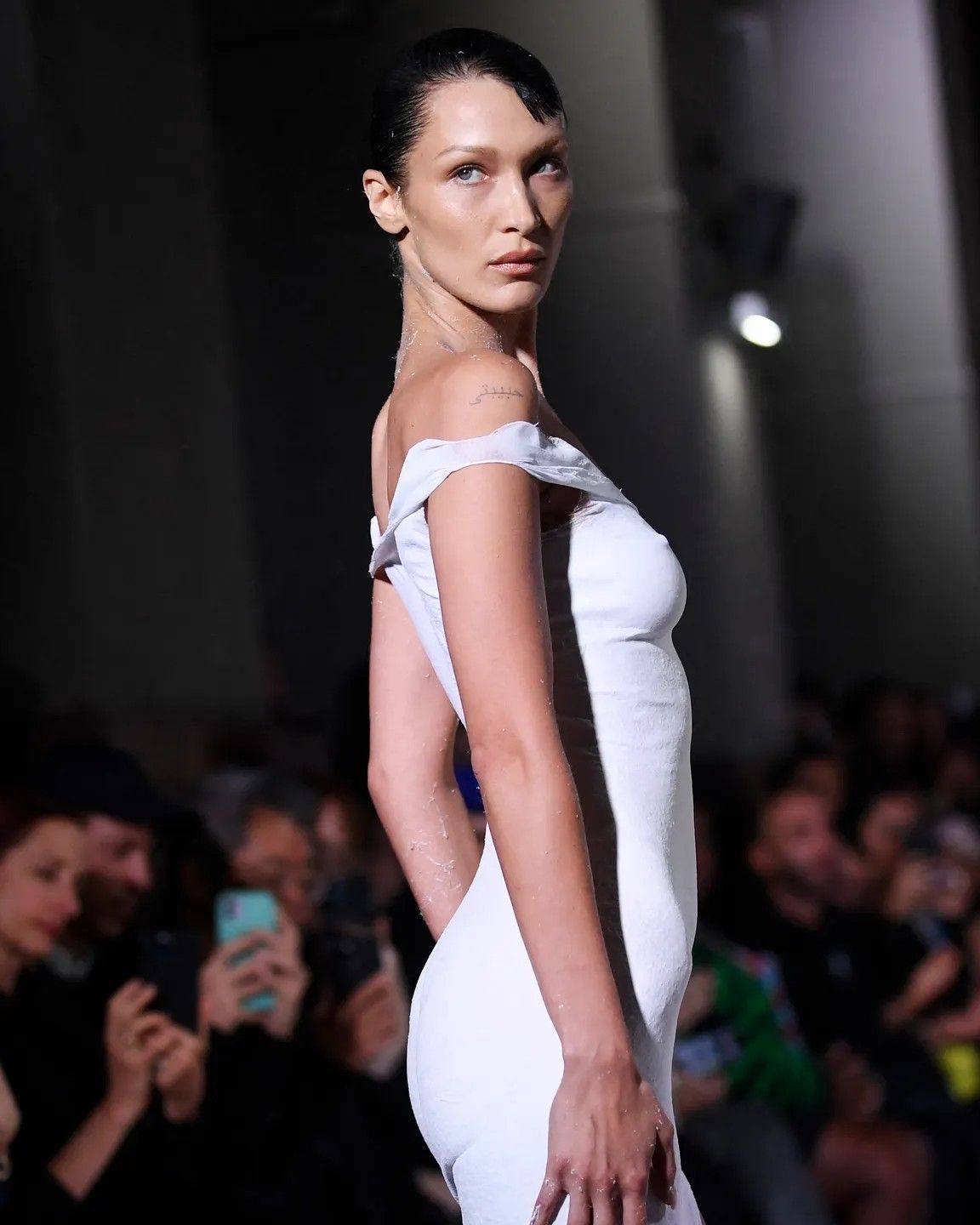
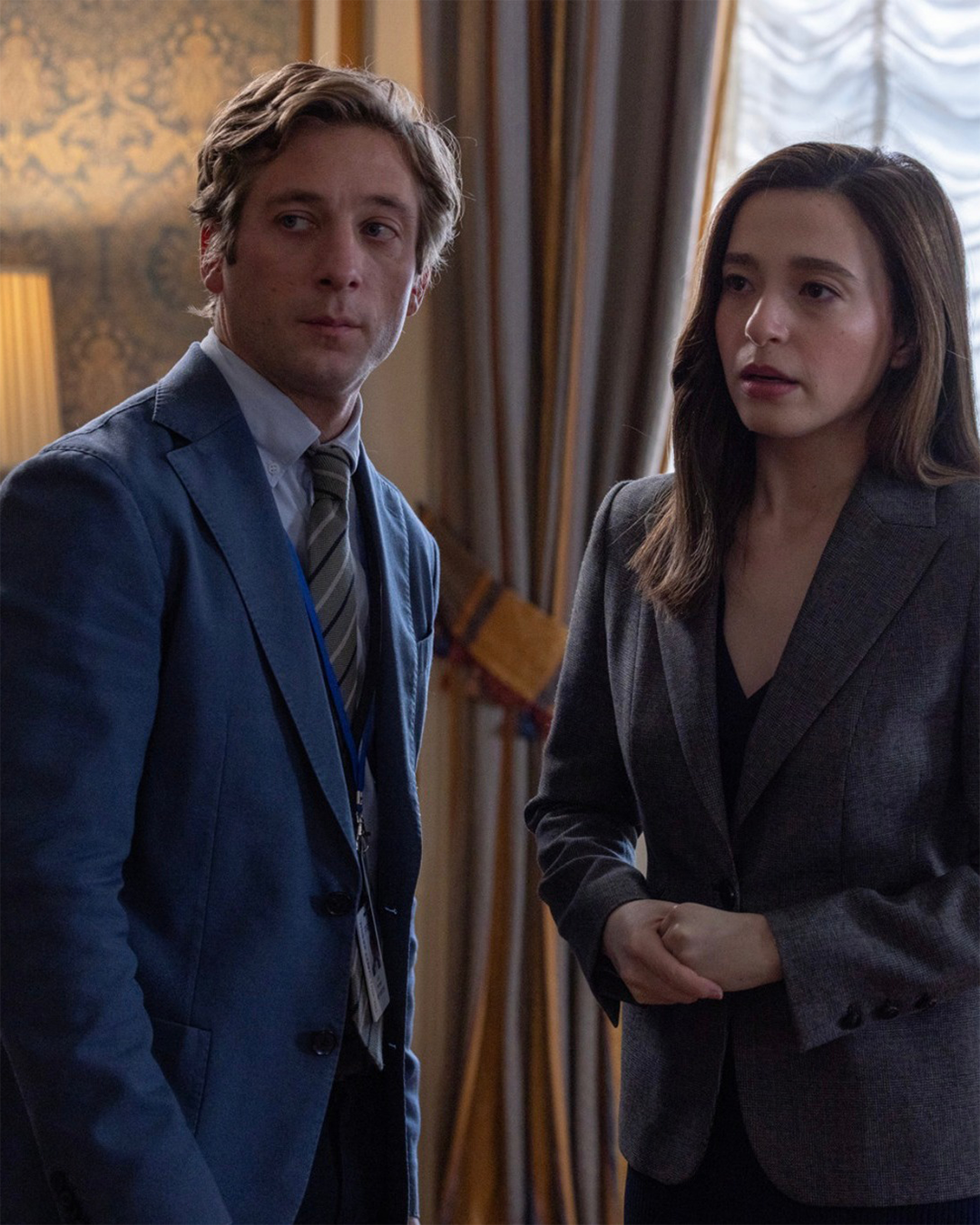
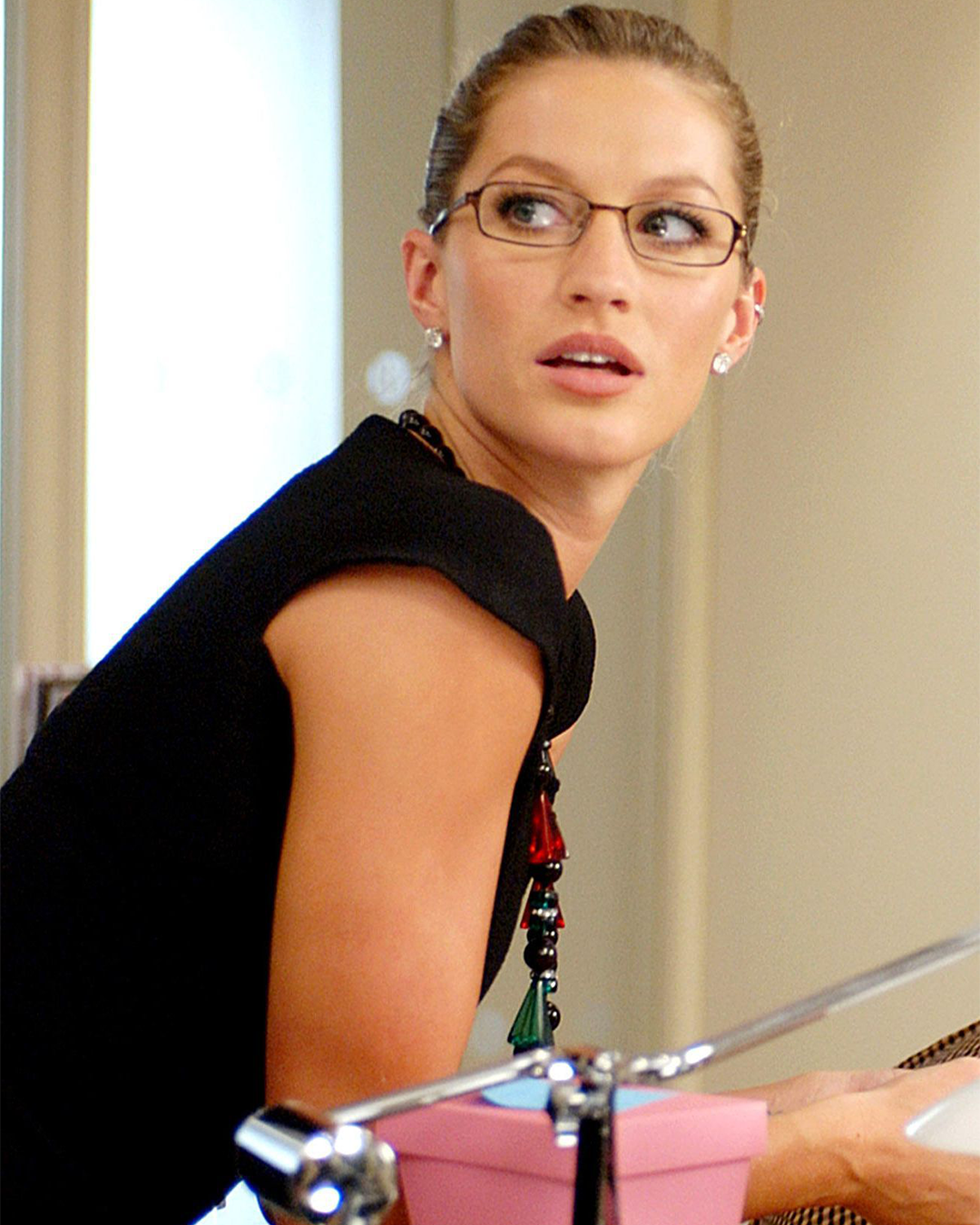
The decline of post-pandemic microtrends has led to a redefinition of the life cycles of fashion trends, making them more intense yet increasingly vulnerable to rapid obsolescence. Among the aesthetics that have recently dominated both fashion month and the collective imagination is the “office siren”: an inspiration drawn from early 2000s office culture – part Gisele Bündchen in The Devil Wears Prada, part the sensual Bayonetta (protagonist of the popular video game) – that managed to make the idea of a stable job and traditional career path appealing, especially to younger generations. This trend manifested in countless variations, from the ugly-chic of Miu Miu to the more seductive take of Mark Gong. It might have remained relevant for several more seasons if it hadn’t been swept away by a new wave of conservatism, geopolitical tension, and an overarching sense of sociopolitical insecurity. Unsurprisingly, early 2025 saw a return to normcore – a kind of stylistic “tabula rasa” aimed at rebuilding from the basics. This shift coincided with the abandonment, or at least a scaling back, of aesthetics perceived as more curated or elaborate. And yet, the office siren – far from being maximalist, and in fact rooted in a Helmut Lang–inspired late-'90s minimalism – seemed poised to endure. Today, however, we’re witnessing its slow disappearance, a “recession indicator” that extends well beyond the realm of fashion alone.
@richelle_zh corporate “office siren” looks that won’t get you fired #fashion #style #work #relatable #fyp #businesscasual Crystal Waters Gypsy Woman (Live) - Dj djacky mix
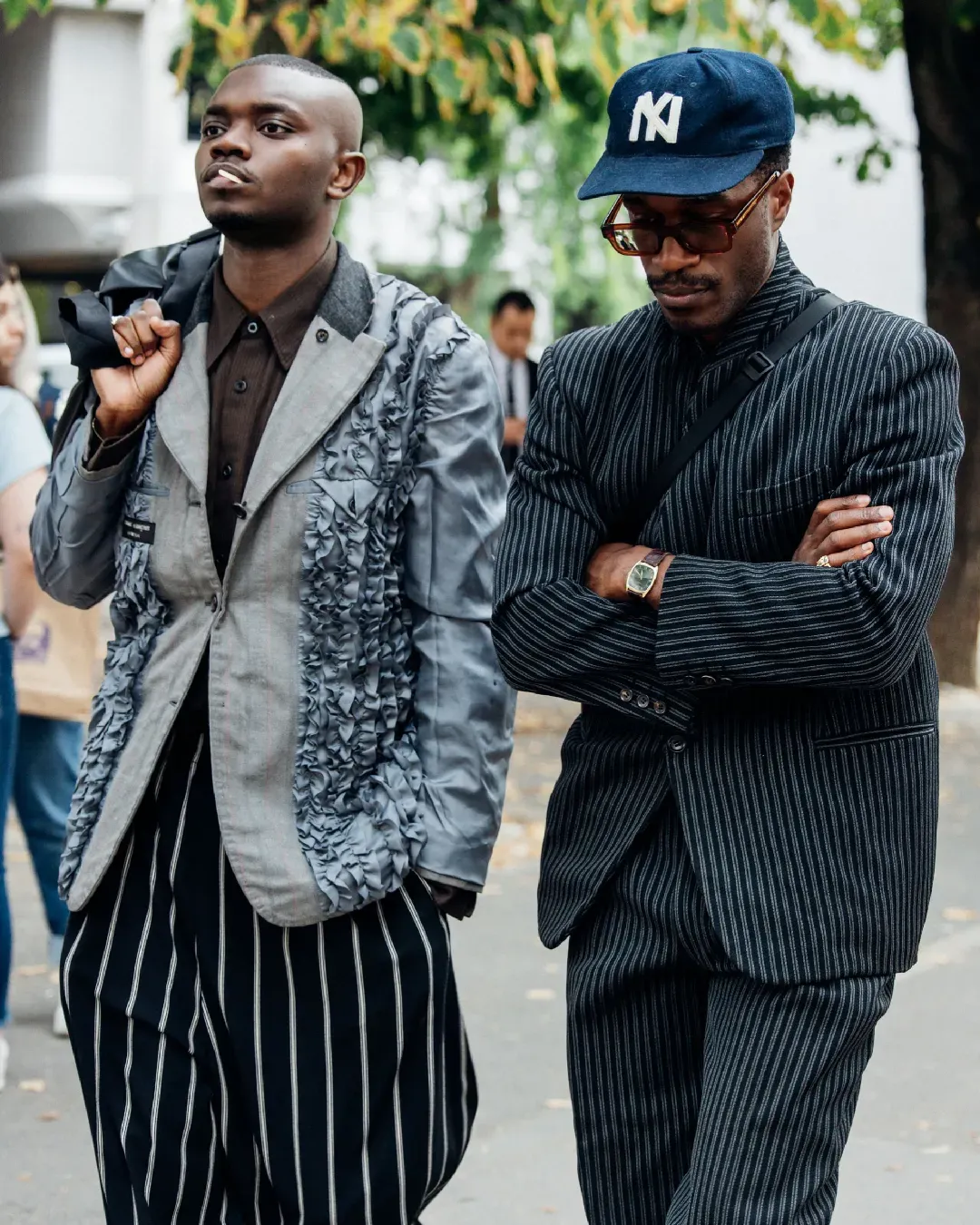
Proof of this can be found on TikTok, where tutorials on how to make the office siren look more “corporate” have become increasingly common. In itself, this isn’t necessarily a bad thing – office dress codes vary from company to company, and a professional reinterpretation of the trend could even be intriguing. The issue is that in these videos, the “office” remains but the “siren” disappears: the sensuality that once defined the aesthetic gets lost behind oversized blazers and wide-leg trousers, stripping away any assertive femininity. Some might see it as a nod to the Scandinavian style, but the usual pops of color and the playful patterns and textures typical of Northern European aesthetics are missing. What prevails now is a neutral palette of black, white, and grey. In short, the landscape has radically changed, and those who once curated outfits as a form of personal expression now seem to favor “safe” silhouettes and muted tones. As Freya Drohan, editor at Vogue and Harper’s Bazaar US, has noted, people today appear to be investing less energy in stylistic individuality, perhaps because the current social climate – marked by economic anxieties and global tension – makes it difficult to focus on style as a tool of identity assertion.
fashion is political
— Danielle (@DLVermeer) November 11, 2024
milkmaid dresses, cottagecore, long denim skirts, quiet luxury, old money, coquette, soft girl, girl math, i’m just a girl, stay at home girlfriend, tradwives
it’s never just about the clothes
However, the disappearance of the so-called office siren is merely a symptom of a deeper issue. The fact that an inherently sensual aesthetic is being sidelined in favor of more modest, covered, and less expressive clothing further highlights the growing influence of conservatism within fashion. The signs were already evident last year, with the sudden rise of “trad wives” (traditional wives), the emergence of new ultra-conservative women’s magazines, and more recently, the 1960s revival seen in FW25 collections. Even Diesel, during Milan Fashion Week, presented long tweed suits, while fast fashion retailer Pretty Little Thing – once synonymous with party and clubwear – has radically shifted gears, becoming a full-on beige paradise. At this point, one must ask: what happened to overtly sexy brands, to that enduring “baddie” aesthetic that defined the past decade? Perhaps, in the future, a new way of expressing femininity and physical allure will emerge, one that leaves behind overtly sexy codes in favor of a subtler form of seduction, more closely tied to the authenticity of the wearer. After all, just like the world beyond fashion, the industry today is mired in uncertainty: the horizon is clouded by crises, instability, and collective anxiety, and designers are adapting to this atmosphere – sometimes exorcising it with basic, comforting collections, sometimes challenging it with innovative flourishes, though often more discreet. What’s certain is that fashion, as a mirror of its times and of social unrest, continues to evolve according to a pendulum that swings between boldness and caution. As we witness this attempt at normalization, one can’t help but wonder whether, in the near future, more radical aesthetics will find new life – or whether the conservative tide will leave a lasting mark.