





















Will there ever be another Birkin? The race to be the new Hermès is harder than ever
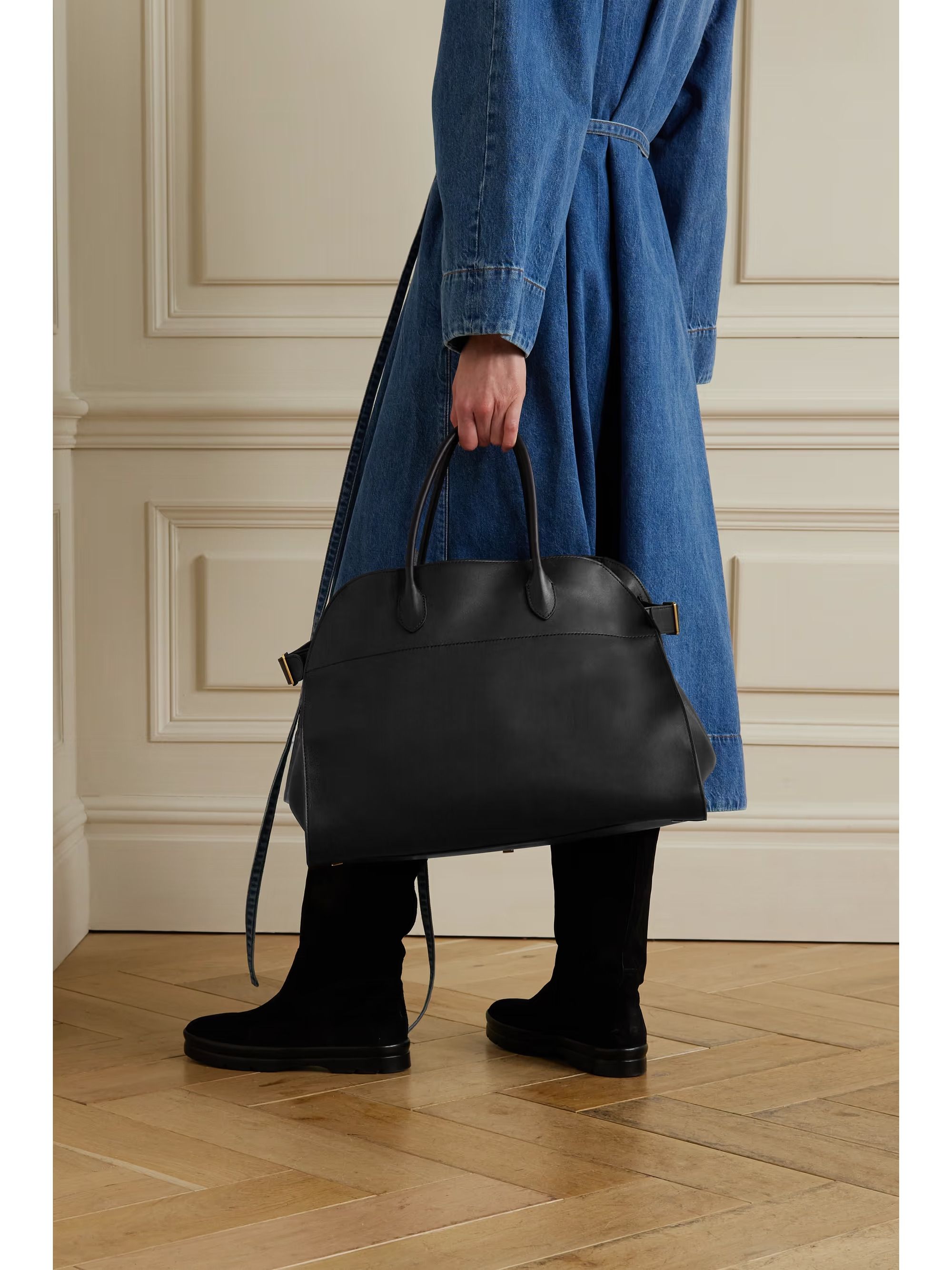
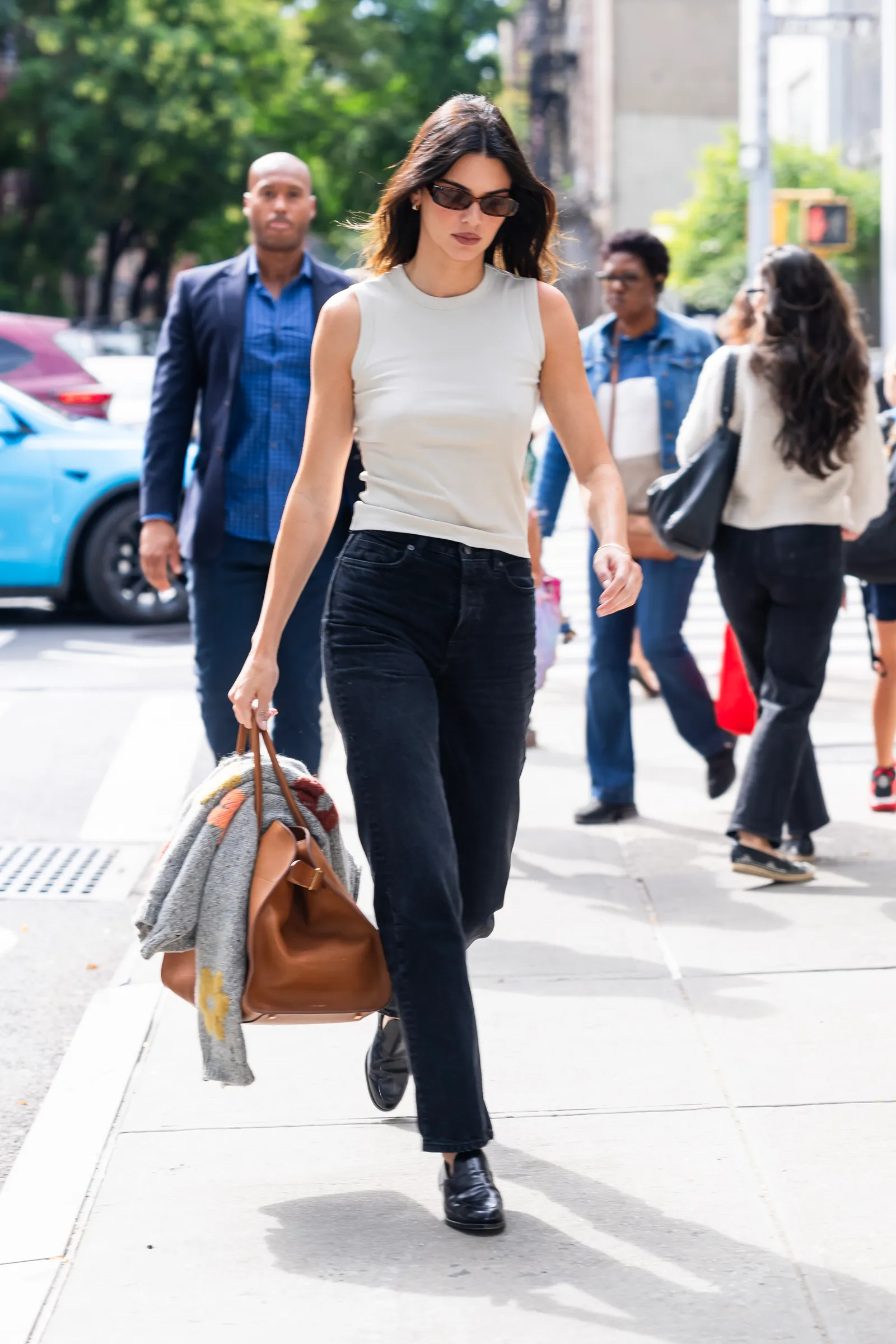
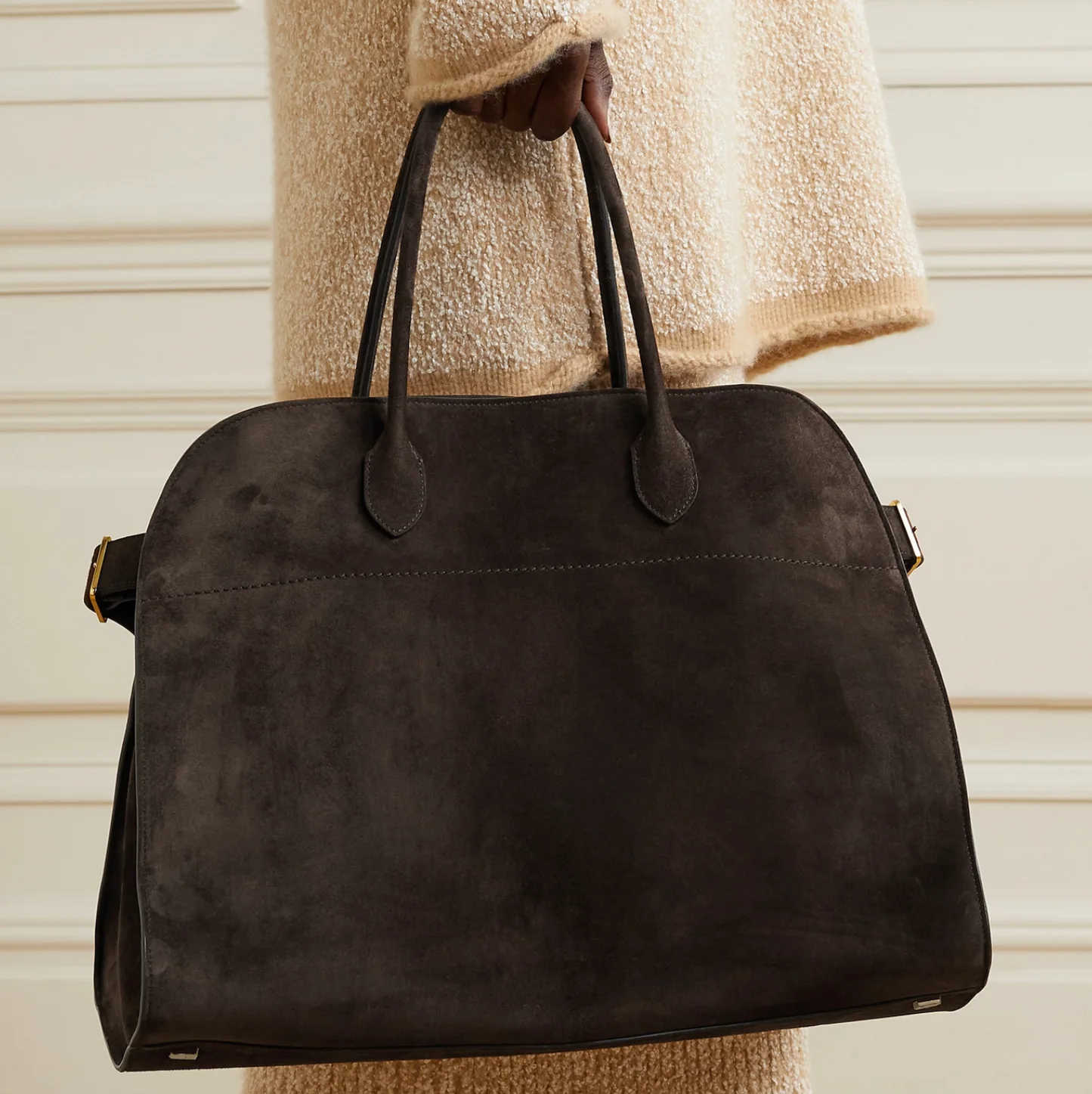
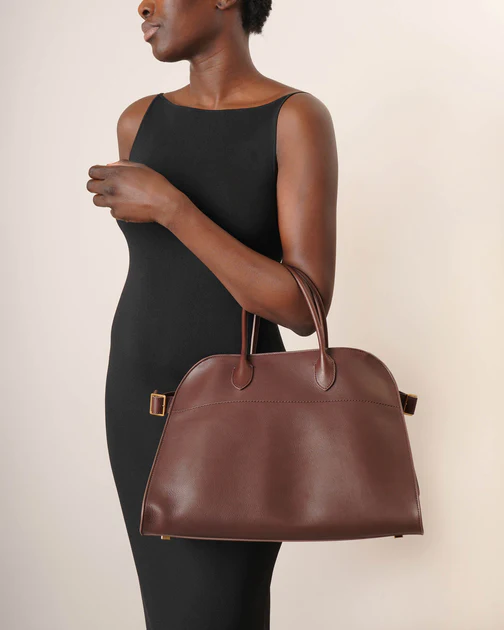
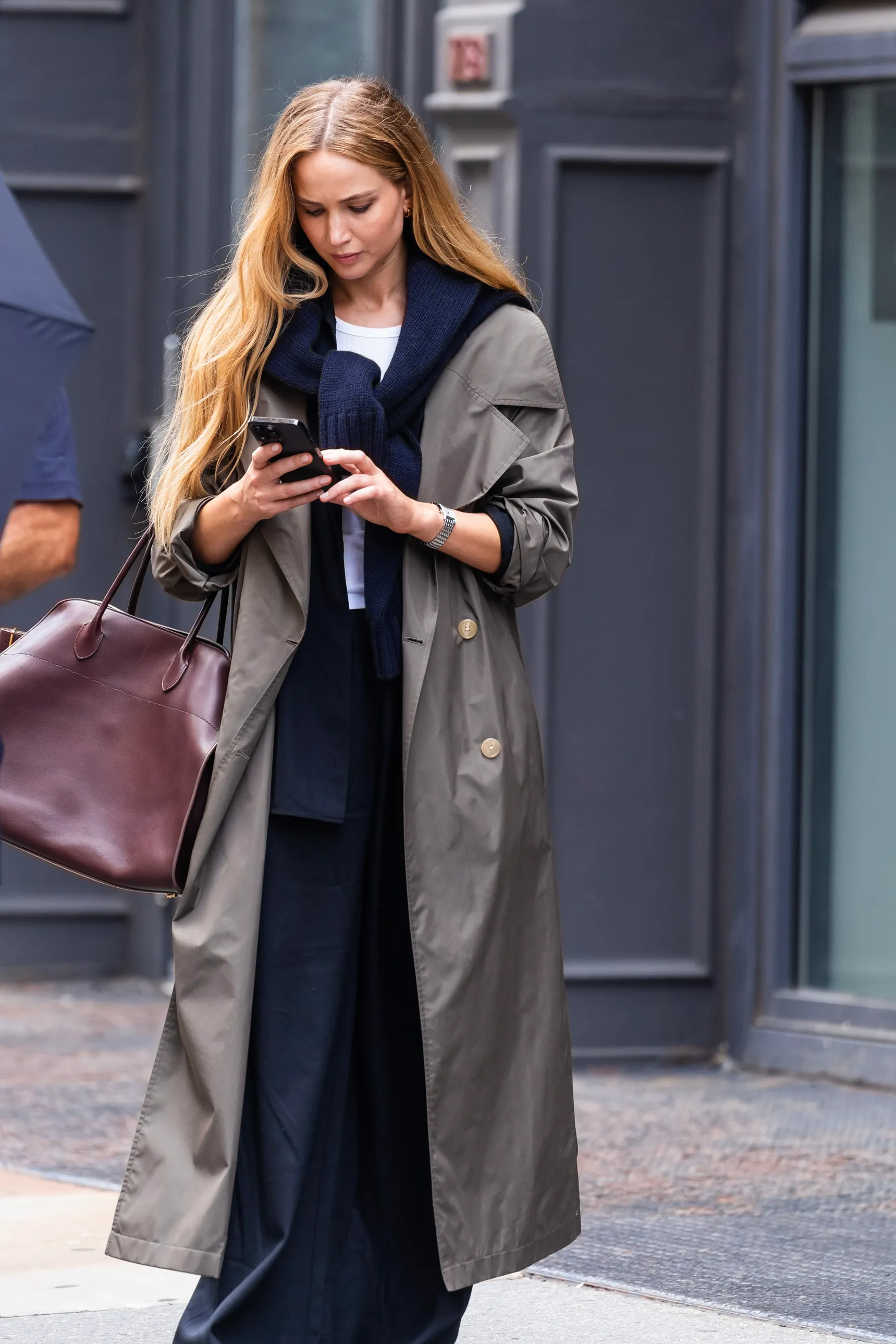
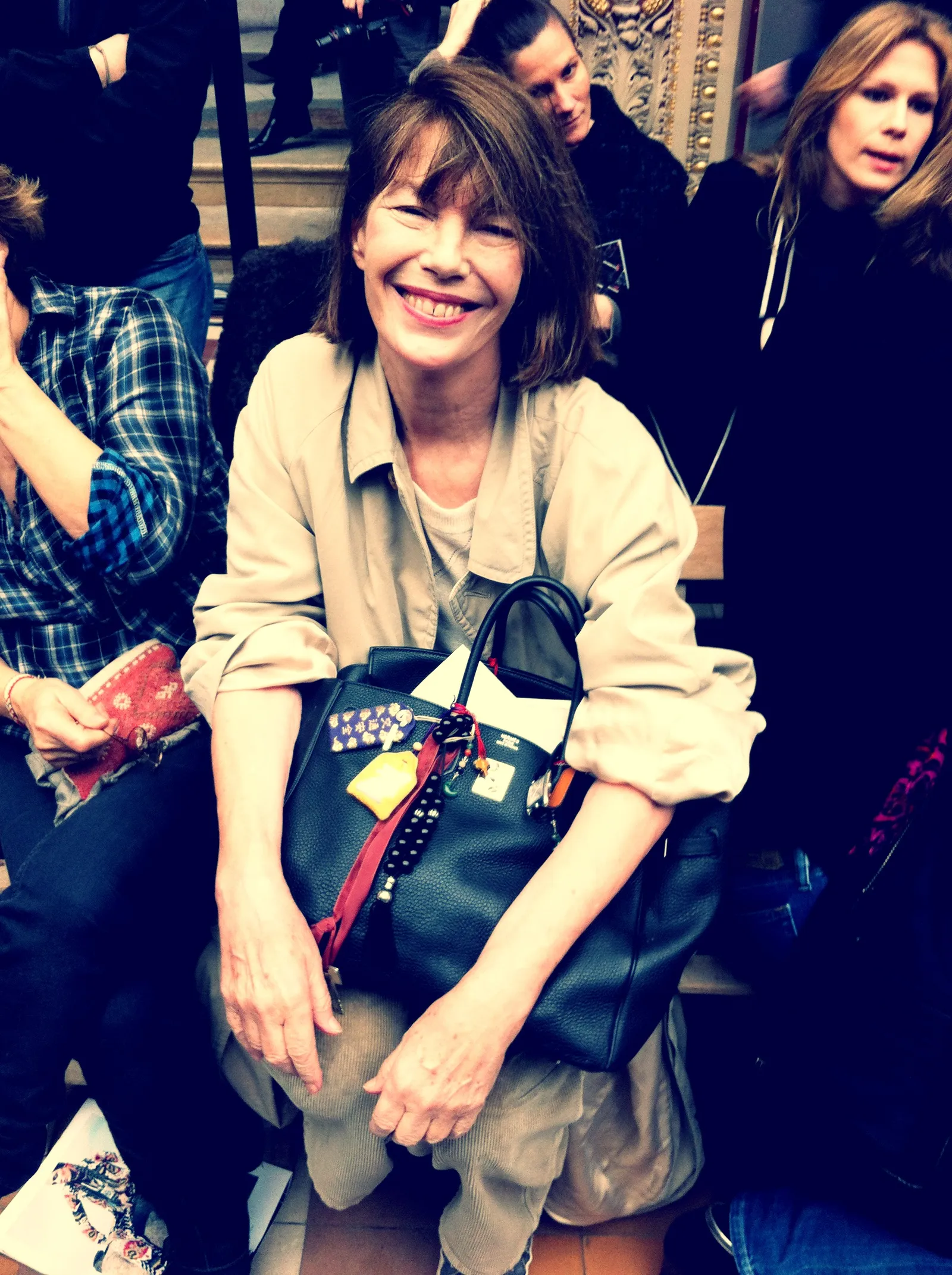
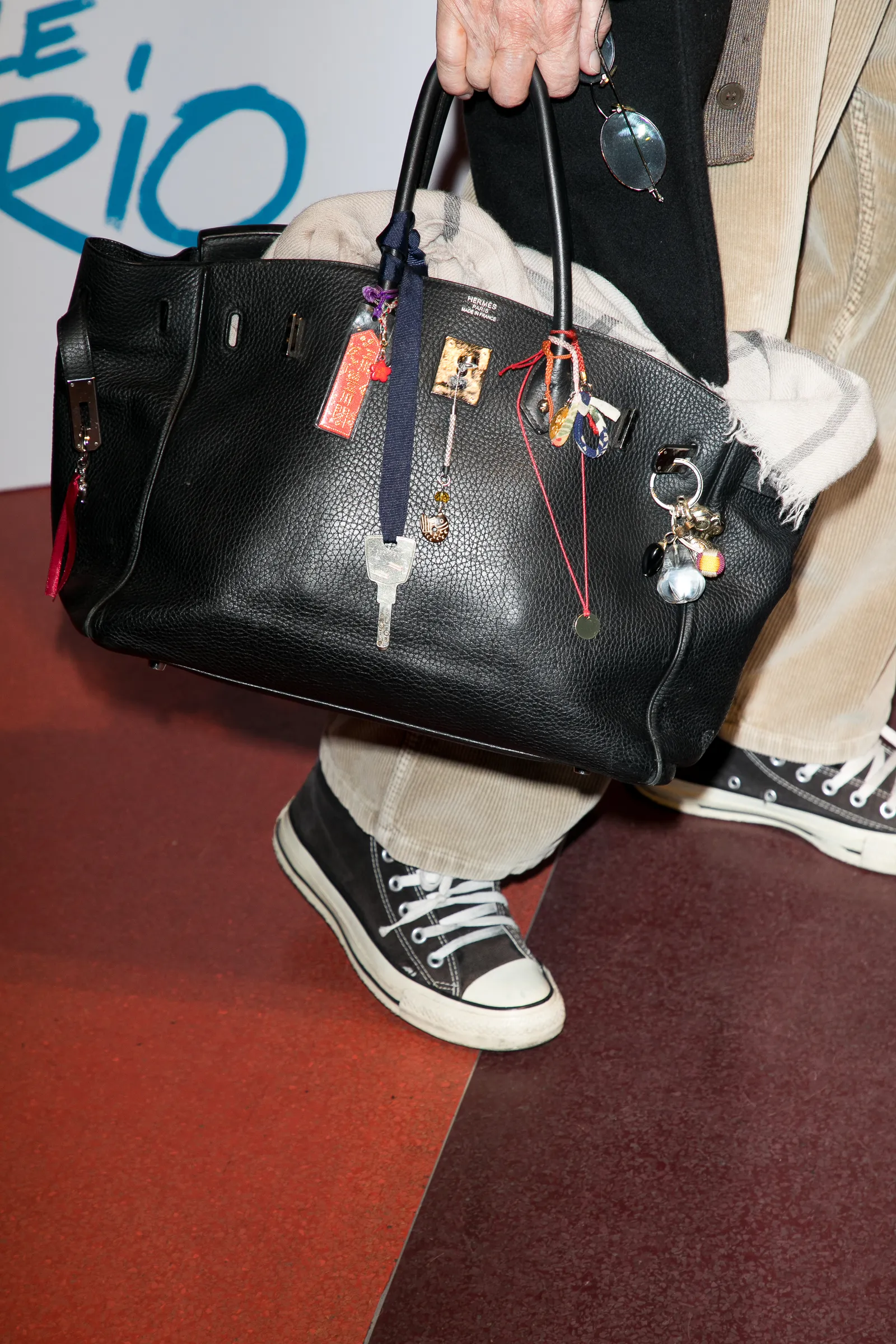
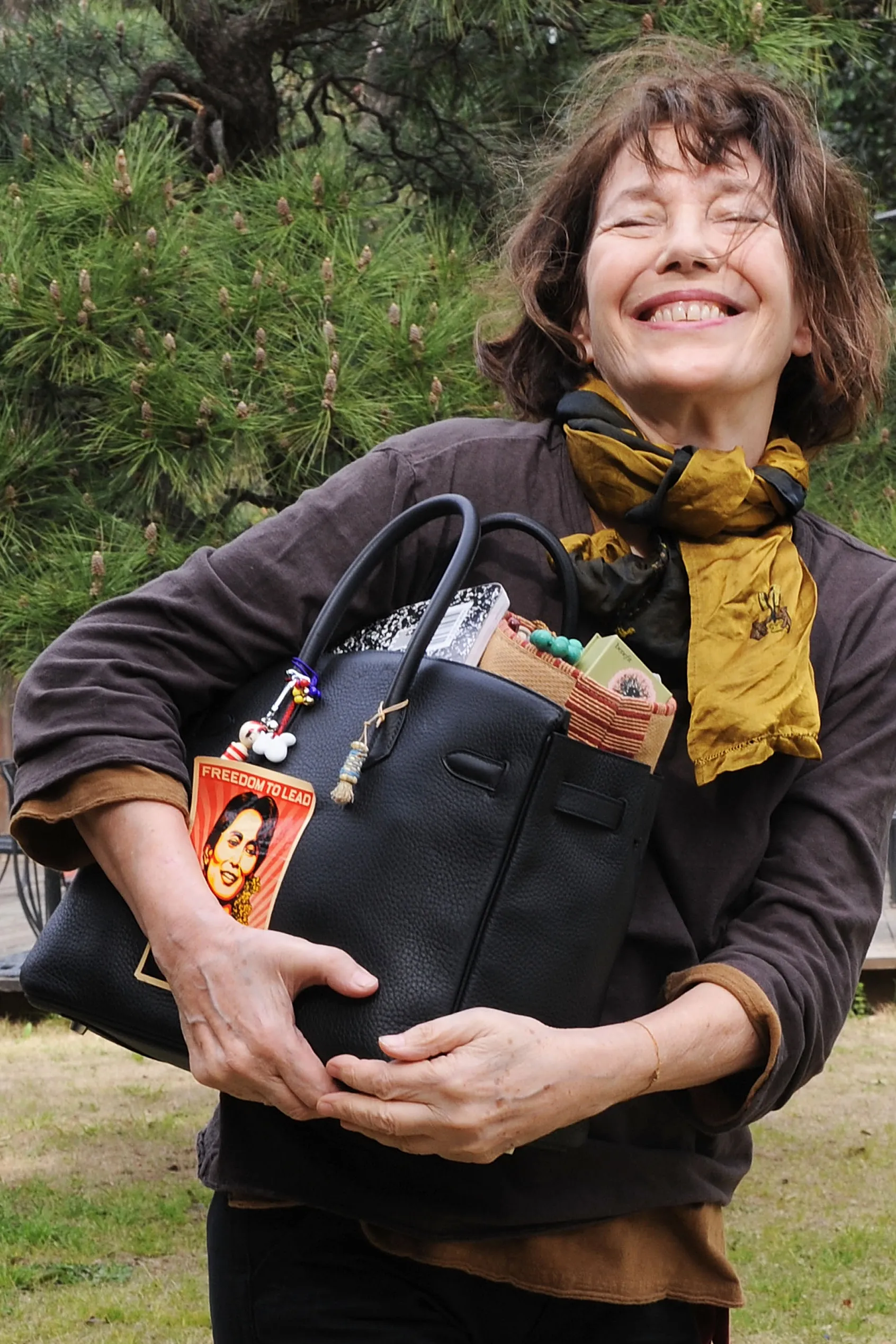
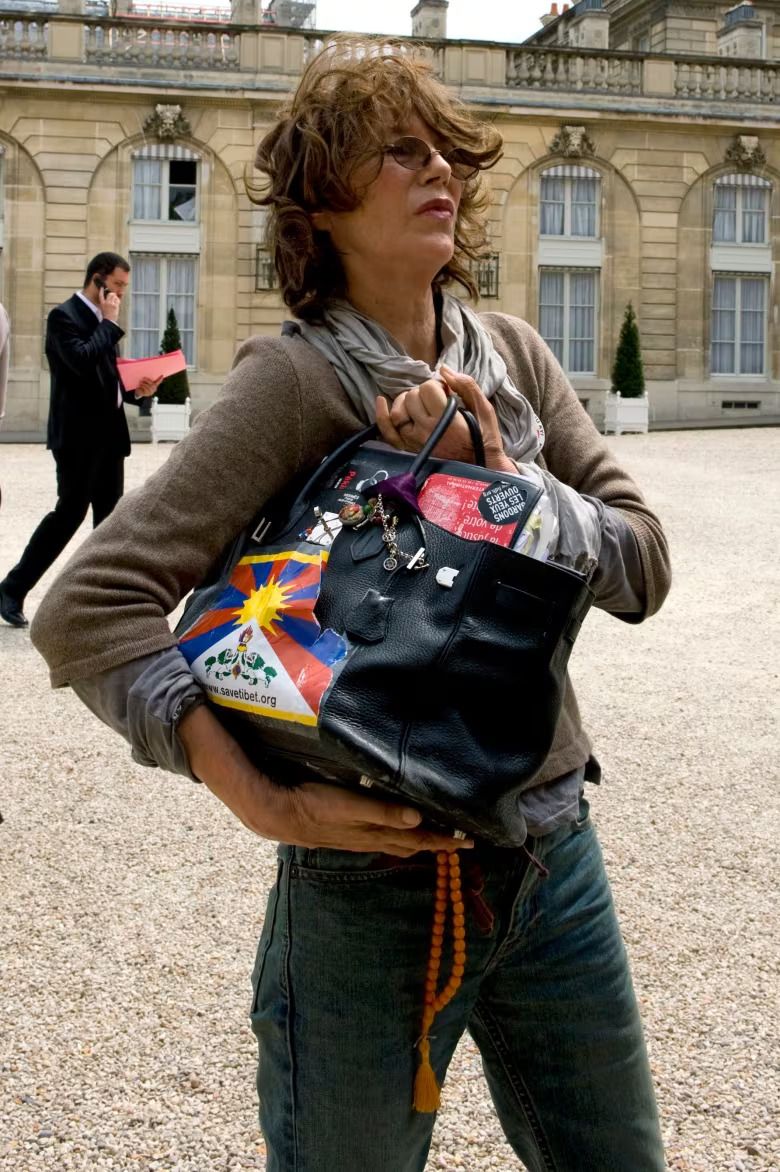
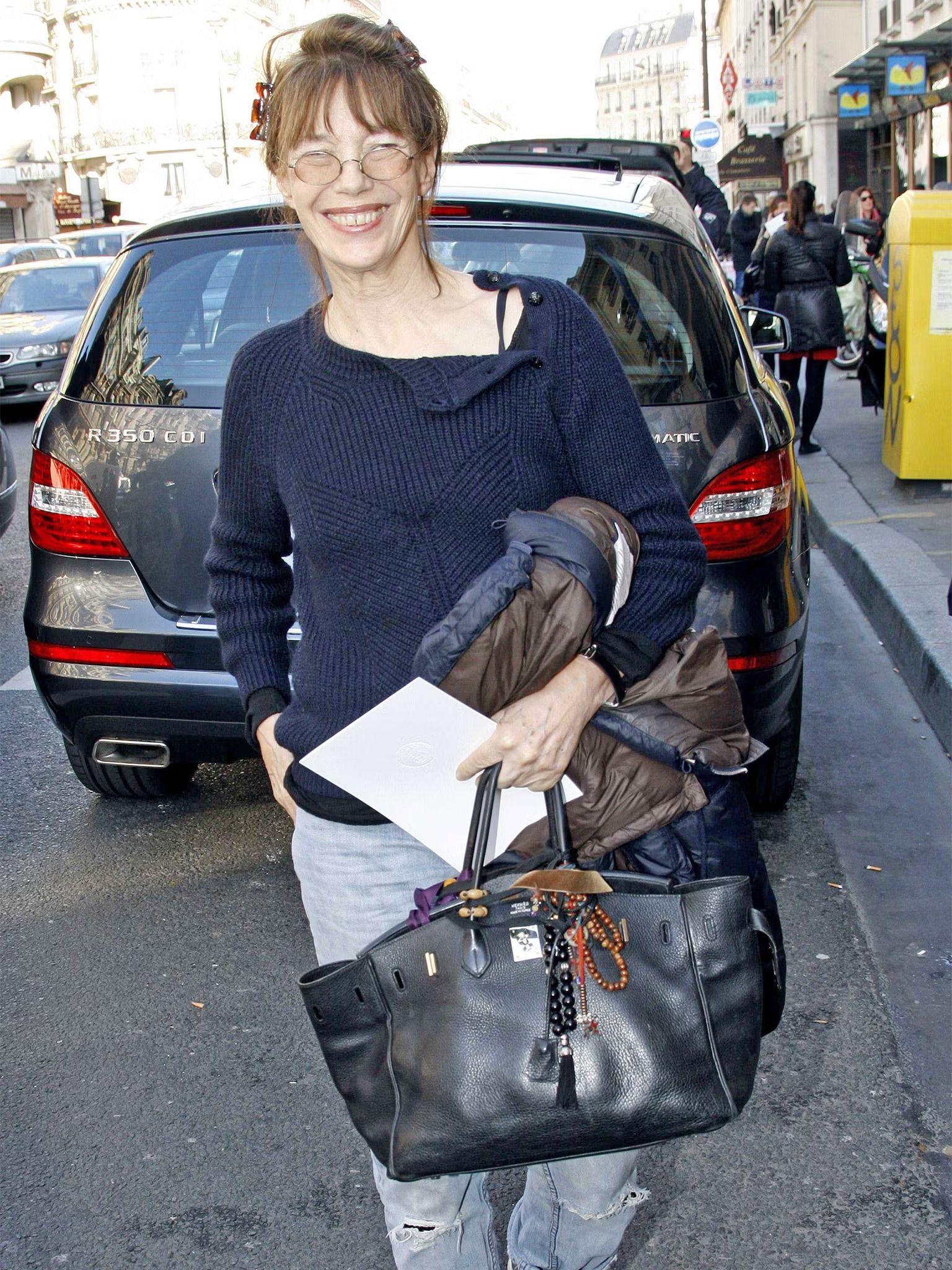
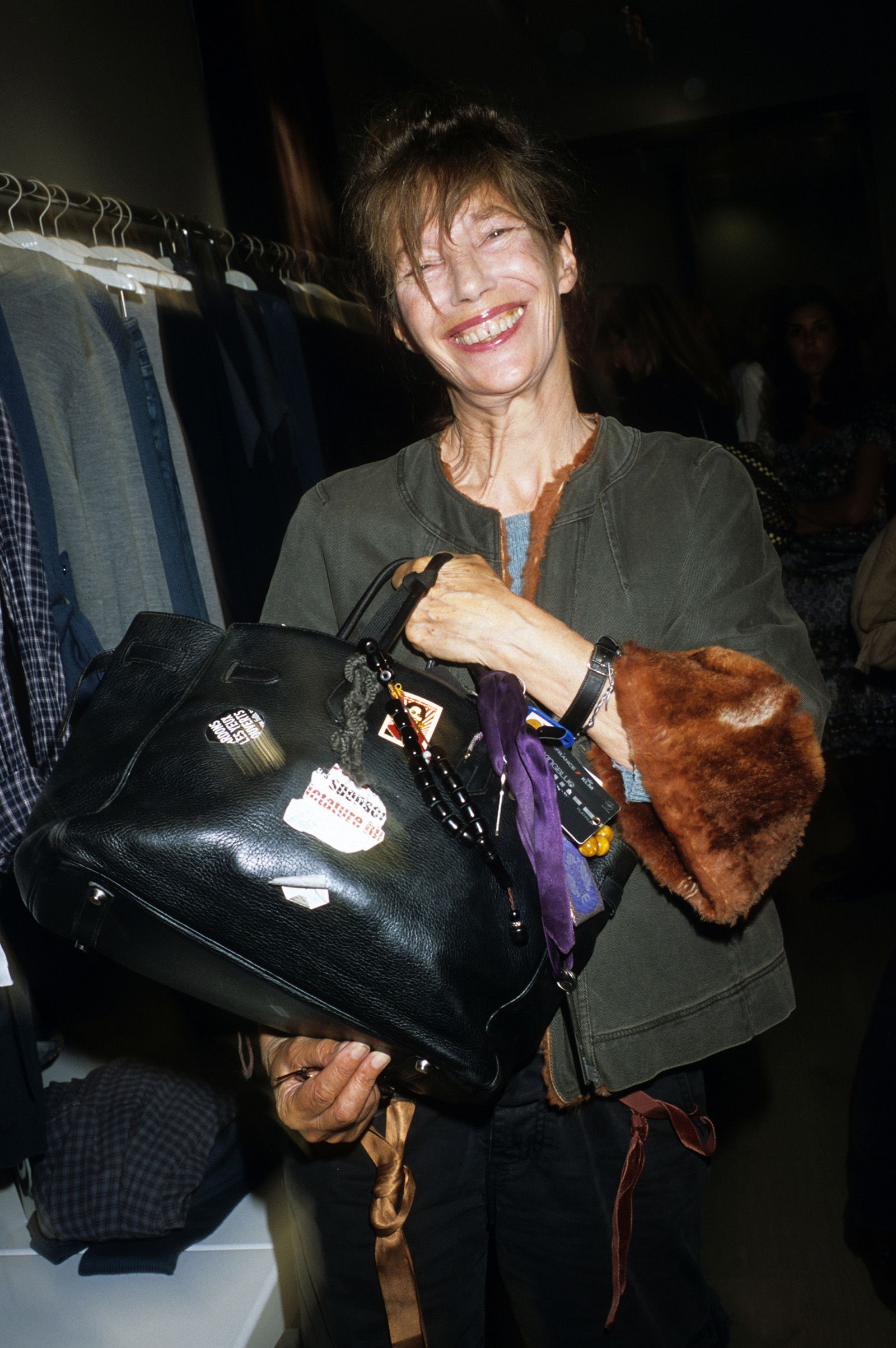
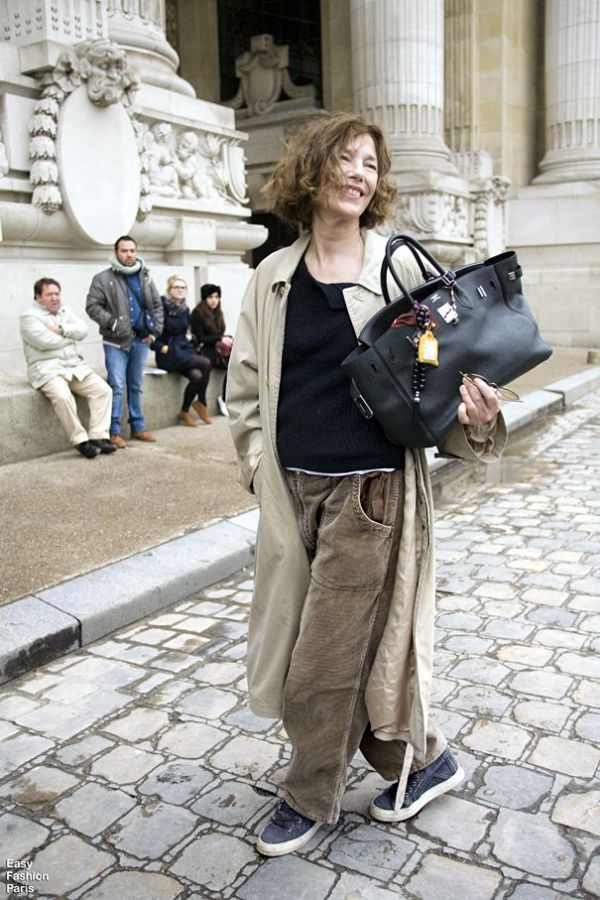
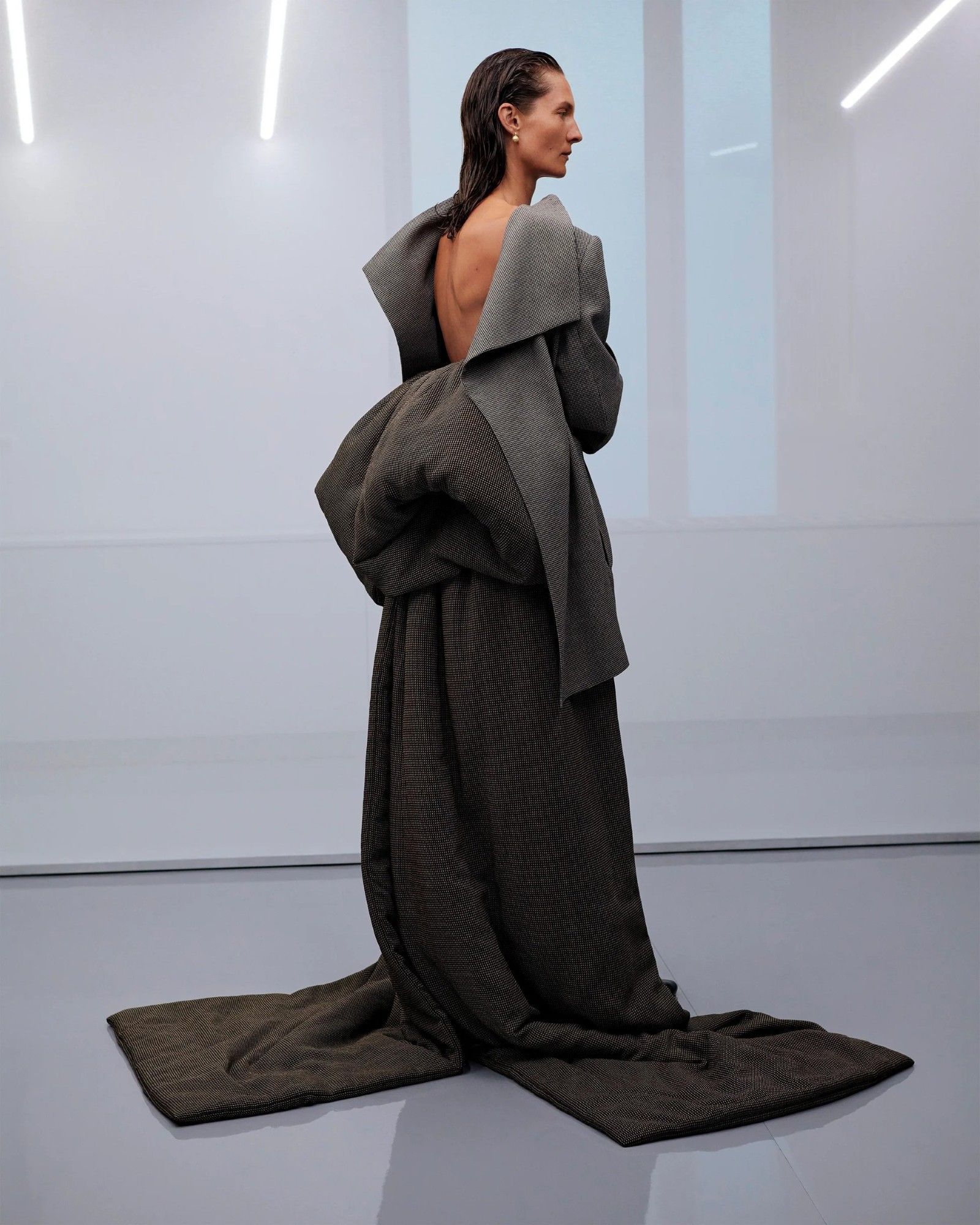
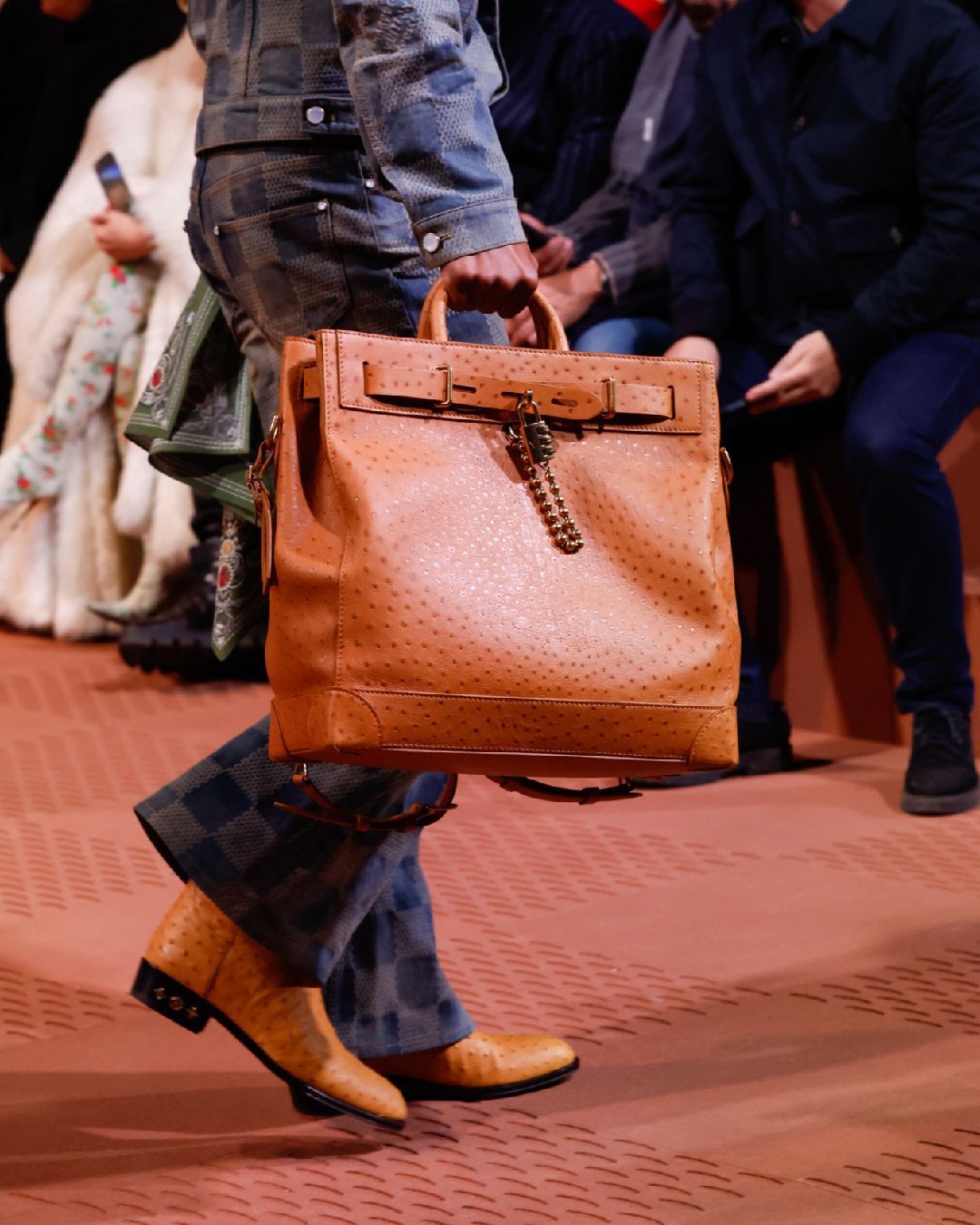
The era of quiet luxury, the return to quality, simplicity, and luxury: it seems that in recent years the major luxury maisons have been trying to launch the most exclusive accessory on the market. Until a few months ago, the Birkin by Hermès was known as the most expensive fashion item in the world, available only to a select few. Today, competitors have emerged, such as the Margaux by The Row, the Cabas by Phoebe Philo, and the Buckle by Prada. A trio joined by Pharrell’s cowboy version, presented at the Louis Vuitton Men FW25 show. Already in 2023, the new creative director of Louis Vuitton Men had tried to break new records with the Millionaire, the one-million-dollar Speedy, but this new “Birkin” borders on plagiarism - and as history teaches us, Hermès doesn’t take kindly to imitators. Pharrell’s idea follows a long line of designers inspired by the timeless flair of the Birkin, a model enjoying a second golden age now that the world has turned its gaze away from logoed fanny packs in favor of bourgeois luxury. While the Birkin made history in fashion and marketing, becoming an icon of a generation just like the it-girl it was named after, the designs by Pharrell, the Olsen twins, Prada, and Philo contribute more to a trend narrative than to a unique fashion phenomenon. The Birkin’s renaissance led new generations to create the Messy Bag aesthetic, older ones to dust off forgotten accessories, and brands to try crafting their own interpretation. But is it really possible to make a new Birkin?
The Hermès bag recognized on the streets of every city - even by those who know little about fashion - owes its success to Jane Birkin. The idea was born on a plane in 1984 when, during a Paris-London flight, the actress complained about her bag being too small to the then-president of the maison. Since then, the bag has been marked by fate. Spacious, geometric, saddle-stitched, the brand’s marketing campaign is credited with turning the bag into a status symbol, a marketing paradox that transformed a simple accessory into fashion’s Holy Grail. Inaccessible even to the 1%, it's said that to buy a Birkin one must cultivate years of public relations - with plenty of credit card swipes - with Hermès staff, even though official waitlists haven’t existed since 2010. Beyond being exclusive in itself, unique versions have been made over time, including editions finished in gold and diamonds sold at auction for hundreds of thousands of dollars - the most famous being the Himalayan crocodile Birkin, auctioned in Hong Kong for $377,261. Today, it holds the same investment value as a luxury watch, with recent studies showing the bag had an average return of 14.2% between 1984 and 2015.
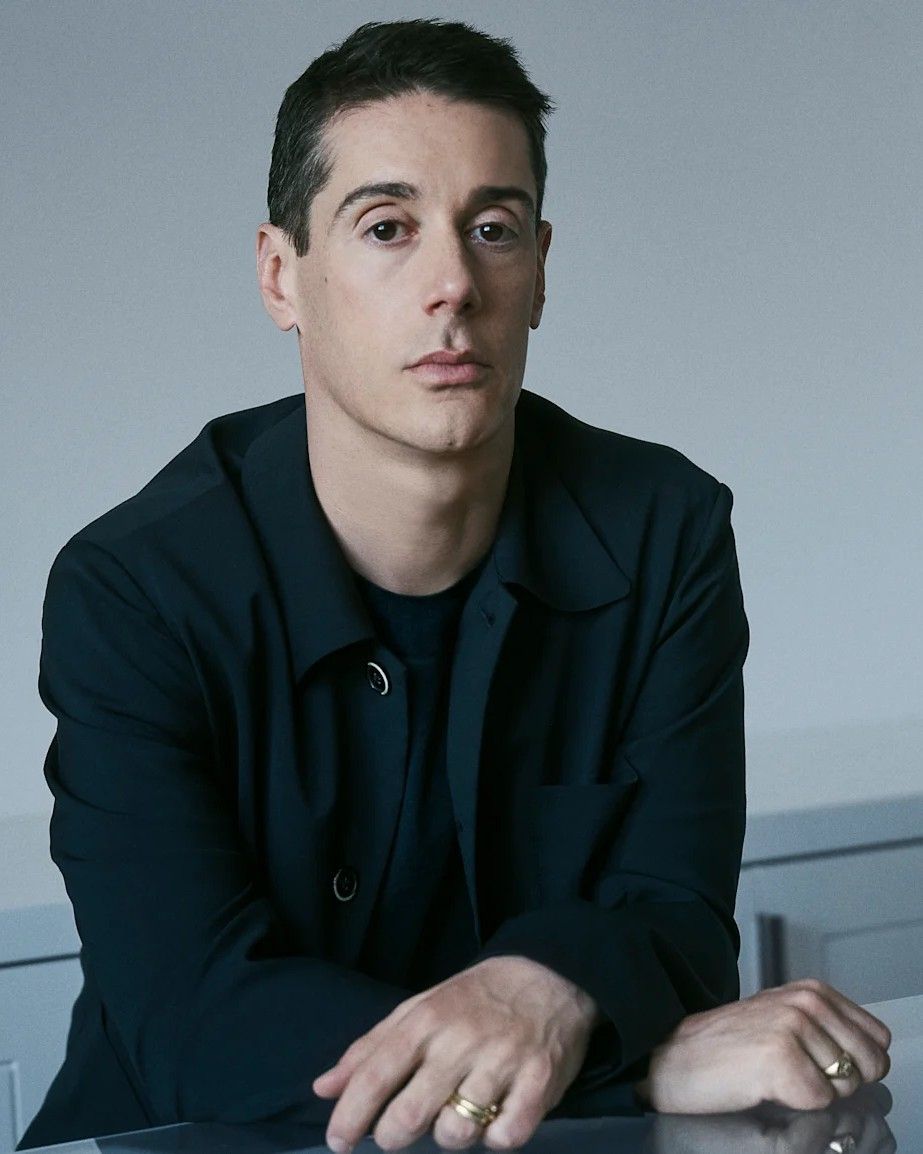
Among the possible creators of a new Birkin are Pharrell, the new creative director of Louis Vuitton Men, who’s been enjoying proposing logo-heavy items at sky-high prices; the Olsen twins, whose brand The Row follows Hermès’ low-key selling philosophy; Phoebe Philo, who just launched her own brand, preferring occasional online drops over mainstream shows; and Prada, considered the most viral brand of recent years. While all these brands differ in design and communication style - Louis Vuitton and Prada go for popularity, while The Row and Phoebe Philo aim for a niche, loyal clientele - all of them have launched bags with the same characteristics that made the Birkin iconic: spaciousness, simple lines, and material quality. Pharrell plays on the pop soul of the Speedy, showcased by stars like Rihanna and LeBron James. Miuccia Prada and Raf Simons transform the bag into a design object with the Buckle, while the Olsen twins and Phoebe Philo go for malleable, ultra-expensive silhouettes with the Margaux and Cabas. There are many reasons why magazines and enthusiasts believe brands are trying to create a new Birkin. Beyond the exorbitant price point - Phoebe Philo’s Cabas costs €7,200, the Margaux €5,300 - it’s the media value of the maison that turns accessories into objects of desire. In a few years, only a lucky few will be able to say they own an item from the first collection of the former Chloé creative director.
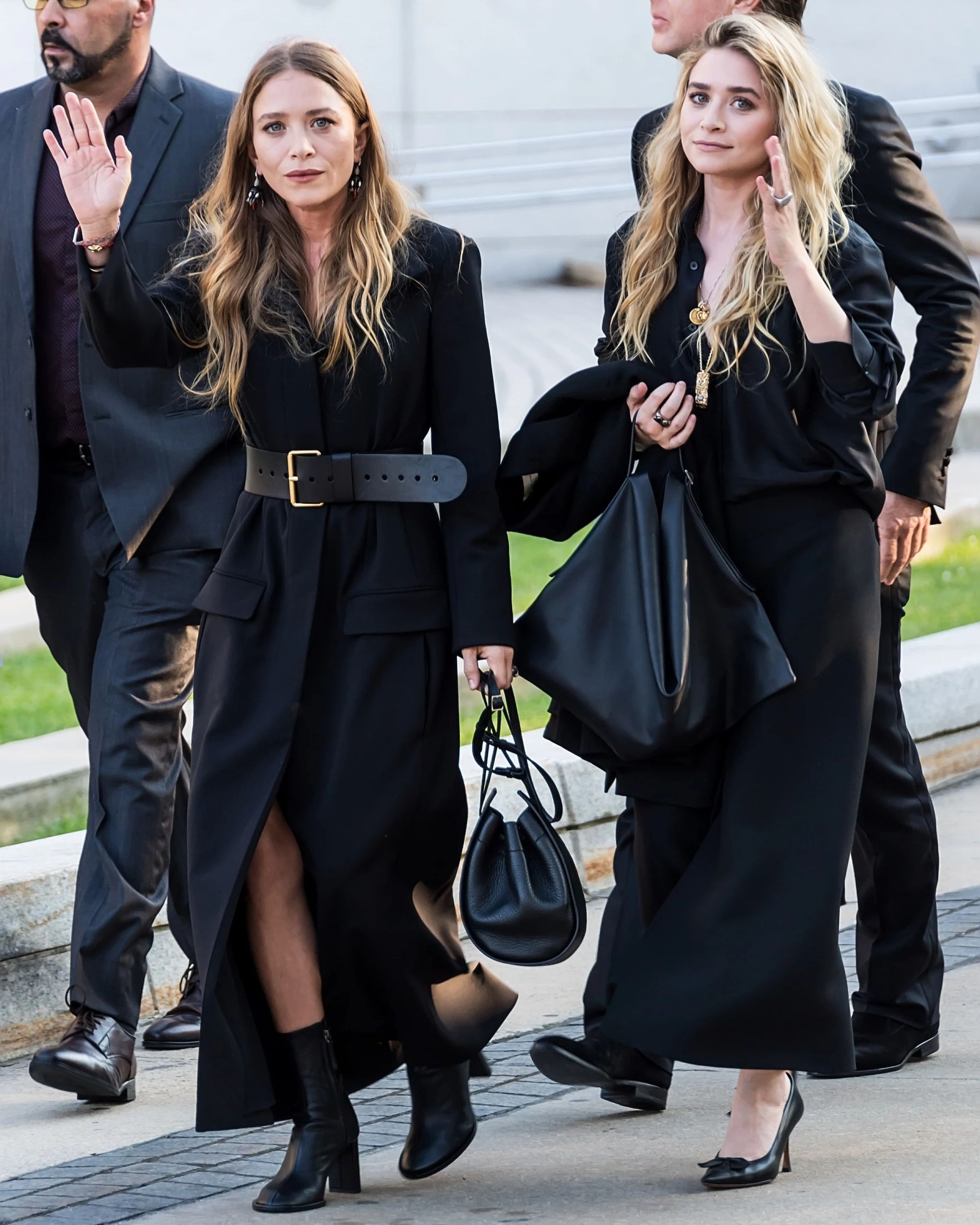
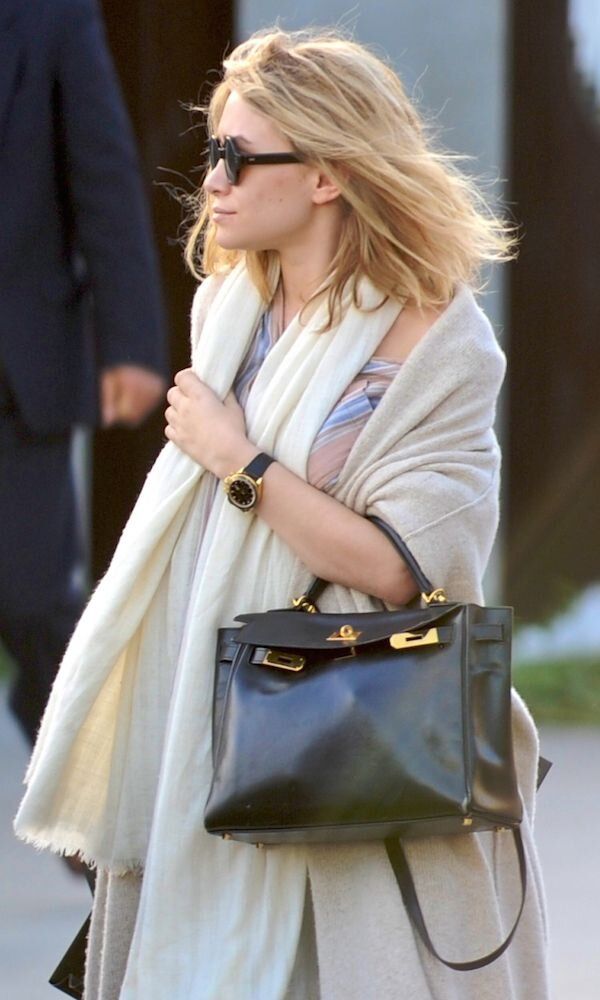
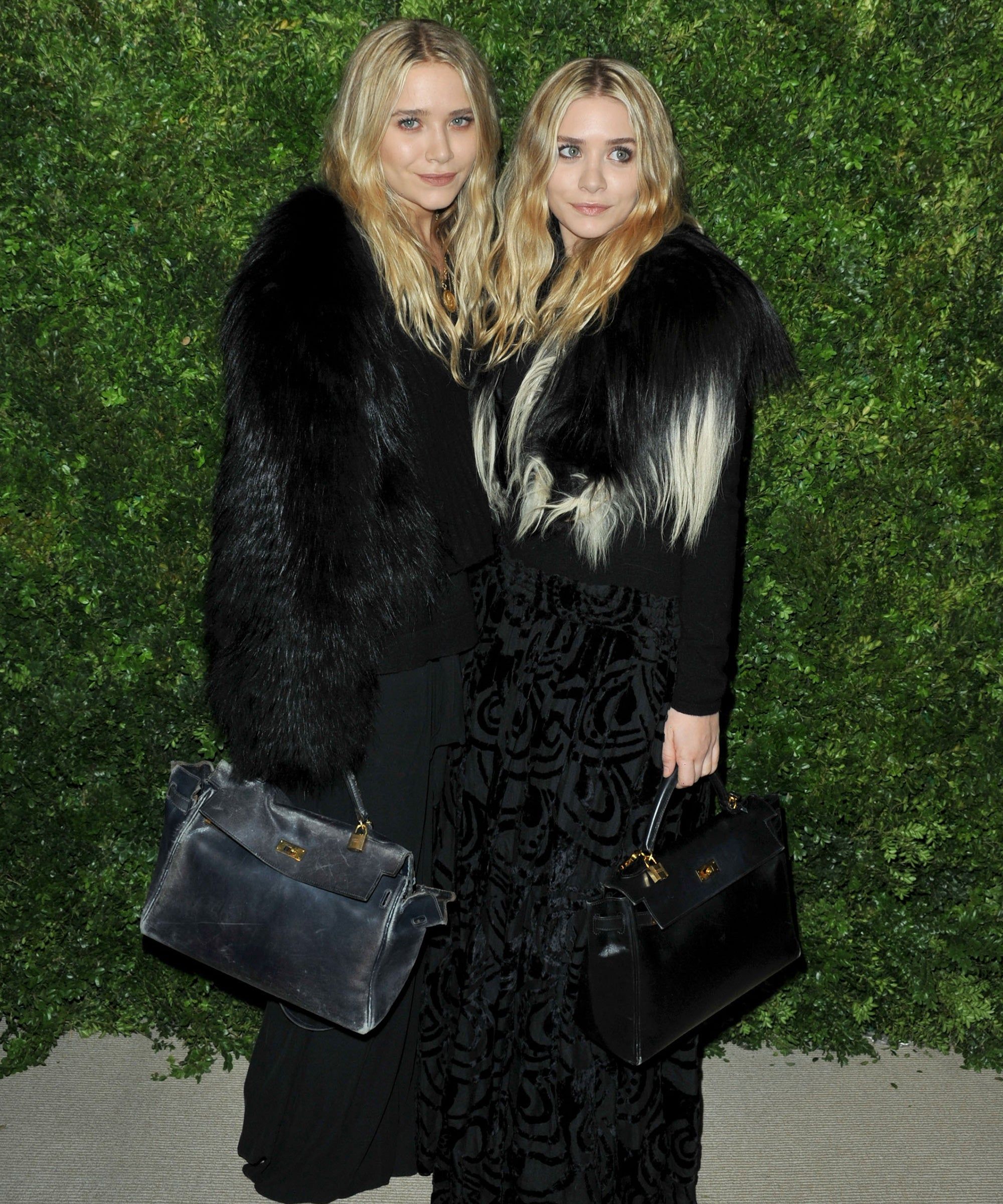
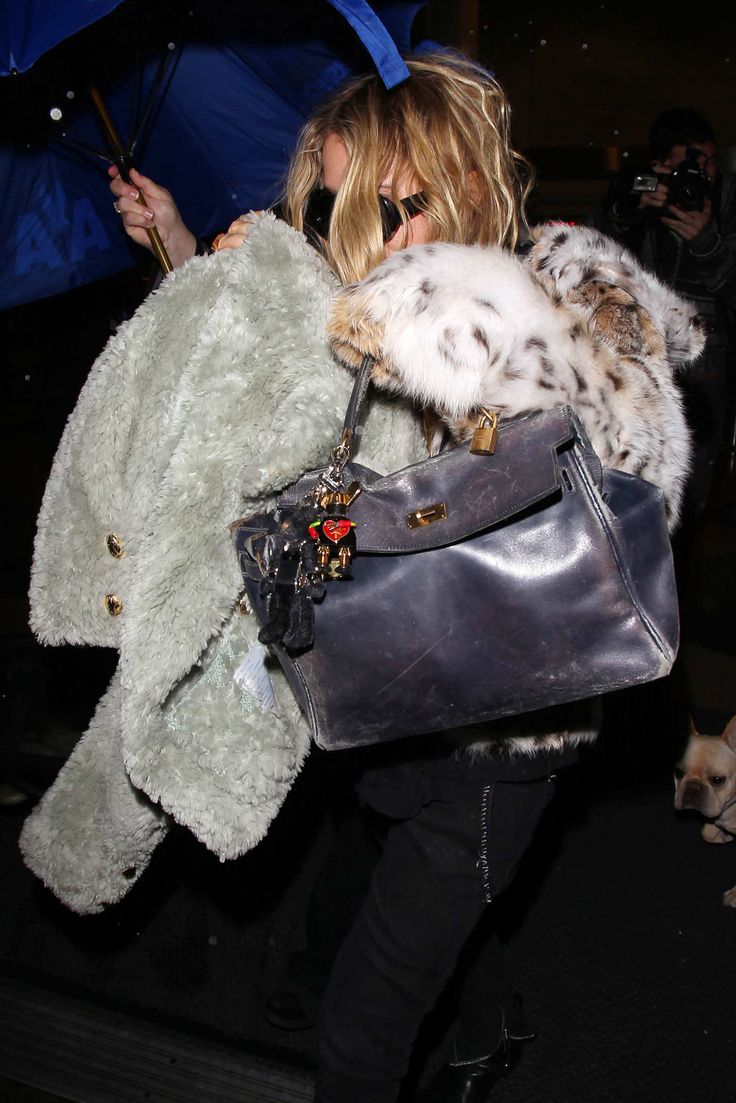
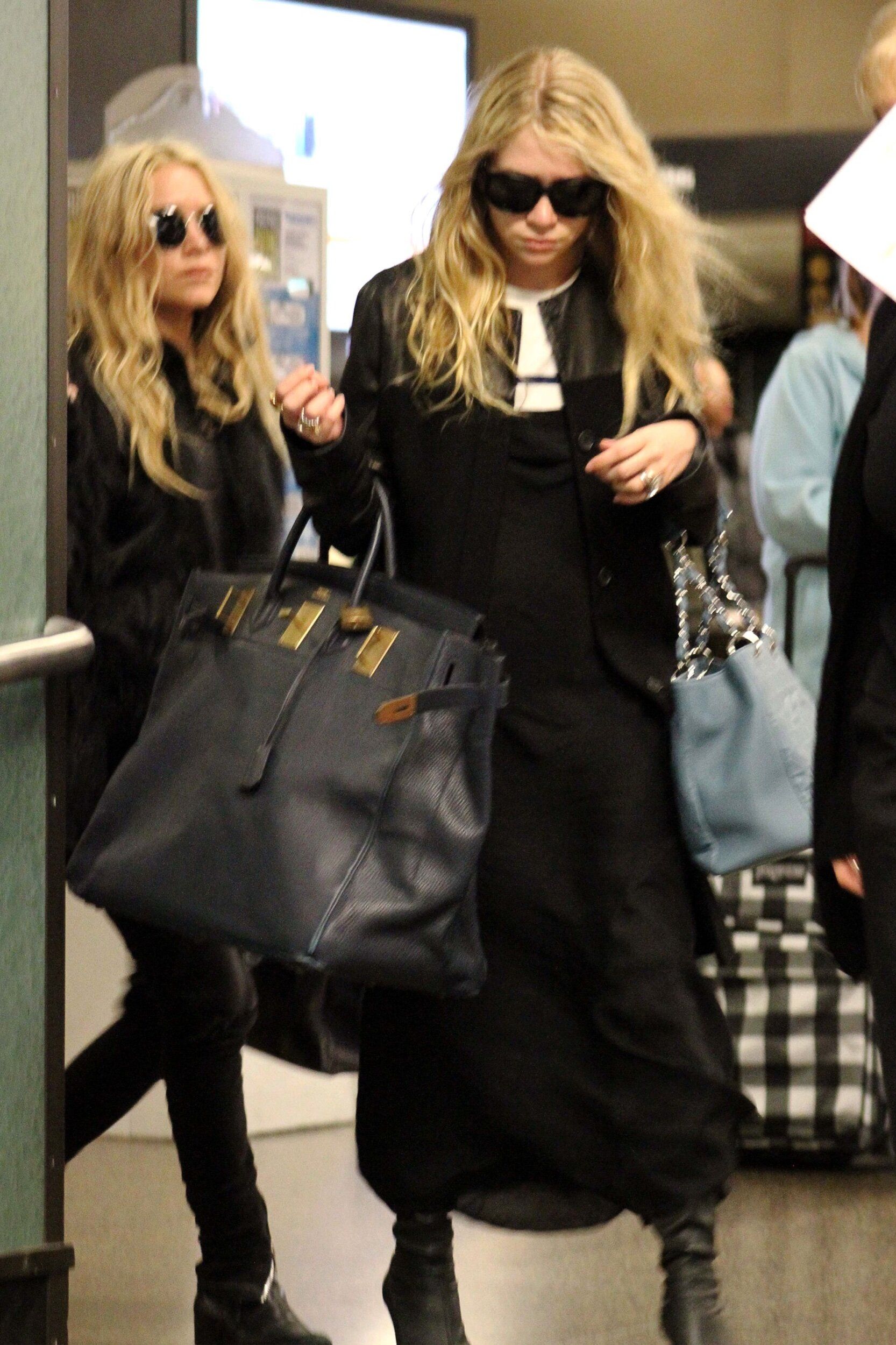
Notoriety is a key value in fashion, but even though TikTok continues to skyrocket unexpected trends, from the Jane Birkin Effect to Quiet Luxury, posts alone aren't enough to become a star. This might be why the only ones truly approaching the creation of a new it-bag for the 1% are the Olsen twins. As Birkin fans - there are countless photos of them walking around New York flaunting their iconic bag collection - they drew inspiration from Hermès’ discreet and functional style for their Margaux’s design, as well as for their brand’s communication. The Row has always been a "quiet" maison, not shifting artistic direction just to follow a trend, and so their sobriety appears more genuine. A key factor that makes the Margaux a potential Birkin successor is its impossibility to replicate. Prada’s Buckle, Louis Vuitton’s Speedy, and even Philo’s Cabas feature recognizable designs, making them easier to dupe, whereas The Row’s Margaux is nearly devoid of distinct features. This may help it avoid the media oversaturation that harms trends, allowing it to reach sales records gradually and lastingly. We’ll have to wait a few years to know whether the Margaux will become the new Birkin, an investment as well as an accessory - but maybe that’s the point: the only ones who currently know its value are the few - who may not be that few, considering it's already sold out - lucky ones who have it in their hands.
What to read next
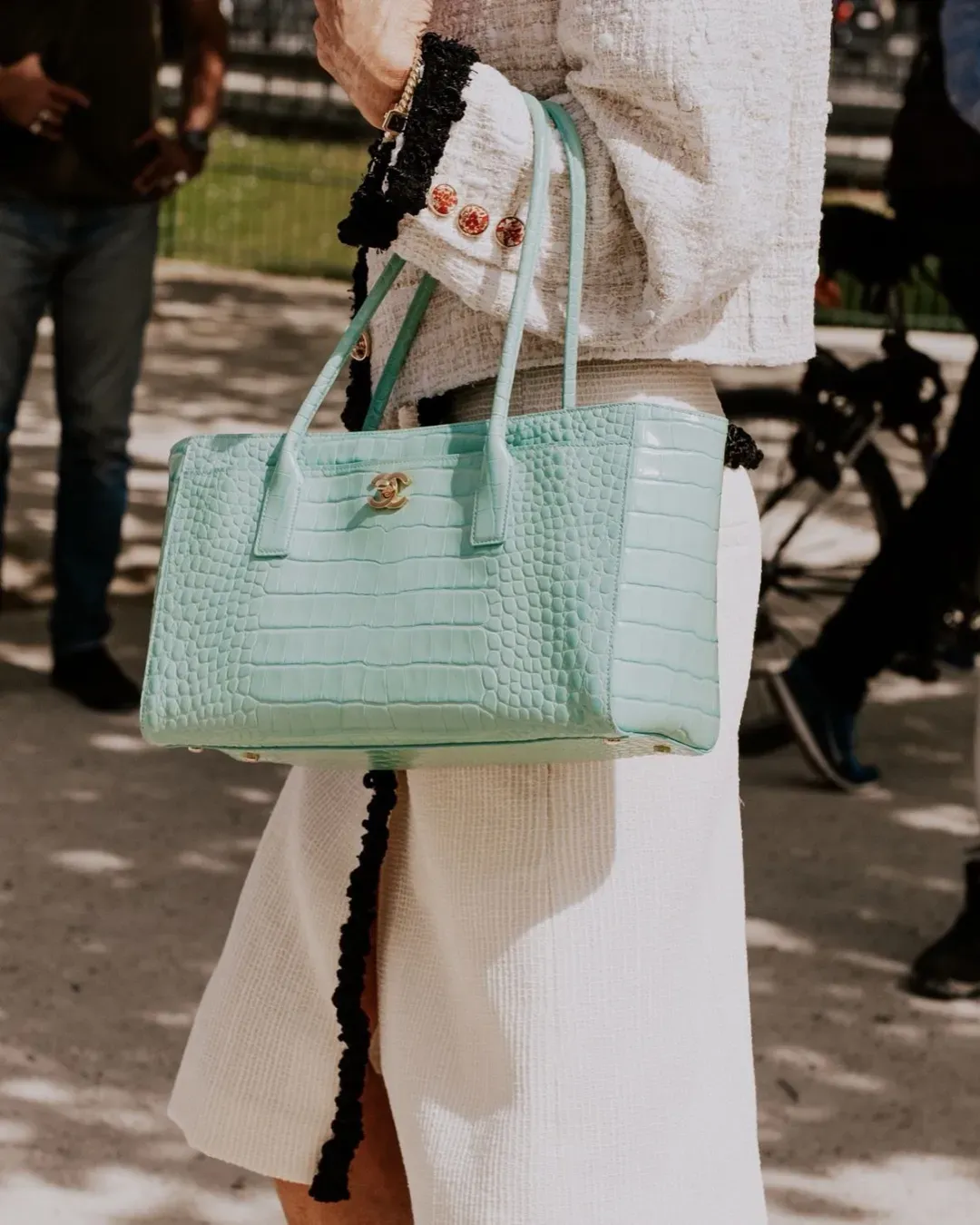
In Italy, luxury handbags are the new stocks
And a new report states that the main owners are under-40s
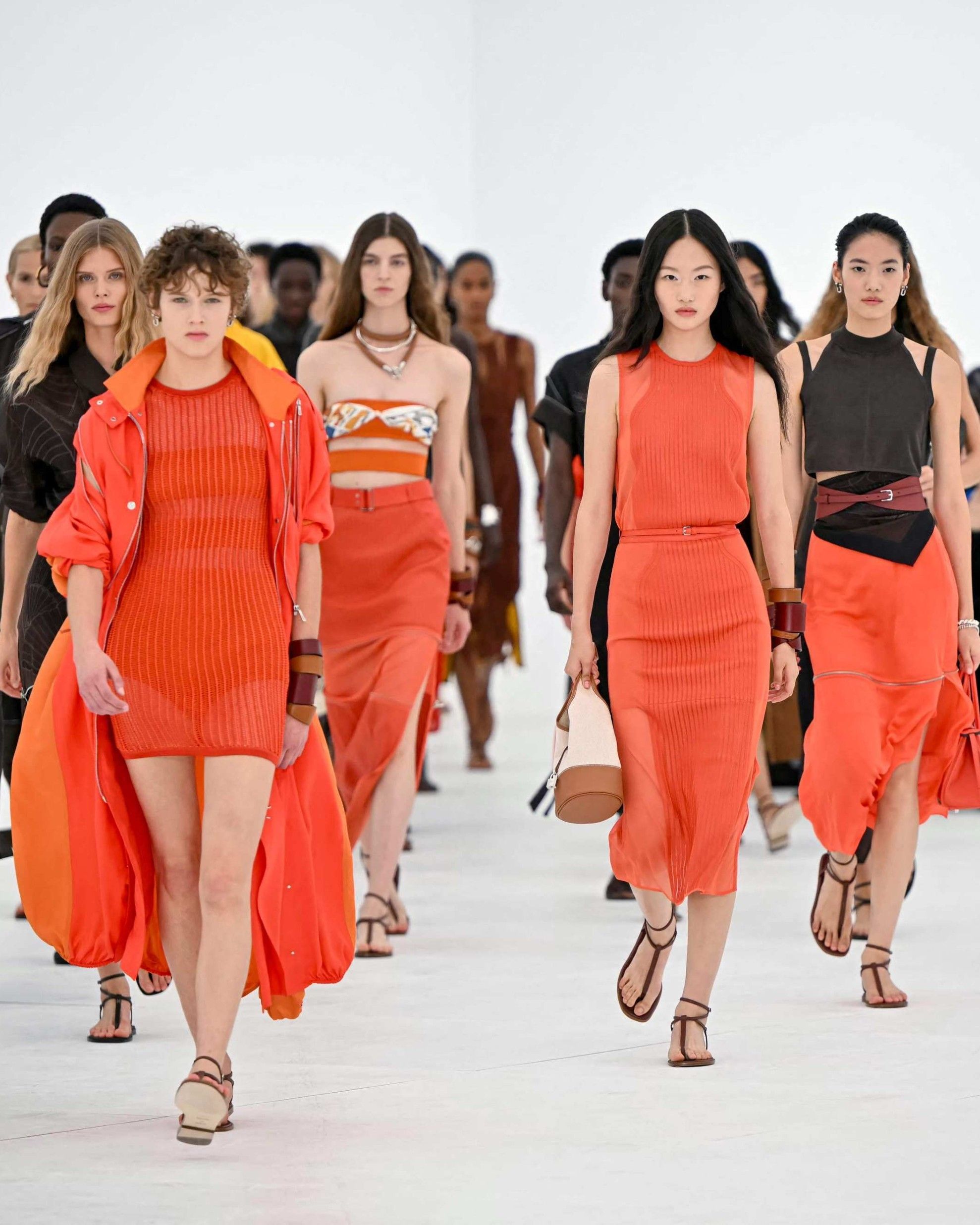
Even Hermès has been hit by the luxury crisis
Growth over the past few months is slightly below expectations, but the real issue is the stock
080 Barcelona Fashion Is Ready for Its 38th Edition
The Catalan fashion week is becoming increasingly international