



























Archive Fashion and Japan: Japan’s Appreciation for Vintage Designer Goods SABUKARU

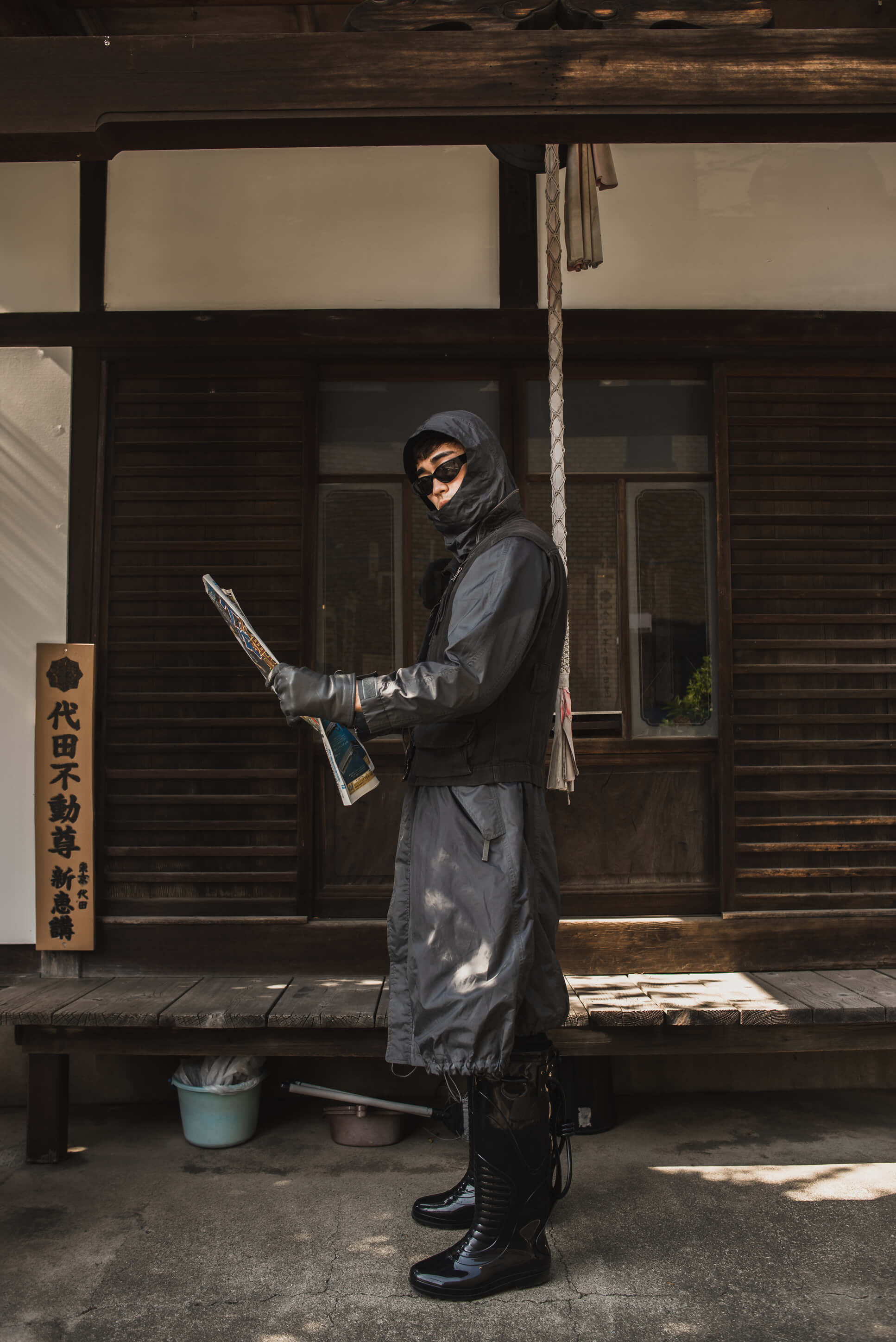
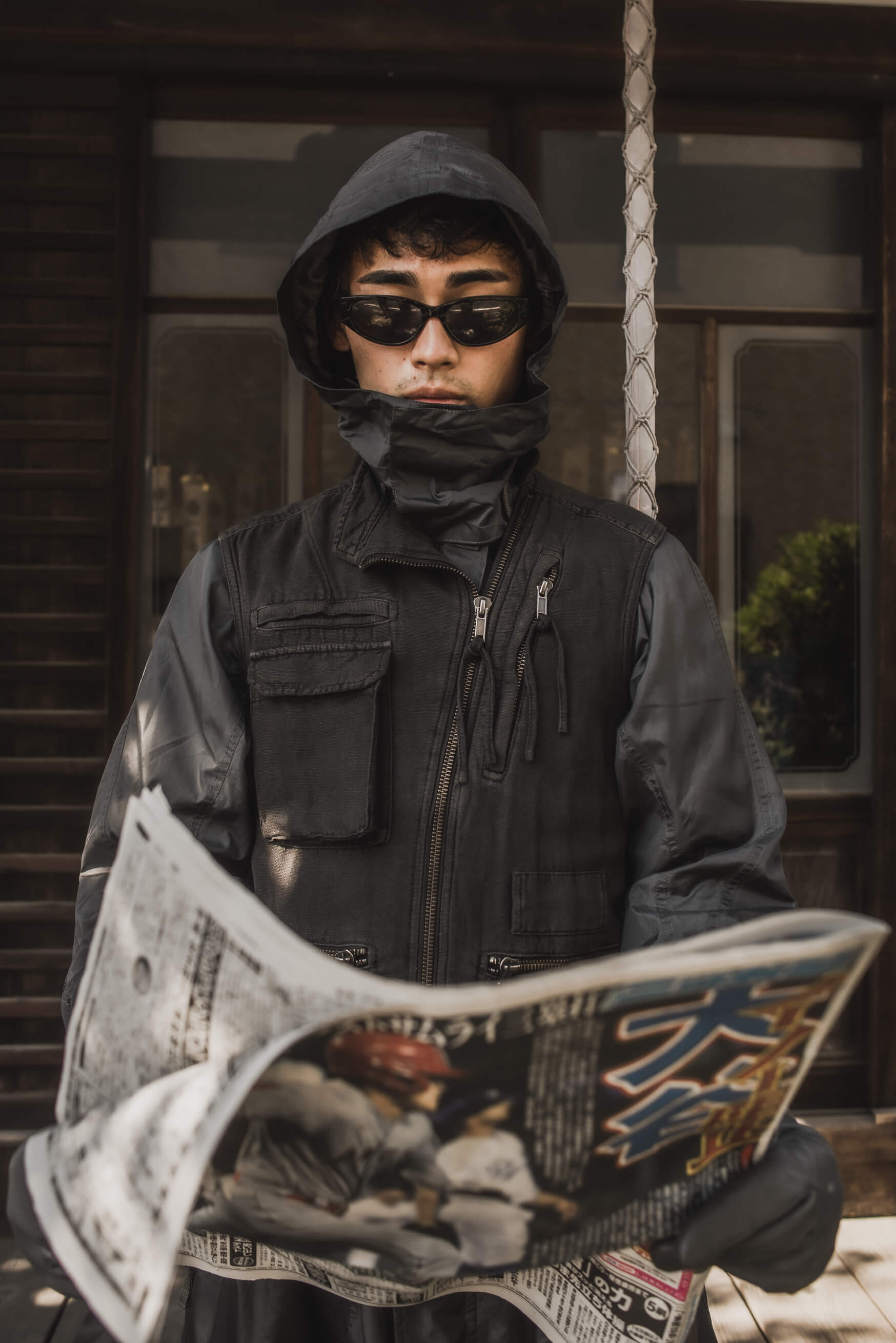
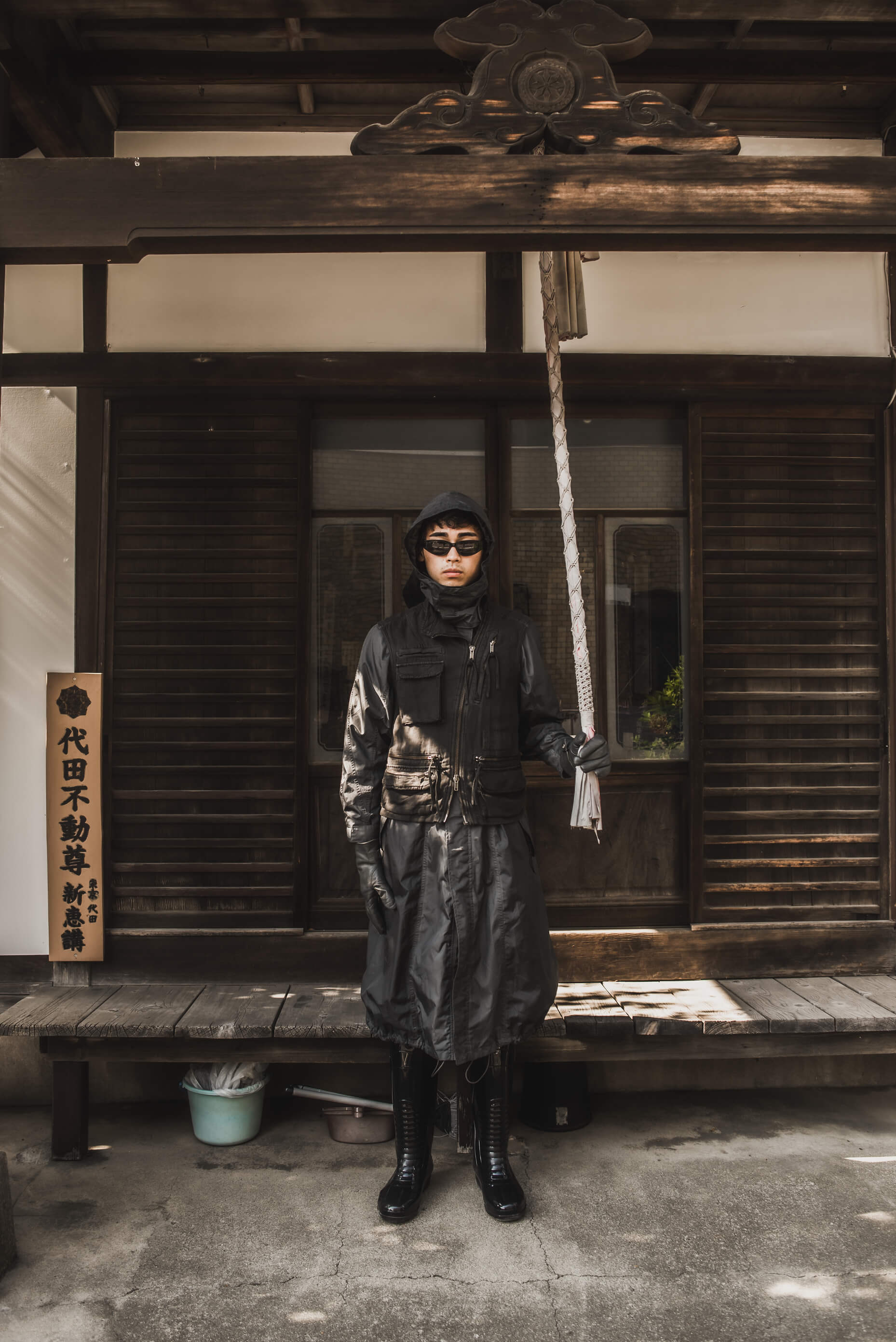









Archive Fashion and Japan: Japan’s Appreciation for Vintage Designer Goods
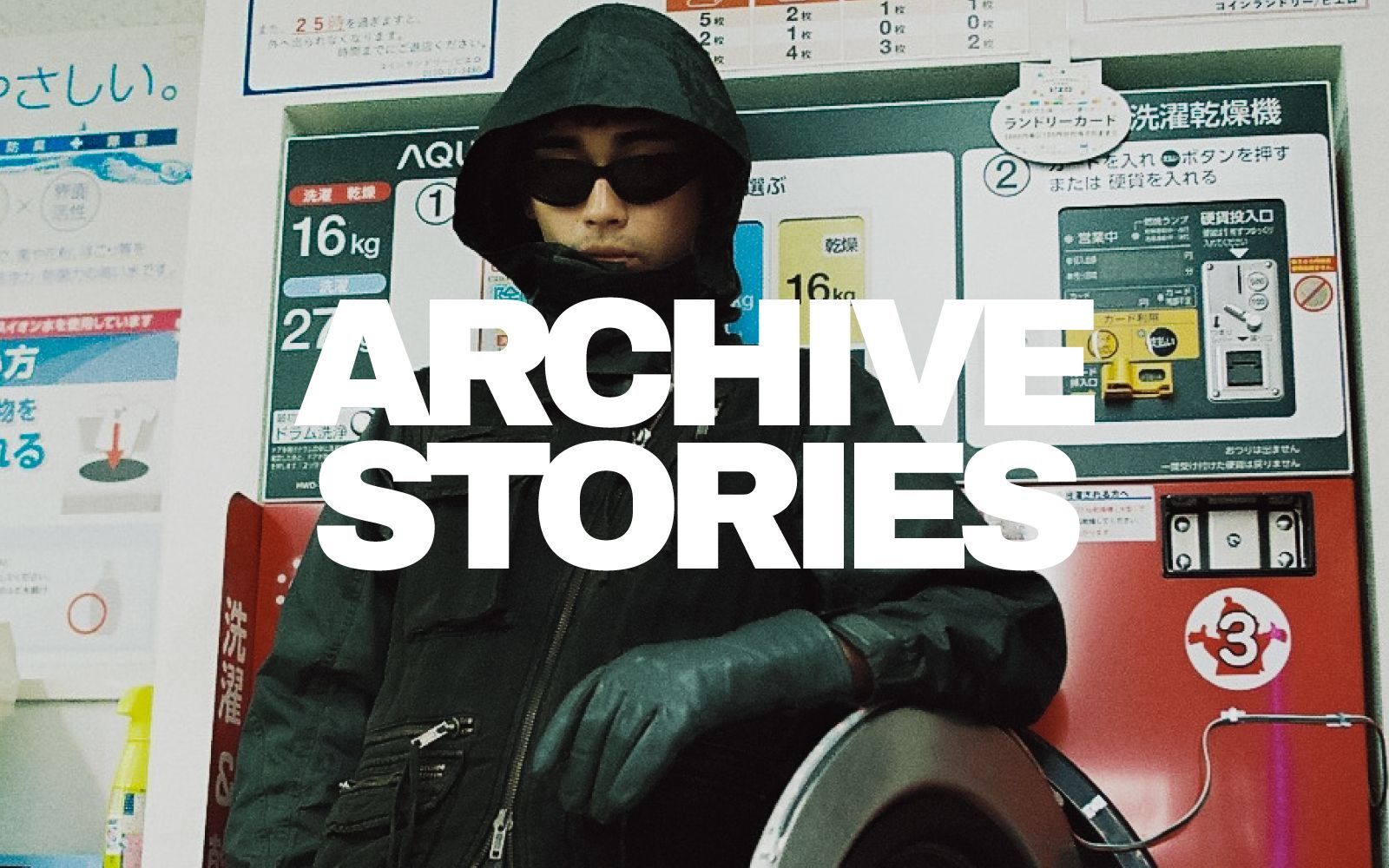
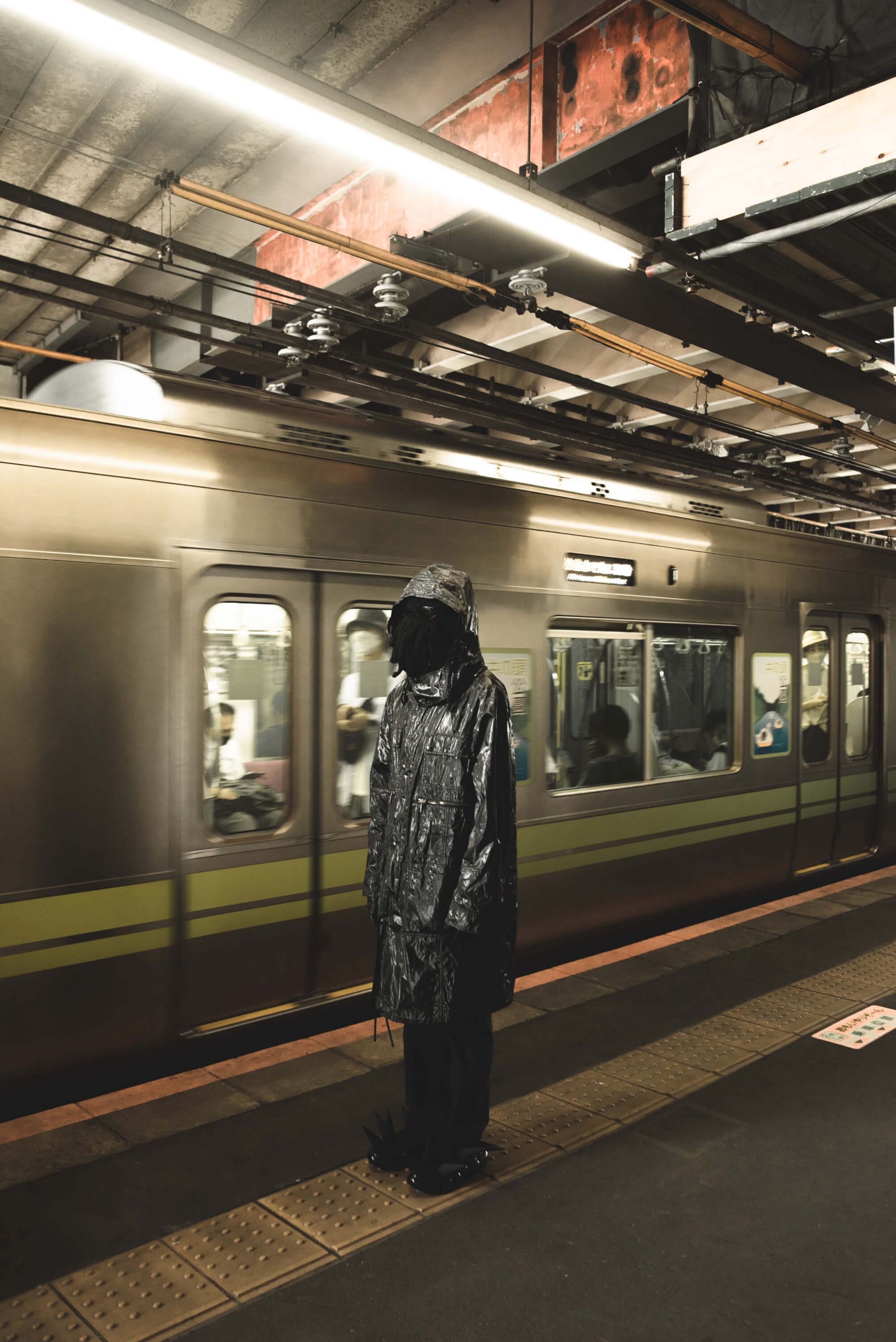
Today, Japan is often considered one of the most important countries that contributed to the popularity of "Archive Fashion.” However, Japan is not exactly where "Archive Fashion" as a movement was initiated, nor is it the home of Raf Simons, Martin Margiela, Helmut Lang, Alexander McQueen, and other names from which the archive game was kick-started around 2015. In this article, we attempt to break down the relationship between Japan and "Archive Fashion" and take a deep dive into how the trend rose in popularity in Japan. Although the very first wave of "Archive" designer brands included mainly European names, it didn’t take long for Japanese designers to steal the spotlight. Japan is home to some of the most exciting designers from the late 20th century, with brands such as Yohji Yamamoto and Comme des Garçons successfully attracting impressive followings by the end of the century.
Despite not being the most mainstream nor well-received in the fashion industry, Japanese designers at the time have always been the most cutting-edge, dare-devils when it comes to challenging the fashion norm. Whether it is displaying ripped, dark, oversized garments while glitz and glam were the hot topic, or deconstructing dresses to portray women in a gender-neutral way when curves and sexiness were the trends, the Japanese designers were something else. Uncommon, unparalleled, yet easily perceivable - these are the key qualities that assured the Japanese designs to be good archive material in the first place. Archives can be looked upon as the “greatest hits” from a designer, so the bottom line is the pieces cannot be immutable, repetitive designs and collections, so to speak, the archives have to stand out. Taking into consideration how unconventional the Japanese designers were perceived back then, many of which were able to attract attention from the press, and whether the impression itself turns out to be utterly positive or negative, the fact the shows were able to get people discussing and disputing over their views and interpretations of it made the presentations truly meaningful events, and items ever significant archives. Nowadays, Japanese brands such as Number (N)ine, 20471120, and Undercover, which embody the similar ideology of creating products that go beyond the traditional boundaries of fashion, are all subjected to the term “Archive” and looked upon as vintage collectibles. Another way to explain how "Archive Fashion" has become a bigger thing in Japan than anywhere else in the world could be coming from Japan’s unique customer behavior of buying used designer items. On the streets of Tokyo, well before the term "Archive Fashion" was known to many, vintage designer clothing stores were present. To name a few: Rinkan, Brand Collect, Kindal, Bring; the central districts of Tokyo are packed with these stores.
High-end used clothing stores are initially formed in Japan due to the country’s rich history in experiencing some of the most drastic economic ups and downs from the 1980s to the present day. Selling used clothing is originally looked upon a backlash from the indulgence of excessive buying behaviors during the prosperity of economy. And over the years, as a result of the abundance of used high-end clothing stores in Japan, archives are easily accessible for locals, whether or not they are aware of the archive movement. In other words, Japanese people were closer to archives at first place. Aside from the used clothing buy & sell activities driven by the likes of the economy, there is a large community in Japan who genuinely has the appreciation for vintage who would prefer the old over the new, and it is important to not undermine how this admiration of vintage has affected Japan’s fashion culture when exploring the country's relationship with archives. An early account of Japanese people obsessively buying vintage garments dates back to the post-war period. As the American soldiers gradually left, the supply of American jeans was no longer able to match the demand. Some Japanese merchants saw it as an opportunity and attempted to import American jeans back into Japan, but were only met with failure. They did not miscalculate the demand for American jeans; instead, what led to their failure was their misunderstanding of the product demanded by the public. The people wanted American jeans given the condition that they are old, rusty, and used. Hence, the new American denim imported to Japan was not appreciated at all due to the absence of the vintage touch. Maybe it is just like how old American jeans are deemed more desirable than new ones, over time, the Japanese have developed an appreciation for older designer collections, which eventually morphed into a whole culture, movement, and business, known today as the "Archive Fashion.”