






















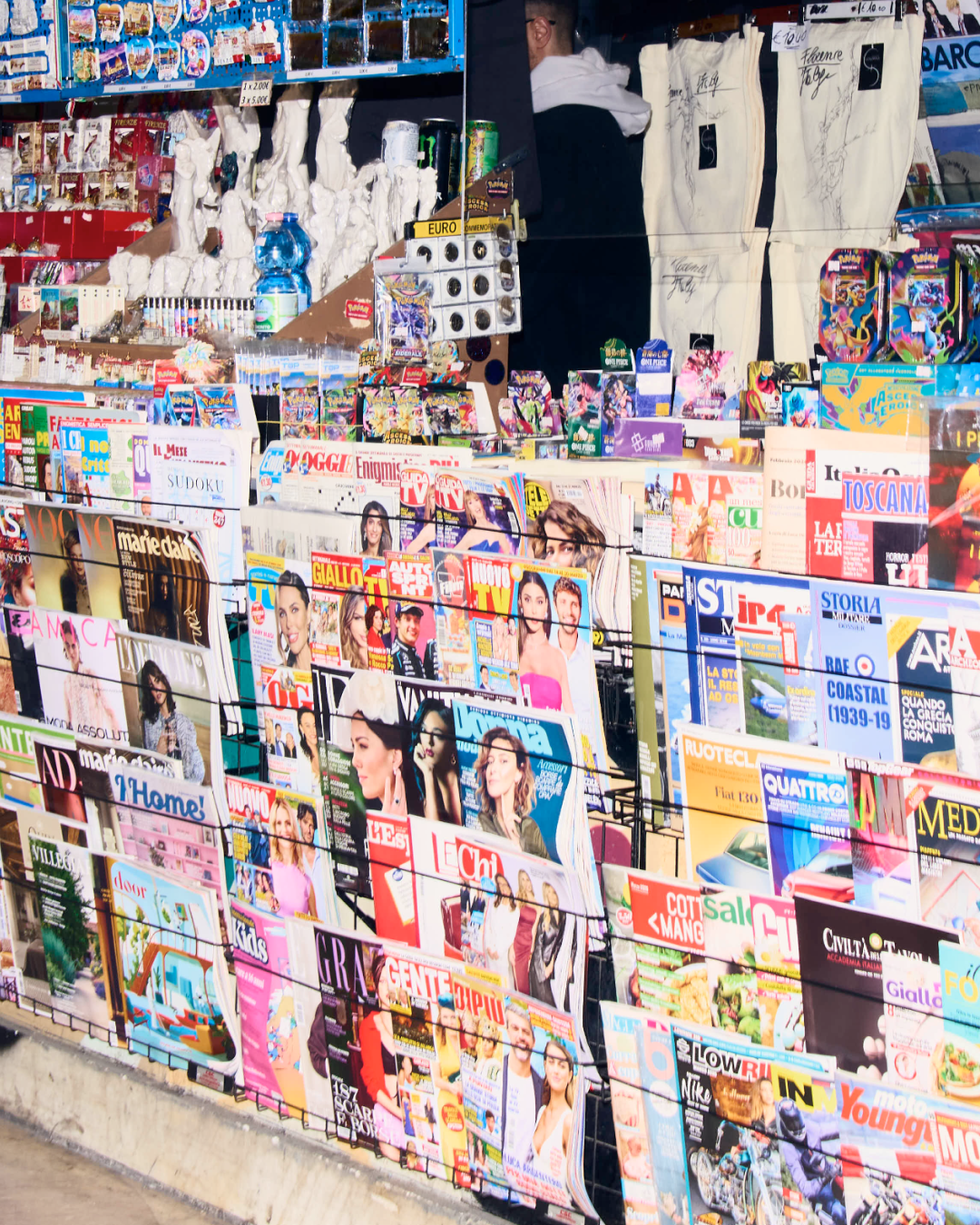
The Italian publishing industry is no longer Italian Acquisitions and new stakes are changing the ownership structure of several media outlets
After weeks of more or less substantiated rumors and internal mobilizations, the Greek media group Antenna has formally finalized the acquisition of GEDI, the Italian company that owns the newspapers la Repubblica and La Stampa, as well as the news site HuffPost and the radio stations Radio Deejay, Radio Capital and M2o.
Antenna is an international media conglomerate owned by the Greek Kyriakou family, with business interests ranging from media to finance, from the maritime sector to real estate. The group holds a prominent position in Greece, but has long been active abroad as well, particularly in Eastern Europe, as well as in Australia and the United States. Antenna’s activities have historically focused on television and radio, with an increasing emphasis on digital in recent years, while its experience in the print newspaper sector remains relatively limited.
The most significant turning point in the “publishers’ game of Risk”
@la.repubblica Lo sciopero di Repubblica e le manifestazioni nella piazze. A Roma, Milano, Torino, Bologna, Genova, Firenze, Napoli, Palermo e Bari, i giornalisti e le giornaliste di Repubblica, insieme a lavoratori, lavoratrici e poligrafici, hanno manifestato ieri dopo l’annuncio della vendita del gruppo Gedi.
suono originale - la.repubblica
For months now, Italian media have been using the expression “publishers’ game of Risk” to describe the ongoing reshuffling of the national media sector, recently marked by negotiations, acquisitions and potential ownership changes. For instance, last June, a series of financial maneuvers nearly altered the structure of Class Editori, the company that controls several outlets specializing in financial news, including the TV channel Class CNBC and the newspaper Milano Finanza. These initiatives were driven by entrepreneur Franco Caltagirone, already the owner of the newspapers Il Messaggero, Il Mattino and Il Gazzettino, who attempted to increase his stake in Class Editori in order to strengthen his influence within the company.
But that’s not all. At the beginning of the year, thirty-year-old Leonardo Maria Del Vecchio, son of Leonardo Del Vecchio, founder of EssilorLuxottica, acquired a very significant stake in Editoriale Nazionale, the company that controls the newspapers Il Giorno, La Nazione, Il Resto del Carlino and Quotidiano Nazionale (QN).
What we know about the new publisher of la Repubblica
The Antenna group is led by Theodore Kyriakou, an entrepreneur long known for his connections with several prominent political leaders. For example, he was among the few guests invited to the state dinner held in Qatar to welcome Trump during his trip to the Middle East and, according to some reports, the two share a strong personal relationship. Kyriakou has also been widely discussed for his ties to Saudi Arabia, which, through a complex network of holdings linked to its sovereign wealth fund, also owns a stake in the company he chairs.
At the moment, the details of the deal that led to the acquisition of GEDI have not been made public. Neither the terms of the agreement nor the sale price are known, and the future plans for the group’s editorial brands remain unclear. In an official statement, the company’s chairman Paolo Ceretti nevertheless assured that jobs and the editorial independence of individual outlets will not be affected. Ceretti also noted that, according to the agreement, La Stampa will subsequently be sold to the Italian publishing group SAE, which includes several major local newspapers such as Il Tirreno (Livorno) and La Nuova Sardegna.
@il.fattoquotidiano John Elkann, nipote di Agnelli, è colui che accomuna Juventus, Ferrari, Stellantis e il gruppo Gedi (editore di La Repubblica e La Stampa), ma ultimamente le cose non gli vanno benissimo. Lo spiega Andrea Tundo de Il Fatto Quotidiano. #DentrollFatto #ilfattoquotidiano suono originale - Il Fatto Quotidiano
Until now, GEDI had been controlled by Exor, the holding company of the Agnelli-Elkann family based in the Netherlands, whose portfolio includes companies such as the automotive group Stellantis and Juventus. However, the company had long expressed dissatisfaction with the economic performance of the Italian media sector and with the complex management of la Repubblica, the group’s most influential publication.
Still, a change in ownership does not always bring benefits to individual publishing groups, even those facing difficulties. This is also illustrated by the recent case involving the Washington Post, one of the world’s most important newspapers. Its owner Jeff Bezos, after years of deliberately staying out of the paper’s editorial decisions, significantly downsized the publication through a series of staff cuts. According to many observers, this move was aimed at reducing its progressive stance and political influence, at a time when several major American entrepreneurs are seeking to align themselves more closely with Trump.