



































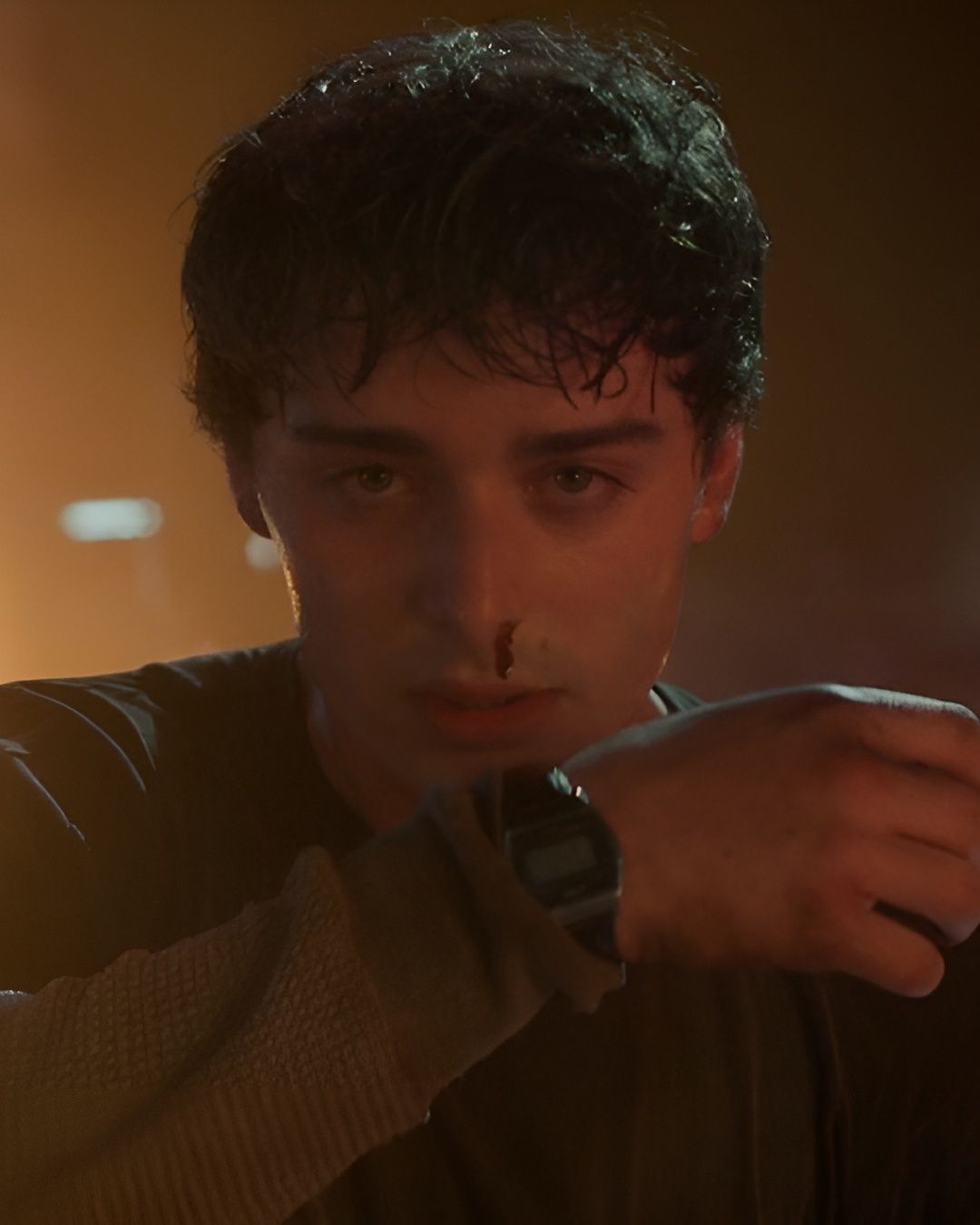
What we liked and didn't like about the "Stranger Things 5" finale Bidding farewell to the town of Hawkins, an analysis of the final episode of the Netflix hit series
The final episode of the last season of Stranger Things on Netflix lasts two hours. There would be nothing wrong with that, if the episodes that came before it were not just as long while using half the time, but the duration itself is a crucial element of this season. It will be painful to let go of a story as overwhelming as it has been (some will say: only at the beginning), the one created by the Duffer brothers, so it is right to allow oneself a moment of tenderness following the inevitable final showdown with Vecna, trying to close each of the narrative arcs.
Precisely when the showrunners try to do good, they show how they actually damaged the fifth season by getting lost in excessive length. This was already evident in the first and second parts, released from late November 2025 through the first day of 2026, suffering from this staggered release that gave fans all the time to voice their opinions, especially when they were not satisfied. Too much was left hanging, especially when, after the first episodes of Stranger Things 5, there was a feeling that the story was going nowhere, reserving for the final episode a length that, once again, stretches more to indulge the series itself than out of storytelling necessity.
The cast of #StrangerThings5 watching the series finale. pic.twitter.com/X4np1bNByZ
— Stranger Things Spoilers (@SThingsSpoilers) December 31, 2025
This does not change the fact that having to say goodbye to Undi, Mike, Lucas, Will, Dustin and Max is not easy, and that the final sequence is able to reconcile us with the memory of why we loved Stranger Things from the very first moment. A show that will continue to have, whether we admit it or not, a small place in our hearts - not to mention in the serial and cultural fabric it has woven over these ten years. With a promising first part and a faltering second, the series arrives at a final episode that seems like a fusion of what worked and what did not work throughout the season, in a constant internal struggle where, to the desire to give the series a dignified ending, the Duffer brothers combined their refusal to give up even a single idea conceived for the story.
stranger things really was the first thing that i stayed with start to finish and i think that’s why it ending is really crushing me…i was 12 when i first watched it and growing up alongside the cast was such a huge part of my preteen years i feel like I’m mourning my childhood pic.twitter.com/8GykHMx4ij
— hail (@holmesbury) December 31, 2025
What will certainly remain of the fifth season are its most introspective insights, even though (and paradoxically, given what we have said about the show’s writing) they are not widely explored. Stranger Things 5 in fact addressed the impact of trauma that afflicts people and its direct consequences, from Will’s connection with Vecna to the network of memories that allows travel through people’s minds. If the coming out of Noah Schnapp’s character is a weapon against the villain, because the young man ensures that his is no longer a secret that can be used against him, for Henry memory - particularly that hidden crevice in the rock—is a canonical event that will change him forever and whose pain and aftereffects he carries with him as he transforms into Vecna.
It is about how one grows and comes together that Stranger Things echoes It by Stephen King, albeit in less pulsating tones. It is the bond spoken of by Steve, Nancy, Jonathan and Robin, which makes them aware, in that transition between adolescence and adulthood, that with others it can never be the same again, whether it be love or friendship. There are events that mark you and chain you to others forever, as happened to the quartet (and the rest of the characters), from which one must therefore try to draw, albeit with difficulty, the best.
@st4rryr4e That ending was genuinely so bad #strangerthings #strangerthings5 #byler #mileven #strangerthingsedit Never Forgive Me, Never Forget Me - Avith Ortega & Akira Yamaoka
And so here we are at the definitive clash, the search for the Mind Flayer, the test of the group’s synergy of very young characters helped by an ever-growing team of people. Yet there also remain questions left open, which the Duffer brothers have said they will answer with dedicated spin-offs (see the stone Henry finds) and with that shiver - somewhat like Will feeling chills on the back of his neck - that makes us think that someone, perhaps in ten or twenty years, will believe it is a good idea to bring the team back together and embark on some other adventure.
For now, however, the campaign is over and a door has closed. What remain are the laughs of those who played together with the protagonists, making room for new participants. A finale that asks only one thing of both the characters and the audience: to be able to believe. It is up to each viewer to choose whether to do so or not, and in that decision lies everything that a global phenomenon like Stranger Things can represent and may have represented for each of us.