
























MRACONIA reimagines Balkan heritage through a contemporary vision Where memory meets modernity: a contemporary ode to the Balkan soul
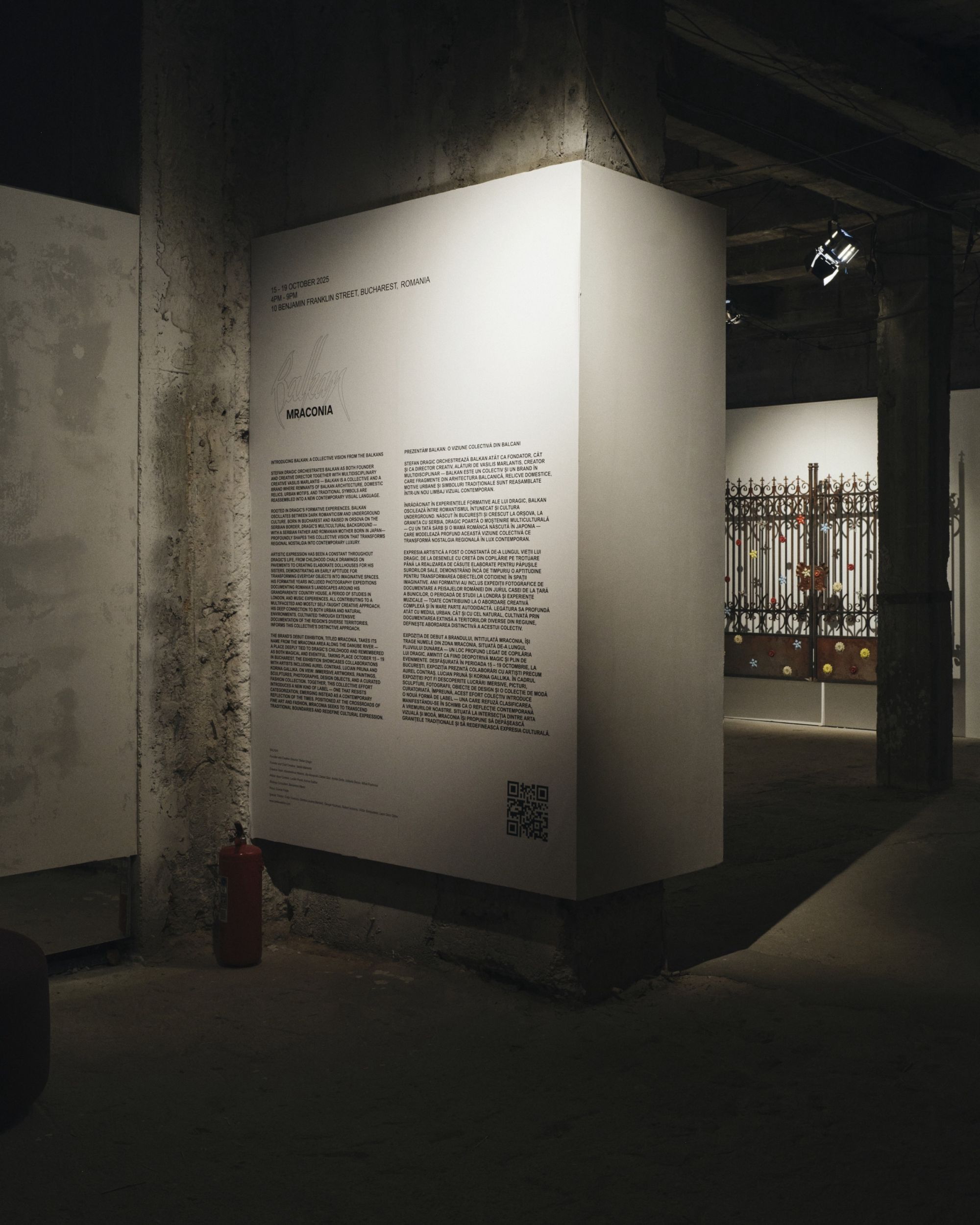

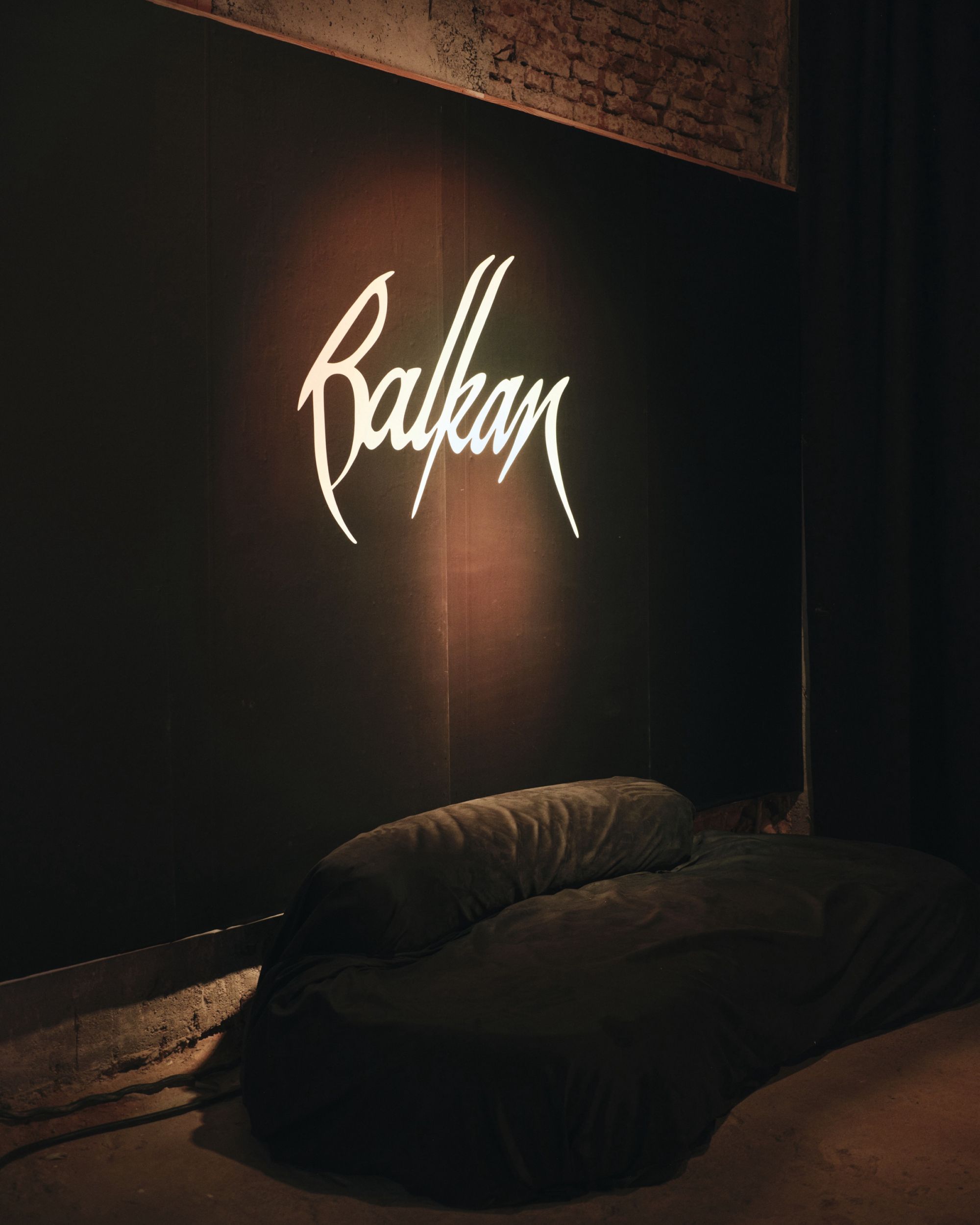
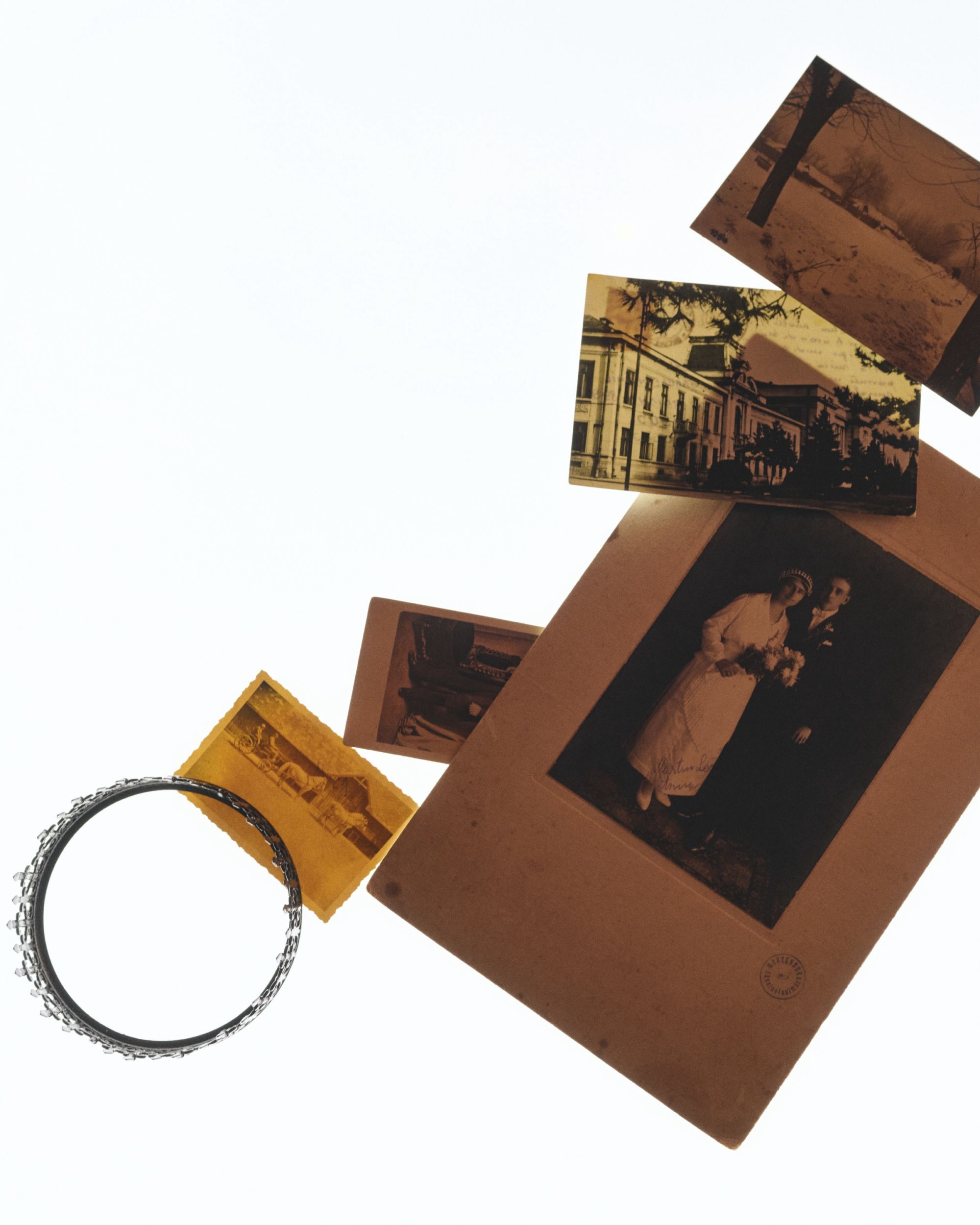
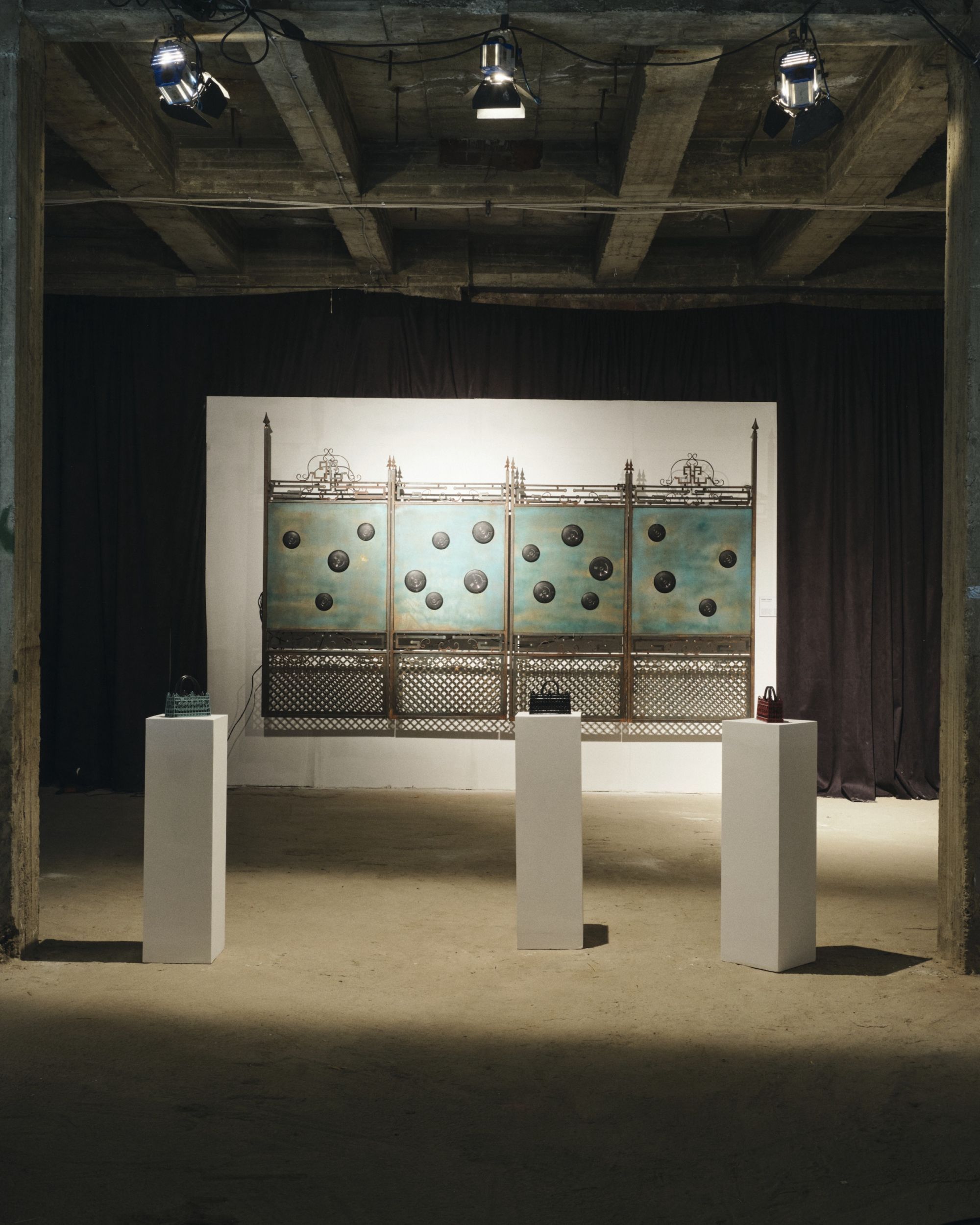
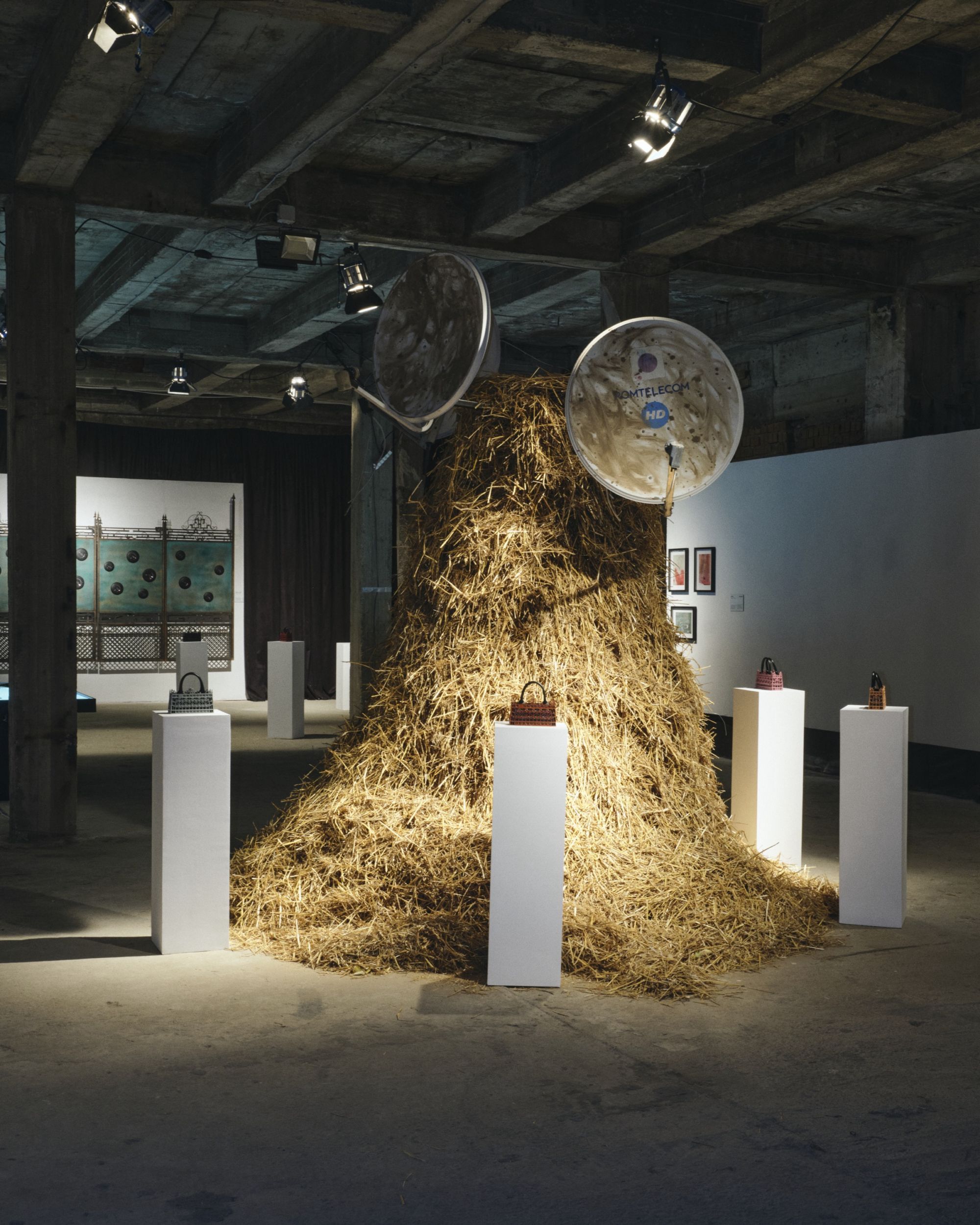
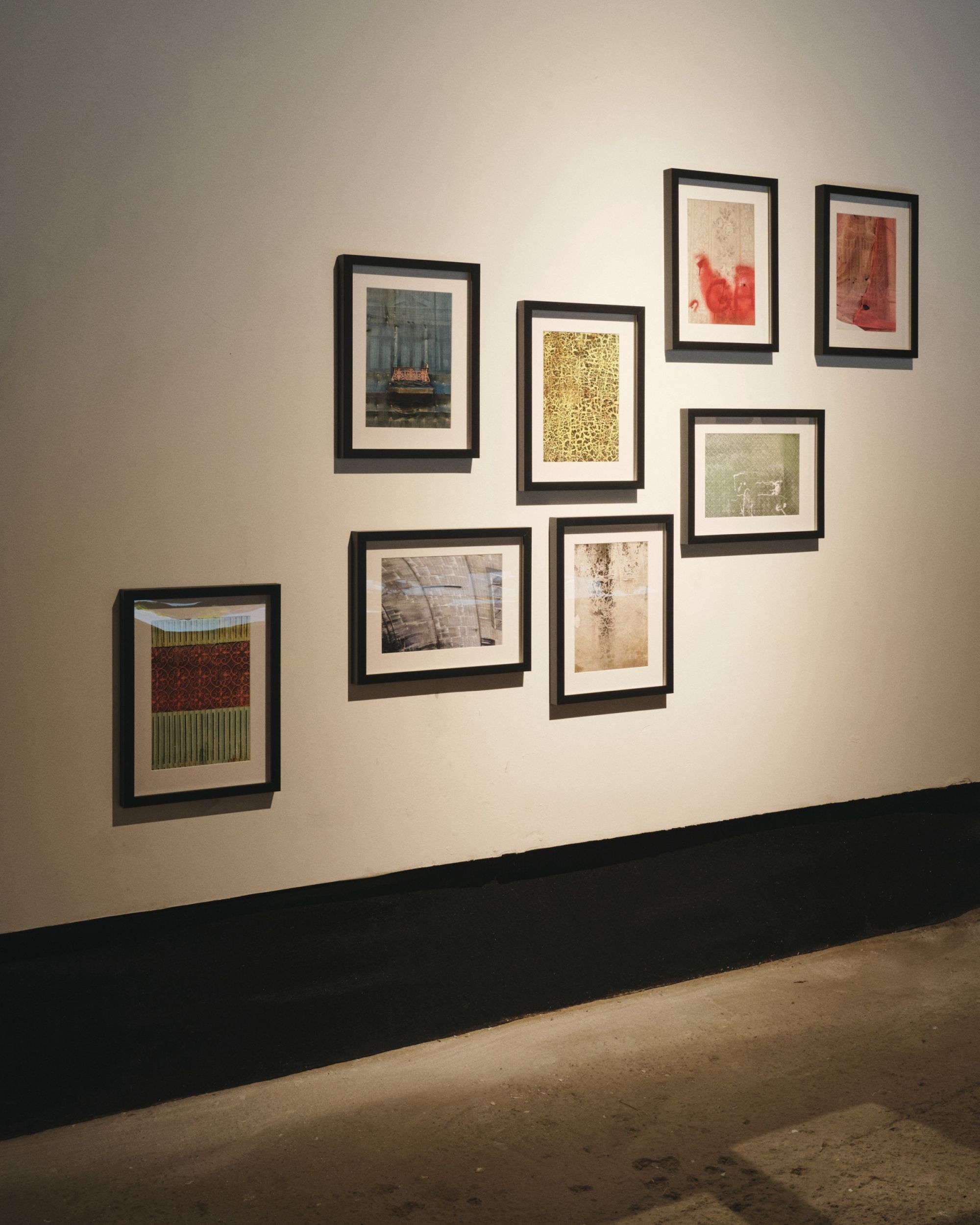
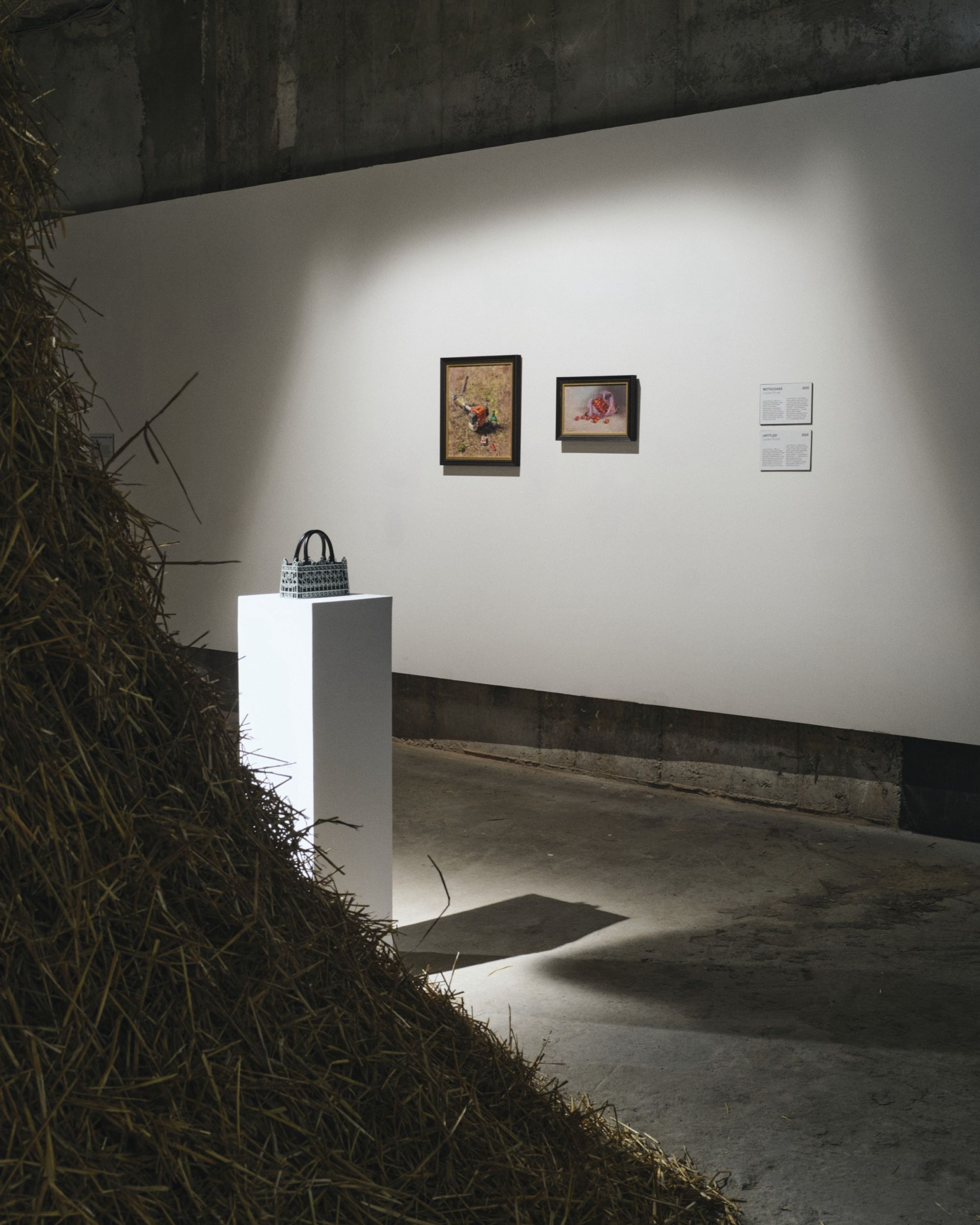
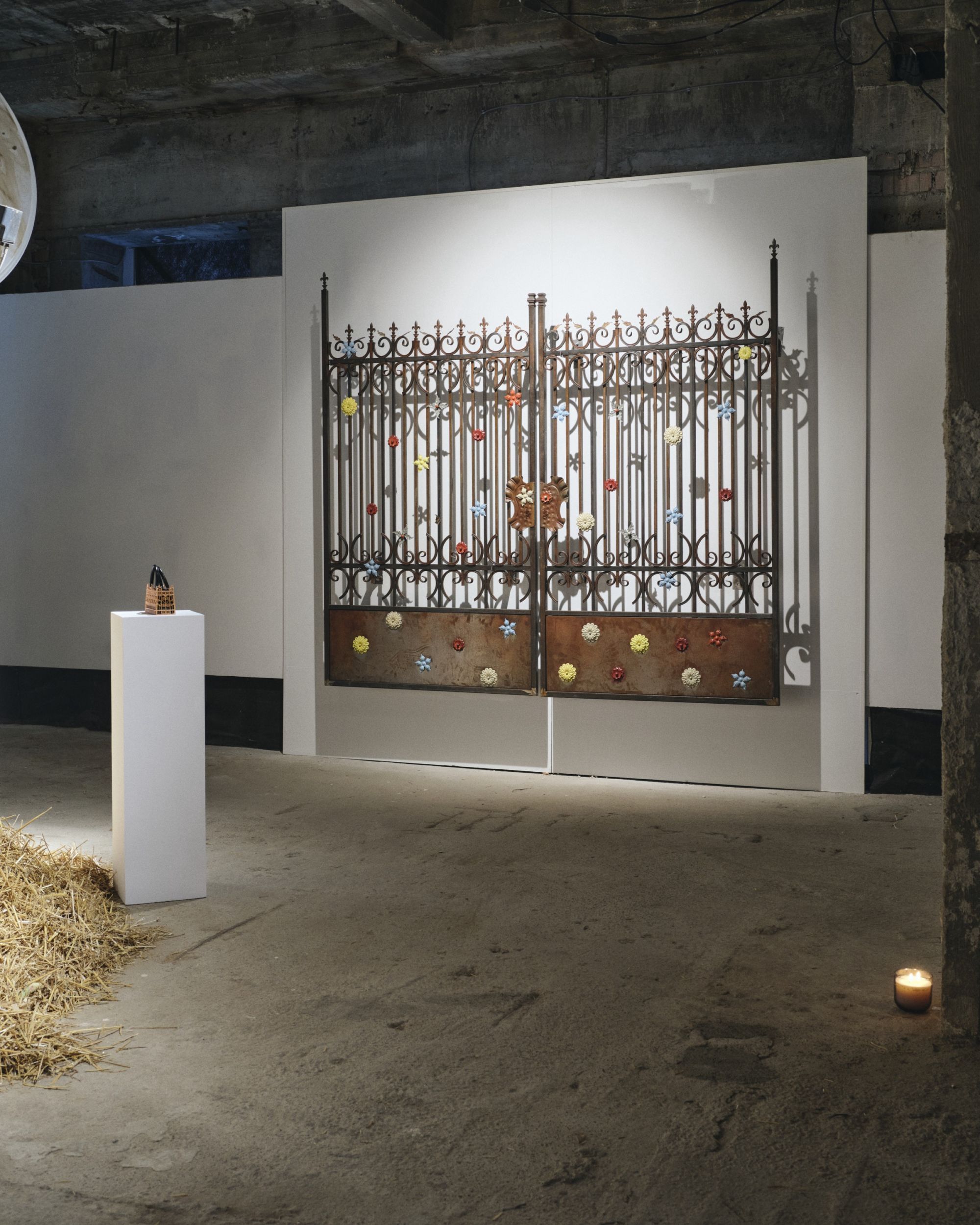
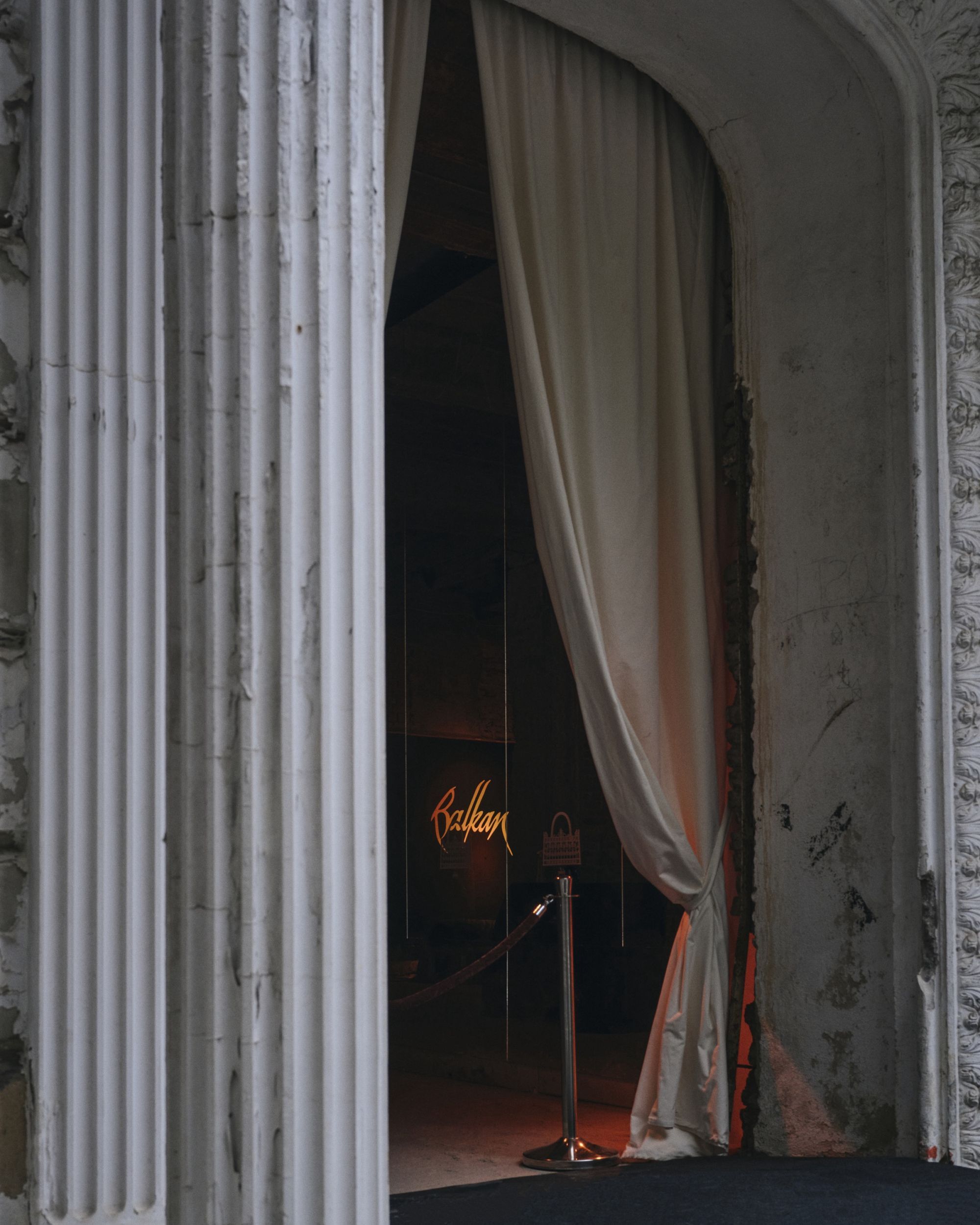
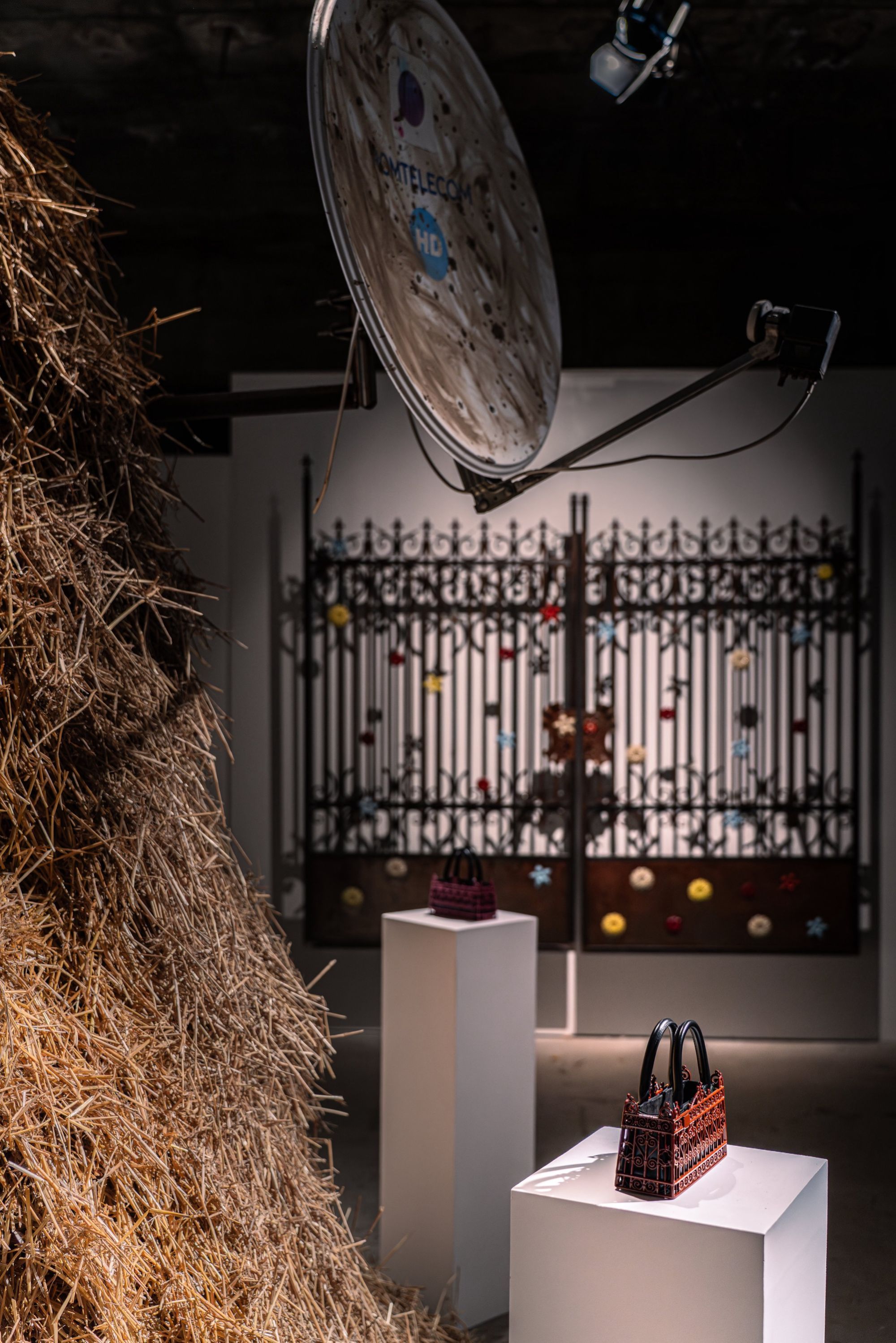
Earlier this month, Bucharest became a nexus of creative dialogue as the inaugural exhibition of BALKAN, the newly launched brand by Stefan Dragic and Vasilis Marlantis, opened its doors at the historic Cina House, formerly the Cesianu-Boerescu House, on Benjamin Franklin Street. Presented as part of Mercedes-Benz Bucharest Fashion Week SS26, MRACONIA marked a defining moment for the city’s cultural scene—one that intertwined art, fashion, and design into a cohesive meditation on heritage and modernity.
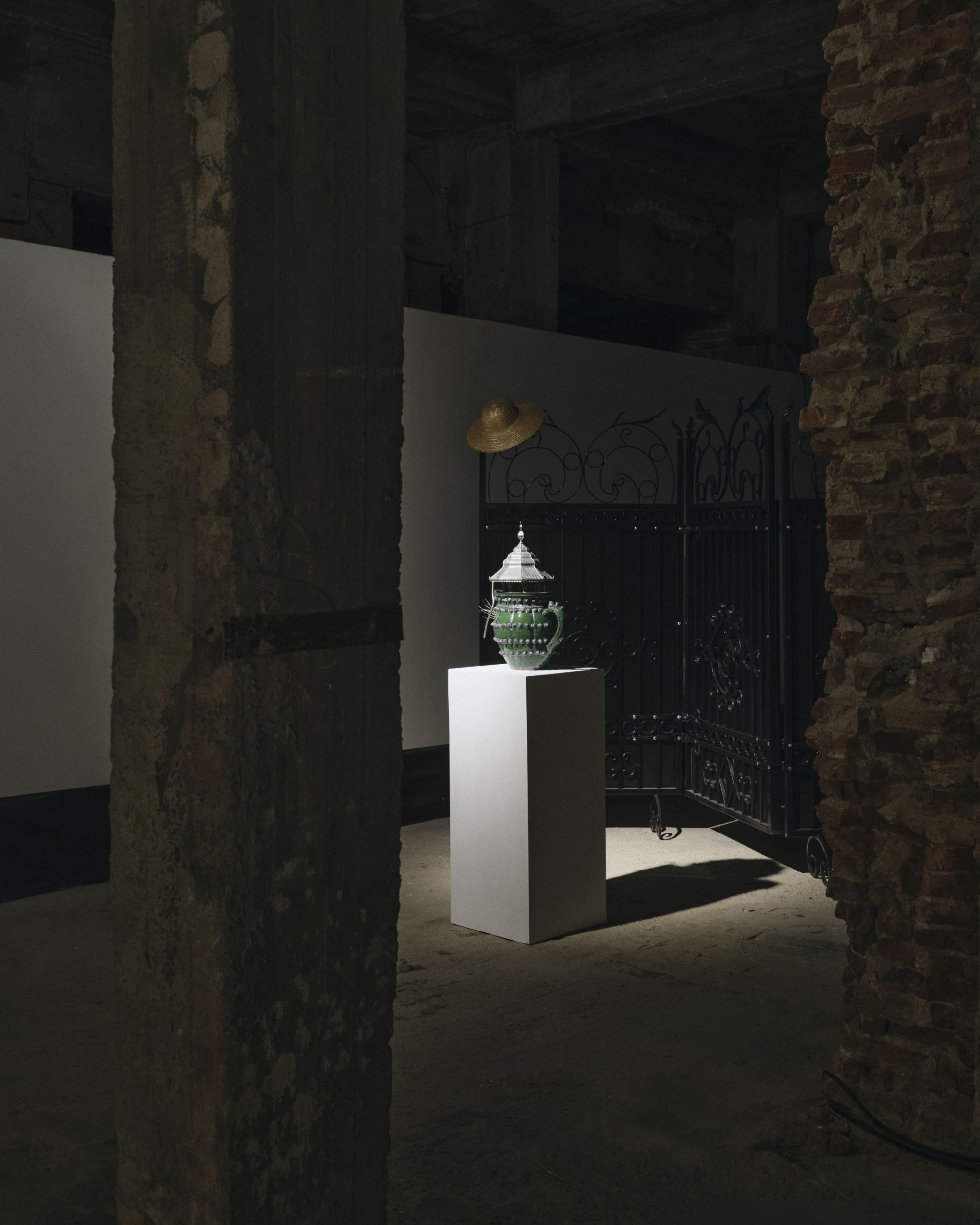
Named after the evocative Danube region central to Dragic’s childhood, MRACONIA unfolded as a multidimensional exhibition exploring the nuances of Balkan identity through a contemporary lens. The setting, a neoclassical mansion, provided an atmospheric counterpoint to the exhibition’s dark romanticism and underground aesthetic. Within the weathered walls of the Cesianu-Boerescu House, echoes of the past conversed with the bold experimentation of a new generation, forging a dialogue between heritage preservation and creative reinvention.
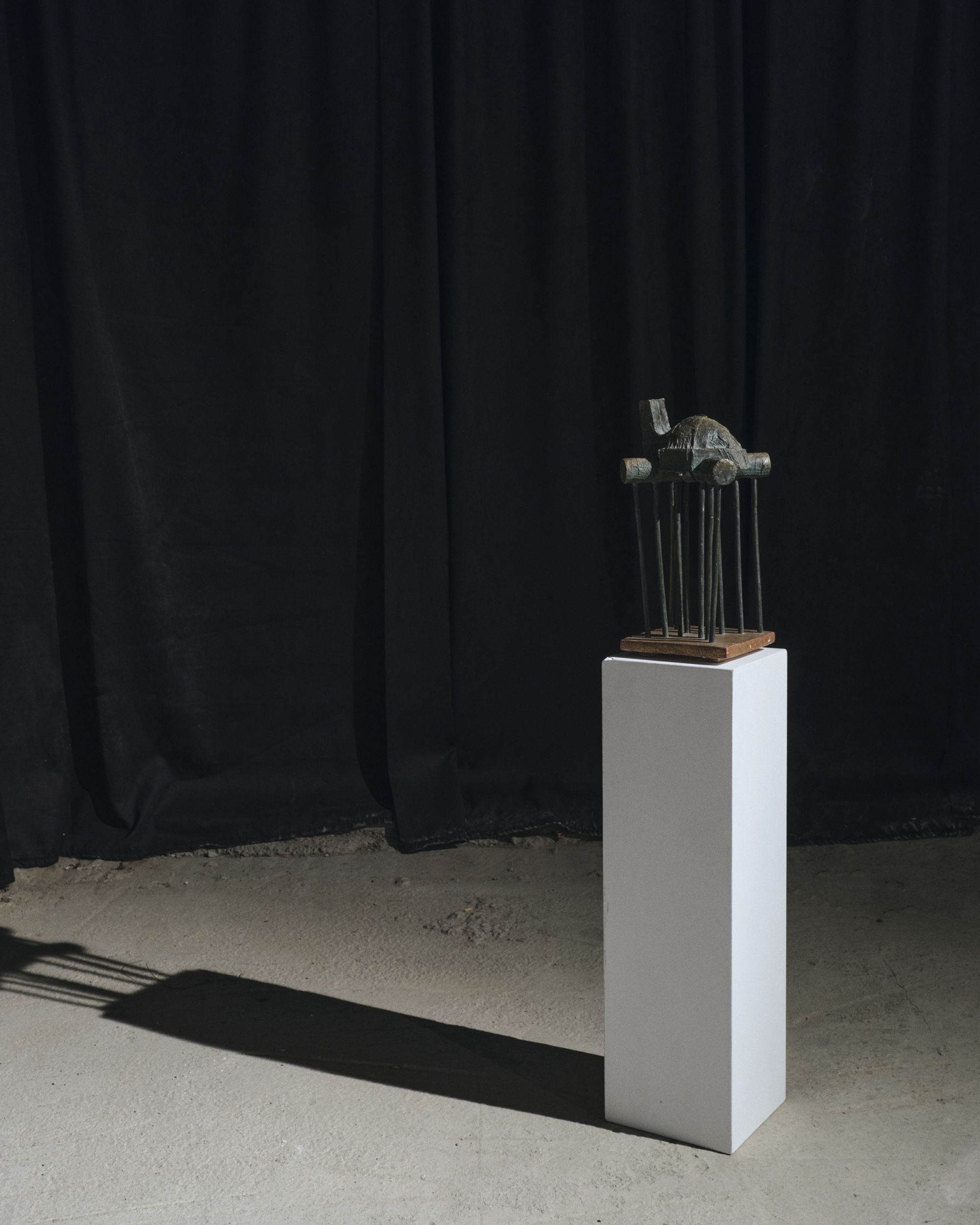
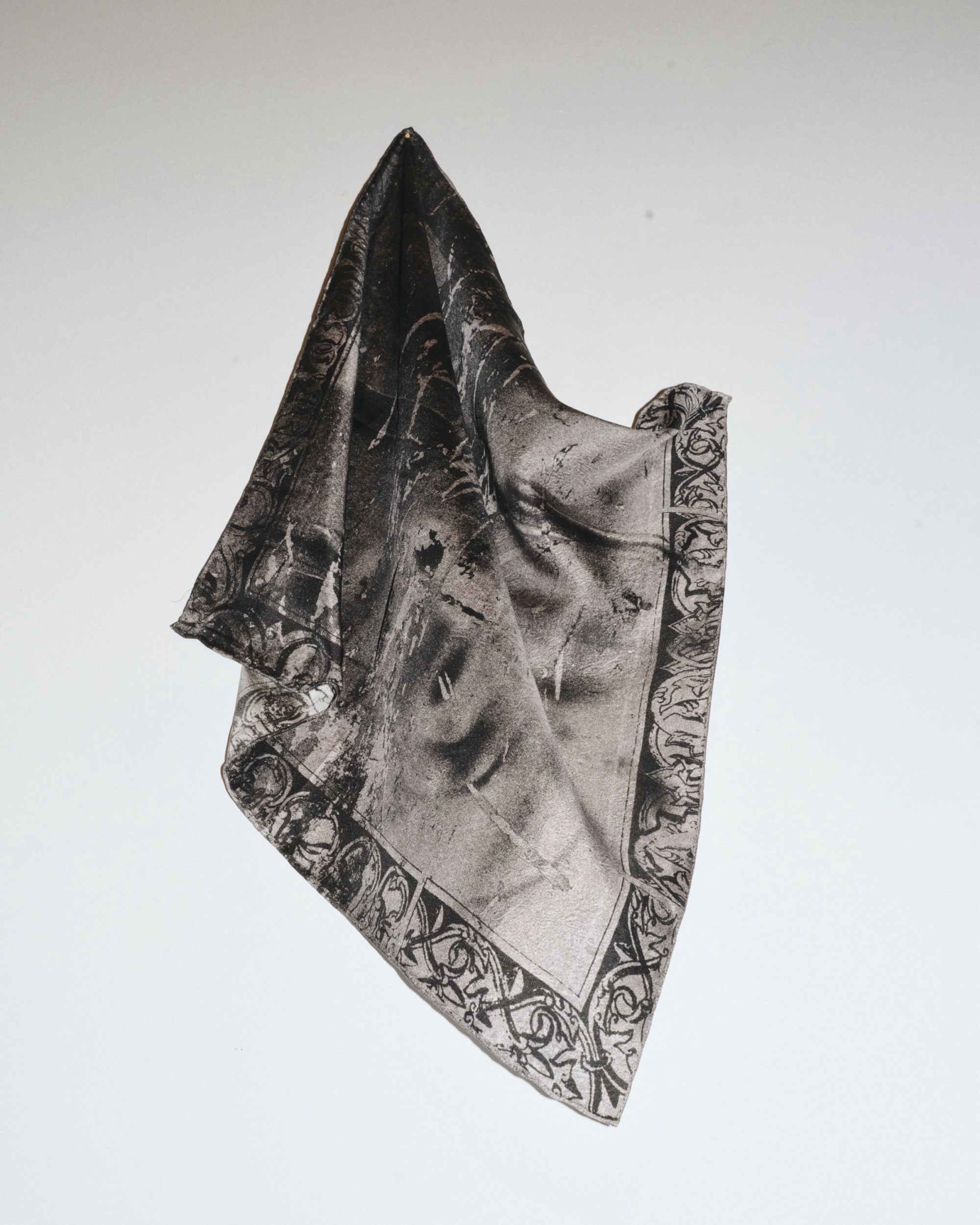
The exhibition’s multidisciplinary approach brought together fashion, fine art, sculpture, and painting, emphasizing the elasticity of cultural expression in a region often defined by its historical weight. Collaborations with three notable artists underscored this cross-disciplinary ethos: Aurel Contras presented a wood and bronze sculpture that juxtaposed material heritage with conceptual symbolism, creating a resonant focal point on tradition’s enduring physicality. Lucian Pruna’s hyperrealistic still lifes extended this theme through nostalgia-infused imagery, transforming regional memory into visual language. Meanwhile, Korina Gallika, working in dialogue with Dragic, designed intricate patterns for a series of silk bandanas that reinterpreted Balkan motifs into wearable art, blurring the line between textile craft and contemporary luxury.
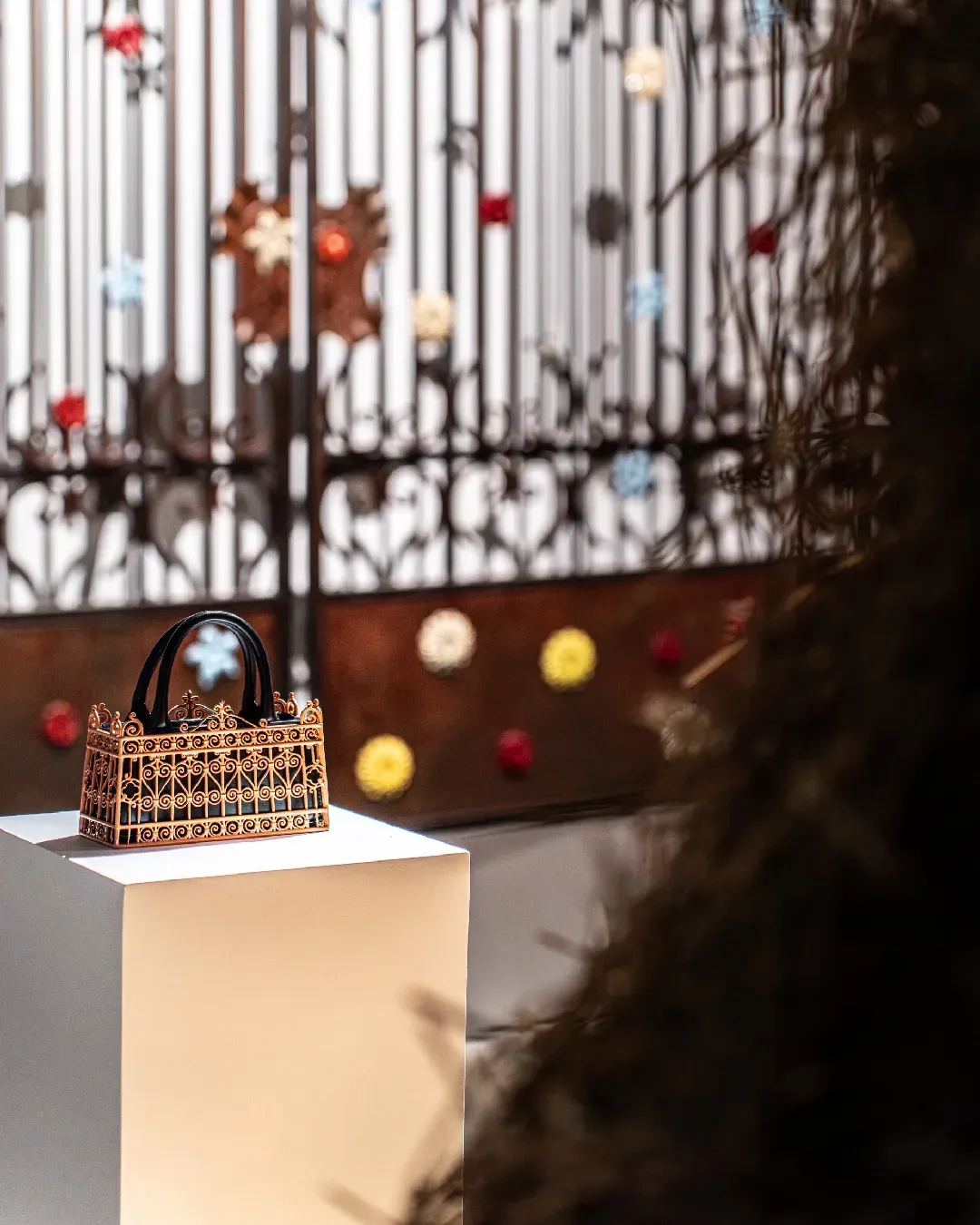
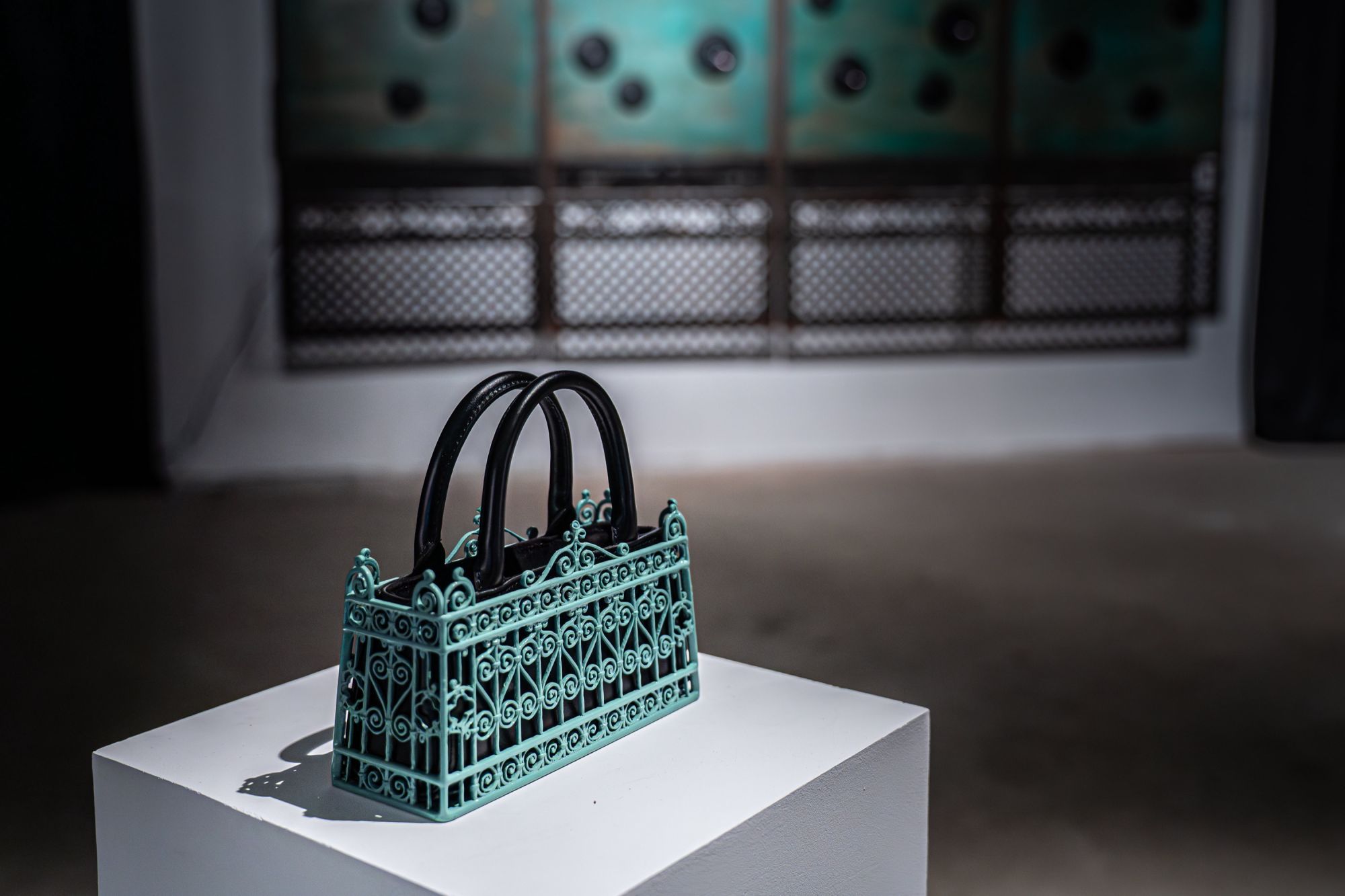
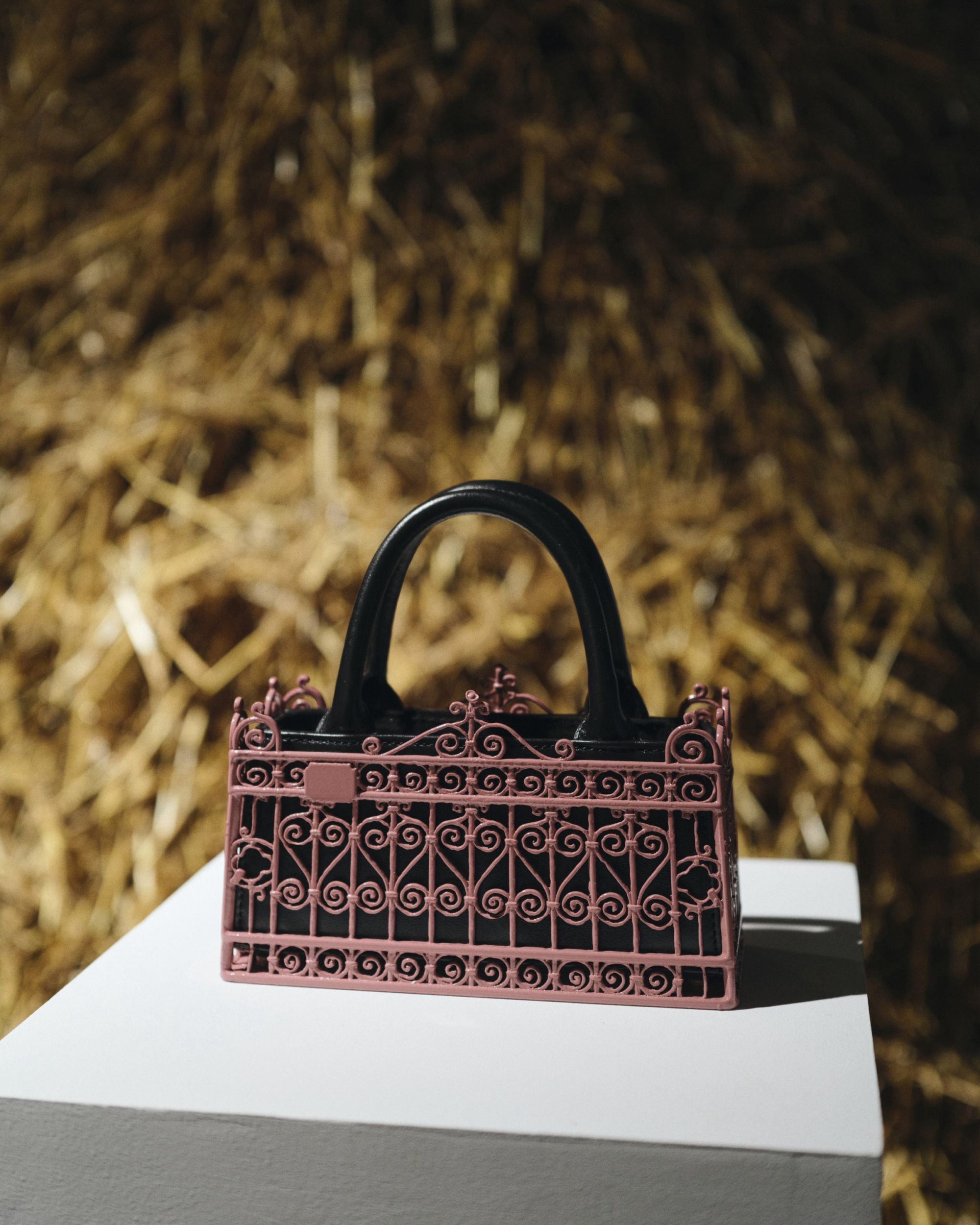
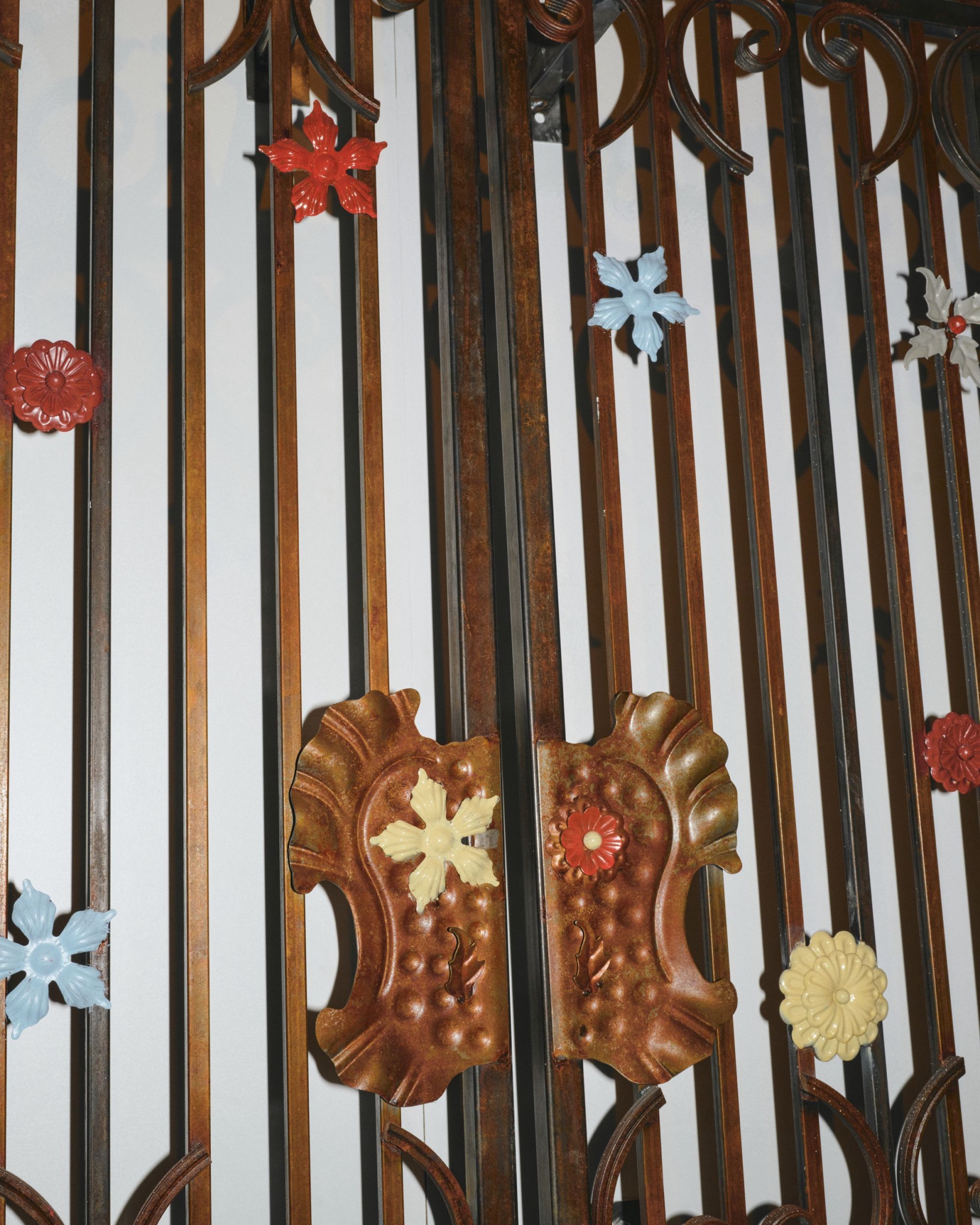
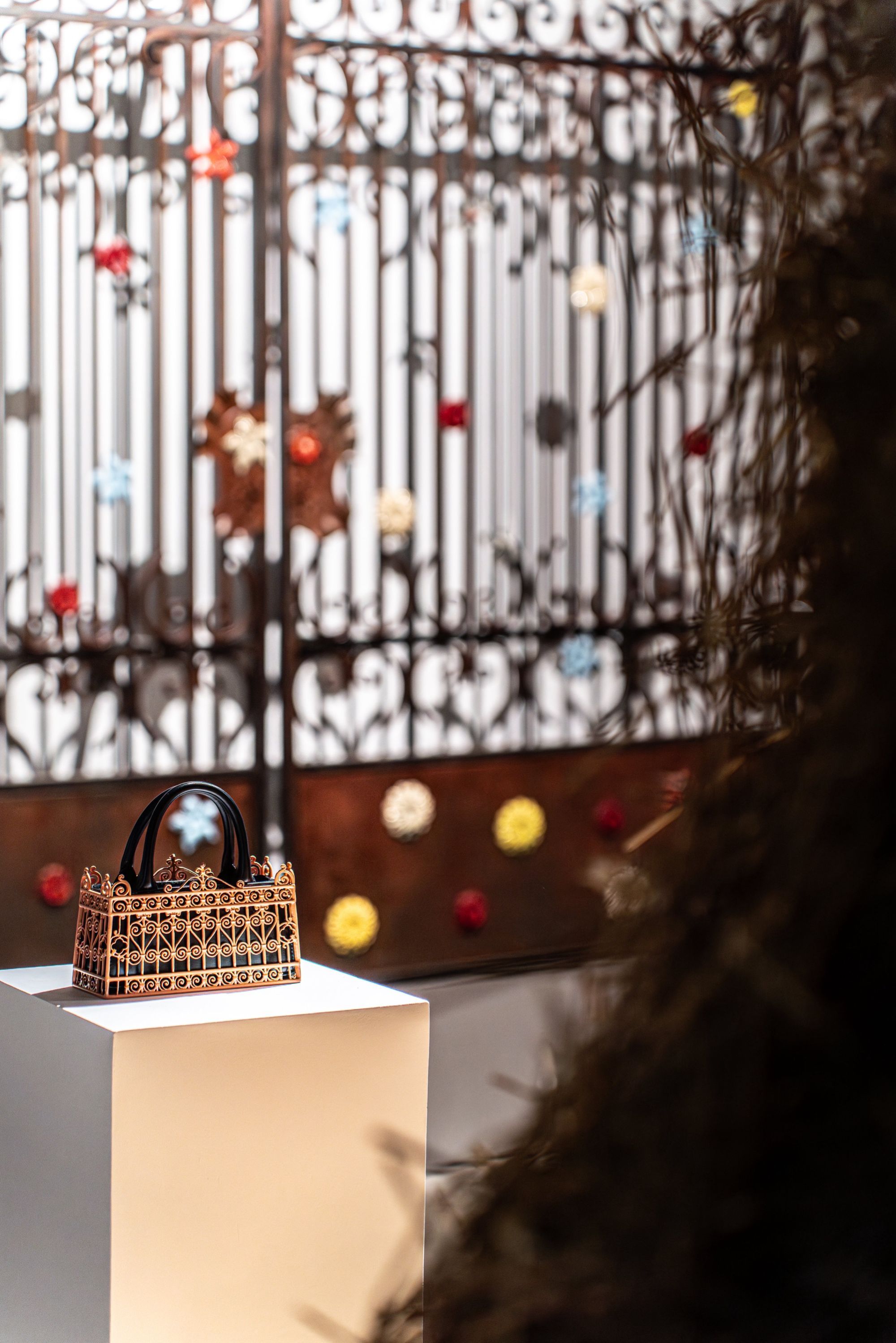
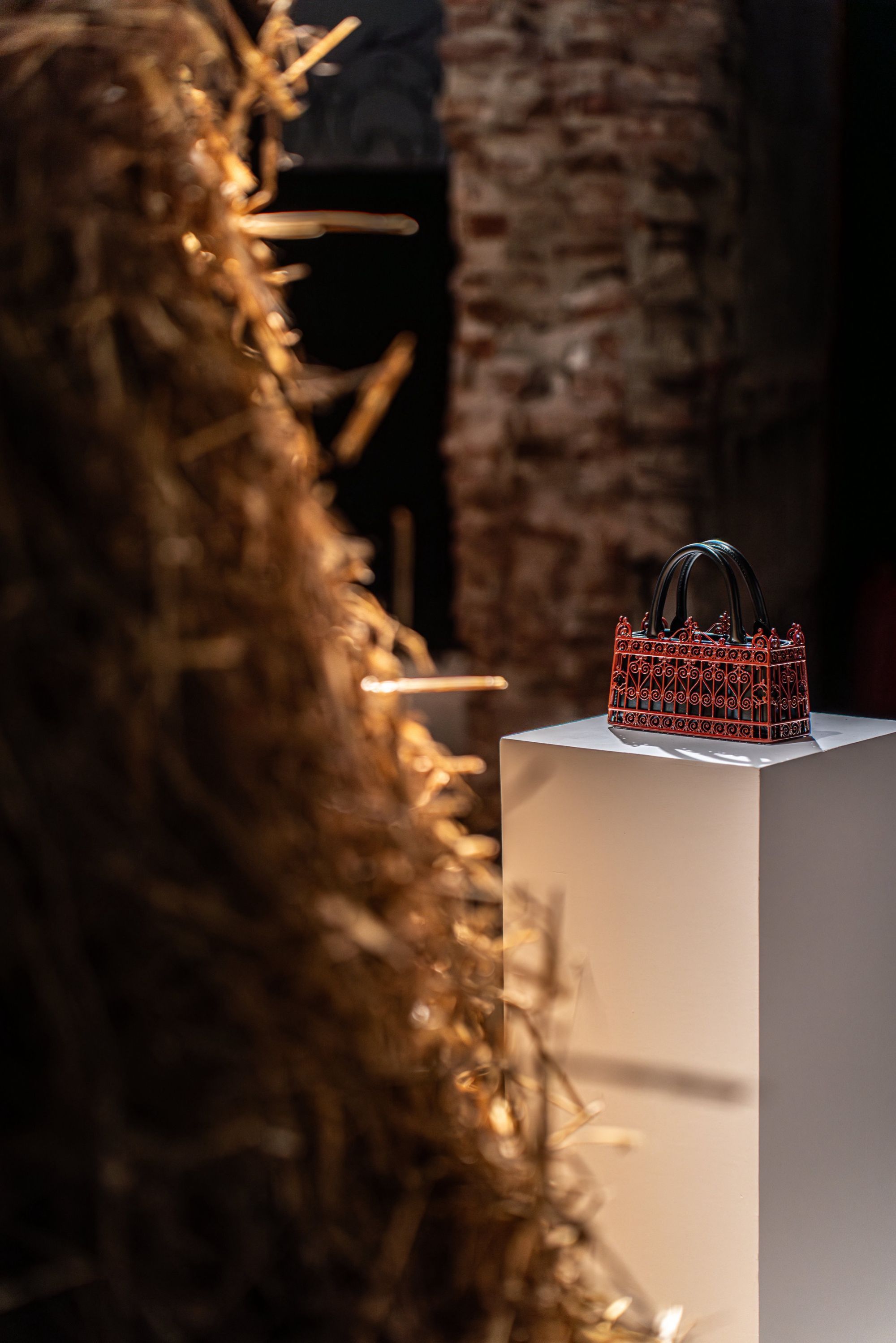
At the heart of the showcase stood the Portal Bag, a newly designed accessory by Dragic for BALKAN, unveiled in seven color variations. With its distinctive metal cage structure inspired by traditional Romanian gates, the piece distilled the exhibition’s central idea: transforming architectural and symbolic heritage into a functional yet sculptural object. Part art object, part luxury product, the Portal Bag embodied BALKAN’s philosophy of reimagining regional identity through modern craftsmanship.
More than an exhibition, MRACONIA positioned BALKAN as a cultural proposition—a brand that exists at the intersection of disciplines, where fashion becomes an extension of visual art and design becomes a form of storytelling. Its immersive installations, paintings, and curated fashion pieces articulated a fresh vision of Balkan creativity, one that honors tradition while asserting a distinctly contemporary voice.
In a country celebrated for its rich historical references, MRACONIA illuminated the creative restlessness of Romania’s younger generation—artists and designers who are not content to merely inherit the past but seek to reinterpret it through experimentation and cross-genre expression. By fusing the sensibilities of fashion and fine art, Dragic and Marlantis have not only redefined the boundaries of their disciplines but have also introduced a compelling new language for Bucharest’s evolving cultural identity.