




















The drama of an influencer who feels no pain in The Piano Accident Quentin Dupieux calls on Adèle Exarchopoulos for the third time
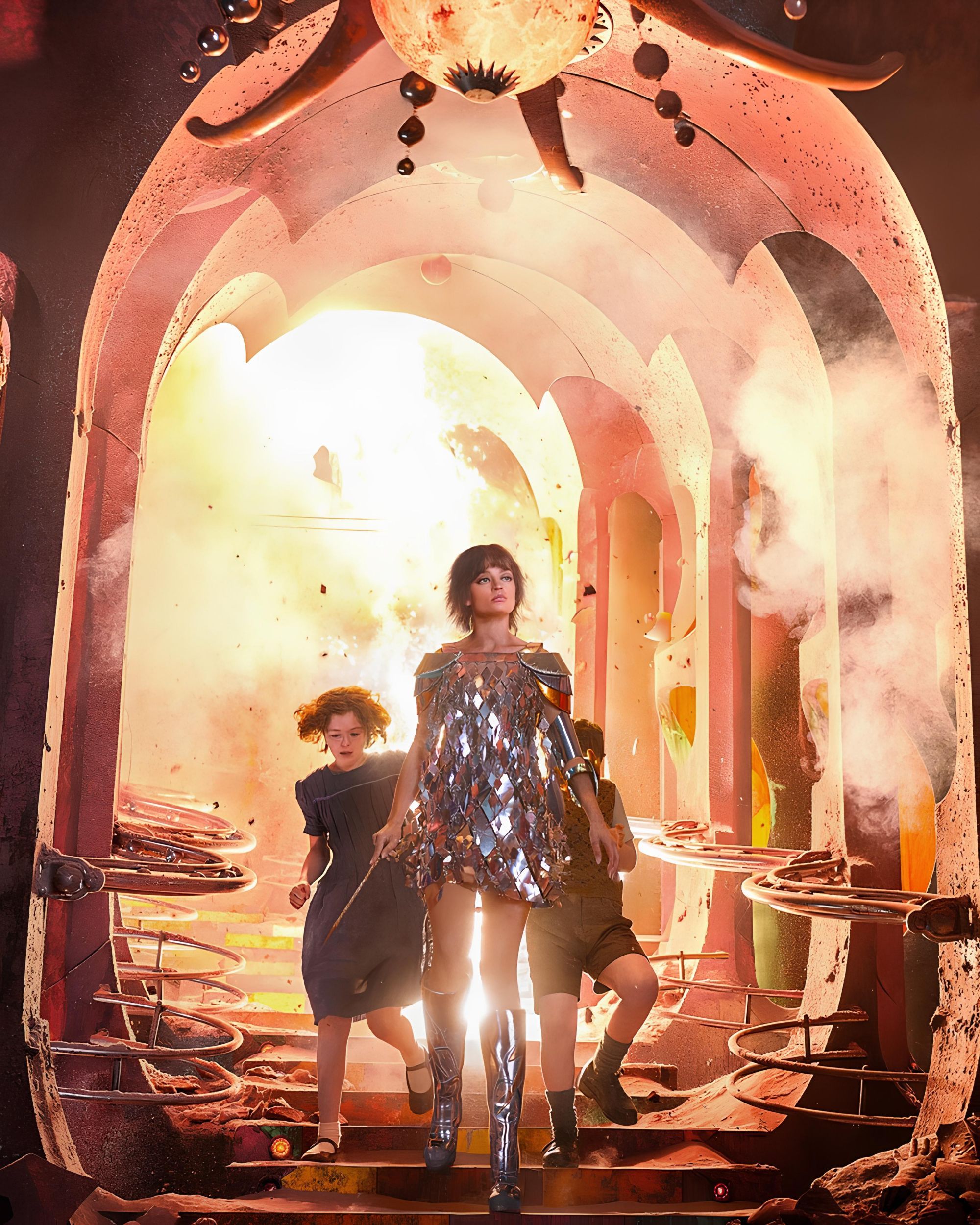
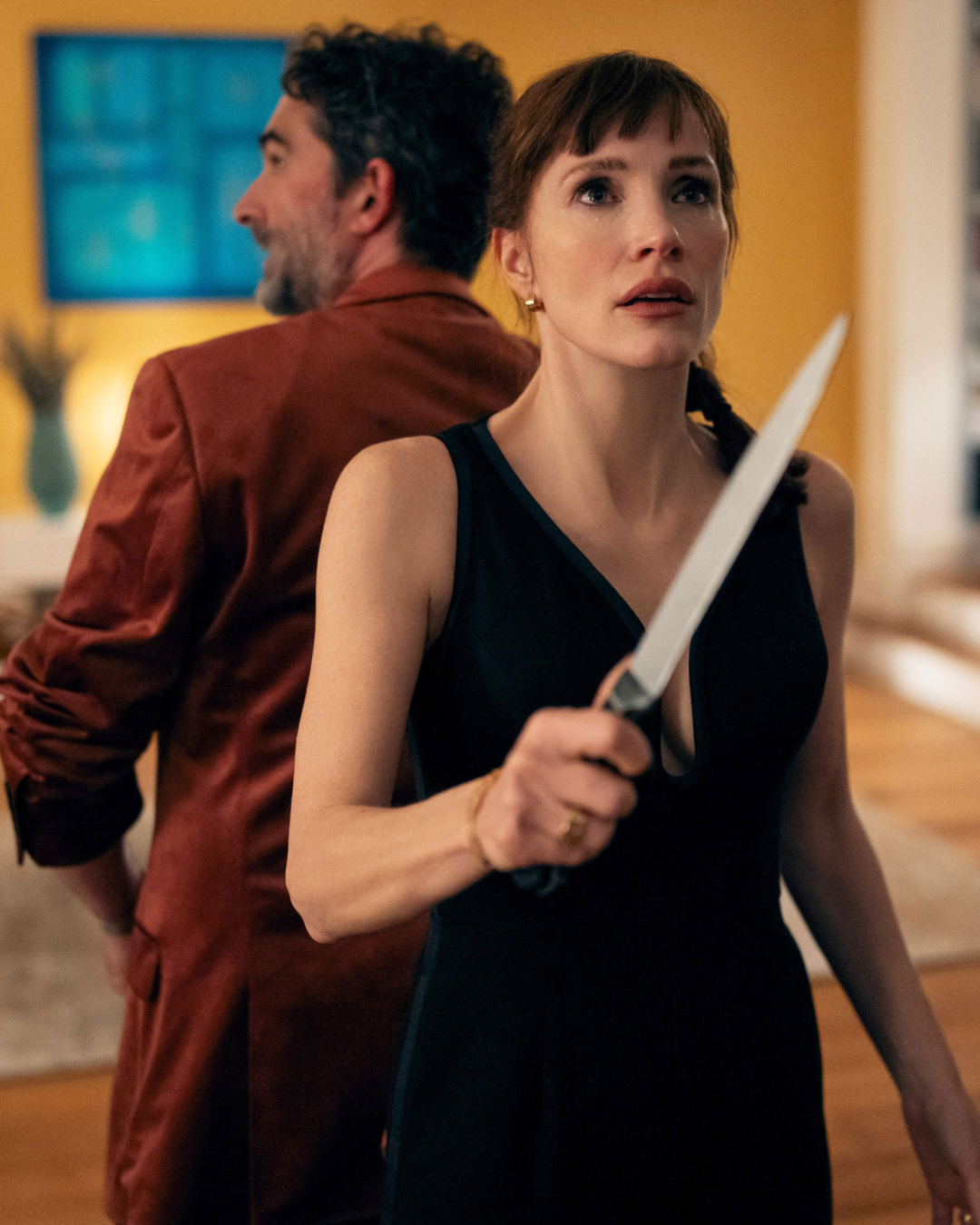
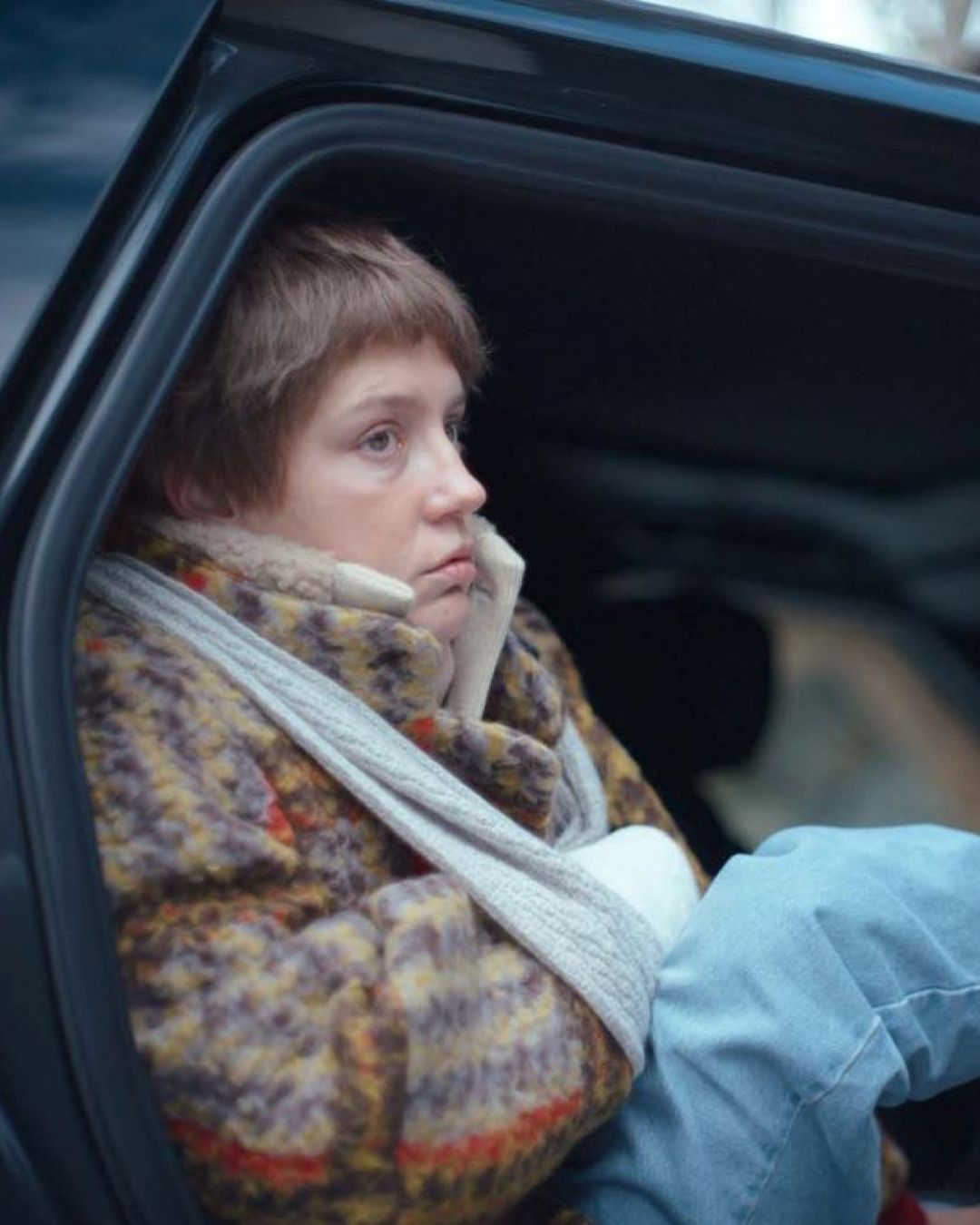
All of Quentin Dupieux's cinema is a performance. Or, more precisely, the analysis and vivisection of a performance. This is what brings his films close to installation experiments, the irreverent spirit of contemporary art, the mockery of experiments that the author frames in his works, and which finds its new expression in L'Accident de piano. Dupieux this time takes as protagonist a famous influencer, once again played by Adèle Exarchopoulos, who returns for the third time to collaborate with the director and screenwriter after Mandibules in 2020 and Fumer fait tousser in 2022. The filmmaker completely transforms her, cuts her hair, and puts braces on her, asking her to make faces and infantilize herself.
Magalie Moreau, aka Megajungs, suffers from congenital insensitivity to pain, which the young woman has turned into a profit since adolescence. By voluntarily harming herself on camera, testing washing machines, participating in boxing matches, being struck by a baseball bat thrown at full speed, Magalie demonstrates a superhuman and impressive ability to recover quickly, just in time to organize her next video. Until the day, ready to let a piano fall on her, she ends up causing an accident that will cost her coverage and bring nothing but blackmail once discovered. But the influencer, megalomaniac and headstrong, refuses to follow other people’s rules. The same rules that her biology also does not respect, making her simultaneously a patient and a heroine, an anomaly, and the most popular person in the world.
The way Dupieux describes, characterizes, and has his main character embody her role makes her not only a madwoman who starts making all the wrong decisions that follow in the film, but also gives her an enigmatic aura, a light both fascinating and deadly, as well as incredibly capricious. Dark in her constant dissatisfaction, despite her acquired fame. Probably in search of a way to truly hurt herself, without ever succeeding. And she, who feels no physical pain, suffers immensely when it comes to talking about herself, exploring her inner self, and seeking the reasons why she continues to inflict ever harsher penalties on herself to earn and captivate the audience.
A narrative that Quentin Dupieux weaves solely around the influencer, but which could expand if he tried to also ask viewers what makes them laugh so much and what fascinates them about a person who inflicts on herself pains they would never wish to endure. A desensitization not only of Magalie’s skin, flesh, and organs, but of her (and our) audience, so accustomed to violence that, when self-inflicted, it ends up becoming entertainment, nothing more. For the influencer, it is better not to explore the reasons why she continues to torment herself, as talking about it and revealing herself would be the real stab. The viewers, fans, followers, on the other hand, are completely unaware, not at all interested except for another piece of content. While for Dupieux, it is yet another way to entertain and amuse himself, often at the expense of his characters. Perform, always perform. Leaving the audience to wonder what they have just seen, unless they truly care to know.
What to read next
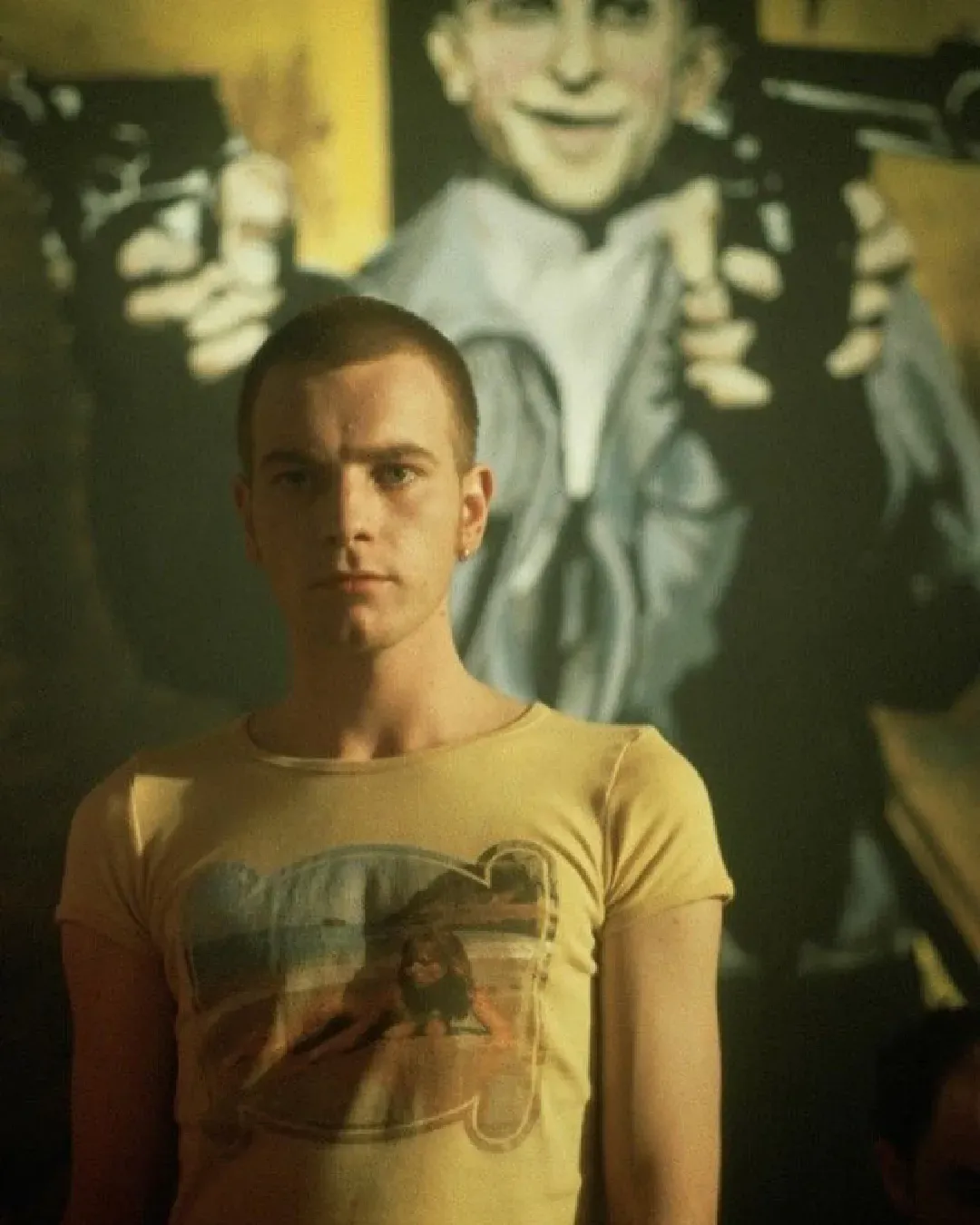
5 trends that Trainspotting anticipated Back in 1996
There is much more to the film than the famous Helmut Lang tank top
Andrew Scott gives the best performance of his career in "Elsinore"
Simon Stone's film tells the true story of actor Ian Charleson and his production of "Hamlet"
"Il rumore delle cose" by Paolo Genovese opens the 2026 Rome Film Festival
The film, adapted from Genovese's novel of the same name, is nonetheless the usual Italian drama