

































The new season of Monster is the best of the trilogy The show not only recounts the serial killer's gruesome deeds, but also reflects on our enjoyment as viewers
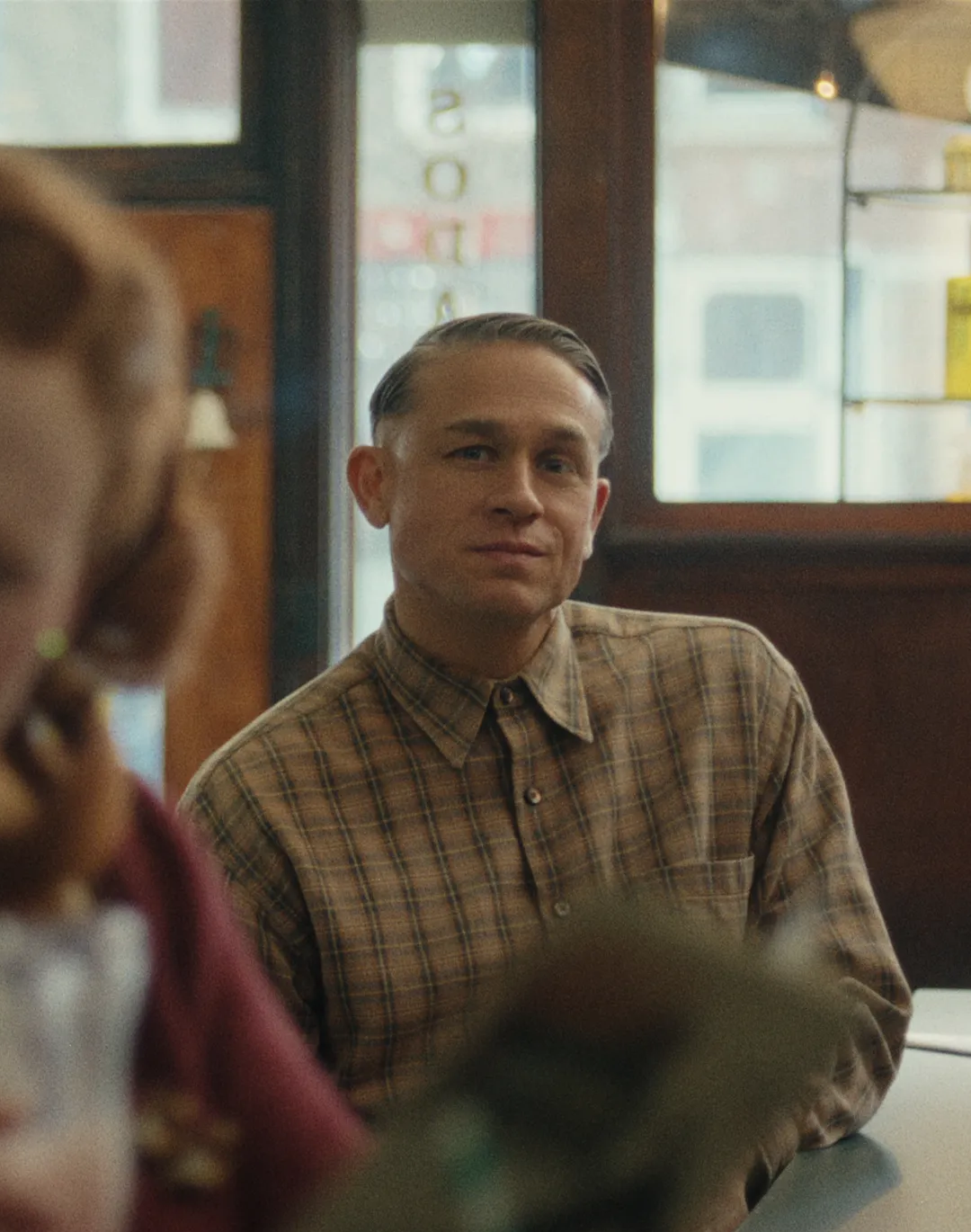
On Netflix since October 3, the new season of the Monster trilogy has arrived, this time dedicated to the figure of Ed Gein. He is portrayed by Charlie Hunnam, whom the show tries, unsuccessfully, to make look unattractive. The suspension of disbelief, however, is definitively lost when, in several scenes, from Gein’s obsession with women’s lingerie to his sexual encounters with corpses, the man is shown with his sculpted physique, not particularly typical of Wisconsin farmers in the 1940s. The British actor, however, gives it his all, working through facial expression and adopting a constant falsetto to alter his voice, allowing viewers to get into the episodes of Monster: The Story of Ed Gein and even find them enjoyable.
And that is exactly where showrunner Ian Brennan, faithfully accompanied throughout the season by director Max Winkler, wants to take us: to the uncomfortable position of admitting that a show like Monster can be pleasant to watch. After all, this sense of comfort had already reached remarkable levels back in 2022, when the first season, The Story of Jeffrey Dahmer, was released, prompting eBay to remove costumes inspired by the Milwaukee cannibal to prevent people from dressing up as him for Halloween. An image, that of the serial killer portrayed by Evan Peters, was elevated to an icon of style, creating a short circuit between what a series about a serial killer could or should evoke.
The plot of Monster: The Story of Ed Gein
After two years studying how to make serial killers “likable” to viewers, Monster: The Story of Ed Gein marks the moment for the series to reverse the roles, no longer portraying the protagonists as monsters because of what they did, but showing how we, too, have become monstrous by feasting on their lives through our endless appetite for true crime entertainment. Not just reality, though: also its reimagining, the fantasy that creates connections, turning horror into not only a feeling but a precise image, conveyed through photos, comics, footage, and cinema. The Story of Ed Gein reflects the kind of spectators we have become, blending real and reinterpreted events, introducing real characters while expanding their influence, playing more on speculation than accuracy to construct a critical analysis that does not necessarily adhere to the facts.
The series is ultimately about the eye, and how it is struck, its editing boldly driving the constant temporal and imaginative shifts. The first is Ed Gein’s own: from photographs of concentration camps to the horrors of World War II, which triggered something in his psyche, later translated into the flayed skin of the women he killed and used to craft furniture and utensils, following the example of his muse and mentor Ilse Koch, the Witch of Buchenwald.
Who was Ed Gein?
Ed Gein suffered from schizophrenic disorder caused by the constant abuse inflicted by his mother, which eventually drove him to kill and skin his victims. Faced with such a character, the so-called healthy audience becomes the real target of the show, yet still craves to peek further into the gruesome acts of these figures. They want to know more, to see more.
Drawing from one of the most macabre chapters in American crime history, Monster: The Story of Ed Gein tells us that everything it shows us, and that others show us, is the product of a sick mind, not necessarily just that of the monsters it depicts. That morbid curiosity has fueled many people's notoriety, and we have been the ones to amplify it. That if humans, directors, and audiences have each time pushed a little further, it’s because blood and horror have become an addiction we can’t get enough of—the same one we accept, even crave, especially on the small and big screen.
The public’s obsession with true crime
Finished this Ed Gein series and……I feel like towards the end I was being gaslit into feeling empathy for this man who murdered people, had sex with dead bodies n had 9 vulvas tucked away in a shoebox…. pic.twitter.com/zJ3MitSZI7
— Beige & Boujee (@FRECKELZZ07) October 4, 2025
Some have used Gein’s legacy to stir the masses, as Tobe Hooper intended with his The Texas Chainsaw Massacre. What the new season of Monster really wants to confront is the meaning of its own existence, its place on such a popular streaming service as Netflix, and the fact that it exists because the audience demands it. It’s the same audience that once walked out of screenings of Alfred Hitchcock’s Psycho in shock, yet made it a commercial success for the British director.
But this was precisely the mechanism that Monster put into motion when it first landed on Netflix: the exploration of the private sphere and even the motivations that drove a “monster” to commit the most horrific acts, often rooted in untreated disorders and traumas fostered by their family environments. And so, Monster: The Story of Jeffrey Dahmer became a cultural phenomenon because it made audiences empathize with its psychopathic protagonist, not to justify him, but to make him someone viewers could identify with.
It’s also worth noting that in cases like those of Dahmer and the Menendez brothers, protagonists of the second season, psychology remains an essential element. Something Mindhunter had already taught us before the platform began romanticizing America’s most infamous serial killers. And while some may have perceived these stories as excuses or even absolutions for the crimes committed, it’s undeniable that Monster sought to delve into the disturbing and complex aspects of the human mind, even if it often romanticized them. It’s also the audience that turned this dynamic into a success: making The Texas Chainsaw Massacre gross over $30 million, a remarkable box office result for an independent 1974 film, and discussing The Story of Jeffrey Dahmer so extensively in 2022 that Netflix commissioned additional seasons (with Ryan Murphy’s presence once again looming as executive producer).