






















French Lover is a poor copy of Notting Hill The romantic comedy with Omar Sy and Sara Giraudeau is now available on Netflix
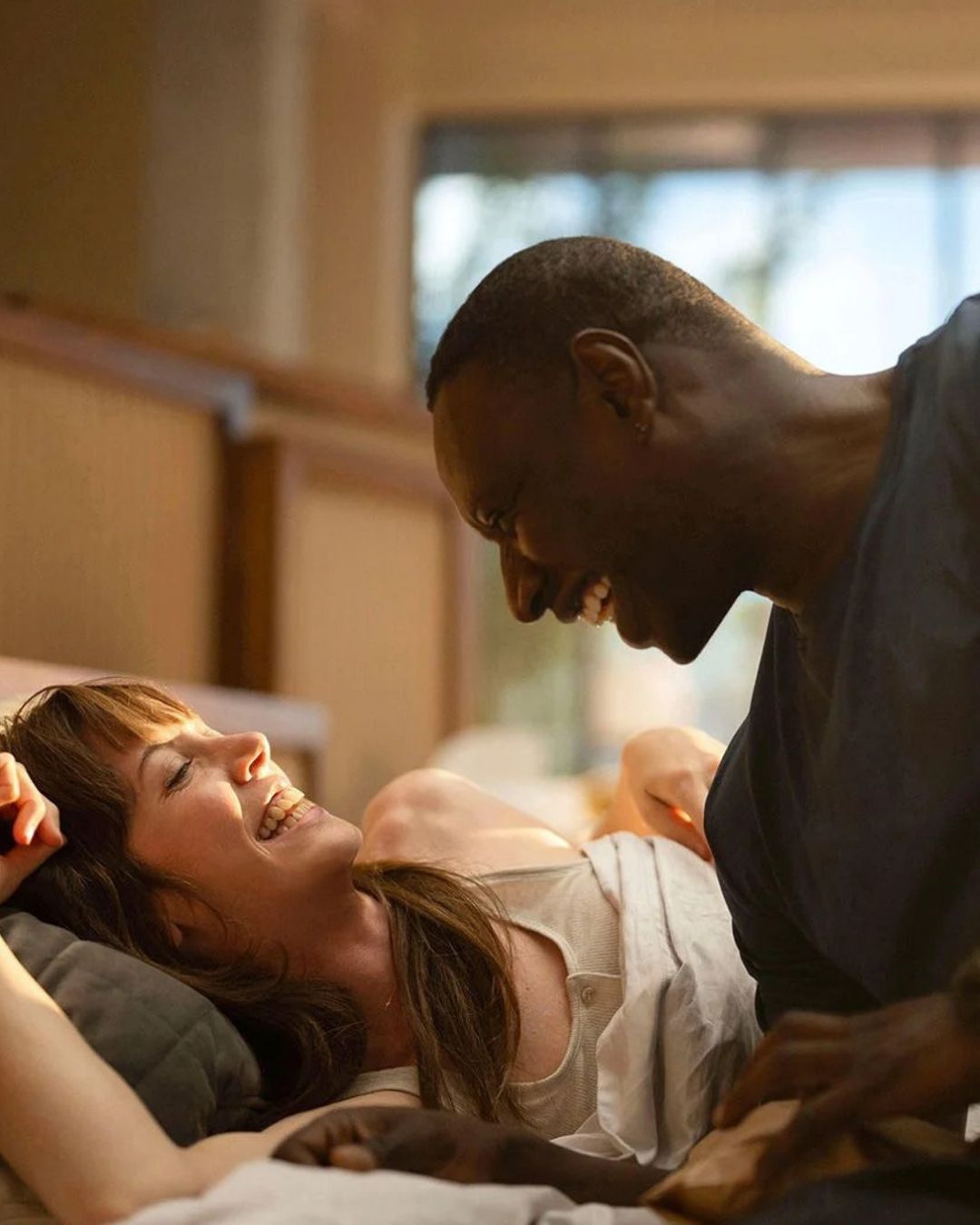
In recent years, Netflix has become the home of romantic comedies, the genre that once made cinema great and then largely abandoned it, reserving it mainly for home screens. For a time, it worked well, even with more or less successful sagas ranging from To All the Boys I’ve Loved Before to The Kissing Booth, but it was with standalone titles that the platform truly shone, such as the charming Set It Up with Zoey Deutch and Glen Powell, and Isn’t It Romantic with the trio Rebel Wilson, Adam DeVine, and Liam Hemsworth. As quickly happened with streaming, genres soon stopped being the exclusive domain of the Hollywood industry. By heavily betting on “local” content, Netflix began expanding the types of its productions by replicating them with creations from various countries, allowing—for creative purposes—a freedom not always granted to all markets. This is how romantic comedies began to emerge from all directions, including French Lovers (which became one of the most watched upon release), a French work written by Hugo Gélin, Noémie Saglio, and Nina Rives, the latter making her directorial debut by leading protagonists Omar Sy and Sara Giraudeau.
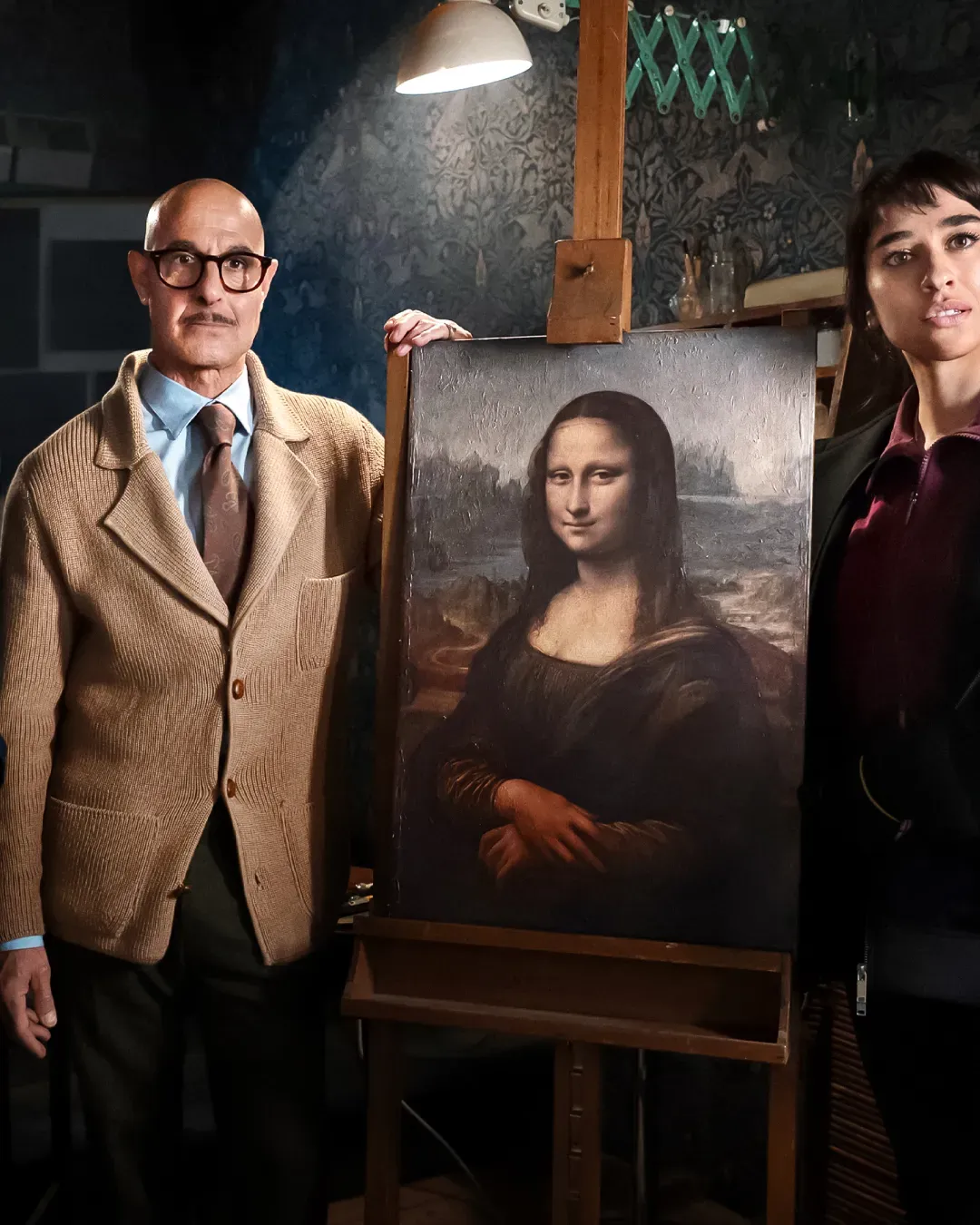
Thanks to its multifaceted nature and the boldness of its sector, the French landscape has over time delivered some romantic comedies worthy of the name. An achievement that French Lovers cannot claim, a weakened and irritating version of Notting Hill, offering nothing special except, precisely, the connection one can make with Roger Michell’s classic, to which even the inversion of roles—him a famous actor and her a simple waitress (at least at the start of the film)—adds nothing. Abel (Sy) is a selfish and egocentric star chasing the César (the highest distinction in French cinema) and trying to forget his cheating ex. Marion (Giraudeau), meanwhile, is going through a divorce and does not believe at all that a star could be interested in her, only to reconsider and attempt to give this improbable union a chance.
The problems of French Lovers are multiple and occur on several levels. In the direction, sometimes flashy and tasteless, with atrocious musical moments and a mix of mediocre cuts and staging ideas. The cinematography is perpetually cloudy and sepia-toned even in sunlight. But it is especially in the writing, which burdens the characters of Marion and Abel, making them even unbearable, mere shells serving only to support the film’s thesis that a famous actor and an ordinary woman can be together if there is love and if one understands what truly matters in life. A rhetoric so blunt that the audience ends up attributing absurd behavior to both, without necessarily expecting a happy ending. Viewers are too annoyed by narrative missteps (such as the improbable casting of an actress supposed to play Abel’s fiancée, who then serves no purpose in the story) and by the characterization of the protagonists, which inevitably affects their performances. Moreover, there is a detail now present in almost all films, but which weighs heavier when the result is like this: an excessive runtime (two hours) for a romantic comedy, which feels stretched given the story’s lack of rhythm, further highlighting how repetitive and rehashed the points French Lovers tries to make are. In the end, we are merely spectators sitting in front of a romantic film, hoping to be indulged. Sadly, this time, it does not succeed.
What to read next
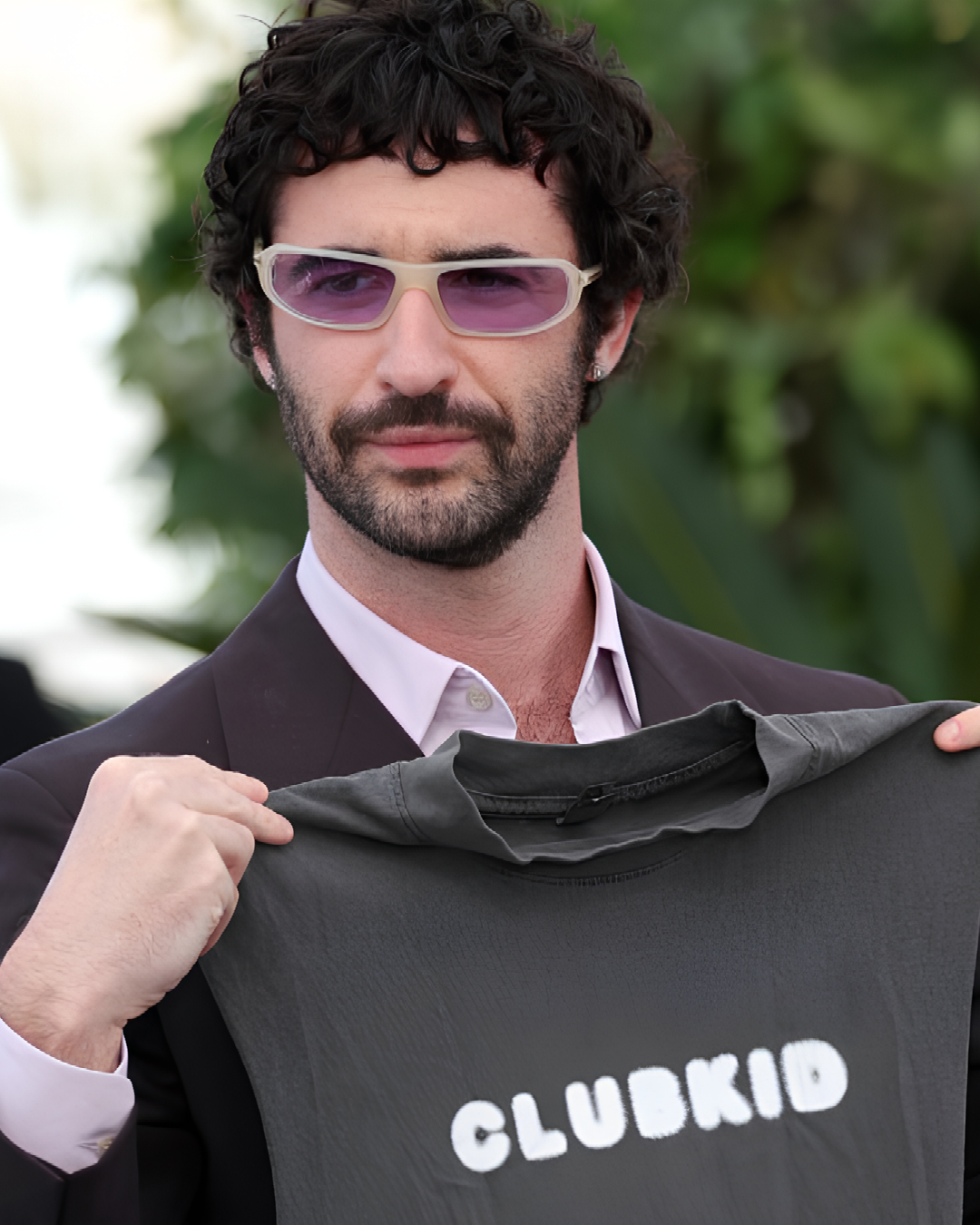
«Club Kid is a once-in-a-lifetime opportunity», interview with Jordan Firstman
Everything about the directorial debut of the American actor and screenwriter
"Cambogia" teaches actors that you have to care about your own characters
Valerio Lundini's directorial debut premiered at the Rome Film Festival
In "The Debut" Julianne Moore gives a masterclass in acting
The film, premiering at the Rome Film Fest, hits theaters on January 1, 2027