.gif 2000w)

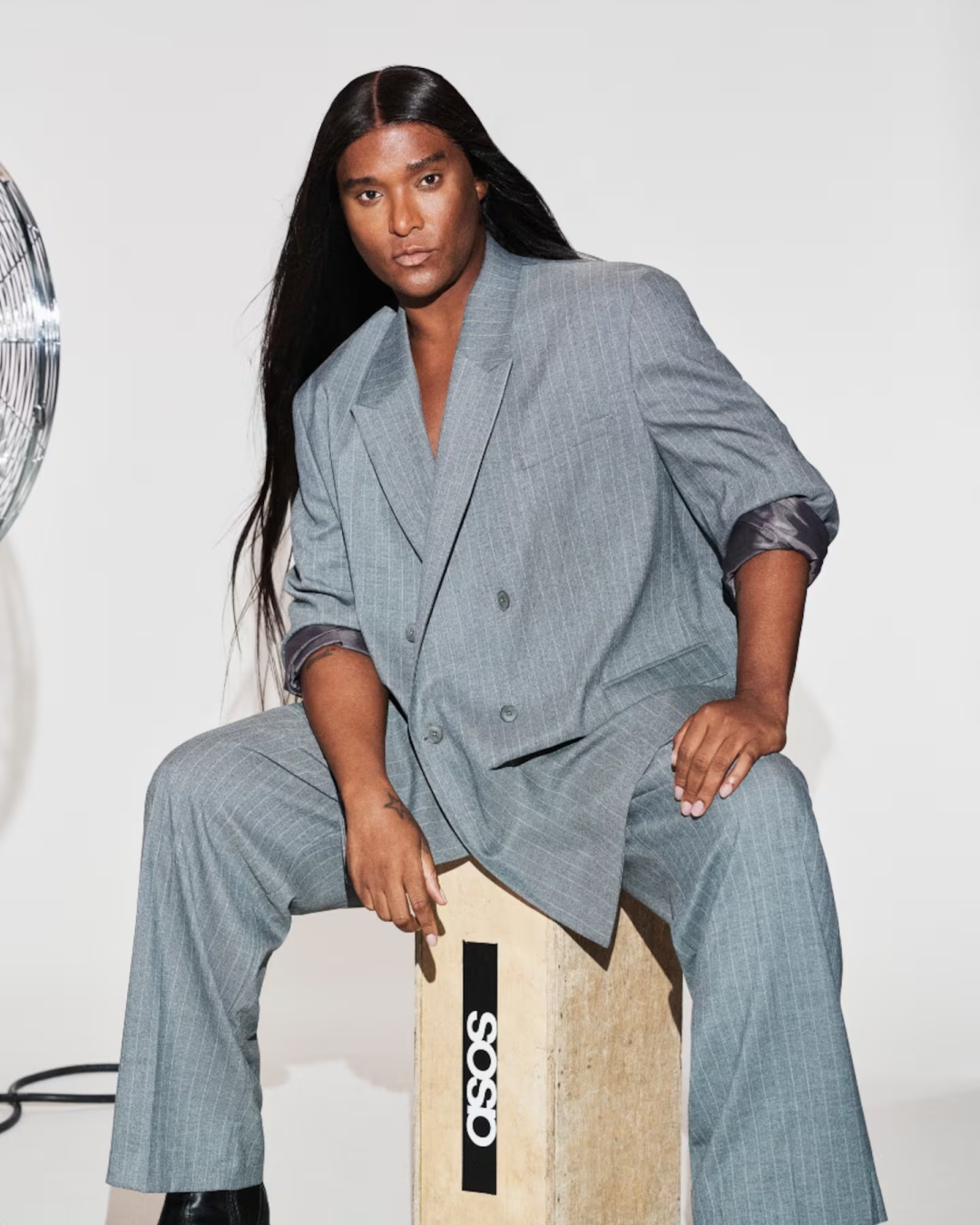
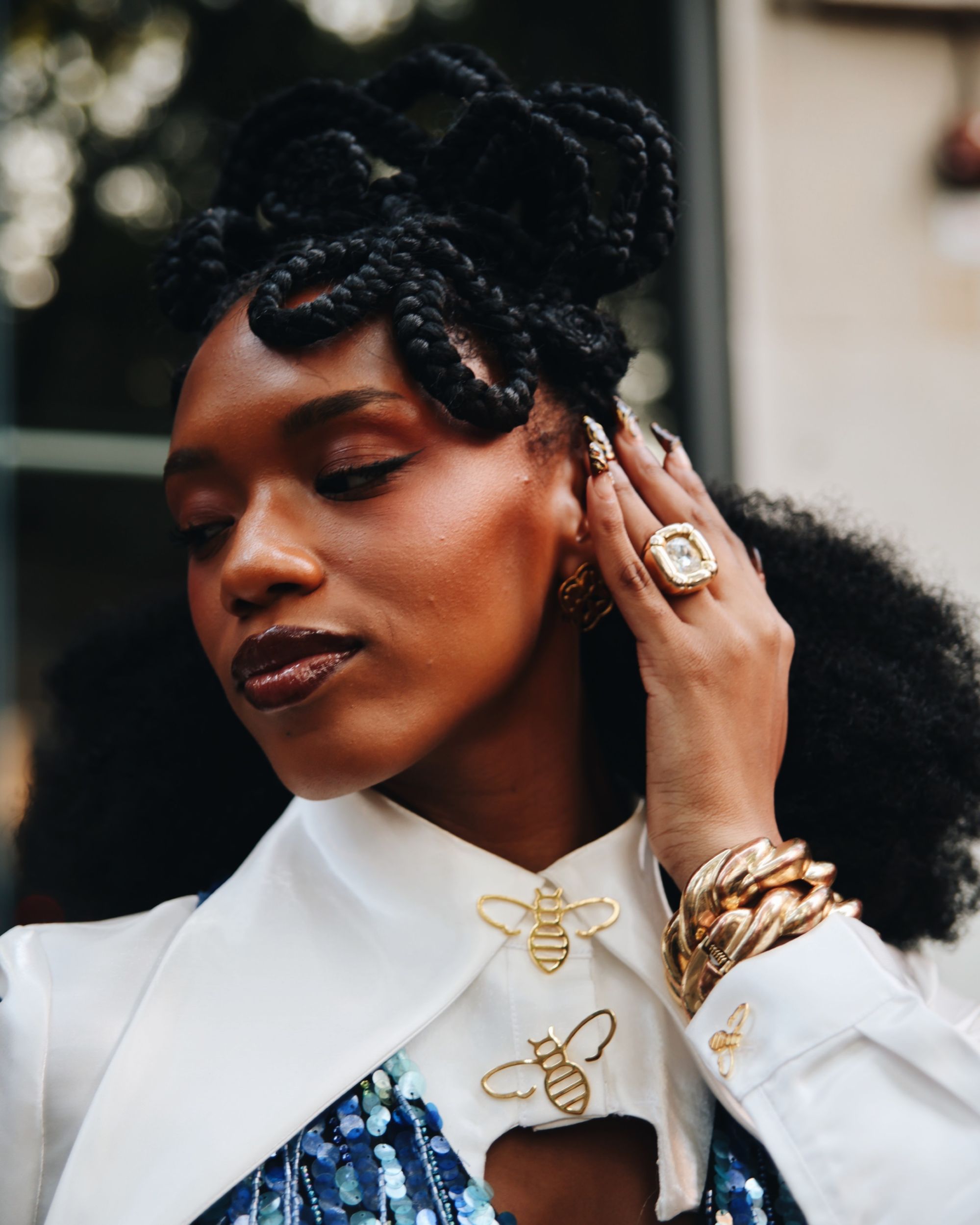
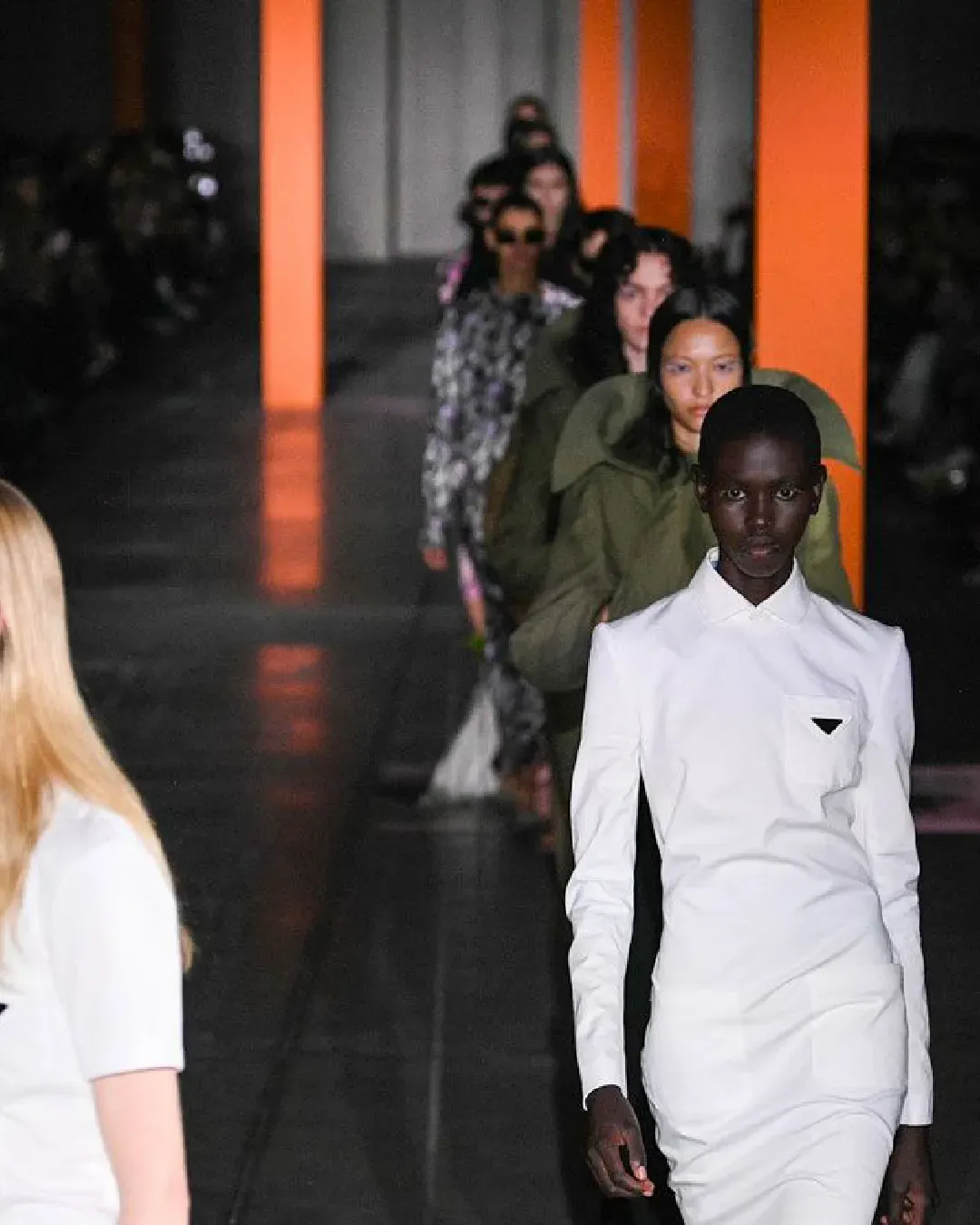
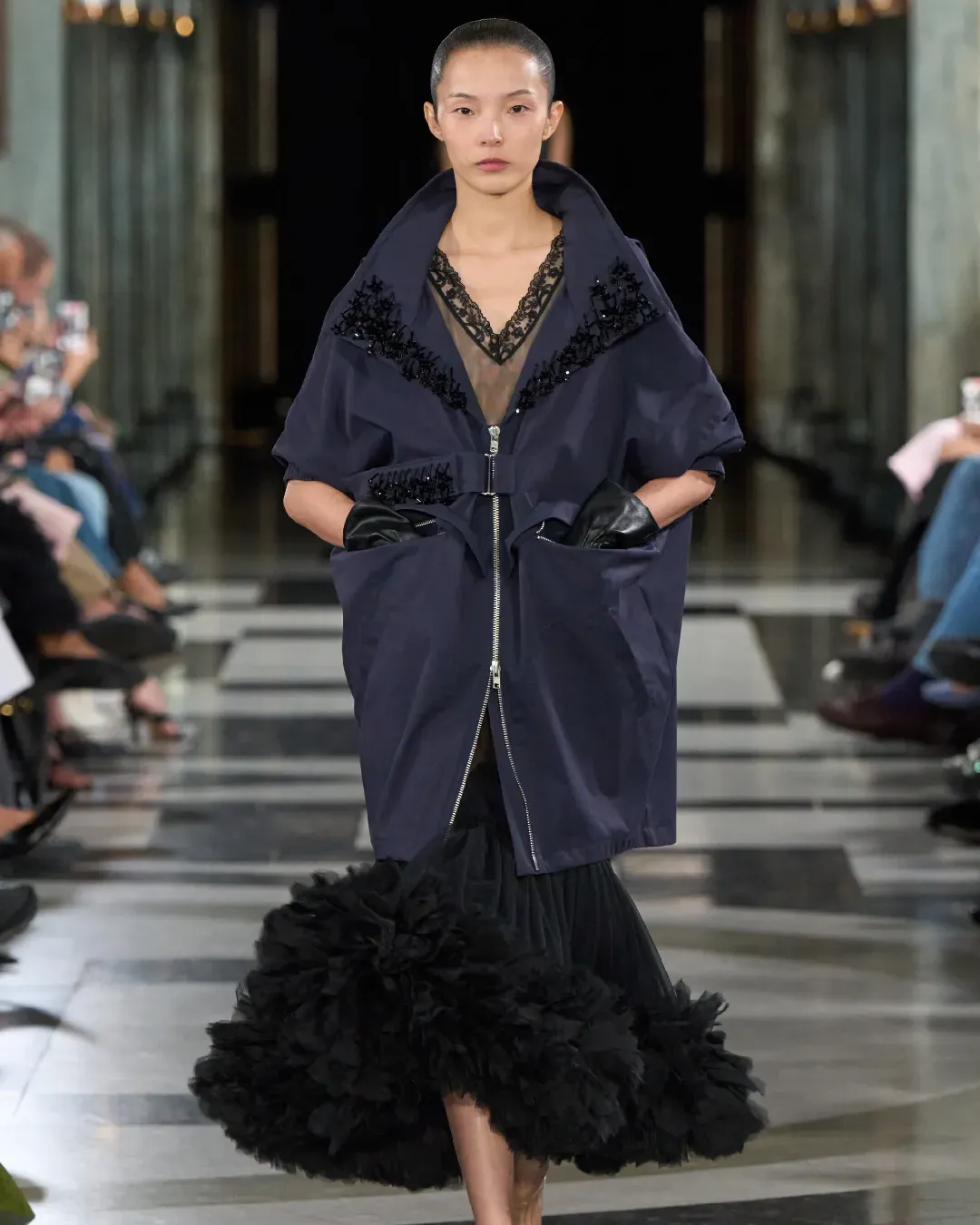





















Why do rappers sing about Dior, Prada, and Margiela? Culture or advertising?
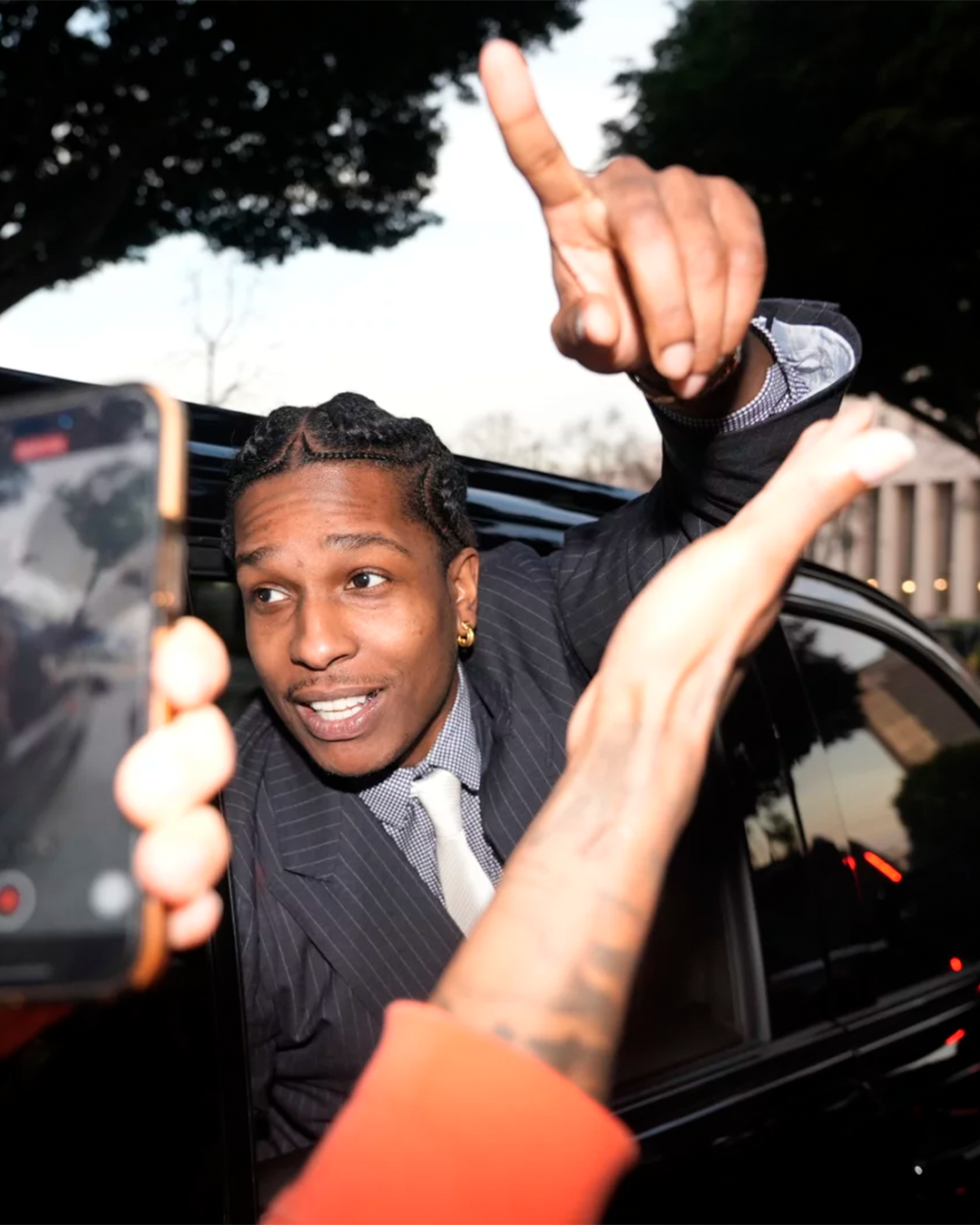
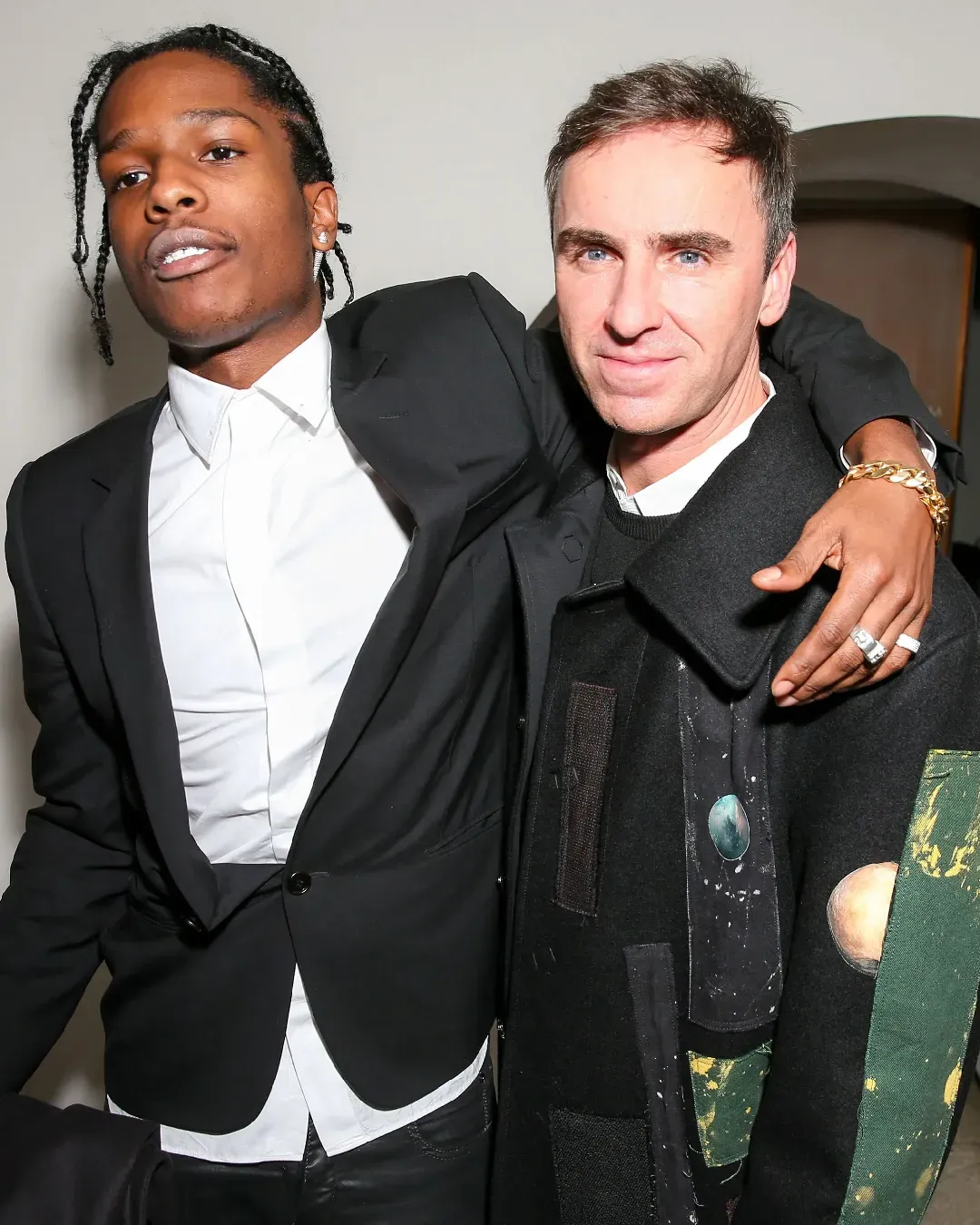
Raf by A$AP Mob is not just a track but an ode to Raf Simons, with A$AP Rocky playing the role of a devoted fanboy. Another proof that today, the boundaries between music and fashion no longer exist. If we look at the musical languages of recent decades, this relationship appears almost symbiotic: not only in the way artists choose to present themselves through clothes and costumes, but also in the ability to transform a brand into an integral part of the musical narrative. This is the case for many songs, from the most iconic rap to the new R&B, which have made brands part of contemporary cultural imagination, going beyond mere mentions and becoming tools of identity, aspiration, and collective recognition.
@liveedevita shoutout Donna Karan I was not familiar with your game #fashionkilla #therealreal #therealrealfinds #vintagefashion #fashionkillachallenge Fashion Killa - A$AP Rocky
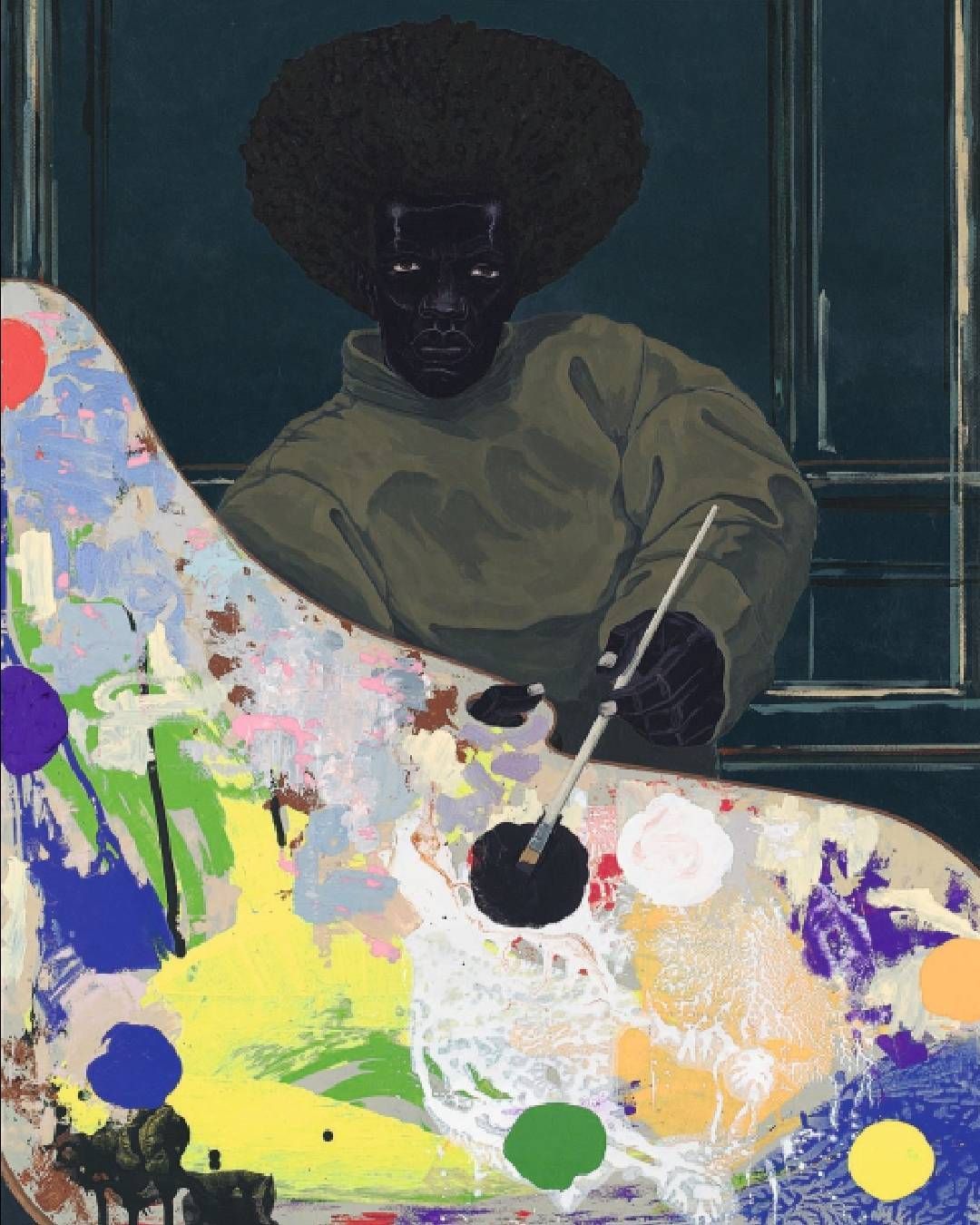
Even subcultures eventually stop staying hidden and become a public manifesto, landing in art, fashion, and music. Think of the work of Jean-Michel Basquiat, who synthesized this transition by mixing graffiti, neo-expressionism, and pop art. Or American groups like the Wu-Tang Clan, who started from the bottom and made an aesthetic that once spoke only to a few, universal, and Run D.M.C, a group born in 1983 that went down in history for signing a one-million-dollar deal with Adidas. It all began in 1986 when they wrote My Adidas after seeing fans copying their look. The song turned the Superstars into a cultural symbol—so much so that during concerts, when Run D.M.C. sang My Adidas, the entire audience would take off their shoes and wave them in the air to show their belonging to the group’s community. It was the first official endorsement between a hip-hop group and a sneaker brand, paving the way for all rapper-brand fashion collaborations in the years that followed.
But while these commercial operations promoted rap within pop culture, they also produced a true cultural shock: on one hand contributing to the gentrification of working-class neighborhoods in New York, and on the other, pushing countercultural ideals into the rampant capitalism of the late ’80s and early ’90s - the typical financial district type, which exploits symbols and stories to generate power. In this process, even brands, from glossy and unattainable giants, become tools for rap, hip-hop, and art: a way to appropriate—just as pop art had done - signs of power and turn them into personal narratives. Critique turns into approach, opposition into collaboration. Until the moment when hip-hop, rap, and R&B begin using brands not only in lyrics but even as song titles, even before wearing them.
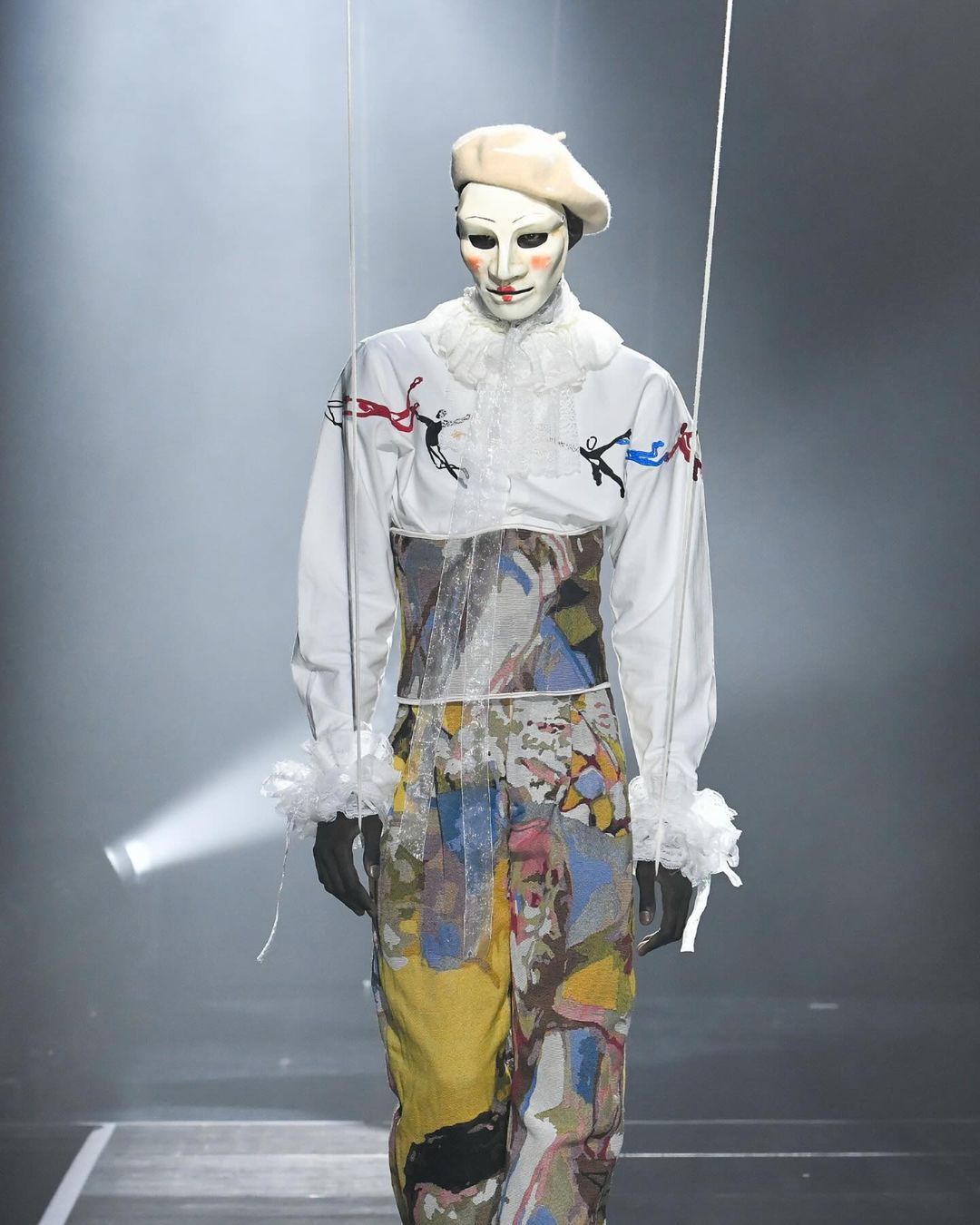
Leaving aside the ’80s and ’90s, contemporary music, not just rap, is full of similar examples, from subtle references to entire song titles dedicated to brands. Pop Smoke in Dior transforms the brand into a mantra of power and desire, almost synonymous with his rise. In Chanel, Frank Ocean evokes the maison’s mirrored double C logo as a metaphor for a fluid attitude. Charli XCX in Prada uses the brand name as an immediate image of coolness. Maison Margiela by DJ Esco with Future celebrates the iconic avant-garde brand as a code of the trap and rap scene - consider Kanye West and the full-face mask during his 2013 tour, a gesture that paralleled the anonymity of rap clans with that imposed by Martin Margiela in favor of the collective. Yung Beef with JW Anderson confirms how fashion has become a shared repertoire across genres and generations. Completing the picture, CDG by Samantha and Accappatoi Versace by Ntò bring luxury into a more everyday and personal imagination. Whether it is a real sign of belonging or mere advertising, a desire to be noticed by big brands and invited to fashion shows or not, fashion can no longer do without music—and vice versa.