




















The Notting Hill Carnival through the vision of NOI SIAMO Between music, culture and intimacy
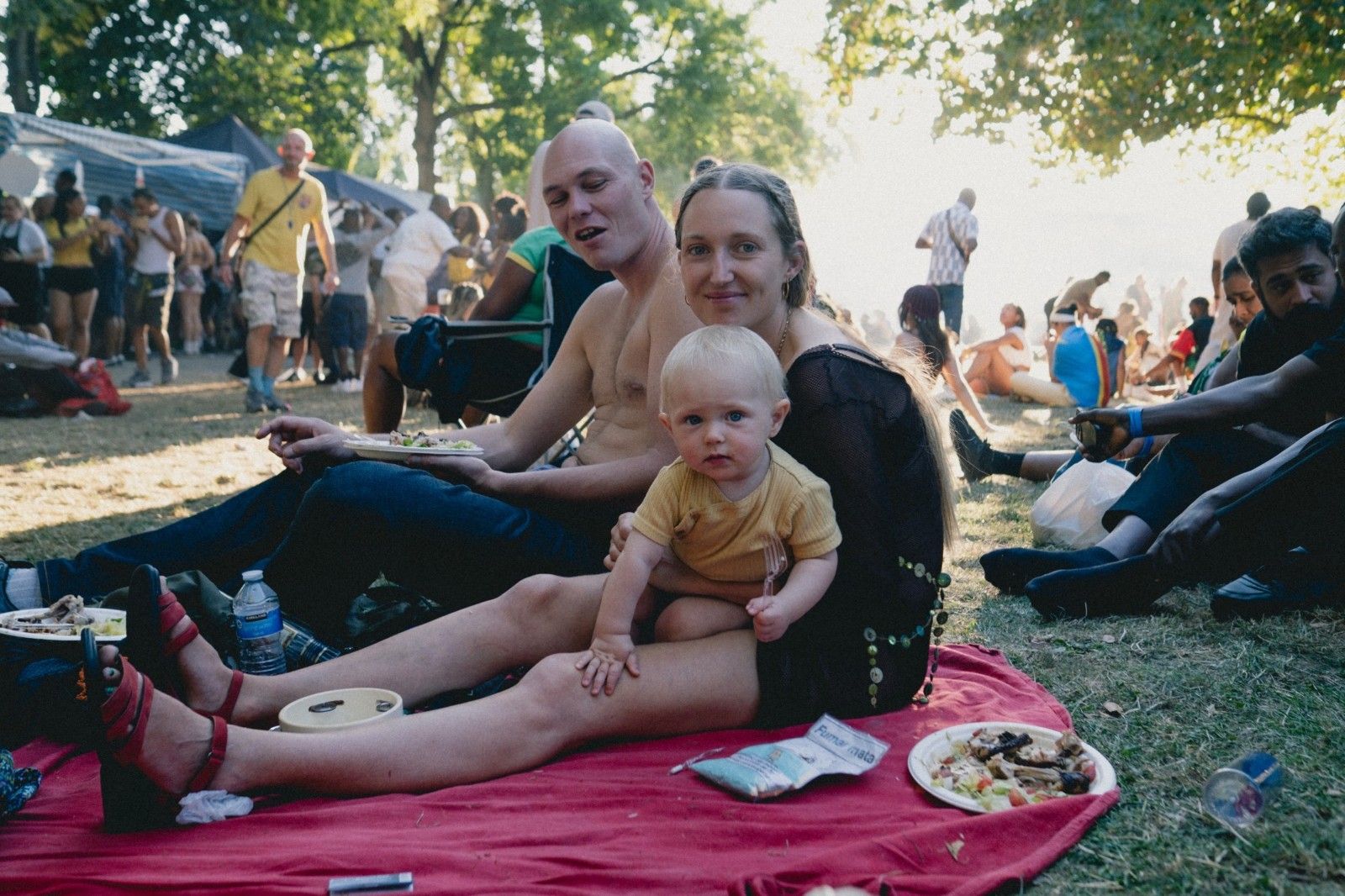
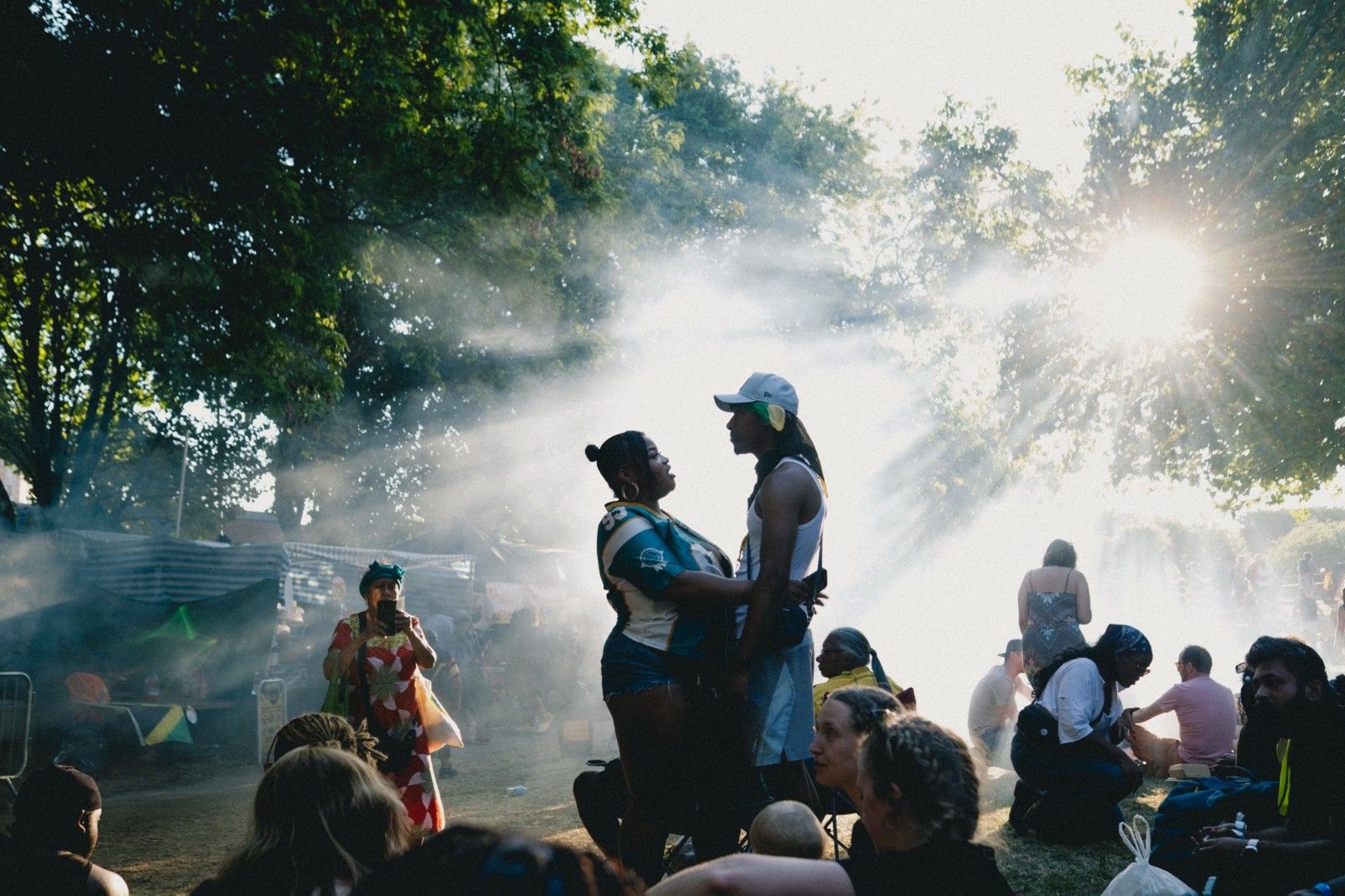
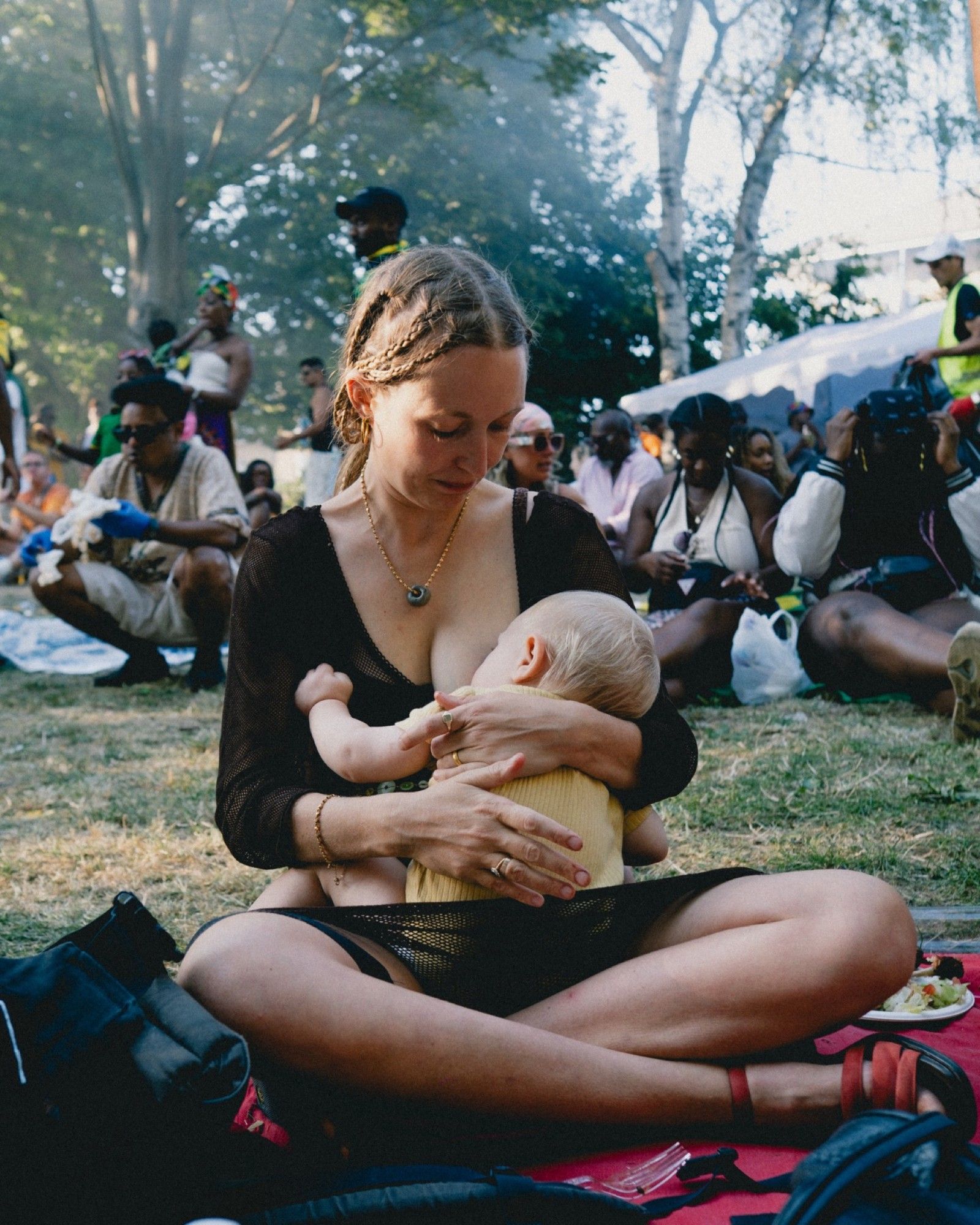
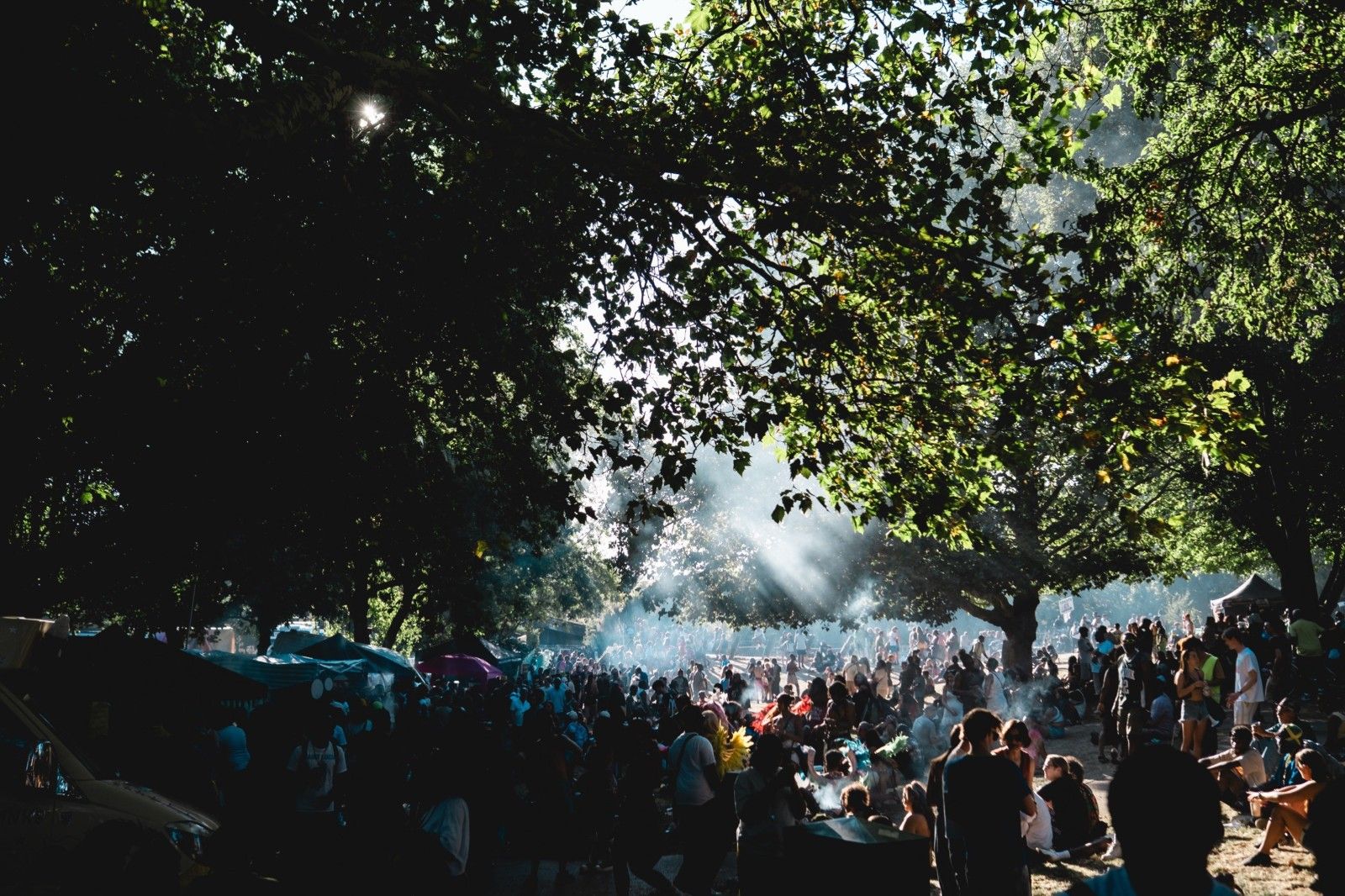
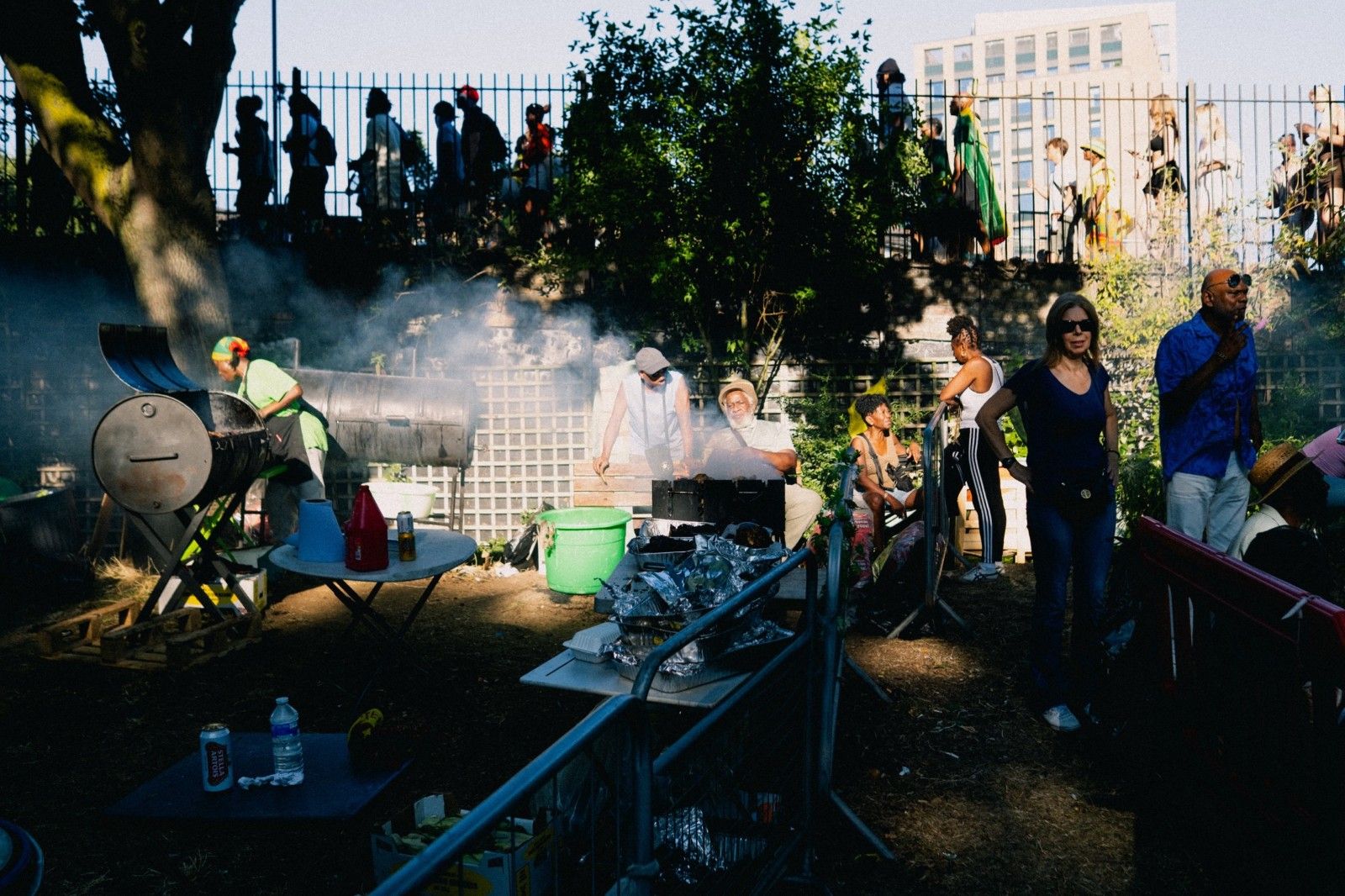
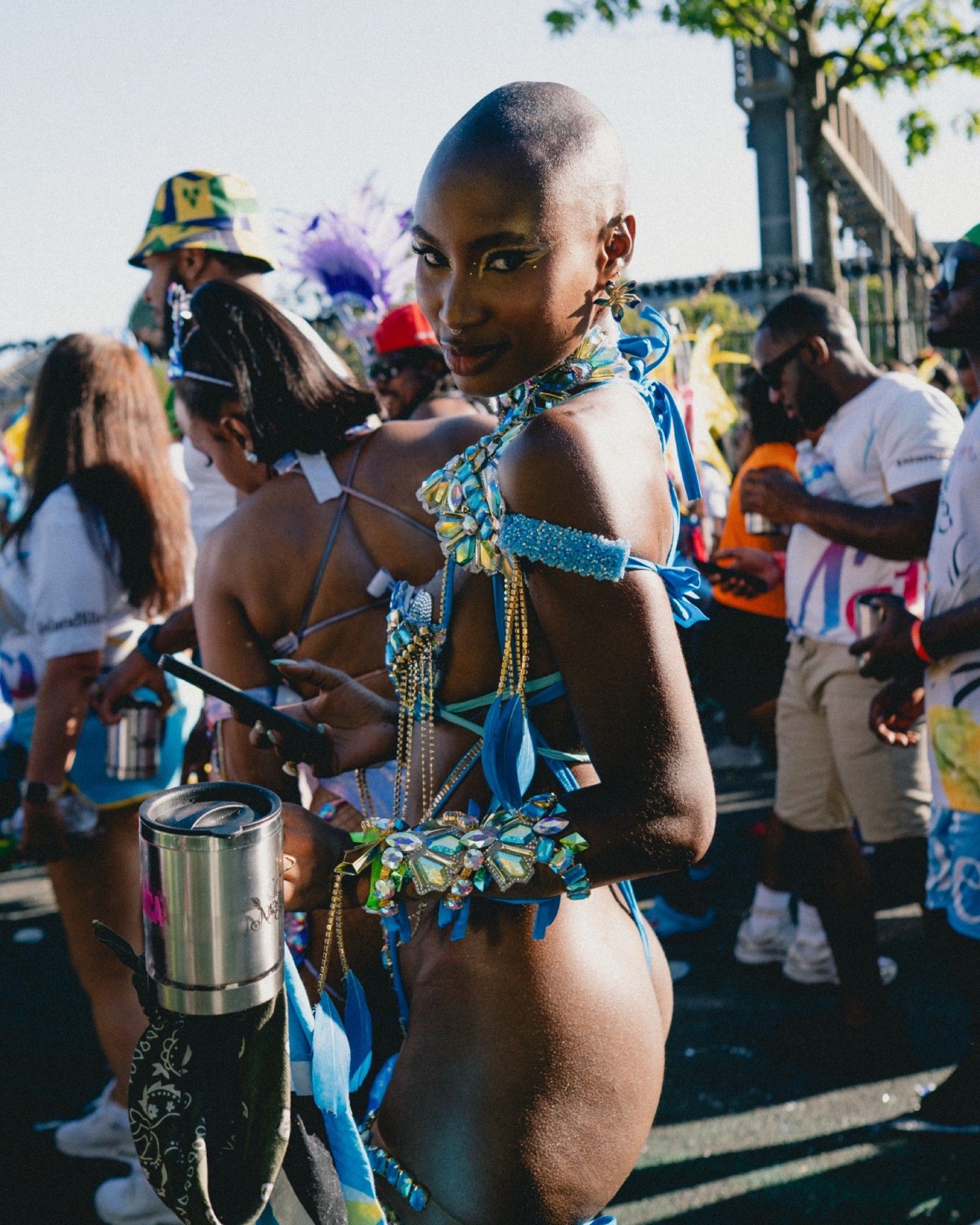
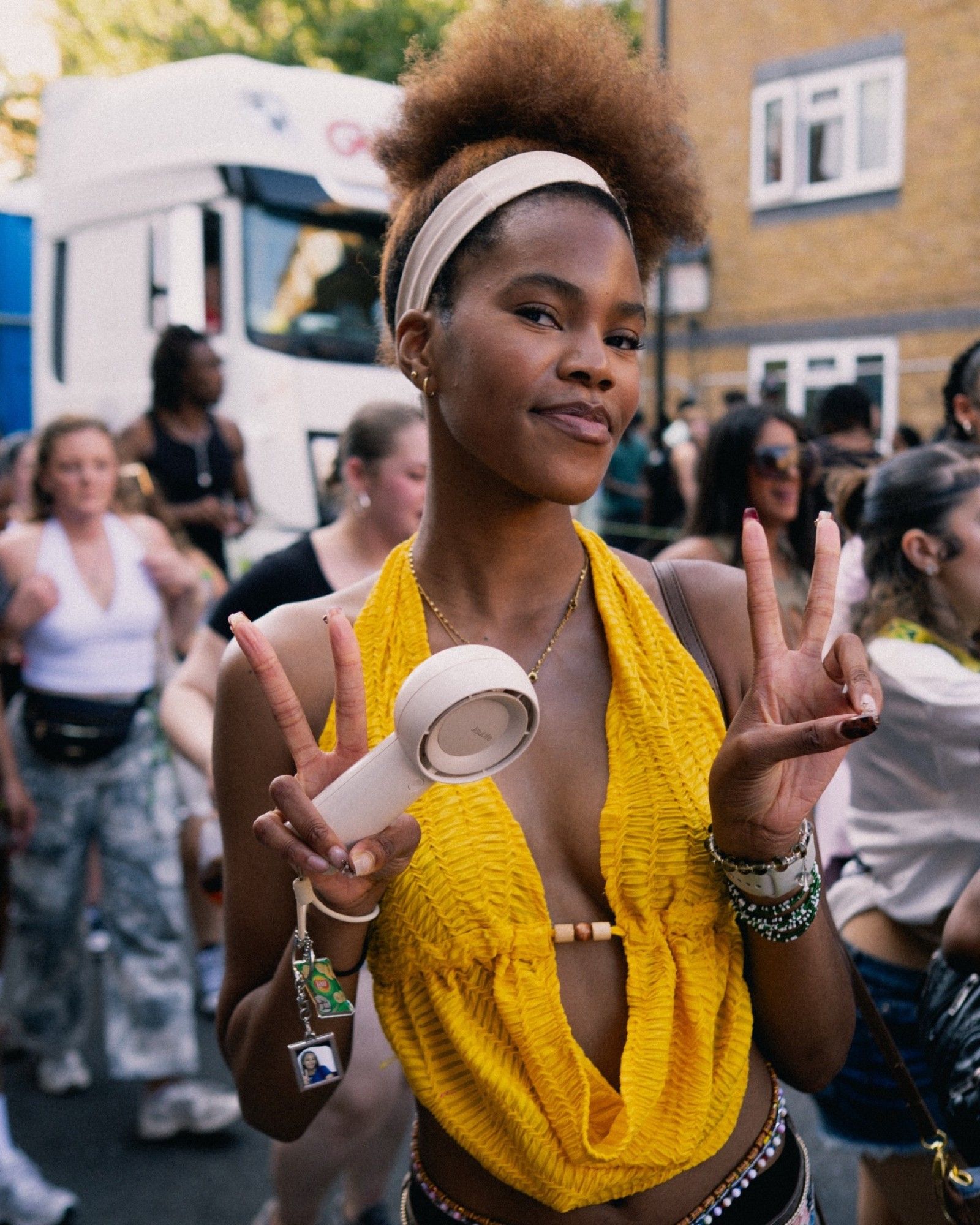
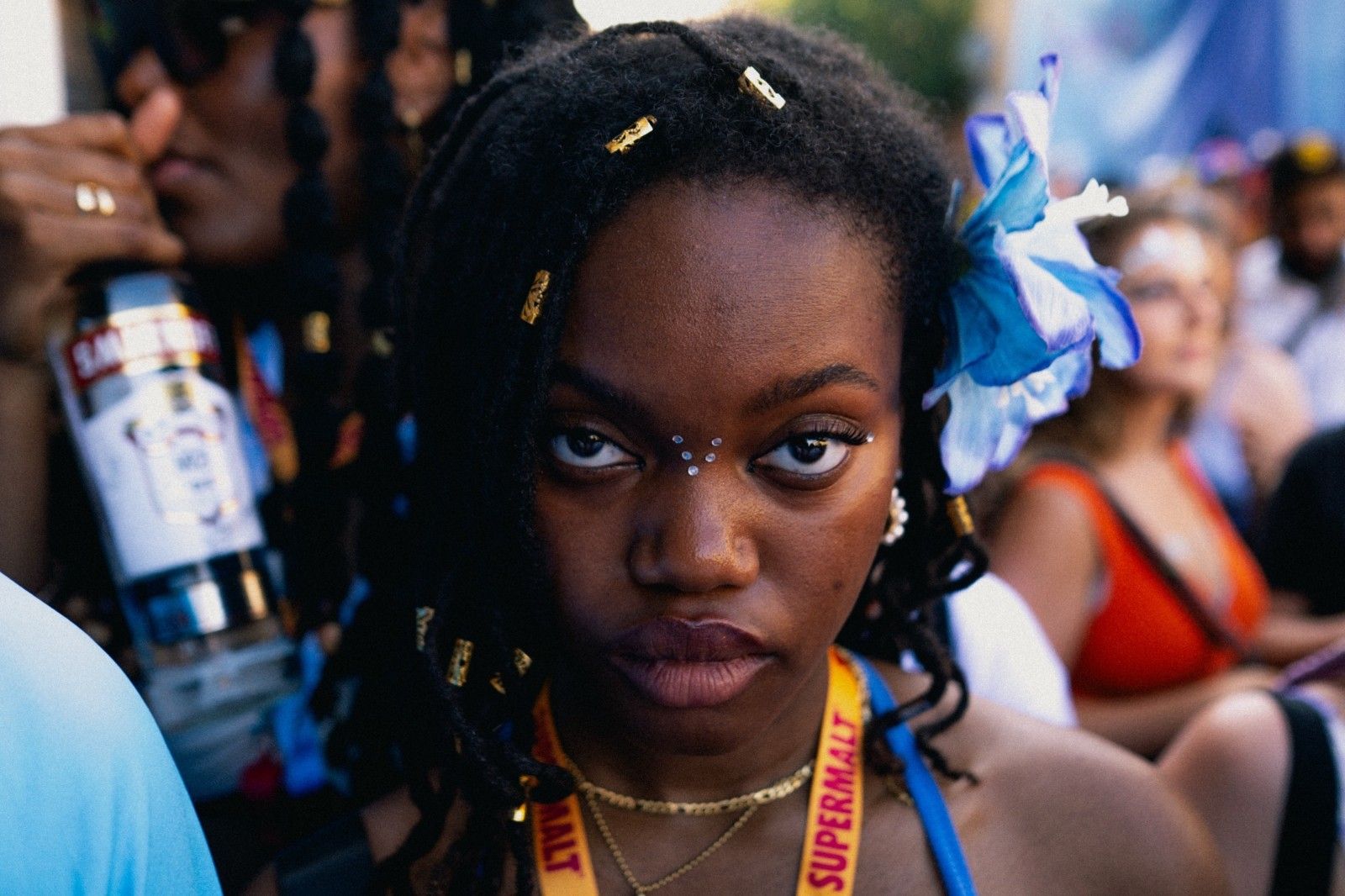
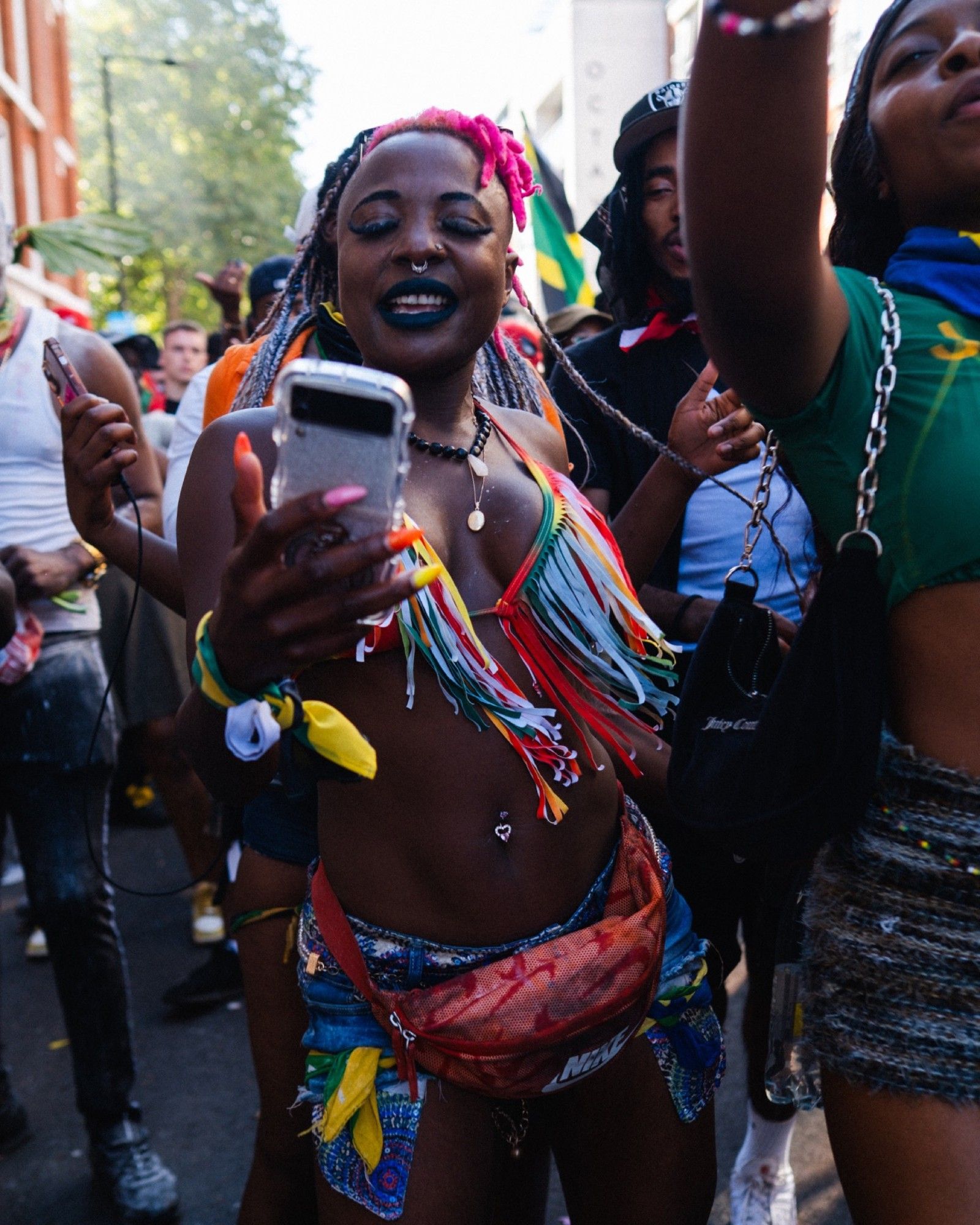
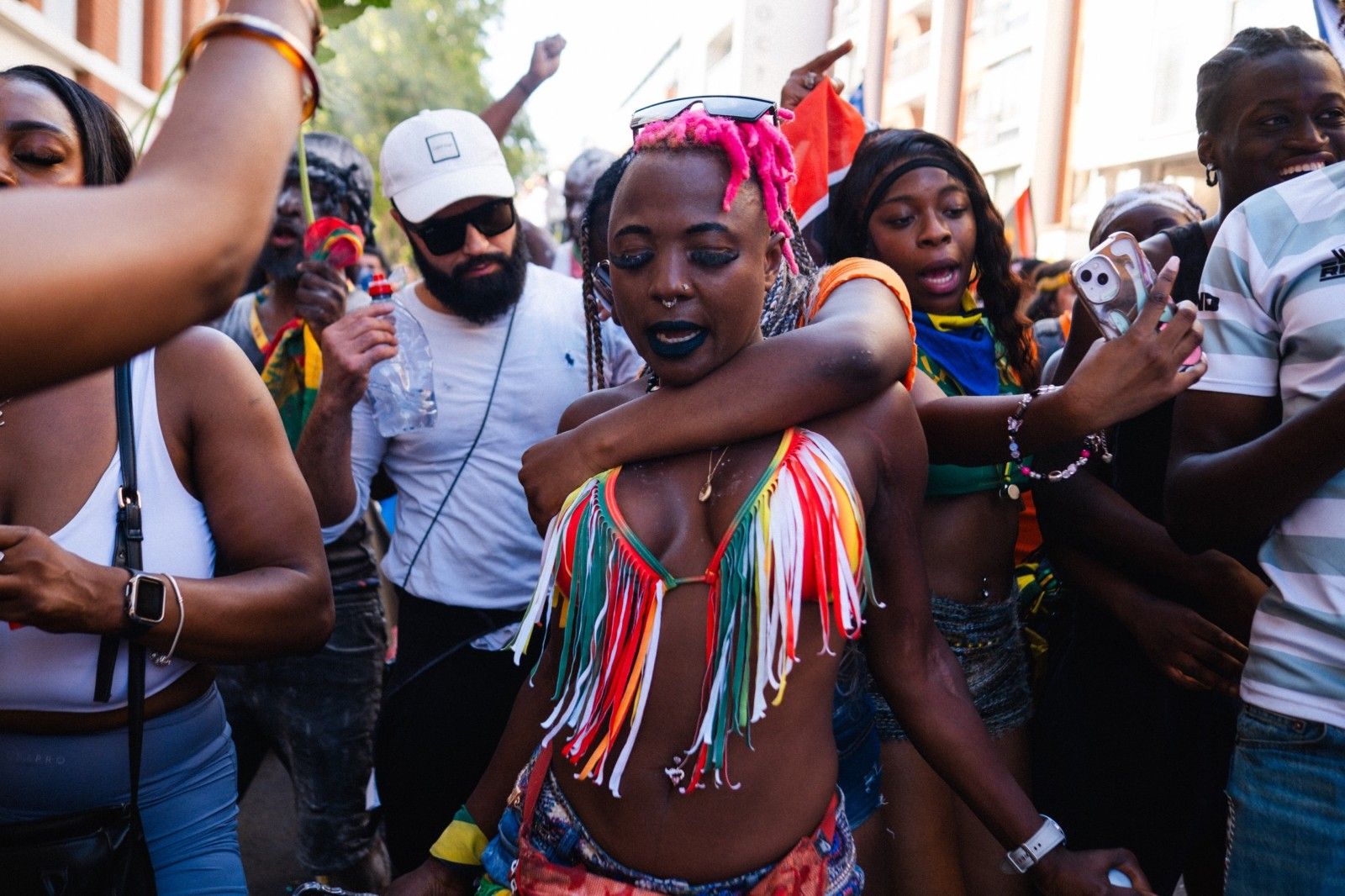
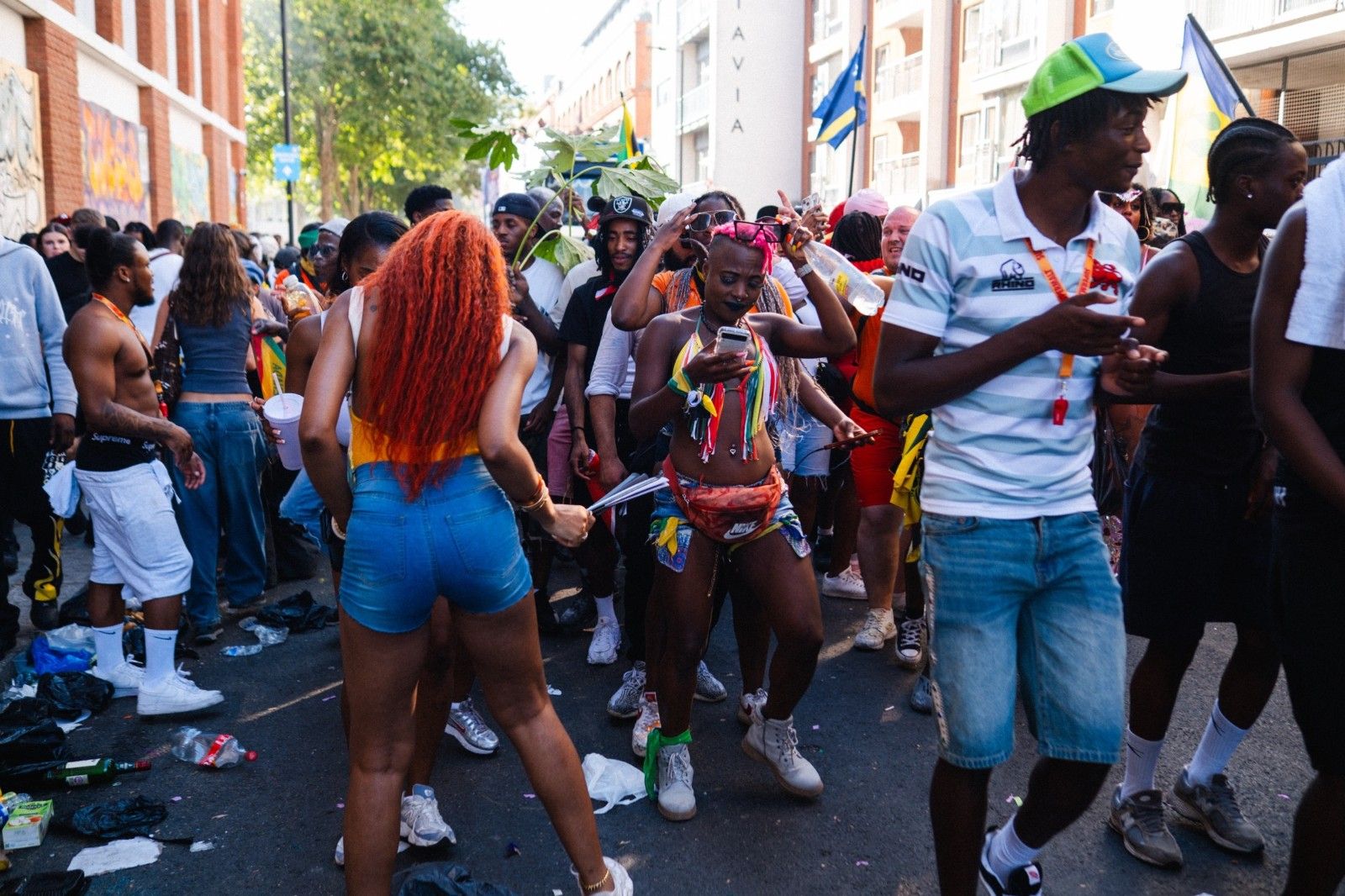
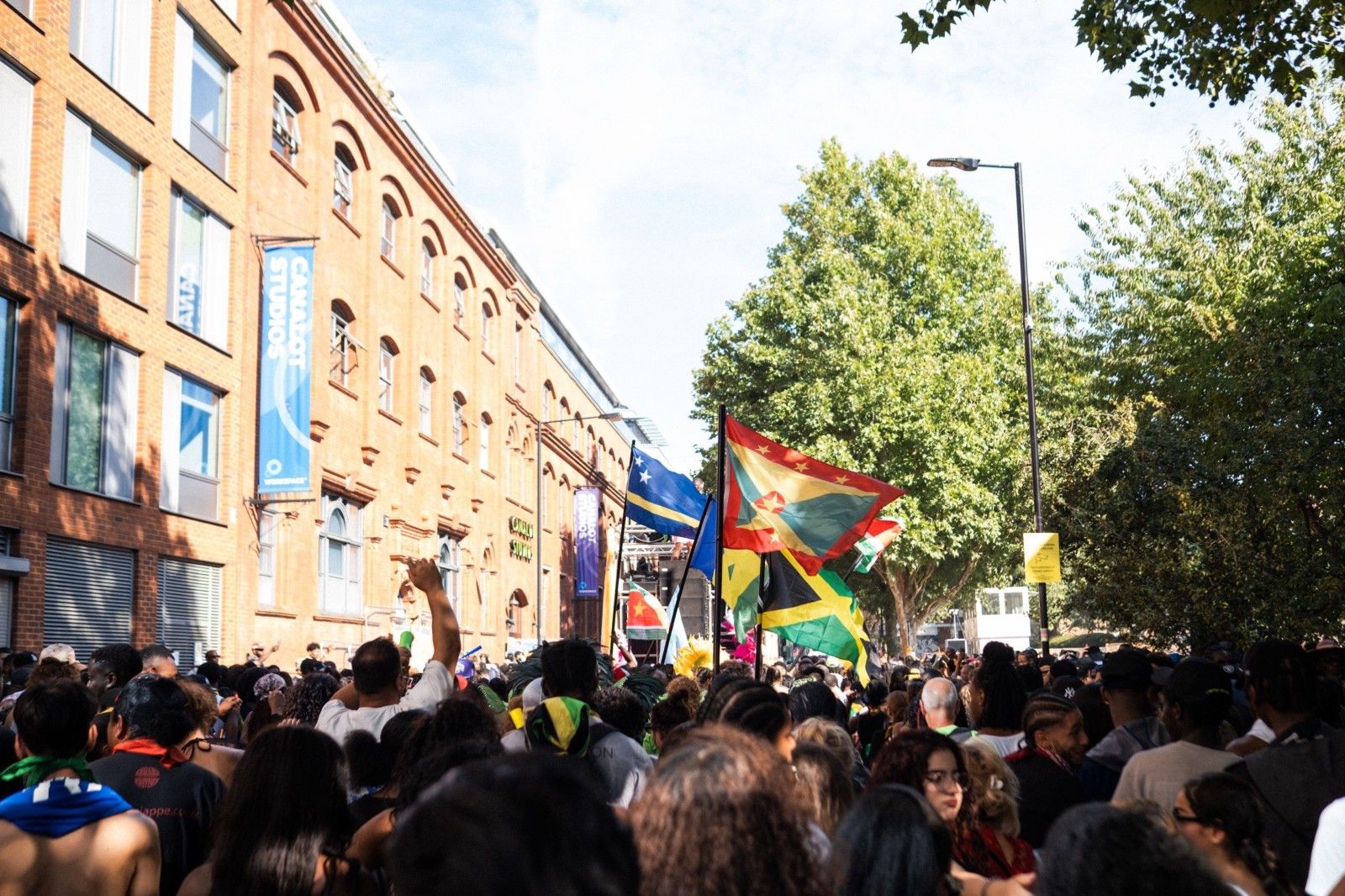
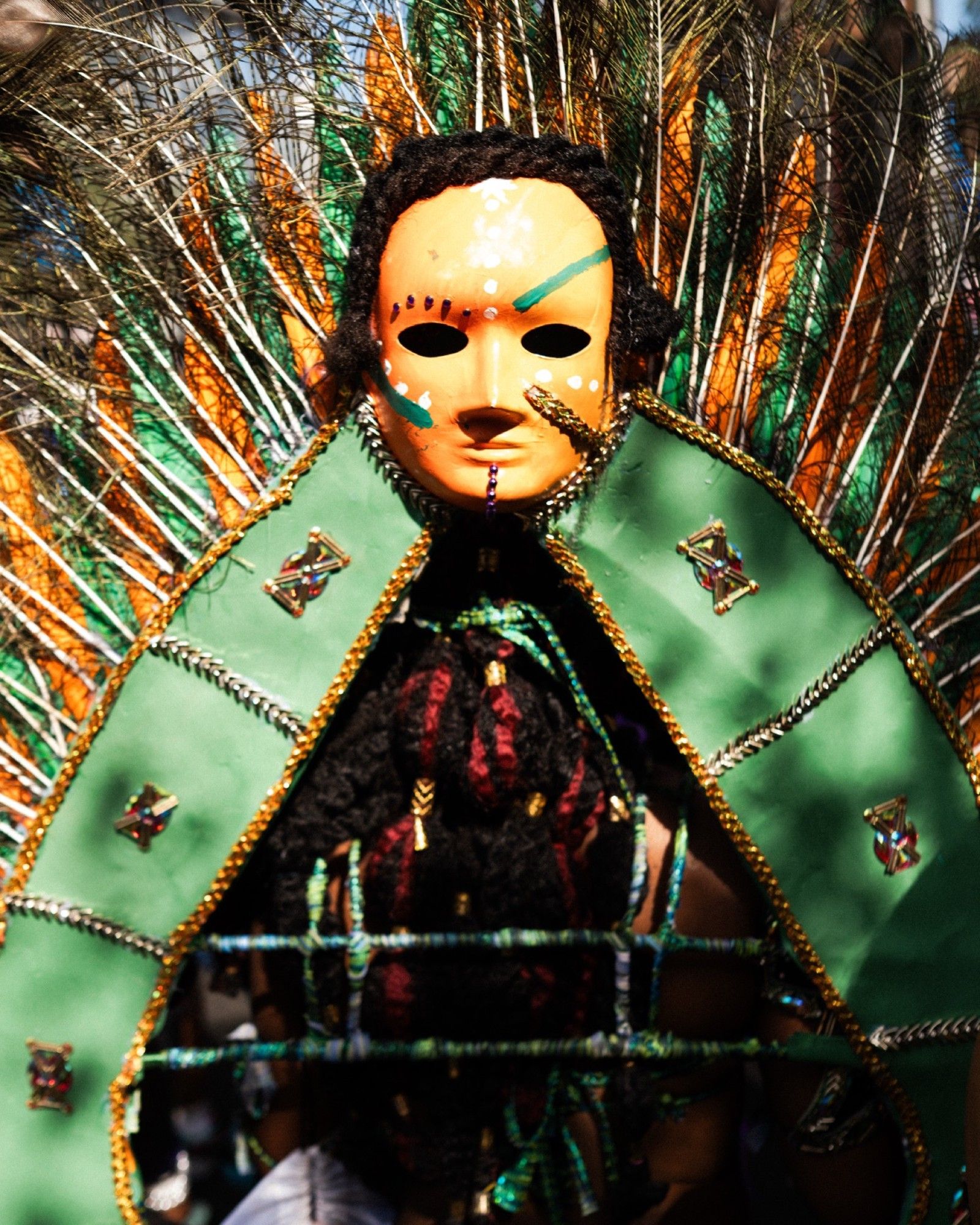
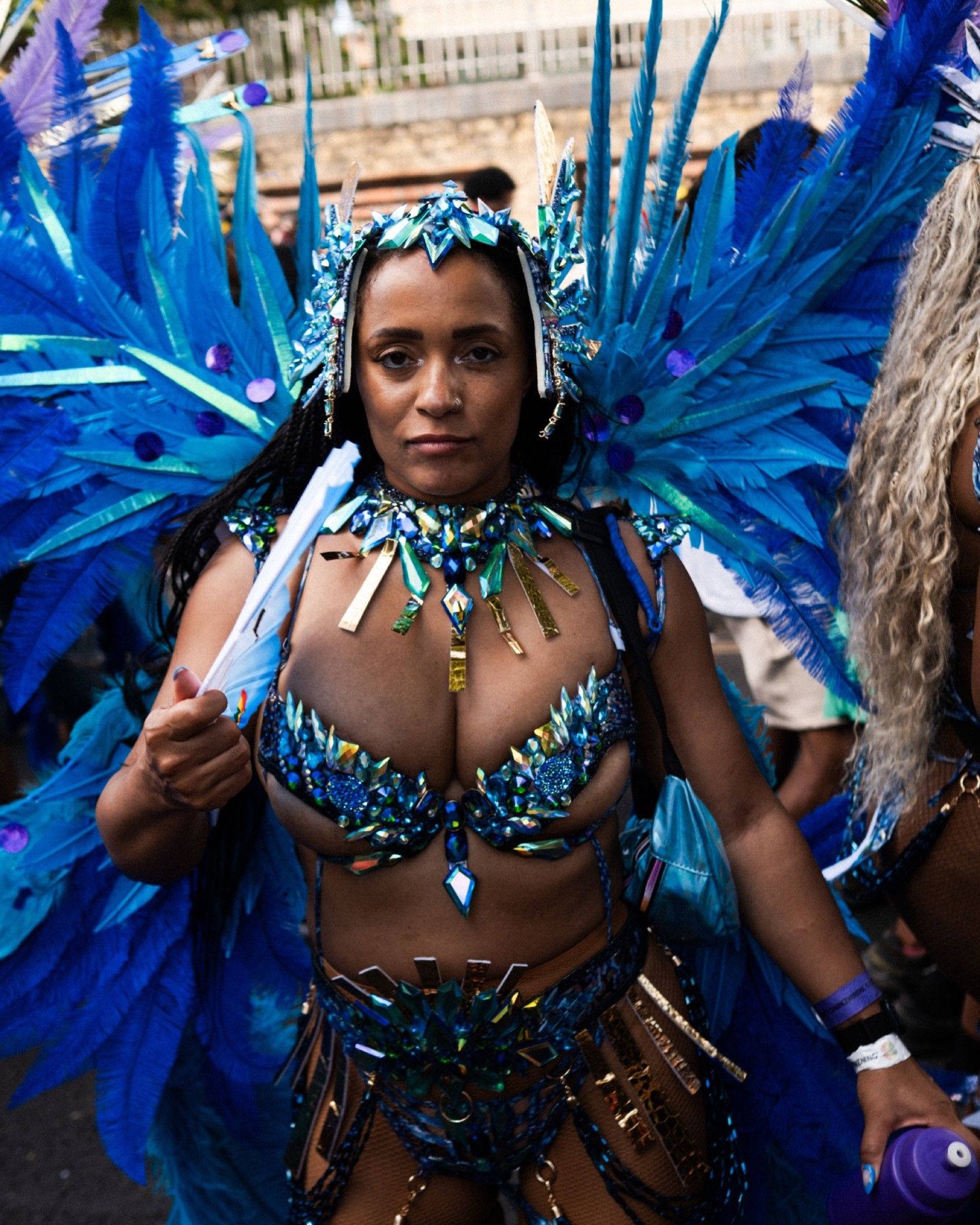
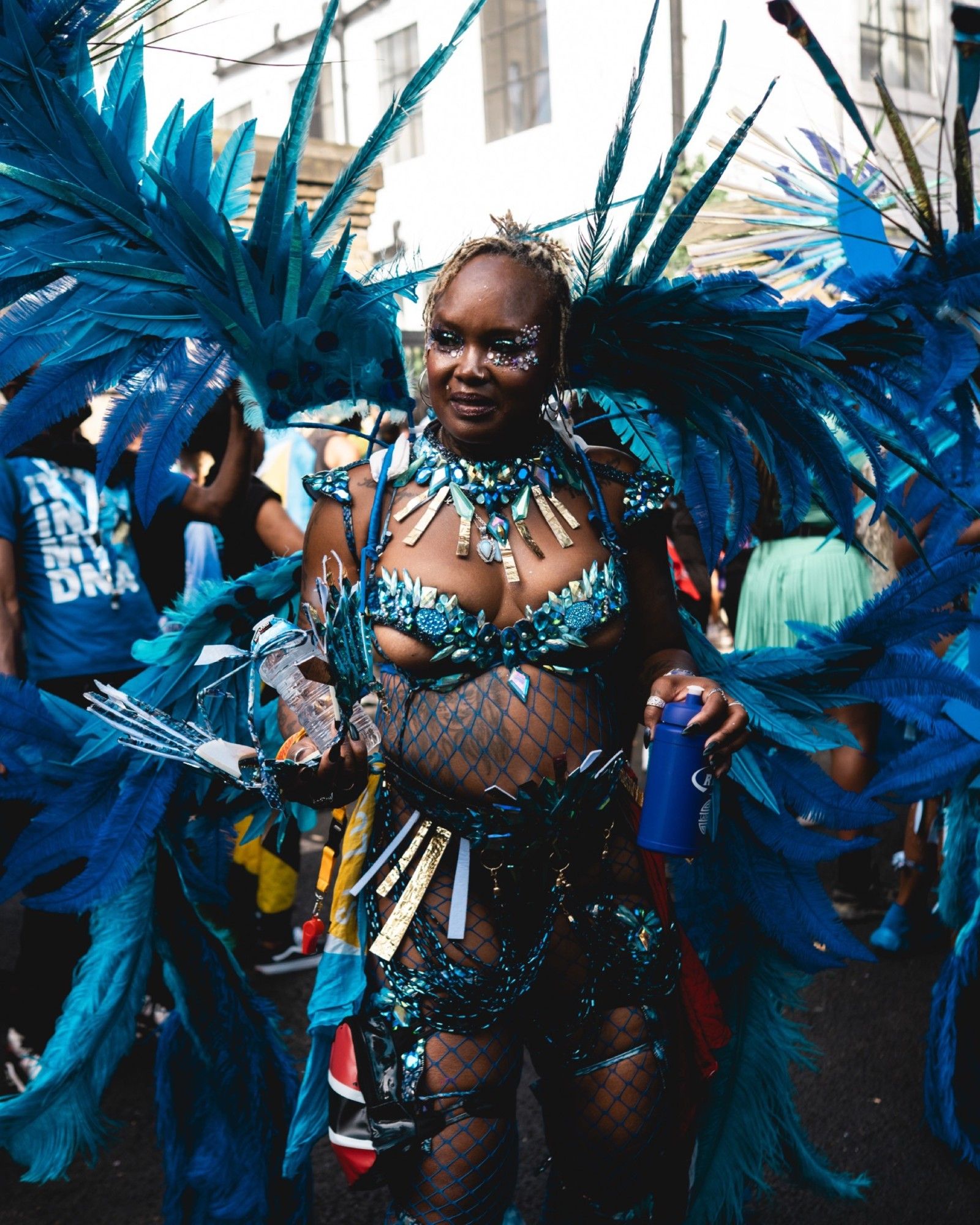
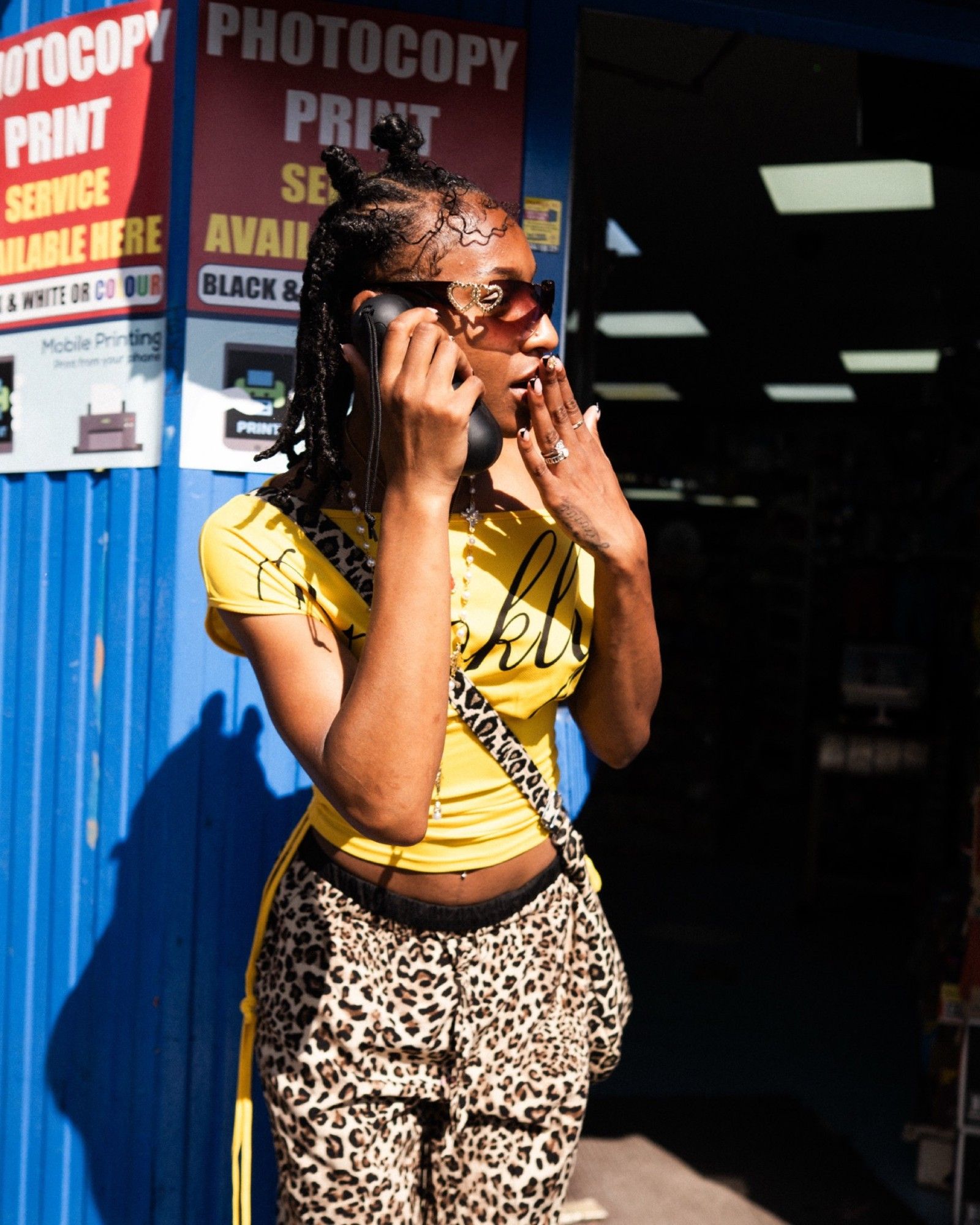
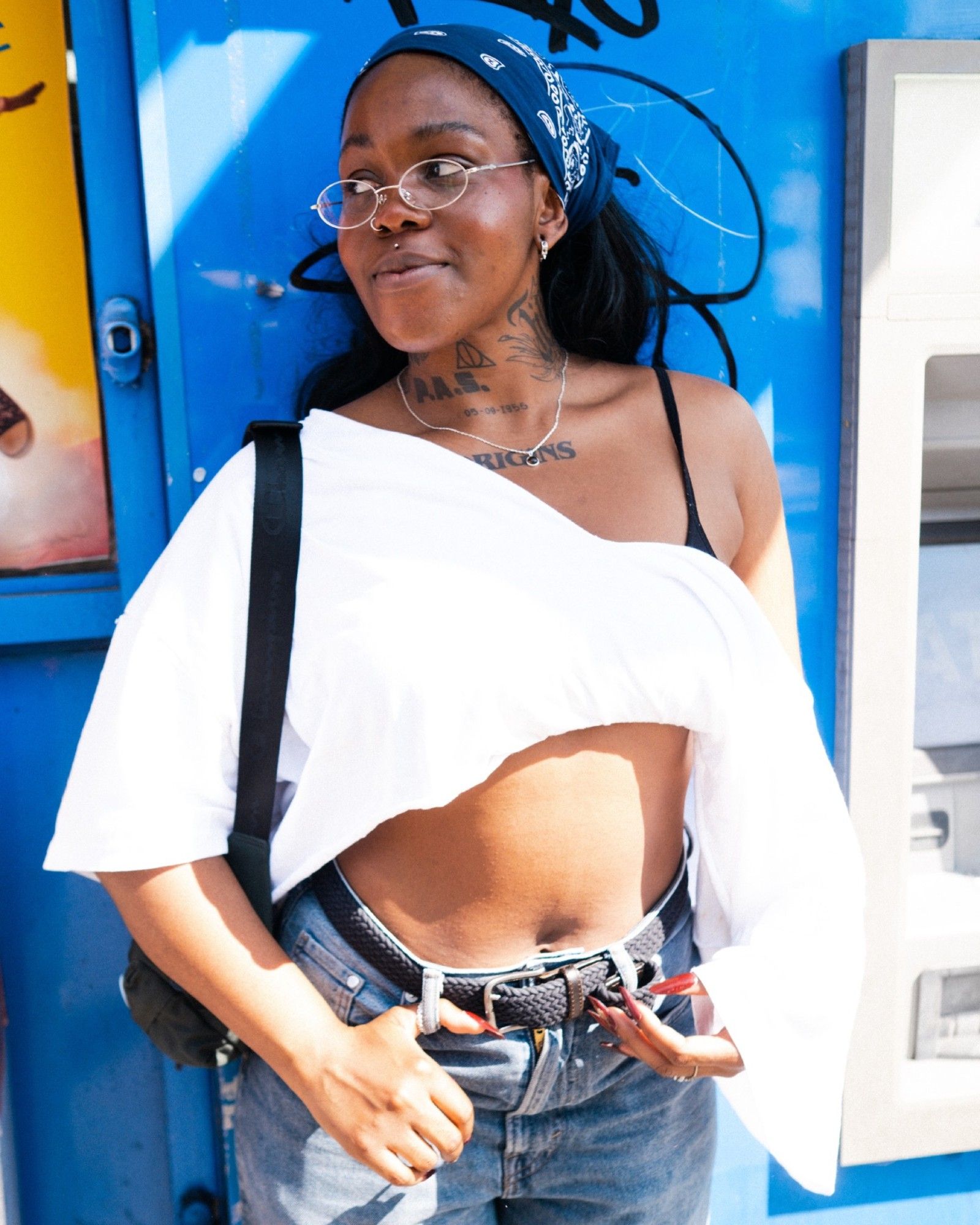
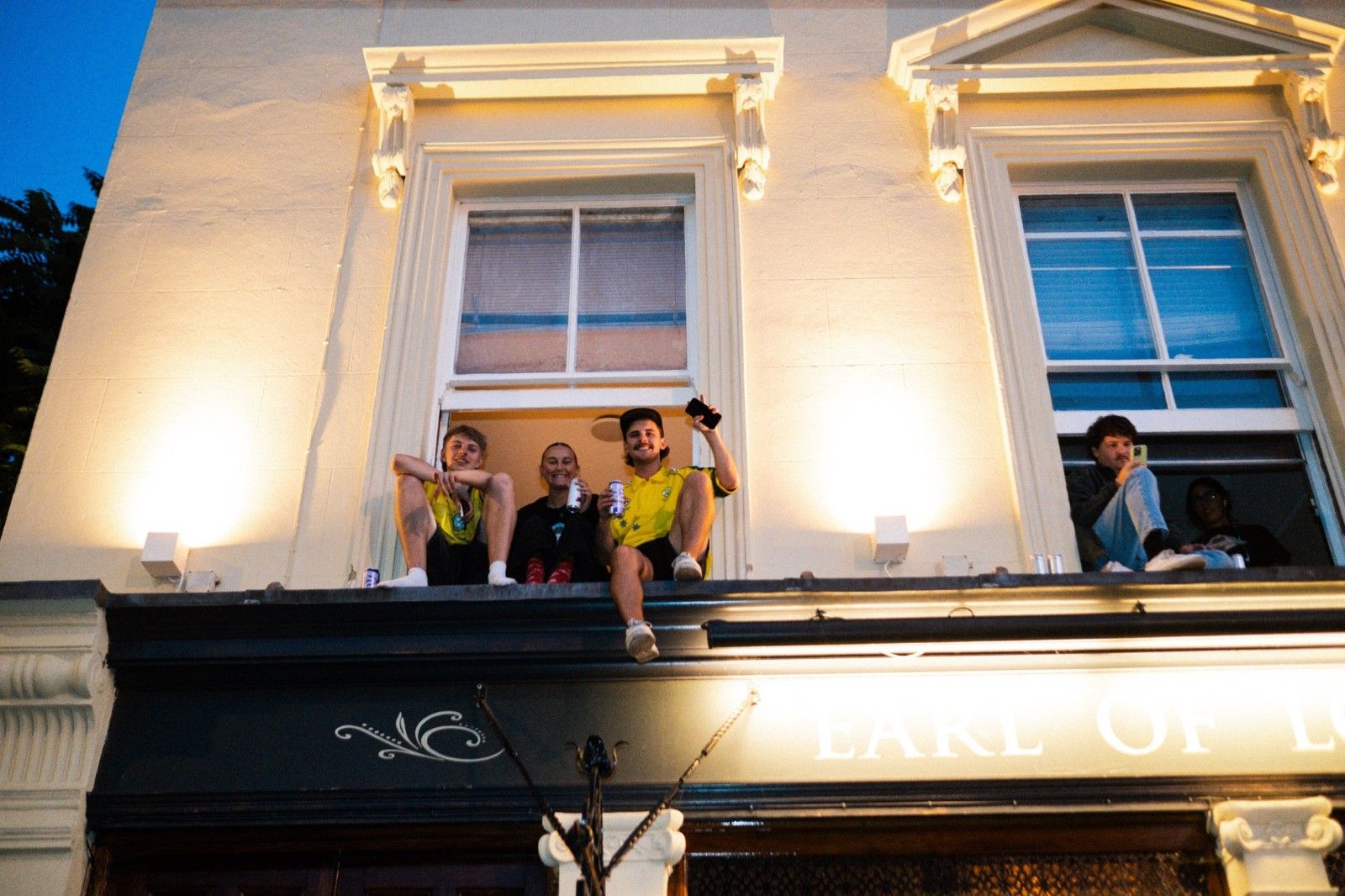
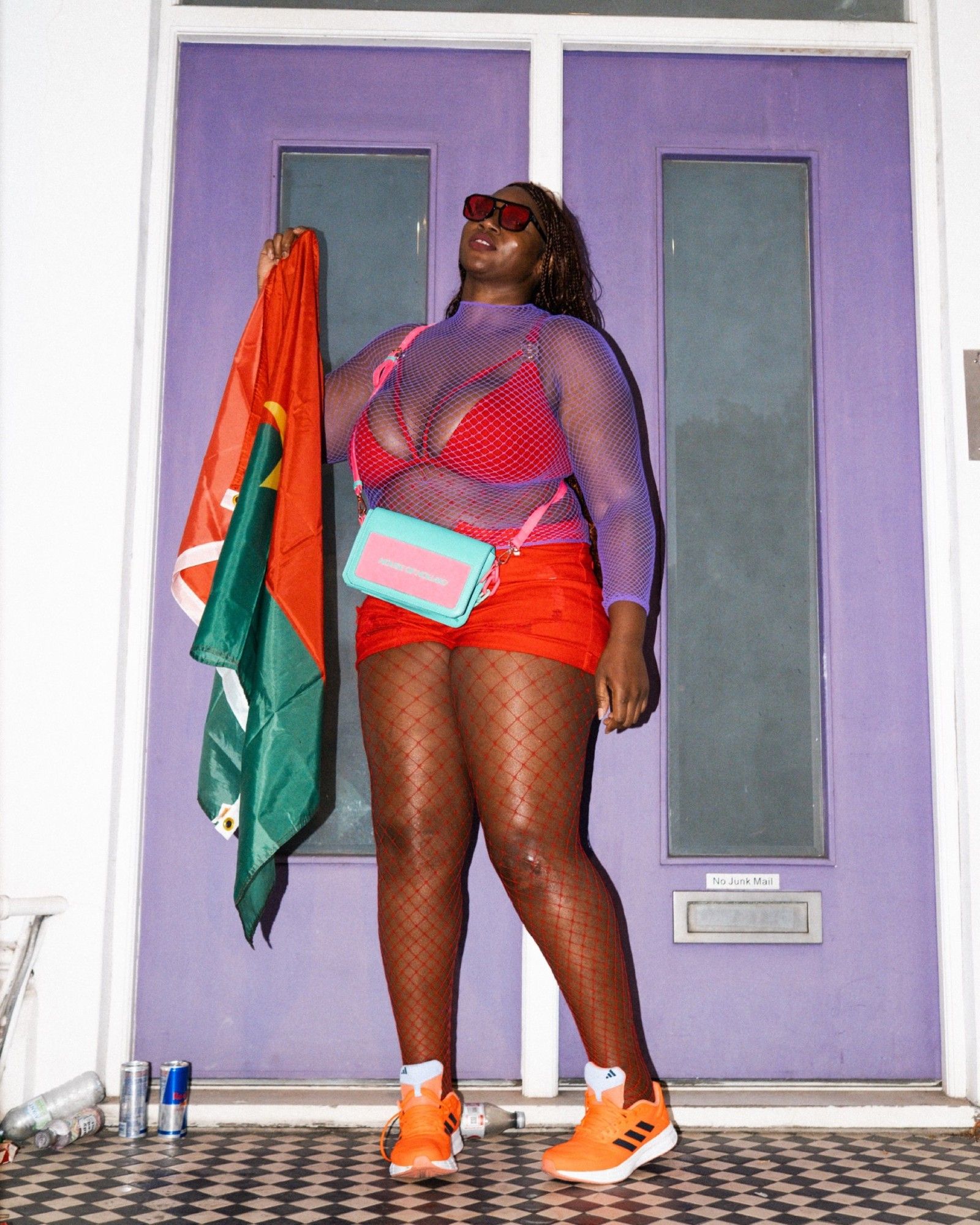
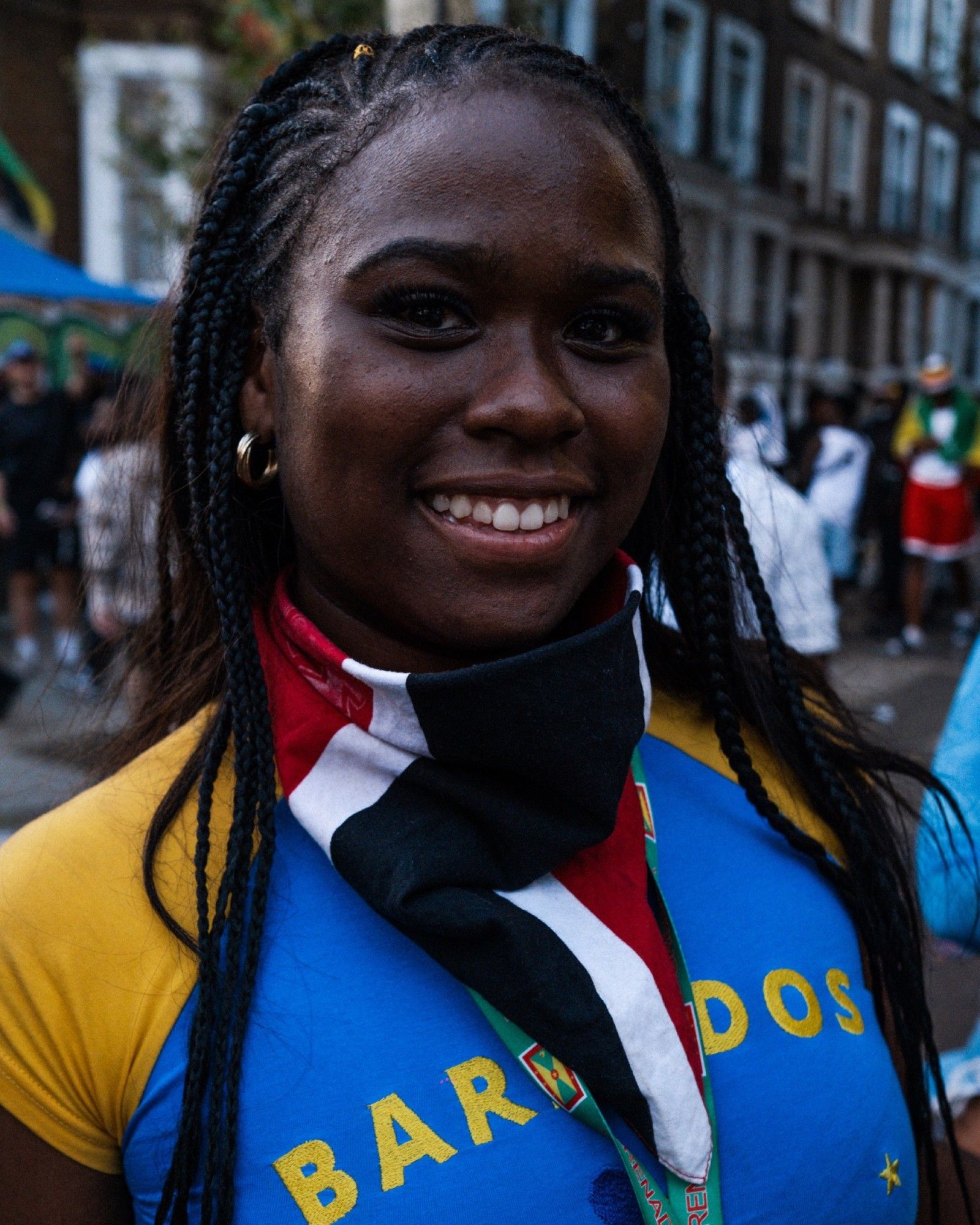
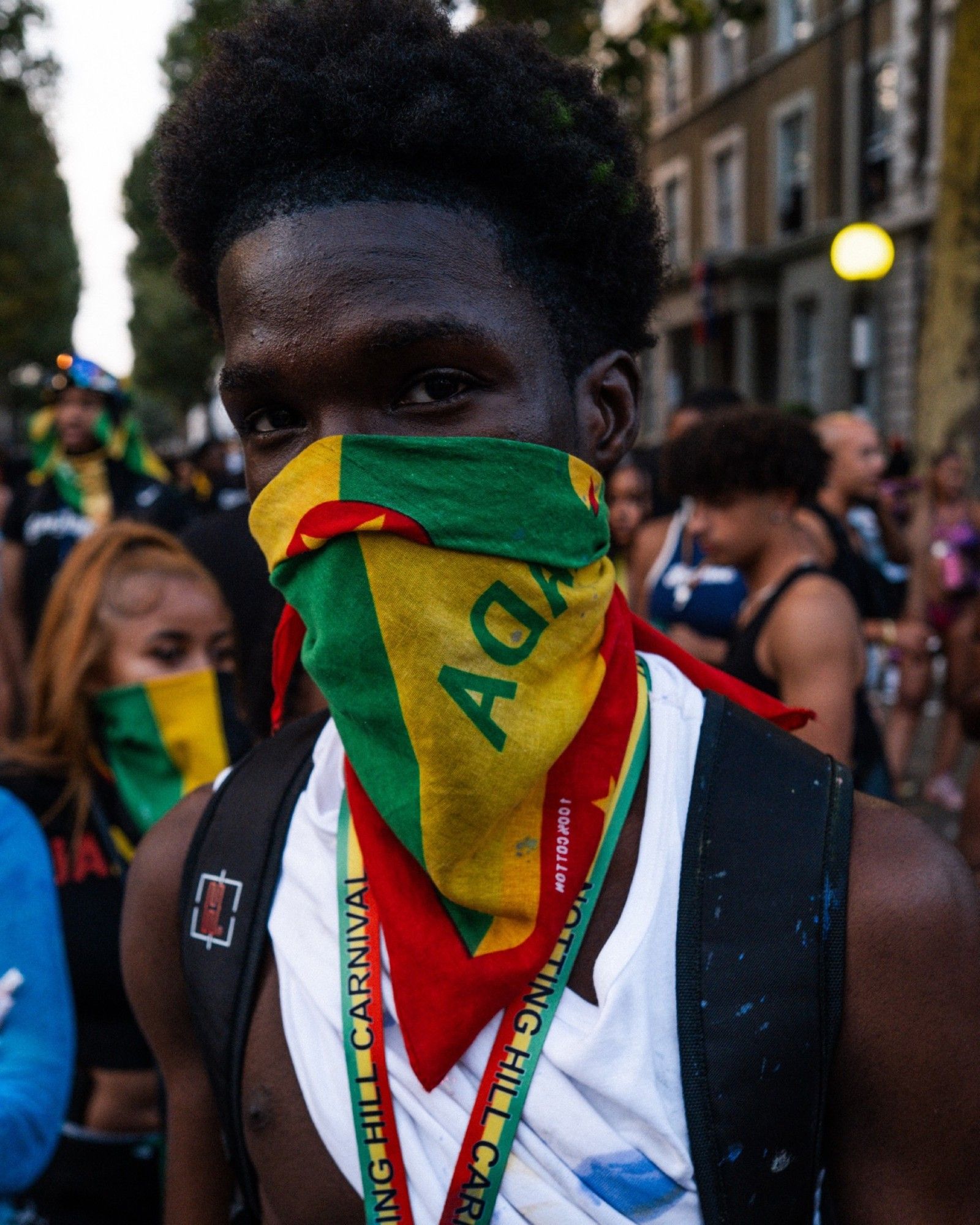
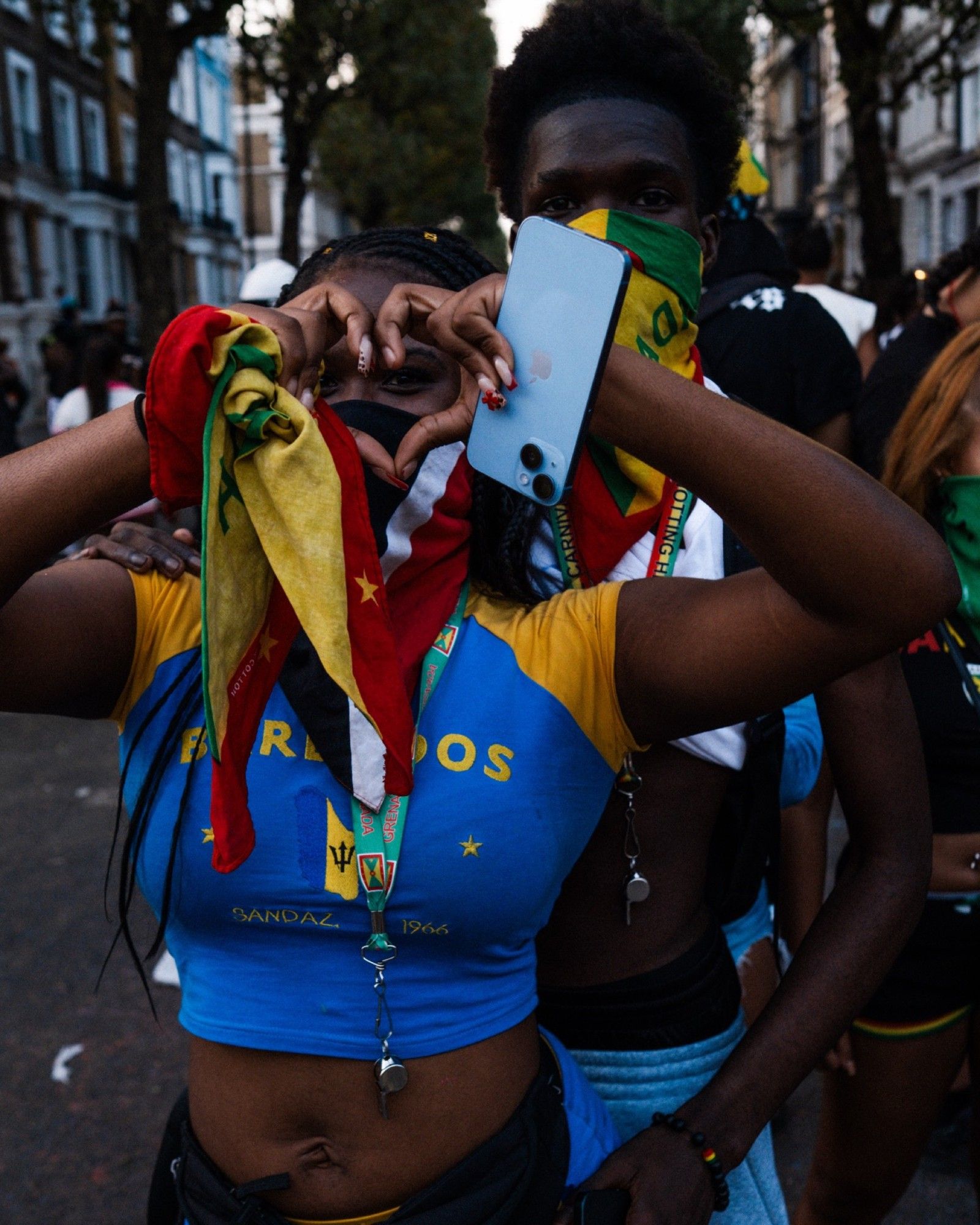
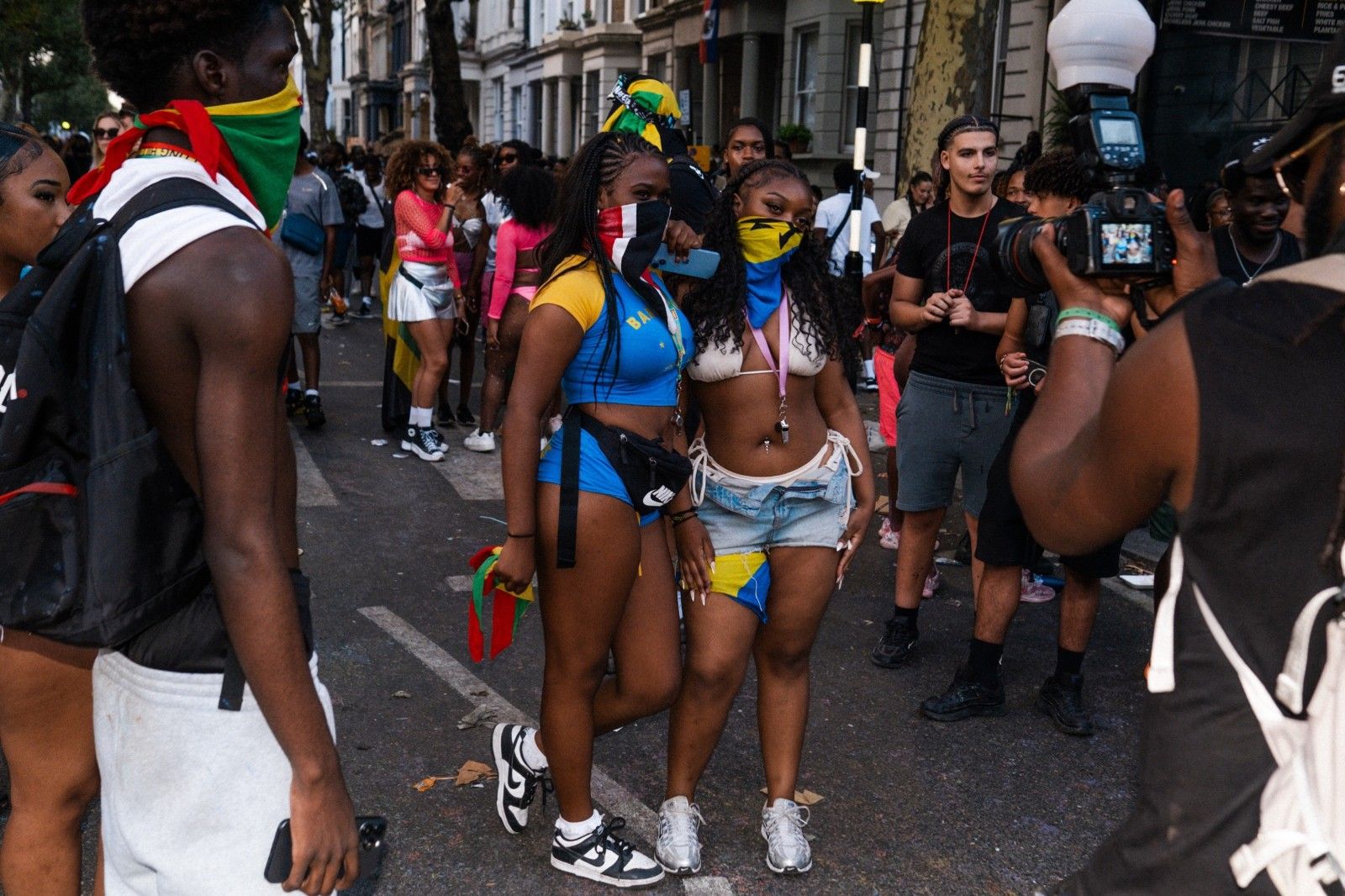
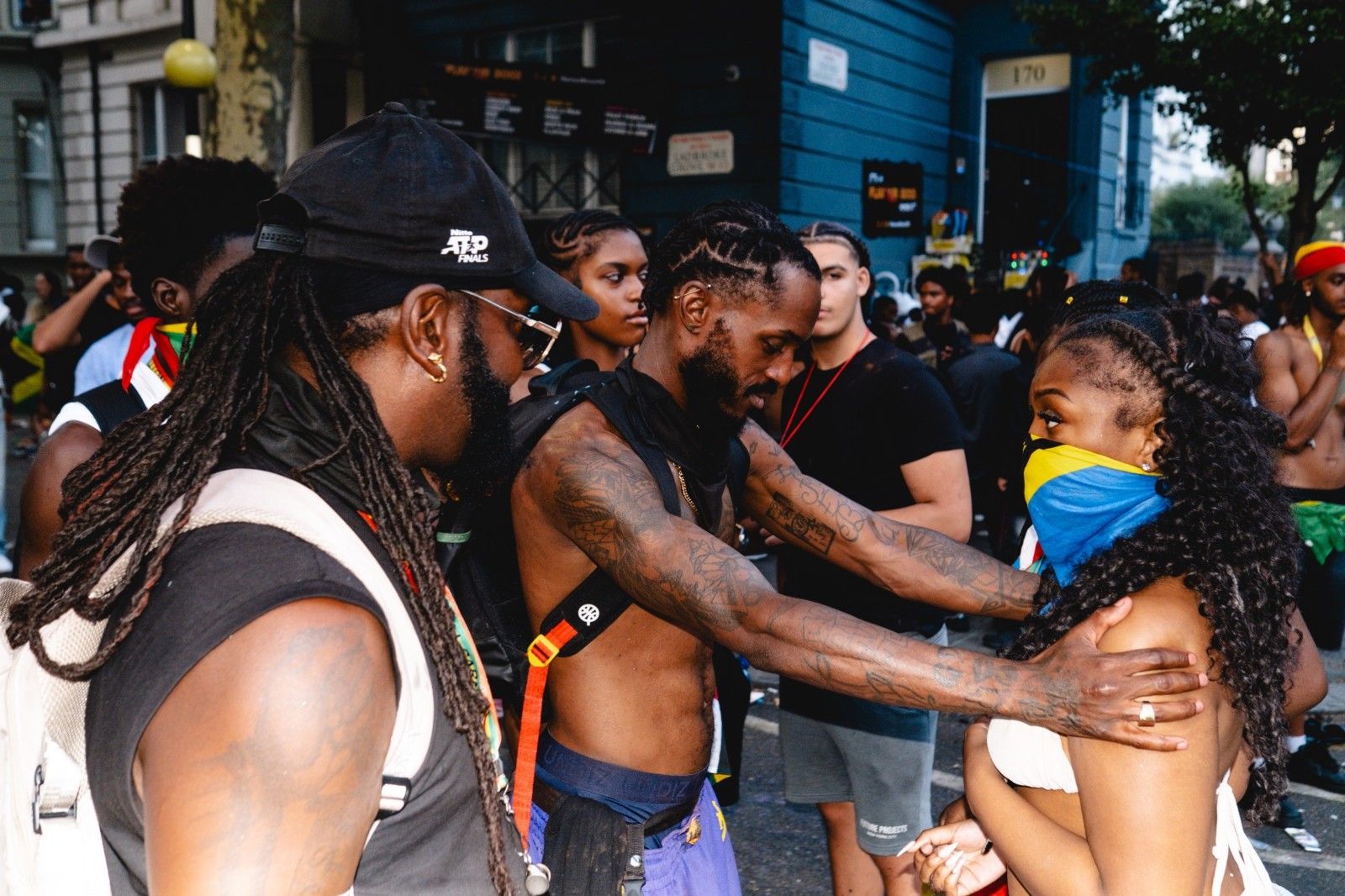
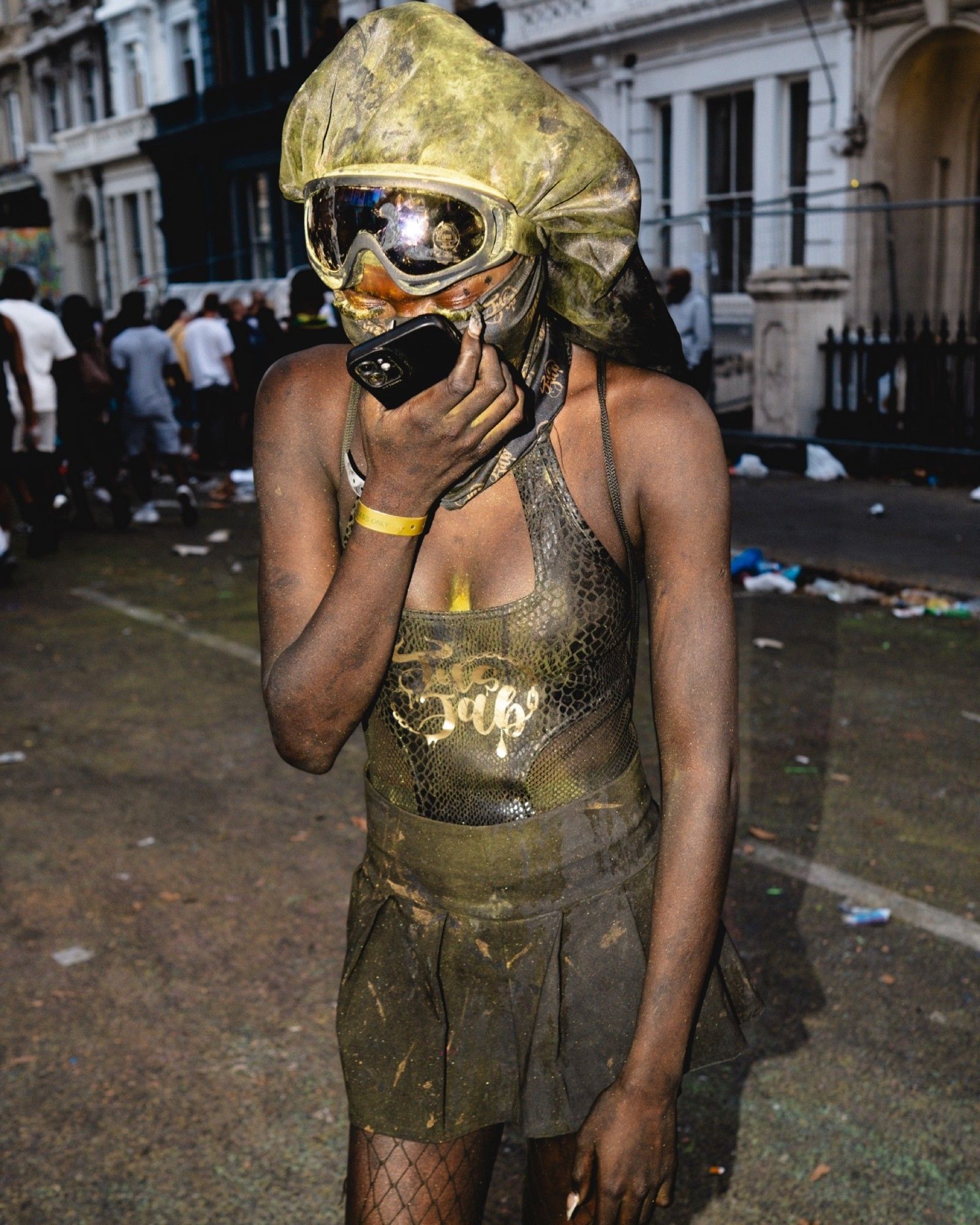
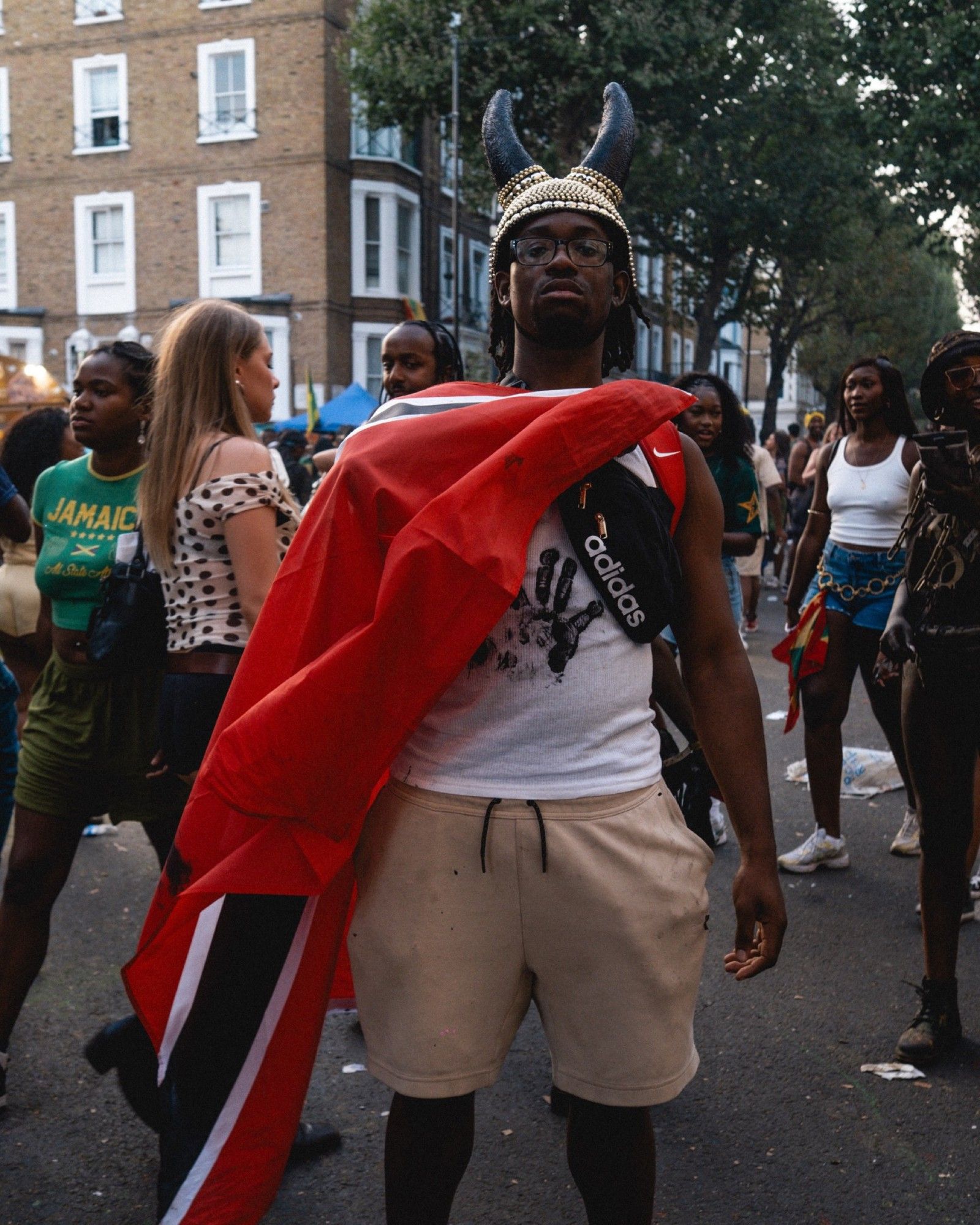
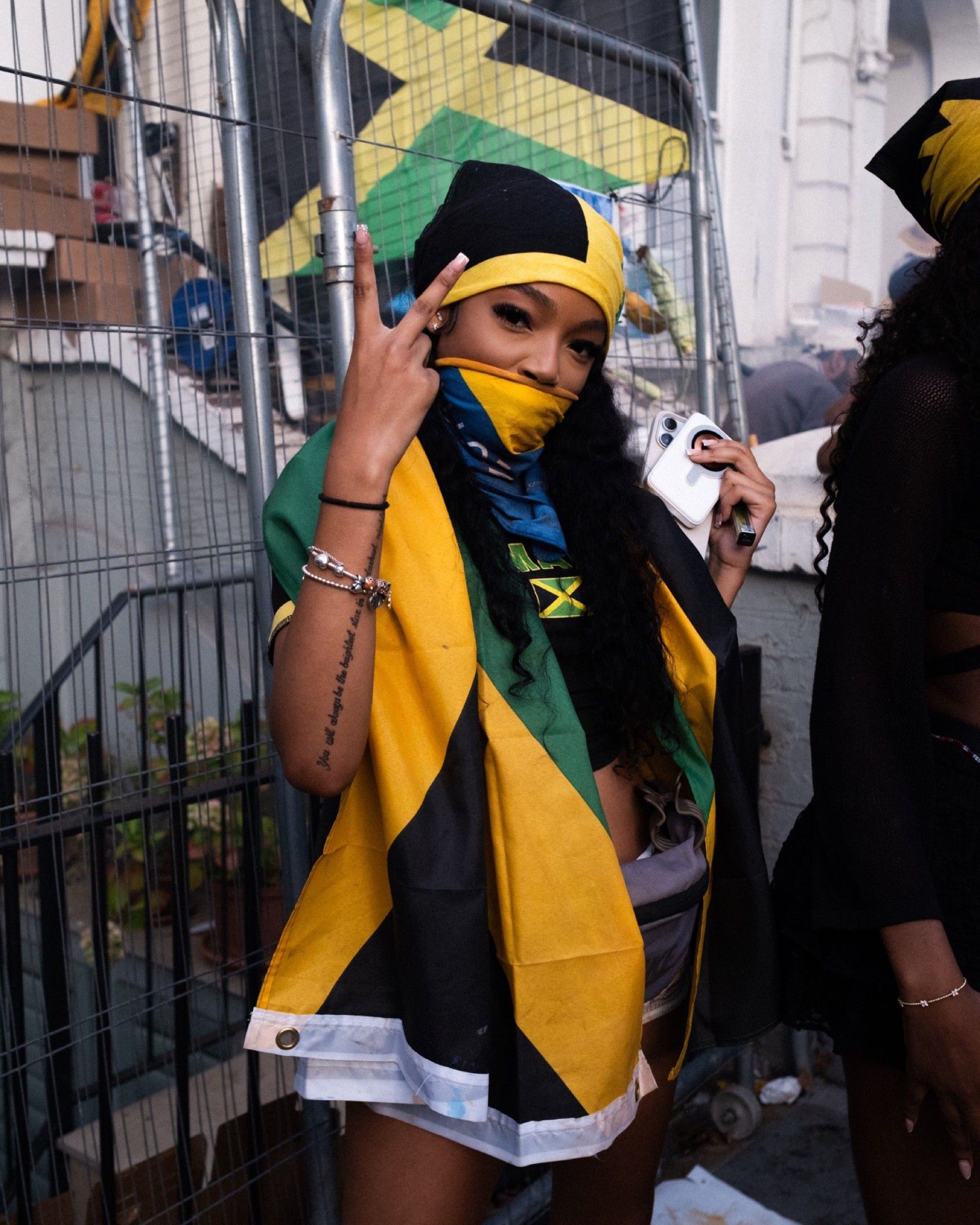
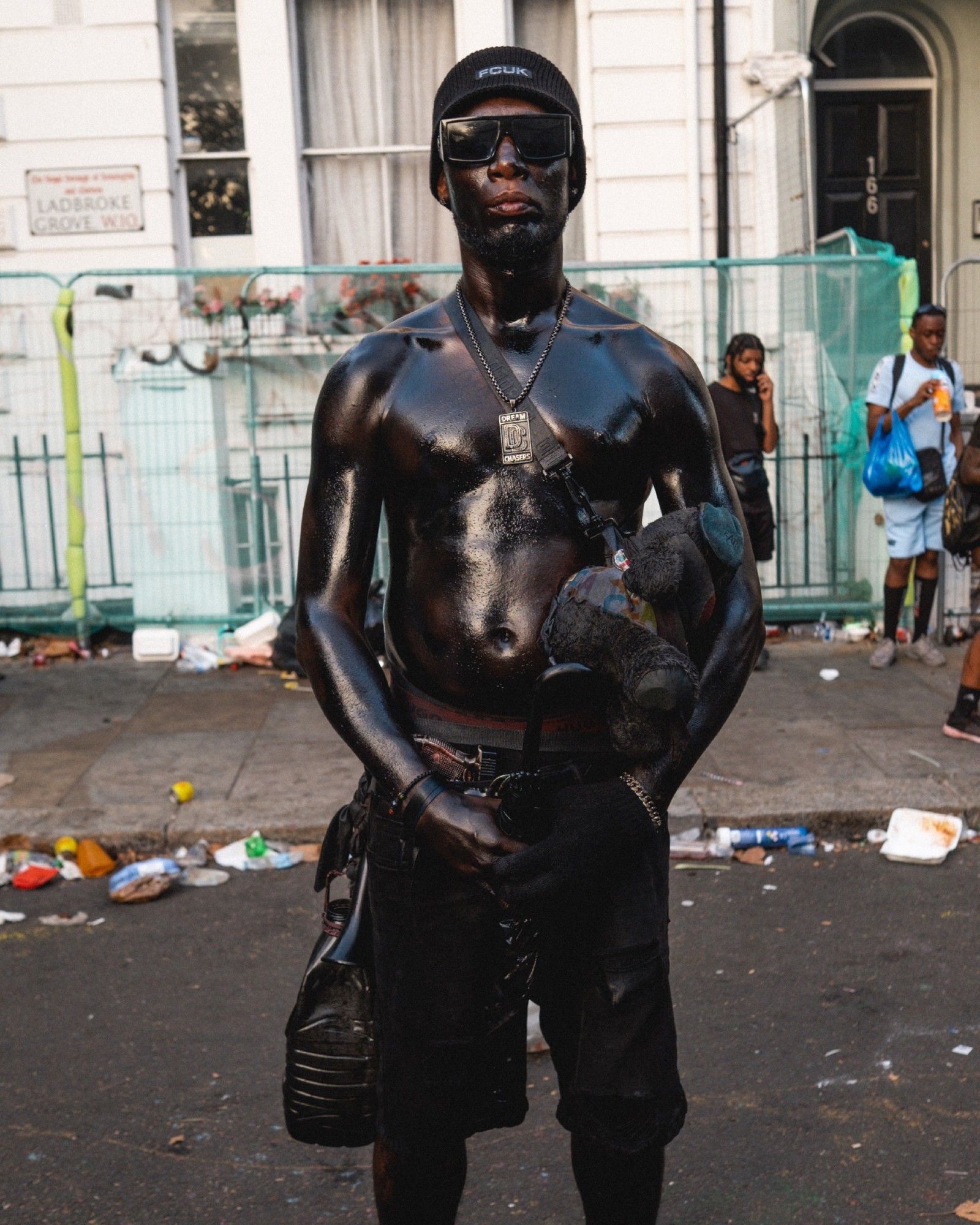
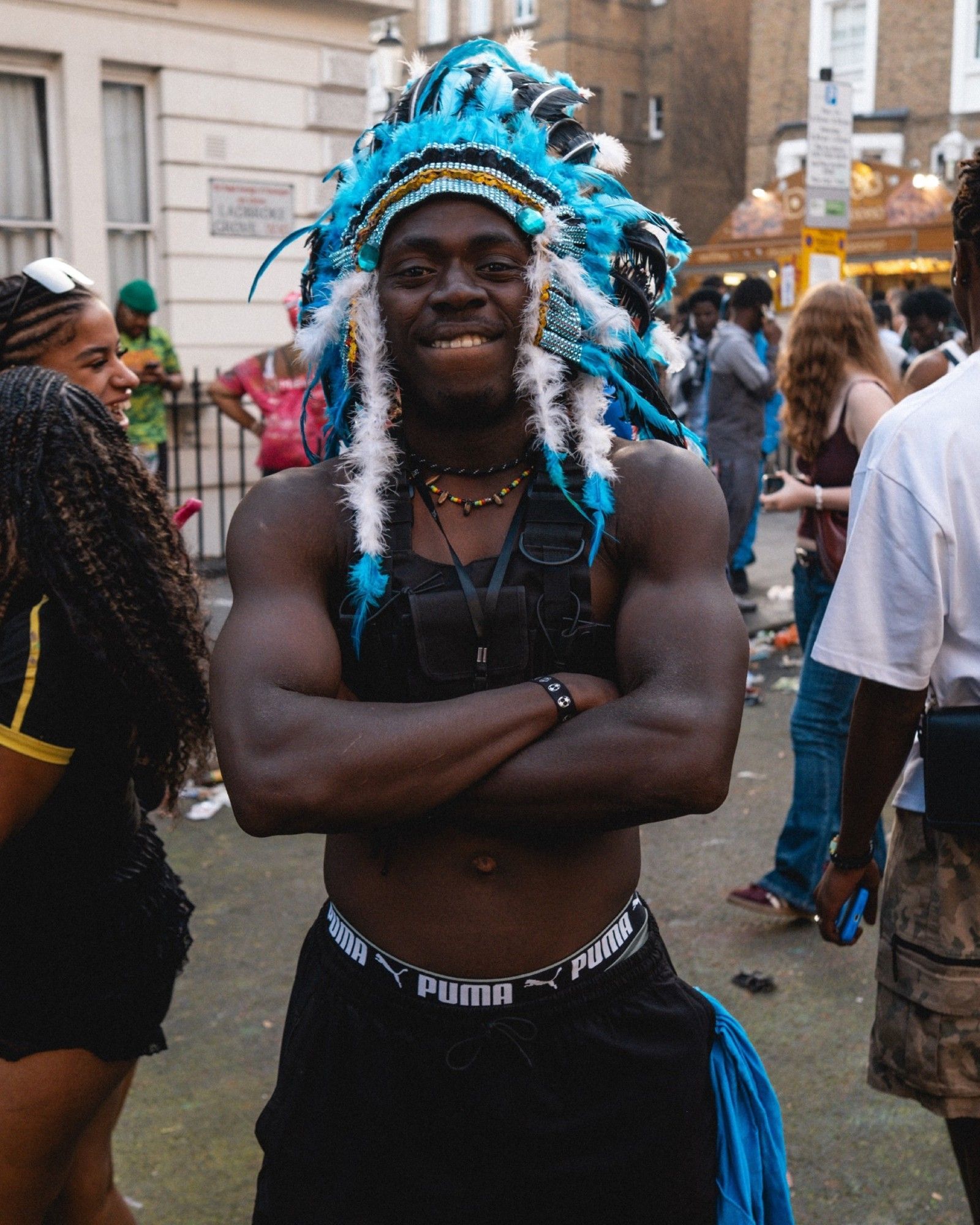
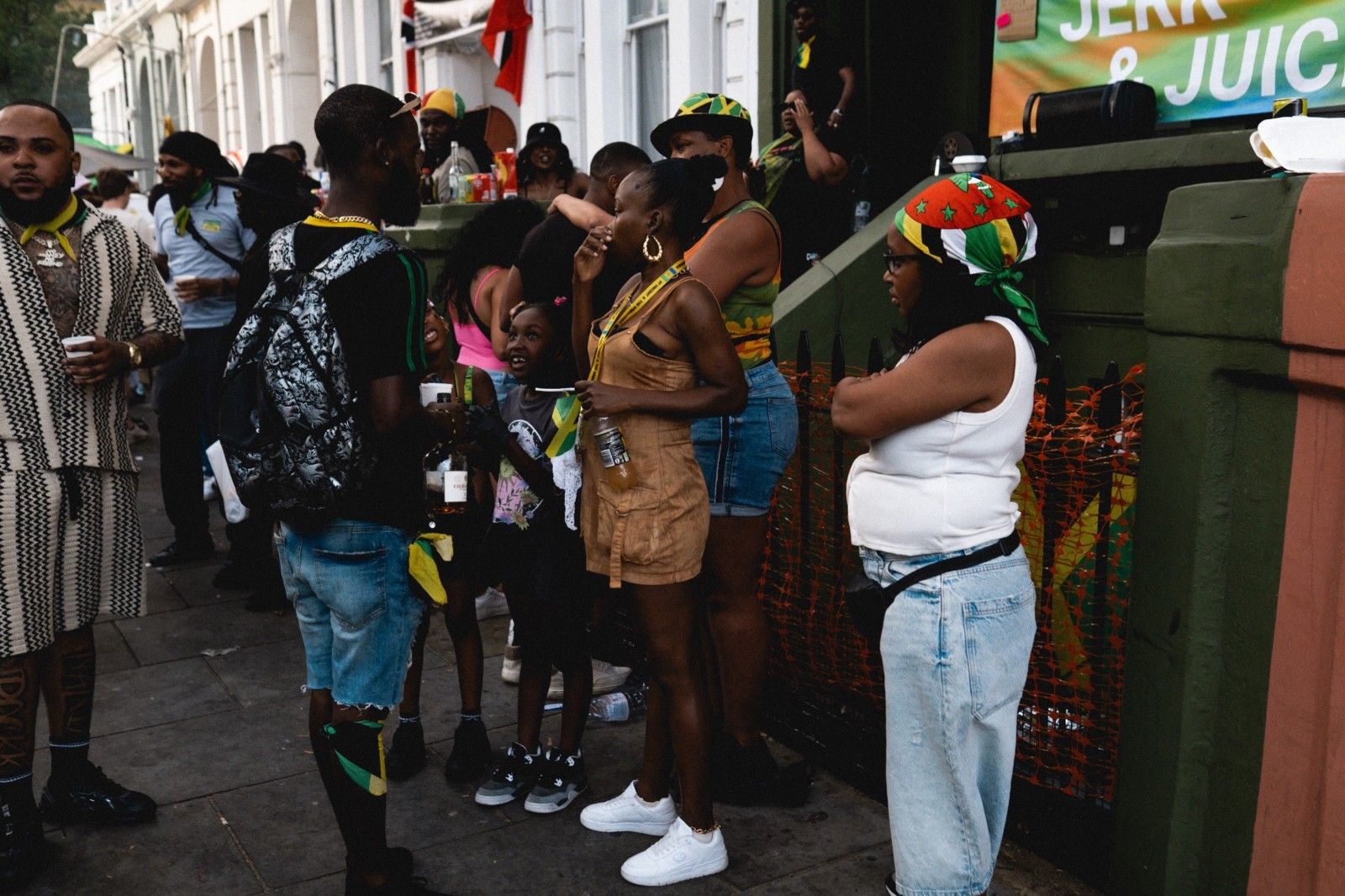
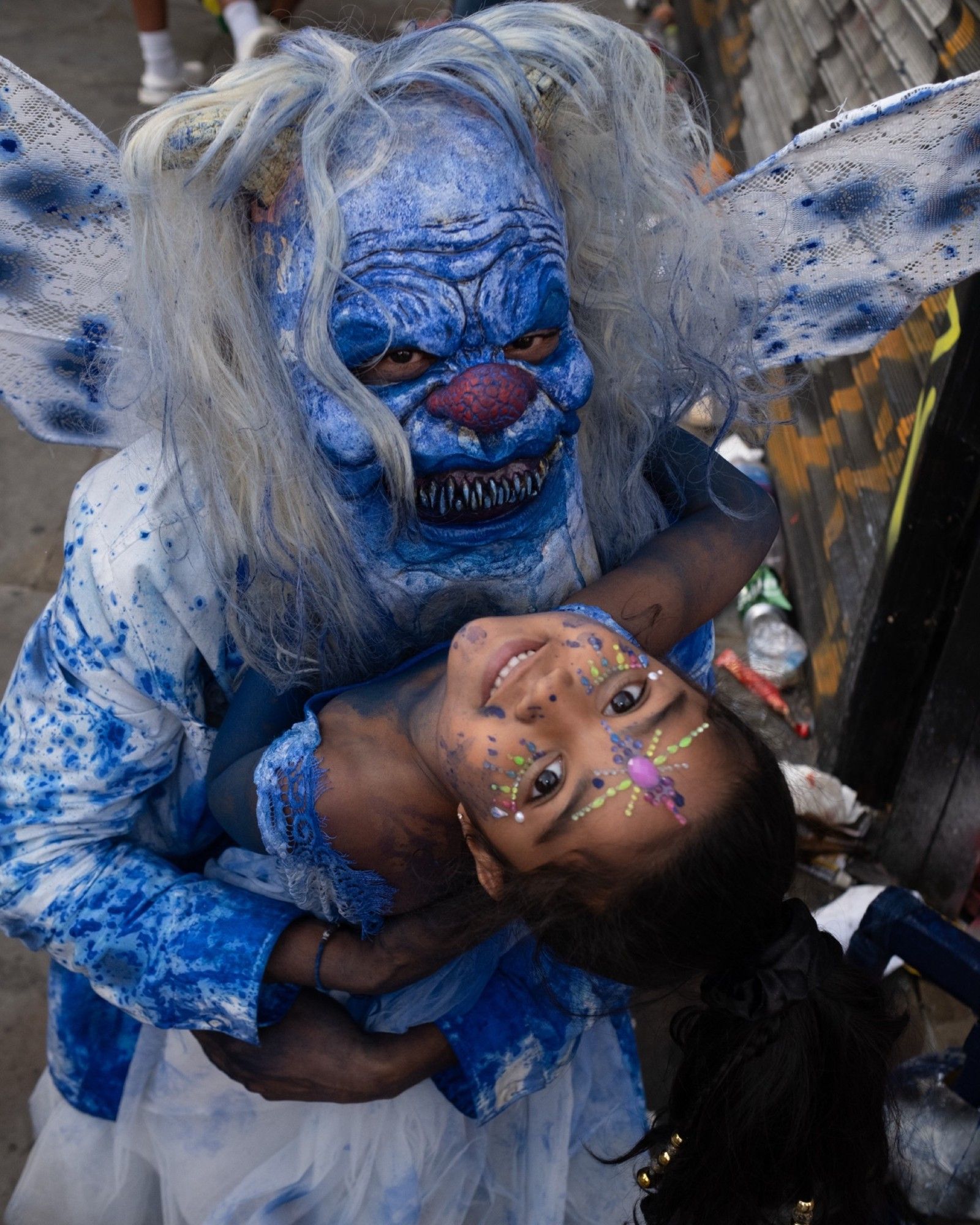
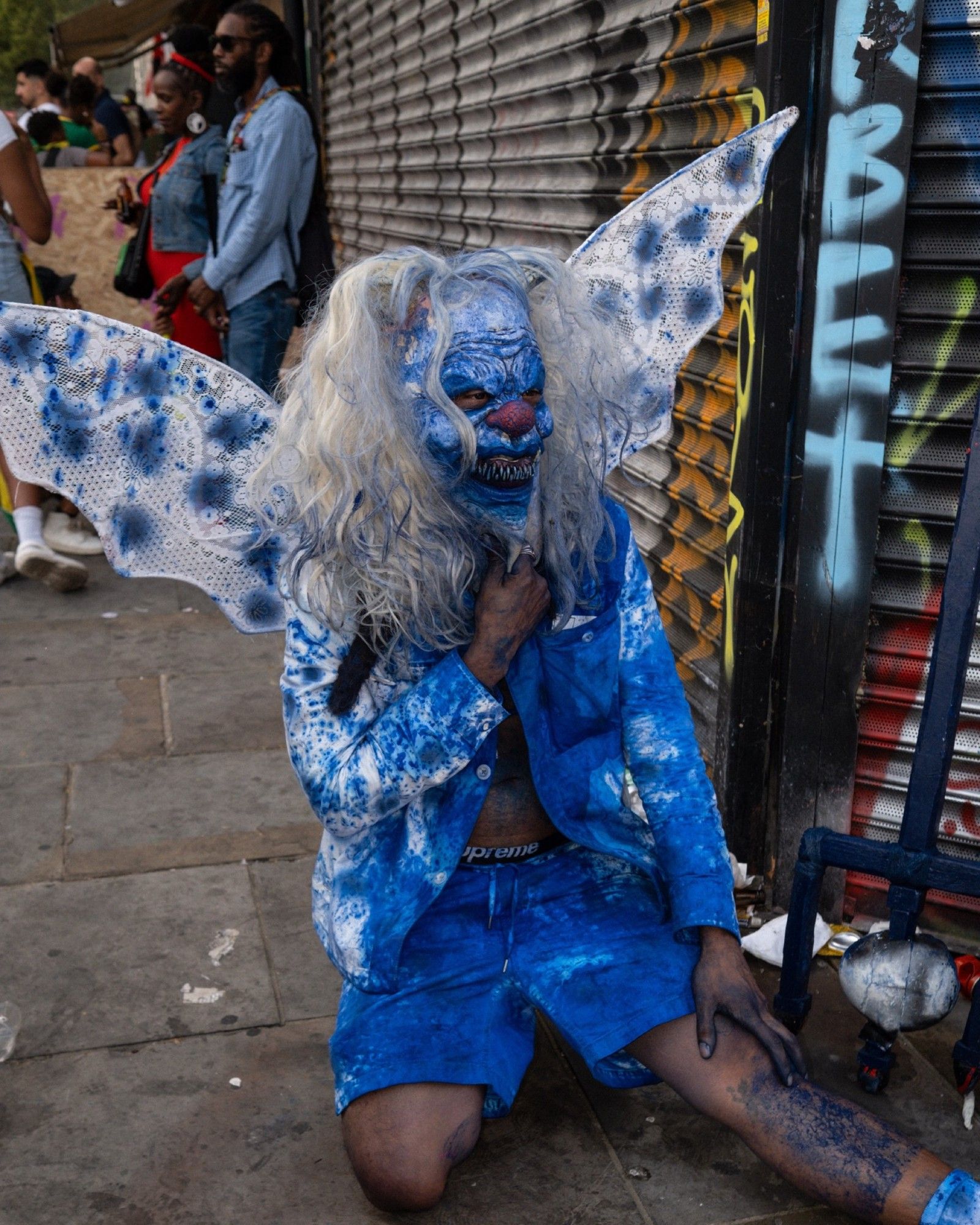
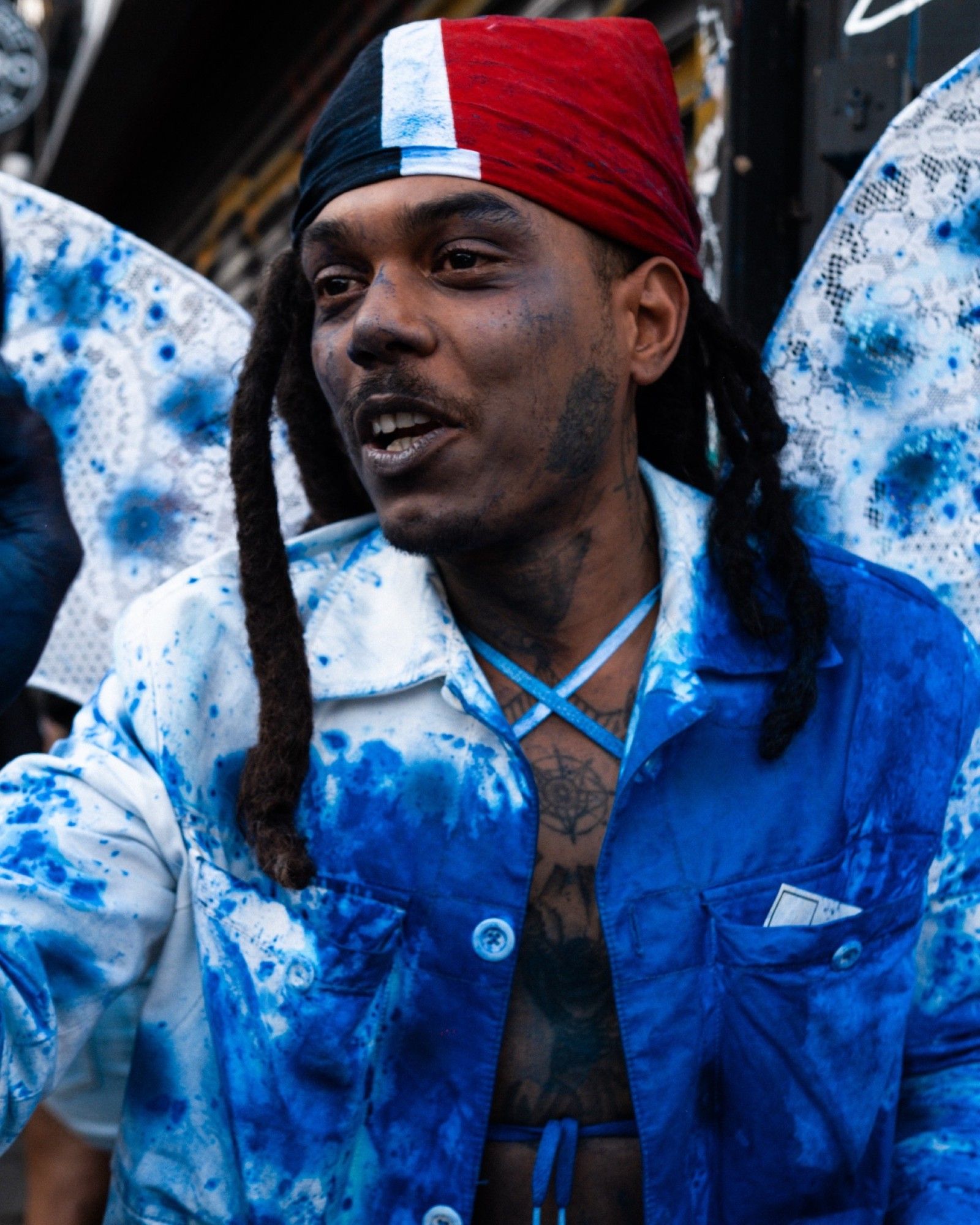
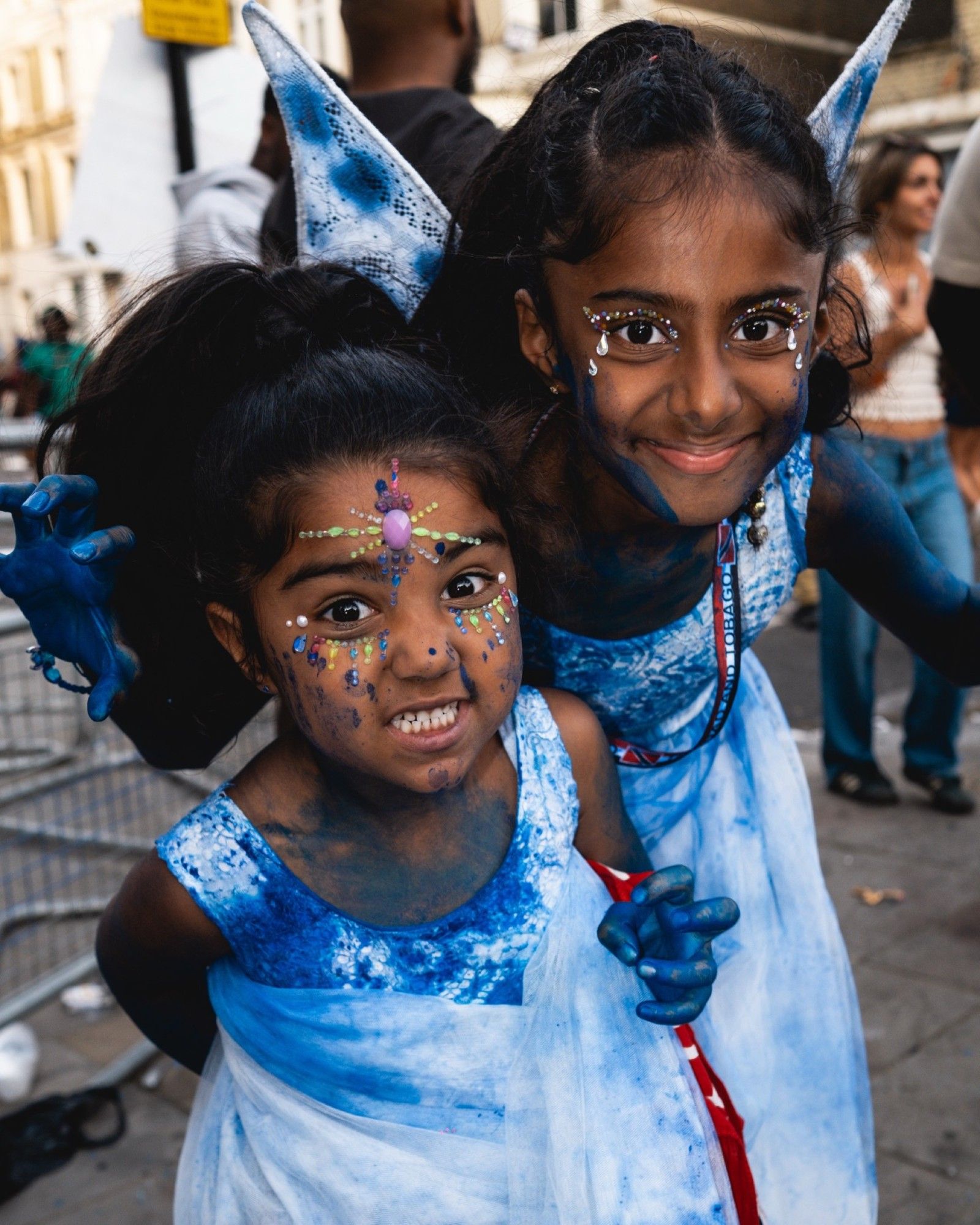
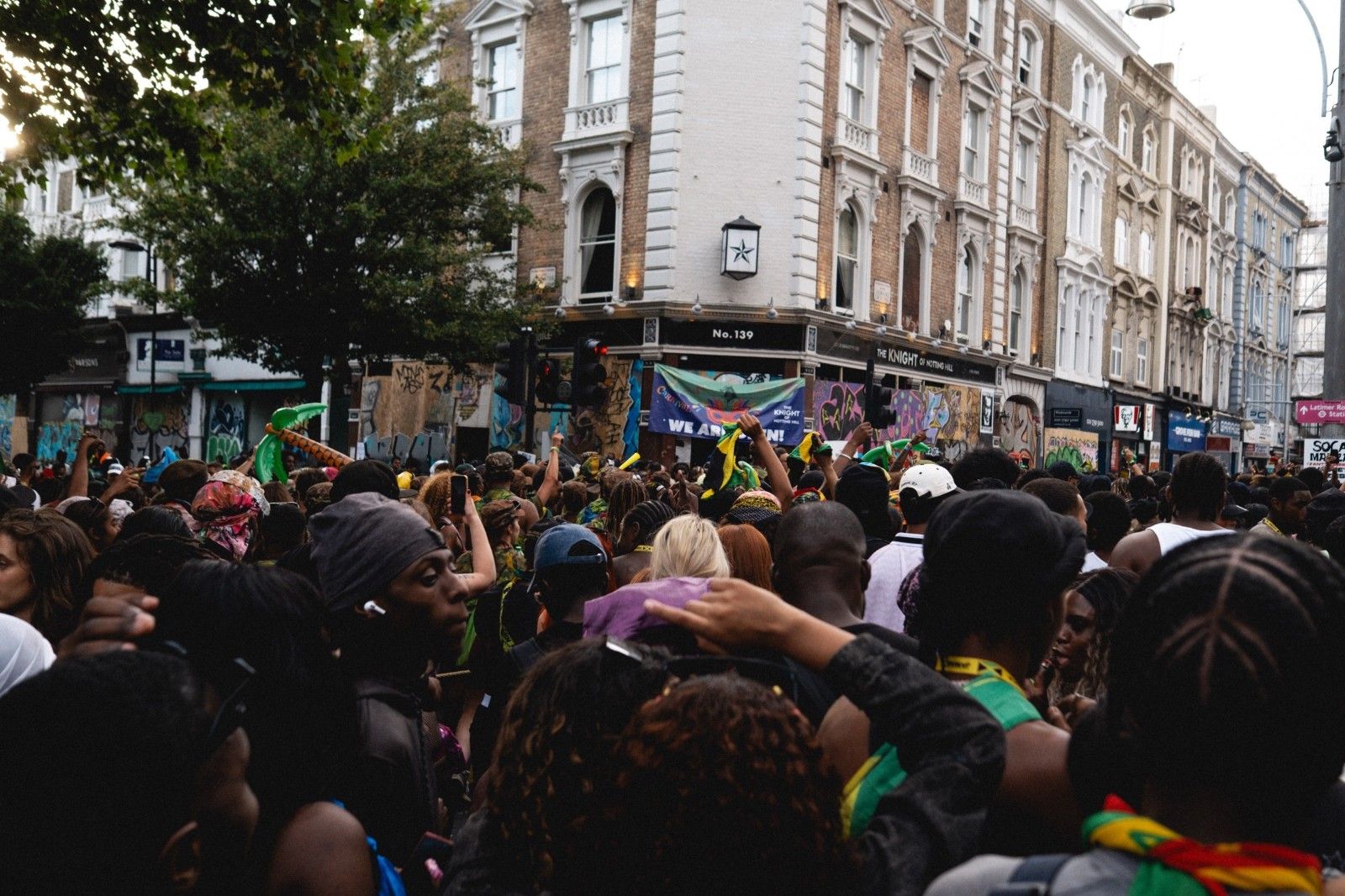
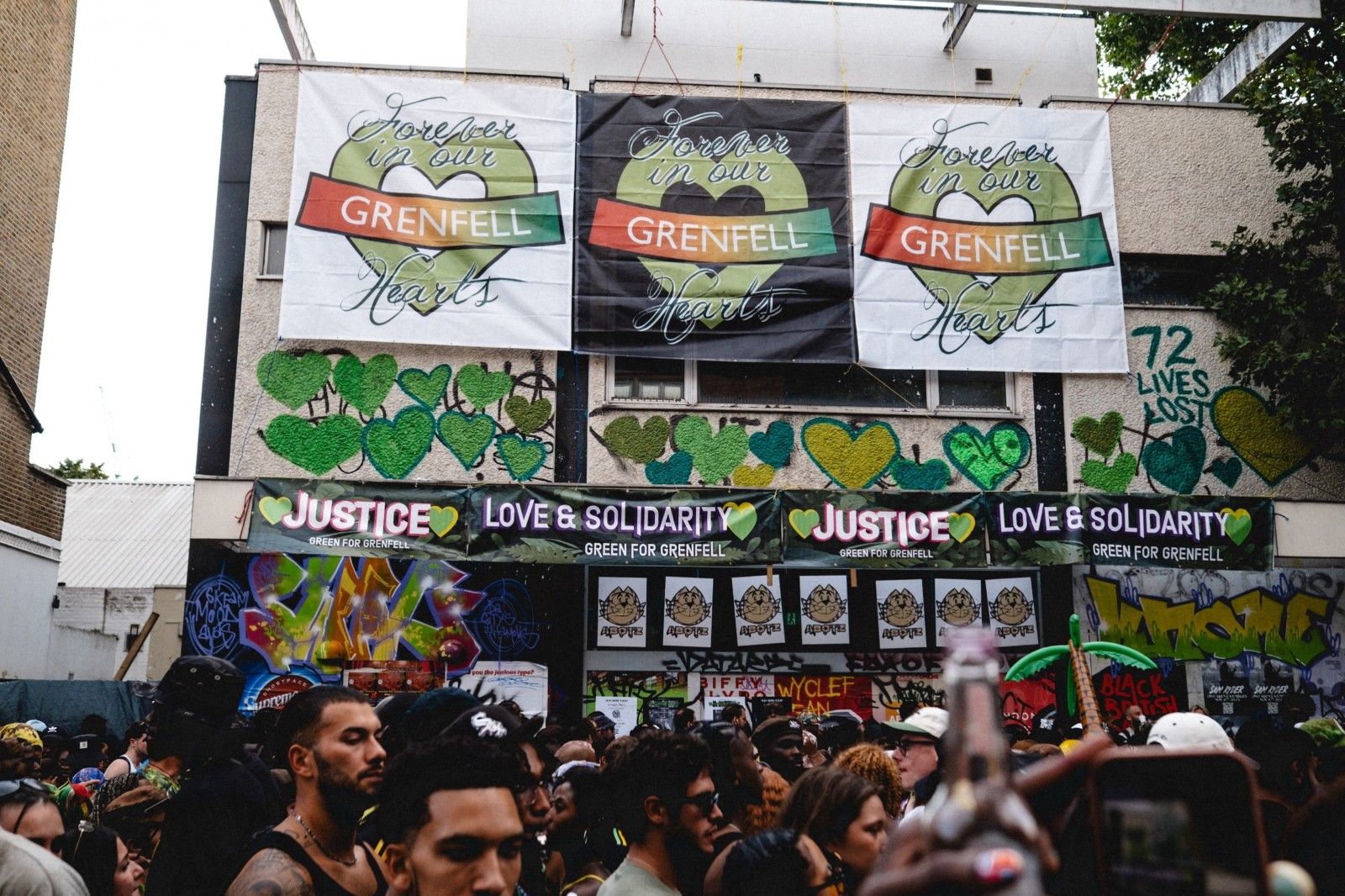
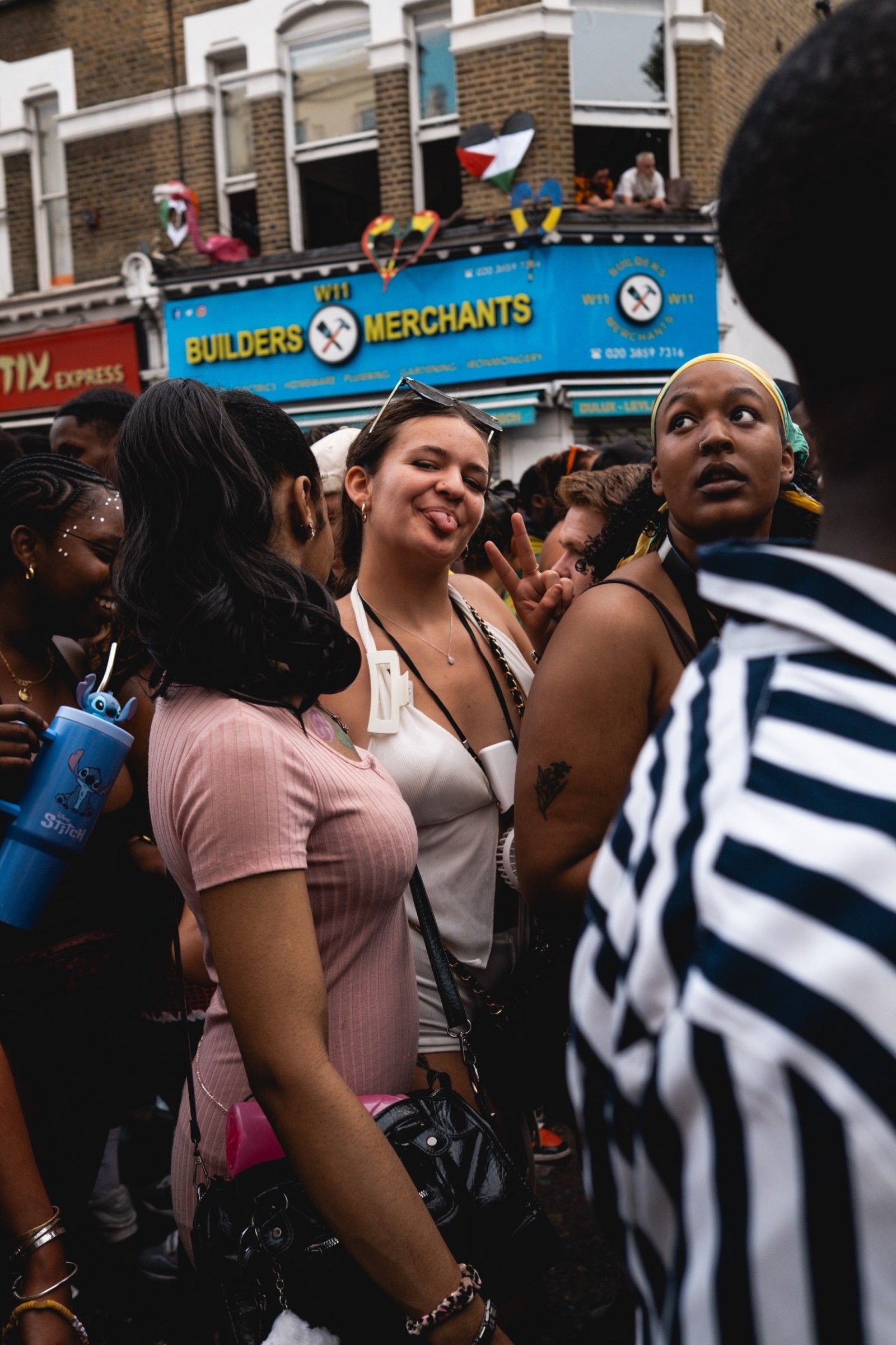
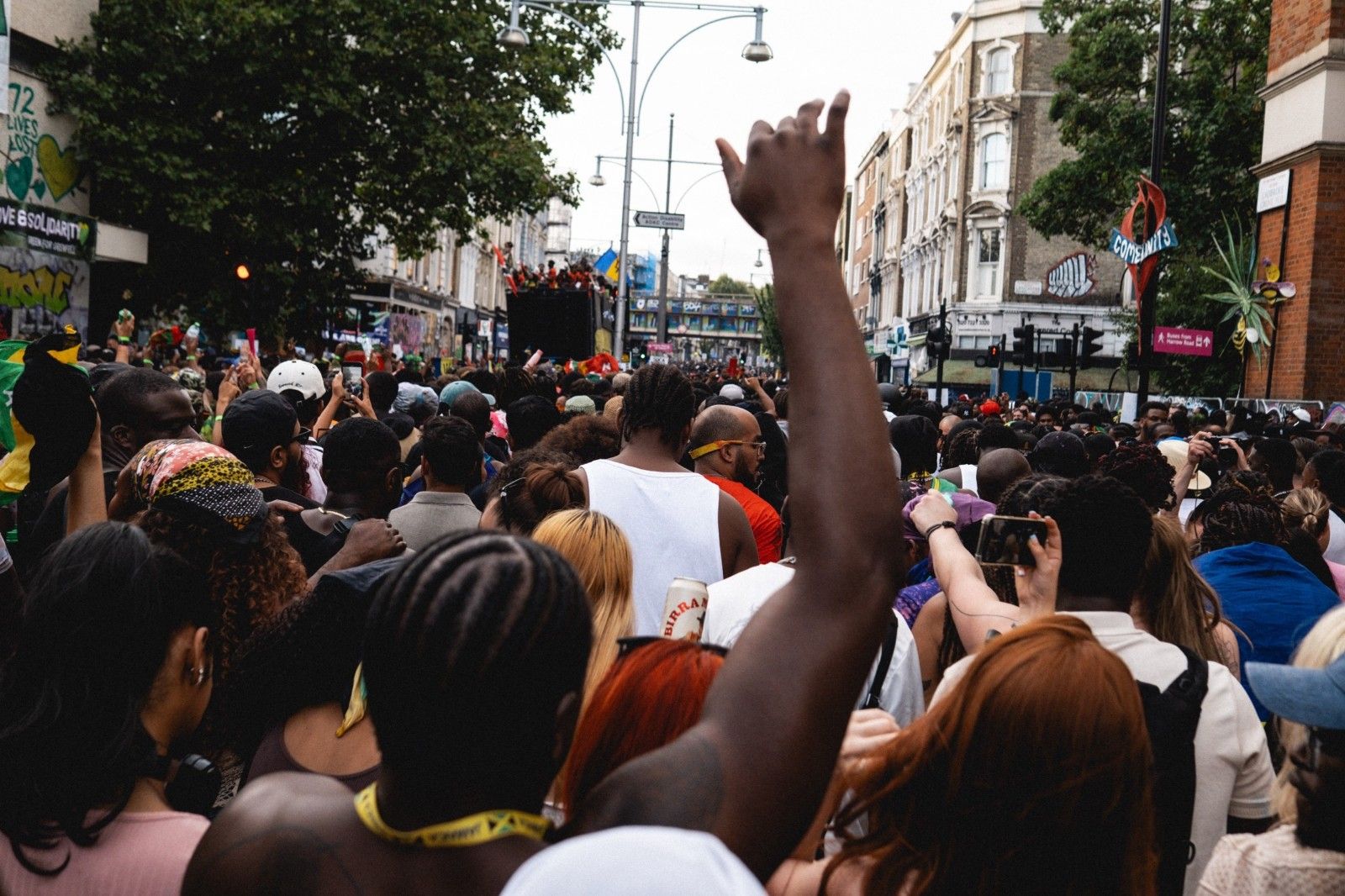
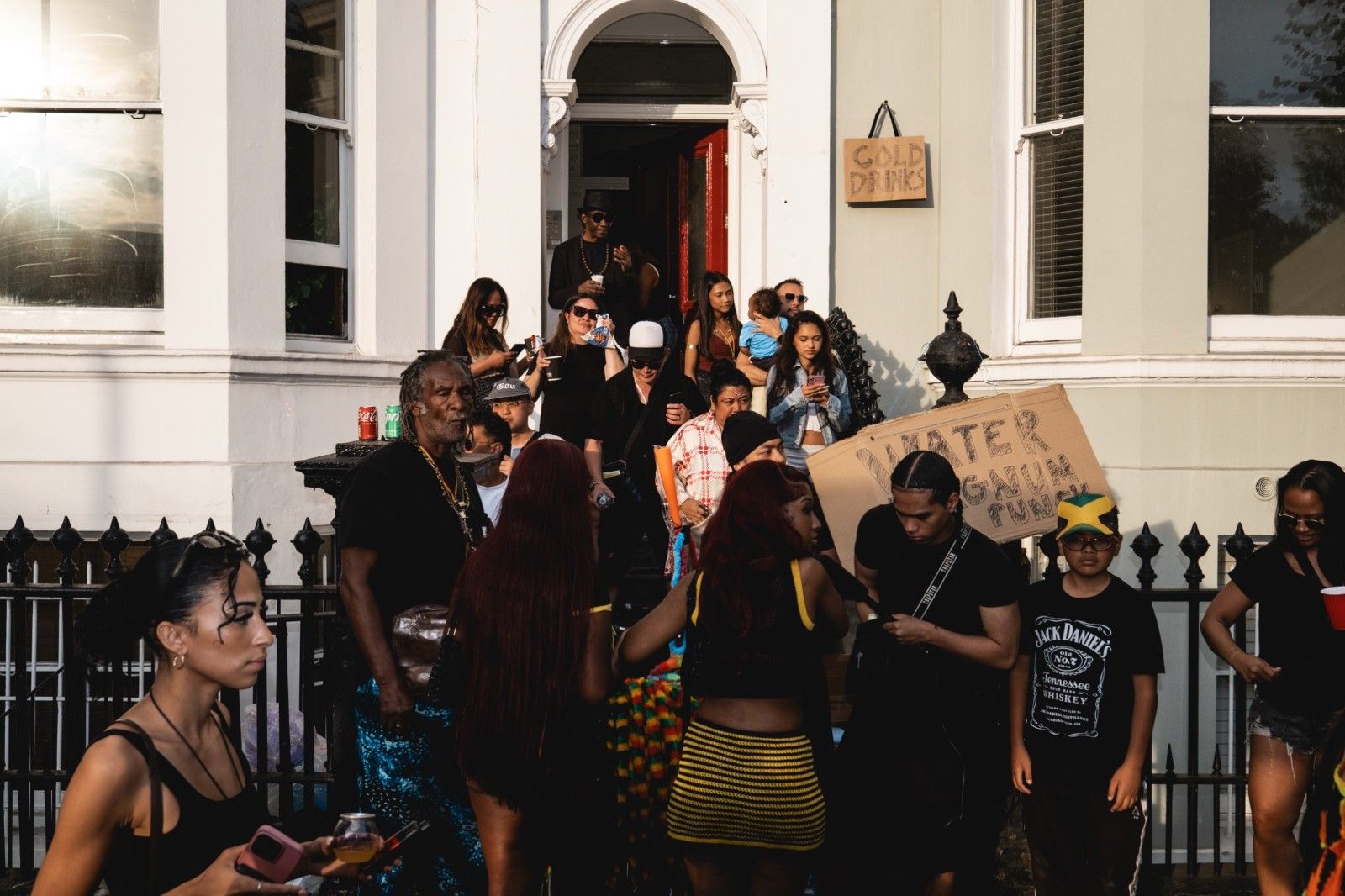
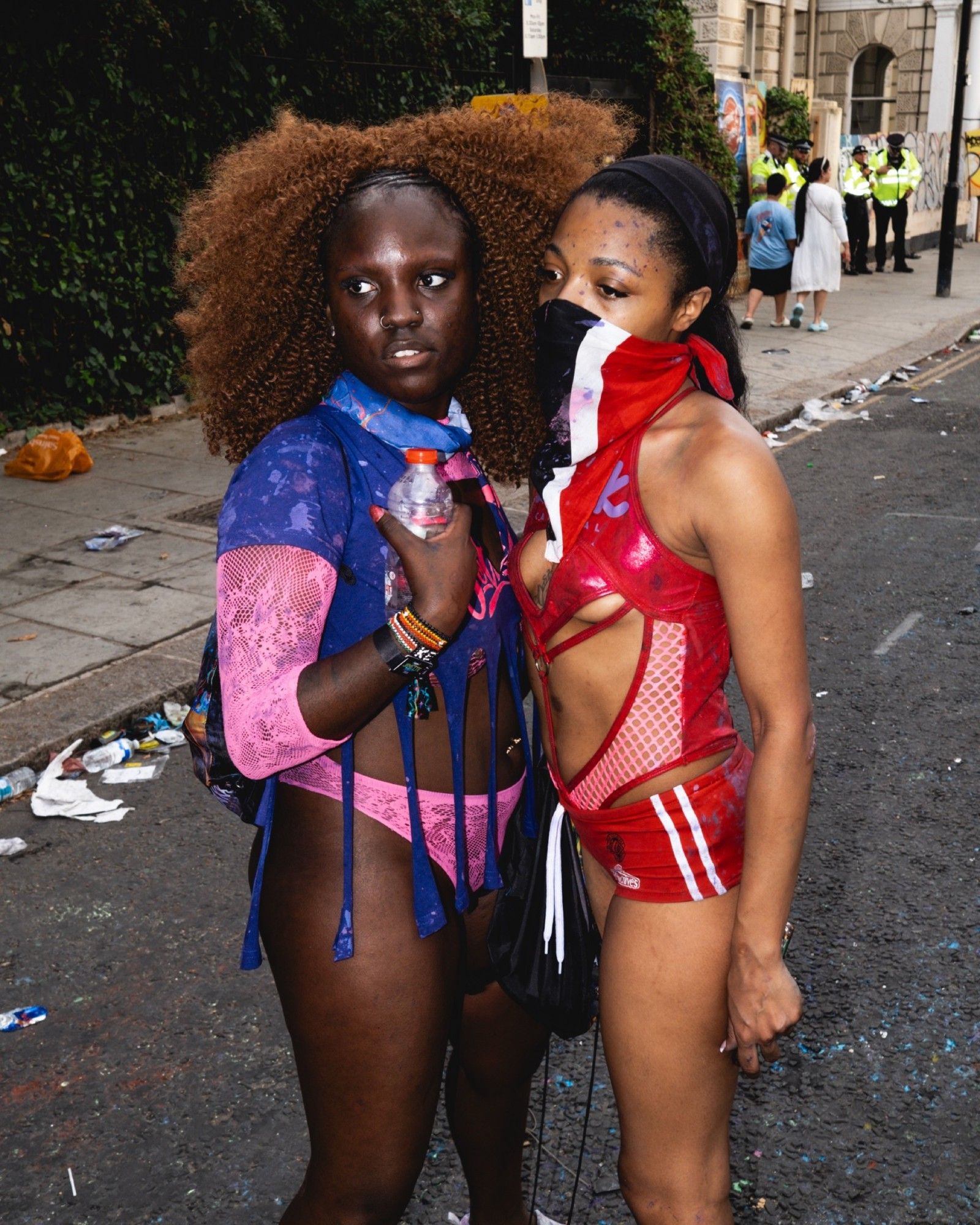
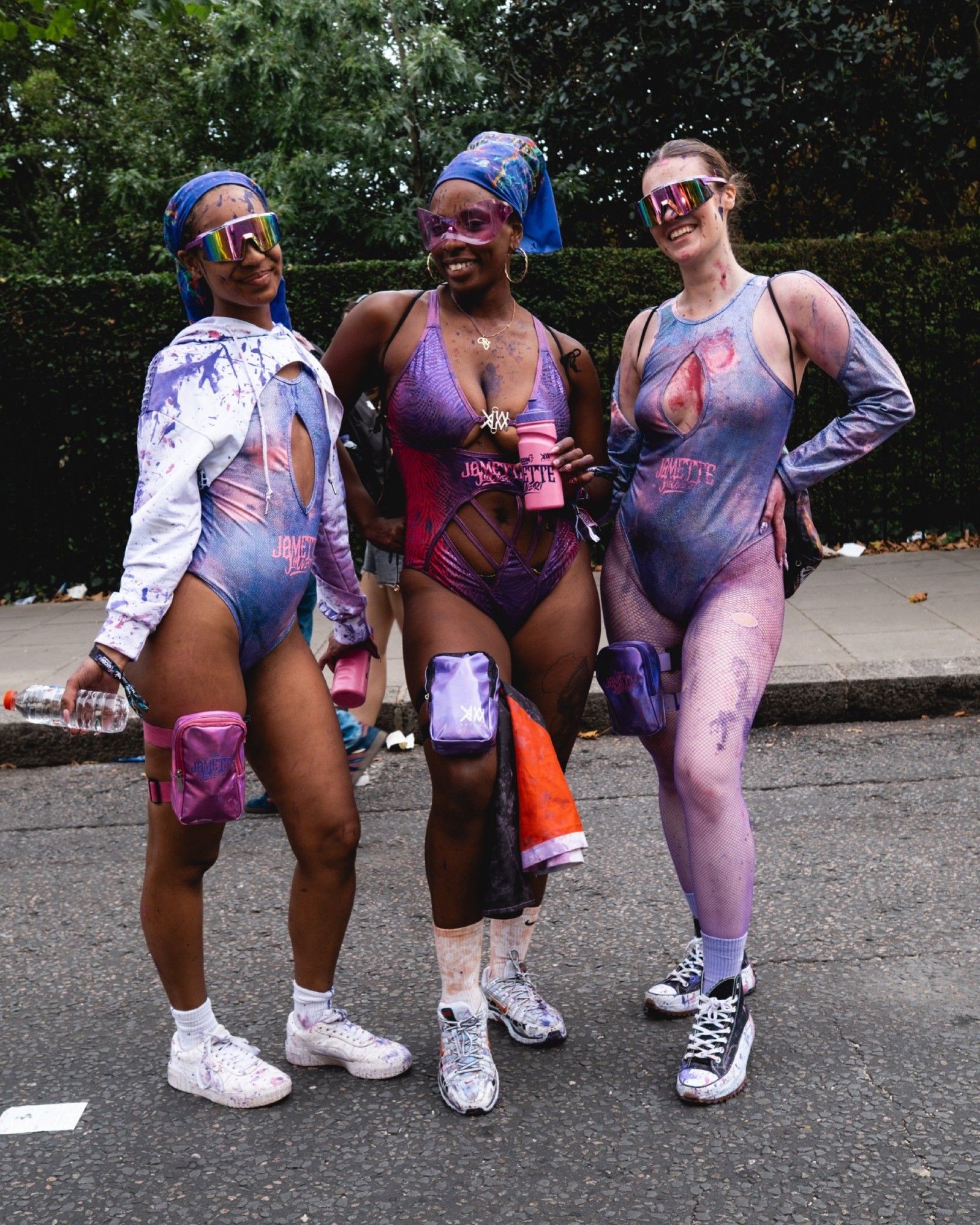
The Notting Hill Carnival is not just the feathered parade and sound systems that hit the front pages of newspapers every August. It is an event born in the 1960s from the will of London’s Caribbean communities, which for over half a century has become the largest street festival in Europe and one of the city’s most debated symbols. Every year, it showcases the identity pride of those who created it, while at the same time dealing with institutional restrictions, from security to public funding. The 2025 edition was saved at the last minute by an investment from local authorities, but accompanied by unprecedented surveillance measures such as facial recognition, raising new questions about freedom and the future of a tradition that was born as an act of resistance. In this context comes the work of NOI SIAMO, a creative collective founded on the Domitian Coast. Their perspective, shaped in the peripheries, leads them to focus on grey areas, on aspects often excluded from mainstream narratives. With their London reportage, they chose to observe the Carnival not only as a spectacular event, but as a social space made of relationships, practices, and contradictions. As stated by Ark Joseph Ndulue, co-founder of NOI SIAMO: «We are here to tell stories, or rather, to let people tell their own. NOI SIAMO is a microphone for communities, connections of people and individuals».
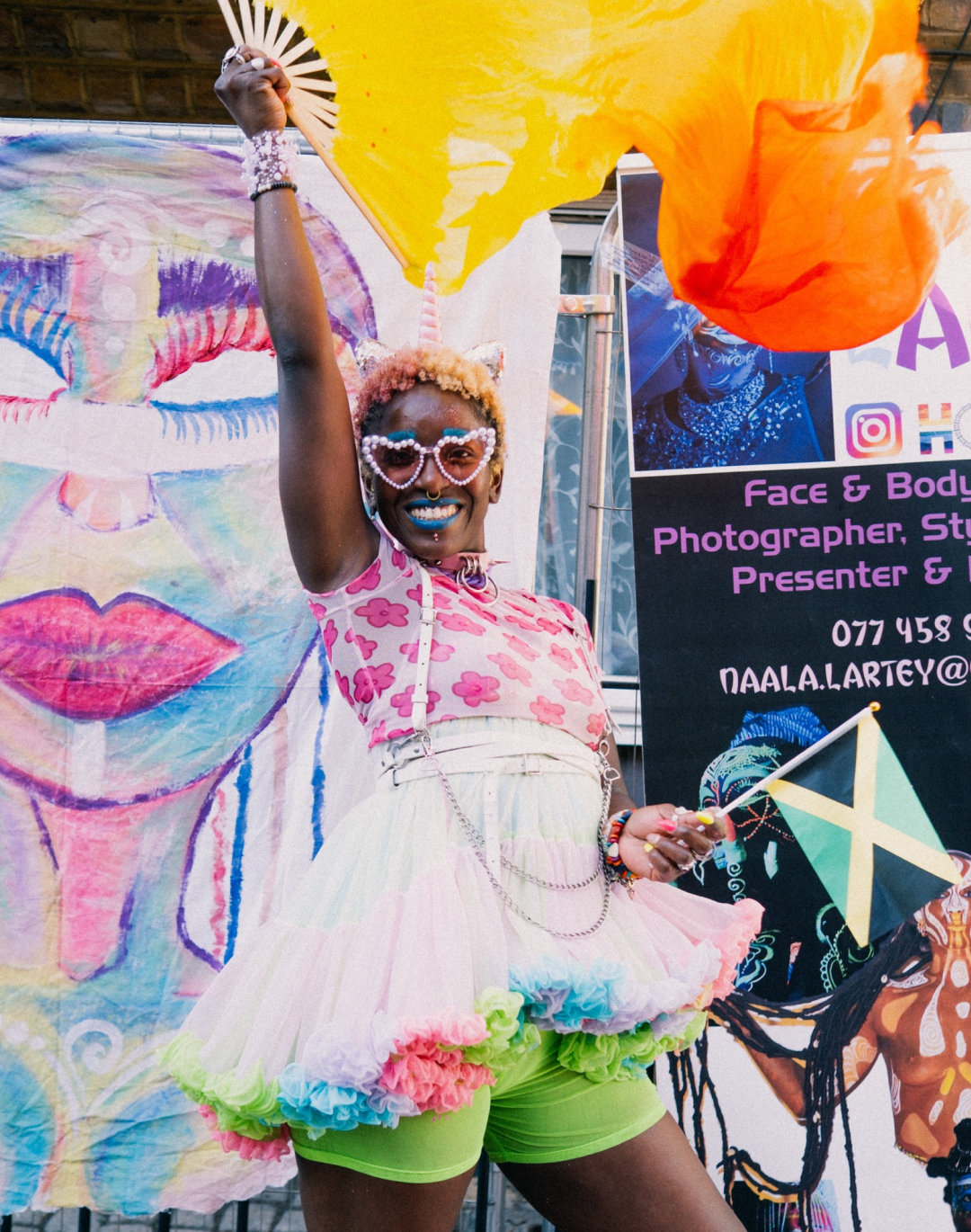
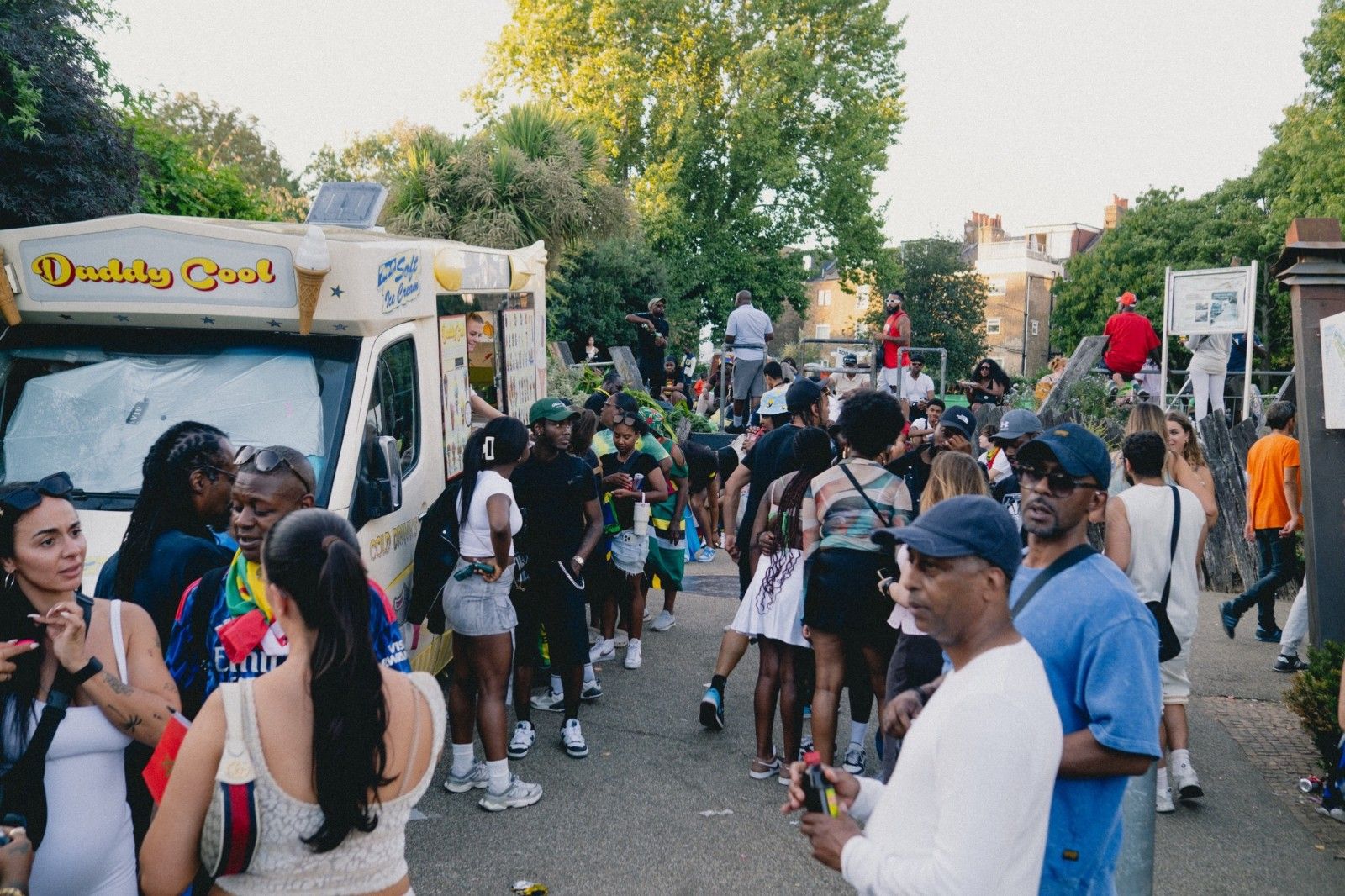
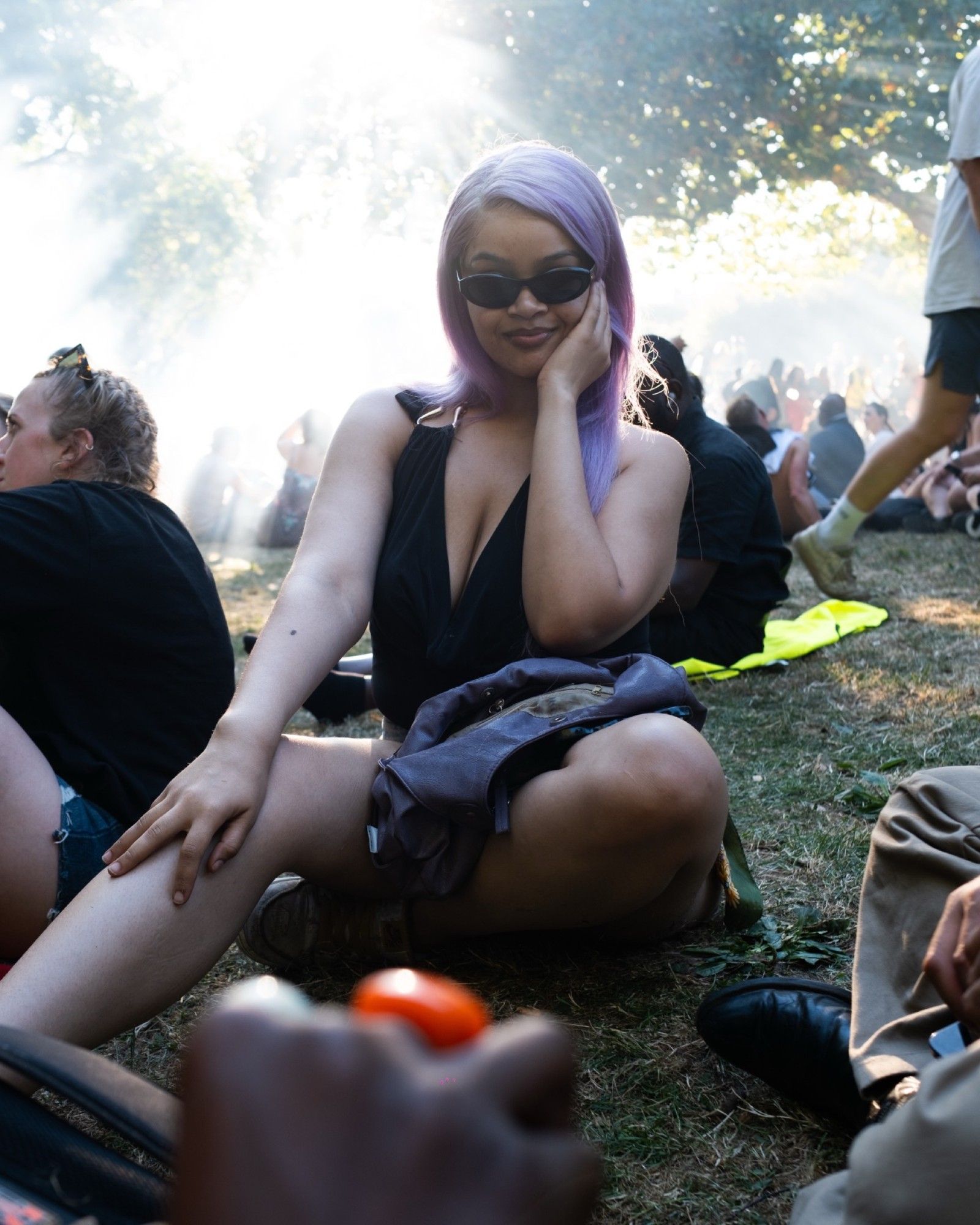
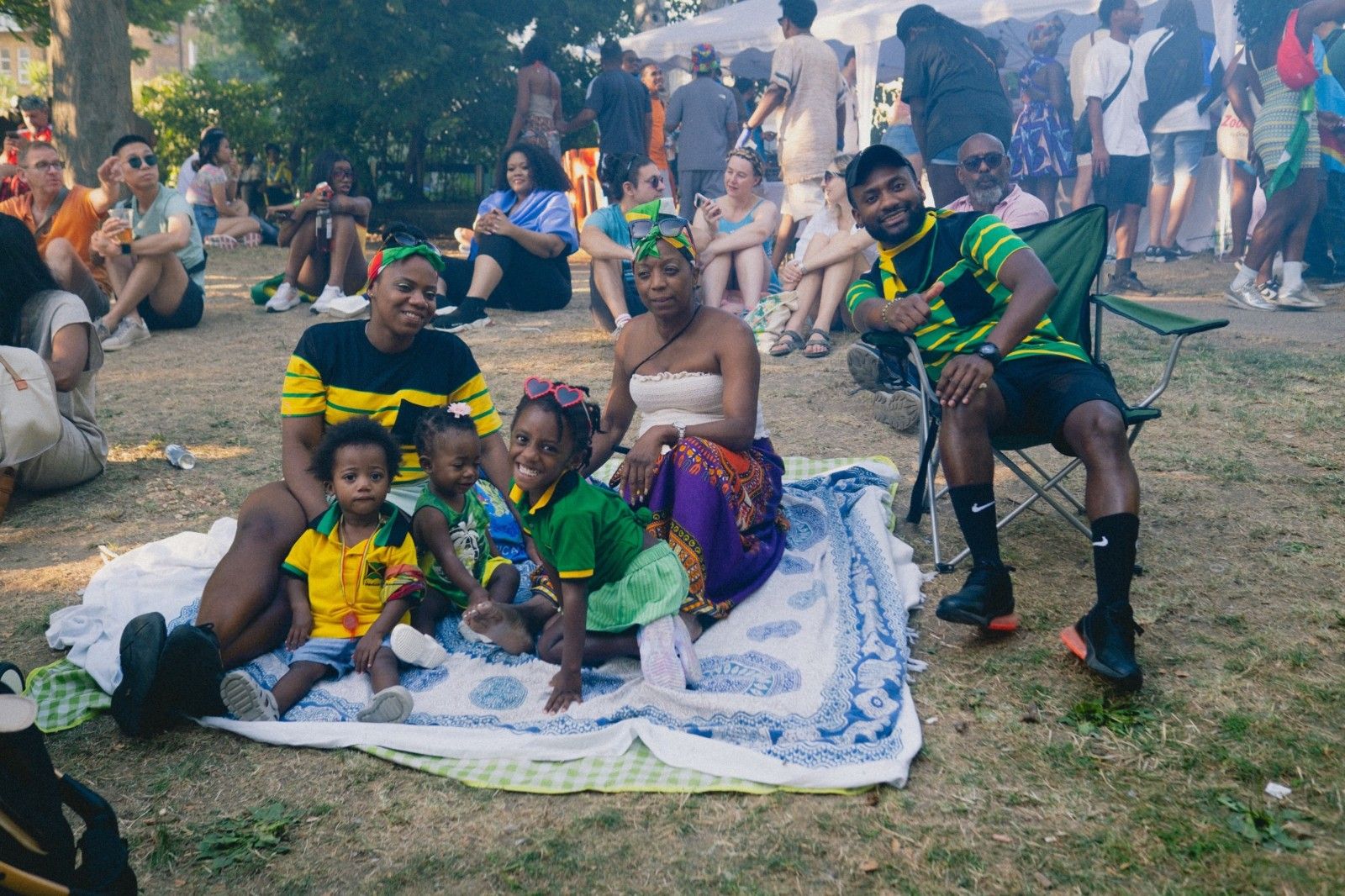
The project is structured into three moments. The first, set in Shoreditch, was based at Bread & Butter, a three-storey hub combining vintage, bar, and music spaces. The collective met local figures such as Ray Keith, a historic DJ of the drum’n’bass scene, highlighting how London’s creativity continues to generate independent micro-communities. The second moment was the Carnival Family Day, perhaps the one that best reflects the event’s original function: families, children, generations passing down rituals and collective practices. It is the less spectacular and more intimate side, the one that tells of belonging and continuity. The third act coincides with the main parade. Here, NOI SIAMO collected portraits and interviews between performers and the audience, trying to understand how the Carnival is perceived today: whether it still remains an act of identity or whether it is turning into a tourist product. The result is a reportage that does not linger on the aesthetic surface but works on the border between celebration and control, between communities and institutions.
Credits:
Concept & founders – Ark Joseph Ndulue + Valerio Luongo
Photography / Video – Valerio Luongo
Production support– Hazel Ndulue
What to read next
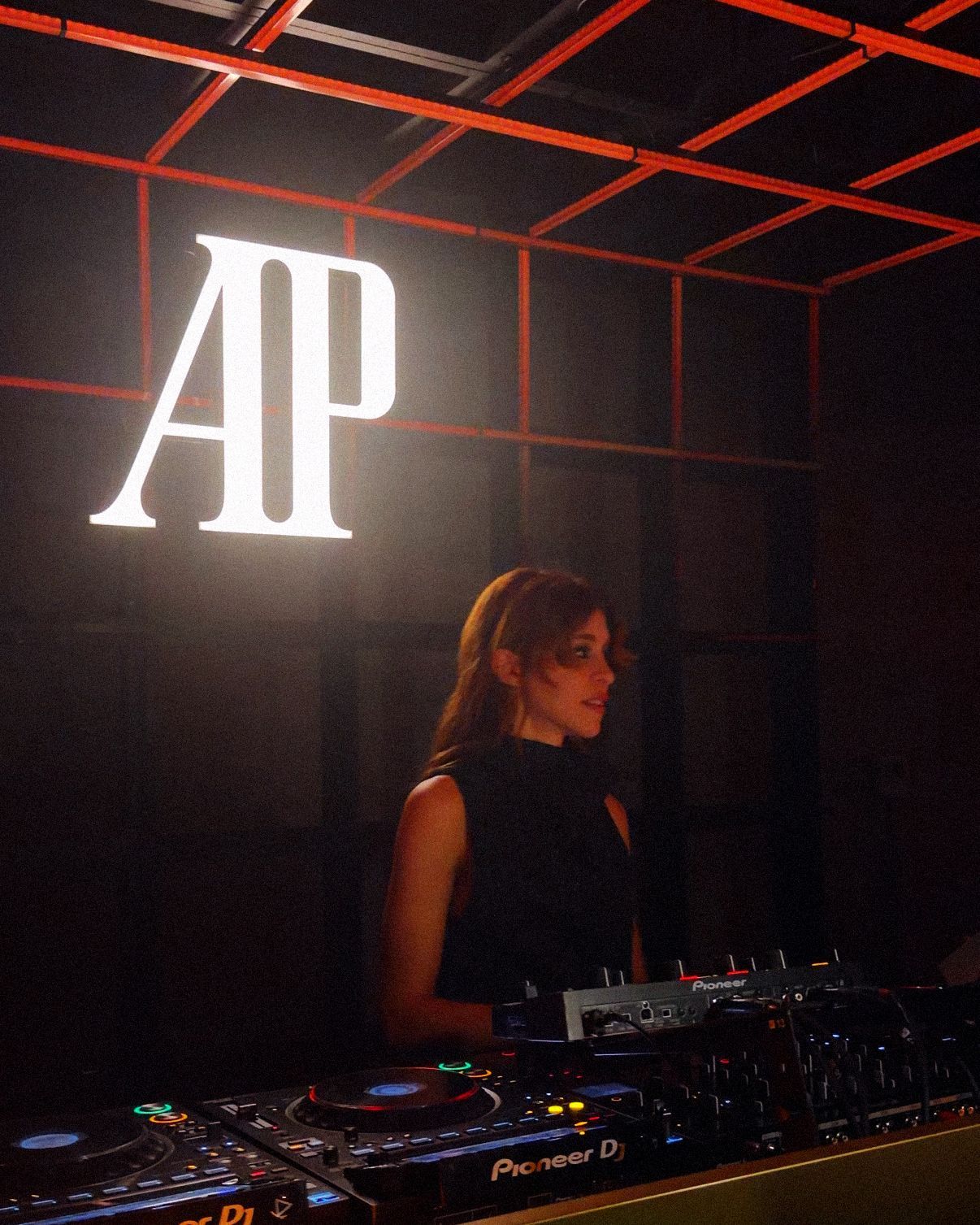
Here's what went down at the Audemars Piguet event at AP House Milan
For the second consecutive year, the brand hosts the hottest party of Milan Fashion Week

The best street style looks from Paris Fashion Week SS27 Women's
La Ville Lumière steps back into the spotlight