





























The thiller Soleil noir has a winning, but unexpected formula A story of murders, secrets and inheritance, with Isabelle Adjani in the cast

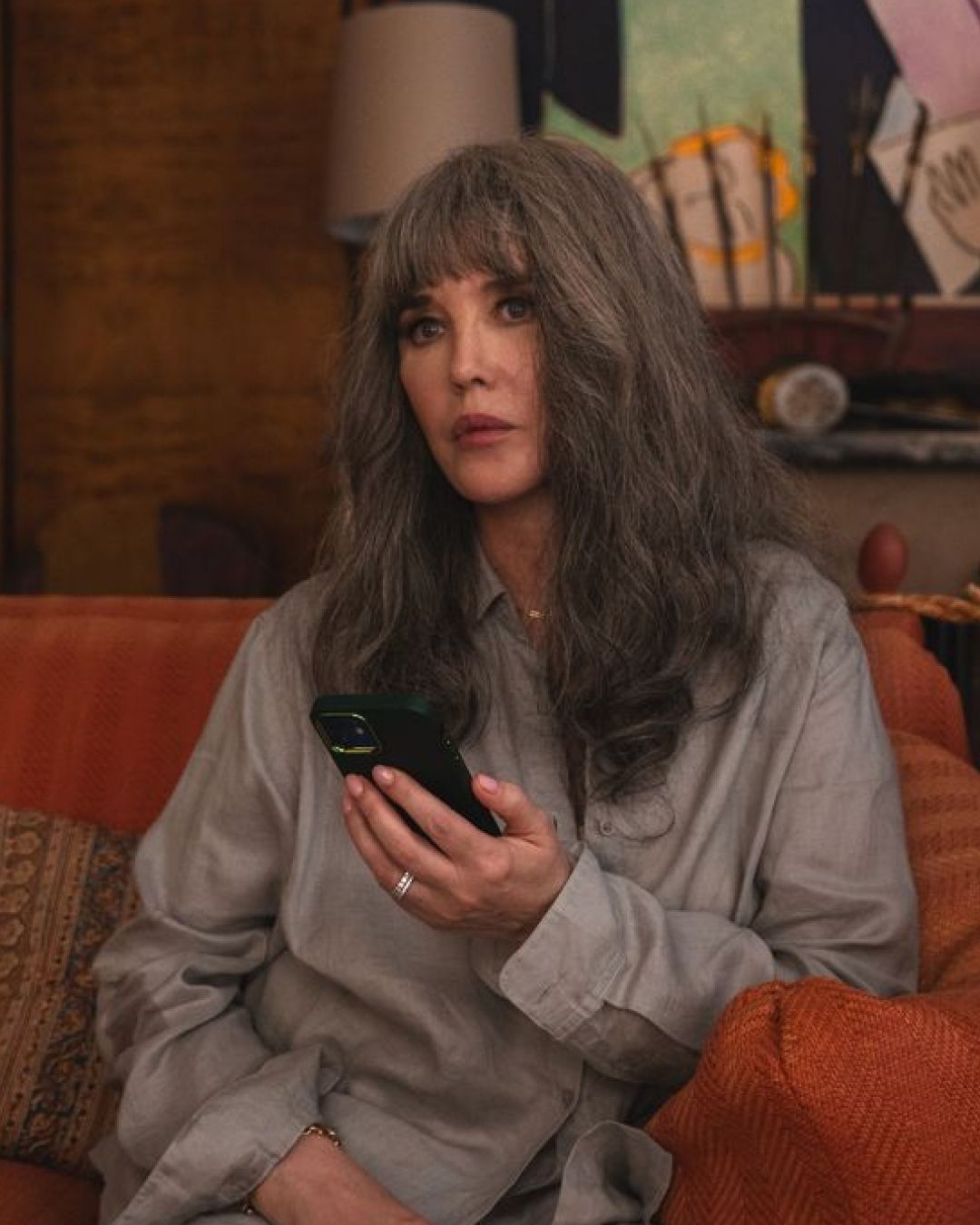
The strength of Soleil noir is also its greatest weakness, and vice versa. The series available on Netflix since July 9, which during the month entered the top ten most-watched shows on the platform, is the classic thriller disguised as a melodrama – and also, by the law of opposites, the classic melodrama disguised as a thriller. A story in which the protagonist must discover the plot hidden behind the murder in which she has obviously been framed. A story of land, money, property and an inheritance that reveals the deepest secrets, and in which many, far too many, people will be involved. A murder case from which an avalanche of revelations and double games unfolds throughout the six episodes of the series created by Nils-Antoine Sambuc, featuring the iconic actress of a cult film like Possession, Isabelle Adjani, in the role of the matriarch of a family where everyone has worn a mask for far too long – a mask that must finally come off.
From the very first episode of Soleil noir, the course of the show reveals that it has carefully arranged all the elements needed to build its own fortress of mystery, violence and painstakingly crafted schemes, aiming to expose the future of a wealthy family business teetering on the edge of financial decline, and thus determined to get out before drowning. This already fragile balance is further disrupted by the arrival of young Alba (Ava Baya), twenty-five years old, with a child, fleeing her parents to avoid losing custody, and who seems to have found a job on the estate of the patriarch Arnaud (Thibault de Montalembert). Everything changes overnight when the man is brutally murdered, and Alba is accused of the killing, with very little chance of proving her innocence.
The multitude of stories, characters, and puzzles that Soleil noir brings into play is so vast from the outset that it seems impossible the narrative could accommodate even more plots, characters, and mystery. Each story should have its own limit, a boundary to respect; that’s not what the Netflix series does. Although it quickly becomes overloaded from a narrative standpoint, it still conveys good intentions, which are fortunately staged with order throughout the episodes. Never excessively burdening the investigation, it even succeeds in heightening the viewer’s thirst for discovery. Thus, we begin with Alba fleeing her family home, an unexpected job offer, and a premature death, with a past that knocks so loudly at the door of not only the protagonist’s life but all the characters’ lives, that it creates a deafening uproar.
With this baggage of shocks and torments, it's obvious that the drama takes a major turn, that the surprises and twists seem excessive compared to what a single story could hold. And yet, thanks to a writing ability that is not exceptional but at least clever, the series manages to fit each puzzle piece, ultimately not only dismantling each riddle but even unraveling them. It reaches the peak of its plot at the end of its tale, having succeeded in captivating and entertaining the audience, who willingly immersed themselves in an ordinary but not poor thriller/melodrama, with the risk of being overly unpredictable yet capable of managing and playing with its own limits.
What to read next
«Club Kid is a once-in-a-lifetime opportunity», interview with Jordan Firstman
Everything about the directorial debut of the American actor and screenwriter

"Cambogia" teaches actors that you have to care about your own characters
Valerio Lundini's directorial debut premiered at the Rome Film Festival
In "The Debut" Julianne Moore gives a masterclass in acting
The film, premiering at the Rome Film Fest, hits theaters on January 1, 2027