


























The Italian Fashion System is the most toxic in Europe Where are we going wrong?
Bad news for the Italian fashion sector: The Devil Wears Prada has become reality, or perhaps it always has been. And what better moment than today, the National Made in Italy Day, to address one of the most pressing issues facing a system as deeply in crisis as fashion. According to the latest ranking Best Workplaces Italia 2026, the annual report curated by Alessandro Zollo, CEO of Great Place To Work® Italia, among the 75 best workplaces in Italy there is only one standout company from the apparel sector, Kiabi.
What is it like to work in the Italian fashion system?
i’m writing a substack about my career in fashion, and the more i write, the more i realize i hate working in this industry https://t.co/iXr9DcIwAJ
— ۟ (@fortune__egg) April 10, 2026
The Italian fashion sector, with an estimated turnover of over €90 billion, accounting for 5% of the national GDP, is one of the flagships of Made in Italy. Yet these results conceal a very different reality, suggesting that while leading Italian organizations are focusing investments on initiatives that strengthen a culture of trust and collective well-being, the fashion sector still lags behind in terms of innovation in organizational culture. A paradox, like many others in the industry, which relies on nearly 500,000 workers (461,000). The Great Place To Work® Italia report shows that, based on feedback from over 210,000 employees across 415 Italian organizations, fashion does not stand out for exemplary innovation in organizational culture.
What makes the difference in workplace quality, the report explains, is the centrality of the relationship with employees, supported by initiatives aimed at strengthening internal cohesion and active participation in company processes. According to data from the Great Insights 2026 report, companies that invest more in initiatives capable of increasing trust and employee well-being show retention rates above 86% (compared to 66% among companies not certified by Great Place to Work Italia), and are better at attracting and retaining talent even in complex markets. This translates into the Trust Index, the indicator measuring internal trust, as well as overall revenue growth.
A new way of doing business
"Congratulations, after 10 rounds of interviews - we'd like to offer you the job. You start next monday at 8 am" pic.twitter.com/97MicI10Rv
— Noah (@NoahKingJr) April 13, 2026
As in any business model, employee trust directly impacts company revenue: the “best workplaces in Italy” recorded an average revenue growth compared to the previous year (+20%). When compared to the 1% growth achieved by Italian organizations in industry and services included in the Istat index, the importance of engaged and satisfied employees becomes clear.
A company culture built around well-being generates positive effects across multiple business dimensions: talent attraction and retention, reduced turnover, increased productivity, and stronger innovation capacity. Investment in initiatives that reinforce a culture of trust is no longer just a reputational lever, but a structural component of business competitiveness in the labor market and beyond, effectively becoming a strategic urgency. Ignoring organizational well-being means losing competitiveness, while investing in obtaining a Great Place to Work certification can bring benefits on multiple levels.
Italy gets a failing grade
@carlyrmel Vieni con me nella mia giornata di lavoro da Marni #milano #moda #creatorsearchinsights sonido original - carlyrmel
If the Italian fashion system receives an unclassified mark, Kiabi—having done its homework—shows how a well-structured and conscious organization can both create a more sustainable environment for its employees and achieve strong financial results. Moreover, putting people at the center helps strengthen a sense of belonging through genuine meritocracy. In a sector like fashion, where image and prestige are everything, a satisfied employee becomes the brand’s first ambassador and, in a labor market driven by new generations, a name or salary is no longer enough: values, fairness, and work-life balance matter.
A healthy environment is the only real magnet for attracting and retaining talent, as well as the ground where creativity and innovation emerge. Because ideas do not thrive under pressure, but in contexts built on trust, listening, and the freedom to make mistakes (with the promise of improvement). So perhaps it is fair to say that The Devil Wears Prada, which has inspired generations of fashion enthusiasts and aspiring creatives, is an entertaining reference, but certainly not a business model to follow blindly.
What to read next
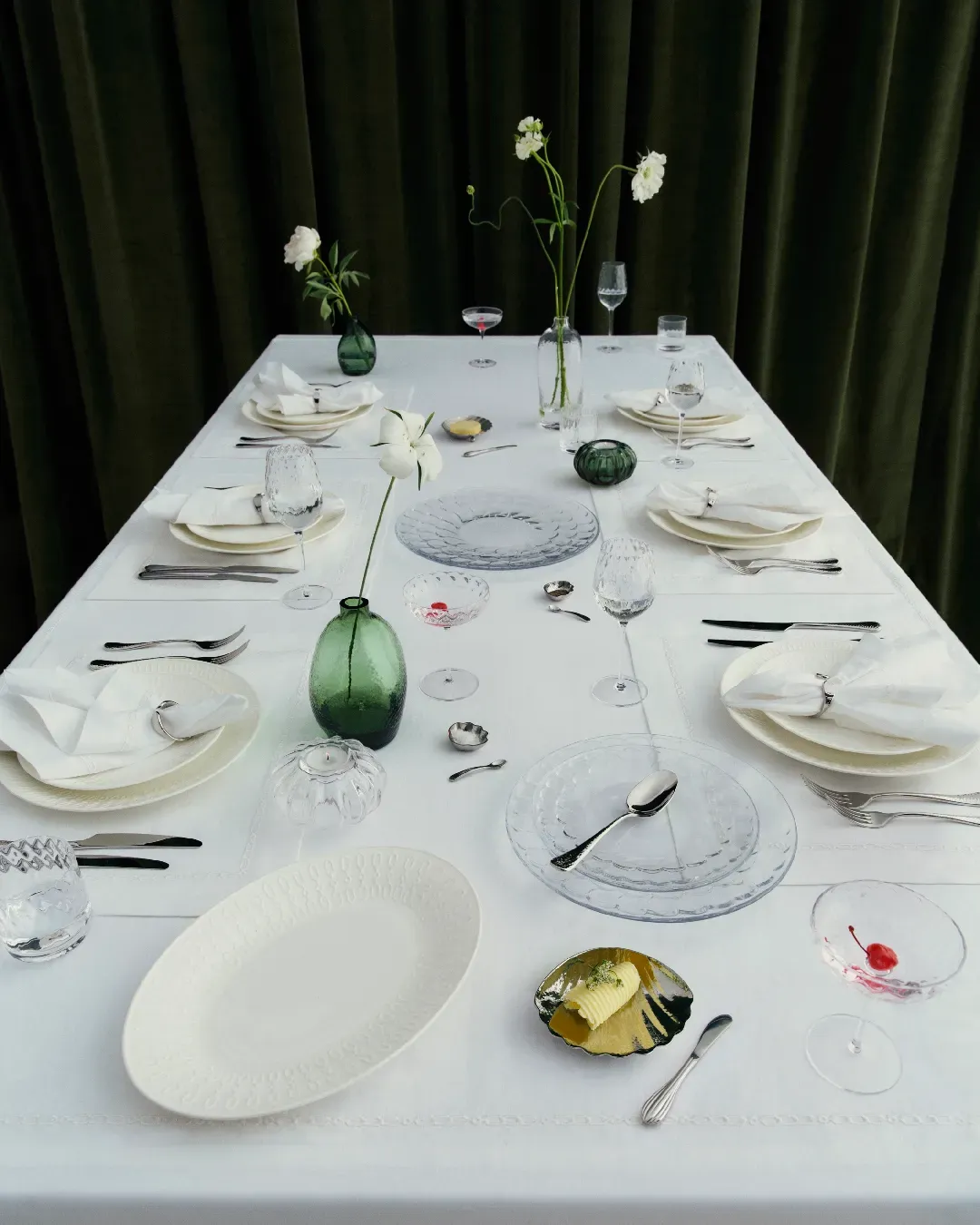
Westwing and Victoria Beckham have collaborated on a tableware line
The English designer explores the world of the table
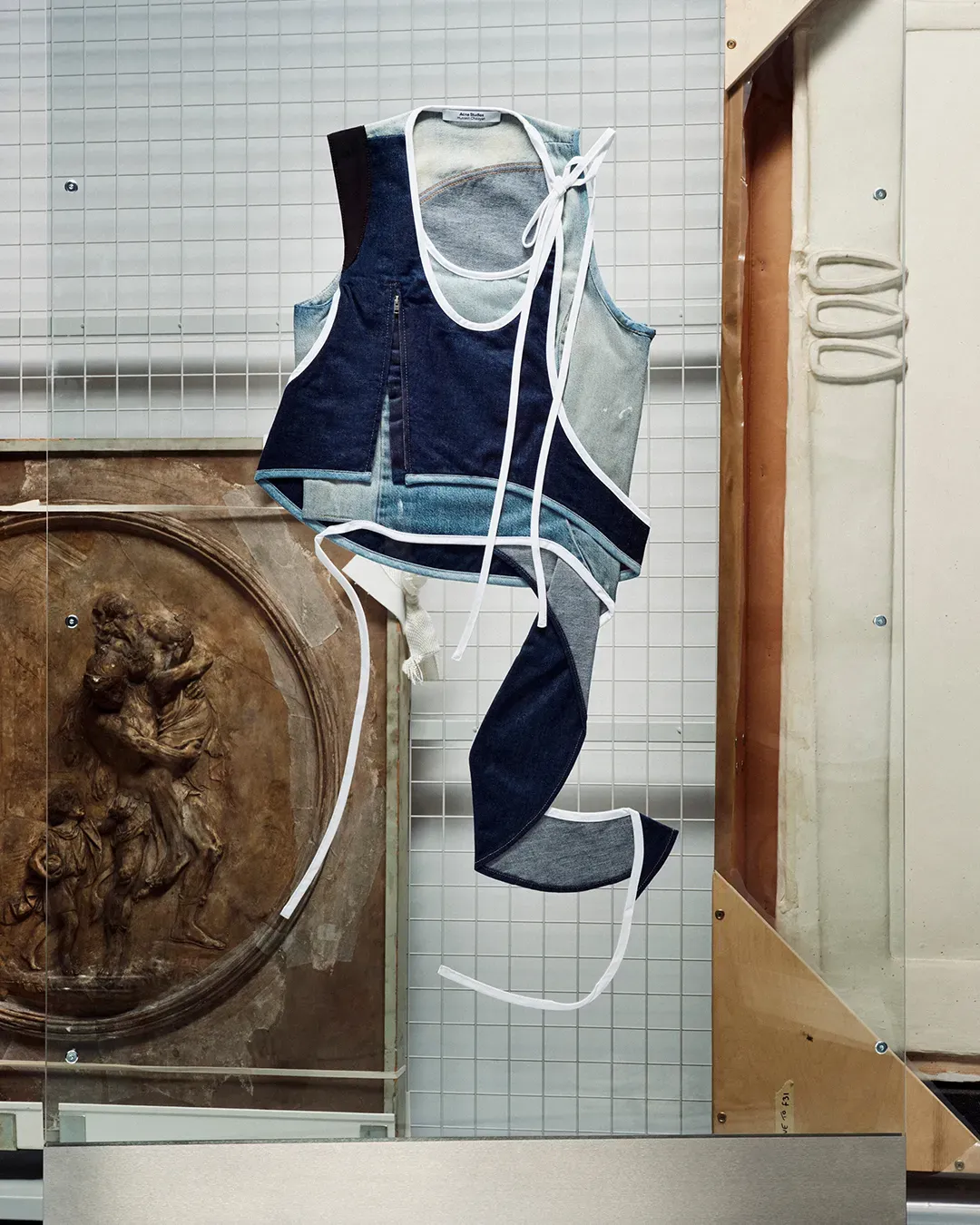
Acne Studios announces a collaboration with Hussein Chalayan
A capsule inspired by the designer's most iconic collections and a dedicated volume published by Acne Studios
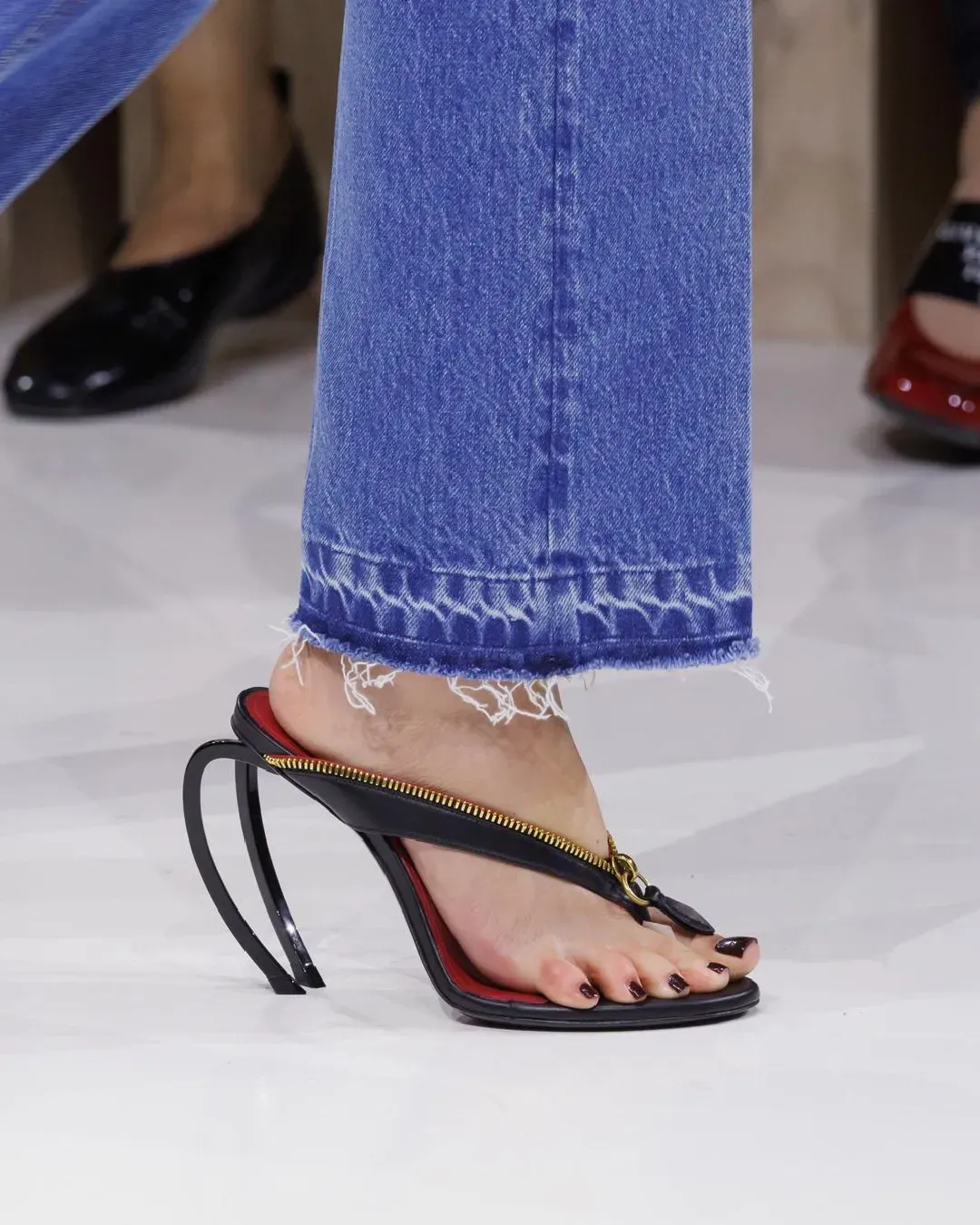
The surrealist turn of luxury heels
During the last fashion month, shoes stole the spotlight from clothes