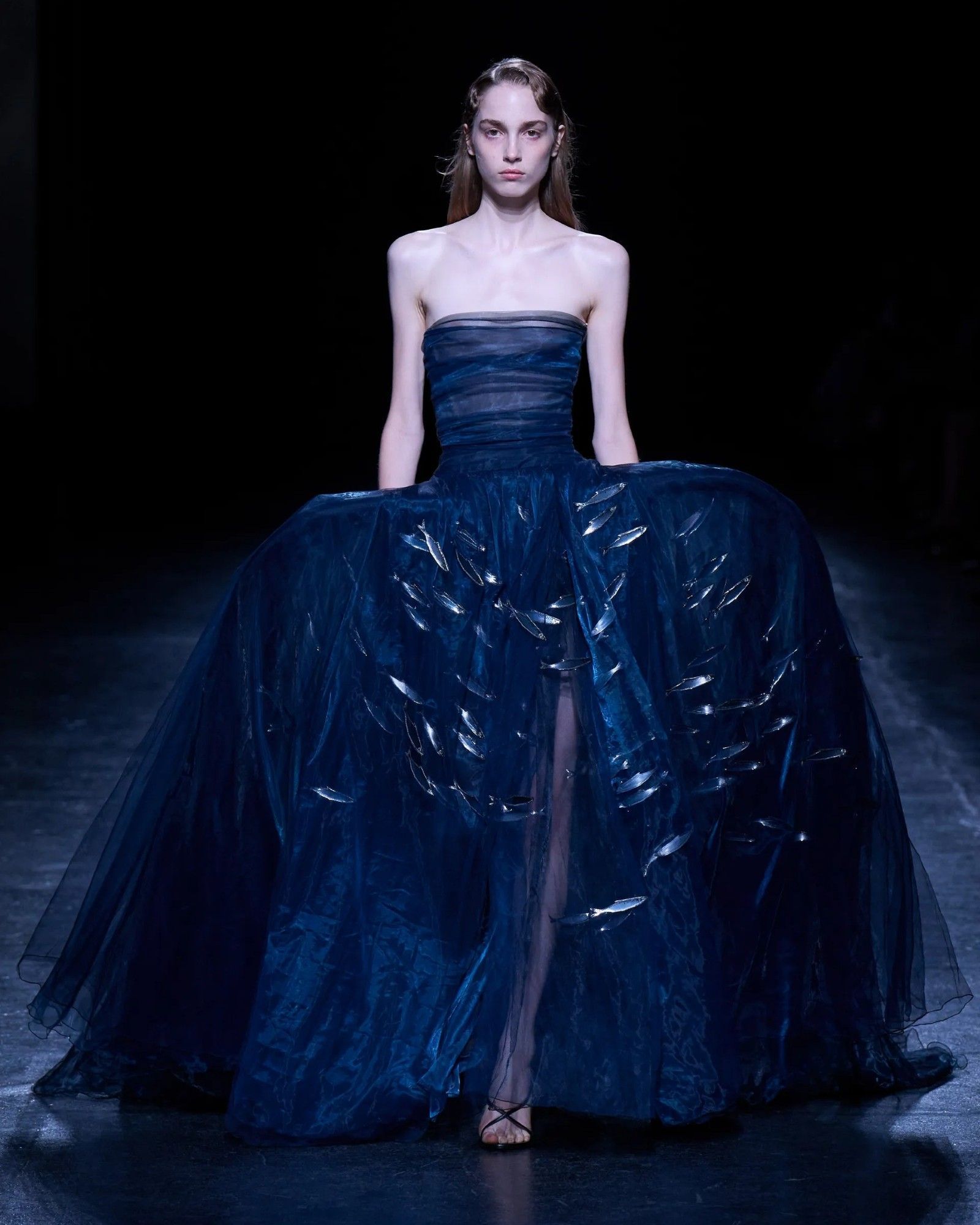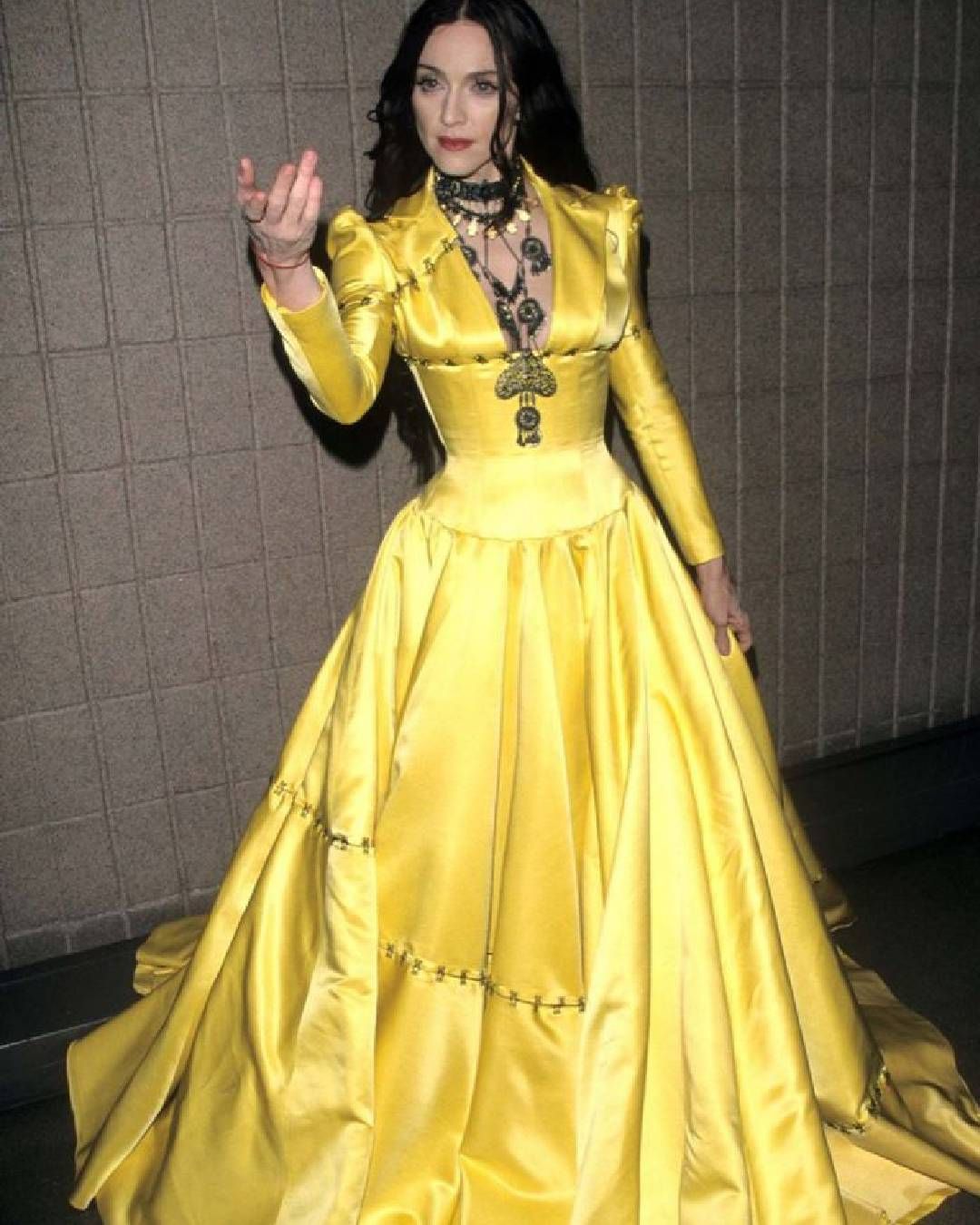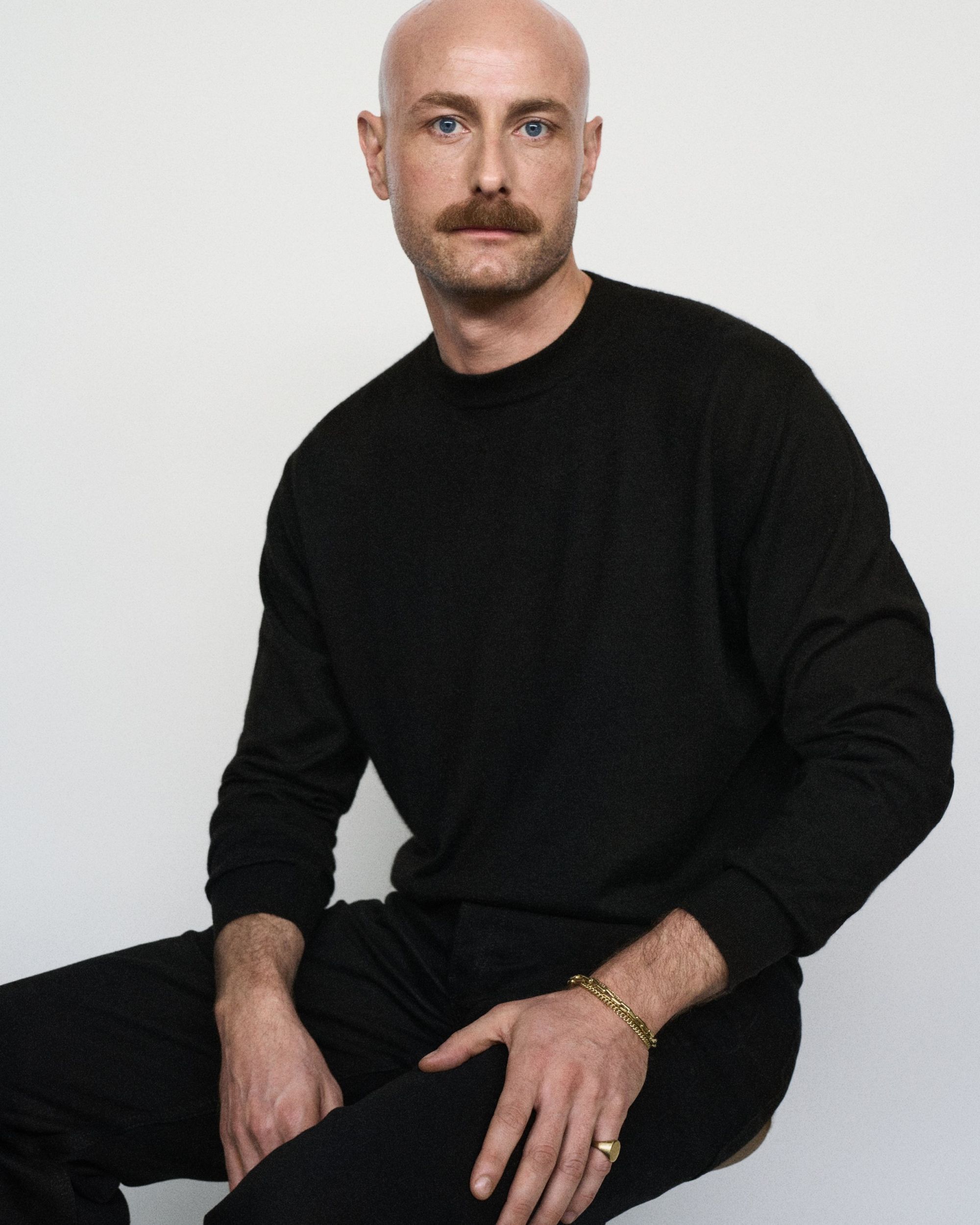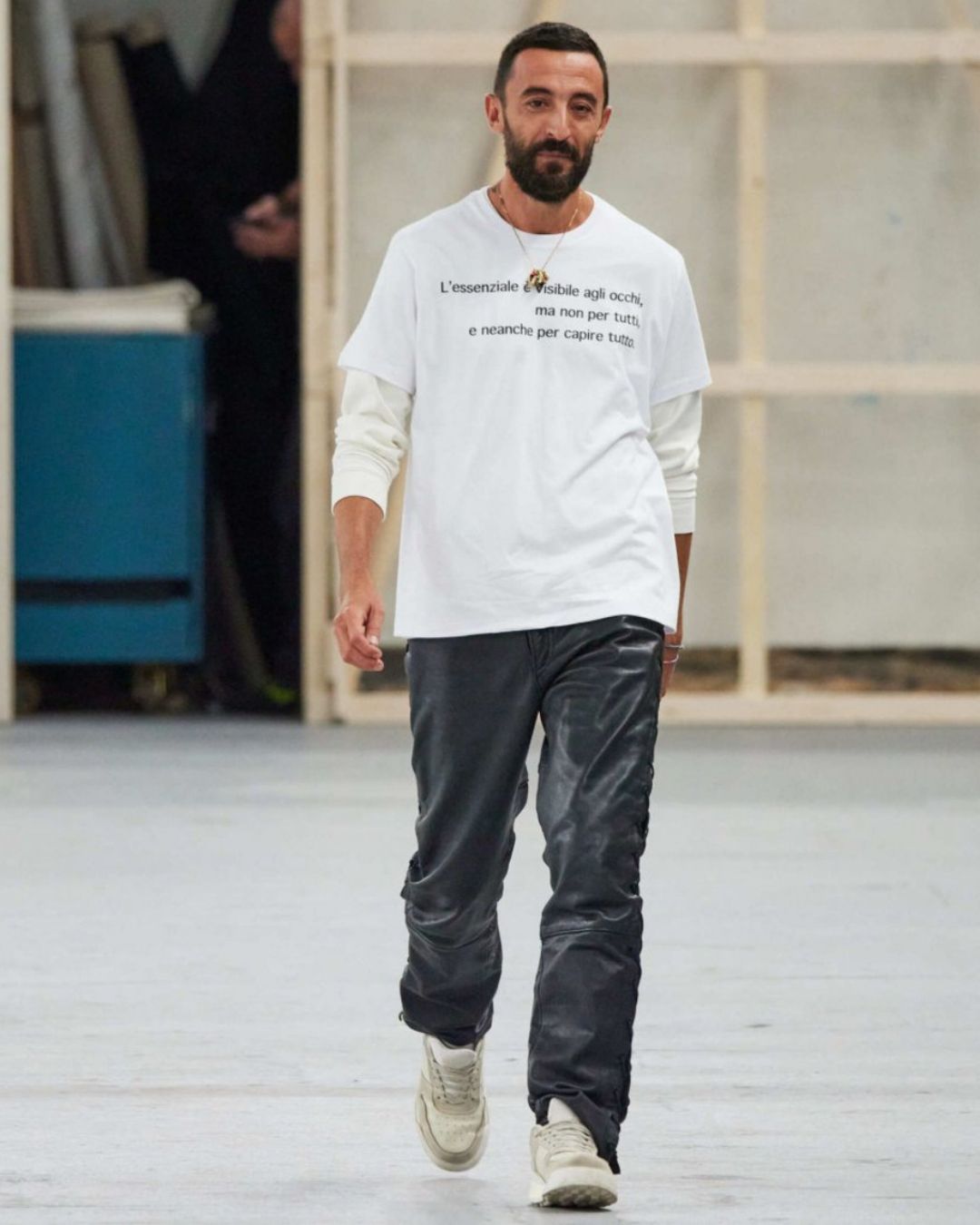























Why are so many cult designer making their return on the scene? Oliver Theyskens, Takahiro Miyashita and Peter Do announced new projects
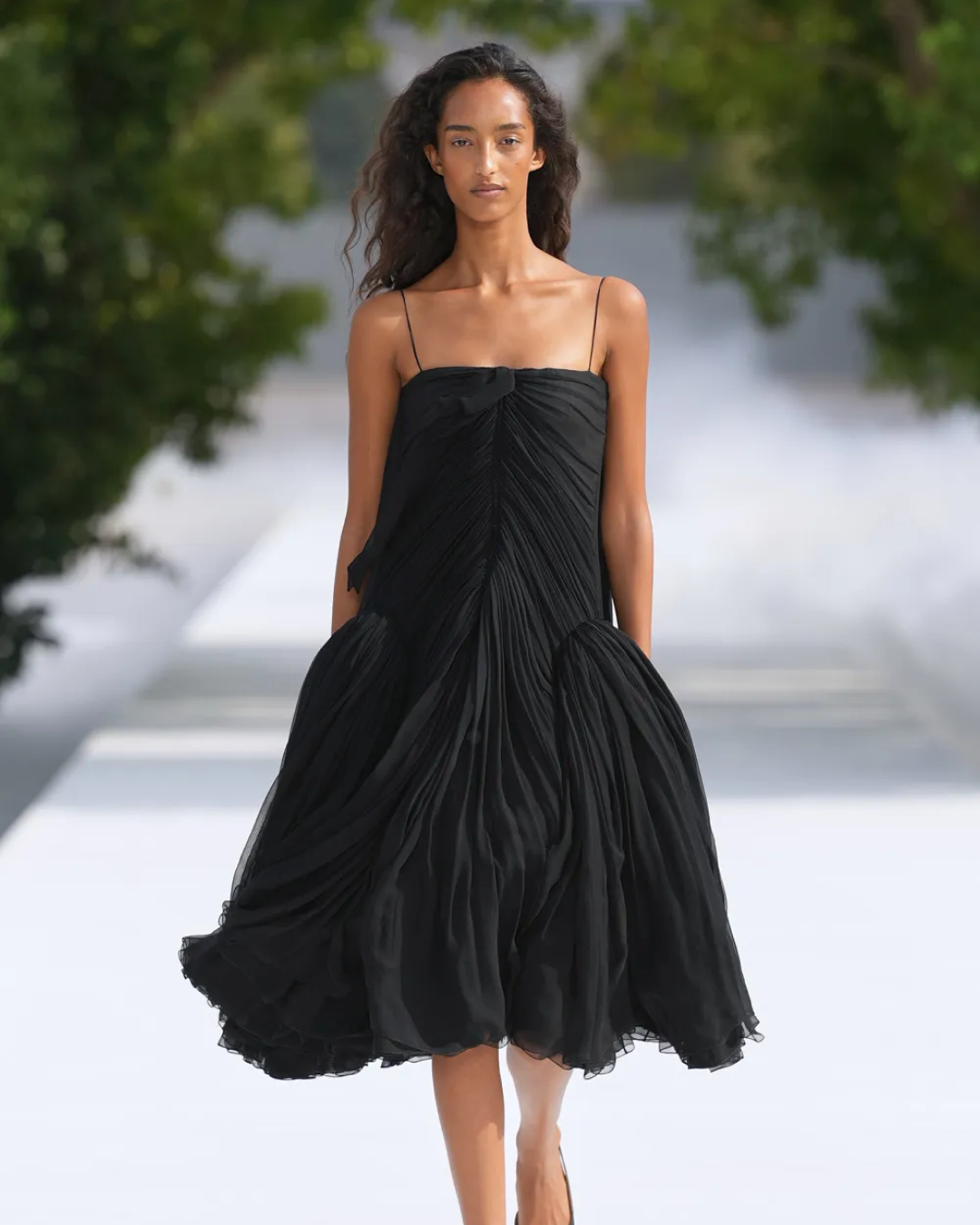
In a September brimming with debuts in institutional fashion, a sort of comeback is also taking place for independent and niche designers, who are reaffirming their creative voice in a landscape where major and historic brands, and more broadly the commercial fashion system as a whole, are in severe distress. In recent days, a series of cult designers have returned to the spotlight after more or less unofficial "leaves" from the scene and are launching new projects. The names are far from minor: the first is Olivier Theyskens, who founded the new brand Boloria in Antwerp in collaboration with the Belgian entertainment group WEAREONE.world, the same group behind Tomorrowland.
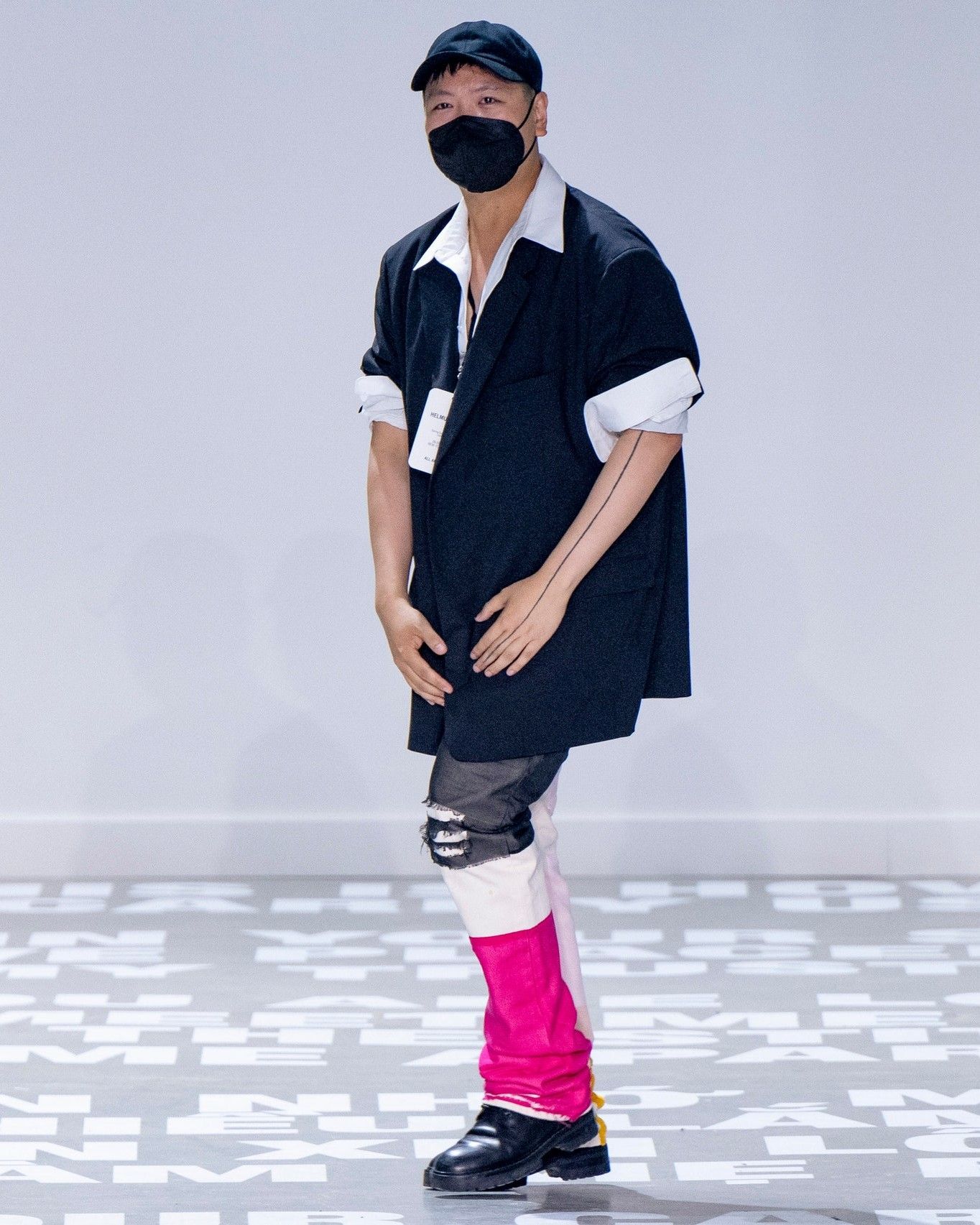
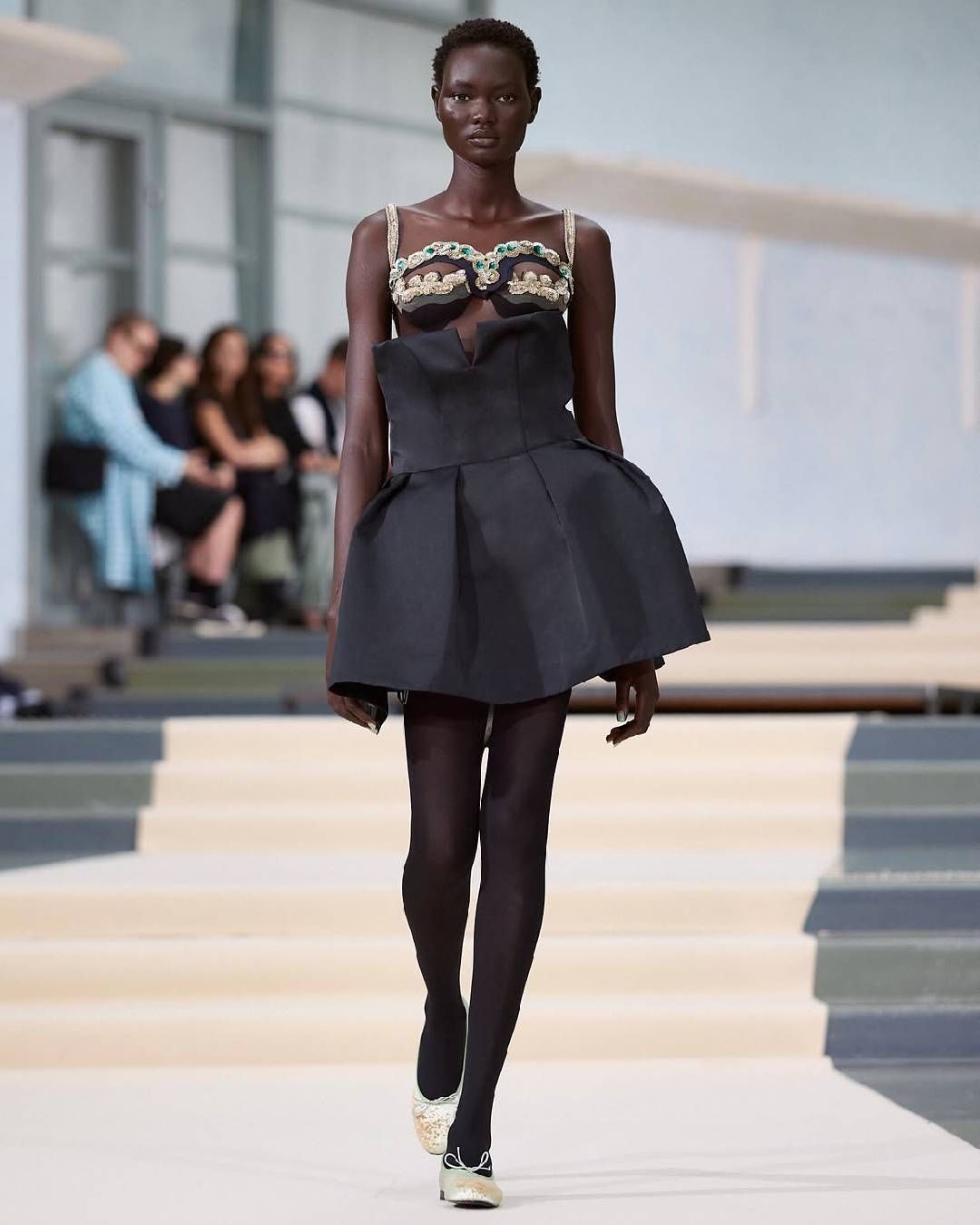
Takahiro Miyashita has instead returned after 15 long years at the helm of the cult brand Number (N)ine after leaving The Soloist, another brand he founded and directed; and finally Peter Do, the New York-based designer of Vietnamese origin, who left the creative direction of Helmut Lang and has remained relatively quiet recently, has announced the creation of a second line, PD-168, which will be more luxurious than a typical diffusion line but will have more accessible prices and a more sustainable, self-funded business model, sold exclusively online with stable seasonal reissues. But what exactly lies behind this flurry of major comebacks?
Why these comebacks and reopenings?
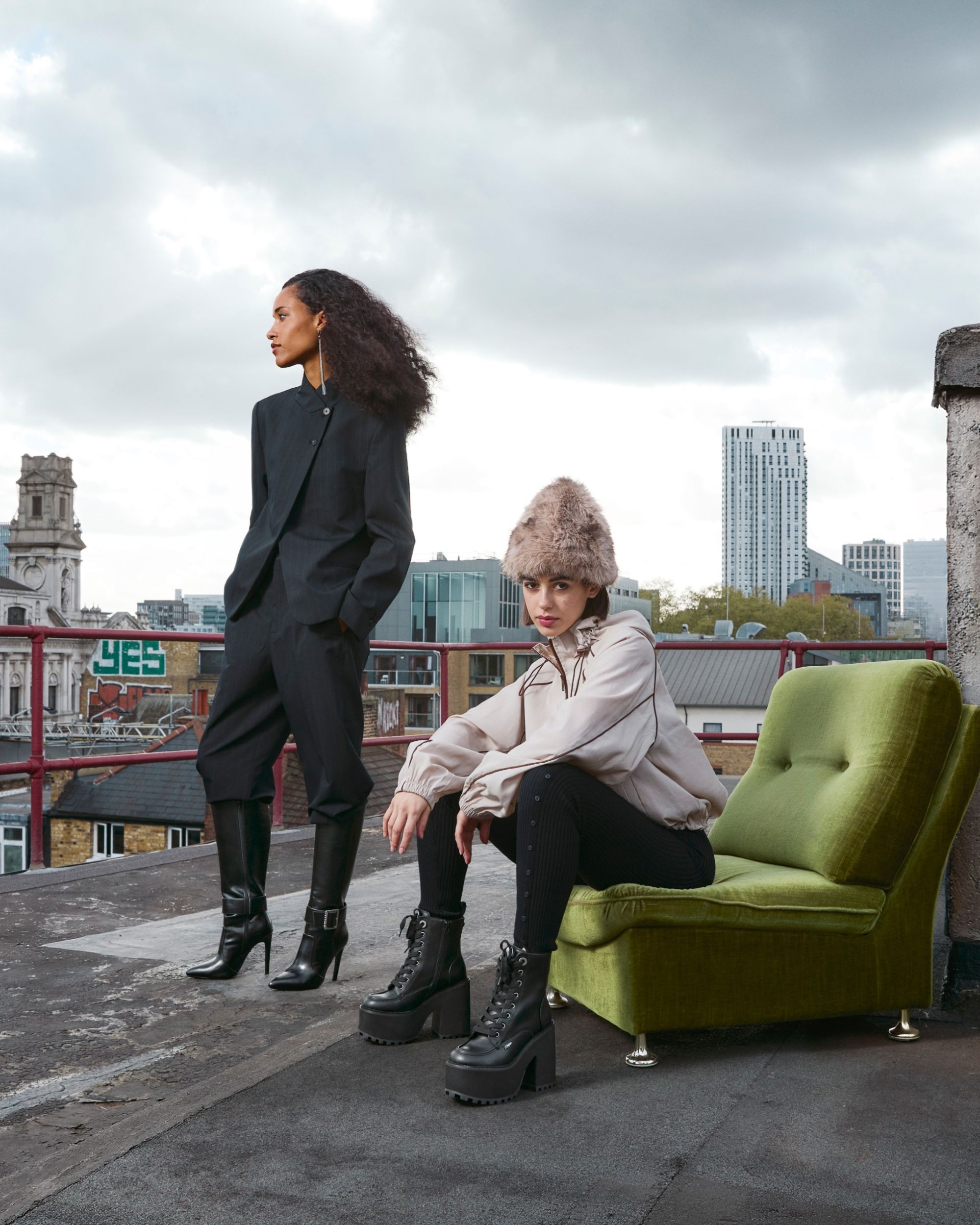
Of the three designers we are discussing, Peter Do is the one who has provided practical reasons for launching a new project. Beyond the obvious commercial advantages of having a more accessible diffusion line, for Peter Do, the birth of PD-168 is a step toward independence from wholesale, amid the crisis for multi-brand retailers. His new label was tested through Peter Do pop-ups, during which the designer's clientele greatly appreciated the new, more affordable line (Do’s main line has a wide price range, but tailoring and blazers can indeed be costly), which, as reported by BoF, ended up generating 50% of total sales. It is crucial to note that one of the non-negotiable conditions of his new business model is direct online sales to control pricing, discounts, and product distribution.
It is more difficult to discern the reasons behind the other two comebacks. For Miyashita, with the return to Number (N)ine, one can assume that, beyond sentimental reasons, there were some commercial agreements. The Soloist, the brand the designer left while remaining its owner, was performing well: five years ago, according to BoF, it recorded about 22 million dollars in annual revenue and showed no signs of crisis, but post-pandemic, the shows had moved to Tokyo for reasons almost certainly related to costs, only to return to Paris for a final presentation in January. Number (N)ine, which had lost its luster under new owners but retains a strong distribution network, is a different story: the brand no longer belongs to the founder since 2010, has become stagnant in the meantime, and perhaps the owners saw his return as a way to boost sales. Moreover, the relaunch as "Number (N)ine by Takahiro Miyashita" suggests, on one hand, a sort of licensing agreement that gives the designer full creative control (he had left precisely over creative control issues) and, on the other, a potential partnership or partial buyback to capitalize on the name.
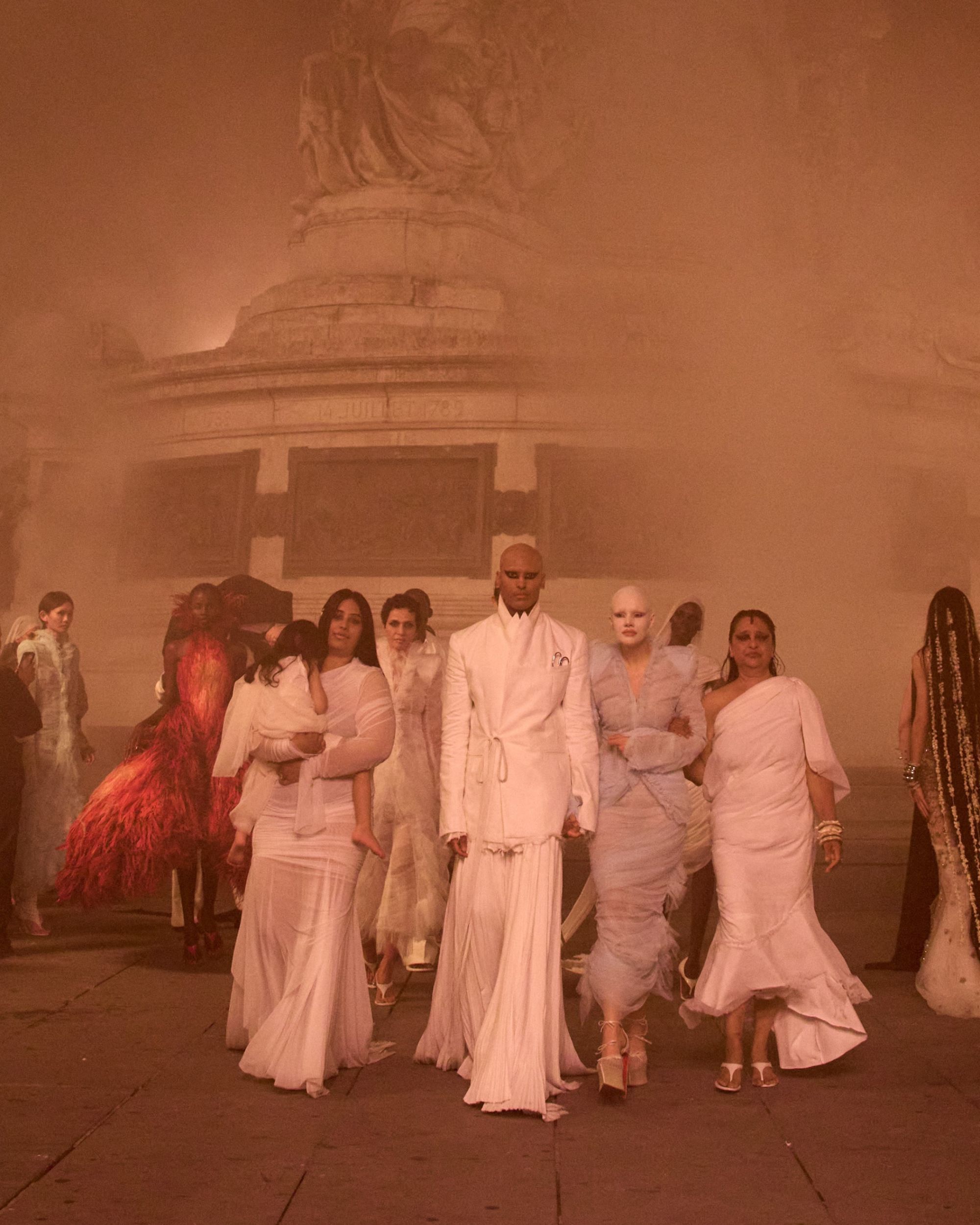
Little or nothing is known about Theyskens. The Belgian designer remains formally the creative director of Azzaro, a brand that has not presented a collection nor been active on Instagram since January 2022 but continues its perfume business. We can presume that L’Oréal, which owns the brand, has "parked" the fashion side of the brand and consequently maintained Theyskens’ role as creative director, but with limited activities. Recently, the designer has created custom pieces under his own name, starting a business also featured in The New York Times, most notably for Lady Gaga’s Abracadabra video, and has certainly remained active in custom work. The partnership with WEAREONE.world, the group behind festivals like Tomorrowland expanding into fashion for the first time (there have been merch collections and collaborations like the one with Sarda in 2025), adds an element of experimentation for the owners, who may be testing the luxury market through a long-term partnership with a local talent, without implying financial urgency for Theyskens.
More agile and sustainable businesses?
@kaileemckenzie_ the fashion industry needs a total overhaul #ssense #luisaviaroma #bankruptcy #fashionindustry #cuttingroomfloor #businessoffashion original sound - Kailee McKenzie
When dinosaurs went extinct, the world became the realm of smaller, more adaptable animals. Is the same happening in fashion? The global fashion conglomerates, while retaining their power, are losing momentum and vitality with increasingly broad, generic, and personality-lacking collections, diluted in a rapid production cycle that prioritizes volume over value. The independent comebacks of Peter Do, Takahiro Miyashita, and Olivier Theyskens with more independent or low-profile projects could be seen as a strategic choice full of potential, based on greater creative and operational control, an agility that allows navigating the industry’s instability with flexibility, and almost a return to slow fashion, where each piece is imbued with authentic meaning rather than fleeting virality.
It is no coincidence that all three are deeply tied to their local roots: New York for Do, Tokyo for Miyashita, Antwerp for Theyskens – all three, crucially, are known for their niche following and their almost radically anti-commercial stance. The new models of these designers are, by design and rollout, intimate and almost "domestic," if we may use the term, likely responding to an emerging public demand: sensible, less generic brands more anchored to a personal narrative, capable of delivering emotional and cultural depth in opposition to a mainstream fashion that, due to its excessive scale, ends up losing authenticity, impact, and value proposition. This shift toward independence, therefore, could be an opportunity to redefine a luxury that is in an identity crisis before a financial one, raising the question of whether this is the beginning of the end for a hypertrophic business model, ready to give way to more sustainable and human ecosystems.