












Gossip about the new creative directors is becoming increasingly dramatic In particular, those about Dario Vitale’s appointment and the canceled Versace show
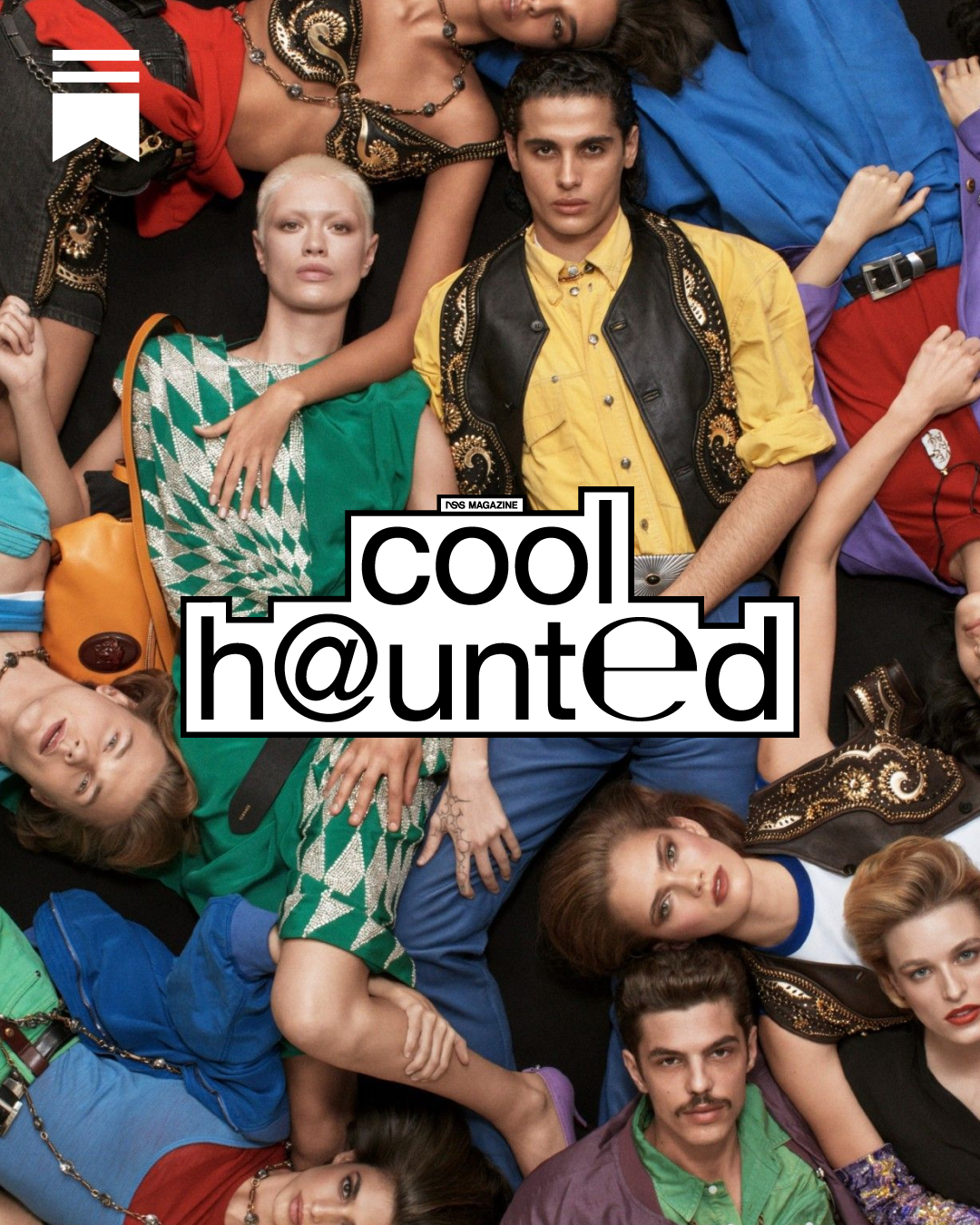
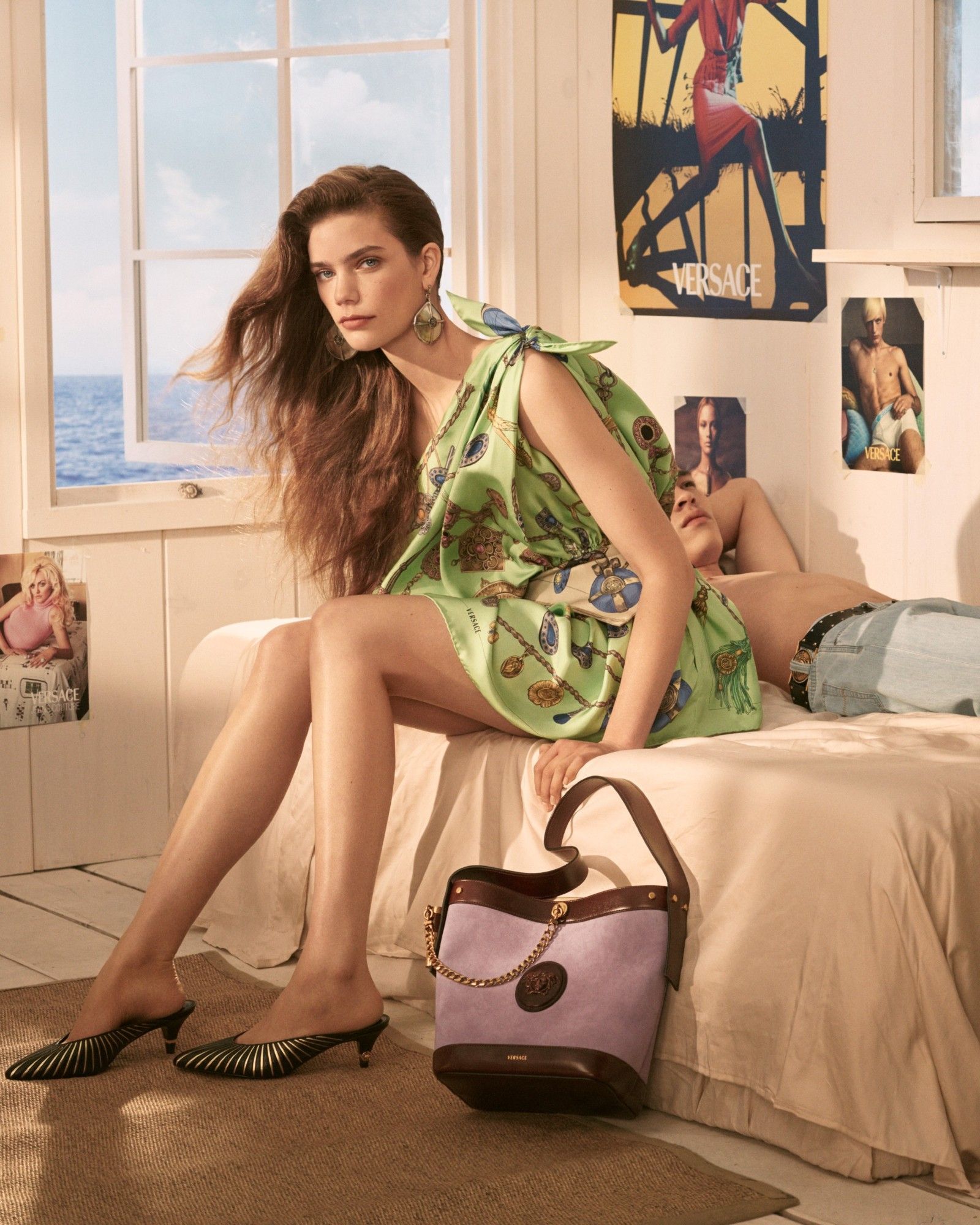
Yesterday's news shocked pretty much everyone: Versace will not show at Milan Fashion Week and will instead organize an intimate event for the debut of its new creative director Dario Vitale. The decision seemed counterintuitive: like a baptism or a wedding, a quiet and low-key debut is a bad sign. The always well-informed Boringnotcom threw fuel on the fire, clearly repeating some rumors that had been circulating in Milan about a turbulent behind-the-scenes situation for Vitale. “[Dario Vitale] certainly presented a project with his vision of the brand,” wrote Andrea Batilla in his newsletter. “If, as it seems, the very first result of that vision is so unsatisfactory that the September show has been canceled, perhaps the problem does not lie with Dario Vitale but with those who approved that project.” A rumor circulating these days, also fueled by an interview given to Vogue Business by Lorenzo Bertelli, explains that Vitale had been hired by the "former" owners during the transitional phase of the acquisition, which still has yet to be finalized. And so, according to some, Capri Holdings chose not to invest in the show of a brand whose fruits will soon be reaped by others. “Until the closing [of the deal, ed.] we are nothing but spectators,” said Bertelli.
Talking about rumors is inappropriate, but in fashion, rumors often tell you more than reassuring official statements. In recent months, many of these rumors have involved clashes between new creative directors and old managers. The very first source of conflict concerns the teams: it often happens that a creative director demands that their entire old team be hired alongside them and the previous team be dismissed. This is obviously a major headache for brand leadership and often leads to serious disputes. According to the buzz, this has happened with at least two major creative directors recently appointed in the past few months. In both cases, problems allegedly began due to this almost feudal mechanism whereby a certain designer must move with their entourage—or not move at all. The friction then tends to spread: from management to the brand's historical teams, the path to conflict is short, leaks multiply, and in their salons, fashion insiders talk. So what is the real cause of all this friction?
@ideservecouture The fashion rumors are getting out of control and I have to say something. Now some of these sources are true but some of them are simply a reach. Is it fun to comment and speculate? Yes. But let’s speculate on possible scenarios from a source that is trustworthy and credible. But to comment on everything that I hear? Sorry I can’t do that. #fashion Quirky Suspenseful Indie-Comedy(1115050) - Kenji Ueda
Whenever there’s talk of a “turbulent behind-the-scenes,” the blame is always shifted onto the creative director, the easiest scapegoat. Beyond the already mentioned entourage issue, a recurring element in gossip is the residence issue, with the brand's operations being forced to move or split between the historic headquarters and wherever the designer in question has chosen to live. Recently, there’s talk of a creative director who, for example, although supposed to work in Europe, intends to continue living in Los Angeles. There’s no shortage of disgruntled employees at an Italian brand whose creative director lives in another country and doesn’t show up to the office as often as expected. Another founder of a famous Italian brand, now sold to new owners, never informed employees of the acquisition and essentially ghosted them, disappearing into thin air. In the UK, meanwhile, there are rumors about at least two well-known designers who have a habit of not paying their employees. So often, creative directors are the favorite villains of many stories. But the real question is: aside from their behavior, what is the environment in which they are working? Considering the steep drop in sales currently affecting the entire fashion industry, the pressure from the top must be extreme. When Tom Ford saved Gucci in the mid-90s with the miraculous FW95 collection, not only had he come off a very unsuccessful debut, but the creativity of that collection, according to Ford himself, stemmed from the desperation of the managers—so desperate that they gave him carte blanche.
Today, carte blanche is a luxury that very few can afford. “Today creative directors are forced to do what companies want. The Valentino experience couldn’t happen today because we were on our own,” said Giancarlo Giammetti recently at the Forme Festival in Rome, without holding back from offering veiled criticism of the brand’s current creative director. But in making his point, Giammetti highlighted the crux of the problem: on one side, creative directors are “forced” to follow corporate strategy; on the other, they must meet expectations that are both abstract and restrictive from executives and the public. To quote Giammetti again: when does “good taste” end and “clownery” begin? Who, exactly, is the creative director supposed to satisfy? The managers, the market, or themselves? And when facing commercial directors and CEOs who would produce nothing but hoodies and t-shirts to protect their margins, it certainly doesn’t help that today’s creative directors—at least the very famous ones—are, according to rumors, a very stubborn category, strongly set in their ways and definitely not very willing to seriously question themselves or change direction. The result is not only total confusion, but also an atmosphere that all parties involved (including media and public) are making simply toxic. It’s not a new story: even Yves Saint Laurent was trashed by the press after his first collection for Dior, but even then he was given a second chance—and most importantly, the pressure of billions in revenue and priceless brand equity was not resting on the shoulders of a role whose boundaries today are increasingly blurry.
not trying to summon THAT designer but allegedly she’s withholding money from her employees
— Louis Pisano (@LouisPisano) July 23, 2025
And with quarterly financial results being published, with investors needing reassurance at every step, and with the urgent need to either succeed or fail, creative direction ends up drowning in a sea of personal, corporate, and financial demands. Needless to say, not only does the tolerance margin for mistakes and course corrections become almost nonexistent, but the ability to take creative risks also disappears. It’s telling that in such a harsh moment, unofficial and certainly partial or otherwise incomplete reports begin to circulate, speaking of increasingly tense and difficult workplaces. Perhaps, then, to change the current direction of fashion, we should change the way its directors and Grand Masters operate—but, to paraphrase Gandhi, are fashion executives and designers ready to be the change they want to see in the world?