




























What happened at the Global Fashion Summit 2025 in Copenhagen More than a thousand global leaders gathered to address fashion industry's environmental challenges
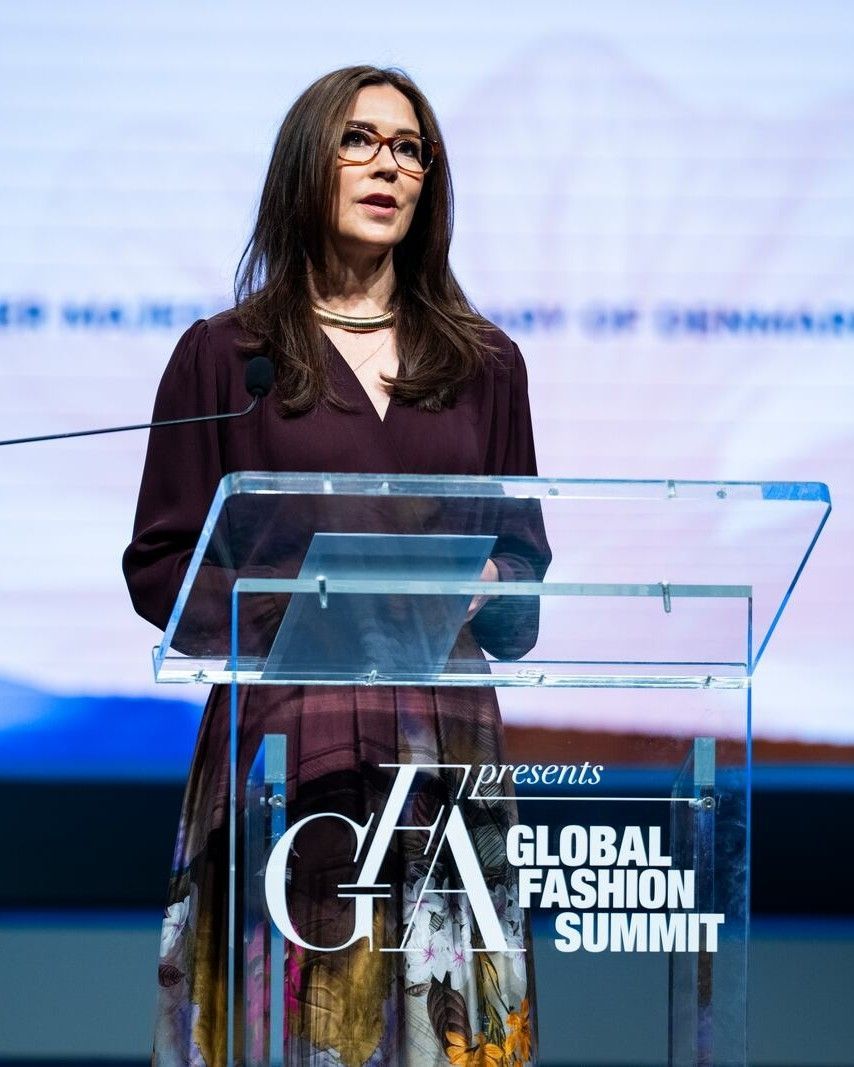
From 3 to 5 June 2025, the Copenhagen Concert Hall hosted the annual edition of the Global Fashion Summit, the world’s leading event for dialogue on fashion and sustainability. Organised by the Global Fashion Agenda (GFA), a non-profit organisation committed to accelerating the transition towards a net-positive fashion industry, the gathering brought together over a thousand representatives from brands, retailers, NGOs, policymakers, manufacturers, innovators, and stakeholders from adjacent sectors, with the goal of addressing the environmental and social challenges of the fashion industry through shared action. This year’s theme, “Barriers and Bridges”, highlighted the systemic obstacles hindering progress in the sector, focusing on collaborative solutions to overcome them. The Summit’s content revolved around five main pillars: innovation, capital, courage, incentives, and regulation. The event featured more than one hundred speakers from leading organisations such as Kering, H&M Group, Zalando, VEJA, the European Commission, GANNI, eBay, The Lycra Company, and the UN Environment Programme. Her Majesty the Queen of Denmark, a long-time supporter of the GFA, also attended the official opening and visited the Innovation Forum.
Several key initiatives were announced over the three days. Global Fashion Agenda and PDS Ventures selected Refiberd as the winner of the Trailblazer Programme, granting the startup equity investment and operational support to advance its textile recycling technology. RE&UP announced it had become the first fibre producer to obtain Cradle to Cradle Certified® for product circularity, validating the full life cycle of its recycled cotton and polyester yarns. The LYCRA Company, in collaboration with Qore®, will launch the first large-scale production of bio-derived LYCRA® made from dent corn, replacing fossil-based resources. Zalando released its second consumer sustainability behaviour report, titled “It takes many”, focusing on the persistent gap between sustainable intentions and actions in fashion, and calling for shared responsibility among consumers, brands, and institutions. The company Modern Meadow introduced INNOVERA™, a high-performance, animal-free material made from plant proteins, biopolymers, and recycled rubber, replicating the look and feel of leather with over 80% renewable carbon content. eBay highlighted its thirty-year commitment to recommerce with tools enabling brands to resell unsold inventory, slightly flawed but never-used items, and take-back solutions for pre-loved garments, including a new partnership with Nobody’s Child. WBCSD published an updated version of the Circular Transition Indicators (CTI), a tool designed to guide textile companies in integrating circularity into decision-making processes, with measurable benefits in regulatory compliance and transparency for stakeholders and investors. Fashion for Good and Arvind Limited launched the Future Forward Factories initiative, which includes the development of an open-source blueprint for sustainable textile production and the creation of a demonstration facility in India. Finally, the Ellen MacArthur Foundation introduced a new operational guide for fashion leaders to support the adoption of circular business models and the realisation of related economic and environmental benefits.
@globalfashionagenda In celebration of World Circular Textiles Day, explore GFA’s recent tour of Recycle Raw in Tangerang, Indonesia. This visit was part of a new initiative launch aimed at developing a circular textile industry by recycling post-industrial textile waste and uniting brands, manufacturers, and recyclers to tackle textile waste management. Thanks so much for welcoming us!
som original - D.
The Summit also gave significant visibility to the Innovation Forum, featuring thirty sustainable solution providers spanning the entire value chain, from next-gen raw materials to end-of-life technologies. Through guided tours and a tailored matchmaking programme, over 400 connections were facilitated between innovators and key industry stakeholders. In parallel, eighteen exclusive leadership roundtables were held, offering strategic discussions on crucial topics such as financial decarbonisation, climate adaptation in luxury supply chains, and the importance of local solutions for global challenges. At the Summit’s opening, Global Fashion Agenda CEO Federica Marchionni delivered a clear message: in the face of global uncertainty, climate change remains the only constant, and it is in difficult times that leadership must step forward with vision and courage. Only through collaboration and collective boldness can the industry overcome barriers and build a sustainable future for fashion.
What to read next
Will the new EU regulations on unsold goods really help independent brands?
Yes, but there's a catch
How Gen Z is changing the rules of physical retail
From clubhouses to test labs, new brands are transforming stores into something that goes far beyond shopping
Data centers are invading our cities
The more demand for artificial intelligence grows, the more everything needed to make it work grows too