































Why the whole world is obsessed with french Eyewear in 2025 The new empire of luxury is not carried on the shoulder but on the nose
Perhaps it’s not surprising that eyewear has become one of the most assertive profit engines in today’s luxury market. According to Statista, the global eyewear market was valued at US $146 billion in 2023 and is forecast to exceed US $172 billion by 2028, expanding 4–6 percent annually—outpacing handbags and sneakers in both velocity and margin. In the first quarter of 2025, Paris-based EssilorLuxottica—responsible for roughly one in four pairs of glasses sold worldwide—reported €6.85 billion in revenue, up 8.1 percent from the year prior. Their retail stores and websites grew fastest, up 11 percent, while their professional optics business (the products sold through eye-care offices) increased by 5 percent. Every region saw gains: Europe, the Middle East, and Africa led with almost 10 percent growth; Asia-Pacific and Latin America each rose by around 10 percent; and North America grew by 4 percent. Supporting all this is a network of 17,624 stores around the globe—proof that eyewear has taken on true fashion-accessory status as a seasonal must-have.
In France, prescriptions still account for the bulk of volume, but the real money now lies in premium frames. EssilorLuxottica has doubled down on high-end lines and niche labels, acquiring lens-tech startups and regional eyewear brands to cement its market leadership. Culturally, the aesthetic shift is undeniable, marked by a surge in eyewear-only boutiques and community-driven brands—like Gentle Monster, whose repeated collaborations with major labels have paved its status as both a fashion and cultural force. The economics are hard to argue with. A quality acetate frame often costs no more to produce than a small leather good but can retail for up to twelve times its production cost. Add value-boosting features like blue-light filters, anti-scratch coatings, or gradient lenses, and margins expand even further. Since eyewear sits on the most photographed part of the body—the face—it invites seasonal refreshes in a way handbags simply cannot.
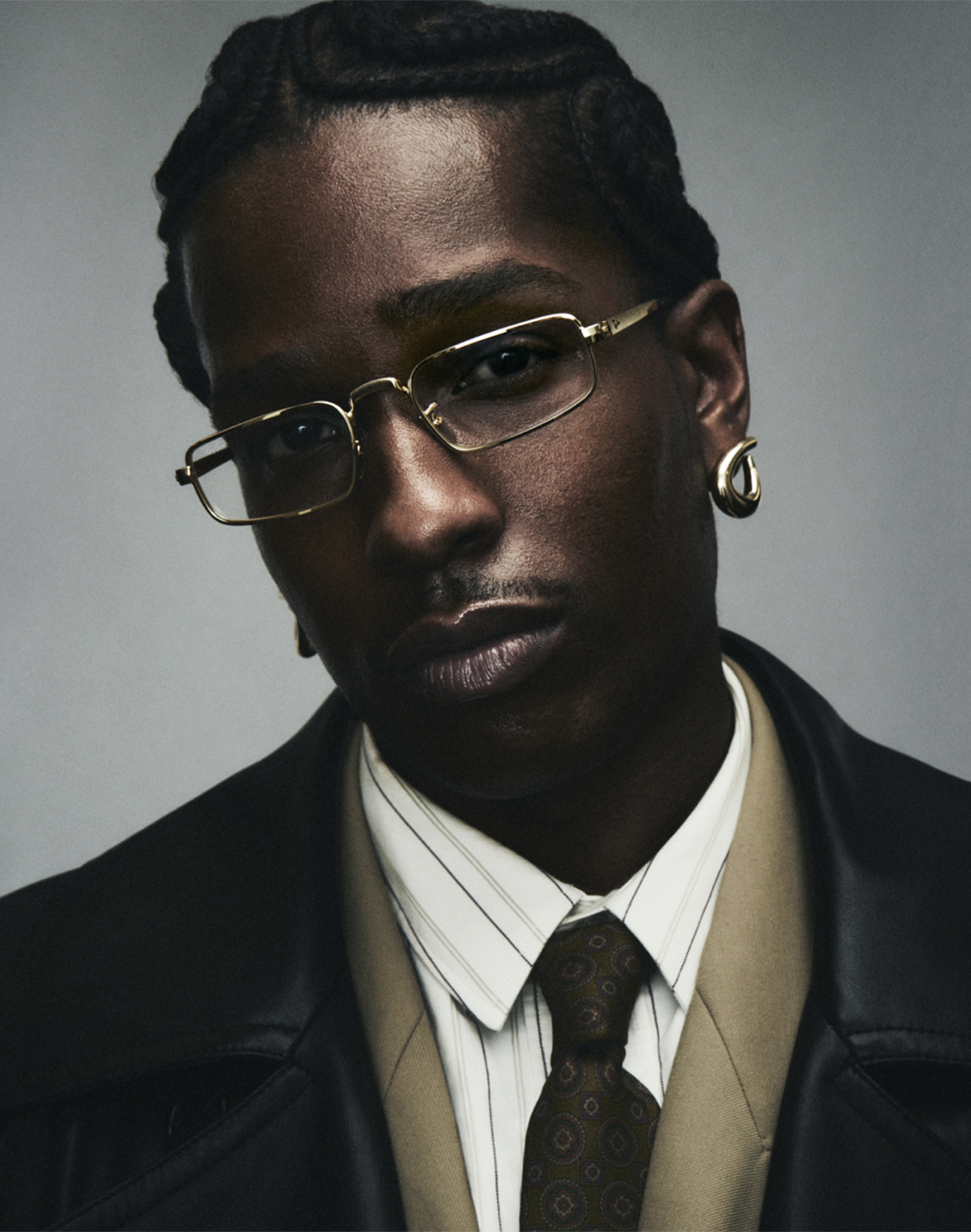
Currently commanding a lot of attention, Chrome Hearts has emerged as one of the moment’s must-have eyewear labels, thanks to its bold, instantly recognizable designs—reminiscent of facial jewelry and defined by exquisite, intricate metalwork. The French market has long been a beloved destination for eyewear shopping. Equally captivating is JF Rey, known for a vibrant embrace of French innovation, utilizing unexpected materials and daring color palettes to delight the fashion-forward wearer seeking an artistic flair. Cartier, unfazed by fleeting trends, anchors itself as a timeless and elegant choice for eyewear, having revolutionized frameless designs with iconic pieces like the Santos de Cartier Wood Rimless, though it's still best known for its wooden frames. Paris-based Lucas de Staël is also a popular choice, known for using natural materials such as ethically sourced stingray leather, stone, and eggshell marquetry in its frames. Jacques Marie Mage transforms eyewear into a high-art experience, distinguished by lavish, sophisticated designs and extravagant packaging—appealing to collectors who see eyewear as a form of wearable sculpture. Lastly, AHLEM, founded by Paris-born designer Ahlem Manai-Platt in Los Angeles, blends Californian minimalism with meticulous French detailing, creating frames defined by clean lines and thoughtful accents.
What sets France apart in the global eyewear boom is, of course, its strong craftsmanship but also its control over the supply chain, as the country continues to produce high-end acetate used by Europe’s top fashion houses. Vuarnet still manufactures its signature mineral lenses at its facility in Meaux, just outside Paris. Independent French brand Anne & Valentin operates ateliers where small-scale production and hand-finishing are central to its identity. Meanwhile, Izipizi—a more mass-market label that began in Paris’s Marais district—has expanded significantly, now boasting 26 stores globally, including 9 in Paris, and retailing at locations such as Selfridges in London and the MoMA Design Store in New York City. The brand has also committed to converting its entire line to bio-sourced materials by 2025—proving, again, that sustainability can drive business growth. As innovation ramps up, regulations are tightening. Concerns over microplastic shedding and end-of-life waste have led to increased scrutiny from both EU and French authorities, pushing eyewear brands to substantiate their environmental claims with lifecycle audits and recycling programs. In Paris, eyewear’s rise isn’t just aesthetic—it signals a shift in how luxury is worn, styled, and sold. No longer secondary, it has quietly taken the lead as the season’s defining accessory. The future of luxury rests, quite literally, on the bridge of the nose, and France, in many ways, remains the industry’s clearest lens.