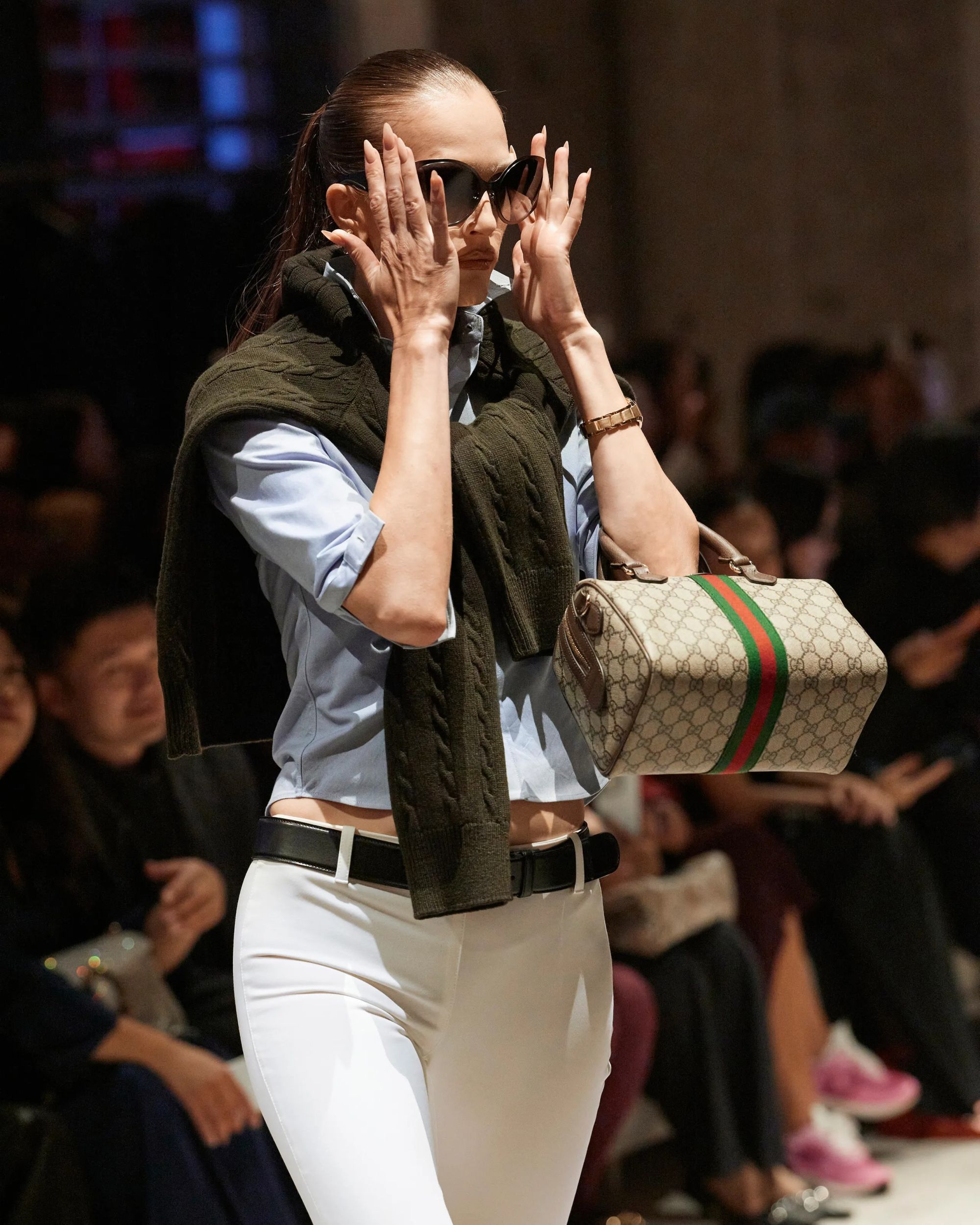




















What is happening to the Lanvin Group? The hope is that the new CEO and his creative directors will be able to salvage what can be saved
Once a legendary name in French fashion and today the oldest fashion brand in France, Lanvin has in recent years become an example of the challenges a brand and group can face in a market that is not only hyper-competitive but that today rewards, more than anything else, continuity of identity and vision. Yesterday, the latest report by Miss Tweed, perhaps the best specialist in uncovering fashion secrets in Europe, suggested that the Lanvin Group, along with other brands controlled by its parent company Fosun International, is in considerable trouble. According to Astrid Wendlandt, the Lanvin Group has begun selling off its assets to raise cash at a time when its books are in the red—and have remained in the red for years following the acquisition by the Chinese mega-conglomerate Fosun. According to industry sources she consulted, Fosun International is discreetly seeking buyers for all of its brands, which include Wolford, Sergio Rossi, Caruso, and St. John Knits, but has yet to find any takers. However, it is not entirely clear whether this means Lanvin itself could potentially be for sale. Still according to Wendlandt, buildings and factories owned by these brands are already being liquidated, a sign of the urgency of the group’s financial situation. As of now, the Lanvin Group has not commented on the report, but even by analyzing its financial statements for 2024, the outlook is far from bright: over the past year revenue fell by 23% to 329 million euros, gross margins remained stable at 56% thanks to better inventory control and growth in the direct-to-consumer channel. But the adjusted EBITDA loss increased to 92 million euros, up from 64 million in 2023. Contribution profit plunged by 26 million euros, compared to a 24 million profit the previous year.
All major brands reported declining revenues: Lanvin lost 26% in revenue, with a negative contribution margin of 29%; Wolford lost 30%, hampered by logistical issues; Sergio Rossi also saw a 30% drop, with fixed costs eating into margins; St. John experienced a 12% decrease, despite a slight improvement in gross margin; Caruso limited its losses to -7%, supported by double-digit growth in its direct line. Although the management is calling 2025 a “watershed year,” the numbers are far from encouraging, especially considering that not only is this a year of general crisis across the luxury sector, but also that key markets such as Europe/Africa/Arabia (the EMEA region) and China are struggling significantly. In particular, the EMEA region, which according to Bamboo Works represents 44% of revenues, was the worst-performing region. Things may change with the new management, as last January saw Andy Lew appointed CEO. The news helped in the stock market where shares rose by 40%, increasing market capitalization by 70 million dollars – a good sign. His role should be to refocus on Western markets after an overly ambitious expansion into Asia that clearly did not take off as expected. But this appointment is only the latest in a long series of executive and especially creative director rotations. Lanvin’s creative direction was vacant for over a year until the appointment of Peter Copping last June. Sergio Rossi also had a four-year creative gap before Paul Andrew arrived, also last year. At Wolford, CEO Régis Rimbert left after just six months. This type of instability hurts brands that, in a challenging context like this, would instead need close and steady oversight.
To fully understand Lanvin's current situation, one must go back to 2018, when Fosun International acquired a controlling stake in the maison, promising to restore it to its former glory. In 2021, the group rebranded itself as Lanvin Group, with the ambition of becoming the Chinese LVMH (not too different from how Capri Holdings hoped to become the American LVMH with Versace, which it has now sold). But already by 2022, the Financial Times was highlighting serious issues: an overly complex IPO strategy via SPAC, conflicts with minority shareholders, and overly optimistic growth forecasts. Initially, revenues were projected to triple to nearly one billion euros by 2025. Needless to say, that has not happened, as seen in the financial data, whose figures don't even reach half that amount. Analysts had already pointed out a major issue: the lack of a real identity in China, which was the first market the newly formed group aimed to expand into. At the time, Eric Young, founder of a boutique in Shanghai, told the paper: “The quality is still there, but there’s no story. When customers want to buy luxury, they don’t think of Lanvin.” The failure to seize the Chinese opportunity is glaring. According to Bain’s 2021 projections, China was supposed to account for 25–27% of global luxury consumption by 2025. Today, however, it stands at under 13%, and Lanvin’s revenues in the region are weak.
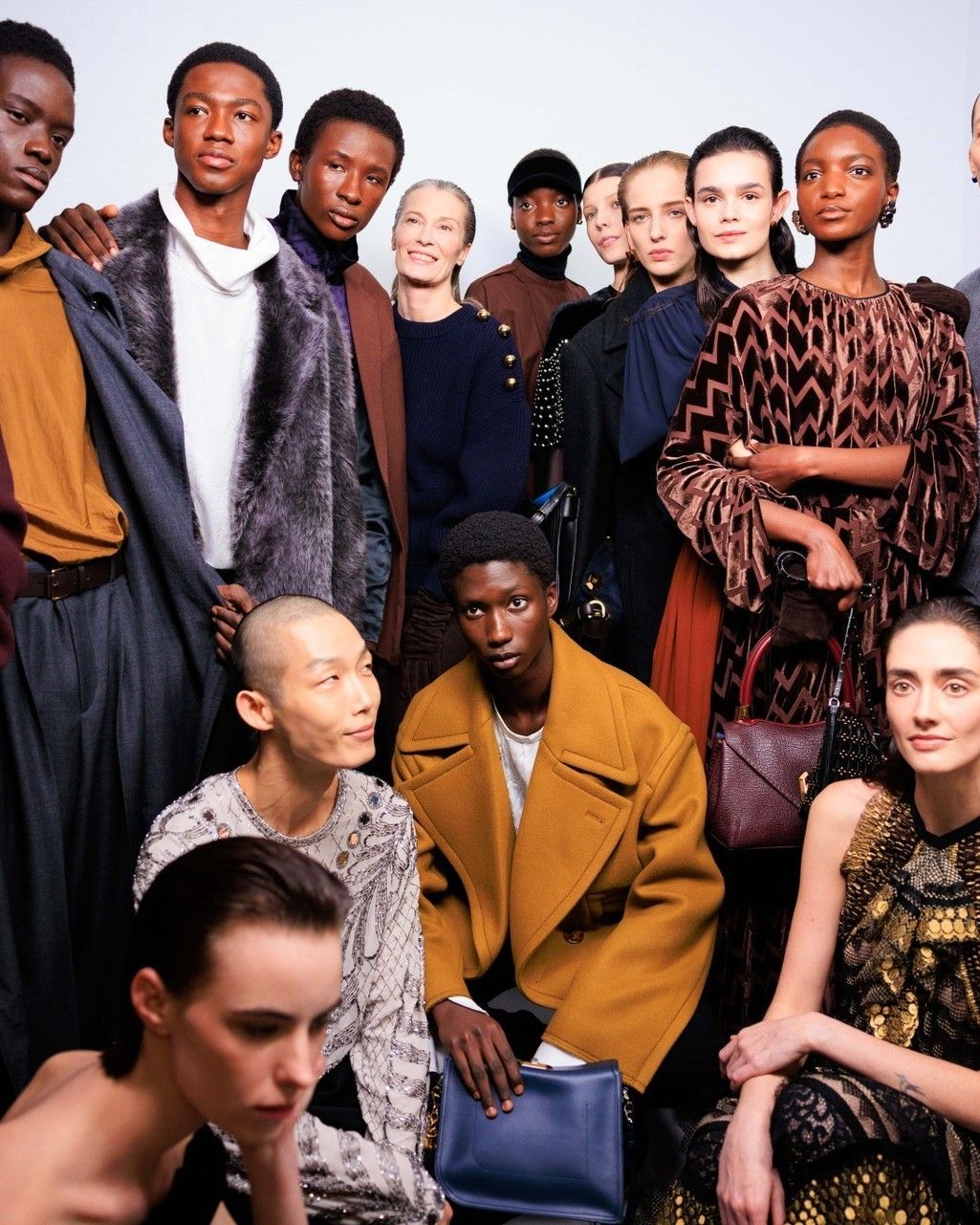
lanvin fw25 menswear — peter copping’s debut collection is very good! pic.twitter.com/f8f6KBTPZL
— (@pradapearll) January 26, 2025
In short, at this moment, the difficulties of Lanvin and the group behind it concern both identity and finances. The group has cut costs, sold off assets, and changed management, but continues to post losses in an increasingly competitive luxury landscape, where even its flagship, Lanvin, is struggling to stay afloat. The arrival of Andy Lew and creative talents like Peter Copping and Paul Andrew could provide a chance at redemption. But without a strong narrative, an authentic connection with consumers, and a stable structure, the brand’s future will remain uncertain. The Lanvin Group is not an isolated case. It is part of a broader wave of failed overseas expansions by Chinese conglomerates during the 2010s, when the boom in streetwear and logomania convinced amateur designers and mega-groups abroad that to build a successful brand it would be enough to pour in capital, rebrand everything with young creative directors and simply restart the engines—but that has not been the case. The Financial Times, even back then, cited the cases of Shandong Ruyi, which had acquired Aquascutum and Gieves & Hawkes, or Fortune Fountain Capital, which had acquired Baccarat, only to end their ventures in bankruptcy or liquidation. This entrepreneurial and expansionist push is still seen at Milan Fashion Week, which in recent seasons has welcomed numerous Chinese brands or brands owned by Chinese companies, increasingly occupying larger portions of the menswear calendar. In any case, the promise of turning historic brands into global empires has not been easy to keep – in the luxury world, there are no magic formulas.
What to read next

Are Millennials facing a pre-midlife crisis?
The inevitable shock felt by optimists in the face of a society in decline
Even the snack industry is being affected by the Iran war
How the energy crisis is impacting many everyday goods and consumer products

How should we prepare for the impending energy crisis?
A guide with top tips for times of rationing