




































Social media are officially addictive (and other troubles for Meta) Zuck has seen better days
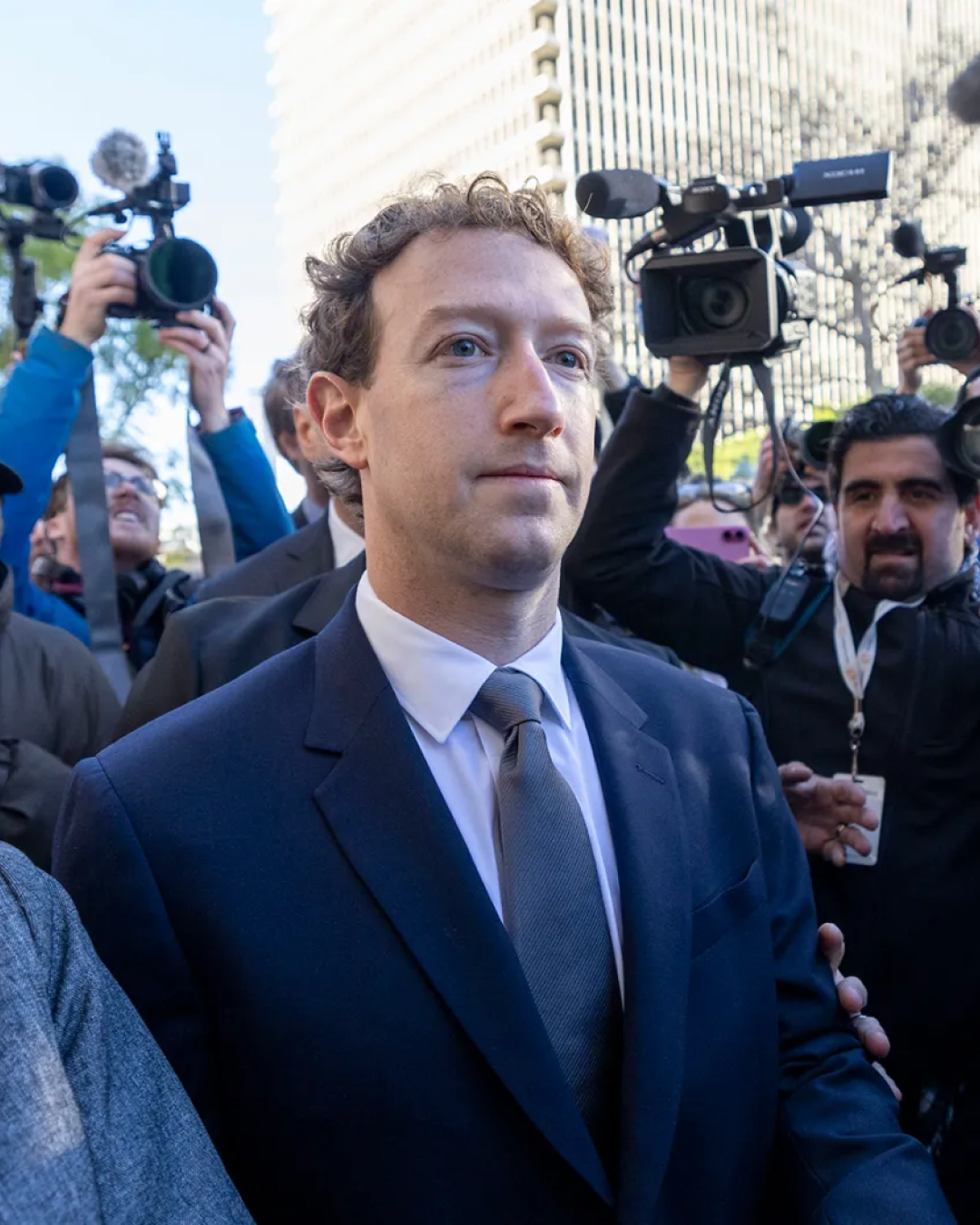
It is often said that bad news comes in threes, and the past 48 hours of Mark Zuckerberg seem to prove it: the CEO and Founder of Meta has been found liable both in the Los Angeles court over claims that the company’s social platforms are addictive, and in New Mexico, where a court ordered the company to pay $375 million for misleading users about the safety of its platforms for minors. On top of that, this morning the European Union halted the rollout of the new Ray-Ban x Meta smart glasses over privacy and battery disposal concerns. Could this be the end of Meta’s tech dominance? After all, over the weekend the official shutdown of the Metaverse was quietly announced, a project in which the company had invested more than $80 billion.
Social media addiction is now official
Meta President responds after company found liable in social media addiction trial:
— BensonNewsHub (@BensonNewsHub) March 25, 2026
"I see firsthand just how hard the company is trying to ensure that there's not harmful content."
"We respectfully disagree with that decision and we are appealing." https://t.co/KgM5iGWzS0 pic.twitter.com/cStM5p81ZK
Let’s start with Los Angeles, where a front Meta has tried to avoid for years has finally opened. A jury ruled that social media platforms can be held responsible for addiction-related harm. As reported by Bloomberg, the case involves a young user who linked a mental health crisis to the intensive use of platforms like Instagram and YouTube. The key point is not so much the financial compensation, but the precedent: for the first time, the design of platforms themselves is being questioned, from infinite scroll to notifications and content loops.
Many believe the Los Angeles case will not remain an isolated incident, but rather the first in a long series. In this case, Meta was not the only company found liable, as Google faced the same outcome, while TikTok and Snap Inc. (also accused) reportedly reached confidential settlements before the trial, though they remain defendants in a broader set of lawsuits.
Meta was aware of child safety issues
@dannied01 Jury Slaps Meta with $375M Penalty. #fyp #foryou Surprise Surprise - I Green Screen Things
Just hours after the Los Angeles verdict, a court in New Mexico ordered Meta to pay $375 million, ruling that the company had misled users about the actual safety of its platforms. As reported by the BBC, internal documents and testimony from former employees revealed that Meta was aware of the presence of sexual predators and explicit content targeting minors on its platforms. The case has been described as “historic” because it marks the first time a state has successfully won such a lawsuit against Meta. The company has already announced it will appeal, but this may prove difficult given the leak of internal official documents and staff testimony.
The new Ray-Ban x Meta won’t arrive in Europe (for now)
The third issue is less “legal” in the strict sense and more of a revenue problem, as the new Ray-Ban x Meta smart glasses have effectively been blocked from the European market. According to Business of Fashion, the issue is a mix of regulations on batteries and artificial intelligence, along with supply constraints. In particular, new EU rules will require removable batteries in devices by 2027, a requirement that significantly complicates the design of compact wearables.
On top of that, there are privacy concerns, which already sparked controversy earlier this month after a Swedish investigation revealed that recorded content from the glasses is reviewed by employees tasked with training AI systems to interpret video data, manually labeling the objects that appear. This means that anything captured through Ray-Ban x Meta glasses could potentially be viewed by third parties, including intimate videos and personal conversations.