

























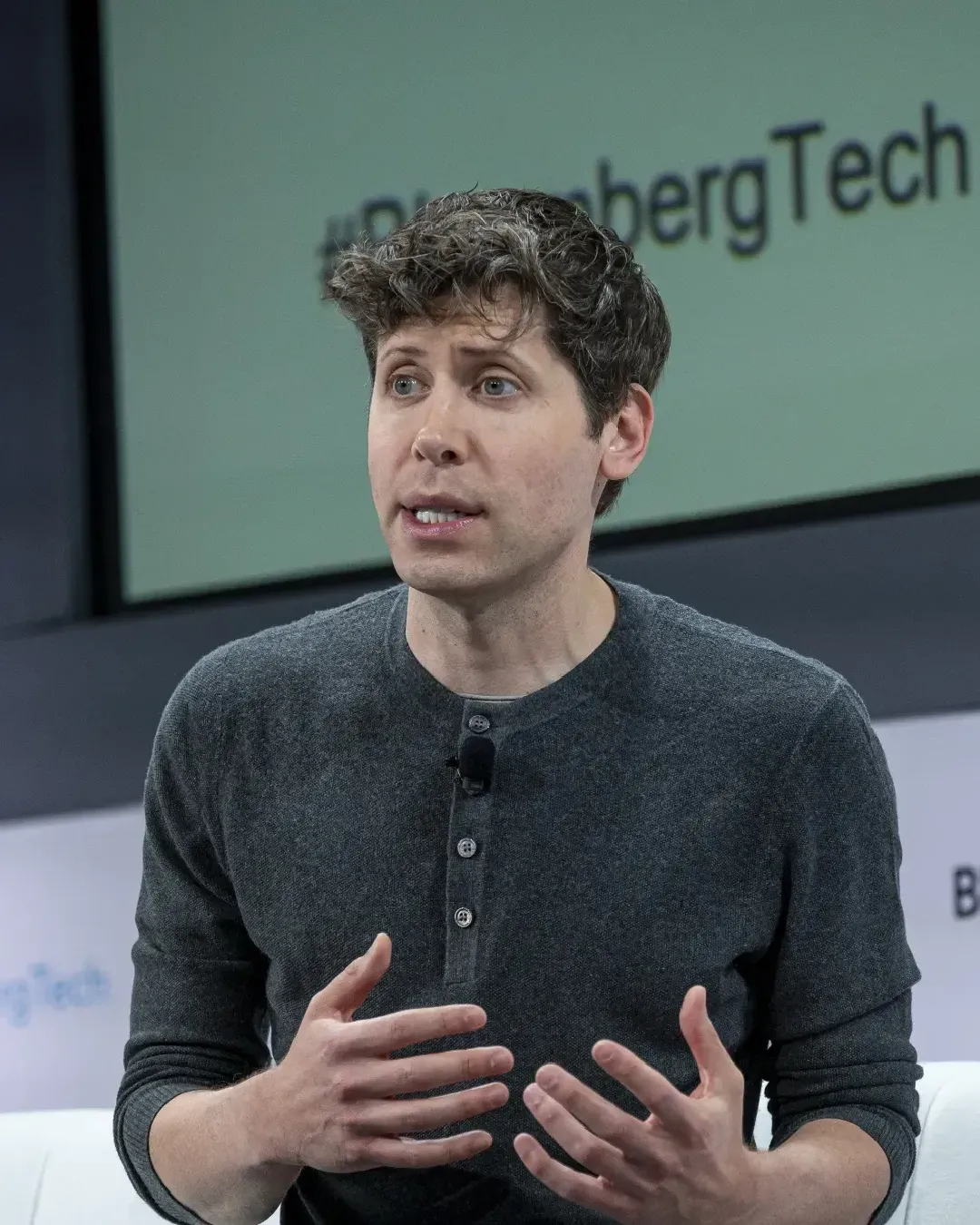
Understanding OpenAI’s U-turn on Sora The unexpected shutdown of the tool says a lot about Sam Altman’s new strategy
The development team of Sora, the artificial intelligence software by OpenAI that allowed users to generate realistic videos from a simple prompt, recently announced the shutdown of the app. It is a sudden and highly significant change, one that is expected to produce notable effects in the technology and entertainment sectors, with repercussions that could extend well beyond the U.S. market.
We’re saying goodbye to the Sora app. To everyone who created with Sora, shared it, and built community around it: thank you. What you made with Sora mattered, and we know this news is disappointing.
— Sora (@soraofficialapp) March 24, 2026
We’ll share more soon, including timelines for the app and API and details on…
The shutdown of Sora is not relevant only for the company led by Sam Altman, but also for other players active in the field of generative AI applied to video production. Google, for instance, now finds itself in an advantageous position in this area, with the concrete possibility of consolidating its leadership in the generation of realistic AI-based videos - thanks to its tool Veo.
Why Sora was discontinued
The reasons that led OpenAI to decree the end of the Sora project are not yet entirely clear. One of the most widespread hypotheses among analysts is that the costs required to develop and maintain the platform had become too high, especially at a time when the company appears intent on concentrating resources and investments in sectors considered more profitable and with a stronger commercial demand, such as vibe-coding.
According to several observers, the scale of OpenAI’s investments in Sora seemed disproportionate compared with the lack of real market demand for products of this type. Not by chance, Sam Altman’s company is reportedly shifting its strategy more toward tools designed for businesses - a segment in which the competitor Anthropic has already carved out a significant space.
And what about the famous agreement between Sora and Disney?
@soldofficial REST IN PIECES SORA #animation #artist #noai #humanartist #tiktokpartner original sound - Sold
One of the first consequences linked to the closure of Sora concerns Disney, which in light of this scenario would have had to withdraw from the well-known agreement committing it to invest around one billion euros in OpenAI, while making more than 200 of its characters available within Sora for three years. The deal had also been interpreted by various experts as an attempt to solve the problem of frequent copyright violations and the numerous controversies that emerged after the tool’s release. Sora, in fact, allowed users to use intellectual properties without the consent of rights holders and without OpenAI paying licensing fees.
For Disney, the agreement would have represented a way to integrate OpenAI technologies into its production processes and close the technological gap with some competing companies, including Netflix. Precisely for this reason, according to several commentators, the company could now evaluate new partnerships with other major firms active in the artificial intelligence sector.