



























What is "Panama Playlist"? The proof that, with streaming, music consumption has become much more passive
Recently, there has been much discussion about a project called Panama Playlists, which claims to have monitored and collected listening data on Spotify for months, focusing on prominent public figures, including members of the Trump administration, tech industry executives, and well-known American journalists. The name of the initiative is a clear and playful reference to the Panama Papers, a scandal that erupted in 2016 following a massive leak of confidential documents revealing how politicians, billionaires, and celebrities around the world used offshore companies, often in tax havens like Panama, to avoid taxes.
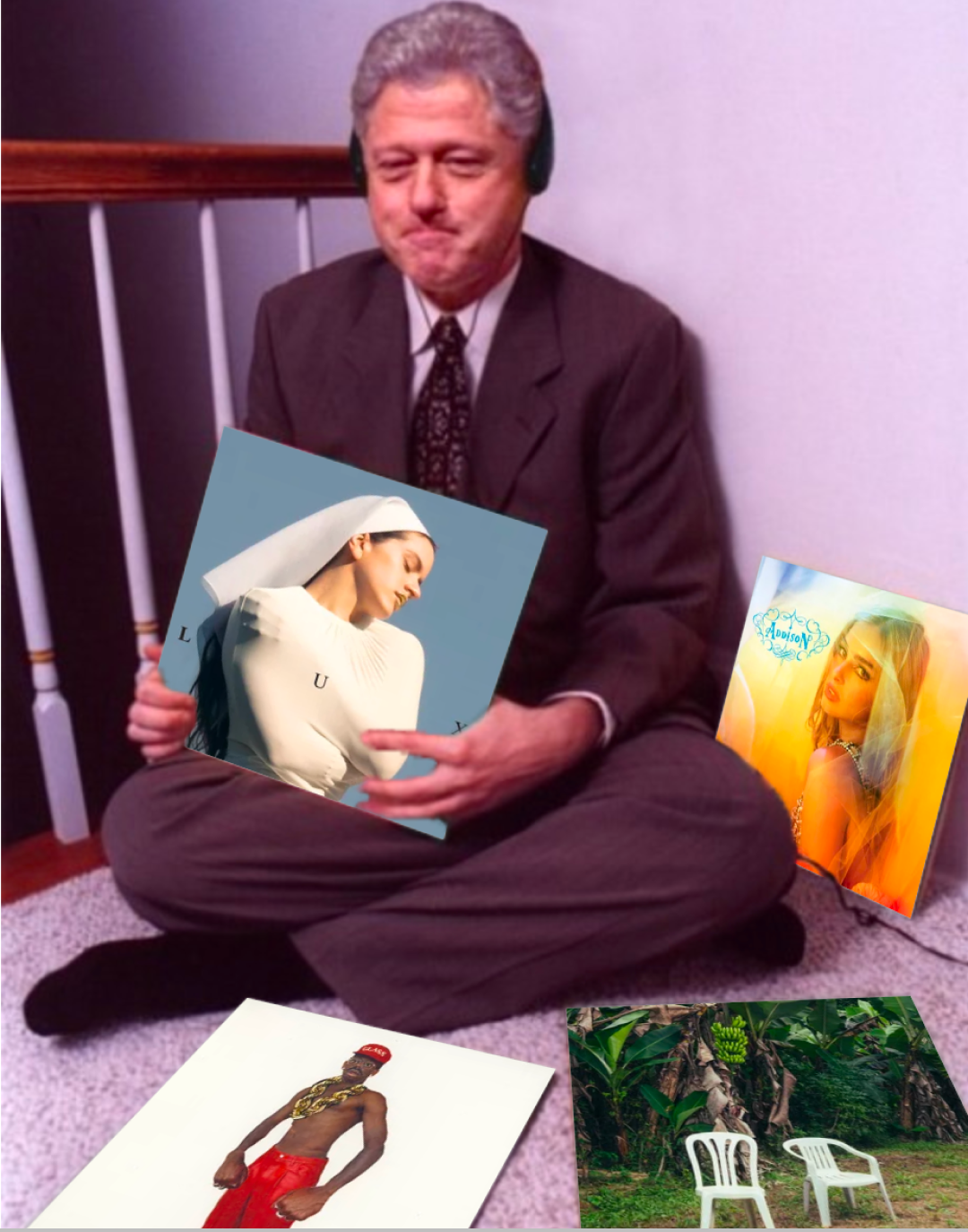
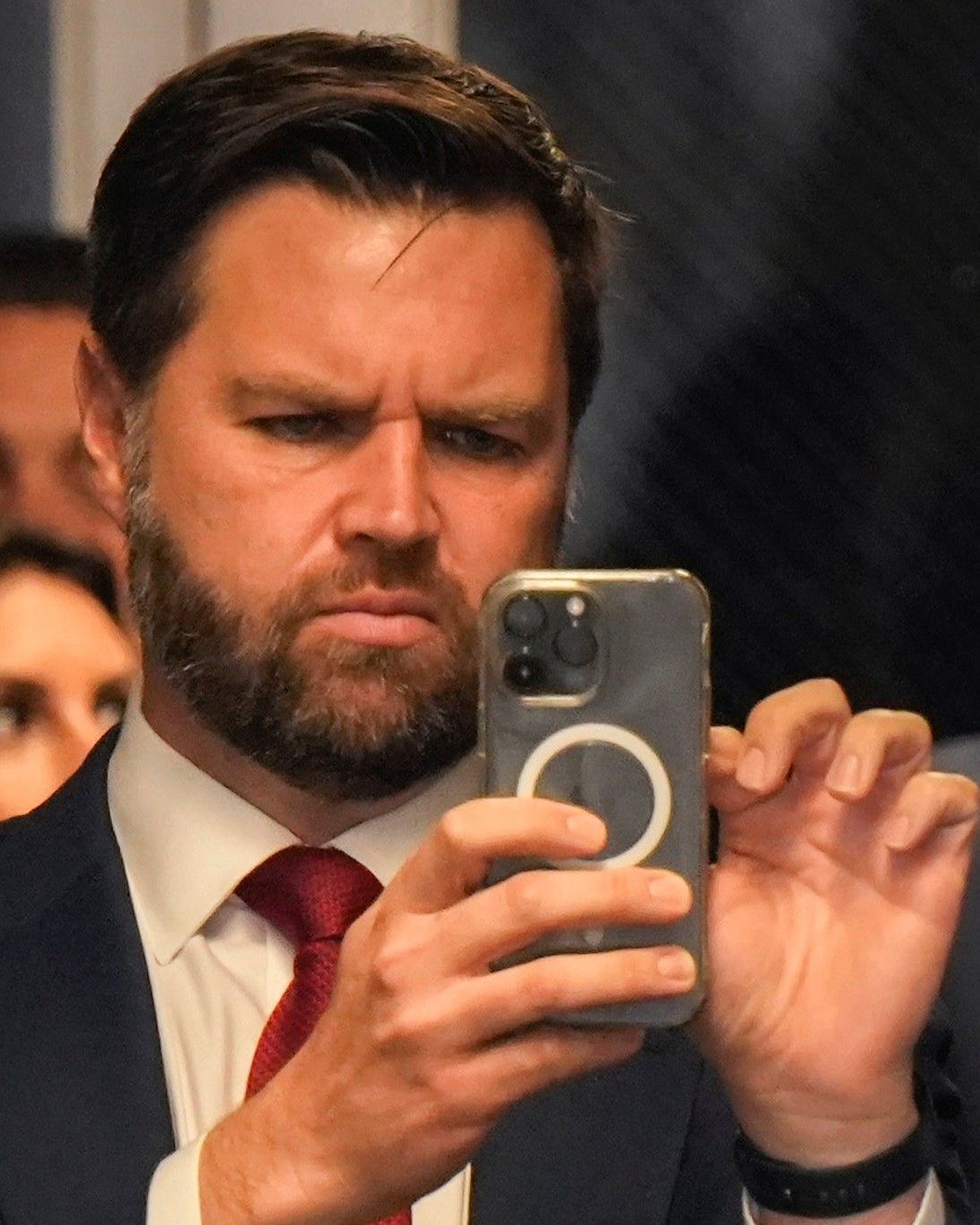
On the Panama Playlists website, it is stated that the author of the initiative managed to gain access to playlists, real-time listening histories, and other account information from prominent figures such as JD Vance, Vice President of the United States, and Sam Altman, CEO of OpenAI, among many others. Although the information cannot be independently verified, some of the individuals involved have reportedly confirmed that the published data aligns with their actual activity on Spotify. According to Panama Playlists, Florida Governor Ron DeSantis is particularly fond of Miley Cyrus’s “Party in the USA”, while White House press secretary Karoline Leavitt is said to enjoy Cyndi Lauper’s “Girls Just Want to Have Fun”. Other Republican politicians also appear to favor a musical taste seemingly quite distant from the typical conservative stances and values: for example, Jacob Helberg – Under Secretary of State in the Trump administration – reportedly listened to “Apple” by Charli XCX nearly 60 times, along with various tracks by Chappell Roan and Addison Rae.
How music consumption is changing
hey (with the intention of listening to jd vance’s queer coded spotify playlist)
— that guy from the umbrella academy (@kakejelly222) August 5, 2025
The widespread use of music streaming platforms has not only changed how many people listen to music, but has also gradually transformed and rendered obsolete the musical genre classification criteria — both at micro and macro levels. Back in 2021, The New Yorker published a lengthy and well-received article titled "Genres are disappearing. What comes next?" The strategies used by companies like Spotify to recommend and help users discover new songs now take into account many “external” factors — such as the activities being performed at a given time of day. This phenomenon is especially noticeable in the service’s curated playlists. In 2022, Melanie Parejo, the platform’s editorial lead for Southern Europe, told Sole 24 Ore that on Spotify "there is no longer a fixed genre defining a playlist." "Genre categorization today is less important than identifying and recognizing a culture, a movement, a scene," Parejo explained. The topic of the so-called “elimination of musical genres” is closely tied to how music is discussed and understood today.
According to much of the music criticism community, labeling a song with a precise genre is now seen as a pointless exercise, especially since it’s increasingly difficult to associate certain artists with a single musical landscape. What complicates matters further is the exponential rise in the number of genres: over the years, thousands of sometimes very imaginative ones have been invented — according to U.S. magazine The Pudding, over 6,000 are currently classified. This highlights how much harder it has become to navigate the current musical landscape consciously — with direct consequences for some listeners, who now struggle to discover new artists. The declining importance of genres is also linked to new ways of consuming music: easy access to vast music libraries has paradoxically turned many streaming platform users into passive listeners. Often, songs are encountered through the algorithms on which platforms like Spotify are based — a mechanism that has deeply influenced how people relate to music. The result is a generally less engaged and less conscious listening experience. In many ways, the variety of songs featured in the Panama Playlist seems to reflect this fragmented mode of consumption more than intentional or consistent choices by those who listen to certain tracks over others.
What to read next
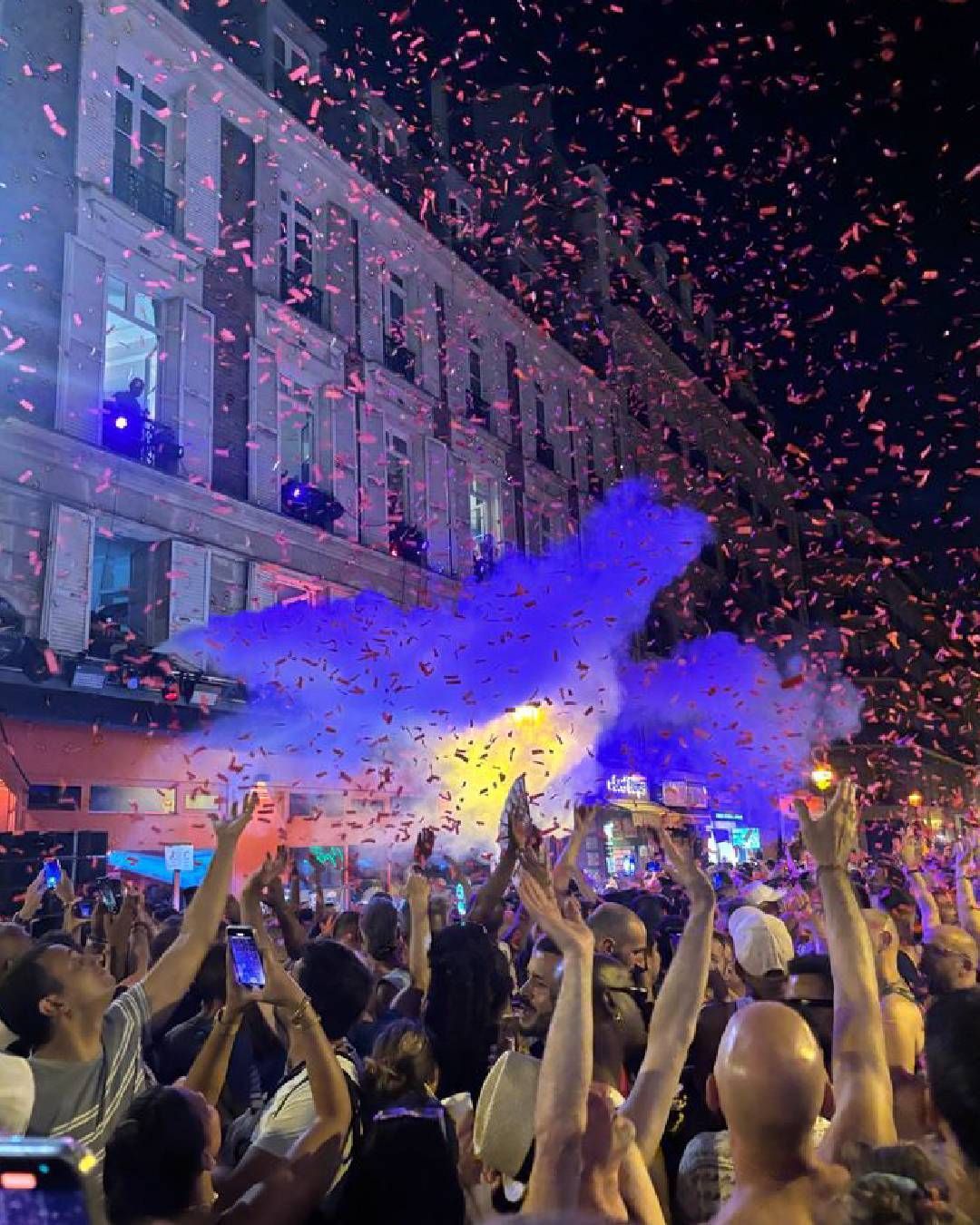
Has the Fête de la musique become a massive marketing operation?
As June 21 approaches, brands take turns announcing their own events